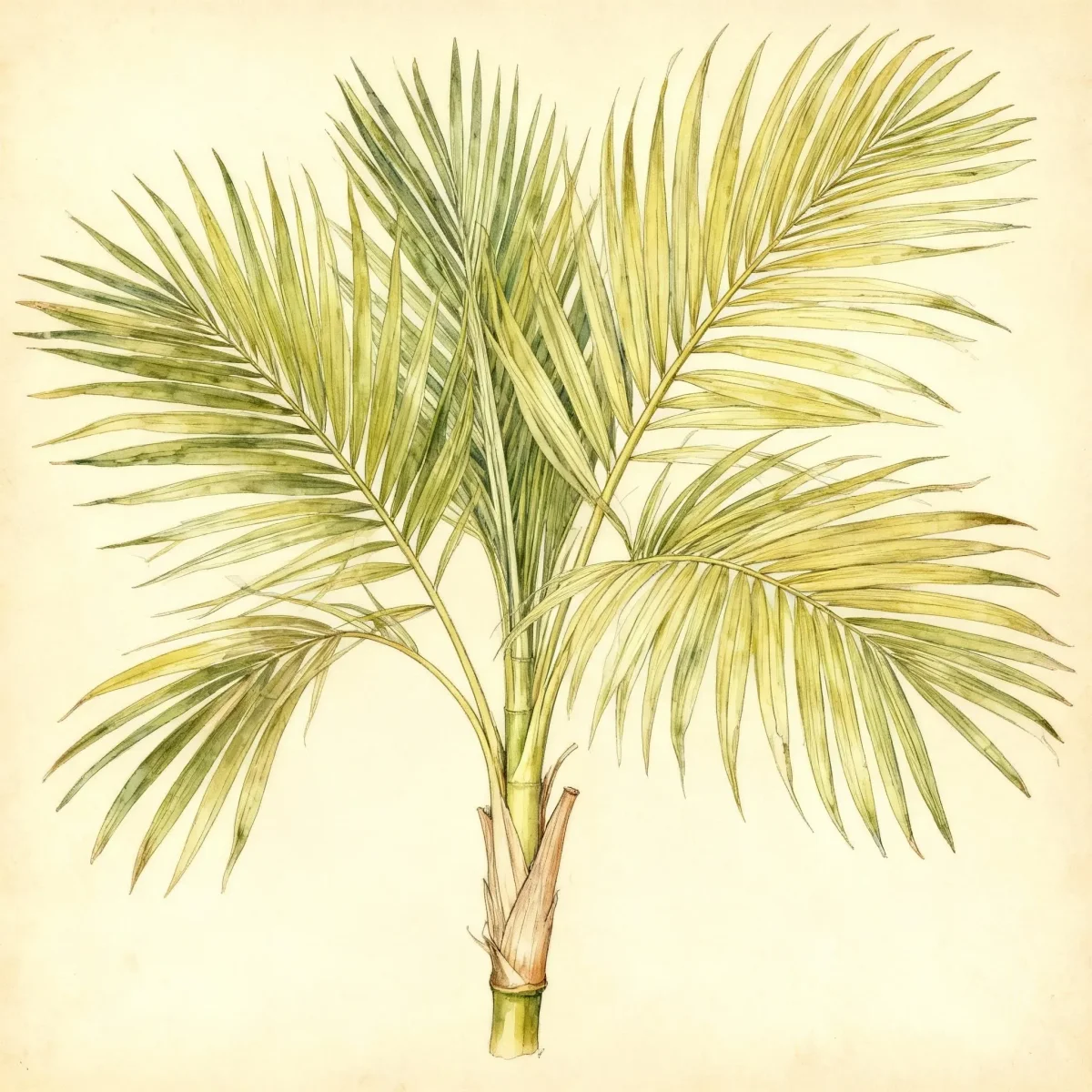
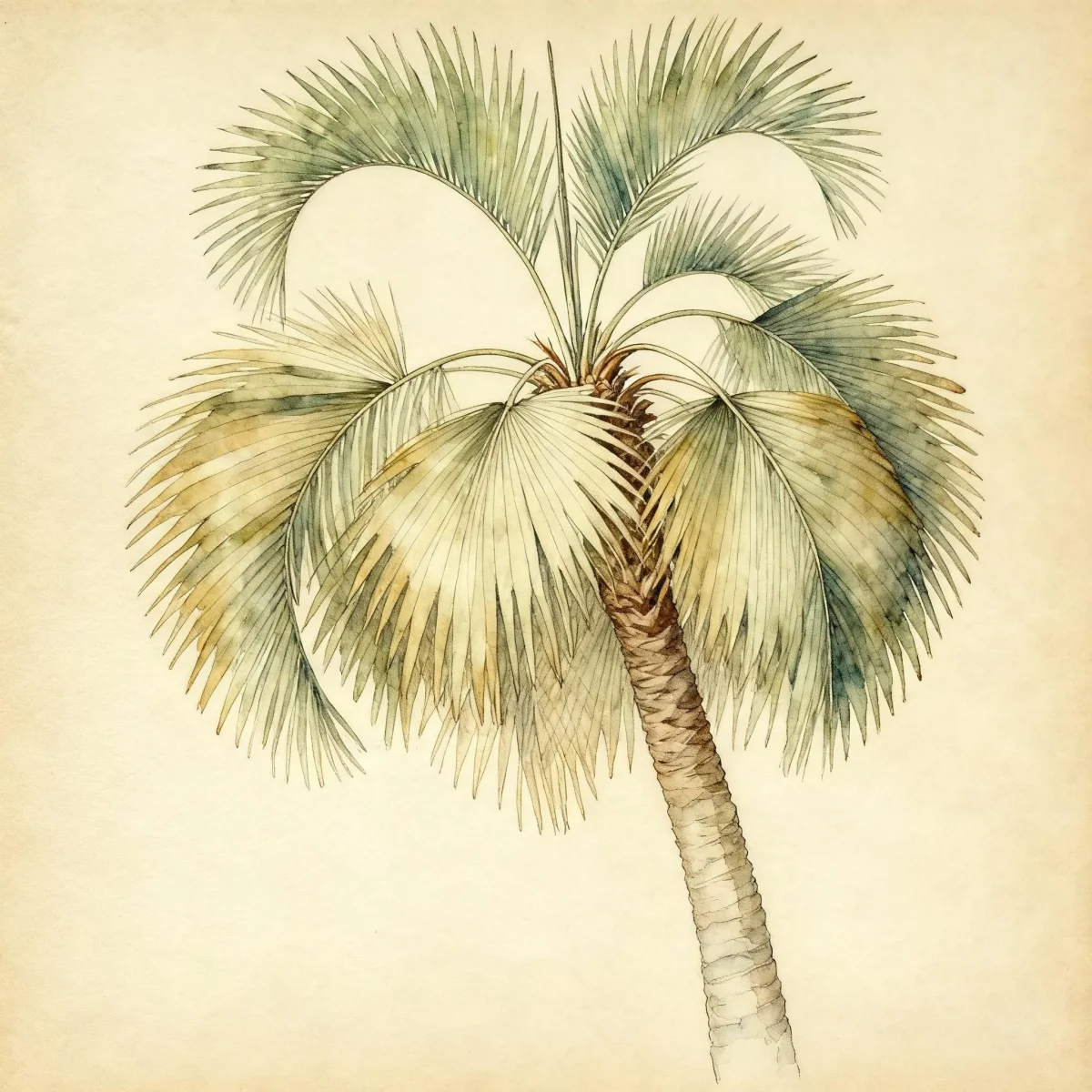
Sago palm (Cycas revoluta)
The striking Sago palm (Cycas revoluta) is a slow-growing cycad known for its symmetrical, palm-like foliage and low maintenance.
Scroll down to discover growing tips, care requirements, companion plants, and more
Complete Plant Information
Overview
The Cycas revoluta, commonly known as the Sago palm, offers a dramatically architectural presence ideal for tropical or subtropical landscaping. Despite its common name, this ancient plant is botanically closer to conifers than true palms, providing unique texture and form to the garden. It is prized for its slow growth and exceptionally long lifespan, making it a truly permanent landscape fixture.
Valuable for its symmetrical crown of stiff, dark green, arching leaves, the Sago palm thrives outdoors in its suitable zones but functions excellently as a statement container plant elsewhere. Its low maintenance requirements ensure that establishing this impressive specimen requires minimal ongoing effort once properly sited.
Gardeners considering adding Cycas revoluta should appreciate its slow maturation rate; trunks can take decades to form significant diameter, meaning this is often a specimen plant passed down through generations. It delivers a bold, year-round evergreen display, making it a cornerstone for formal or exotic garden designs.
Fast Facts
- Plant Family: Cycadaceae
- Plant Type: Palm or Cycad
- Native Range: Southern Japan
- Hardiness Zones: USDA Zones 9-10
- Size at Maturity:
- Height: 3-10 ft
- Spread: 3-10 ft
- Bloom Time: Non-flowering
- Bloom Description: Non-flowering
- Sun Exposure: Full sun to part shade
- Water Needs: Medium
- Maintenance Level: Low
How to Grow
The ideal planting time for establishing Cycas revoluta outdoors is spring after the last threat of frost, ensuring the plant has the entire growing season to develop roots. This cycad requires superior soil drainage; plant it in sandy, humusy ground, avoiding heavy clay soils that retain too much moisture. While it handles full sun, protection in part shade is often best, especially in the hottest climates, and a generous layer of mulch helps conserve moisture and maintain root temperature.
Established plants exhibit moderate drought tolerance, necessitating regular, consistent moisture during their initial establishment period. For indoor container specimens, use a soil-based potting mix amended with sand and peat, siting the pot in filtered sun (4-6 hours daily is ideal). Water deeply but allow the soil surface to nearly dry out between applications to prevent root issues.
Because maintenance is generally low, focus primarily on observing for pests and ensuring rapid water run-off. Plants sucker at the base, offering a natural propagation method, but otherwise require little pruning other than removing older, damaged leaves at the base of the trunk. Outdoor plants can withstand brief dips near the high teens, but temperatures consistently below 15°F may cause permanent leaf damage or death to the Sago palm.
Landscape Uses
The distinct texture and form of the Cycas revoluta make it highly adaptable in various landscape settings. It excels as a bold lawn specimen, drawing immediate attention due to its rigid, symmetrical structure. For low-maintenance borders, few plants offer the reliable evergreen appeal of this cycad.
In contemporary or tropical designs, the Sago palm is indispensable in containers, where it can be strategically placed on patios or flanking entryways. When placed in rock gardens, its rugged texture contrasts beautifully with softer, sprawling groundcovers that share similar low-water needs.
Consider companion planting with equally tough, drought-tolerant species that offer contrasting foliage color or texture, such as Agaves or certain ornamental grasses suitable for Zones 9-10. The slow growth of the Cycas revoluta means it will hold its place in the design for decades without becoming invasive or overwhelming its neighbors.
Standout Features
Noteworthy Characteristics
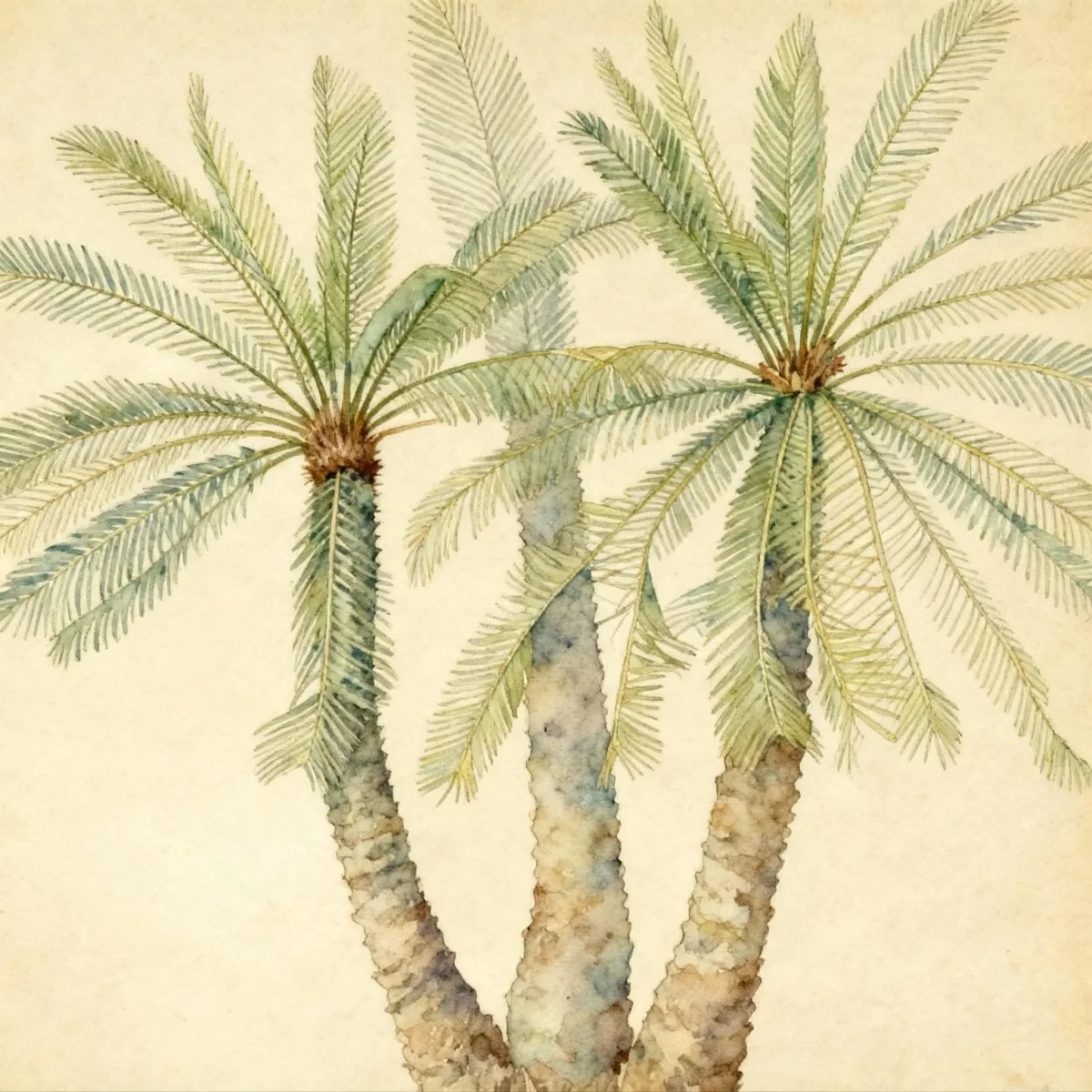
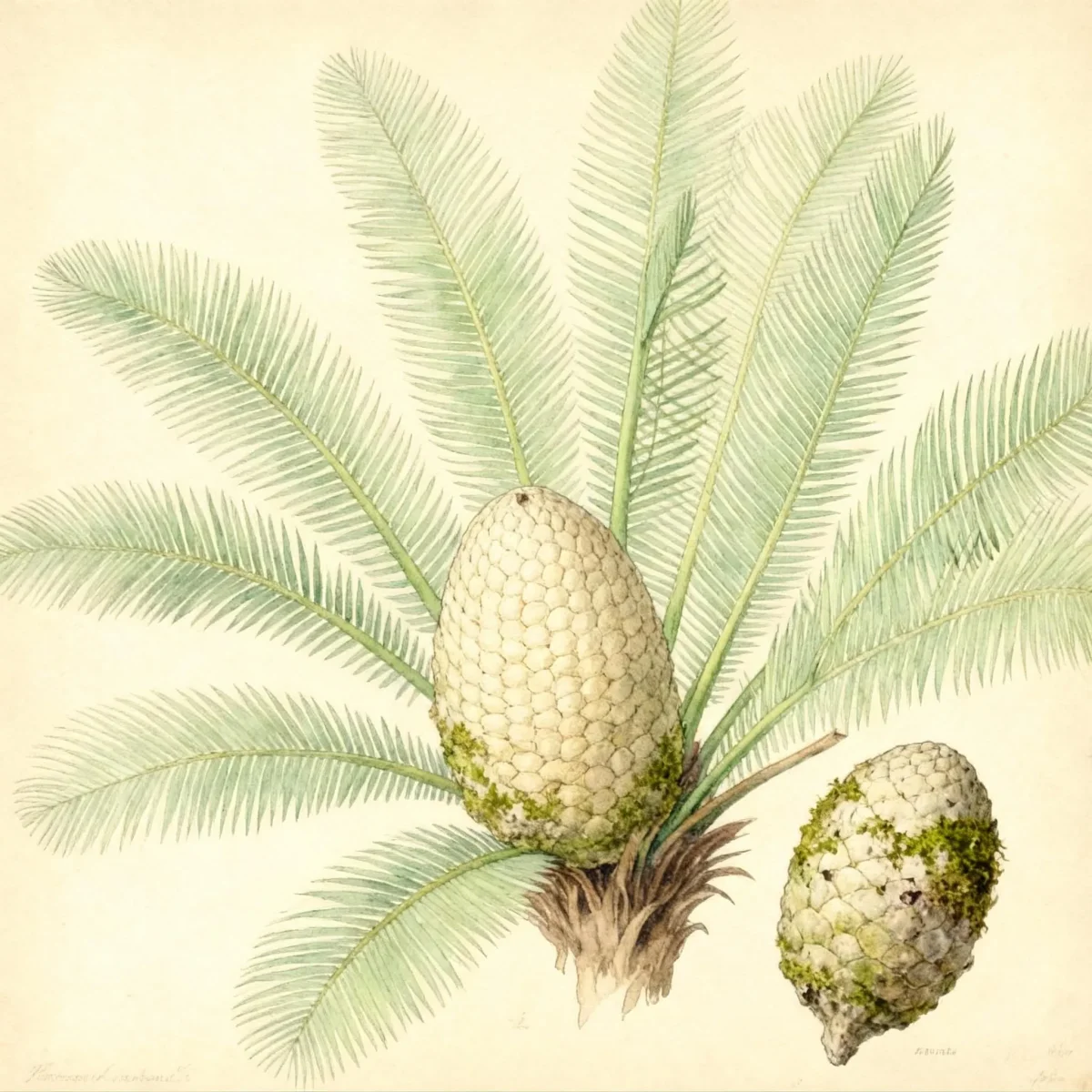
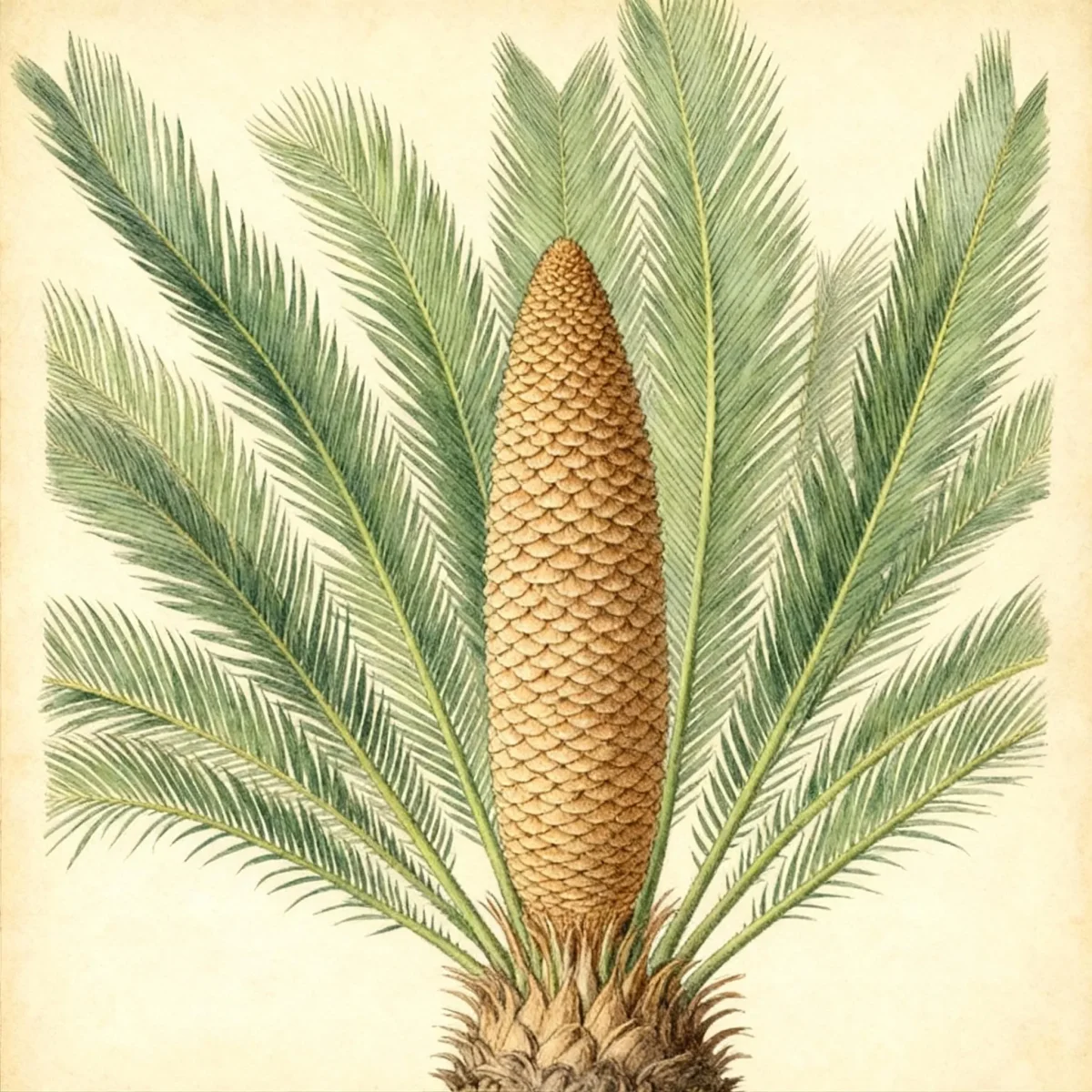
Notwithstanding the common name of sago palm or King Sago palm, this cycad is botanically closer to conifers than to palms. This species is native to Kyushu (third largest Japanese island), the Ryukyu Islands, and southern China. It is a very slow-growing, symmetrical plant that produces a crown of shiny, arching, palm-like, evergreen palmate leaves atop a shaggy upright trunk. Plants are dioecious, with males producing pollen cones and females developing orbicular cones that hold vermilion seeds.
Tolerances
- Drought
Potential Problems
The Cycas revoluta is generally rugged, but growers should vigilantly watch for common scale insects and mealybugs, especially when the plant is grown indoors or in sheltered outdoor locations. Spider mites can become problematic, particularly when the potting environment or ambient air becomes excessively dry, which is common with indoor winter heating.
Management involves regular inspections of the undersides of leaflets and the trunk base. Treating minor infestations with horticultural oil or insecticidal soap is usually effective. Ensuring good air circulation, especially for containerized plants, helps minimize the conditions that favor pest outbreaks on the Sago palm.
Frequently Asked Questions
What hardiness zones is Sago palm suitable for?
The Cycas revoluta is reliably hardy in USDA Zones 9 through 10, though some varieties might survive protected locations in Zone 8 with significant frost cover.
How large does Cycas revoluta grow?
Mature specimens typically reach 3 to 10 feet in height and spread, though reaching the upper range of this measurement can take 50 years or more due to the plant’s very slow growth rate.
What sun exposure does Sago palm need?
The plant performs well in conditions ranging from full sun to part shade, though many horticulturists recommend slightly shaded locations for the best foliage appearance.
When does Sago palm bloom?
Cycas revoluta is classified as non-flowering, meaning it does not produce reproductive blossoms visible to the gardener in the traditional sense.
Conclusion
The Cycas revoluta remains a premier choice for adding timeless, prehistoric elegance to subtropical and container gardens due to its symmetry and low maintenance profile. Whether you call it the Sago palm or by its scientific name, this cycad provides striking texture unmatched by faster-growing contemporaries. Plan your installation carefully, prioritizing excellent drainage, and enjoy decades of slow, magnificent growth.
Companion Planting
When selecting companions for Cycas revoluta, focus on plants that have similar requirements for drainage and light intensity. Because the Sago palm prefers well-drained, somewhat sandy soil, pairing it with Mediterranean shrubs or desert succulents can create a cohesive, low-water landscape grouping. Avoid plants that require consistently moist, heavy soils, as this combination often leads to root rot in the cycad.
In tropical-style borders, the sharp, rigid texture of the Sago palm contrasts wonderfully with broad-leaved, softer plants like low-growing ferns (in shaded conditions) or colorful crotons. This juxtaposition highlights the architectural quality of the Cycas revoluta, turning it into an immediate focal point around which other landscaping elements can orbit.
Propagation Tips
The most straightforward way to increase your stock of Cycas revoluta is through utilizing the suckers or offsets that emerge from the base of the mature trunk. These small plantlets should be carefully separated using a sharp, sterilized spade or knife when they reach a reasonable size, ideally at least one-third the size of the parent trunk.
Once separated, allow the base of the offset to cure in a shaded, dry location for several days; this forms a protective callus over the cut surface, which is essential prior to planting. Plant the callused offset into a highly porous mix similar to that of the parent—sandy, well-drained soil—and keep it lightly watered until new growth begins, signaling successful rooting. Propagation by seed is possible but exceptionally slow.