Eastern Cape blue cycad (Encephalartos horridus)
The striking Encephalartos horridus, Eastern Cape blue cycad, is a slow-growing, evergreen gem prized for its intensely spiny, blue-green foliage.
Scroll down to discover growing tips, care requirements, companion plants, and more
Complete Plant Information
Overview
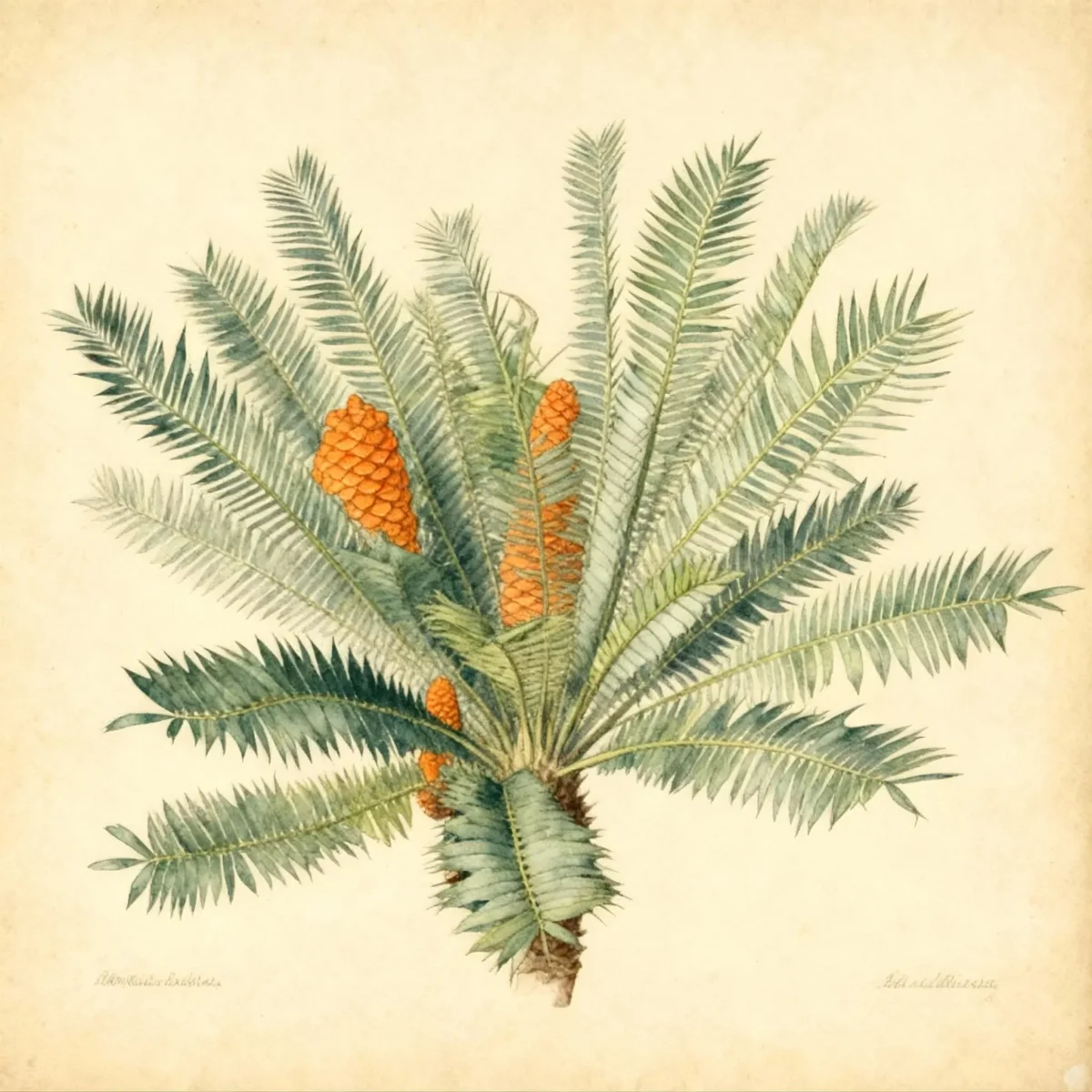
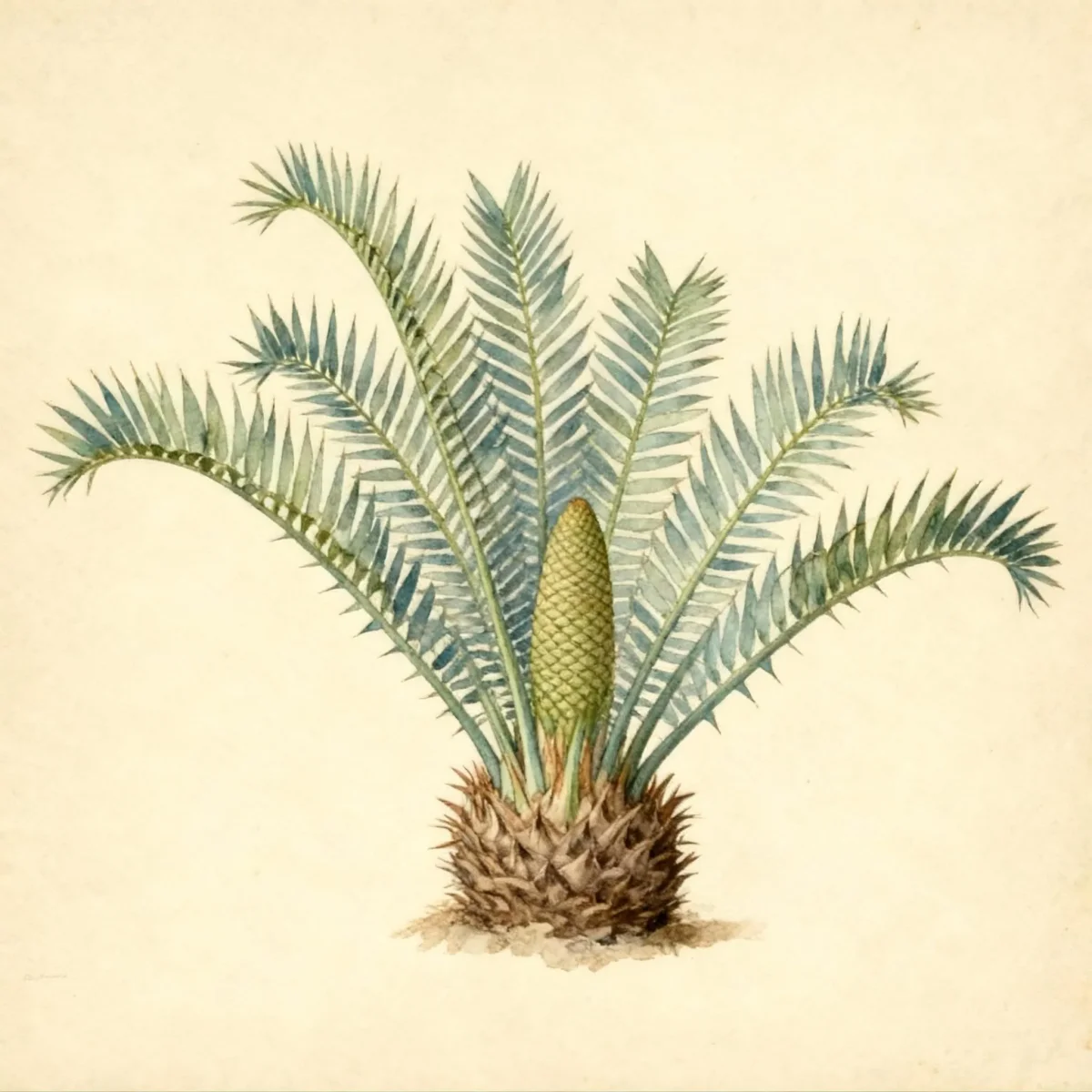
The Eastern Cape blue cycad, scientifically known as Encephalartos horridus, is a highly sought-after specimen recognized globally for its dramatically spiny, intensely blue foliage. This slow-growing, evergreen cycad brings a prehistoric, architectural element to any landscape or collection. Its visual impact, derived from recurving leaves radiating from a short, stocky trunk, ensures it serves as a spectacular focal point.
Native to the rocky outcroppings of the Eastern Cape Province in South Africa, Encephalartos horridus thrives in conditions mimicking its arid, sunny origins. Cultivating this plant successfully hinges on providing the necessary full sun exposure to maintain its signature blue coloration and ensuring excellent soil drainage. While it requires moderate care, its unique look justifies the medium maintenance level required for enthusiasts.
Gardeners prize this palm-like succulent for its uniqueness and drought tolerance once established. Whether grown in a tropical landscape or as a prized container specimen north of Zone 10, the sight of a mature Encephalartos horridus offers unparalleled textural contrast and enduring, structural beauty.
Fast Facts
- Plant Family: Zamiaceae
- Plant Type: Palm or Cycad
- Native Range: South Africa
- Hardiness Zones: USDA Zones 10-12
- Size at Maturity:
- Height: 2-3 ft
- Spread: 2-4 ft
- Bloom Time: Non-flowering
- Bloom Description: Non-flowering
- Sun Exposure: Full sun
- Water Needs: Dry to medium
- Maintenance Level: Medium
How to Grow
Planting the Eastern Cape blue cycad is best achieved when conditions allow for establishment before extreme heat or cold hits, typically in spring in warmer climates. Locate Encephalartos horridus where it receives full sun; this intensity is crucial for developing the vibrant blue hue of the leaves. The soil must be deep, organically rich, fertile, and most importantly, well-drained. Amend heavy clay sites liberally with grit or sand to ensure rapid drainage, preventing root rot which is fatal to cycads.
Care requires a thoughtful approach to moisture. While it tolerates drought well, its best performance is achieved with consistent, even moisture, meaning you should water deeply but infrequently, allowing the soil to dry slightly between waterings. Avoid overhead watering where possible. Fertilization should be light; use a slow-release granular fertilizer formulated for palms or cycads applied sparingly in the growing season. Pruning is generally minimal, focusing only on removing old, spent leaves near the base.
For gardeners in areas colder than USDA Zone 10, container culture is essential. In these zones, Encephalartos horridus must be overwintered indoors in a cool, bright, and sunny location. While the species tolerates an occasional light frost, consistent freezing temperatures will cause severe damage. Propagate this slow-growing species from suckers if possible, as starting plants from seed takes many years to reach maturity.
Landscape Uses
The Eastern Cape blue cycad is unrivaled when used as a sculptural accent in frost-free gardens. Its strong lines and intense coloration make it an ideal specimen plant, drawing the eye immediately toward its architectural form. Because of its slow growth and moderate mature size (2-3 ft tall), it fits well in smaller beds or integrated into rock gardens.
For design synergy, pair Encephalartos horridus with other drought-tolerant and textural plants. Succulents, agaves, and other slow-growing caudiciform plants provide excellent neighboring textures that harmonize with the cycad’s prehistoric look. In conservatories or warm greenhouses, it serves as a stately centerpiece specimen.
For regions where it cannot be grown outdoors year-round, utilize it as an excellent trunkless indoor container plant when young. Moving the container outdoors during the warm months maximizes its sun exposure, ensuring superior blue color retention before bringing the Encephalartos inside for its winter rest period.
Standout Features
Noteworthy Characteristics
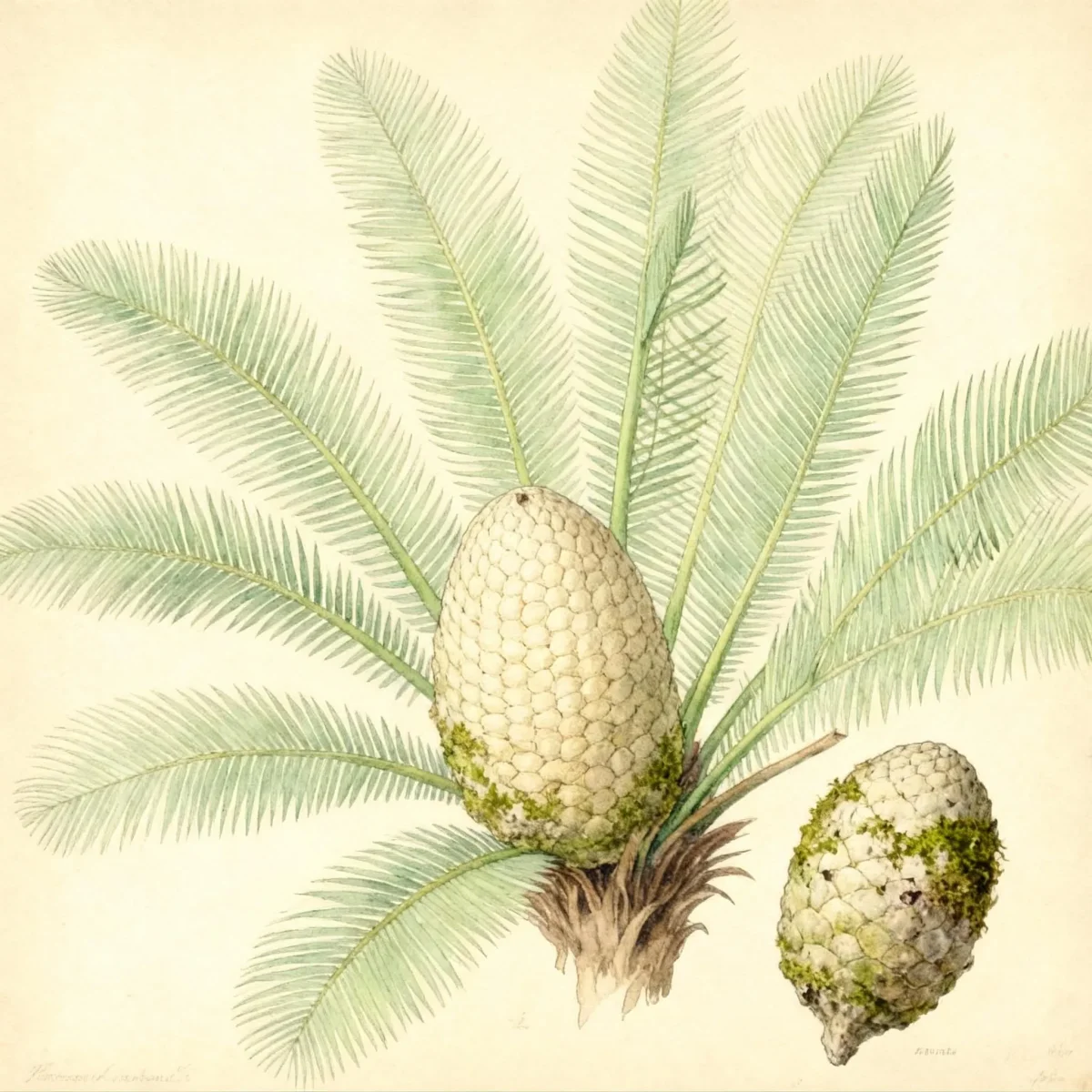
Encephalartos horridus, commonly called ferocious blue cycad, is a slow-growing, small to medium-sized, evergreen blue cycad native to rocky slopes in South Africa. It features pinnate, spiny, blue-green leaves emerging from a short, stocky trunk, with leaflets giving rise to the specific epithet horridus, meaning prickly. This dioecious cycad produces distinct male and female cones in summer, though it is currently listed as endangered globally.
Tolerances
- Drought
Potential Problems
This species generally exhibits no serious recurring insect or disease problems under ideal cultural conditions. The primary threat specific to the survival of Encephalartos horridus in its native habitat is the Curculionid weevil, which targets the growing point. Gardeners should routinely inspect the crowns for signs of damage, particularly during warm weather, and manage any pest outbreaks immediately with appropriate systemic treatments if necessary to protect the terminal bud.
Frequently Asked Questions
What hardiness zones is Eastern Cape blue cycad suitable for?
The Eastern Cape blue cycad is hardy outdoors in USDA Zones 10 through 12, requiring protection when temperatures drop below freezing.
How large does Encephalartos horridus grow?
Encephalartos horridus typically reaches a height between 2 and 3 feet, with a spread generally ranging from 2 to 4 feet wide.
What sun exposure does Encephalartos horridus need?
This cycad requires full sun exposure; adequate sunlight is necessary to develop and maintain the best blue leaf coloration.
When does Encephalartos horridus bloom?
This species is classified as non-flowering in horticultural terms, although mature male and female plants produce distinct, large cones in the summer.
Conclusion
The Encephalartos horridus remains an unparalleled choice for collectors seeking architectural drama and striking blue foliage in warm, sunny environments. Providing the essential elements of full sun and superlative drainage ensures this magnificent Eastern Cape blue cycad thrives for decades. Always verify USDA zone compatibility before planting outdoors, or plan for robust indoor winter care north of Zone 10.
Companion Planting Suggestions
When planning the immediate surroundings for your Encephalartos horridus, select plants that share similar needs for excellent drainage and high light levels. Pairing this cycad with other South African succulents, such as various Aloes or Gasterias, works exceptionally well both aesthetically and culturally. In rock gardens, consider using low-growing, silvery groundcovers that echo the blue tones of the cycad without competing for deep-rooting space.
Ensure that companion plants do not require heavy, consistent irrigation. Aggressive, thirsty borders will either complicate your watering schedule or inadvertently lead to overwatering the sensitive roots of the Encephalartos. The goal is to create a dry, xeriscape microclimate where the blue cycad can express its best color and maintain its health naturally.
Container Growing Tips
For gardeners utilizing containers north of Zone 10, the success of Encephalartos horridus hinges on the potting medium and pot selection. Use a very coarse, fast-draining soil mix, perhaps two parts standard cactus mix to one part pumice or perlite. Select heavy pots (terracotta is visually appealing) to prevent the plant from tipping as the stiff, heavy leaves develop.
Watering in containers must be monitored closely, as pots dry out faster than in-ground plantings, but overwatering remains the biggest threat. Allow the top several inches of soil to dry completely before watering thoroughly until it drains from the bottom holes. During the winter rest period indoors, significantly reduce watering frequency; only water enough to keep the roots from desiccating completely.