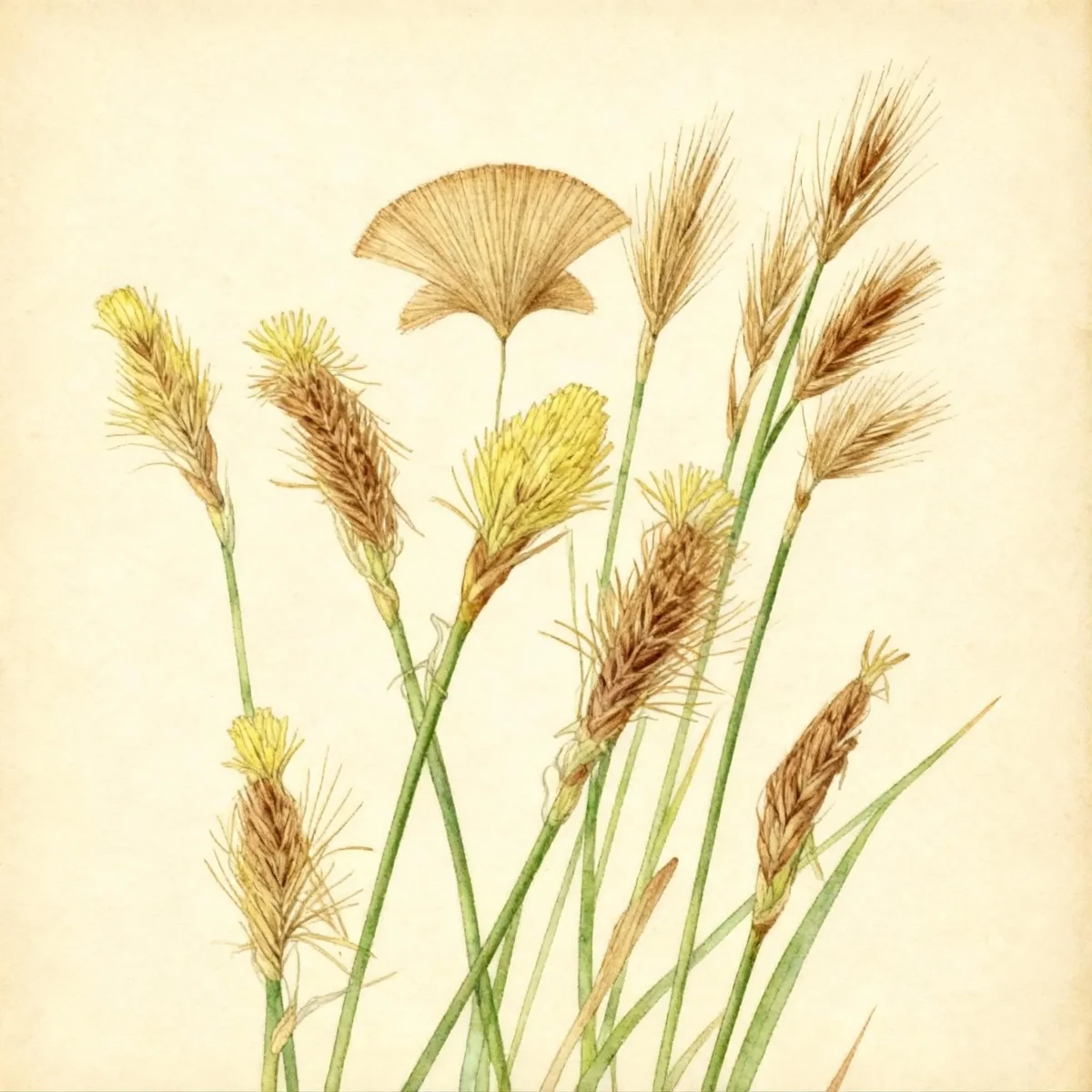
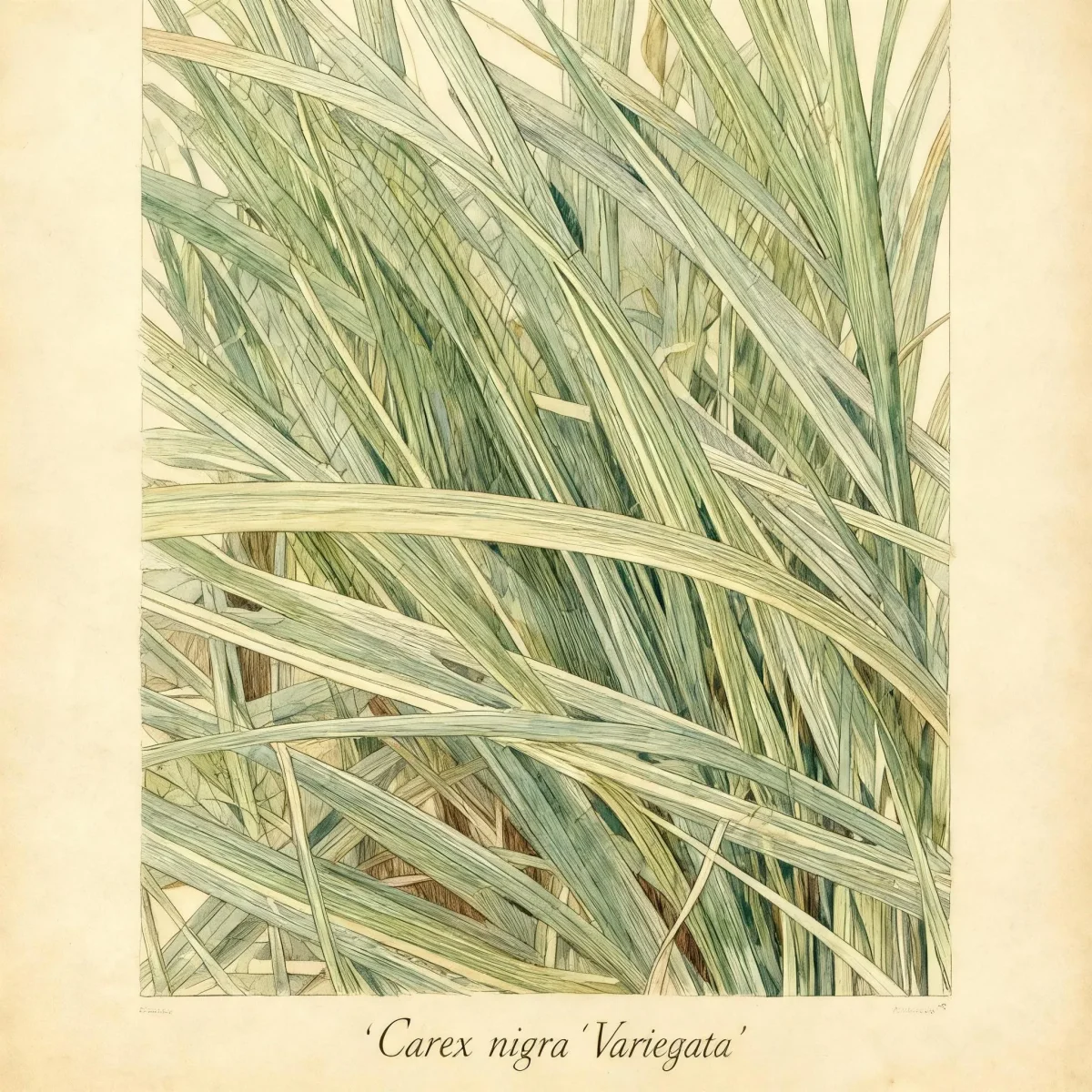
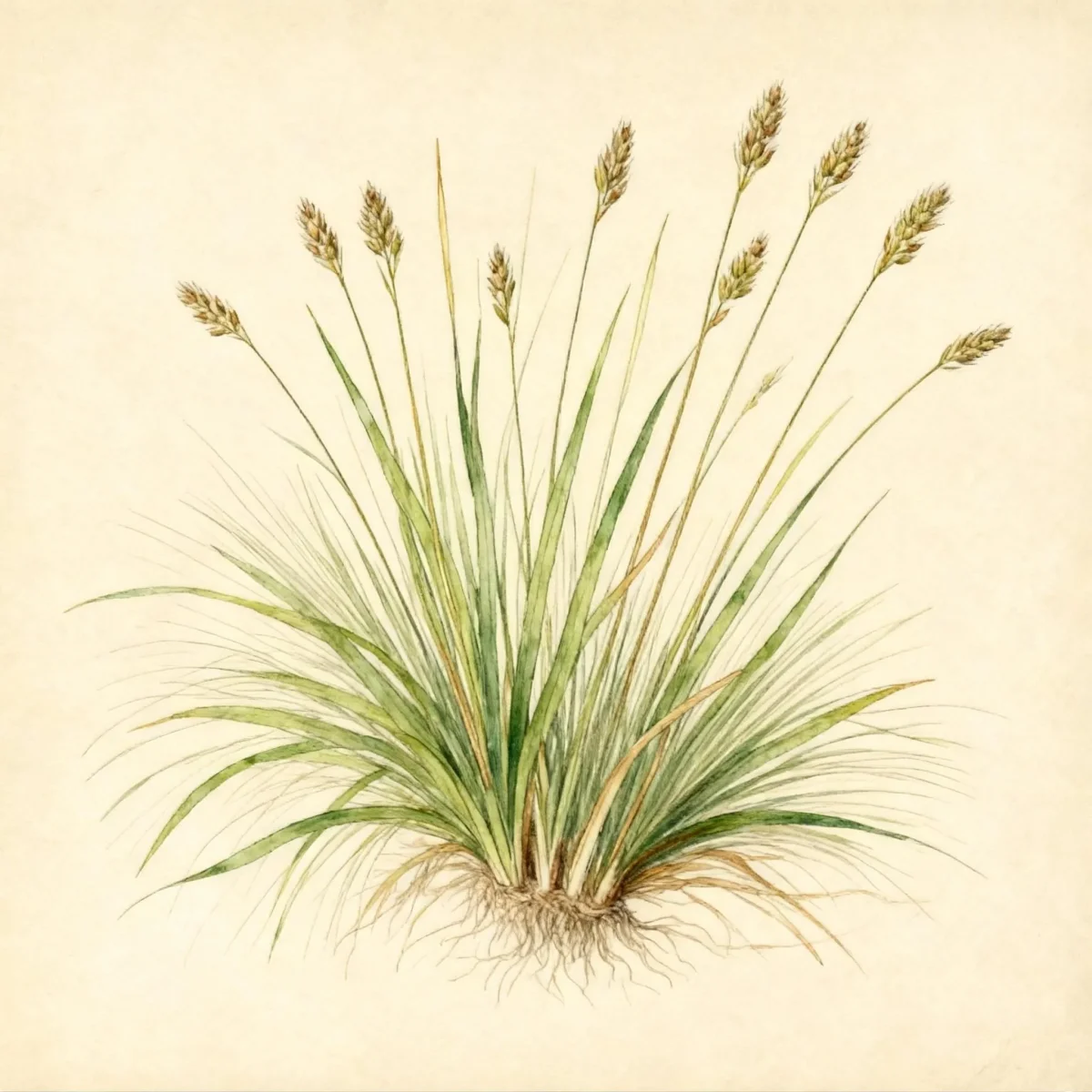
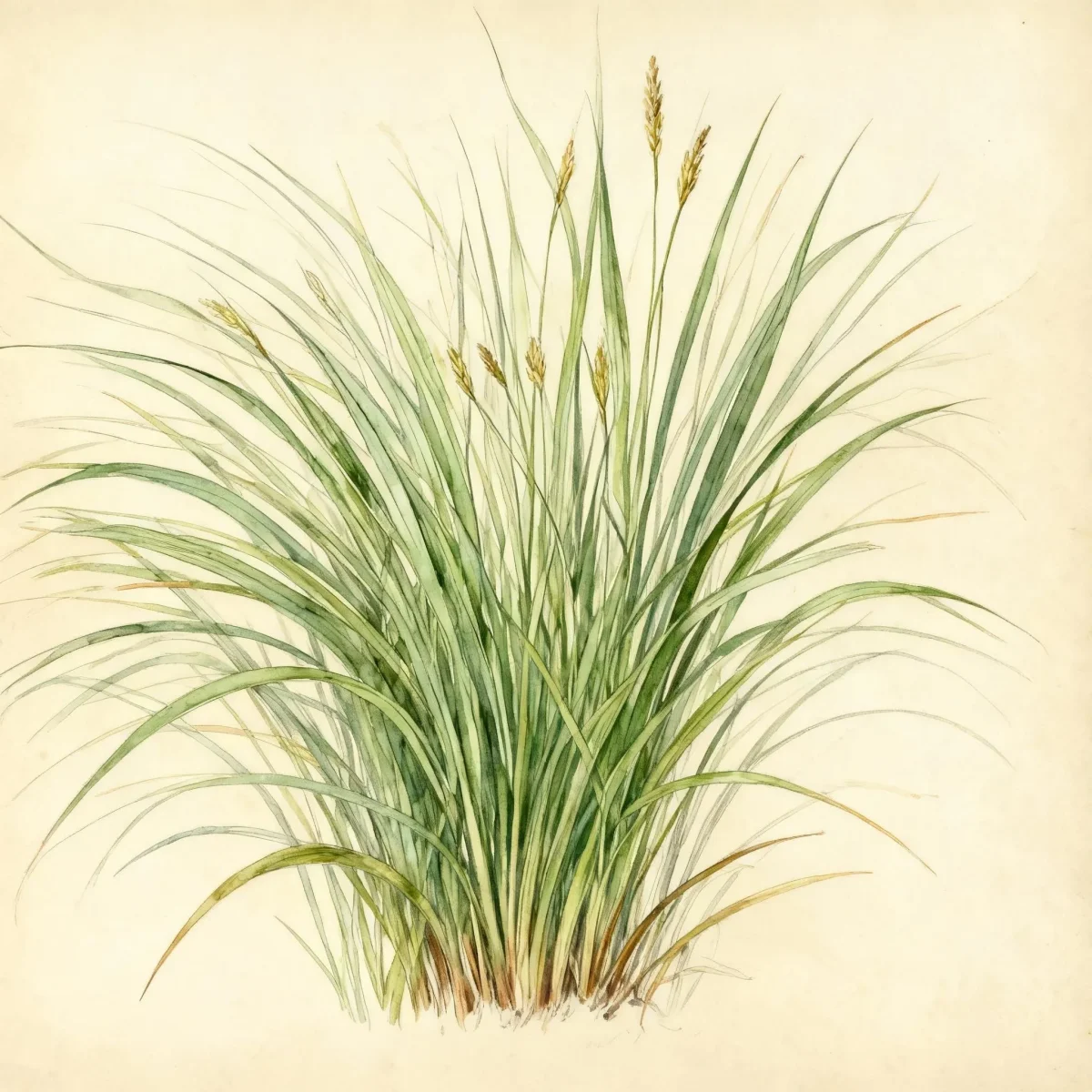
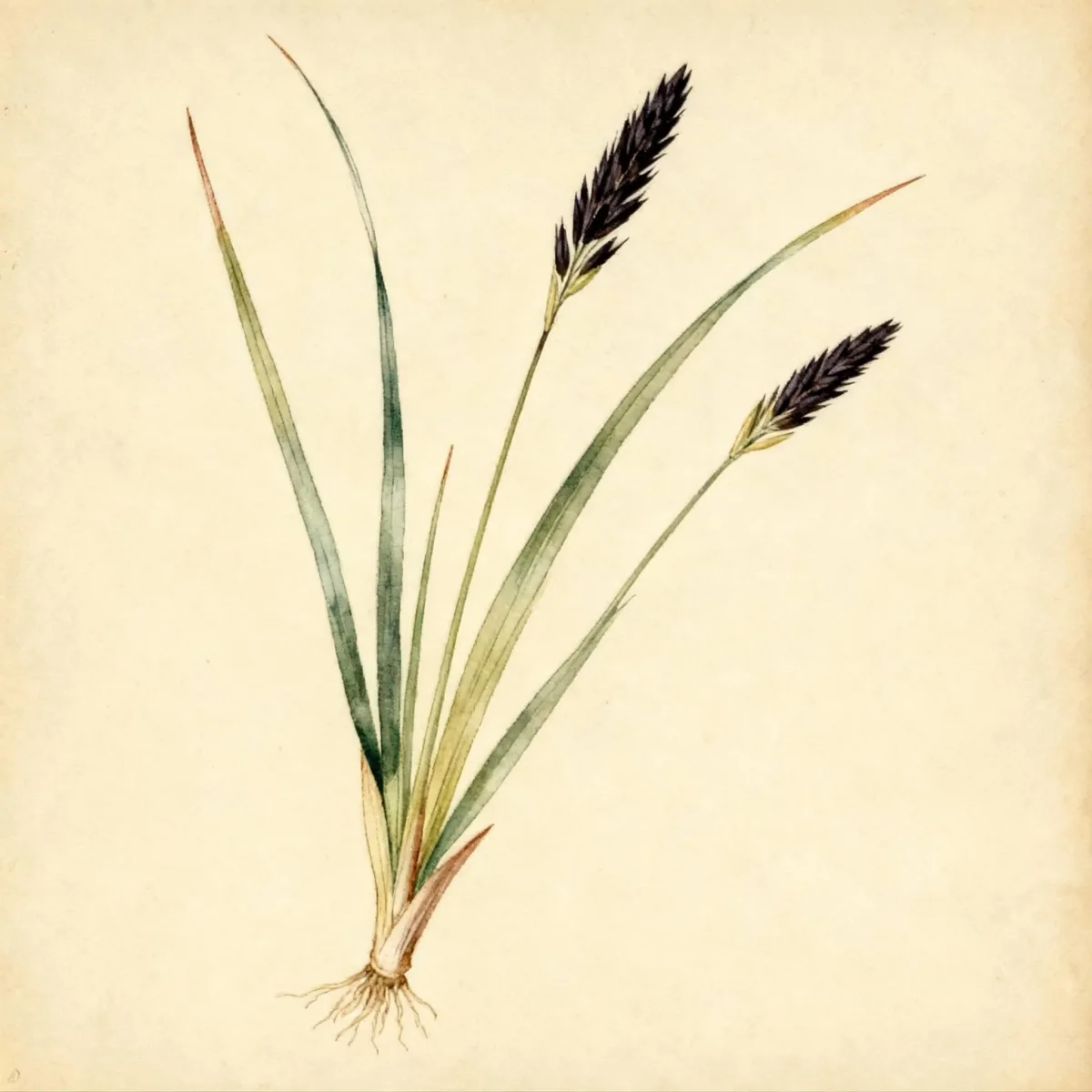
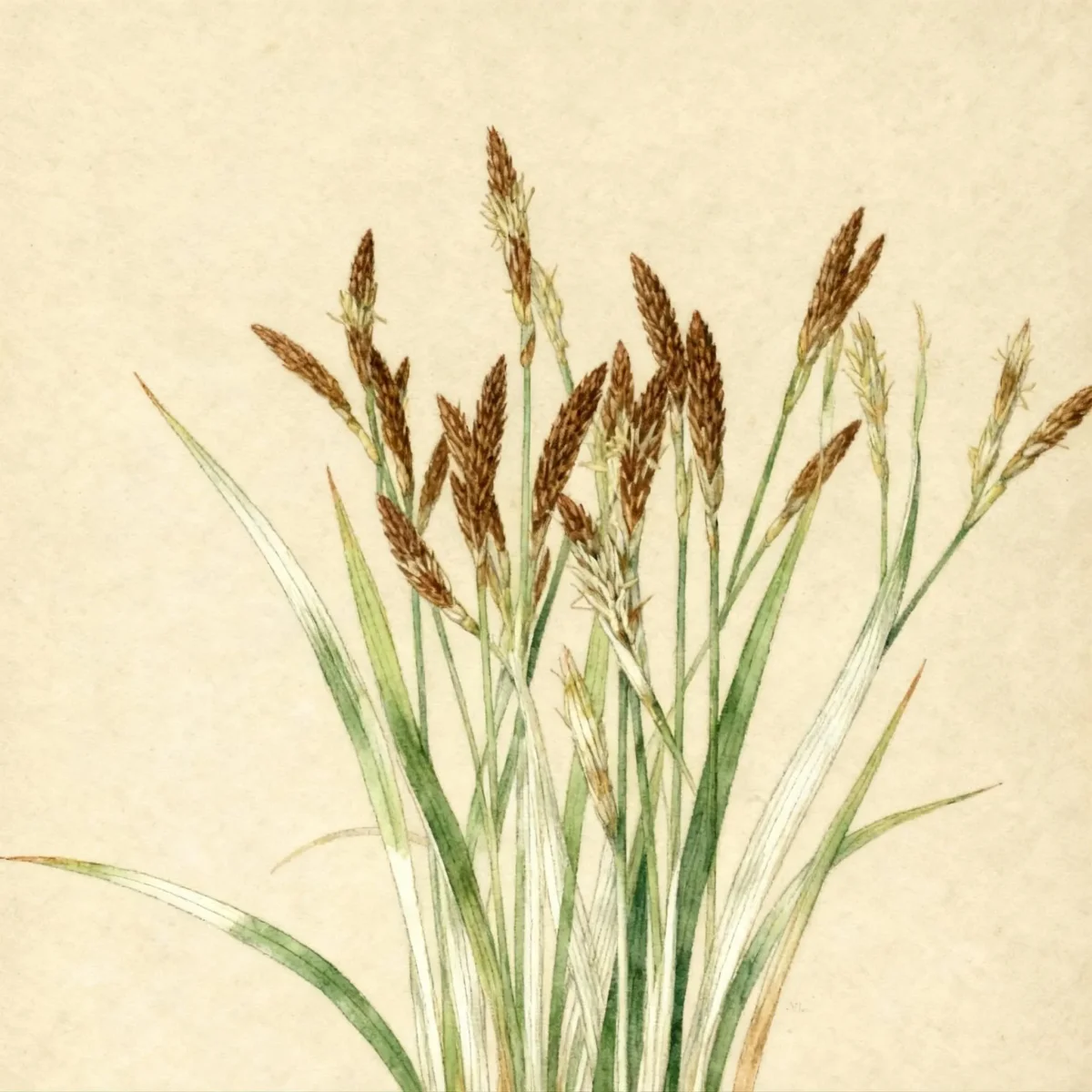
Sedge (Carex pensylvanica)
Carex pensylvanica is a low-maintenance Sedge perfect for dry shade groundcover, native to Eastern North America.
Scroll down to discover growing tips, care requirements, companion plants, and more
Complete Plant Information
Overview
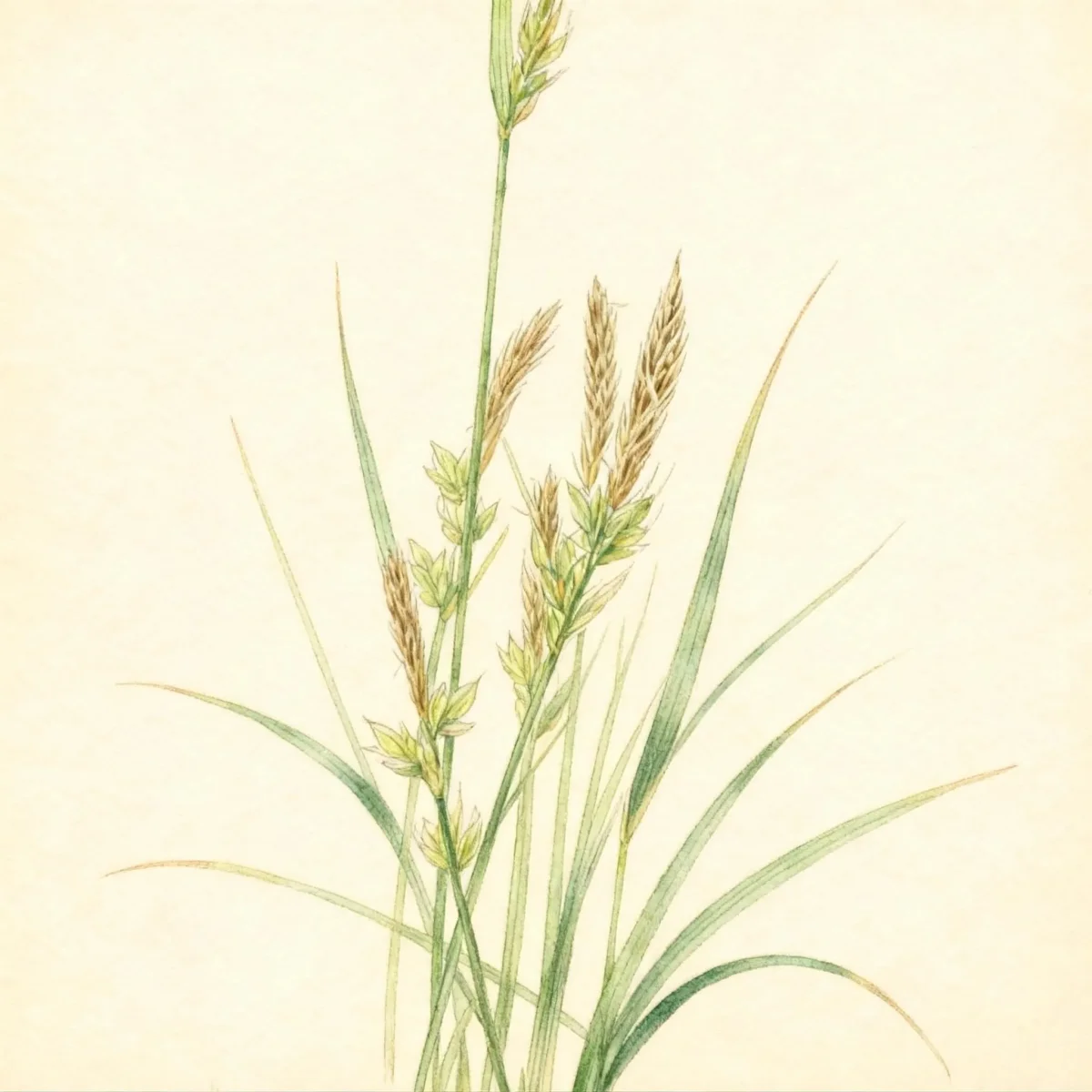
Carex pensylvanica, commonly known as Pennsylvania Sedge, is a highly valued native grass-like plant prized for its ability to thrive in deep shade where many turf grasses fail. This attractive Sedge forms dense, creeping colonies via rhizomes, making it a superior choice for naturalizing dry woodland floors. Its soft, delicate, and semi-evergreen foliage provides year-round texture.
This low-growing species offers exceptional utility for gardeners seeking sustainable, low-impact solutions. Unlike many moisture-loving Carex species, this Sedge tolerates dry soil conditions once established, aligning perfectly with the difficult understory environments beneath mature trees, particularly oaks. The adaptability of Carex pensylvanica makes it a bedrock component of modern native and shade gardens.
Gardeners appreciate the minimal intervention required by this plant; it is truly a low-maintenance choice. Whether used as a flowing groundcover or a lawn substitute in shaded, dry areas, Pennsylvania Sedge brings reliable texture and ecological benefit to challenging landscape spaces.
Fast Facts
- Plant Family: Cyperaceae
- Plant Type: Rush or Sedge
- Native Range: Eastern North America
- Hardiness Zones: USDA Zones 3-8
- Size at Maturity:
- Height: 0.5-1 ft
- Spread: 0.5-1 ft
- Bloom Time: May
- Bloom Description: Greenish
- Sun Exposure: Part shade to full shade
- Water Needs: Dry to medium
- Maintenance Level: Low
How to Grow
Planting Carex pensylvanica is best done in spring or early fall when soil moisture is generally consistent, allowing the rhizomes time to establish before extreme heat or cold hits. This specialist Sedge prefers average, well-drained soils, though it tolerates loose loams well, especially in dappled sunlight. While most sedges demand wet conditions, this specific species thrives in dry to medium soil, making it a drought-tolerant native groundcover once established.
Once planted, watering needs are minimal. Water thoroughly during initial establishment, but mature Pennsylvania Sedge requires less supplemental moisture than typical garden perennials. Fertilizer is rarely necessary, as excessive nutrients can encourage unwanted weedy growth or overly aggressive spreading. Pruning is usually unnecessary; the foliage is semi-evergreen and provides winter interest.
For spring cleanup, simply allow the old foliage to remain until new growth begins, or strategically mow in very early spring if establishing a turf substitute. Be aware that while this Sedge may self-seed in optimal, moist conditions, it spreads primarily by slow-creeping rhizomes. For covering large areas quickly, gardeners often find purchasing established plants more reliable than relying on germination from seed.
Landscape Uses
The primary strength of Carex pensylvanica lies in its use as a seamless, green groundcover for dry shade. It excels under the canopy of large trees, particularly oaks, where turf struggles due to root competition and low light levels. Use it to naturalize open woodland areas, softening the transition between lawn and forest edge.
This low sedge is also highly suitable as an elegant underplanting layer for shade perennials, such as hostas and ferns, providing textural contrast without competing aggressively. Alternatively, consider using Pennsylvania Sedge as a living mulch or an entire lawn substitute in deeply shaded areas that never receive enough sun for turfgrass. It forms a soft, meadow-like turf that requires no mowing, or can be mowed infrequently (2-3 times per year to 2 inches) if a tighter appearance is desired.
Due to its creeping habit, it works well for stabilizing slopes or edging woodland paths where robust, self-sustaining coverage is needed. Companion planting opportunities abound with other dry-shade natives that share similar needs, such as epimediums or native woodland phlox.
Standout Features
Flower Qualities
- Insignificant
Noteworthy Characteristics
Carex pensylvanica, commonly called Pennsylvania sedge, is a shade-loving perennial sedge that is native to thickets and dry woodland areas in Eastern and Central North America from Quebec to Manitoba south to Mississippi and Georgia. It typically grows in loose colonies with a creeping habit, often found near oak trees, earning it the name oak sedge. This is a low sedge featuring soft, delicate, arching, semi-evergreen leaves that are typically shorter than the flowering stems, providing excellent low-level texture year-round.
Tolerances
- Heavy Shade
- Wet Soil
Potential Problems
Carex pensylvanica demonstrates excellent resistance to most significant insect and disease pressures, contributing to its low maintenance appeal. Occasional fungal issues like leaf spot, smut, or rust may appear, typically during periods of high humidity or if air circulation is poor.
To minimize fungal problems, ensure that the planting area, while tolerant of wet soil, has reasonably good drainage to prevent foliage from sitting in standing water for prolonged periods. Good site selection, adhering to the dry to medium moisture preferences, is the best preventative management strategy for this hardy Sedge.
Frequently Asked Questions
What hardiness zones is Sedge suitable for?
This vigorous Sedge is suitable for USDA Zones 3 through 8, offering excellent cold tolerance across much of the temperate US.
How large does Carex pensylvanica grow?
Pennsylvania Sedge typically matures to a short height between 0.5 and 1 foot tall, with a similar spread of 0.5 to 1 foot, spreading slowly via underground rhizomes.
What sun exposure does Carex pensylvanica need?
This plant performs best in part shade to full shade environments, making it an ideal choice for deep woodland gardens or north-facing exposures.
When does Sedge bloom?
The bloom time for this native Sedge is May, when it presents inconspicuous, greenish flowers.
Conclusion
Carex pensylvanica stands out as a vital component for ecologically sound and low-effort landscaping, particularly in difficult dry-to-medium shade locations. The reliability and attractive form of this Pennsylvania Sedge ensure it remains a top choice for naturalistic groundcover design across its native range. Before planting, confirm your local hardiness zone falls within the 3 to 8 range for optimal, recurring success.
Companion Planting
Because Carex pensylvanica is highly adapted to dry, shaded woodland conditions, successful companion planting involves selecting other natives that share similar cultural needs, avoiding competition with species that require consistent moisture or full sun. Excellent partners include Virginia Bluebells (Mertensia virginica), which offer early spring color before the Sedge fully leafs out, and various native ferns like Christmas Fern (Polystichum acrostichoides).
When designing a dry-shade tapestry, integrate species that offer different seasonal highlights. For instance, pairing the persistent green of the Sedge with the dark foliage of wild ginger (Asarum canadense) creates a rich, multi-layered aesthetic at ground level. These combinations respect the native ecosystem while providing continuous visual interest throughout the growing season.
Wildlife Benefits
While the flowers of this Sedge are insignificant to the casual observer, Carex pensylvanica plays an important role in supporting local insect populations. As a native grass family member, its foliage serves as a critical early-season larval host plant for numerous species of skipper butterflies and moths, contributing significantly to the base of the food web.
Furthermore, the dense rhizomatous structure of the Sedge provides excellent low cover and nesting material for ground-dwelling insects and small fauna needing protection from predators. Establishing larger colonies of this native grass offers continuous habitat structure where non-native groundcovers fail to provide ecological value.