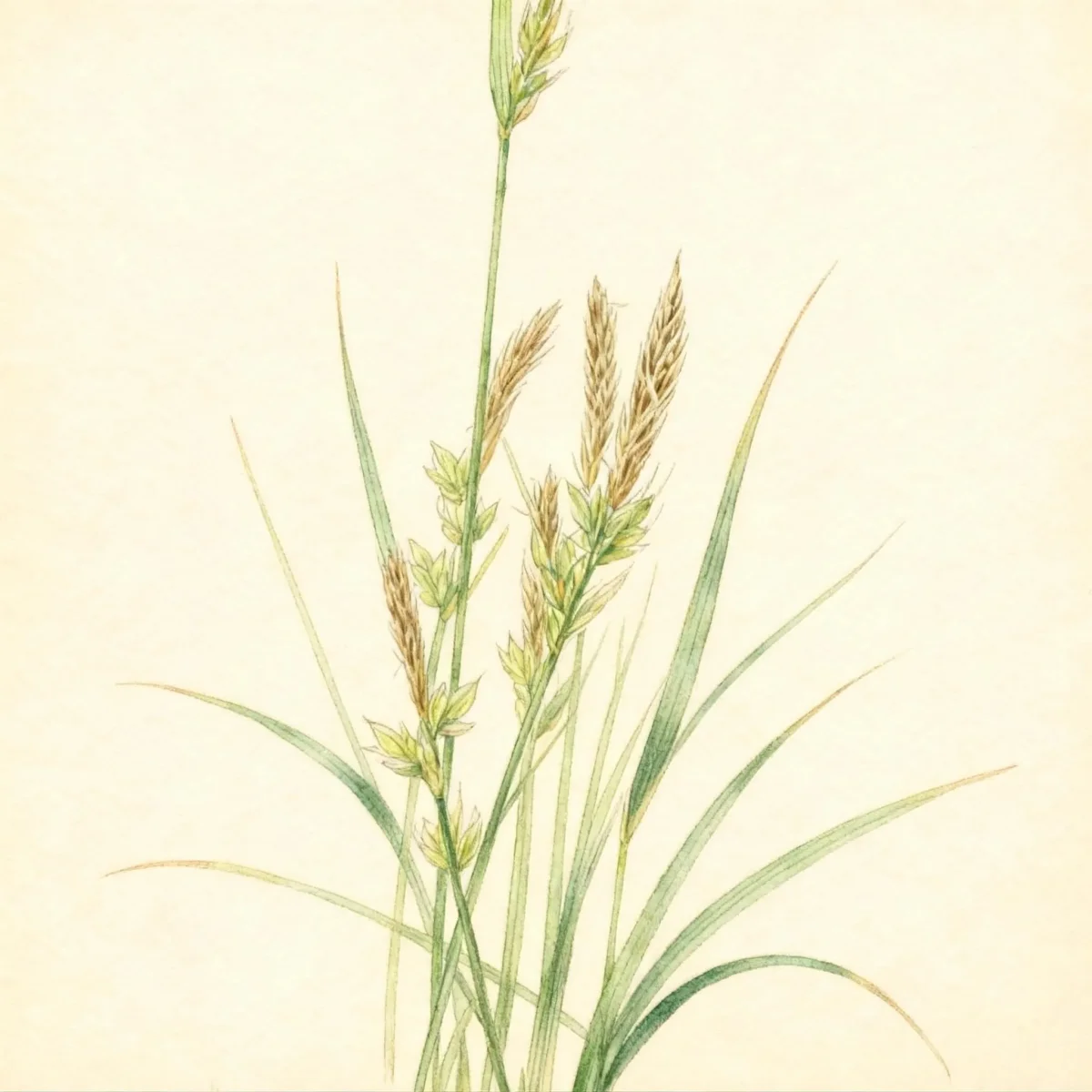
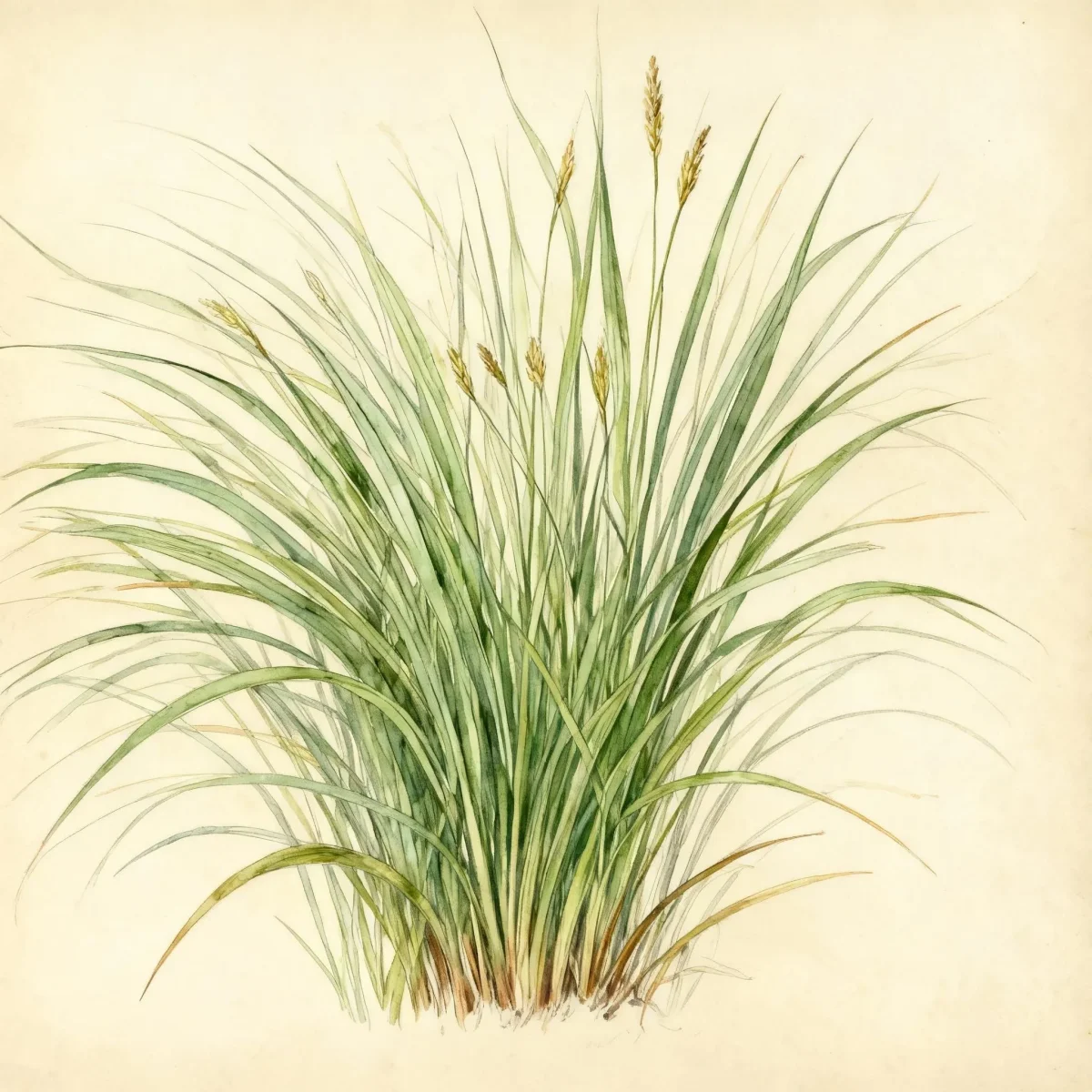
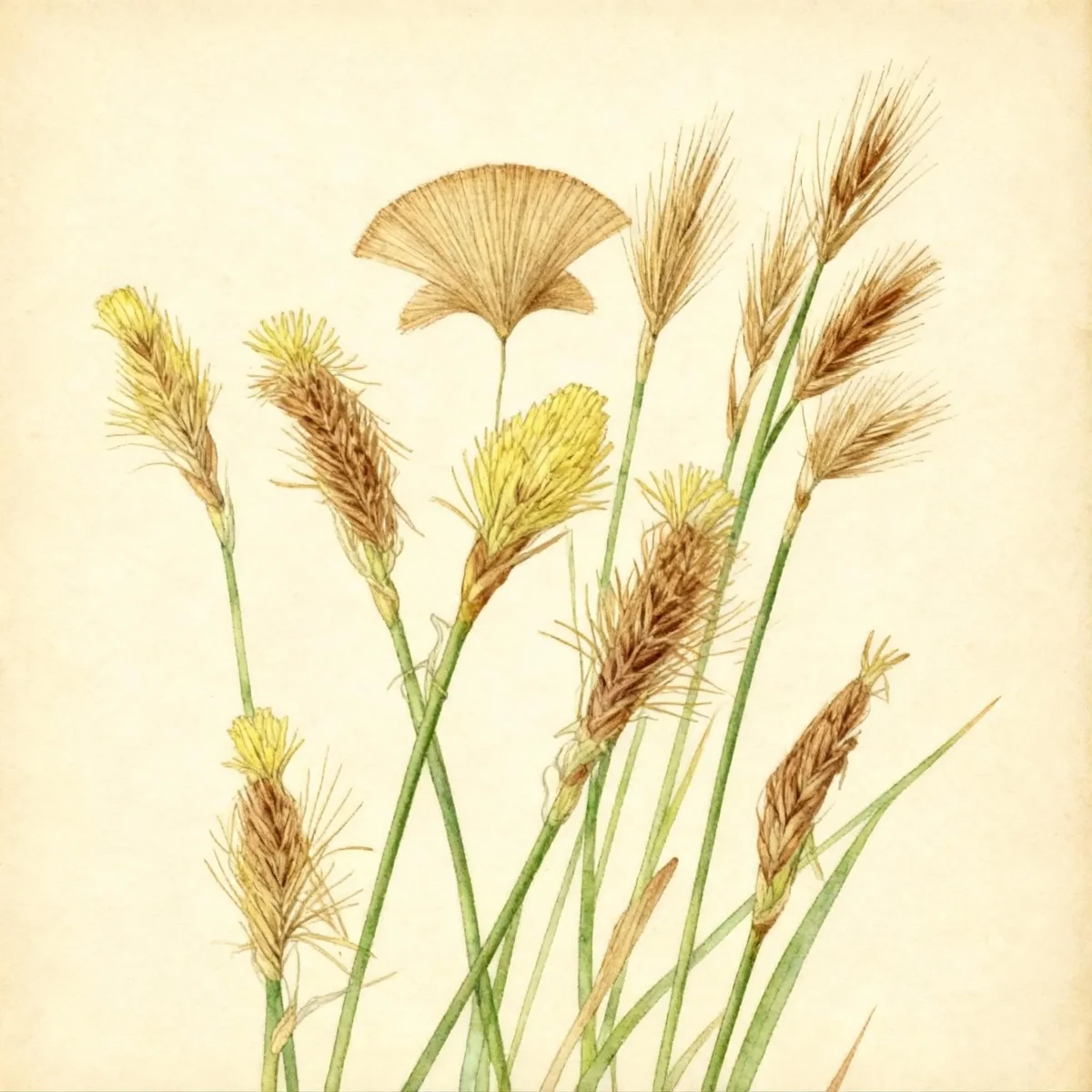
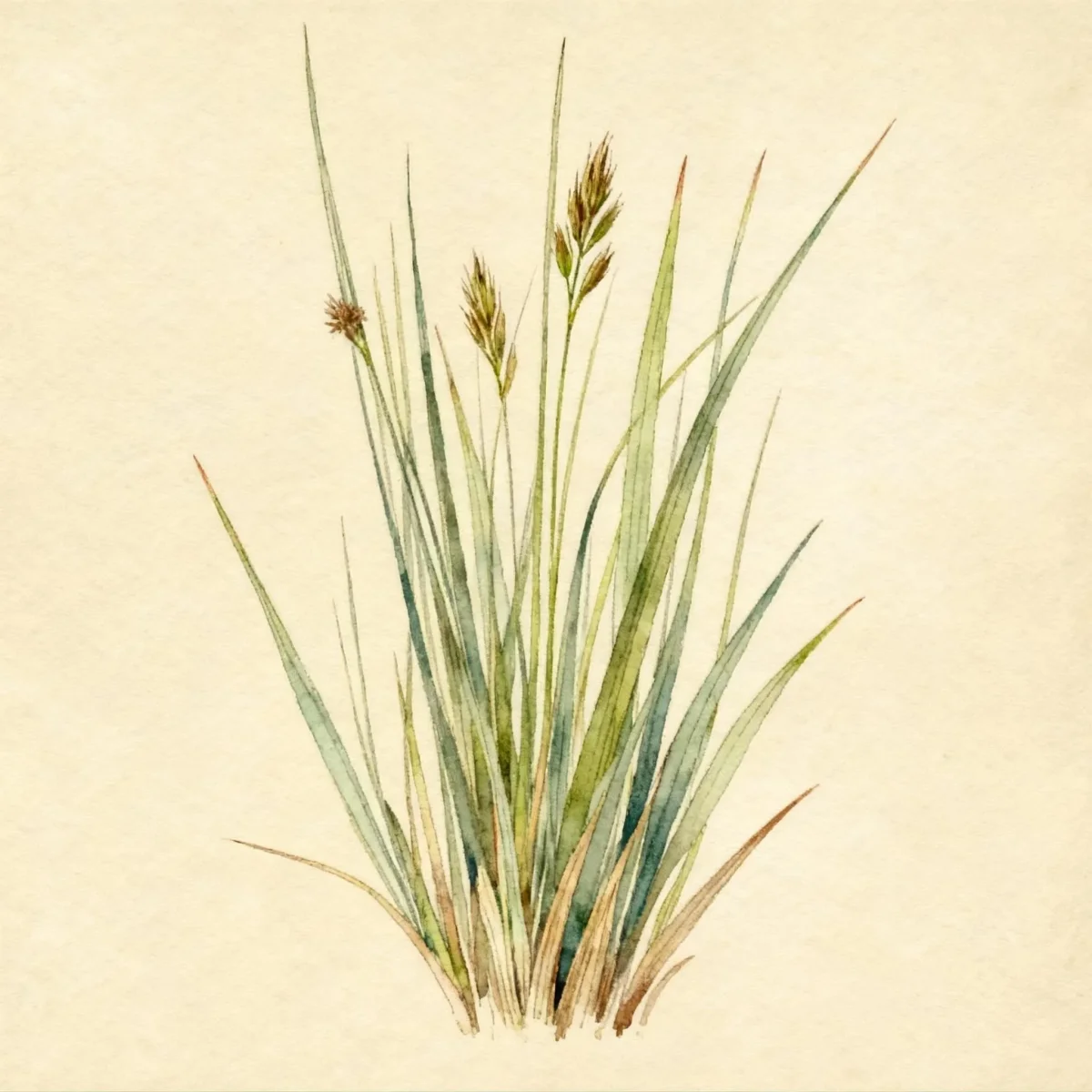
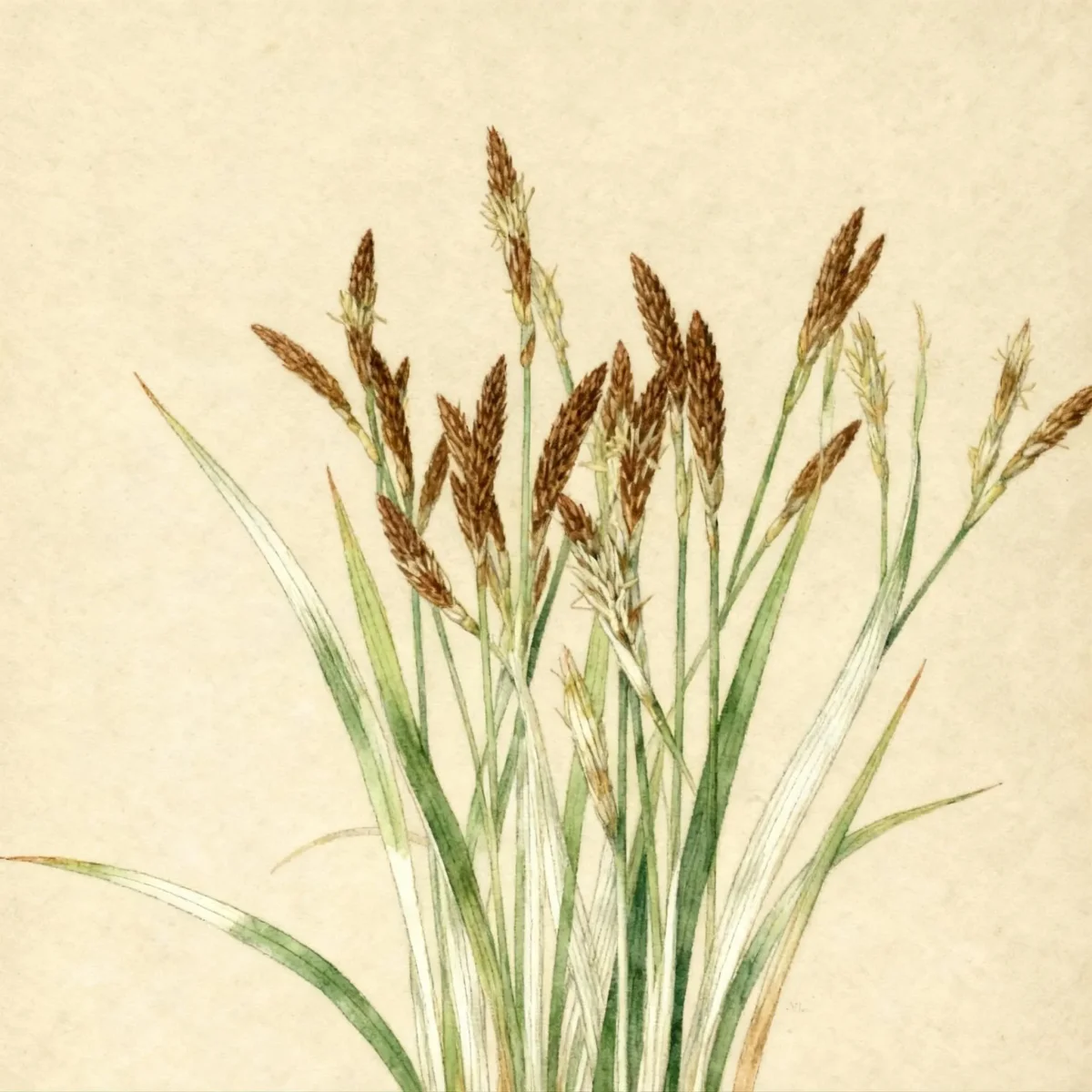
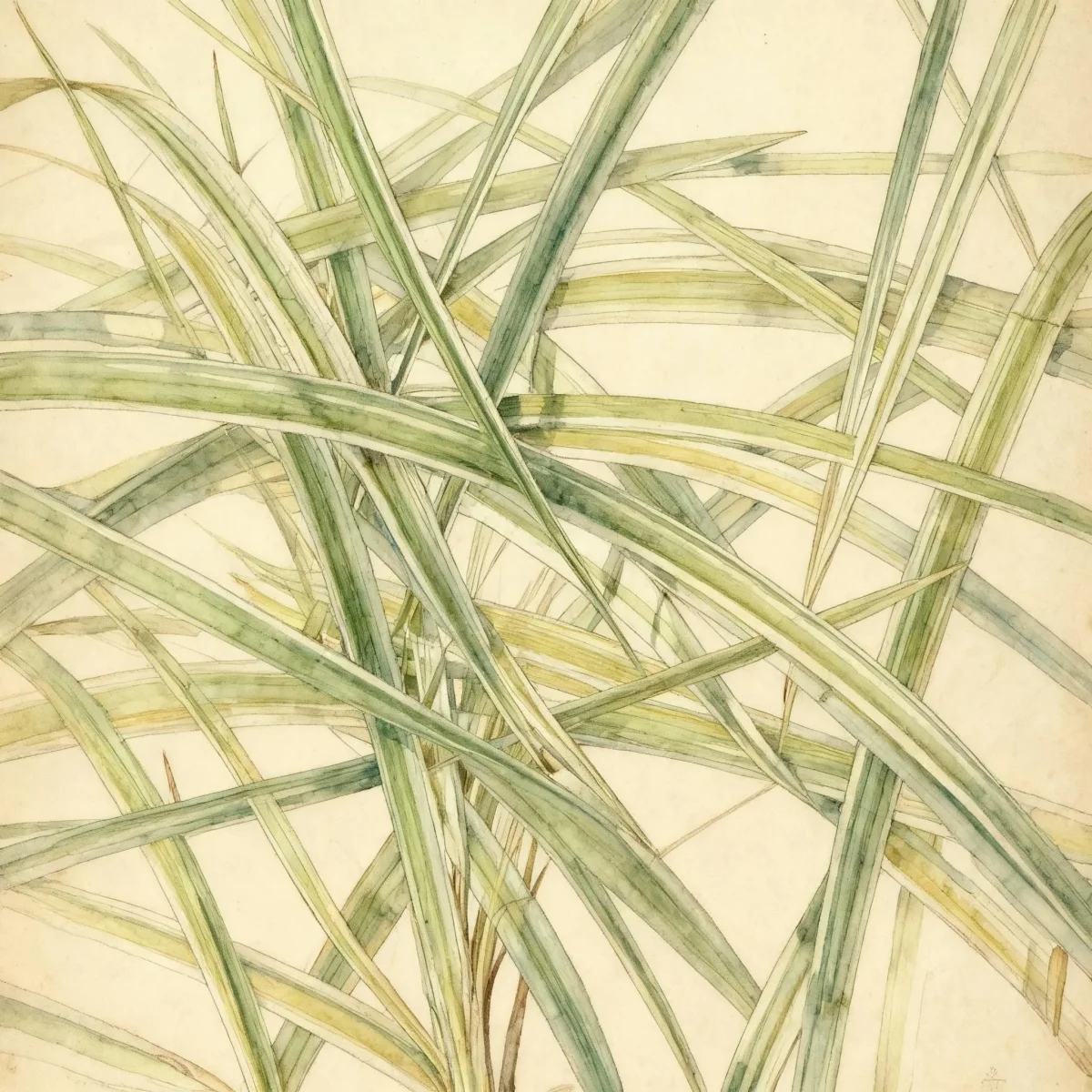
Bristle-leaved sedge (Carex eburnea)
Discover Carex eburnea, the Bristle-leaved sedge. This fine-textured native grass thrives in shade and handles tough spots. Low maintenance!
Scroll down to discover growing tips, care requirements, companion plants, and more
Complete Plant Information
Overview
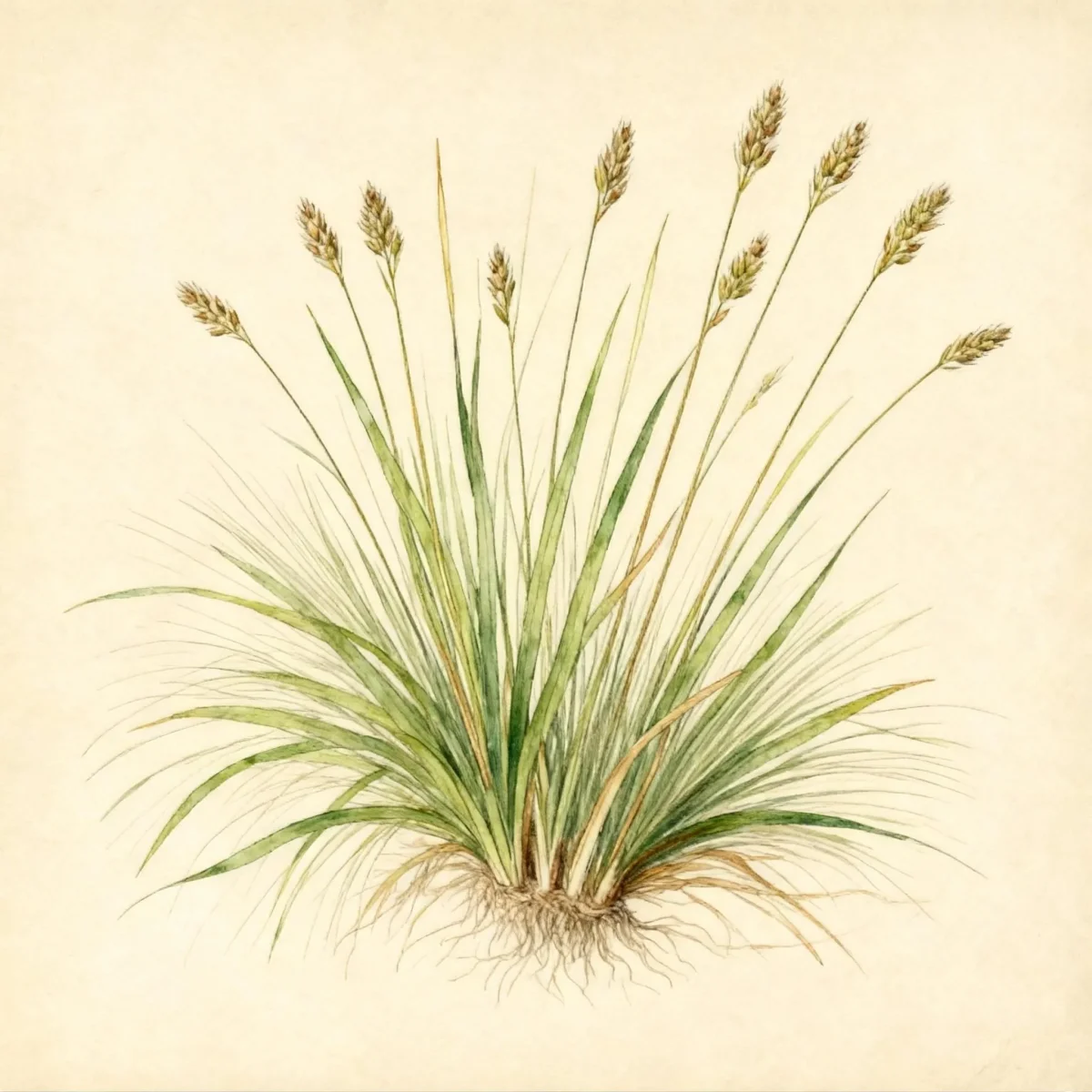
The Bristle-leaved sedge (Carex eburnea) is a charming, fine-textured native grass that offers excellent ground cover performance, especially in challenging environments. Its soft, thread-like green leaves form distinctive, spherical clumps often described as looking like a small porcupine’s resting place. This adaptable sedge brings delicate structure to shaded landscapes across Eastern and central North America.
Valued for its low maintenance needs and deep shade tolerance, Carex eburnea is an indispensable component for naturalized plantings or rock gardens. Although its flowers are inconspicuous, the overall aesthetic provided by the foliage year-round makes it a quiet star in designed spaces. Gardeners appreciate this plant for its ability to colonize slowly via rhizomes under optimum conditions.
This species, also known as ivory sedge, is highly durable once established. While it prefers medium moisture, Carex eburnea is surprisingly resilient, adapting well to drier sandy or rocky soils typical of its native limestone bluff habitat. It provides native texture without demanding constant attention or perfect conditions.
Fast Facts
- Plant Family: Cyperaceae
- Plant Type: Rush or Sedge
- Native Range: Eastern and central North America
- Hardiness Zones: USDA Zones 2-8
- Size at Maturity:
- Height: 0.5-1 ft
- Spread: 0.5-1 ft
- Bloom Time: April
- Bloom Description: Green
- Sun Exposure: Part shade to full shade
- Water Needs: Medium
- Maintenance Level: Low
How to Grow
Plant Bristle-leaved sedge in areas receiving part shade to full shade. It performs best when given consistent, medium moisture, though it shows tolerance for drier, sandy, or rocky substrates, particularly those high in limestone, mirroring its wild habitats. Ensure planting locations allow for its eventual slow spread via rhizomes.
Watering should be consistent to meet its medium water needs, especially during establishment or if planted in hotter, sunnier microclimates that push the edge of its tolerance. Fertilization is rarely necessary; the goal of using Carex eburnea is often a naturalistic, self-sustaining look. Avoid heavy amendments that dramatically change soil structure.
A key annual task for maintaining this sedge is cleanup. Cut the foliage entirely to the ground in late winter before new growth begins. This simple pruning removes any lingering winter debris and encourages fresh, vibrant spring growth for this excellent ground cover.
Landscape Uses
The compact habit and fine texture of Bristle-leaved sedge make it fantastic as an understated ground cover, softening the edges of pathways or bridging larger shade plantings. Its slow, spreading nature allows it to naturalize beautifully into woodland borders or beneath mature trees where lawn grass struggles.
Carex eburnea excels as an accent plant in rock gardens, nestled between stones where its fine leaves contrast sharply with coarse hardscaping. Because of its low profile, it functions wonderfully as a subtle foreground plant in shade borders, working well alongside ferns or hostas that require similar light and moisture profiles. Consider using masses of this sedge for low-maintenance green carpeting beneath woodland fixtures.
Standout Features
Flower Qualities
- Insignificant
Noteworthy Characteristics
Carex eburnea, sometimes commonly called bristle-leaf sedge, is native from Newfoundland to Alaska south to Virginia, Alabama, Arkansas and Texas. The plant is grown in the landscape primarily for its fine foliage effect, producing soft, thread-like, green leaves that form a spherical clump up to 10 inches tall. The genus name references the sharp leaf edges characteristic of sedges when compared to round-stemmed rushes, making this plant durable yet delicate looking.
Tolerances
- Deer
- Heavy Shade
Potential Problems
Carex eburnea is highly regarded because it rarely succumbs to serious insect or disease problems. This resilience minimizes the need for chemical interventions, keeping your garden organic. If poor site conditions cause thinning, review the light levels and soil moisture, as severe drought or dense, competitive roots from neighboring trees are the most common challenges.
Frequently Asked Questions
What hardiness zones is Bristle-leaved sedge suitable for?
The Bristle-leaved sedge (Carex eburnea) is reliably hardy across broad temperature variations, thriving in USDA Zones 2 through 8.
How large does Carex eburnea grow?
This sedge typically reaches a mature height between 0.5 and 1 foot tall, developing an equal spread of 0.5 to 1 foot wide in a tidy, mounding habit.
What sun exposure does Carex eburnea need?
Carex eburnea prefers locations that provide reliable shade, performing best in part shade to deep, heavy shade conditions throughout the day.
When does Bristle-leaved sedge bloom?
This species produces its inconspicuous white-green flowers during April.
Conclusion
The Bristle-leaved sedge offers texture and resilience, making it a superior choice for greening up dry or deep shade environments where lawns fail. Utilizing Carex eburnea ensures low-input gardening success due to its minimal maintenance and pest resistance. Before implementing, confirm your local zone falls within USDA 2 to 8 and plan for late winter cleanup to maximize its spring appeal.
Companion Planting
When incorporating Bristle-leaved sedge into a native shade garden, select companions that share its cultural requirements for medium moisture and shade tolerance. Good partners include various woodland Phlox species or Tiarella cordifolia (Foamflower), which offers a different flower structure but similar light needs. The fine texture of Carex eburnea contrasts beautifully with the broad leaves of many native spring ephemerals.
Design Ideas for Success
For effective ground covering with this sedge, plant in groups large enough to allow the rhizome spread to eventually connect the individuals. In modern designs, use Carex eburnea as a “grass element” substitute within a mixed border of dry shade perennials to maintain year-round interest. Its neat, clumping form also makes it excellent for edging woodland patios or walkways where a soft, non-invasive barrier is desired.