Blue wood sedge (Carex flaccosperma)
Discover Blue wood sedge (Carex flaccosperma), an evergreen sedge offering fine, blue-green foliage for shade gardens. Low maintenance and deer tolerant.
Scroll down to discover growing tips, care requirements, companion plants, and more
Complete Plant Information
Overview
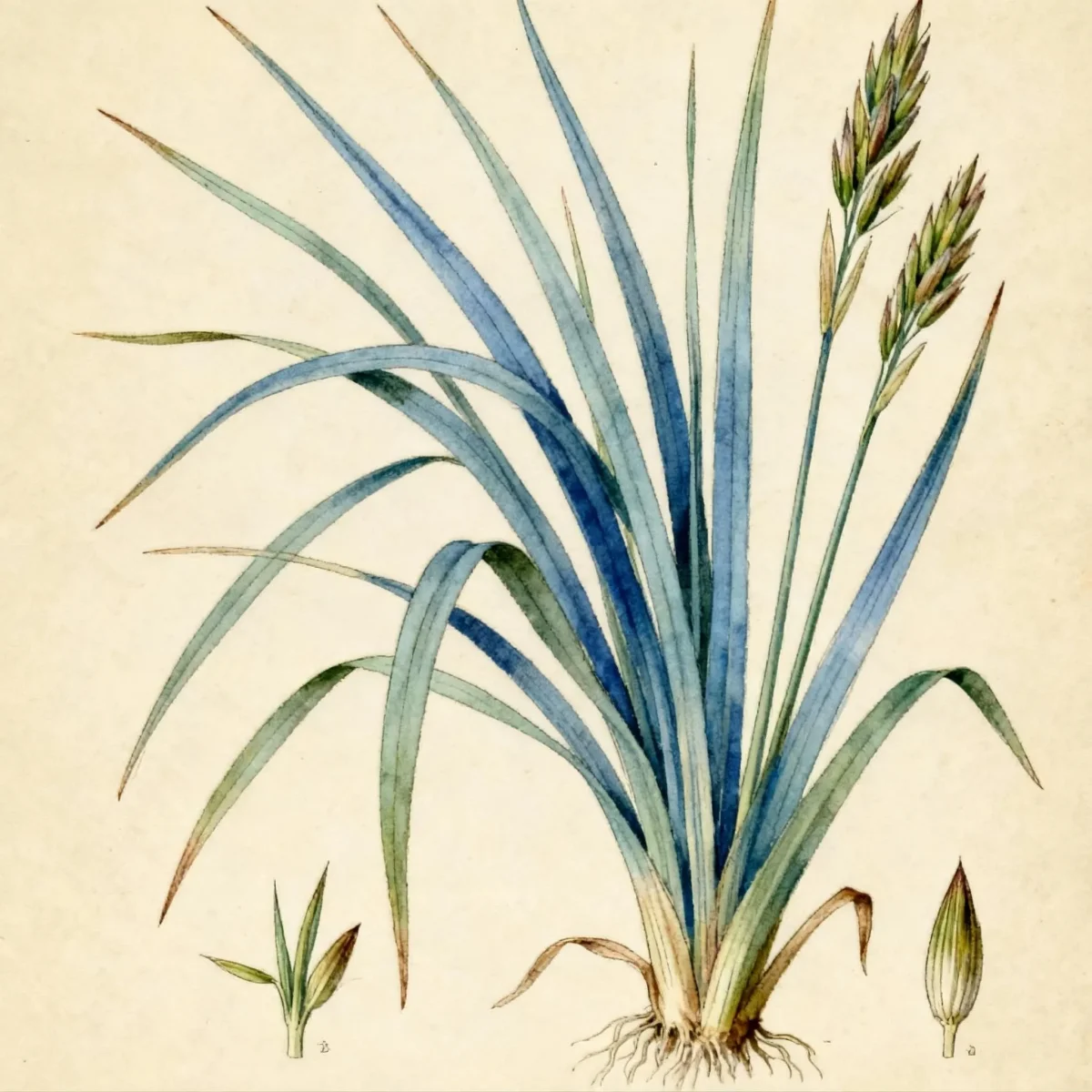
The Blue wood sedge (Carex flaccosperma) is a highly valued, low-maintenance perennial appreciated primarily for its evergreen foliage. It creates fine-textured clumps composed of narrow, grass-like leaves exhibiting a distinctive glaucous blue-green hue, perfect for brightening deep shade. This species, Carex flaccosperma, is native to the moist woodlands of southeastern North America.
Gardeners prize Carex flaccosperma for its resilience in difficult, shaded environments where many other plants struggle, providing year-round textural interest. It easily adapts to various moist soil conditions, thriving in rich woodland settings while also tolerating average soils and periods of dryness once established. Its compact size makes the Blue wood sedge an excellent structural component in layered shade plantings.
The small, greenish-white flowers appearing in late spring are generally considered insignificant, placing the visual focus squarely on the attractive foliage of this Carex flaccosperma variety. Its low maintenance needs further cement its status as an essential plant for naturalistic and low-input garden designs.
Fast Facts
- Plant Family: Cyperaceae
- Plant Type: Rush or Sedge
- Native Range: Southeastern North America
- Hardiness Zones: USDA Zones 5-8
- Size at Maturity:
- Height: 0.5-1 ft
- Spread: 0.5-1 ft
- Bloom Time: May to June
- Bloom Description: Greenish-white
- Sun Exposure: Part shade to full shade
- Water Needs: Medium to wet
- Maintenance Level: Low
How to Grow
Planting the Blue wood sedge should ideally occur during spring or fall when temperatures are moderate, allowing the rhizomatous root system to establish without heat stress. Choose locations that offer part shade to full shade protection. This sedge is adaptable; easily grown in medium to wet soils, it performs wonderfully in rich, moist woodland settings. However, it also tolerates average garden soils and will successfully withstand intermittent drought once fully established.
Watering requirements are dictated by its needs for moisture; maintain medium moisture levels, especially during dry spells, though it handles wet conditions well, making it suitable for rain garden applications. Fertilizing is rarely necessary; rich woodland soil often suffices for this hardy plant. The main cultural maintenance involves rejuvenation: cut the foliage close to the ground and remove it in late winter just before new growth begins.
This practice keeps the clump looking tidy and removes any lingering winter debris. Because Carex flaccosperma is an evergreen sedge, refreshing the foliage ensures the brightest blue-green tones are displayed throughout the following season. It requires virtually no pruning other than this annual cleanup.
Landscape Uses
The versatility of Carex flaccosperma makes it an outstanding choice for wet, shady areas across the landscape. Its primary role is as an excellent ground cover for shade gardens or as an edging plant along woodland paths and walkways, where its blue-green texture contrasts beautifully with dark mulch or stepping stones. Consider massing the Blue wood sedge for significant impact in woodland gardens, creating a continuous carpet of fine texture.
It is perfectly suited for functional areas like rain gardens or margins around streams and pond edges where soils remain consistently moist or wet. In smaller formal borders or rock gardens, a single group of Carex flaccosperma acts as an effective accent, offering reliable color where sun-worshipping perennials cannot survive. Companion planting should focus on other shade-tolerant, fine-textured plants such as ferns, Hellebores, or low-growing hostas that appreciate similar moisture profiles.
Standout Features
Flower Qualities
- Insignificant
Noteworthy Characteristics
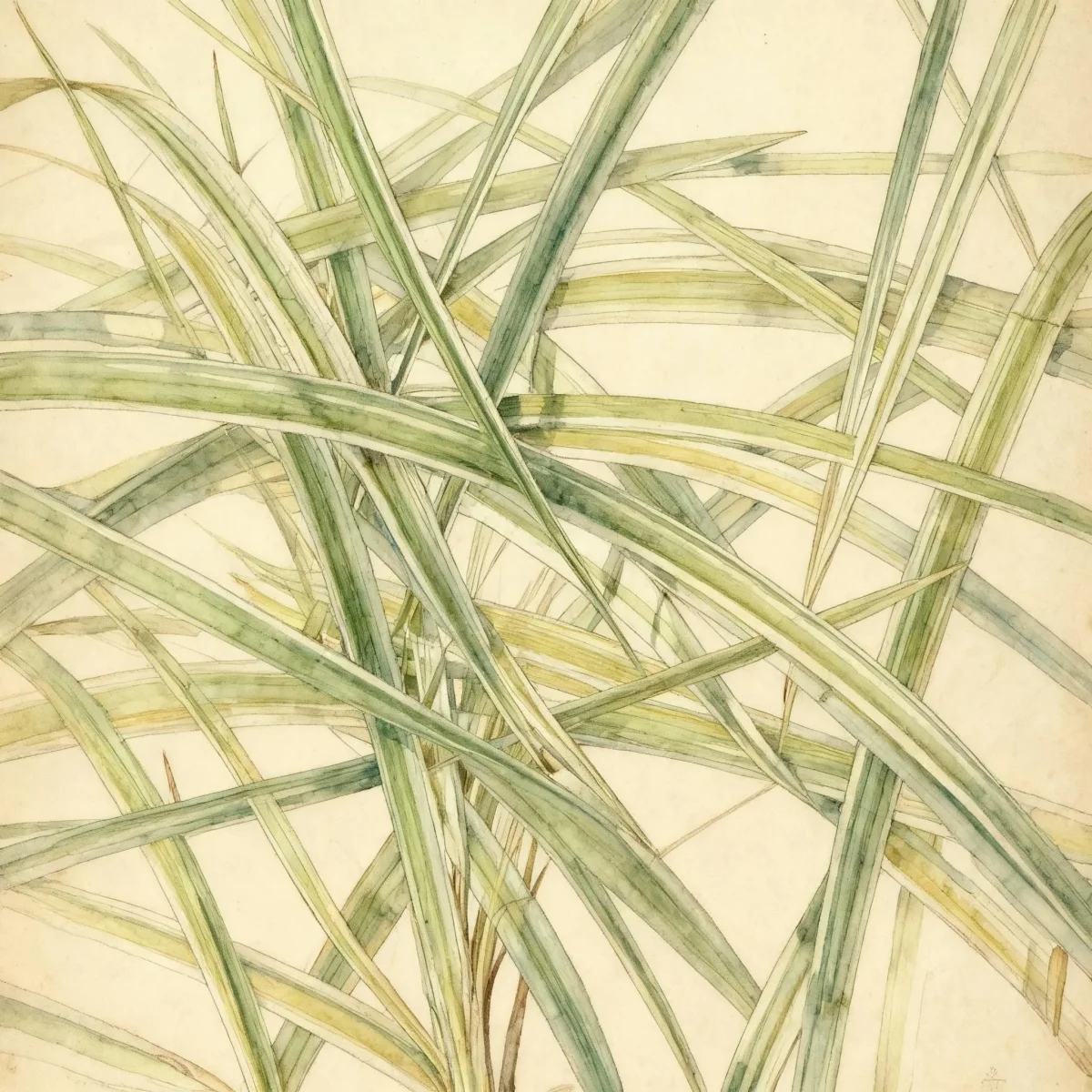
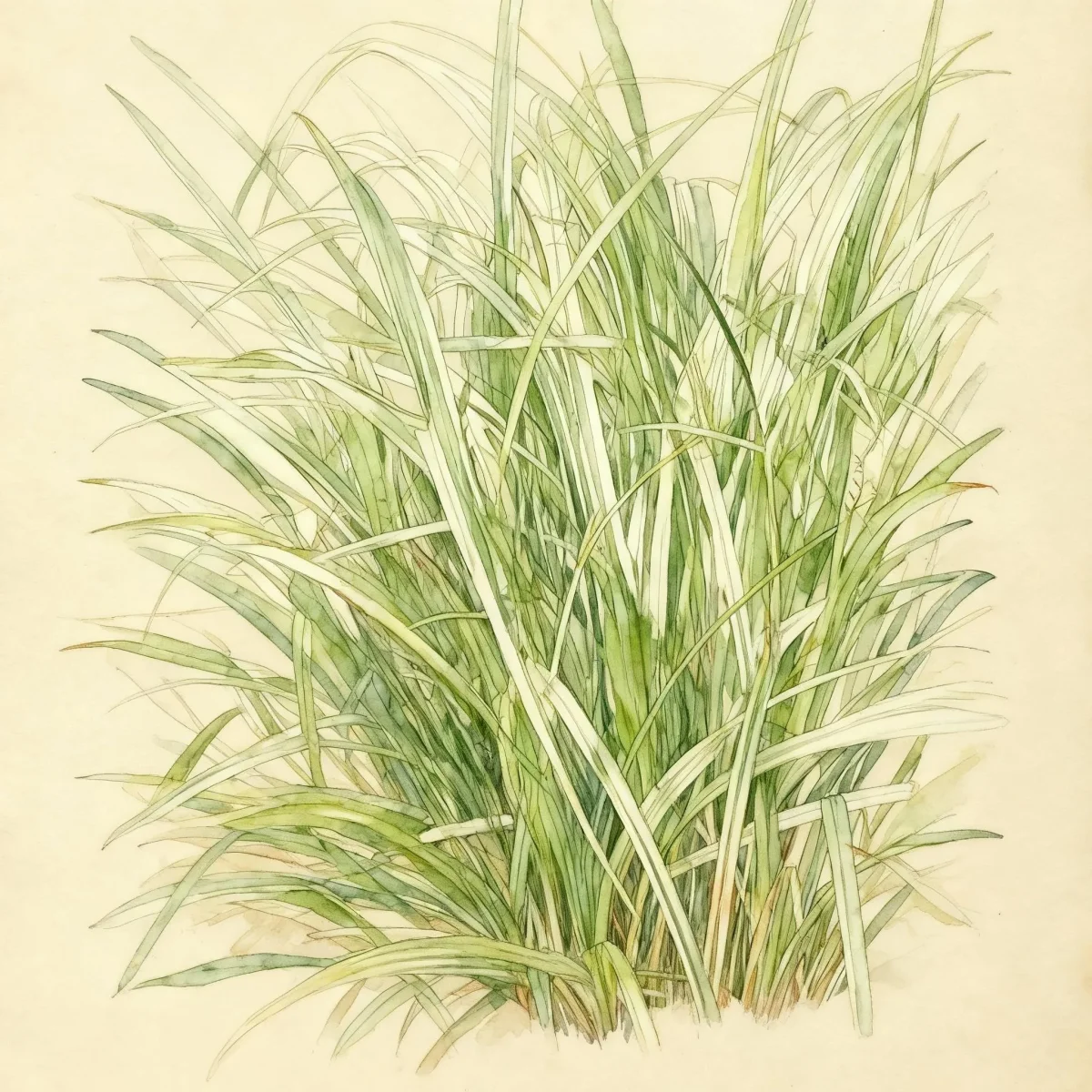
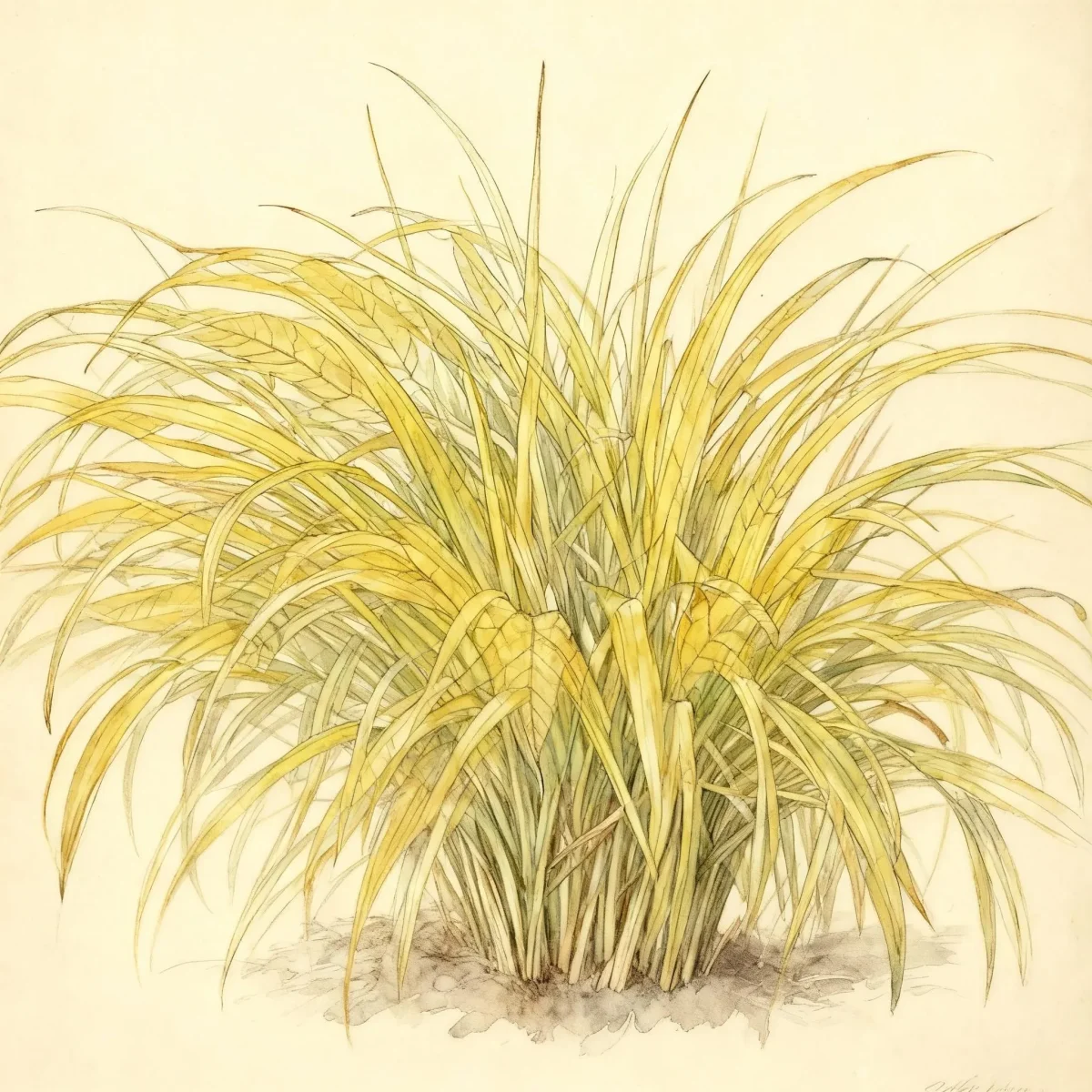
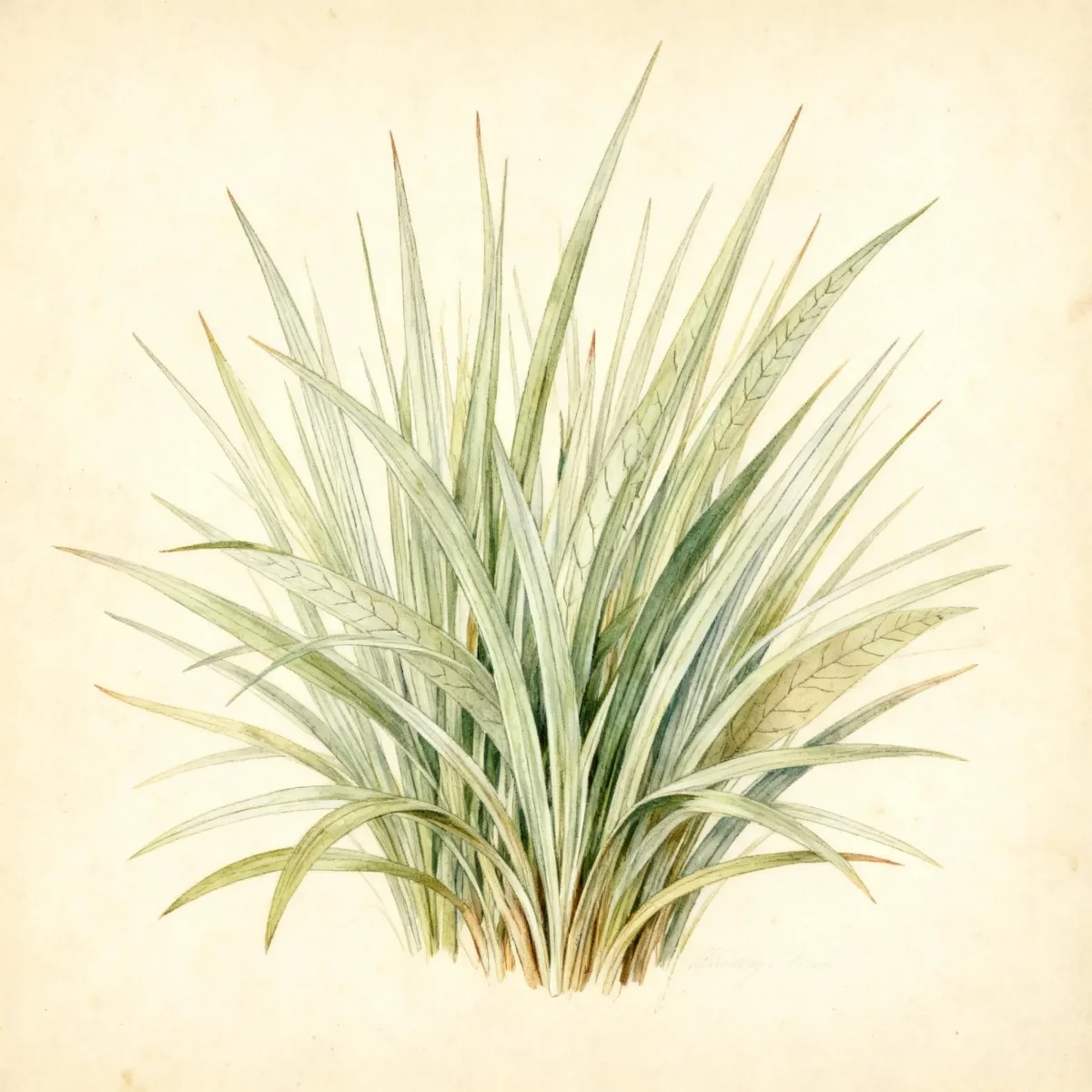
Carex flaccosperma, sometimes commonly called blue wood sedge, is native to eastern North America. In Missouri, Carex flaccosperma var. Flaccosperma is typically found in wet woodland or swampy ground in the lowland section of southeastern Missouri, and Carex flaccosperma var. Glaucodea is more typically found in drier acidic soils of wooded slopes, upland ridges, ravines or wooded valleys along streams (Steyermark). This is an evergreen sedge that forms attractive clumps (6-10” tall) of fine-textured, narrow, grass-like, glaucous, blue-green leaves (to 3/8” wide). It is grown in the landscape for its foliage effect.
Tolerances
- Deer
- Heavy Shade
Potential Problems
This is a robust plant with no serious insect or disease problems reported, significantly contributing to its low maintenance classification. Site selection is the primary preventative measure; avoiding extremely prolonged dry periods in full sun will ensure continued vigor. Its native resilience means it generally resists common garden pests and fungal issues endemic to less suited environments.
Frequently Asked Questions
What hardiness zones is Blue wood sedge suitable for?
The Blue wood sedge (Carex flaccosperma) is resilient across USDA Zones 5 through 8.
How large does Carex flaccosperma grow?
This sedge typically matures to a height between 0.5 and 1 foot tall, with a spread of 0.5 to 1 foot, forming neat clumps.
What sun exposure does Blue wood sedge need?
Carex flaccosperma thrives best in conditions ranging from part shade to full shade, making it ideal for woodland floors.
When does Blue wood sedge bloom?
The greenish-white flowers of the Blue wood sedge appear relatively early in the growing season, from May to June.
Conclusion
The Blue wood sedge (Carex flaccosperma) offers dependable texture and cool blue-green color, making it invaluable for filling difficult, shady, and moist pockets of the garden with minimal effort. Its evergreen nature and low tolerance for pests ensure reliable year-round performance. Check your local USDA zone compatibility and plan to plant this water-loving sedge in the spring or fall for the best establishment.
Companion Planting
When designing a shade garden utilizing Carex flaccosperma, consider pairings that emphasize textural or color contrast while sharing similar moisture needs. Hostas with broad, chartreuse, or variegated foliage make excellent neighbors, as the fine texture of the sedge offsets the large leaf surface. Ferns, particularly Japanese Painted Ferns (Athyrium niponicum) or Ostrich Ferns (Matteuccia struthiopteris), complement the native habitat preference of the Blue wood sedge. For spring ephemeral interest before the sedge fully leafs out, plant species like Bloodroot (Sanguinaria canadensis) that die back in summer, allowing the Carex flaccosperma foliage to take over.
Design Ideas for Moisture Management
Because Carex flaccosperma handles both moist and average soil, it serves as a flexible transition plant at the edges of water features or drainage swales. In a structured rain garden, plant masses toward the lower edge where water might collect intermittently; this allows the soil to remain saturated without suffocating the roots, a condition the Blue wood sedge tolerates well. Conversely, if used in a dry shade border under mature trees, ensure initial watering is consistent until the root system is established, relying on its drought tolerance thereafter. Use it as a uniform carpet beneath taller woodland shrubs to unify the understory planting scheme.