Hayden's sedge (Carex haydenii)
Hayden's sedge (Carex haydenii) is a fine-textured, low-maintenance native sedge thriving in wet, shady native plant gardens.
Scroll down to discover growing tips, care requirements, companion plants, and more
Complete Plant Information
Overview
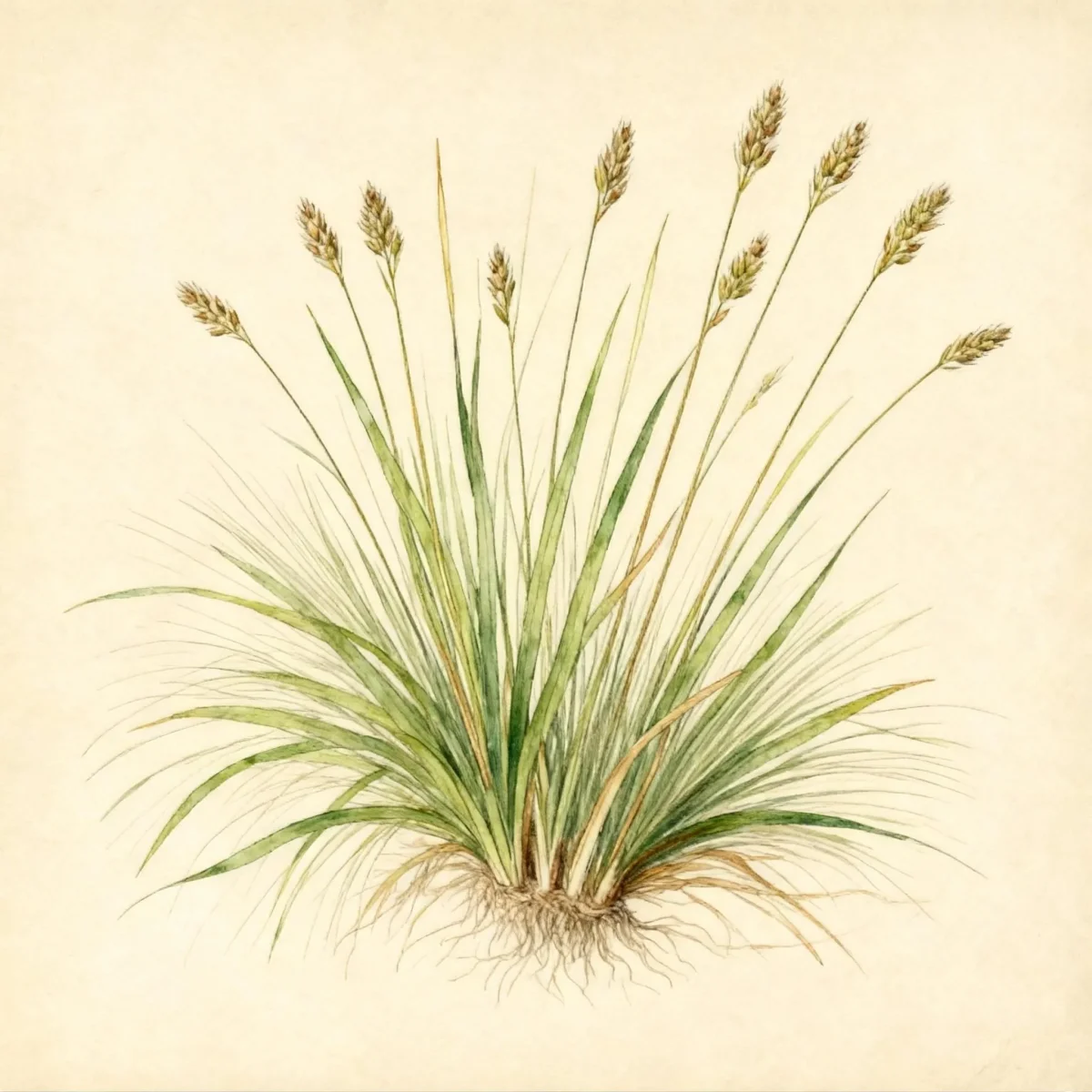
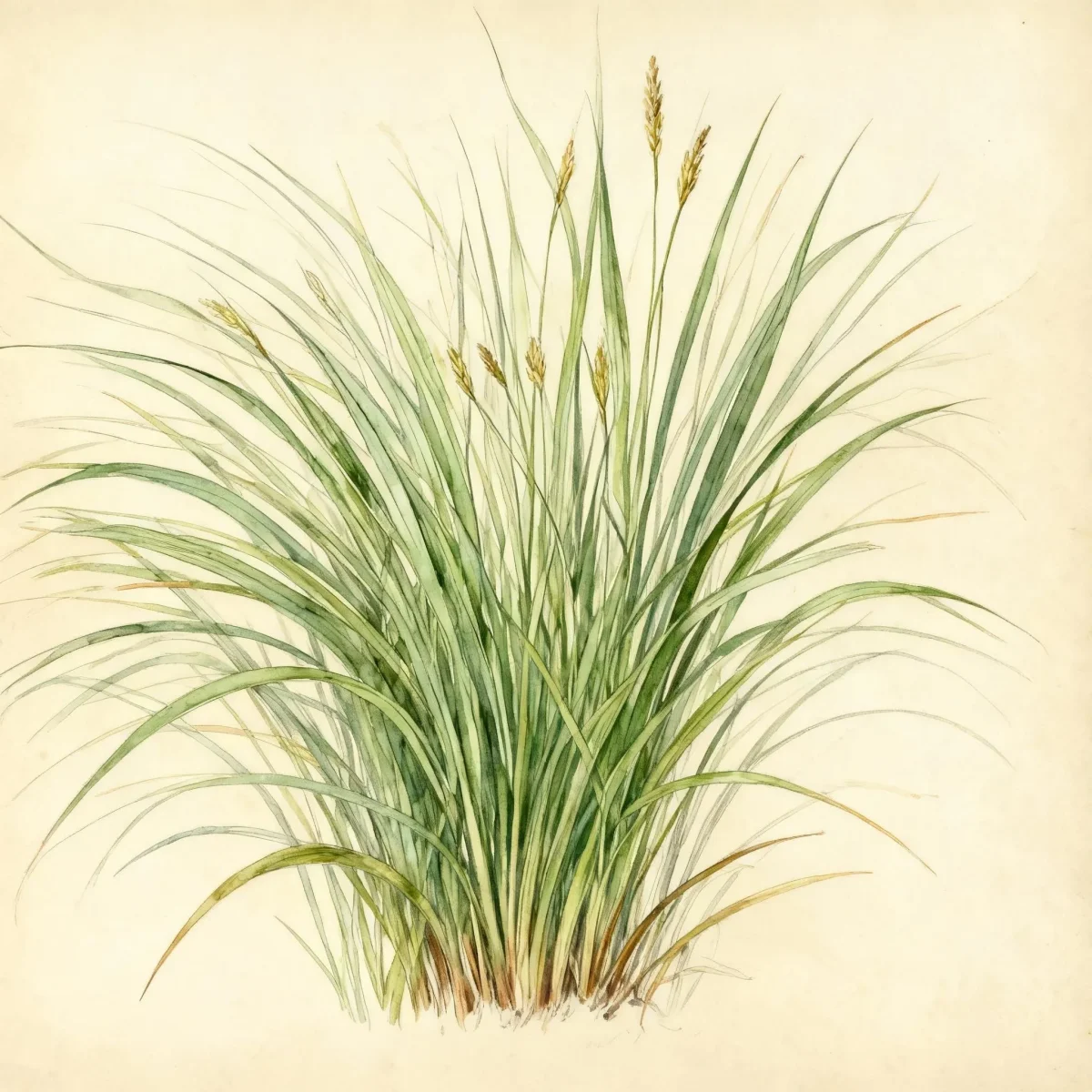
Hayden’s sedge (Carex haydenii) is a highly adaptable, fine-textured grass-like perennial perfect for adding soothing movement to challenging landscape spots. Known for its narrow, bright green leaves, this clump-forming sedge offers significant aesthetic value even outside of its short flowering window. This robust species establishes readily in moist to wet soils, making it a cornerstone for water-loving native plantings.
As a native plant, Carex haydenii contributes positively to local ecosystems while requiring minimal intervention once established. Gardeners value Hayden’s sedge for its low maintenance profile and excellent textural contrast against broader-leaved woodland plants. The foliage typically rises 12 to 18 inches, creating a soft, mounding effect suitable for both mass plantings and refined edging.
Functionally, Carex haydenii excels in areas where turf grasses struggle due to excessive moisture or deep shade. Whether used in rain gardens or along naturalized stream margins, Hayden’s sedge proves itself as a durable, handsome solution for managing wet, shady conditions across USDA Zones 3 through 8.
Fast Facts
- Plant Family: Cyperaceae
- Plant Type: Rush or Sedge
- Native Range: Northeastern and north-central North America
- Hardiness Zones: USDA Zones 3-8
- Size at Maturity:
- Height: 1-1.5 ft
- Spread: 1-1.5 ft
- Bloom Time: May
- Bloom Description: Green
- Sun Exposure: Part shade to full shade
- Water Needs: Medium to wet
- Maintenance Level: Low
How to Grow
Carex haydenii is easily established when planted in the correct location, ideally during the spring or fall. Focus on areas with average, medium, or reliably wet soil conditions. While it prefers part shade to full shade, this sedge is surprisingly adaptable; it can tolerate full sun if you guarantee that the soils remain consistently moist throughout the growing season.
Watering requirements for Hayden’s sedge are moderate to high. Ensure consistent moisture, especially during establishment or if planted in drier, sunnier exposures. Fertilization is generally unnecessary for native sedges growing in rich, moist soils. Remember the defining characteristic of sedges: their triangular stems, unlike smooth grasses, give them their characteristic “edge.”
Annual tidying keeps this plant looking its best. The recommended practice, consistent with Carex haydenii culture, is to cut the entire foliage clump down to the ground level in late winter before new growth begins. This removes old, dead material and encourages a fresh, vigorous flush of fine green leaves for the coming season.
Landscape Uses
Hayden’s sedge is an exceptional choice for wet, shady environments where traditional ornamental grasses falter. Its primary suggested use is in rain gardens, effectively capturing and managing runoff while providing year-round visual interest. Mass plantings of Carex haydenii create a lush, uniform texture reminiscent of a fine meadow edge.
Consider using this native sedge for edging woodland paths or softening the hard lines around stream and pond margins. Its clumping habit prevents aggressive spreading, making it a neat choice for foundation plantings under deciduous trees. In shade gardens, pair its fine texture with broad-leaved hostas or ferns to maximize textural contrast.
This plant is suitable for creating low-maintenance native plant gardens or integrating into rock gardens where moisture collects. The robust nature of Hayden’s sedge ensures that these damp, shady spaces remain attractive throughout the growing season without demanding constant pruning or specialized care.
Standout Features
Flower Qualities
- Insignificant
Noteworthy Characteristics
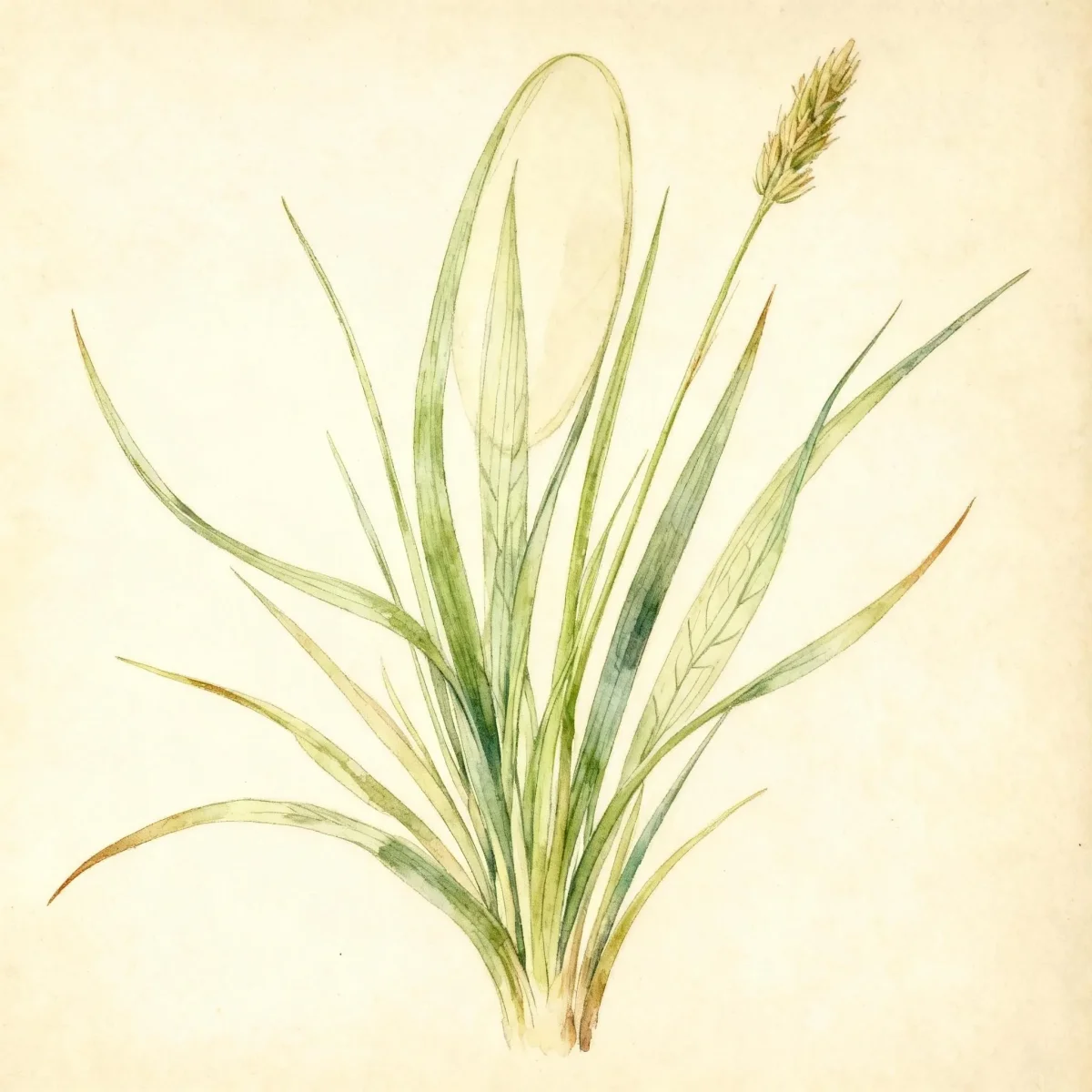
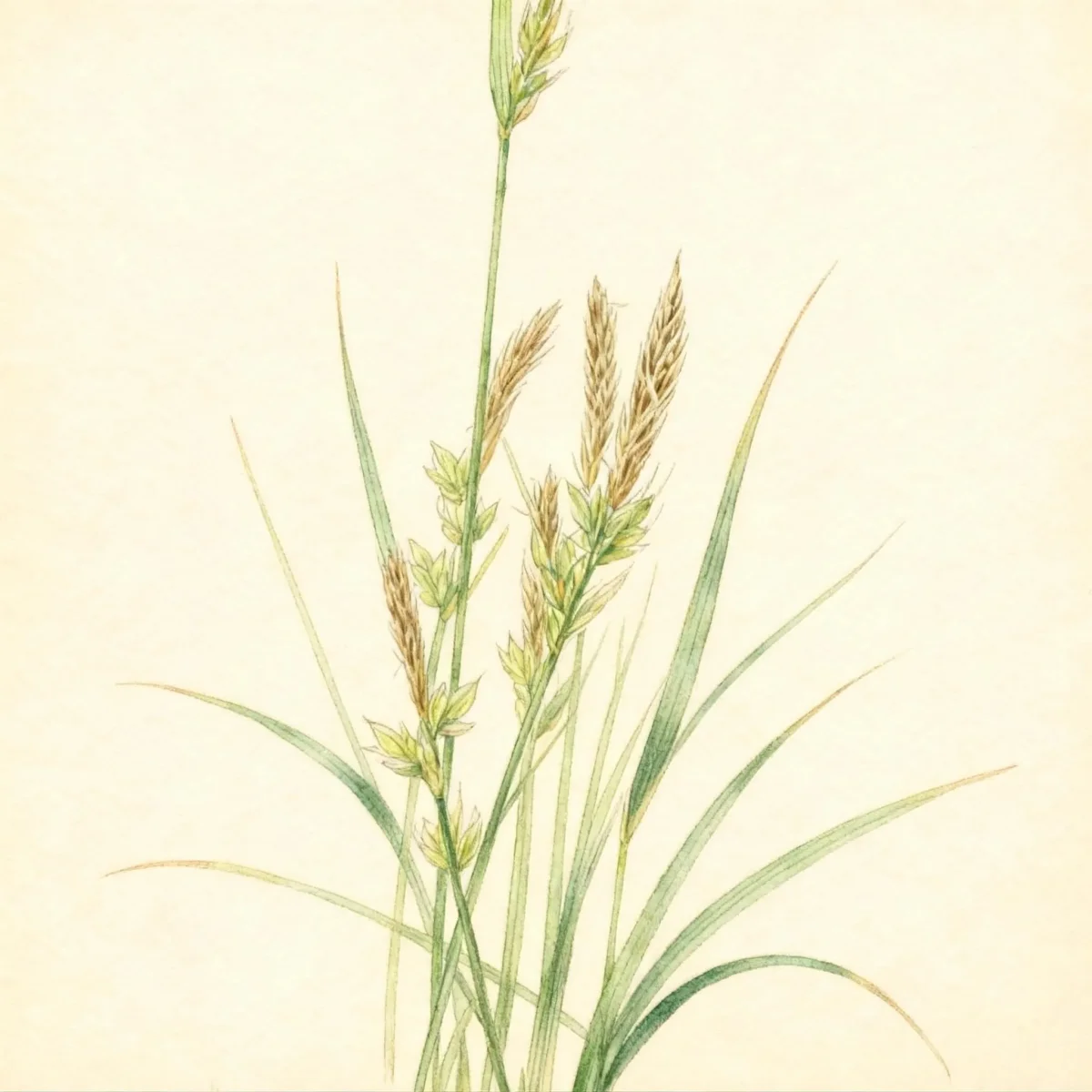
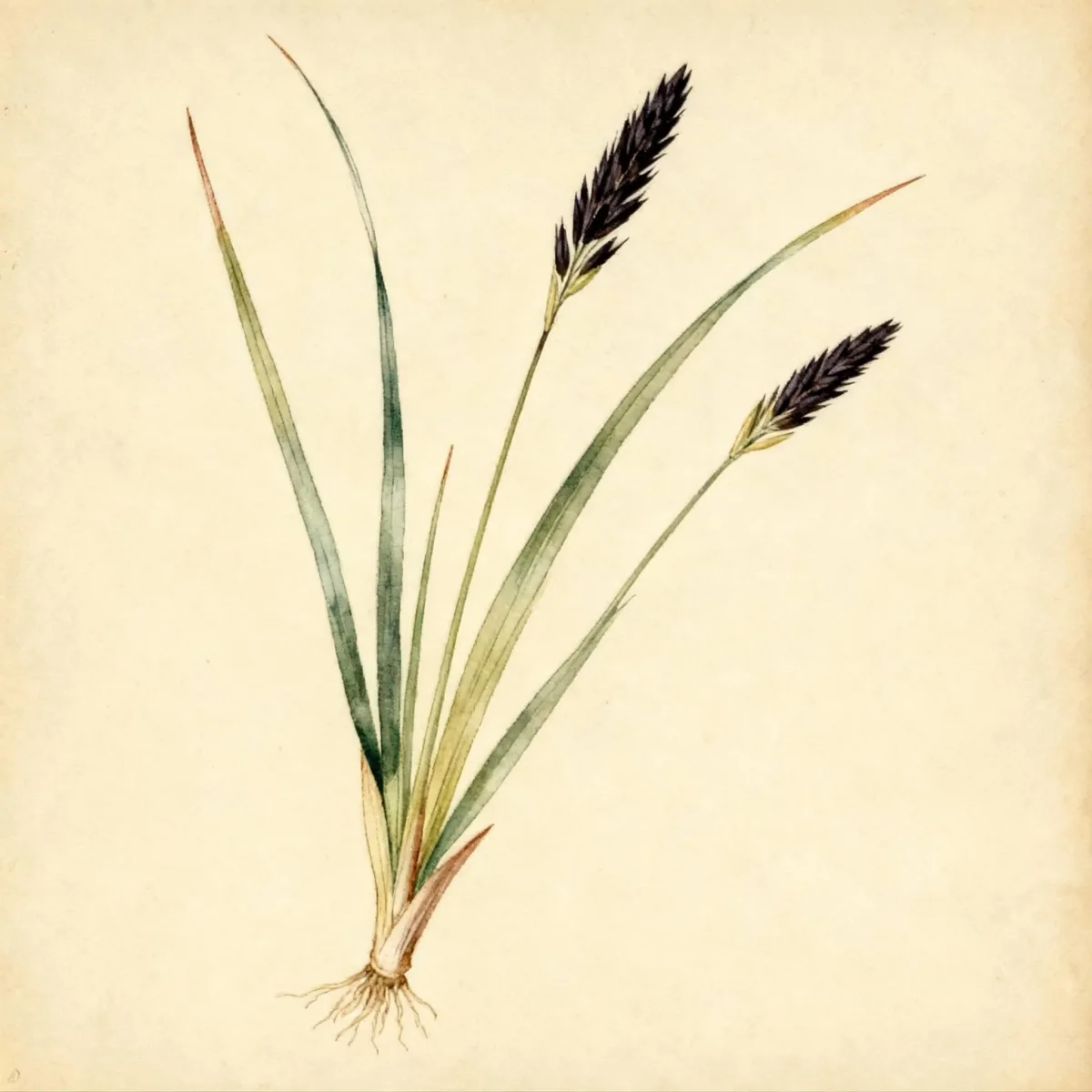
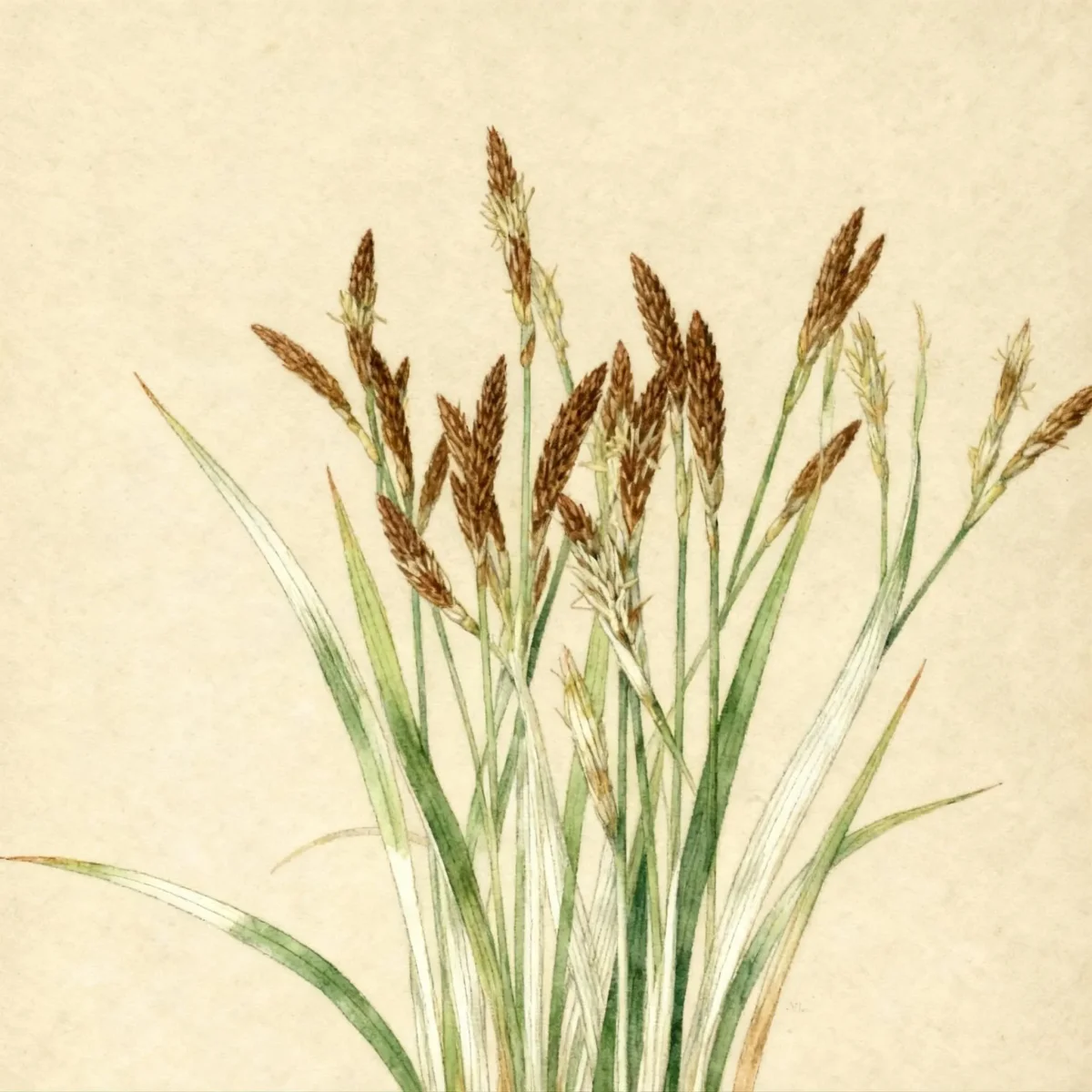
Carex haydenii showcases loose, fine-textured, grass-like green leaves forming attractive clumps; the flowering stems, reaching 12-18” tall, feature terminal staminate spikes and shorter, oblong pistillate spikes in May. While the green blooms are insignificant, the seed heads that develop afterward offer subtle visual appeal upon closer inspection. This plant is known for its characteristic triangular stems, reminding gardeners that ‘sedges have edges,’ unlike round-stemmed grasses.
Tolerances
- Deer
- Heavy Shade
Potential Problems
Gardeners will appreciate that Carex haydenii rarely succumbs to serious pest or disease issues under appropriate growing conditions. Because it naturally occurs in moist, riparian zones, the most common issue arises from overly rich soil or too much shade, leading to weak, floppy growth rather than actual pathology. Ensure excellent drainage if planting in areas that become waterlogged temporarily, though persistently wet feet are actually preferred.
Frequently Asked Questions
What hardiness zones is Hayden’s sedge suitable for?
Hayden’s sedge is highly adaptable, thriving across USDA Zones 3 through 8.
How large does Carex haydenii grow?
This sedge typically matures to a height between 1 and 1.5 feet, with a similar spread of 1 to 1.5 feet, forming a tidy mound.
When does Carex haydenii bloom?
The inconspicuous flowers of Hayden’s sedge appear in May, presenting in shades of green.
What sun exposure does Carex haydenii need?
This species prefers part shade to full shade conditions for optimal growth, though it tolerates more sun if kept consistently moist.
Conclusion
Carex haydenii offers a uniquely functional and handsome textural element for any landscape, particularly excelling in managing wet, shady environments. Its low maintenance requirements and native status cement Hayden’s sedge as an essential component for sustainable garden design. Before planting, confirm your site offers the required medium to wet soil consistently, and plan to apply your annual spring cleanup by cutting the foliage back in late winter.
Companion Planting
When integrating Carex haydenii into a woodland or shade garden, consider companions that contrast effectively with its fine texture and moisture needs. Good neighbors include plants that appreciate similar damp, shady footing, such as various ferns (e.g., Ostrich Fern or Cinnamon Fern), or moisture-loving perennials like Spotted Joe Pye Weed (Eutrochium maculatum), though the latter is much larger. For groundcover effects, look to native woodland phlox or Tiarella species, which stabilize soil without competing heavily for light beneath a canopy.
Seasonal Care Calendar
Late Winter/Early Spring (Pre-Growth): Conduct the essential annual maintenance by cutting all the previous year’s foliage down to about 1–2 inches above the soil line. This clears the way for fresh, vibrant new growth characteristic of Hayden’s sedge.
Spring (Planting Season): This is the ideal time to plant new clumps of Carex haydenii. Water deeply throughout the first season to help the root system establish firmly, paying extra attention during dry spells, even if the site is naturally moist.
Summer (Peak Growth): Monitor moisture levels. If growing in an exposed area receiving afternoon sun, maintain constantly moist soil to prevent wilting and stress. Avoid overhead watering late in the day to minimize potential fungal issues, although this species is relatively disease-free.