Softstem bulrush (Schoenoplectus tabernaemontani)
Softstem bulrush (Schoenoplectus tabernaemontani) is a low-maintenance emergent perennial for wet landscapes, growing 4-8 ft tall in USDA Zones 4-9.
Scroll down to discover growing tips, care requirements, companion plants, and more
Complete Plant Information
Overview
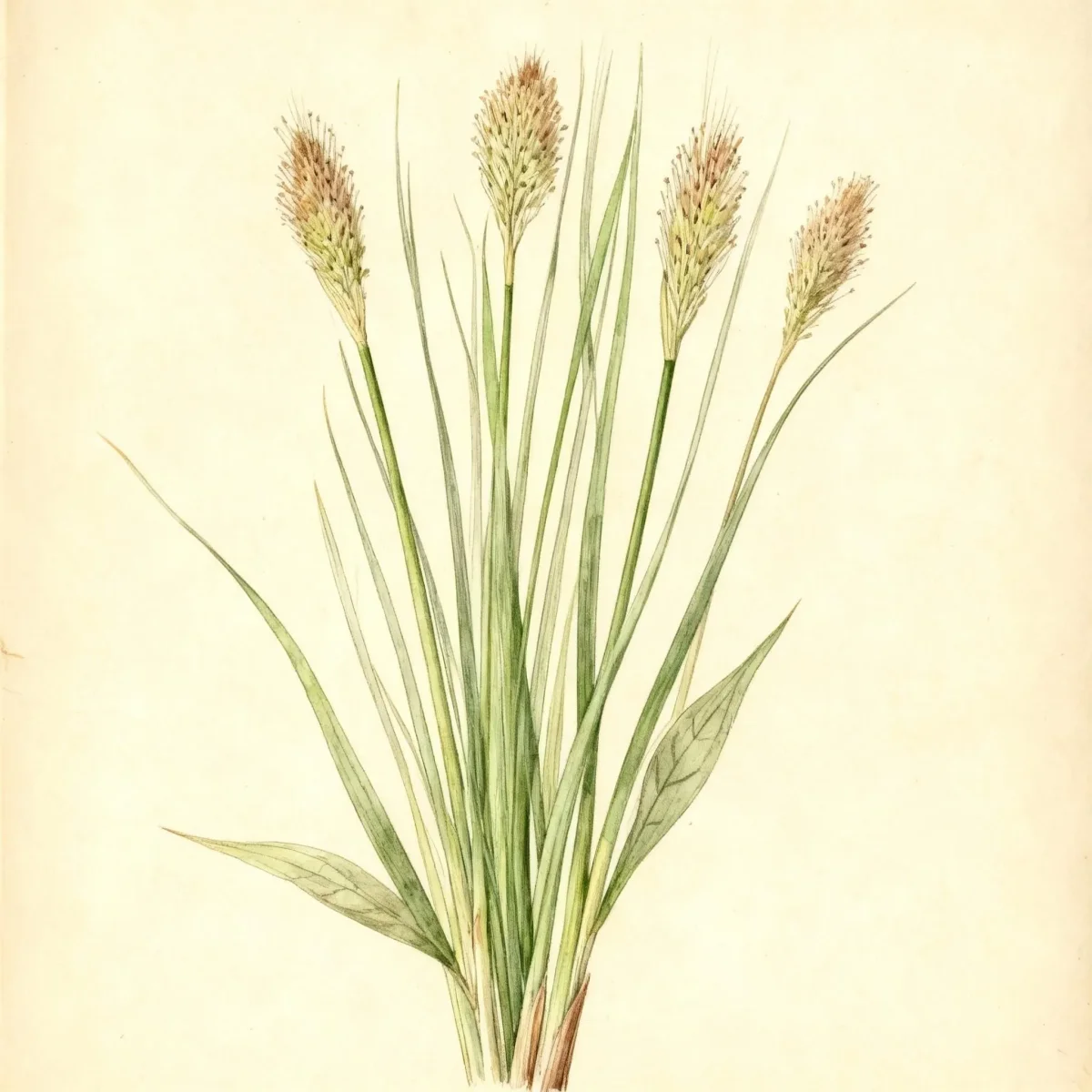
Schoenoplectus tabernaemontani, recognized widely as Softstem bulrush, is an essential rhizomatous emergent aquatic perennial for stabilizing and beautifying wet environments. Its towering, rush-like green stems provide strong vertical contrast in the waterscape where many other plants struggle to thrive. This plant is valued by landscape designers for its ability to form dense, purifying colonies along pond edges and in boggy areas.
This Great bulrush thrives with consistent moisture, preferring to be rooted in standing water up to a foot deep or in saturated soils under full sun conditions. Although remarkably adaptable, Schoenoplectus tabernaemontani offers a low-maintenance solution for managing moist transition zones, requiring minimal intervention once established. Its cosmopolitan distribution speaks to its hardiness and versatility across various wetland habitats.
If you are designing a naturalized pond edge or managing runoff in a rain garden, Softstem bulrush provides significant structural and aesthetic value. Its fast-spreading nature aids in soil stabilization, while its height draws the eye upward, creating visual interest from late spring through early fall.
Fast Facts
- Plant Family: Cyperaceae
- Plant Type: Rush or Sedge
- Native Range: Mexico, United States
- Hardiness Zones: USDA Zones 4-9
- Size at Maturity:
- Height: 4-8 ft
- Spread: 3-6 ft
- Bloom Time: May to September
- Bloom Description: Brown
- Sun Exposure: Full sun
- Water Needs: Wet
- Maintenance Level: Low
How to Grow
For optimal establishment, plant Schoenoplectus tabernaemontani in the spring after the danger of severe frost has passed. This plant thrives when placed directly in standing water, ideally no deeper than 12 inches, or directly into saturated mud at the margins of ponds or streams. While it demands wet soil, it tolerates very light shade, though full sun encourages the most vigorous, upright growth.
Maintenance for Softstem bulrush is generally low. Because it spreads aggressively via creeping rhizomes in ideal conditions, regular division in the spring can be necessary to keep colonies contained, especially in smaller water gardens. Fertilization is rarely needed in natural wetland settings, as the rich, wet muck provides all necessary nutrients.
As an emergent aquatic, pruning is minimal. You may wish to cut back the older stems closer to the water line in early spring before new growth begins. Allow the old stems to remain throughout winter, as they provide some textural interest and vertical structure after the growing season ends.
Consider growing Schoenoplectus tabernaemontani in submerged containers if you are using it in large water gardens, which makes containment easier. If left undisturbed in optimal wetland soil, this plant readily naturalizes, forming the dense colonies that characterize healthy riparian zones.
Landscape Uses
Softstem bulrush excels where water and land meet, making it an indispensable choice for water plants. Its strong, vertical habit makes it perfect for planting along the edges of ponds, streams, and constructed water features where it serves as an excellent naturalistic screen or border. It is a definitive component for rain gardens, rapidly absorbing excess moisture and stabilizing saturated soils in drainage areas.
When integrating Schoenoplectus tabernaemontani into a design, place it towards the back of a mixed planting scheme, as its height (up to 8 feet) can overshadow smaller marginal plants. Pair it with lower-growing bog species that enjoy similar wet feet, such as irises or marsh marigolds, to create layered texture. Its vigorous, colonizing growth habit also allows it to be used effectively to naturalize large, open water bodies, mimicking natural wetland formations.
Standout Features
Flower Qualities
- Insignificant
Noteworthy Characteristics
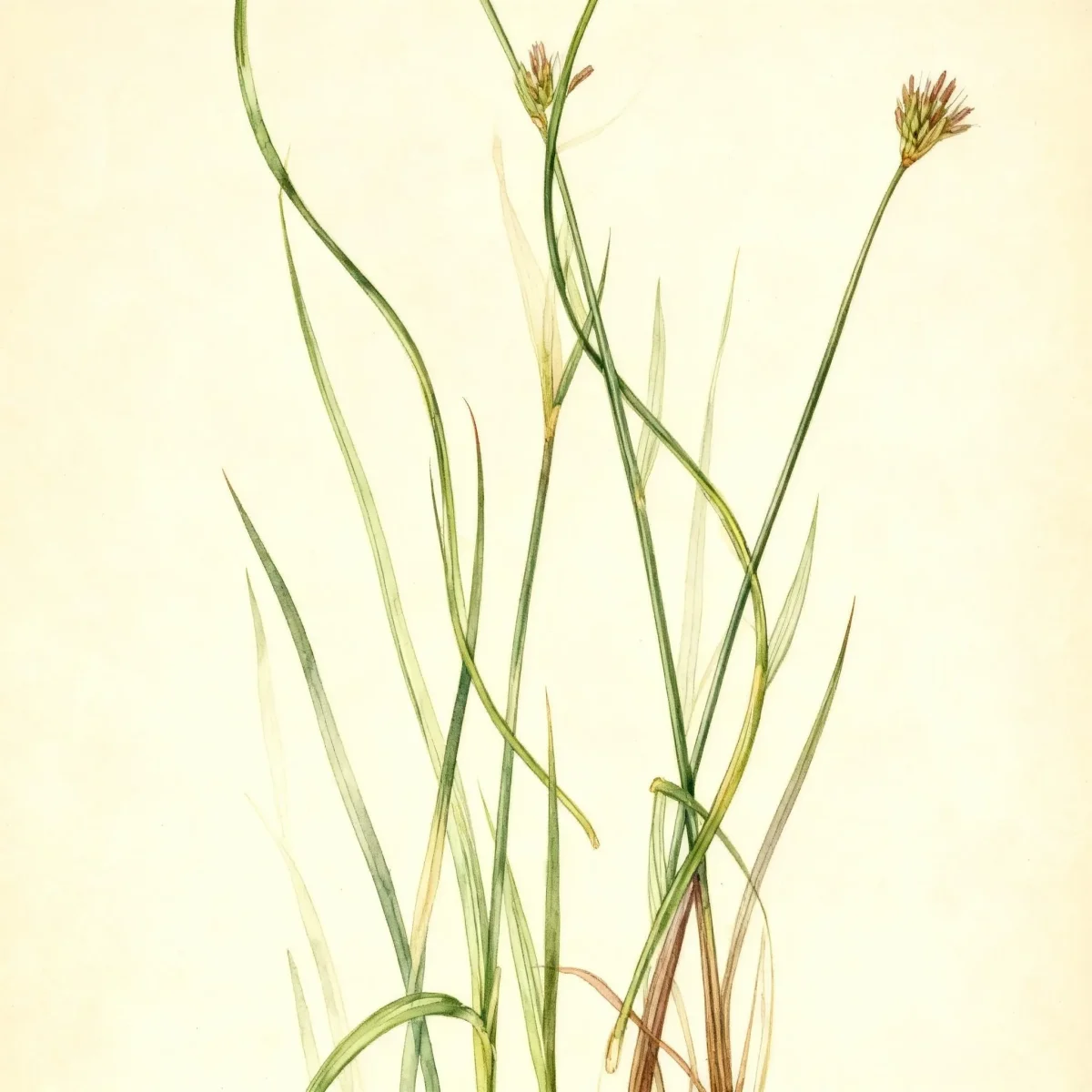
Schoenoplectus tabernaemontani, commonly called softstem bulrush or great bulrush, is a rhizomatous emergent aquatic perennial of cosmopolitan distribution that typically grows in a variety of wetlands including the margins of ponds/lakes, banks of slow-moving rivers/streams, marshes, fens, bogs, wet prairies, ditches and wet depressions along roadsides and railroad tracks. Photosynthesis primarily takes place in the stems, as leaf blades are typically absent or very small. Branched inflorescences appear at the tips of fertile stem ends in late spring to summer, containing a compound umbel of brown spikelets.
Tolerances
- Black Walnut
- Air Pollution
Potential Problems
No serious insect or disease problems typically plague Schoenoplectus tabernaemontani. Due to its preferred high-moisture environment, cultural issues are far more likely than pest infestations. Ensure that the growing area maintains consistently wet or submerged conditions; allowing the area to dry out completely will stress or kill the plant.
The biggest challenge gardeners face with Softstem bulrush is managing its spread. The aggressive creeping rhizomes mean that in prime conditions, this plant can naturalize too quickly, necessitating annual or biennial division to prevent it from overtaking smaller pond sections or adjacent terrestrial plantings.
Frequently Asked Questions
What hardiness zones is Softstem bulrush suitable for?
Schoenoplectus tabernaemontani is suitable for USDA Hardiness Zones 4 through 9, offering excellent cold tolerance for northern wetlands while surviving hot summers in the south.
How large does Softstem bulrush grow?
This rush typically reaches heights between 4 to 8 feet tall, with a spread ranging from 3 to 6 feet as its rhizomes expand outward.
What sun exposure does Schoenoplectus tabernaemontani need?
Schoenoplectus tabernaemontani requires full sun for the best performance, though it can tolerate very light shade without suffering significant decline.
When does Softstem bulrush bloom?
The bloom time for this perennial is typically from May to September, producing inconspicuous brown flowerheads.
Conclusion
Schoenoplectus tabernaemontani provides unparalleled vertical structure and resilience for any water garden or saturated landscape area. The low maintenance requirements and strong stabilizing capabilities of Softstem bulrush make it a functional staple for ecological landscaping design. Before planting, always verify that your location ensures consistently wet soil conditions suitable for its Zones 4-9 range.
Companion Planting
When integrating Softstem bulrush into larger water features, select companions that share its preference for wet soil and high light levels. Good partners include various Iris species native to wet meadows, such as Yellow Flag Iris (Iris pseudacorus), or the robust foliage of Pickerelweed (Pontederia cordata). For areas slightly less saturated but still moist, consider Cardinal Flower (Lobelia cardinalis), which adds bright summer color near the bulrush colonies.
Propagation Tips
The primary method for propagating Schoenoplectus tabernaemontani is through division of its creeping rhizomes. Wait until spring when new growth is just emerging to carefully dig up established clumps. Use a sterilized, sharp spade or knife to cut off sections containing roots and several healthy stem bases. Replant these divisions immediately into their desired wet locations, ensuring the rhizome material is firmly set in the mud or shallow water.