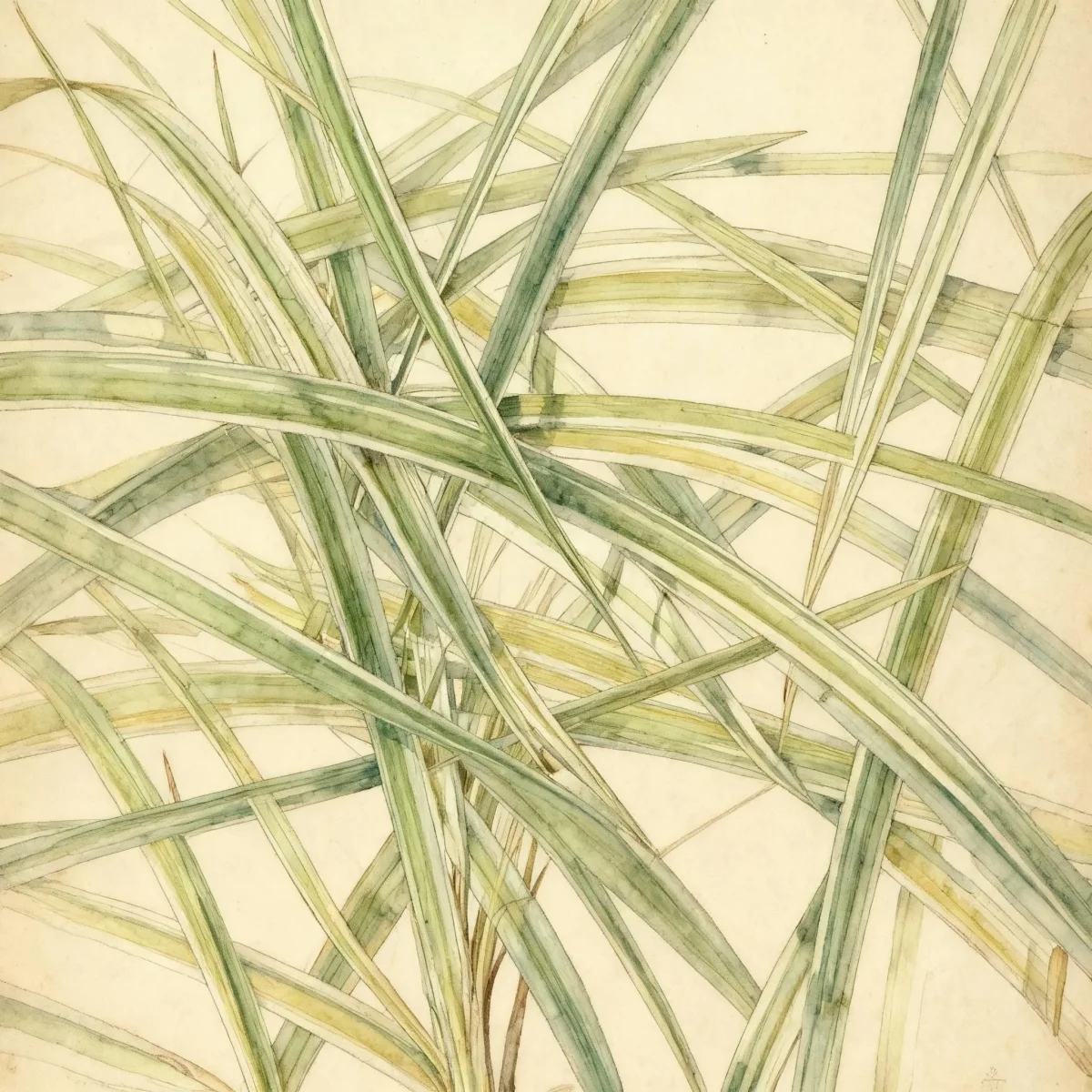
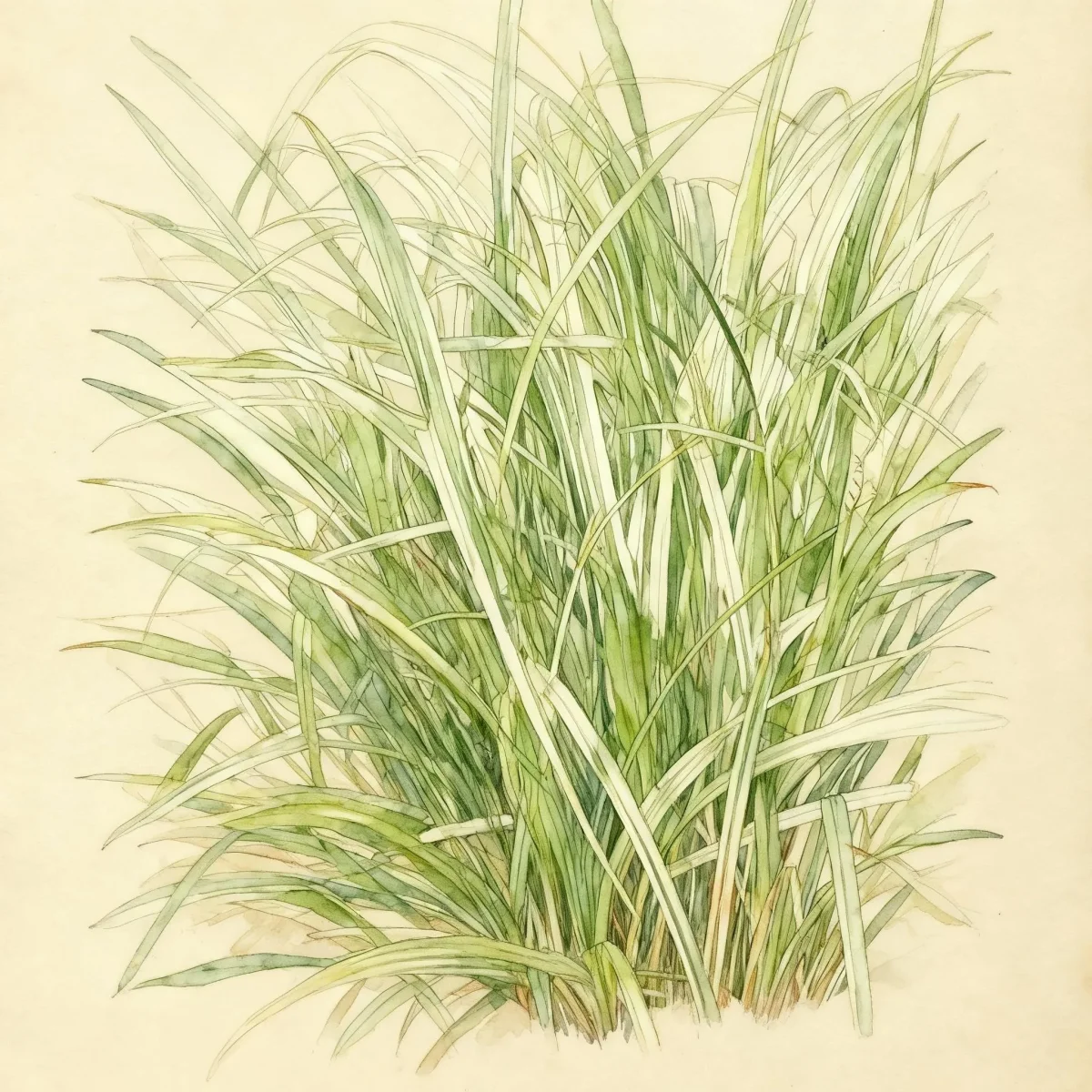
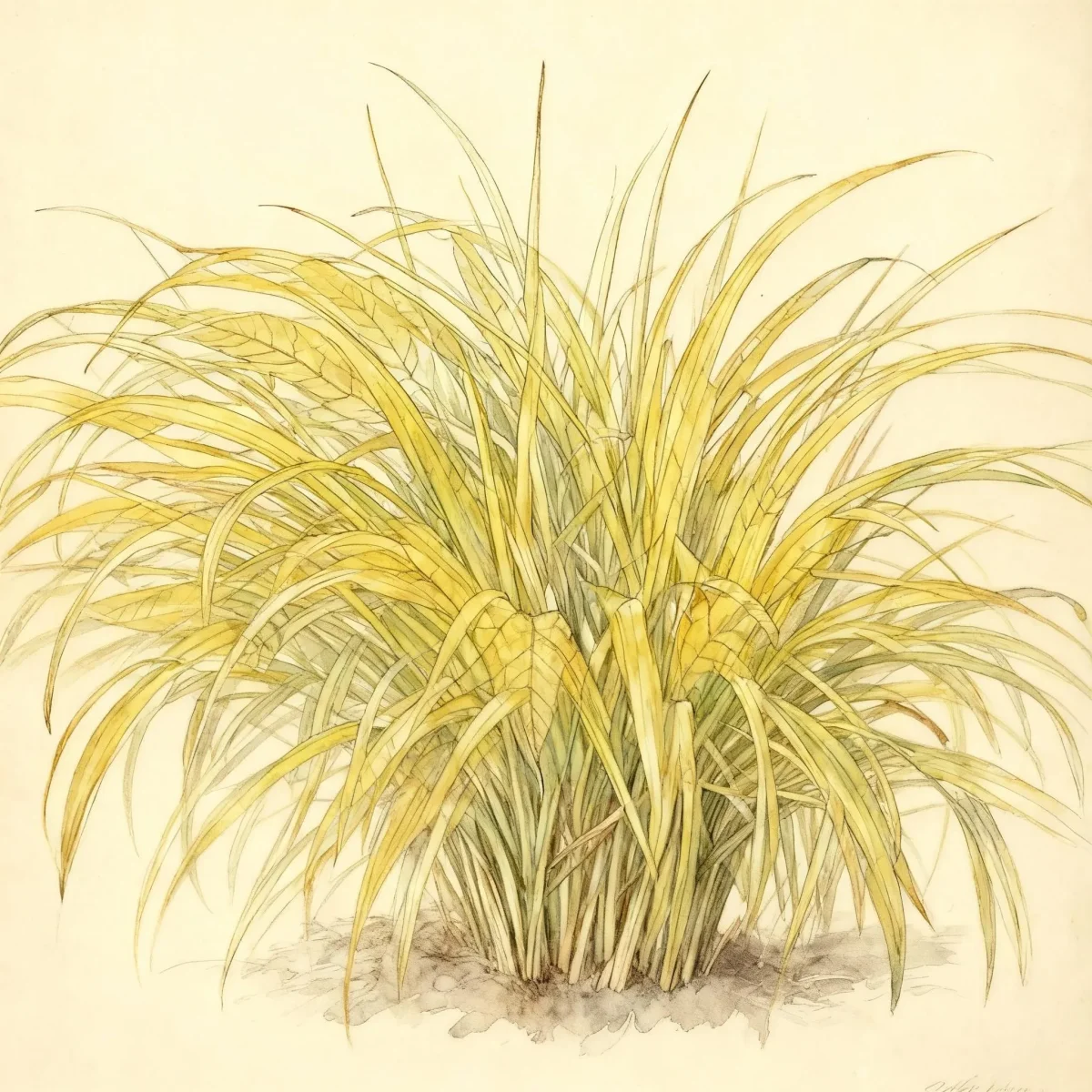
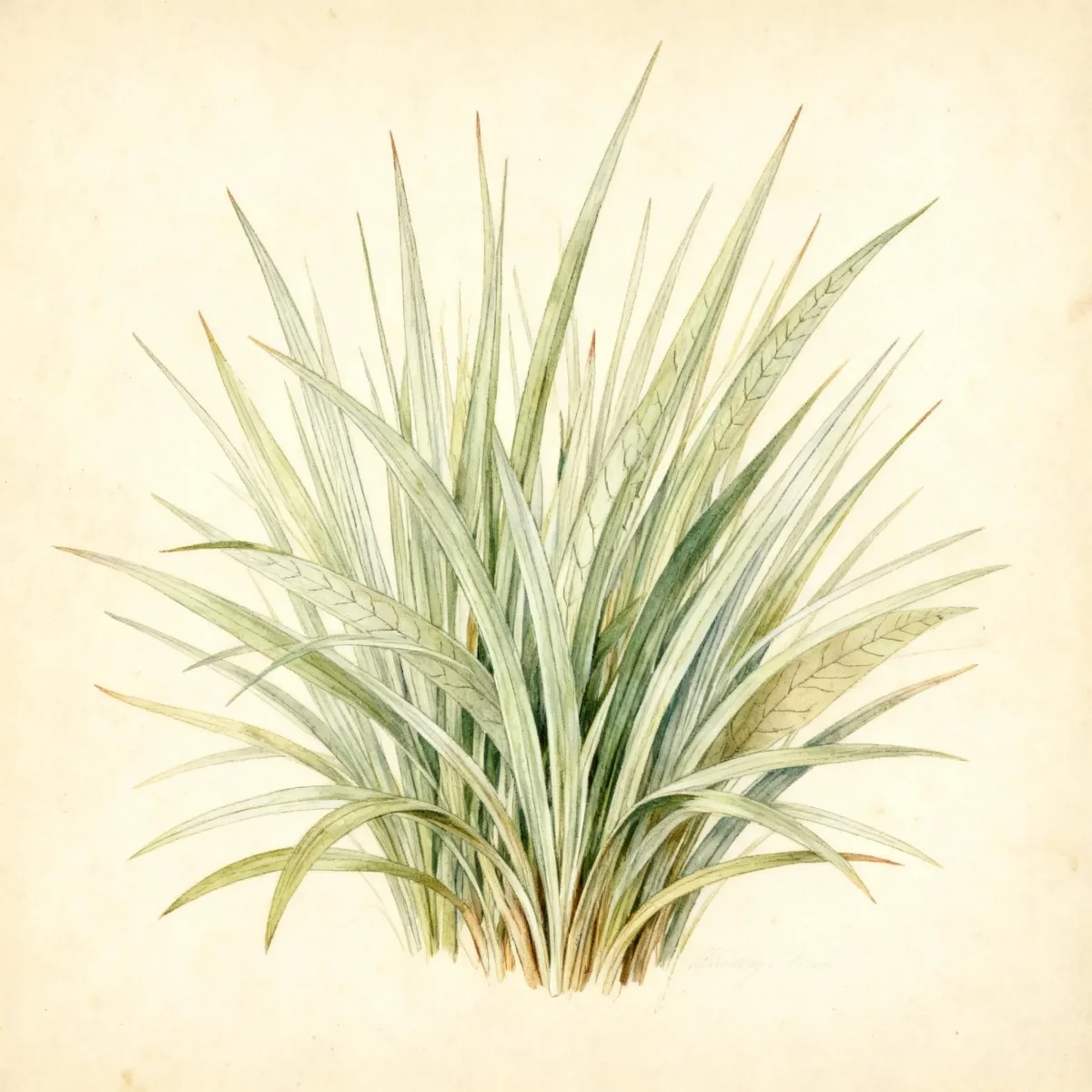
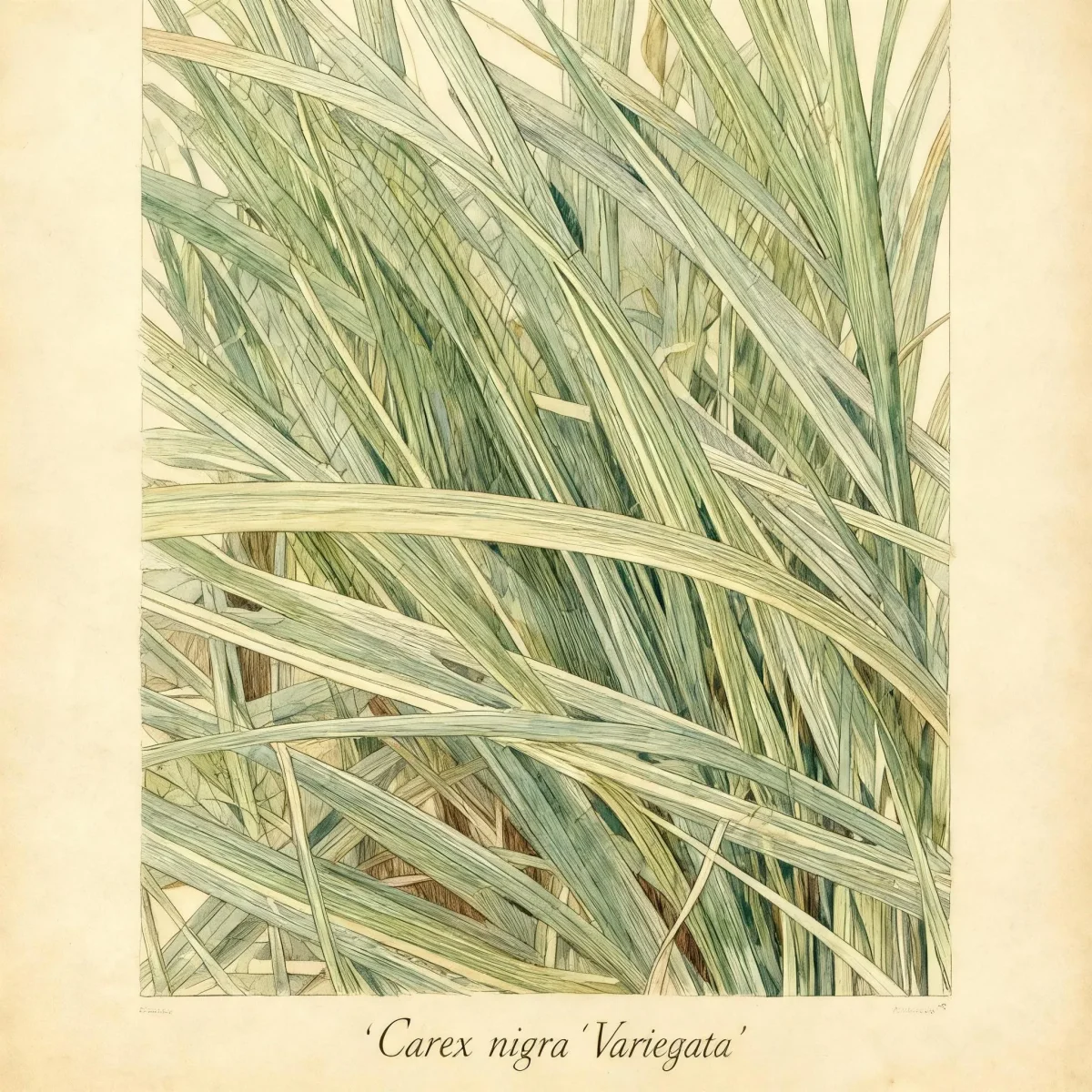
White-tinged sedge (Carex albicans)
Carex albicans, or White-tinged sedge, is a low-maintenance rhizomatous perennial ideal for shady, dry spots in USDA Zones 4-8.
Scroll down to discover growing tips, care requirements, companion plants, and more
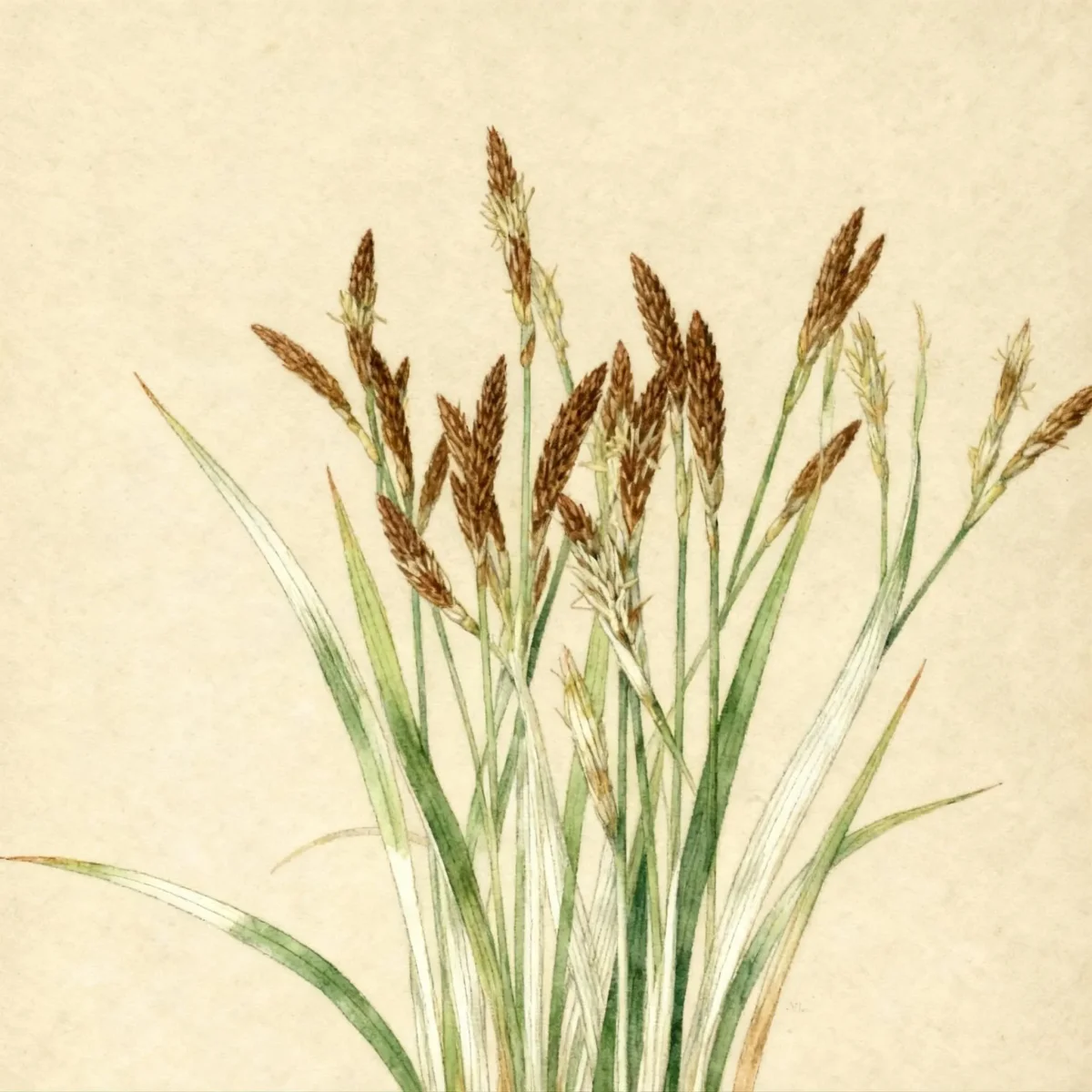
Complete Plant Information
Overview
The White-tinged sedge (Carex albicans) is a valuable addition to North American native landscapes, particularly where consistent moisture is hard to achieve. This rhizomatous perennial forms attractive clumps of narrow, bright green foliage, offering reliable texture and year-round interest when other shade plants struggle. Its adaptability makes it a favorite for low-stress gardening environments.
Carex albicans thrives best when sited in part shade to full shade, though it can surprisingly handle sunnier exposures if kept adequately watered. Unlike many sedges that demand damp conditions, this species exhibits notable tolerance for dryness once established. It spreads slowly via rhizomes and can self-seed, making it excellent for naturalizing areas under a canopy.
Known for its low maintenance profile, the White-tinged sedge provides superb year-round foliage effect, earning its place in shaded borders or as an expansive ground cover substitute. Its subtle blooms in late spring add a delicate touch before the foliage mass takes over the visual scene.
Fast Facts
- Plant Family: Cyperaceae
- Plant Type: Rush or Sedge
- Native Range: Central and eastern North America
- Hardiness Zones: USDA Zones 4-8
- Size at Maturity:
- Height: 1-1.5 ft
- Spread: 1-1.5 ft
- Bloom Time: May
- Sun Exposure: Part shade to full shade
- Water Needs: Medium
- Maintenance Level: Low
How to Grow
Planting Carex albicans should ideally occur in spring or fall to allow the root system to establish before seasonal extremes. Locate it in soils that are medium moisture, though this sedge excels due to its tolerance for dryness. It handles clay soils exceptionally well, which is a significant benefit in many garden settings.
Water requirements are medium; deeply water new plantings regularly until they are actively growing well. Once established, the White-tinged sedge is surprisingly drought-tolerant compared to its marsh-loving relatives. Fertilizing is rarely necessary; this native plant typically performs best without supplemental feeding. Pruning is minimal, usually limited to cutting back old, tattered foliage in very early spring, if desired, before new growth emerges.
This species is a reliable performer in challenging areas. Remember that Carex albicans tolerates dry soil better than most Carex species and readily adapts to heavy clay structures; utilize this resilience when planning difficult slopes or dry foundation borders. Its slow spread by rhizomes means it will integrate nicely over time without becoming overly aggressive.
Landscape Uses
The recommended uses for White-tinged sedge center on its superior performance as a dense ground cover or naturalized planting, particularly where sunlight is limited. Massing Carex albicans creates broad sweeps of consistent, bright green texture that contrast beautifully against woodland floors or beneath mature trees. For shade/part shade gardens, it establishes quickly in groups, effectively suppressing weeds better than mulch alone.
As an effective ground cover, this sedge eliminates the need for constant upkeep often associated with traditional lawn alternatives in shady spots. Consider planting it along woodland edges or naturalized streamsides where its medium water needs can be easily met without over-irrigating surrounding, thirstier ornamentals. It provides excellent year-round foliage interest, tying together a landscape design through all seasons.
Standout Features
Flower Qualities
- Showy
Noteworthy Characteristics
Carex albicans, sometimes commonly called white tinged sedge or oak sedge, is a rhizomatous perennial sedge (section Acrocystis) that grows in a clump to 15-20” tall. It is native to North America from Quebec and Ontario south to Florida and Texas. Narrow, grass-like, upright-arching, bright green leaf blades grow in either dense tufts or loose colonies, providing great texture. Over 1500 species of Carex grow in a variety of habitats throughout the world, making species identification often difficult.
Tolerances
- Drought
- Clay Soil
- Dry Soil
Potential Problems
Fortunately, Carex albicans exhibits high resilience in the landscape. Gardeners should expect no serious insect or disease problems when growing this White-tinged sedge. Its robust nature means cultural issues usually stem from incorrect siting—namely, placing it in conditions that are perpetually too wet or intensely sunny without supplemental irrigation. Consistent attention to its medium moisture needs will safeguard the health of the stand.
Frequently Asked Questions
What hardiness zones is White-tinged sedge suitable for?
Carex albicans performs reliably across USDA Hardiness Zones 4 through 8, making it adaptable to a wide range of temperate climates.
How large does White-tinged sedge grow?
This plant typically matures to a height and spread between 1 and 1.5 feet, creating dense tufts or loose colonies.
What sun exposure does Carex albicans need?
It prefers part shade to full shade, although it can tolerate full sun if moisture levels are maintained adequately.
When does White-tinged sedge bloom?
The flowering stems emerge, displaying subtle flowers in late spring, typically during the month of May.
Conclusion
The Carex albicans is an essential textural plant for shaded, resilient landscapes due to its drought and clay tolerance. This White-tinged sedge offers low-maintenance beauty and fills niches where other ground covers fail. Before planting, confirm your site falls within USDA Zones 4–8 and plan to establish the sedge in medium-moisture, shaded conditions for the best long-term results.
Companion Planting
When designing a shaded space for Carex albicans, select companions that share its preference for part shade and medium moisture, but which offer contrasting foliage structure. Hostas, ferns (like Tassel Fern or Christmas Fern), and Woodland Phlox (Phlox divaricata) pair excellently with the fine texture of this sedge. These combinations build multi-layered interest in the shade garden, utilizing the Carex albicans as a consistent, evergreen base layer.
Design Ideas
Utilize the clumping and slowly spreading nature of Carex albicans for mass planting under large specimen trees where turfgrass struggles. Because it develops a dense root mass, it is an excellent choice for controlling erosion on gentle slopes in shady areas of the yard. In modern landscape design, its uniform green texture allows it to serve as a calming visual “rest area” between boldly colored, flowering shade perennials.