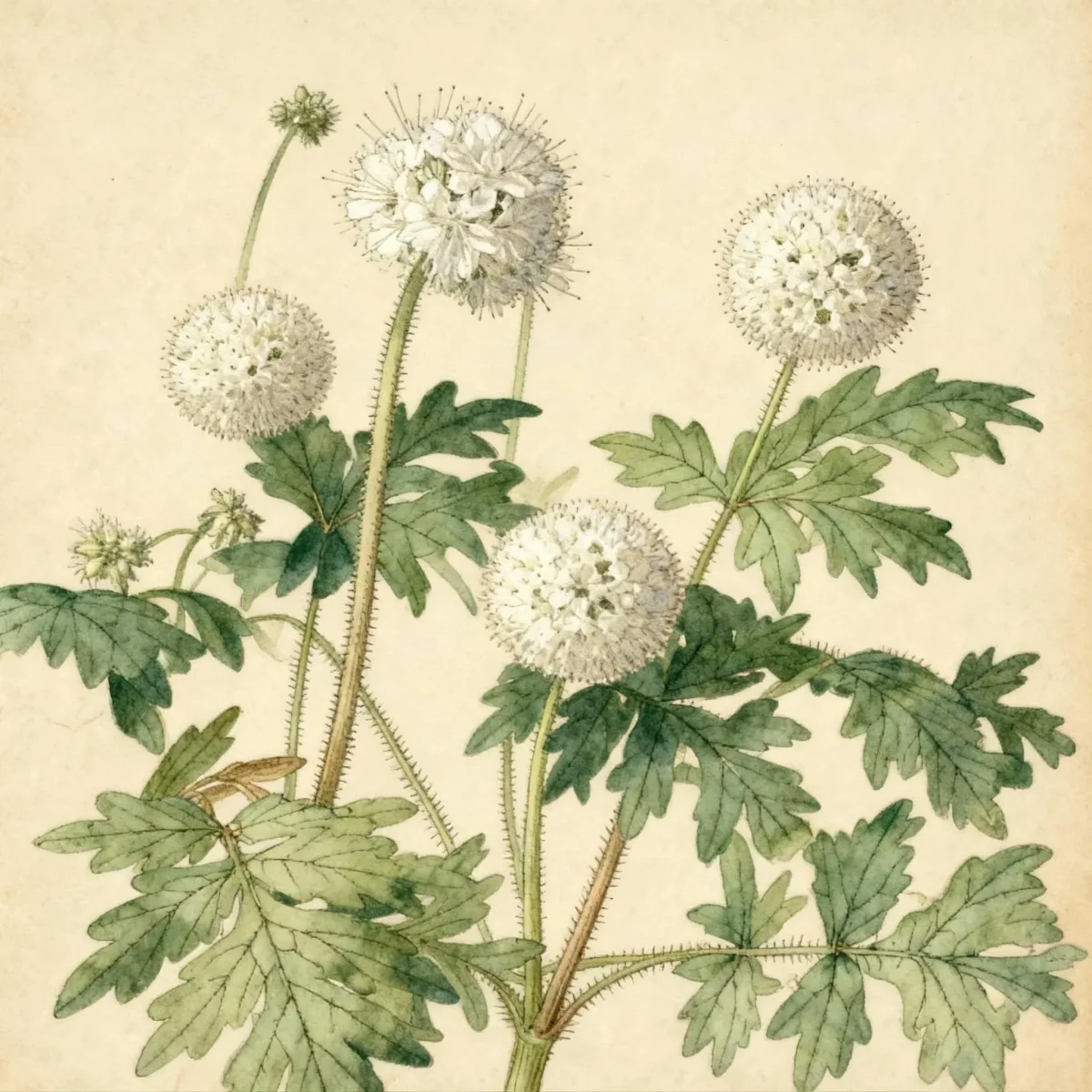
Leatherwood (Cyrilla racemiflora)
Cyrilla racemiflora, or Leatherwood, thrives in wet soils, offering white summer blooms and excellent fall color. A low-maintenance, subtropical native.
Scroll down to discover growing tips, care requirements, companion plants, and more
Complete Plant Information
Overview
Cyrilla racemiflora, widely known as Leatherwood, is a resilient and visually interesting large shrub or small tree native to moist habitats ranging from the southeastern US down to Brazil. Its adaptability to consistently wet conditions makes it invaluable for challenging drainage areas in the landscape. Gardeners value this species for its sturdy evergreen or semi-evergreen foliage, which often yields vibrant fall color in colder zones.
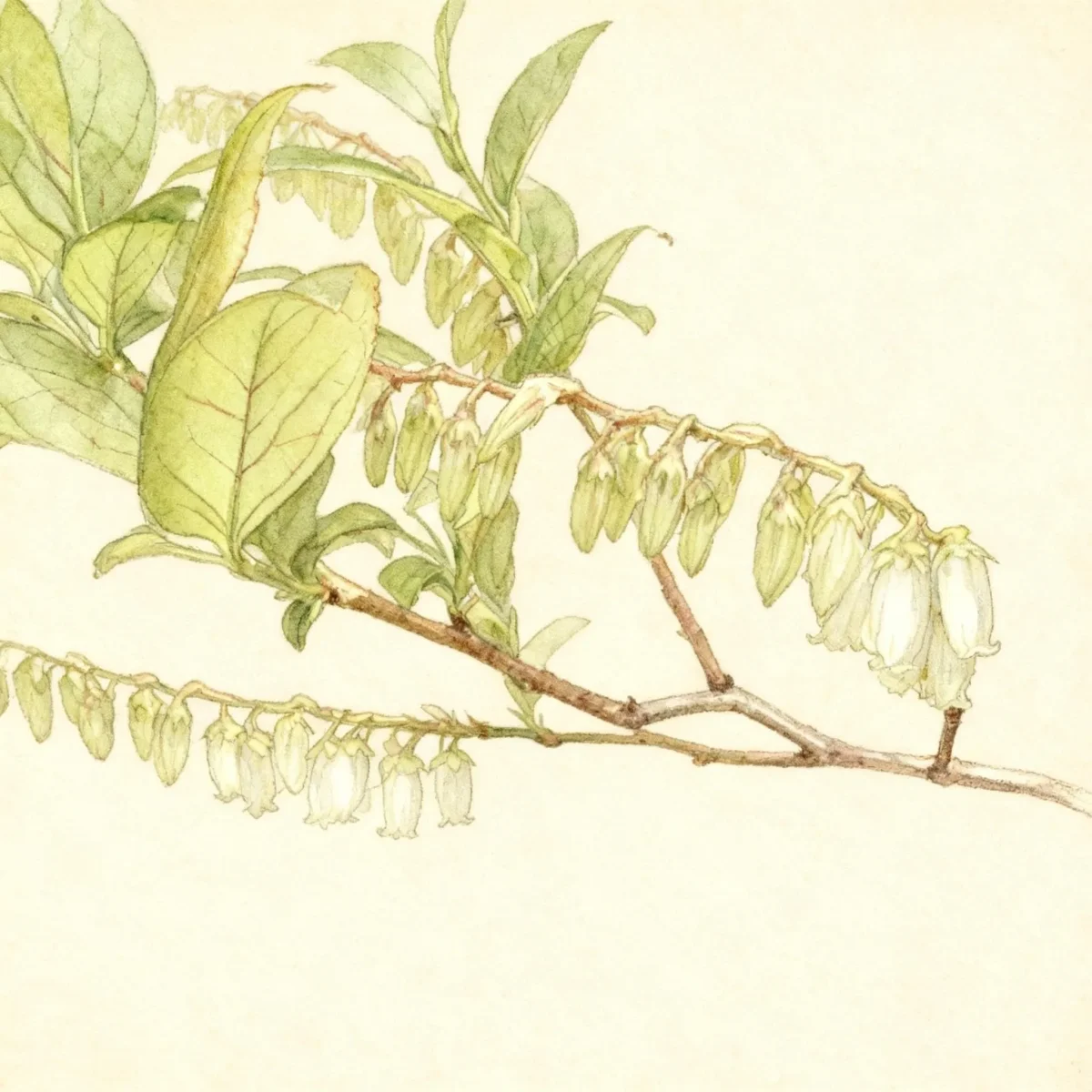
This plant, sometimes called Swamp cyrilla, typically forms a slender to spreading canopy, reaching imposing heights upward of 30 feet in ideal conditions, although it often stays closer to 10 feet tall in standard cultivation. The spring-to-summer flowering display features attractive, dangling racemes of small white blossoms, providing texture and nectar resources when many other shrubs are past their prime.
If you seek a robust, low-maintenance native background plant that can handle swampy edges or serve as an informal screen, Cyrilla racemiflora is an excellent choice. Its preference for acidic, moist soil ensures vitality where many traditional shrubs struggle.
Fast Facts
- Plant Family: Cyrillaceae
- Plant Type: Deciduous shrub
- Native Range: Southeastern United States to West Indies south to Brazil
- Hardiness Zones: USDA Zones 5-11
- Size at Maturity:
- Height: 7-30 ft
- Spread: 5-20 ft
- Bloom Time: May to July
- Bloom Description: White
- Sun Exposure: Part shade
- Water Needs: Medium to wet
- Maintenance Level: Low
How to Grow
The key to successfully cultivating Cyrilla racemiflora lies in honoring its native preference for moisture. Plant Leatherwood in the spring or fall in well-draining, loamy, acidic soils. It thrives in conditions maintained from evenly moist to truly wet. While it tolerates full sun, part shade provides sufficient light while preventing scorching in the hottest afternoon hours.
Watering requirements are relatively straightforward: consistent moisture is critical, especially when establishing the plant. Once mature, this species is highly tolerant of wet soil conditions, fulfilling its role in rain gardens and riparian zones. Fertilization is generally unnecessary unless the soil is severely depleted; focus instead on maintaining soil acidity if necessary, perhaps using acidifying amendments like pine needles around the base.
Maintenance for Leatherwood is exceptionally low. Pruning is generally only required to shape errant branches or manage height, though it often presents a naturally attractive, thicket-forming habit. In colder zones, enjoy the transition as the leaves develop excellent fall color before dropping, requiring minimal cleanup unlike some deciduous varieties.
Landscape Uses
Leatherwood shines in functional and naturalized landscape settings where water management is paramount. Its ability to form thickets makes it a powerful choice for naturalizing borders or stabilizing moist slopes near ponds and streambanks. Consider incorporating Cyrilla racemiflora into designated rain gardens, where its high water tolerance directly addresses runoff issues.
For softer woodland garden edges or informal screens, plant groups of Leatherwood together. Its medium stature (often topping out under 15 feet in cultivation) allows it to serve as an excellent backdrop for smaller, moisture-loving perennials or native ferns that appreciate similar acidic soil profiles. Its unique growth habit contrasts well with fine-textured grasses or broad-leaved, shade-tolerant shrubs.
Because Cyrilla racemiflora naturally seeks saturated ground, companion planting should focus on species that tolerate or require similar saturated conditions. Look towards dogwoods, swamp maples, or native wetland grasses that share the Southeastern US biome.
Standout Features
Noteworthy Characteristics
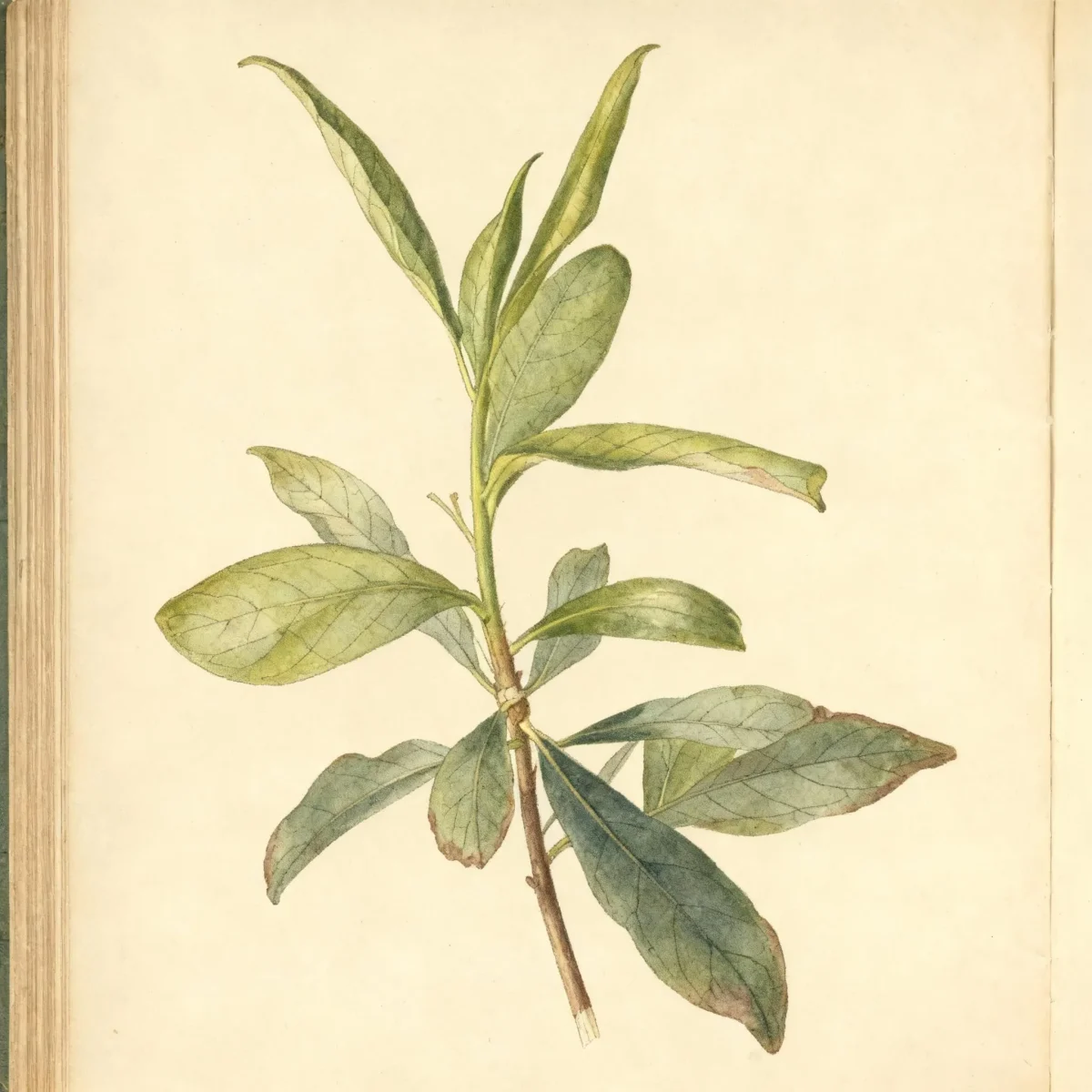
Cyrilla racemiflora, commonly called leatherwood, black titi, or swamp cyrilla, is a large, thicket-forming shrub or small tree native to the American tropics and subtropics from northern Brazil north through Central America to the Greater Antilles and southeastern United States. It is often found in bottomlands, swamps, wet pinelands and along streambanks. Mature plants will reach up to 30’ tall with a 20’ wide, slender to spreading canopy. The leathery leaves are evergreen, semi-evergreen, or fully deciduous depending on climate, developing excellent fall color in colder regions.
Tolerances
- Wet Soil
Potential Problems
Leatherwood is renowned in horticulture for having virtually no major pest or disease problems of note, making it a highly reliable addition to the garden. This inherent resistance is a significant benefit over many ornamental shrubs that require consistent chemical intervention. Focus monitoring efforts primarily on ensuring proper soil drainage if the plant is struggling, although the species generally tolerates standing water better than most.
Avoid planting it in dry, upland areas where soil moisture cannot be reliably maintained, as this is the most likely cause of stress for this water-loving species. Consistent, heavy mulch helps moderate soil temperatures and preserves vital moisture levels throughout drier summer spells.
Frequently Asked Questions
What hardiness zones is Leatherwood suitable for?
This adaptable shrub generally thrives in USDA Zones 5 through 11, offering flexibility for gardeners across varied climates.
How large does Cyrilla racemiflora grow?
Leatherwood can reach mature heights between 7 and 30 feet tall, with a spread ranging from 5 to 20 feet wide, often forming a natural thicket.
What sun exposure does Cyrilla racemiflora need?
This plant performs best when situated in part shade, though it can tolerate full sun provided adequate moisture is consistently available.
When does Leatherwood bloom?
Cyrilla racemiflora produces its characteristic white blooms during the early to mid-summer months, typically spanning from May to July.
Conclusion
The Leatherwood (Cyrilla racemiflora) stands out as an exceptionally durable and unique native plant, prized for its tolerance of wet soils, its handsome foliage, and its summer white bloom display. If your landscape includes low-lying areas or rain gardens, this low-maintenance selection is highly recommended. Always confirm your local hardiness zone compatibility before planting your Cyrilla racemiflora.
Companion Planting
When selecting partners for your Leatherwood, prioritize plants that share a high affinity for acidic, consistently moist to wet soils. Native companions flourishing in these conditions often include various Vaccinium species (blueberries, cranberries) if the soil pH is low enough. Viburnum species adapted to bottomlands, such as Viburnum dentatum (Arrowwood Viburnum), also make excellent neighbors, providing varied texture and form near the stately Cyrilla racemiflora.
Wildlife Benefits
The spring and summer flowers of Leatherwood are a magnet for numerous pollinators, making it a supportive addition to any wildlife habitat garden. While not heavily advertised for wildlife, the dense thickets formed by Cyrilla racemiflora offer vital protective cover, nesting sites, and shelter for small birds and beneficial insects year-round. The small brown seed capsules that persist through winter also provide a minor winter food source for certain bird species.