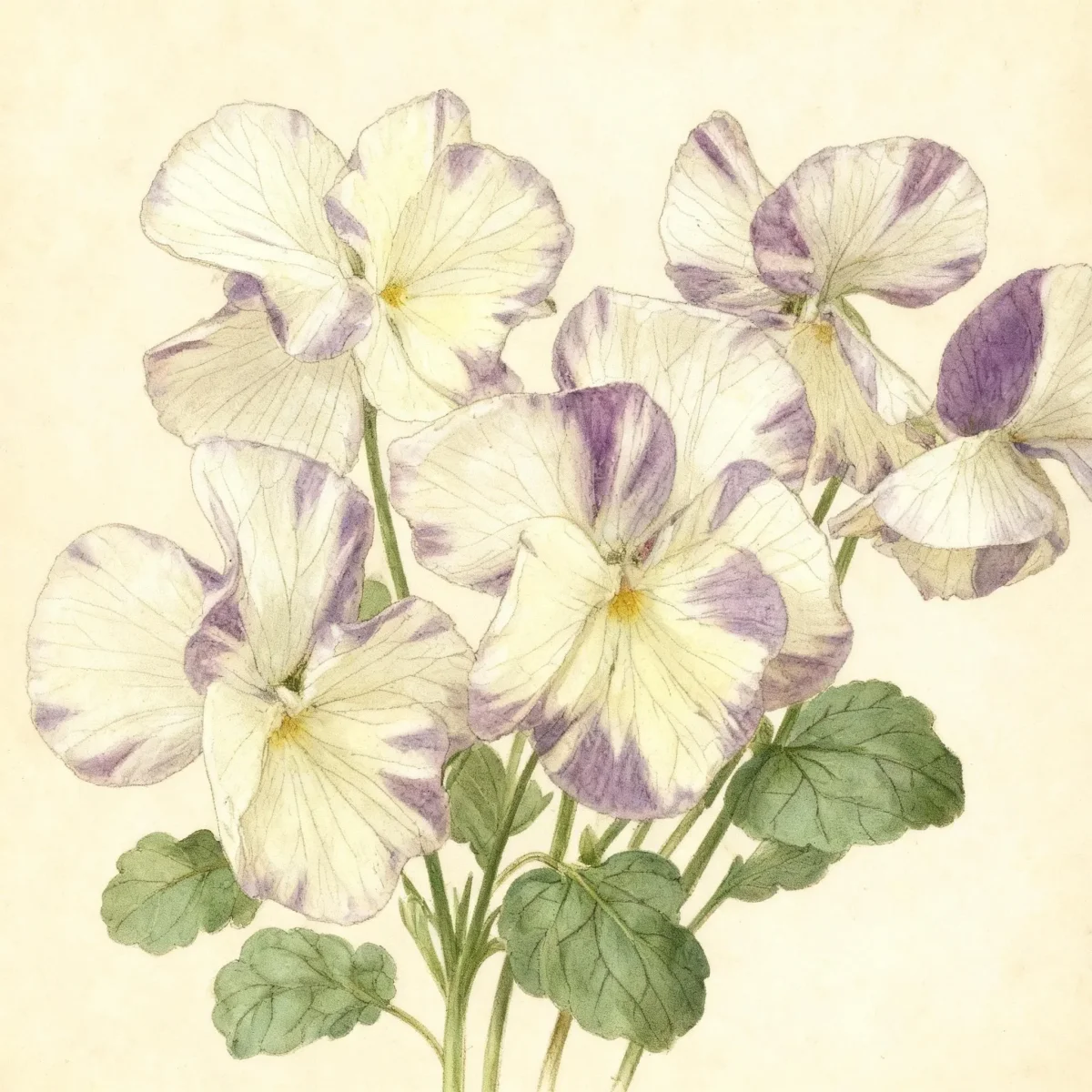
Oconee bells (Shortia galacifolia)
Discover Oconee bells (Shortia galacifolia), a rare, low-growing evergreen perennial perfect for acidic woodland gardens in Zones 5-7.
Scroll down to discover growing tips, care requirements, companion plants, and more
Complete Plant Information
Overview
Oconee bells, scientifically known as Shortia galacifolia, is a highly prized, low-growing evergreen perennial cherished for its delicate spring blooms and attractive year-round foliage. This species is an iconic addition to any specialized woodland collection, offering unique visual interest in deep shade conditions where few other plants thrive. Gardeners value its status as a native Appalachian gem, providing historical and ecological significance to shaded landscapes.
Native to moist, forested gorges, the care requirements for Shortia galacifolia center on replicating its cool, humus-rich environment. It develops slowly, forming tight colonies, making patience a necessary part of cultivating these distinctive plants in the garden setting. The plant’s value is compounded by its foliage, which turns a deep, attractive bronzy-red shade during the winter months.
Finding healthy, nursery-grown Oconee bells is crucial, as wild collection is unsustainable due to its rarity in nature. When sited correctly in appropriate acidic, well-draining soil, it serves as an exceptional, nearly trouble-free ground cover, enhancing shaded borders and rock gardens with its subtle beauty.
Fast Facts
- Plant Family: Diapensiaceae
- Plant Type: Herbaceous perennial
- Native Range: Southeastern United States
- Hardiness Zones: USDA Zones 5-7
- Size at Maturity:
- Height: 0.5-0.75 ft
- Spread: 0.5-0.75 ft
- Bloom Time: March to April
- Bloom Description: White to pale pink
- Sun Exposure: Part shade to full shade
- Water Needs: Medium
- Maintenance Level: Medium
How to Grow
Planting Shortia galacifolia is best achieved in early spring or fall to allow the slow-establishing perennial time to acclimate before temperature extremes. The most critical cultural requirement is soil: use evenly moist, well-draining, rich, humusy, and acidic loams. Place Oconee bells in locations receiving part shade to full shade, avoiding any direct, intense sunlight, which can scorch the glossy leaves.
Ongoing care demands consistency, especially regarding moisture; plan for medium watering, ensuring the soil never dries out completely. While not heavy feeders, incorporating organic matter, like leaf mold or composted pine needles, annually helps maintain the rich, acidic structure that Shortia galacifolia requires. Due to its slow growth rate, minimal pruning is necessary, typically limited to removing any dead or damaged foliage in early spring.
Because seed propagation is notoriously challenging, propagation by division is the recommended method for increasing your stock of Oconee bells. Gently separate small clumps of the root system during the active growing season, ensuring each division retains adequate roots and leaves. Providing winter protection, such as a light mulch layer of shredded bark, can benefit plants in the colder end of their hardiness range (Zone 5).
Landscape Uses
The unique size and shade tolerance of Shortia galacifolia make it a superb choice for specialized ground cover applications within woodland gardens. Its habit of spreading via stolons allows it to naturally establish colonies over time, softening the edges of paths or cascading subtly over rocks in shady ravines, echoing its native habitat. It works excellently beneath latticed canopies of large, established trees where grass struggles to grow.
As a species plant, Oconee bells pairs beautifully with other acid-loving, shade-tolerant foliage plants. Consider pairing it with Helleborus (Lenten Rose) for extended winter interest, or underplanting with ferns like Japanese Painted Fern (Athyrium niponicum) to contrast textures. Its diminutive white blooms provide a delicate counterpoint to the deep greens found in large rhododendrons or azaleas in the spring border.
Though small, the solitary flowers of Oconee bells command attention when sought out, making it an ideal specimen plant when placed near seating areas or along main garden walkways where its early spring show will not be missed. It excels in shaded mixed borders where its unique contribution of evergreen texture and seasonal fragrance can be appreciated up close.
Standout Features
Flower Qualities
- Showy
Noteworthy Characteristics
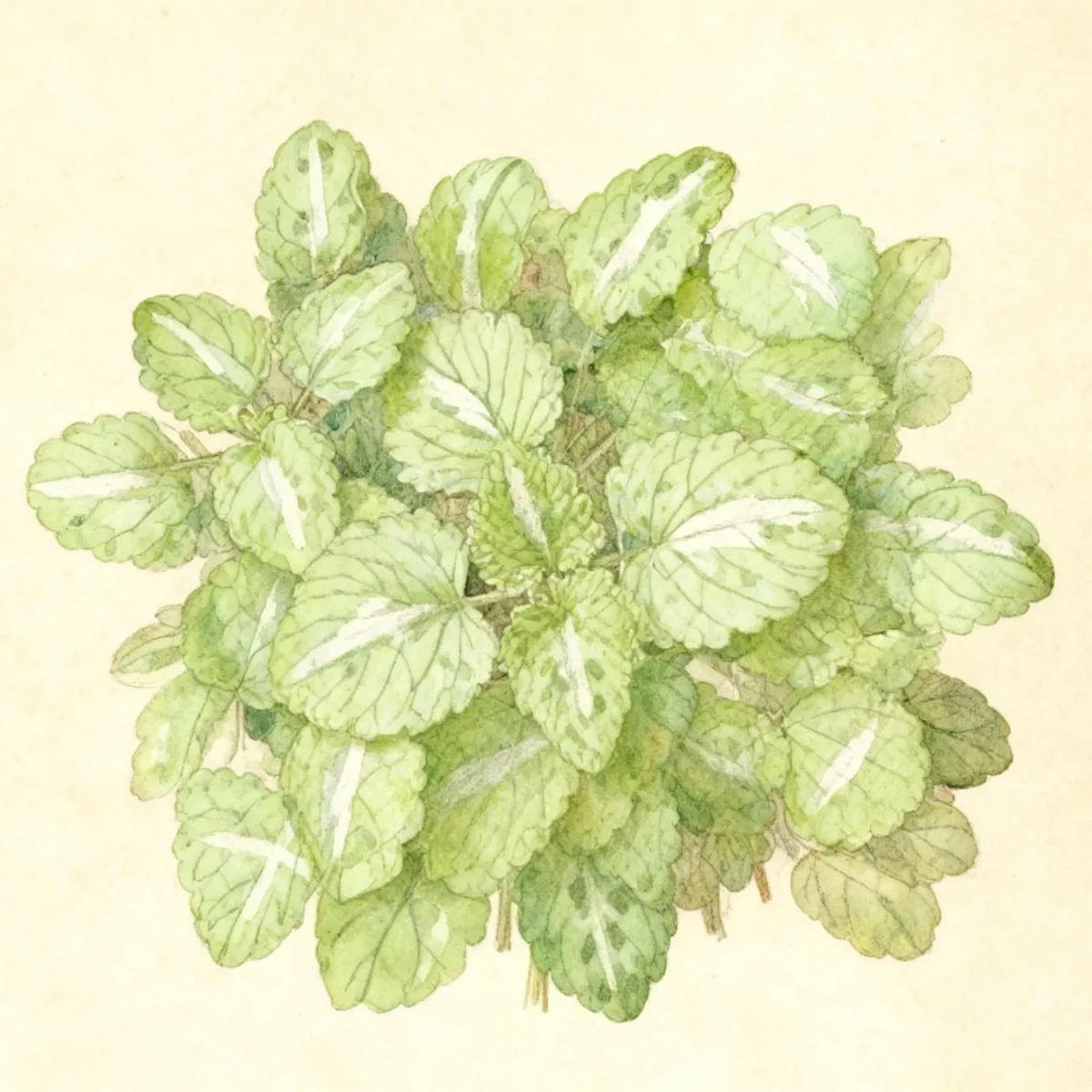
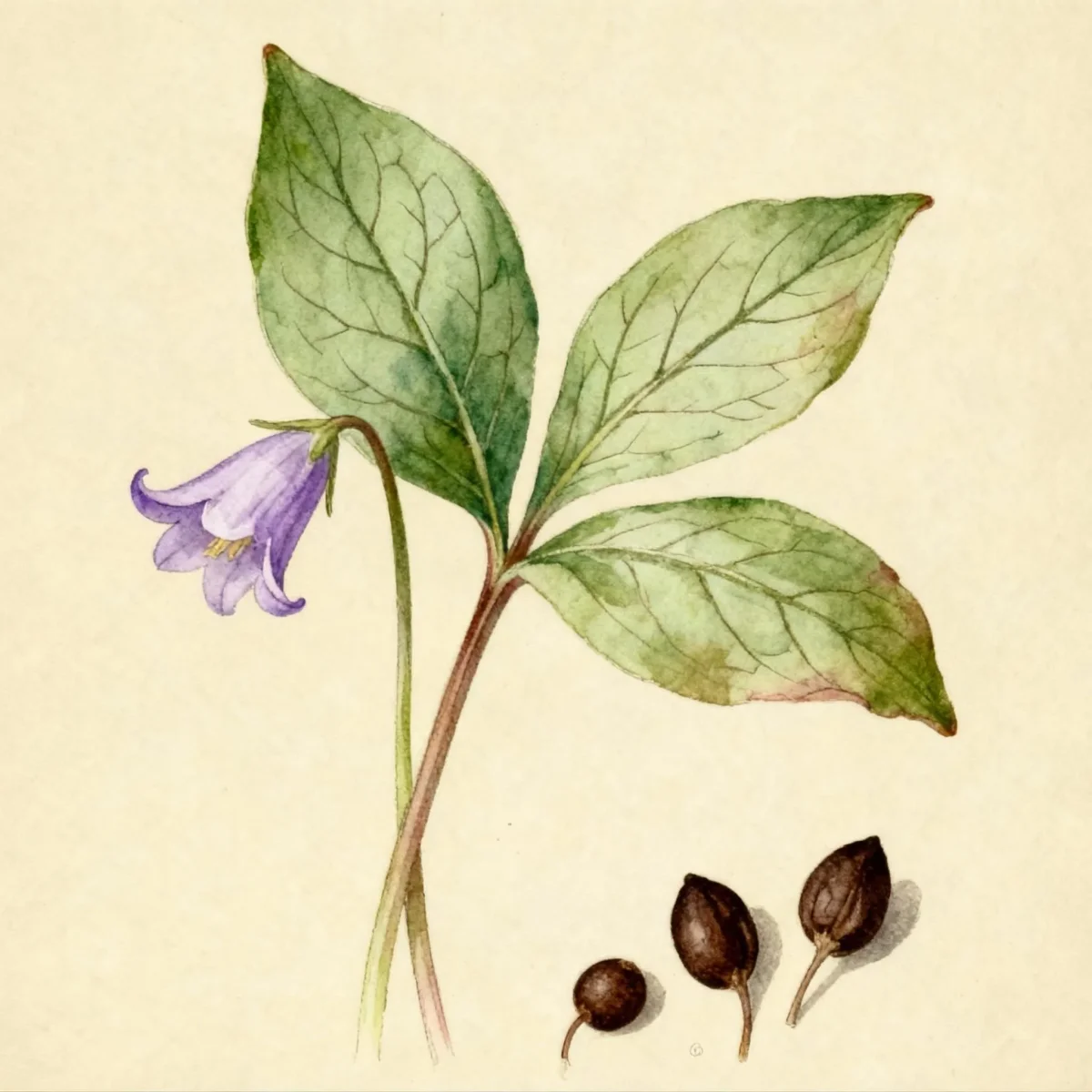
Shortia galacifolia, commonly called oconee bells, is a low-growing, evergreen, herbaceous perennial native to moist, forested gorges, slopes, rocky outcrops, ravines, and stream banks of the southern Appalachian Mountains of the United States. This species is often found growing in areas of disturbance where small landslides or trees felled by logging or wind open up the canopy. The round, glossy, leaves can reach around 1-2” wide and have small, coarse teeth along their somewhat wavy margins, turning a dark, bronzy-red coloration in winter. Solitary, 1” wide, slightly nodding, bell-shaped flowers bloom on upright scapes in early to mid-spring, featuring white or pale pink petals with fringed edges.
Tolerances
- Heavy Shade
Potential Problems
Fortunately, Shortia galacifolia has no known significant pest or disease issues that typically plague garden perennials. The primary challenge lies not in disease management but in responsible sourcing and ensuring the correct cultural conditions are met. Given that this plant is rare in its native habitat, it is essential that gardeners only purchase Oconee bells from reputable nurseries that guarantee their stock is propagated, never collected from the wild.
Maintain vigilant attention to soil moisture and acidity rather than worrying about mildew or insect infestations. Overwatering or planting in poorly drained soil is the most common cause of decline for established specimens, as root rot can quickly set in under saturated, anaerobic conditions. If growth seems sluggish, amend the soil with more rich, acidic organic matter rather than resorting to synthetic fertilizers.
Frequently Asked Questions
What hardiness zones is Oconee bells suitable for?
Shortia galacifolia is reliably hardy in USDA Zones 5 through 7.
How large does Oconee bells grow?
This species is low-growing, typically reaching a mature height between 0.5 and 0.75 feet, with a spread of 0.5 to 0.75 feet.
What sun exposure does Shortia galacifolia need?
Shortia galacifolia thrives in part shade to full shade, making it an excellent choice for deep woodland settings.
When does Oconee bells bloom?
Oconee bells typically bloom from March to April, presenting solitary, elegant flowers described as white to pale pink.
Conclusion
Shortia galacifolia, or Oconee bells, offers unparalleled seasonal delight and resilient year-round evergreen structure for the dedicated gardener with acidic, shady areas. Successfully growing this botanical treasure depends entirely on replicating its native environment—cool, moist, humus-rich soil under a dense canopy. Before planting, confirm your garden’s hardiness zone falls within 5 to 7 and ensure you have prepared the deep, acidic soil beds Shortia galacifolia demands.
Companion Planting in Woodland Gardens
When designing a shade garden around your Shortia galacifolia, focus on plants that share a preference for acidic and humus-rich soil while tolerating low light conditions. Excellent companions include various Rhododendrons and Azaleas, whose broad leaves contrast nicely with the small, rounded foliage of the Oconee bells. Additionally, shade-tolerant ferns, such as the Autumn Fern (Dryopteris erythrosora) or various species of $Asplenium$, provide soft, textural layers around the base of larger shrubs or beneath the sparse canopy.
Consider adding plants that share bloom times or extend the season of interest. While Shortia galacifolia is an early riser, plants like Trillium species or Epimedium (Barrenwort) offer additional early spring ephemeral beauty nearby. Since Shortia galacifolia spreads slowly via stolons, planting companions slightly further away initially ensures that both groups have room to mature without choking out the highly valued, slow-growing Oconee bells.
Design Ideas for Shaded Borders
Utilize Shortia galacifolia along the front edges of deep, shady mixed borders where its low stature will not be obscured by taller woodland shrubs planted further back. Its evergreen nature makes it an excellent choice for defining the borders of these areas, especially as it acquires a bronzy winter hue. Use it as a living mulch in foundation plantings, provided the foundation plantings allow adequate drainage and soil acidity.
For a truly naturalistic effect, group Oconee bells in drifts rather than planting them as solitary accents. Allow them to interweave with mosses and small rock outcroppings native to the Appalachian region. This approach embraces the plant’s tendency to “naturalize” and create small colonies, resulting in a serene, low-maintenance tapestry of green, red, and white blooms in early spring.