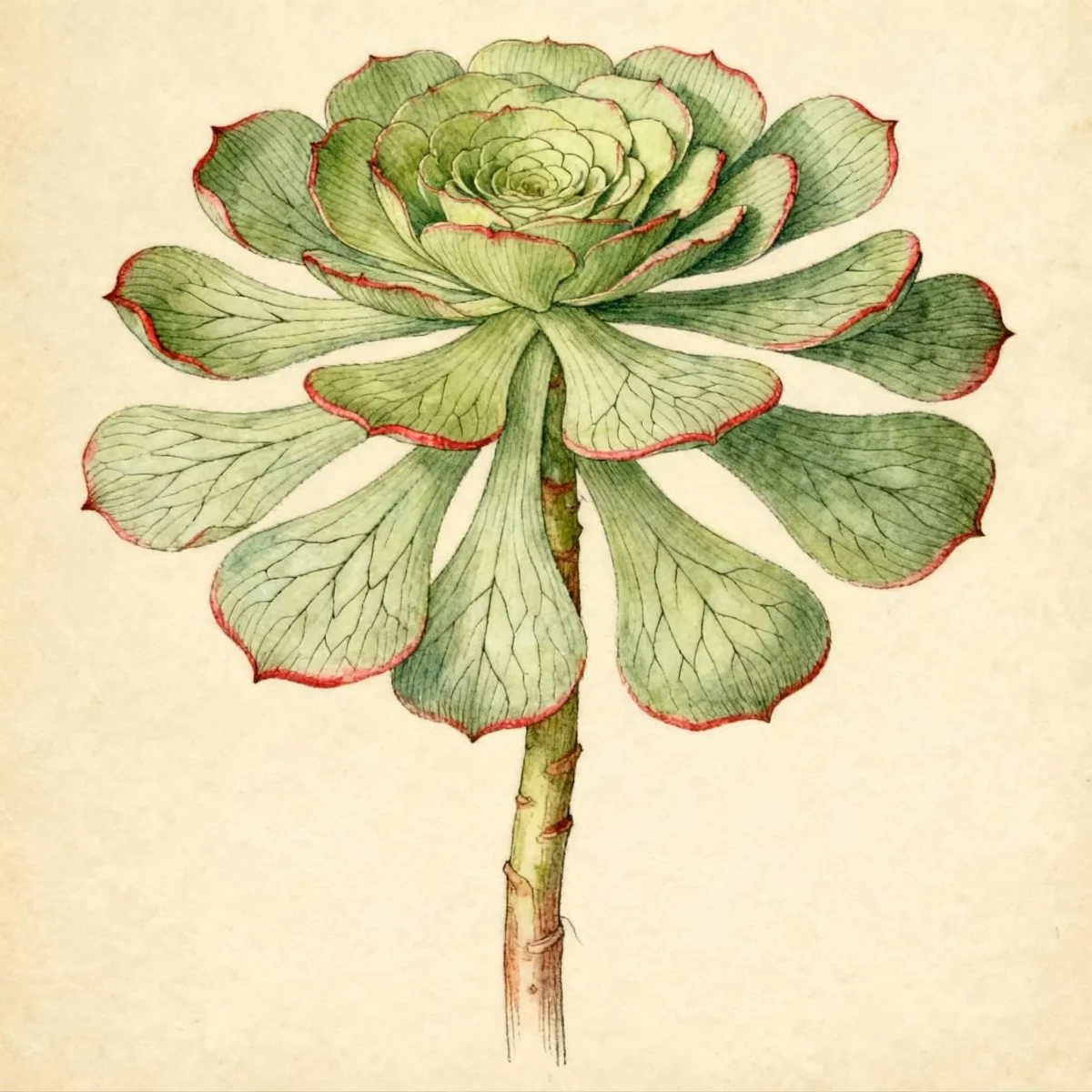
Alluaudia (Alluaudia dumosa)
Discover Alluaudia dumosa, a slow-growing succulent shrub from Madagascar known for its unique leafless stems. Perfect for xeriscaping in Zones 9-11.
Scroll down to discover growing tips, care requirements, companion plants, and more
Complete Plant Information
Overview
Alluaudia dumosa is a strikingly architectural specimen, offering gardeners a taste of the arid scrublands of Southern Madagascar. This slow-growing succulent shrub or small tree is prized for its mostly leafless, cylindrical, grey-green stems sparsely armed with spines, providing year-round structural interest. It is an excellent choice for collectors seeking unique flora outside of typical landscaping palettes.
As a member of the Didiereaceae family, Alluaudia often thrives where other plants struggle, demanding minimal water once established. While it can reach heights up to 10 feet in cultivation, its slow growth rate means it fits well into planned desert gardens or large container arrangements. The appeal of Alluaudia dumosa lies in its adaptation to harsh conditions and its stark, sculptural form.
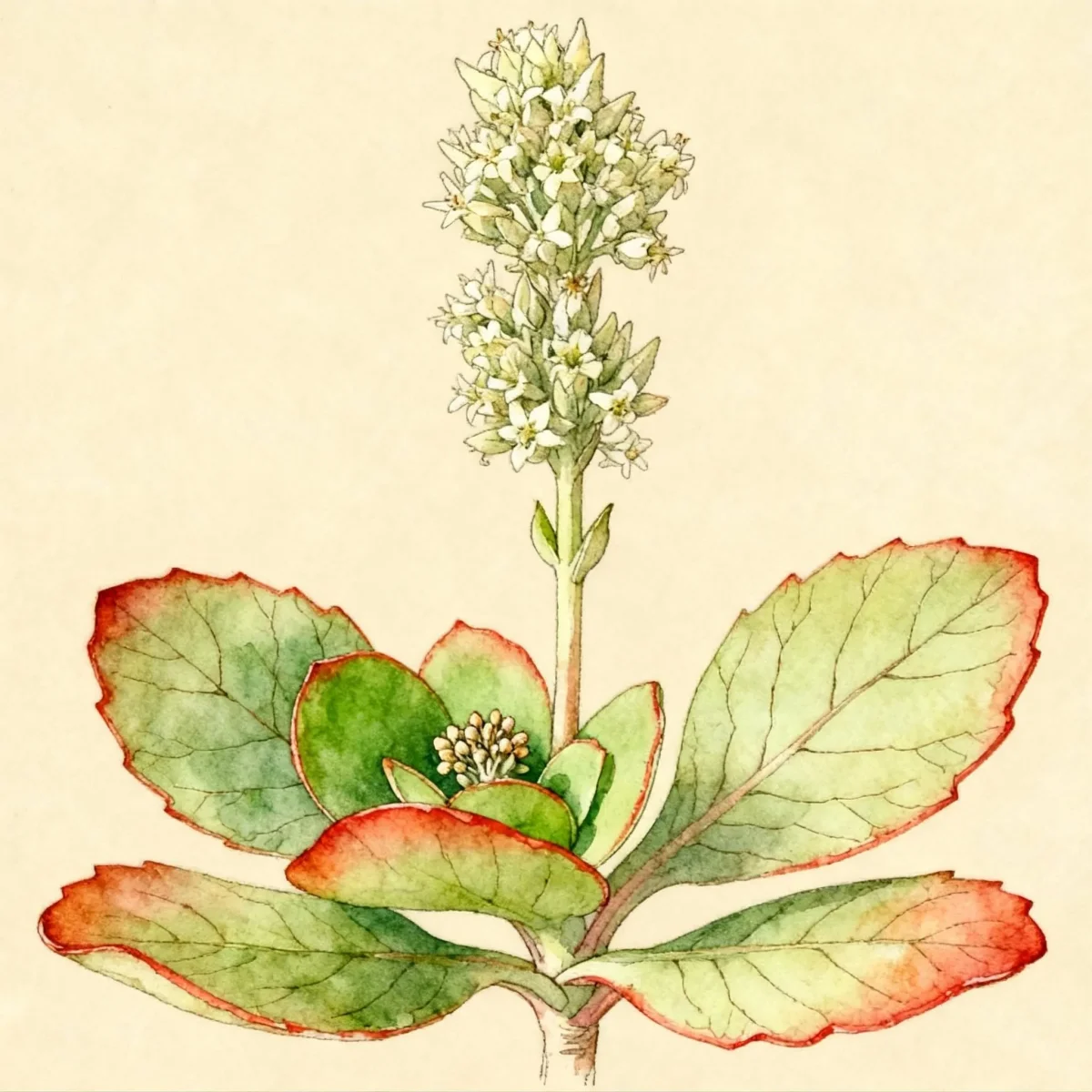
When it does bloom seasonally, small clusters of creamy white, pink, or green flowers offer a subtle accent to its dramatic foliage. Successfully growing Alluaudia requires mimicking its native habitat, prioritizing excellent drainage and ample sunlight. This unusual succulent provides invaluable texture and contrast, making Alluaudia dumosa a showstopper in specialized arid landscapes.
Fast Facts
- Plant Family: Didiereaceae
- Plant Type: Deciduous shrub
- Native Range: Southern Madagascar
- Hardiness Zones: USDA Zones 9-11
- Size at Maturity:
- Height: 5-10 ft
- Spread: 4-2 ft
- Bloom Time: Seasonal bloomer
- Bloom Description: White, Pink, Green
- Sun Exposure: Full sun to part shade
- Water Needs: Dry to medium
- Maintenance Level: Medium
How to Grow
For successful establishment, plant Alluaudia dumosa when conditions are warm, ensuring the location provides full sun to light afternoon shade, depending on the intensity of your local heat. The absolute requirement for this species is sharply drained soil; ideally, use sandy loams. If planting in a heavier garden soil, amend liberally with grit or position it in a raised bed focusing on sharp drainage to prevent stem or root rot.
Watering should be managed carefully, reflecting the species’ native drought tolerance. Water somewhat regularly during the active growing season to encourage modest growth, but significantly reduce irrigation inputs as winter approaches. Alluaudia is tolerant of some drought once established, which is crucial for Zone 9 and 10 gardeners managing dry summers.
Pruning is minimal, primarily limited to shaping to maintain desired form or removing any damaged sections. Propagation is typically achieved through stem cuttings, which should be allowed to callous thoroughly before planting in dry, porous medium. Remember that this plant is hardy down to about 25°F, requiring protection or thoughtful placement within Zones 9b to 11.
Landscape Uses
The sculptural nature of Alluaudia dumosa makes it an exceptional specimen or accent plant, demanding attention wherever it is placed. It is a primary candidate for xeriscaping, desert gardens, and structured rock gardens where architectural form is paramount. Its unique silhouette also provides excellent vertical contrast against lower-growing succulents and cacti.
Alluaudia performs admirably when placed in large, handsome pots, allowing it to function as a striking houseplant in colder climates or as a temporary feature elsewhere. When designing borders, pair the upright, cylindrical stems of this plant with broad-leafed, spreading succulents or low, mounding Sedums to emphasize its unique height and texture.
Standout Features
Noteworthy Characteristics
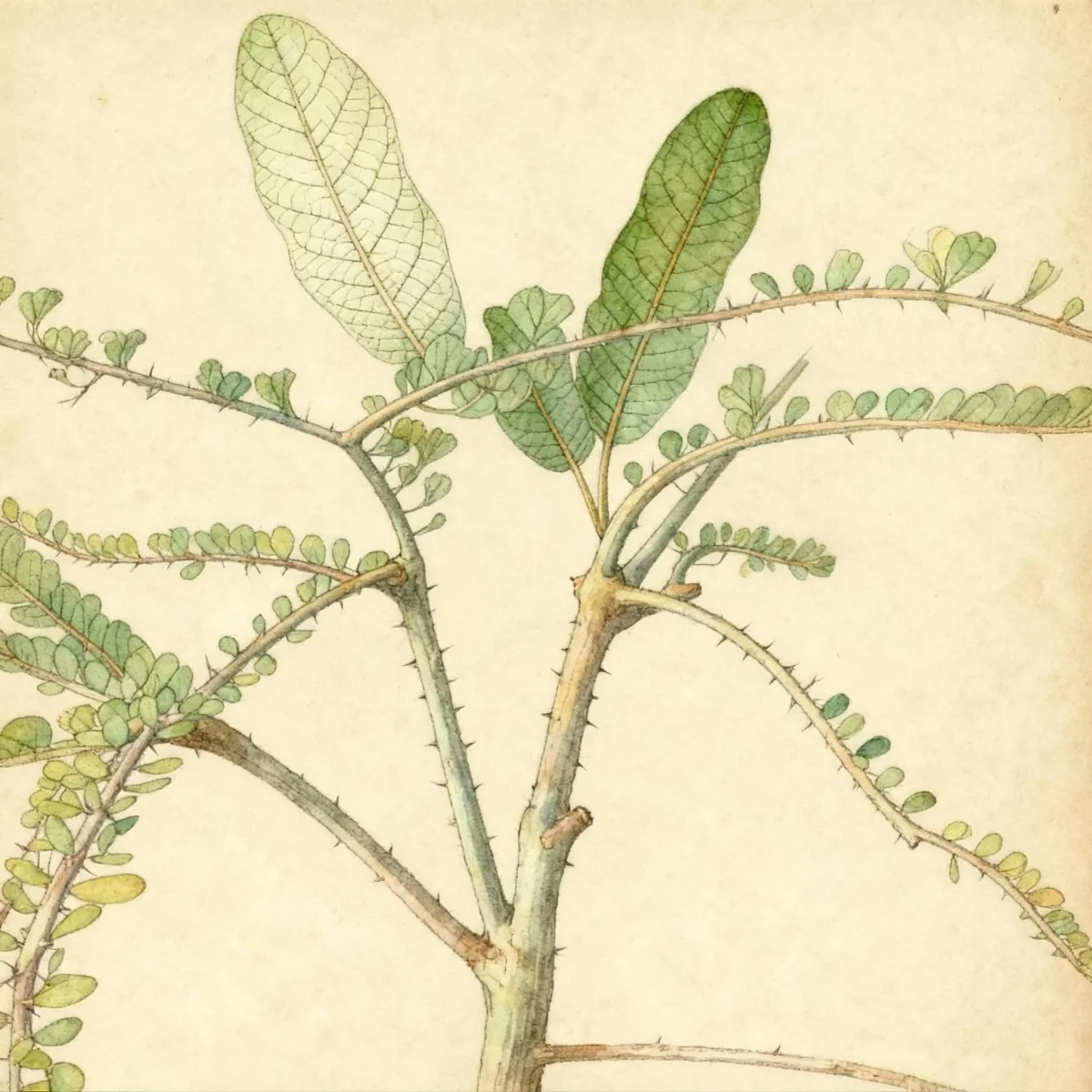
Alluaudia dumosa is a slow-growing, succulent tree or large shrub native to the semi-arid scrubland and thorn forests of southern Madagascar. Mature plants can reach up to 25’ tall and 15’ wide in the wild, but may reach 10’ tall and 4’ wide in cultivation. The mostly leafless, cylindrical, elongated, grey-green stems are upright to arching and sparsely covered in small spines.
Tolerances
- Drought
- Dry Soil
Potential Problems
The most significant threat to Alluaudia dumosa culture involves improper moisture management. Water-logged or poorly drained soil will rapidly lead to root or stem rot, a common failure point for succulent growers. Prevention involves ensuring excellent drainage at all times and strictly adhering to reduced winter watering schedules. Fortunately, this species typically presents no major pest or disease problems when grown in appropriate, airy, sunny conditions.
Frequently Asked Questions
What hardiness zones is Alluaudia suitable for?
Alluaudia dumosa is reliably hardy in USDA Zones 9 through 11, tolerating brief dips near 25°F.
How large does Alluaudia grow?
In cultivation, expect this Deciduous shrub to reach heights between 5 and 10 feet, with a variable spread between 2 and 4 feet wide.
What sun exposure does Alluaudia dumosa need?
This species thrives best under conditions of full sun to part shade, requiring bright light to maintain its compact, desirable form.
When does Alluaudia bloom?
Alluaudia is classified as a seasonal bloomer, typically displaying small clusters of white, pink, or green flowers at appropriate times determined by local conditions.
Conclusion
Incorporating Alluaudia dumosa into your garden plan offers unparalleled structural drama and drought resilience, making it indispensable for modern, low-water landscapes. This highly unusual succulent deserves attention for its unique Madagascan heritage and architectural stance. Before planting, confirm your microclimate aligns with Zones 9-11 and prioritize soil amendment for excellent drainage to ensure the long-term success of your Alluaudia.
Propagation Tips
Growing new Alluaudia dumosa is best achieved through stem cuttings, which leverage the plant’s natural succulent rooting ability. Select a healthy, firm section of stem, preferably one that has slightly dried on its own, and allow the cut end to callous over completely for several days or even a week before planting. This drying step is critical to prevent fungal issues once the cutting is placed in the medium.
Plant the calloused stem cutting shallowly into an extremely porous, gritty mix—such as a 1:1 blend of coarse sand and potting soil, or a dedicated cactus mix. Avoid heavy watering entirely until you observe new growth or resistance when gently tugged, indicating root development. Patience is key, as Alluaudia is a naturally slow grower, both above and below ground.
Companion Planting
When designing a low-water garden featuring Alluaudia dumosa, select desert companions that share its preference for sharp drainage and similar sun exposure. Excellent partners include various Echeveria and Agave species, which offer contrasting leaf shapes (rosettes vs. upright stems). Consider pairing it with species from the related Didiereaceae family, if available, or columnar Cacti that mirror its vertical emphasis.
Avoid moisture-loving companions, as overwatering a neighbor can inadvertently harm your Alluaudia by keeping the root zone too damp. Focus your design around texture and form; the smooth, cylindrical stems of the Alluaudia contrast beautifully against fine-textured grasses or rough, angular rocks used in xeriscaping.