Russian olive (Elaeagnus angustifolia)
Discover Elaeagnus angustifolia, the drought-tolerant Russian olive, prized for silvery foliage, fragrant flowers, and low maintenance.
Scroll down to discover growing tips, care requirements, companion plants, and more
Complete Plant Information
Overview
The Russian olive (Elaeagnus angustifolia) is a highly adaptable, fast-growing deciduous tree or large shrub valued for its striking silvery foliage and surprising resilience. Native to Asia, this plant offers significant textural contrast in the landscape, making it an excellent choice where tougher conditions prevail. Gardeners appreciate Elaeagnus angustifolia for its low maintenance needs and its ability to thrive where other ornamentals struggle.
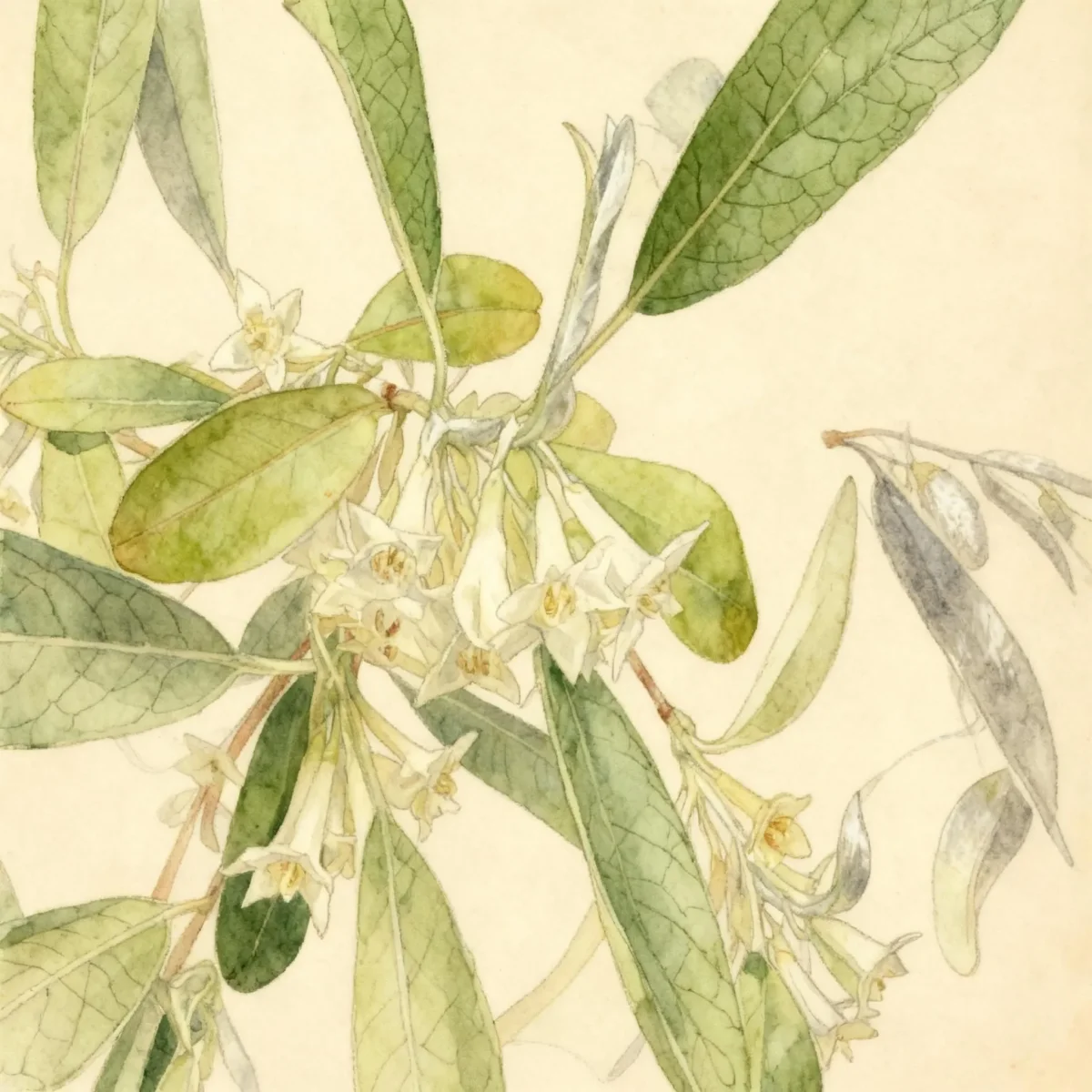
A key aesthetic feature is the plant’s small but intensely fragrant late-spring flowers, which are silvery white outside and yellow within. These blooms precede the production of edible, olive-like fruits that persist into the fall, providing visual interest and food for wildlife. Although an incredibly vigorous grower, Elaeagnus angustifolia responds well to shaping, functioning effectively as robust screens or hedges.
However, prospective growers must be mindful of its vigorous nature; while exceptionally useful for windbreaks and difficult sites, the Russian olive has proven highly invasive in certain western ecosystems. When managed appropriately within its recommended zones, Elaeagnus angustifolia delivers superb performance across a wide range of soil types.
Fast Facts
- Plant Family: Elaeagnaceae
- Plant Type: Tree
- Native Range: Asia
- Hardiness Zones: USDA Zones 3-7
- Size at Maturity:
- Height: 12-20 ft
- Spread: 12-20 ft
- Bloom Time: May to June
- Bloom Description: Silver-white (outside) and yellow (inside)
- Sun Exposure: Full sun to part shade
- Water Needs: Dry to medium
- Maintenance Level: Low
How to Grow
Planting the Russian olive is generally simplest in average, well-drained soils, performing best when situated in full sun to maximize its unique foliage color. While it prefers light, sandy loams, this vigorous species tolerates an incredibly wide range of conditions, including poor, dry soils and heavy wet clays. Fall planting is often ideal, giving the roots time to establish before summer heat.
Once established, the Elaeagnus angustifolia requires minimal supplemental care. It easily handles drought conditions, making it a prime candidate for xeriscaping or low-water gardens, relying primarily on natural rainfall. Fertilizer is rarely necessary due to its adaptability; over-fertilizing can encourage overly rapid, weak growth.
Pruning should focus on training when young, especially if developing it into a standard tree form, as young twigs can occasionally be thorny. Because it can aggressively spread via root suckers and self-seeding, diligent monitoring is crucial, especially near waterways. Avoid planting in humid summer climates, as the plant performs poorly south of USDA Zone 7.
Landscape Uses
The hardiness and visual impact of Elaeagnus angustifolia make it versatile for large landscape applications. Its dense, silvery screen of foliage is perfectly suited for use as a functional Screen or Barrier, providing privacy and excellent wind protection along property lines. When allowed to grow naturally, it functions effectively as a towering Flowering Tree, catching the light beautifully.
For larger properties, the Russian olive excels as a robust Hedge, responding very well to hard clipping and shaping to maintain a formal appearance, or used more informally as a dramatic Background plant. Consider placing it where its silvery leaves can contrast with darker green evergreens or vibrant summer perennials—it serves exceptionally well as an accent piece in a shrub border due to its unique texture.
If space allows, group several trees to create a dramatic, uniform windbreak effect. Because its fruit attracts wildlife, ensure placement allows for easy cleanup underneath if fruit drop is a concern near pavement.
Standout Features
Flower Qualities
- Showy
- Fragrant
Fruit Qualities
- Showy
- Edible
Noteworthy Characteristics
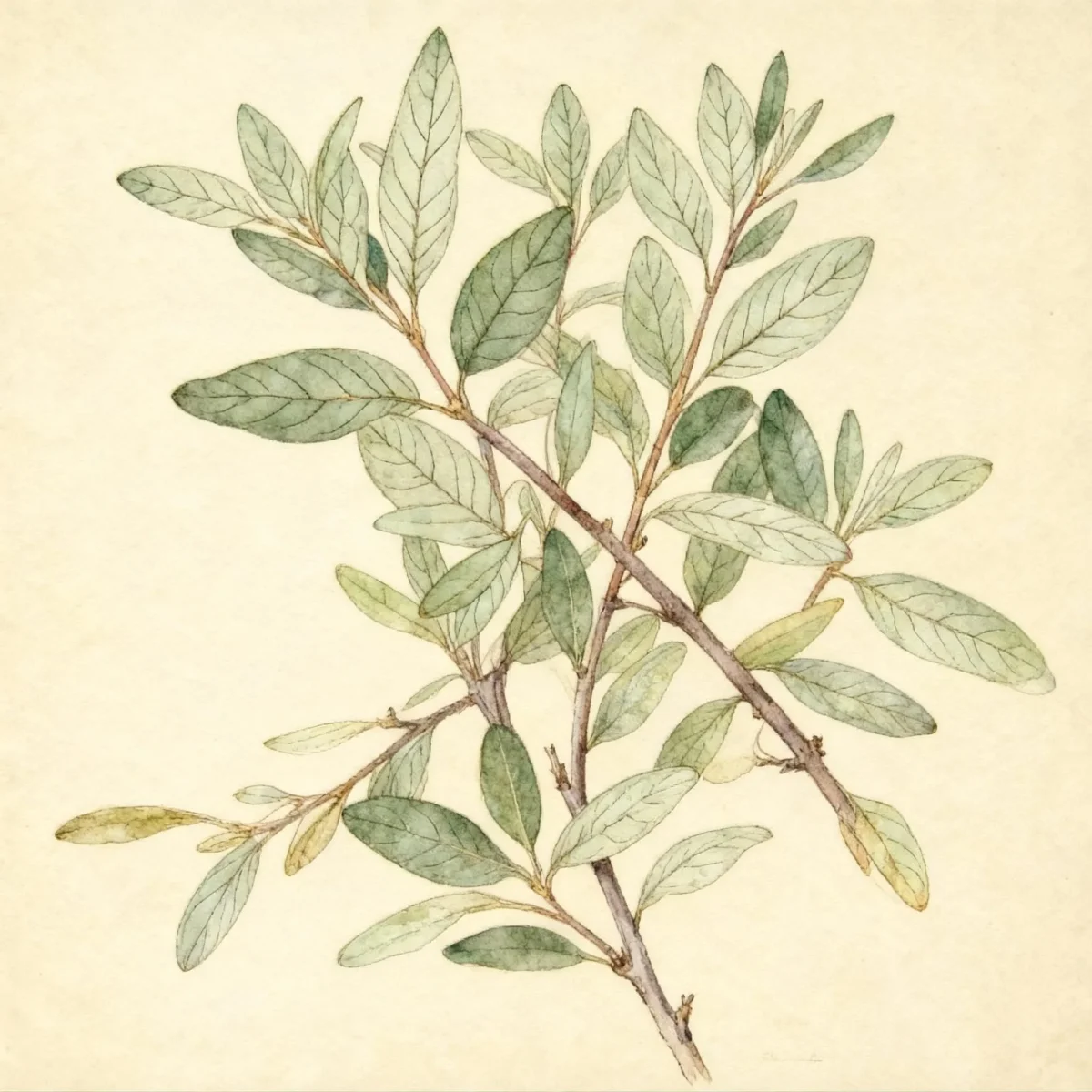
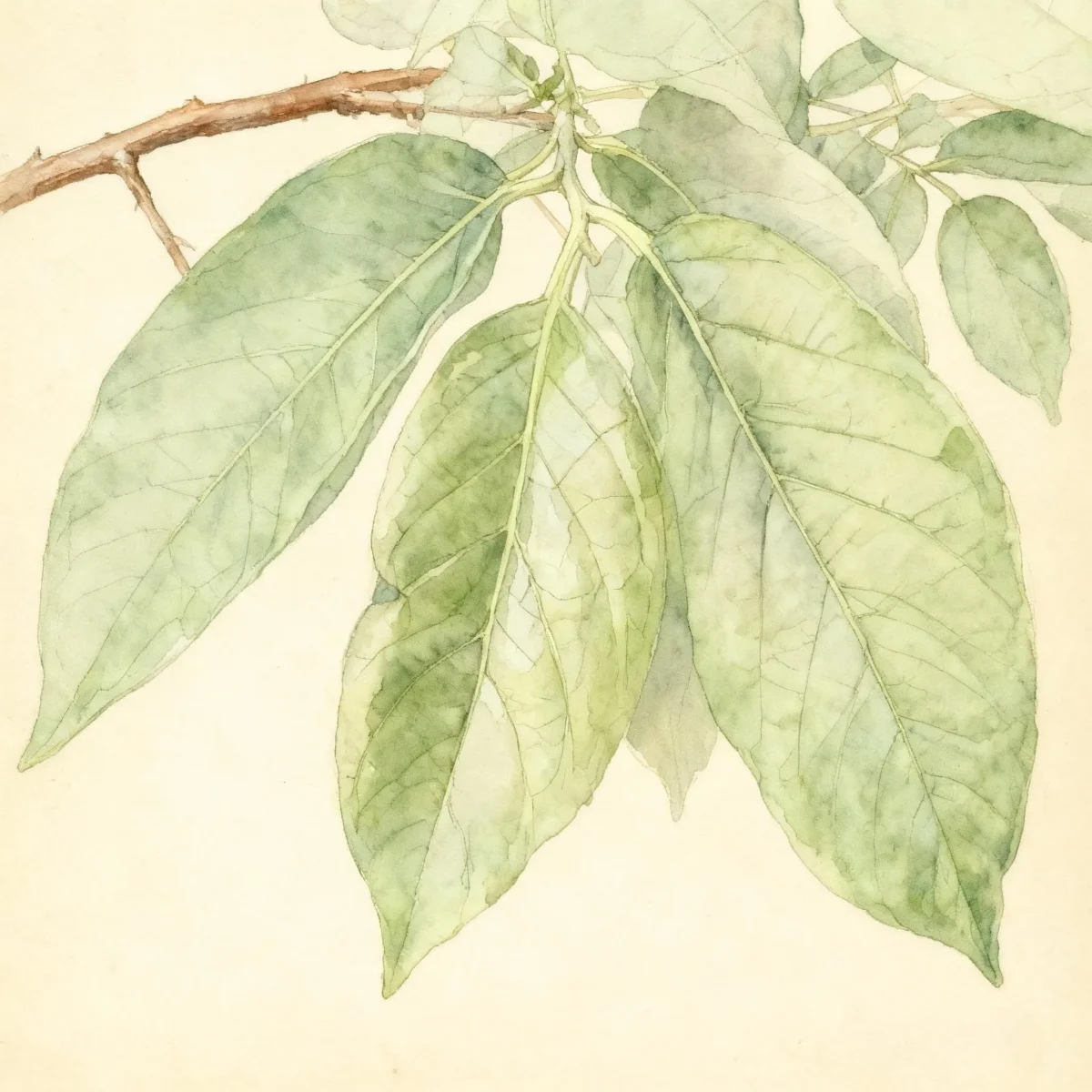
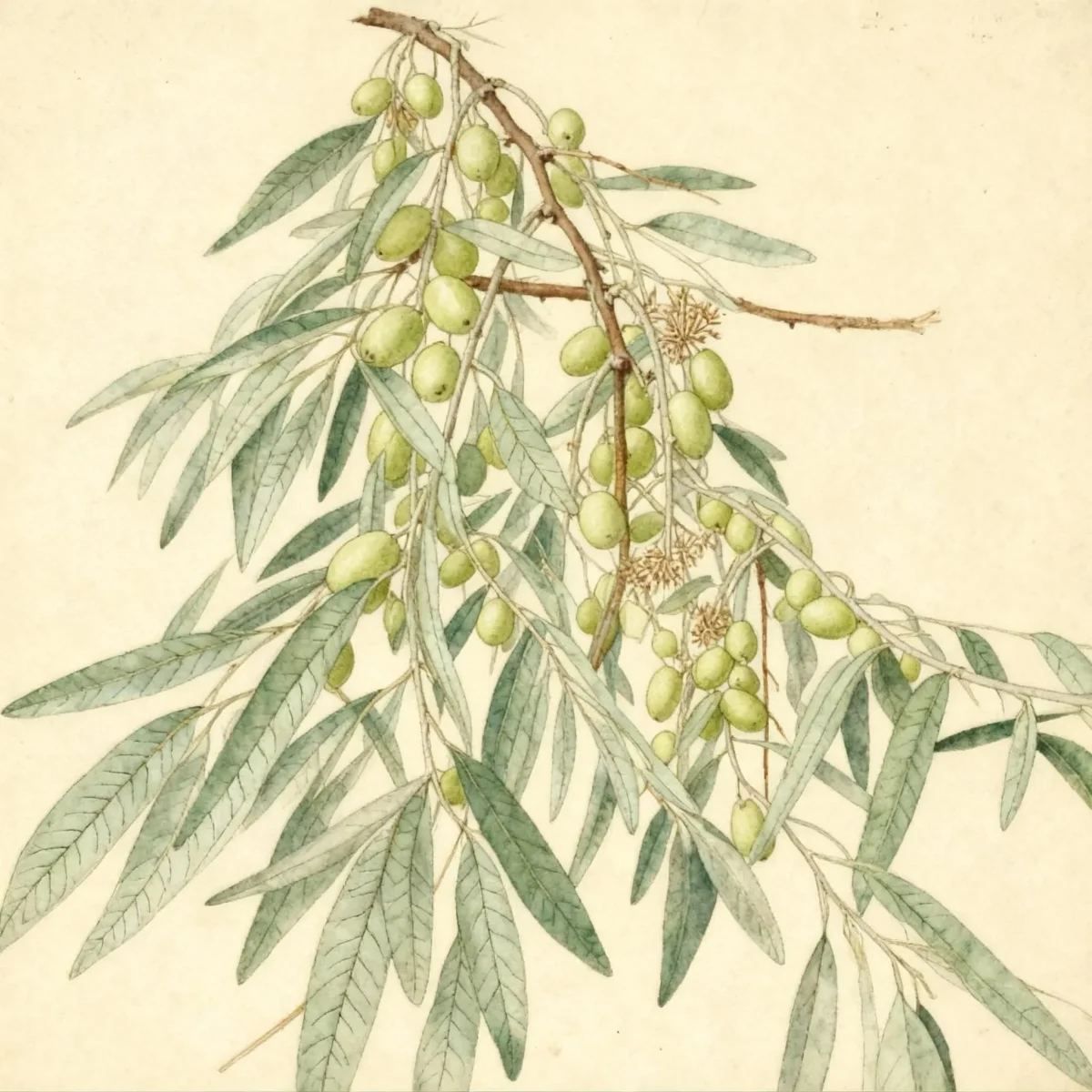
Elaeagnus angustifolia, commonly called Russian olive or oleaster is native to Europe and Asia. It is a small, usually thorny, deciduous tree or large shrub that is typically grown for its silvery foliage, small fragrant yellow flowers, olive-like fruit and ease of cultivation. It has been widely planted in North America as both a windbreak and an ornamental. As a tree, it typically grows 12-20’ tall. It responds well to clipping and can be grown much shorter as a hedge. Branches and trunk are covered with exfoliating brown bark that is attractive in winter. Twigs are occasionally thorny. Narrow, willow-like leaves (to 2” long) are dark green above and silvery beneath. Angustifolia means narrow-leaved. Fragrant apetalous flowers with four lobed calyces appear in clusters of 1-3 in leaf axils near the base of new shoots in late spring. Flowers are silvery white outside and yellowish inside. Flowers are followed in fall by an often abundant crop of berry-like, silver-scaled fruit resembling olives, hence the common name. Fruit is edible, and is sometimes used for making preserves. Fruit is also attractive to wildlife.
Tolerances
- Deer
- Drought
- Clay Soil
Potential Problems
Canker and verticillium wilt present the most serious disease threats to established Russian olive specimens in certain regions, requiring vigilance from the gardener. Look out for signs of sudden wilting or dark lesions on the bark, which indicate the need for immediate pruning of affected branches back to healthy wood. Additionally, fungal issues such as leaf spot and rust can occasionally appear, though these are typically cosmetic. Proper site selection, avoiding overly humid conditions, is the best preventative measure against these issues.
Frequently Asked Questions
What hardiness zones is Russian olive suitable for?
The Elaeagnus angustifolia is well-suited for cultivation across USDA Hardiness Zones 3 through 7.
How large does Russian olive grow?
This plant typically matures into a tree reaching a height between 12 and 20 feet, with a similar spread ranging from 12 to 20 feet.
When does Russian olive bloom?
The Russian olive produces its fragrant flowers between May and June, featuring blooms described as silver-white on the outside and yellow inside.
What sun exposure does Elaeagnus angustifolia need?
For optimal growth, the Elaeagnus angustifolia requires full sun exposure, though it will tolerate partial shade conditions.
Conclusion
The Russian olive remains a cornerstone plant for challenging sites due to its unmatched tolerance for drought and poor soil composition. Its silvery cast, coupled with fragrant flowers, ensures Elaeagnus angustifolia offers significant aesthetic utility as a windbreak or screen. Always confirm your local regional restrictions regarding this species before planting, and select a full-sun location during the appropriate planting season for best establishing success.
Companion Planting
Due to its robust nature and tolerance for dry, lean soils, the Russian olive pairs well texturally with other hardy, silver-leaved accent plants like Artemisia species (Wormwood) or certain drought-tolerant grasses. Avoid planting moisture-loving species directly neighboring the Elaeagnus angustifolia, as it prefers dry to medium conditions and may suffer if constantly competing for water with high-demand neighbors. In an informal border setting, allow plenty of space, as this vigorous tree can quickly outcompete smaller shrubs.
Wildlife Benefits
The berry-like fruit produced by Elaeagnus angustifolia is a significant draw for various avian species in the fall and winter landscape. While the sharp thorns offer protection to nesting birds, the fruit provides a supplemental food source when other resources become scarce. The flowers, though small, are highly aromatic, attracting early-season pollinators looking for nectar sources during the late spring bloom period of this hardy species.