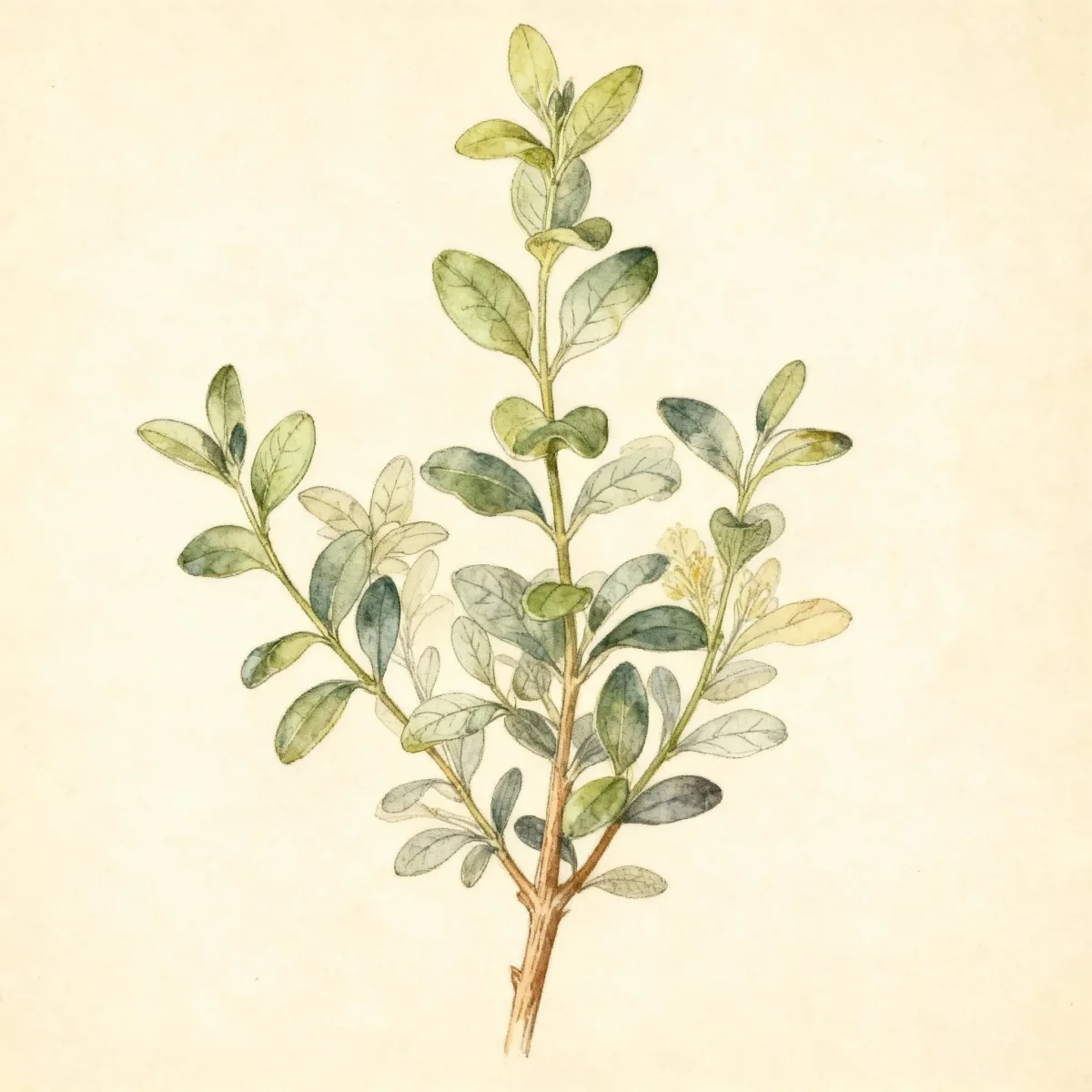
Thorny olive (Elaeagnus pungens)
The durable, broadleaf evergreen Thorny olive (Elaeagnus pungens) offers fragrant fall blooms and excellent screening potential for Zones 7-9.
Scroll down to discover growing tips, care requirements, companion plants, and more
Complete Plant Information
Overview
The Thorny olive, scientifically known as Elaeagnus pungens, is a robust and vigorous broadleaf evergreen shrub valued for its dense foliage and exceptional hardiness. Native to Japan, this plant provides year-round screening and structure, making it highly effective in large landscape settings. Its ability to thrive in diverse and sometimes harsh conditions contributes significantly to its popularity as a tough screening plant.
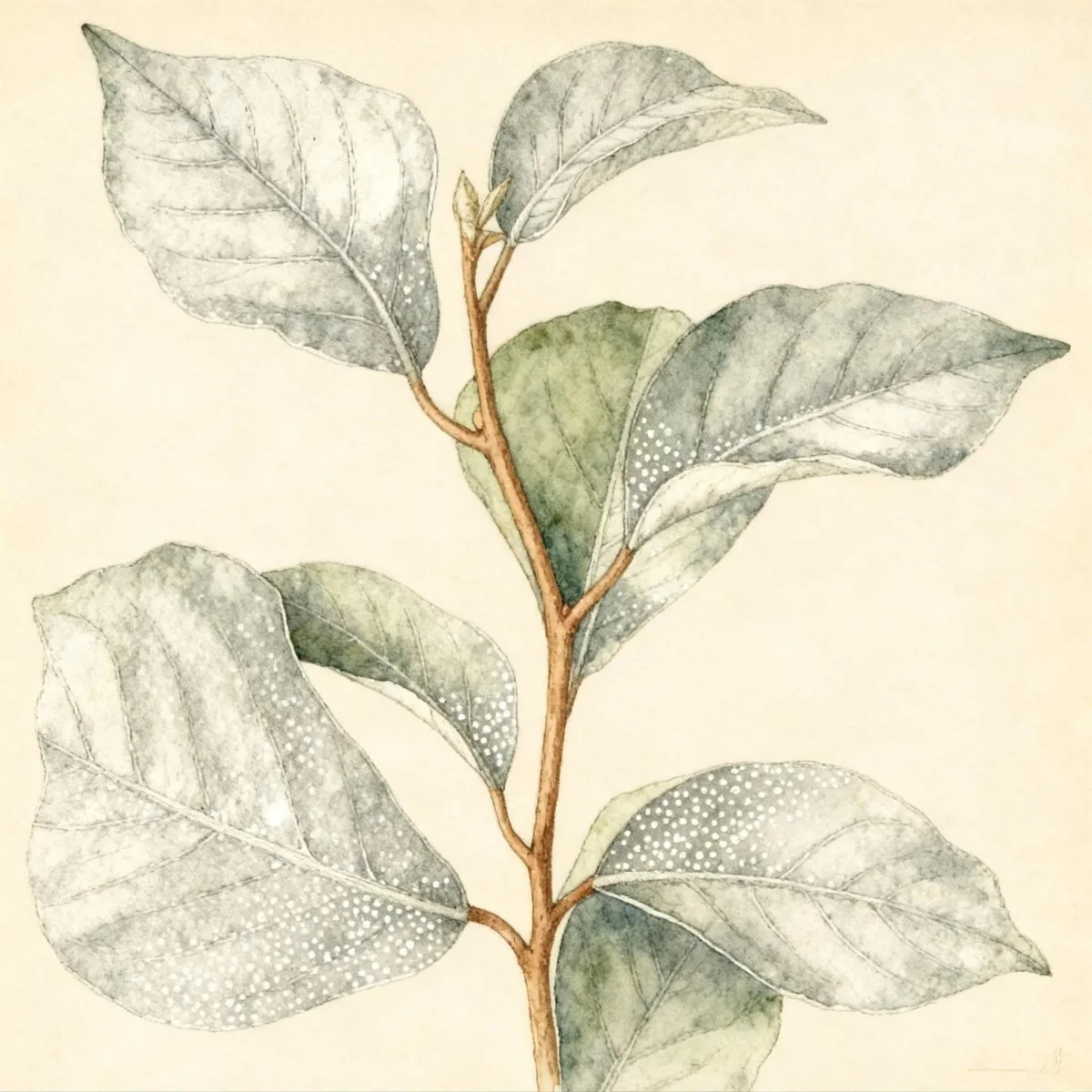
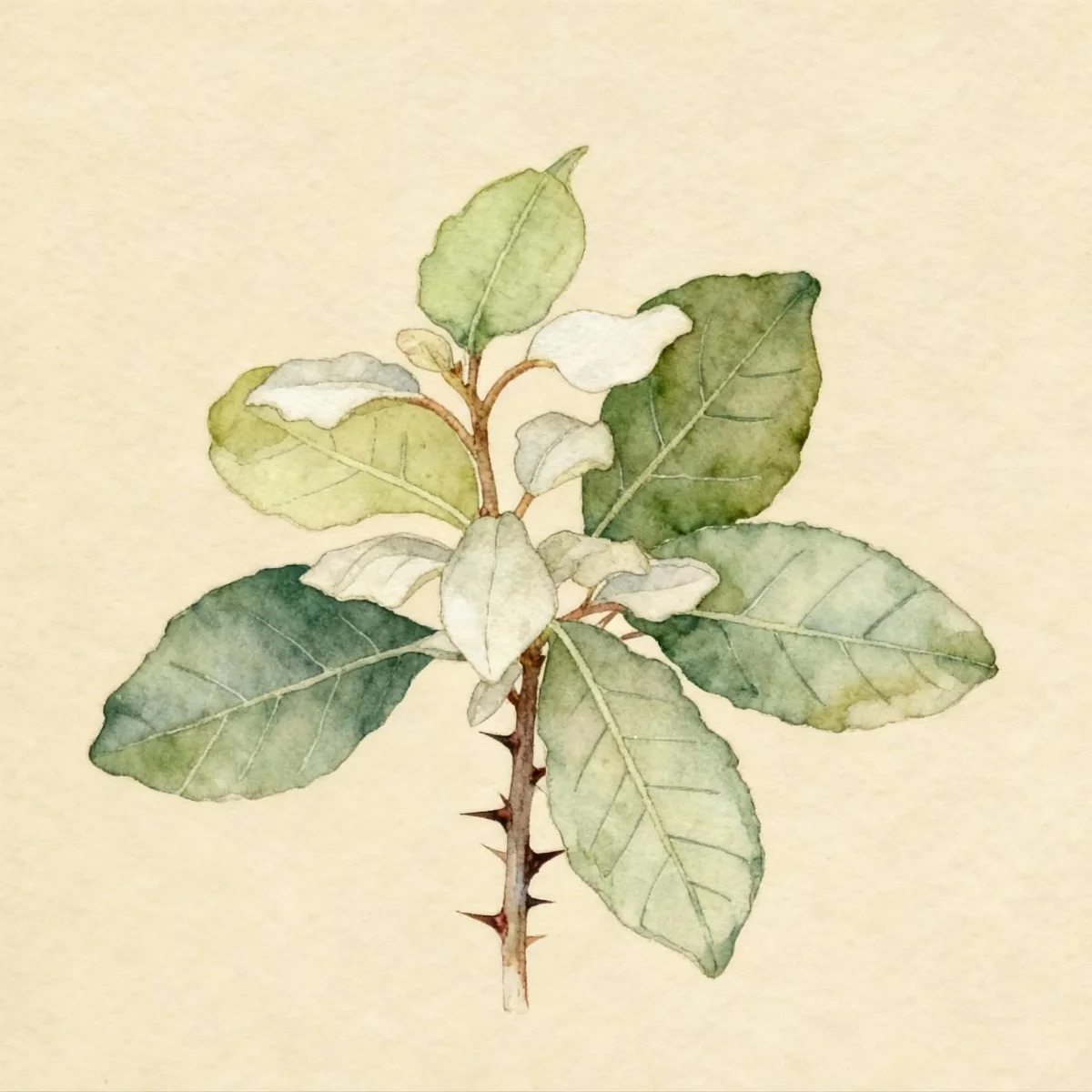
A key aesthetic feature is its late-season bloom; small, bell-shaped flowers appear in the fall, releasing an intense, often gardenia-like fragrance. While the flowers themselves are not showy, their scent compensates richly. The leaves are distinctive, sporting a lustrous dark green on top and a silvery, scale-dotted underside, adding textural contrast.
Elaeagnus pungens establishes quickly and forms a substantial barrier, often reaching 15 feet tall with an equal spread. Gardeners appreciate this shrub for its low management needs once established, especially its excellent drought tolerance and ability to handle poor, infertile soils. However, due to its vigorous nature, gardeners must be prepared for necessary pruning to maintain desired boundaries.
Fast Facts
- Plant Family: Elaeagnaceae
- Plant Type: Broadleaf evergreen
- Native Range: Japan
- Hardiness Zones: USDA Zones 7-9
- Size at Maturity:
- Height: 12-15 ft
- Spread: 15-18 ft
- Bloom Time: October to November
- Bloom Description: Creamy white
- Sun Exposure: Full sun to part shade
- Water Needs: Medium
- Maintenance Level: Medium
How to Grow
Planting the Thorny olive is best achieved during cooler seasons, like fall or early spring, to reduce transplant shock. Site your Elaeagnus pungens where it can achieve its mature size, as it requires ample space to spread without restraint, making it ideal for large areas. It adapts to average, medium moisture, well-drained soils, performing best in light, sandy loams, though it tolerates poor, infertile soils readily. Avoid planting in areas where drainage is perpetually poor or wet.
Once established, this shrub exhibits strong drought tolerance, requiring only supplemental watering during extended dry spells. Fertilization is rarely necessary, especially if the soil is somewhat poor, matching its highly adaptable nature. Pruning is crucial if you need to restrain its growth, as the shrub is vigorous and may produce long, branchless shoots that attempt to climb overhead structures. Regular maintenance involves cutting these rogue shoots back to the main structure.
While Elaeagnus pungens spreads easily by suckering and may self-seed (spread by birds), it is best propagated intentionally via cuttings. In regions where growth must be strictly contained, constant pruning is required to manage the plant’s natural desire to expand. The silvery-white undersides of the leaves offer visual interest even in winter, providing excellent screening value throughout all seasons.
Landscape Uses
The immense size and density of the Thorny olive make it an indispensable resource when large-scale screening is required. It excels as a substantial hedge or an impenetrable barrier along property lines adjacent to noisy highways or competing properties. Its deep roots also provide dependable erosion control along slopes where other plants might struggle.
Beyond functional purposes, this vigorous shrub serves well as a background plant in large shrub borders, providing deep, evergreen texture against which brighter perennials or smaller focal trees can pop. When allowed to naturalize in large, low-maintenance areas, it forms an effective, wildlife-friendly mass planting that requires minimal input after installation. Ensure ample room is dedicated to this plant, as its 15-foot spread demands space to prevent overcrowding.
Standout Features
Flower Qualities
- Showy
- Fragrant
Fruit Qualities
- Showy
Noteworthy Characteristics
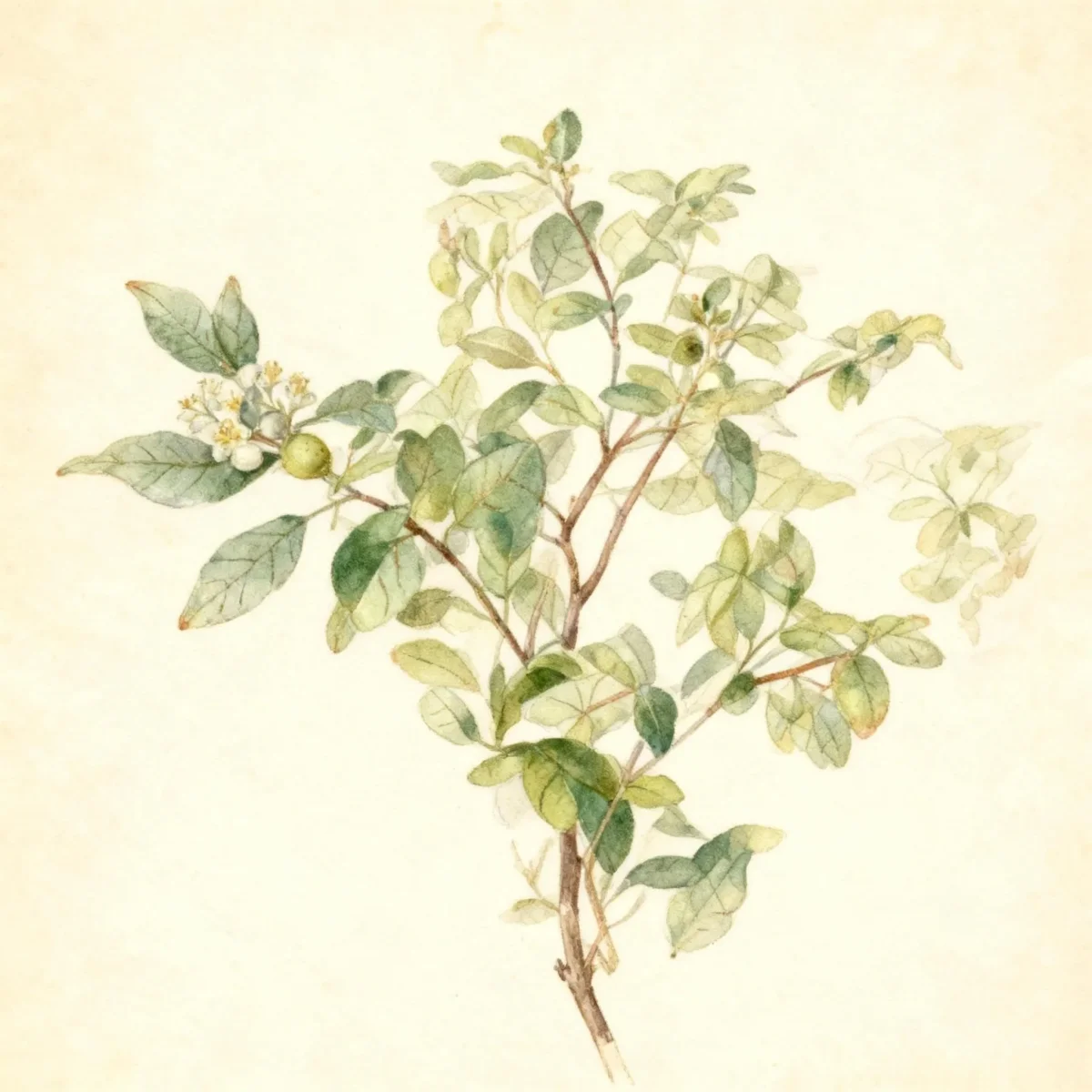
Elaeagnus pungens, commonly called thorny elaeagnus or silverthorn, is a large, sprawling, durable, broad-leaved evergreen shrub native to China and Japan. Its branchlets are often spiny, lending to one of its common names, while its elliptic leaves are glossy green above but distinctly silvery-white beneath. The intensely fragrant, creamy white blooms of the Thorny olive appear late in the year, followed by reddish-brown fruits that ripen in the spring.
Tolerances
- Deer
- Drought
- Erosion
- Clay Soil
- Air Pollution
Potential Problems
The Thorny olive generally exhibits good resistance to serious pests and diseases, but growers should remain vigilant for minor issues. Fungal leaf spots and rust can sometimes appear, warranting inspections, especially during damp periods. Spider mites must also be watched for, particularly when the shrub is under stress from heat or drought. A significant note on management is its climbing tendency; long, unpruned shoots that emerge from the top can attach themselves to overhead tree limbs, requiring diligent deadheading or pruning to prevent unwanted vertical growth.
Frequently Asked Questions
What hardiness zones is Thorny olive suitable for?
The Elaeagnus pungens is robust in USDA Hardiness Zones 7 through 9.
How large does Thorny olive grow?
This large shrub typically matures to a height between 12 and 15 feet, with a corresponding spread of 15 to 18 feet wide.
What sun exposure does Thorny olive need?
Thorny olive thrives best when placed in situations receiving full sun to partial shade, although it maintains tolerance for shadier spots.
When does Thorny olive bloom?
The flowering period for this evergreen shrub occurs late in the season, typically from October through November, producing creamy white blossoms.
Conclusion
The Elaeagnus pungens, or Thorny olive, is an outstanding choice for gardeners needing robust screening, excellent drought tolerance, and fragrant fall displays. Its adaptability to clay soil and pollution makes it a workhorse in difficult sites across Zones 7-9. Assess your space carefully to ensure adequate room for its substantial 15+ foot spread, and plant during appropriate seasons for best establishment success.
Propagation Tips
Because the Thorny olive can be vigorous, successful propagation often relies on vegetative methods rather than seeds, especially if you want to ensure genetic consistency. The species is best propagated by taking semi-hardwood cuttings from young growth, typically in mid-summer when the wood is slightly firm. Cuttings should be treated with rooting hormone and placed in a well-draining medium, often under mist or in a high-humidity environment, to encourage root development over the winter months.
This approach guarantees that the resulting shrubs will possess the dense, thorny character desired for hedging and screening applications, unlike seed-grown plants which can exhibit greater variability in growth habit and spine density. Successful rooting establishes the foundation for a durable, long-lived plant.
Companion Planting
Due to its preference for well-drained soil and its evergreen nature, Elaeagnus pungens pairs well with other Mediterranean or broadly adaptable shrubs that share a similar tolerance for drought once mature. Consider pairing it with tough, upright conifers like Skyrocket Juniper for seasonal contrast in texture, or slower-growing broadleaf evergreens like Boxwood cultivars near the borders if you wish to limit the sprawling influence of the Thorny olive. Ensure companion plants do not demand rich, perpetually moist soils, as this contradicts the essential drought tolerance of the Thorny olive.