Goumi (Elaeagnus multiflora)
Goumi (Elaeagnus multiflora) is a low-maintenance, nitrogen-fixing shrub noted for fragrant spring flowers and edible red summer fruit.
Scroll down to discover growing tips, care requirements, companion plants, and more
Complete Plant Information
Overview
The Goumi, scientifically known as Elaeagnus multiflora, is a highly valuable addition to edible and functional landscapes due to its unique combination of aesthetics and utility. This robust, deciduous shrub is celebrated for its mildly fragrant flowers in spring and the subsequent production of bright red, edible, cherry-like fruits in summer. Elaeagnus multiflora thrives as an adaptable specimen, capable of handling various soil conditions.
This plant offers distinct multi-season interest, transitioning from silver-dotted foliage to sweet-tart berries that are excellent for preserves or fresh eating when fully ripe. Furthermore, the Goumi provides a practical ecological benefit as it is a nitrogen-fixing plant, naturally improving soil health in its immediate vicinity.
With low maintenance requirements and considerable environmental tolerance, Elaeagnus multiflora is an excellent choice for gardeners seeking easy-to-care-for shrubs that yield both ornamental beauty and harvestable fruit. It establishes quickly once situated in appropriate conditions, rewarding patient growers with successive years of productivity.
Fast Facts
- Plant Family: Elaeagnaceae
- Plant Type: Deciduous shrub
- Native Range: China, Japan, Korea, Kuril Island
- Hardiness Zones: USDA Zones 4-9
- Size at Maturity:
- Height: 6-10 ft
- Spread: 6-10 ft
- Bloom Time: April to May
- Bloom Description: Silver-white
- Sun Exposure: Full sun to part shade
- Water Needs: Medium
- Maintenance Level: Low
How to Grow
Planting the Goumi is best achieved in spring or fall, allowing the roots to establish before extreme temperatures hit. Ensure the location provides full sun to partial shade, as this maximizes both flowering and fruiting potential. Elaeagnus multiflora is highly adaptable and thrives in average, medium moisture, well-drained soils, but it notably tolerates a wide variety of soil types. Avoid areas where water pools, as wet, poorly drained soils are detrimental to its health.
Care for established plants is minimal; they generally require medium watering, though established specimens demonstrate good drought tolerance. Because this shrub is a nitrogen fixer, heavy fertilization is usually unnecessary. Pruning is typically only required to shape the shrub into an informal hedge or to remove crossing branches, maintaining its rounded habit.
Be aware that Elaeagnus multiflora may self-seed, often dispersed by birds and animals into adjacent natural areas, exhibiting mild invasiveness in certain regions of the U.S. For propagation consistency, cuttings are the preferred method as growing Goumi from seed can be a slow process, often requiring two years or more for germination.
Landscape Uses
The versatility of the Goumi allows it to function effectively in numerous landscape roles. It is frequently utilized as an informal hedge or screen due to its dense growth habit and moderate size, reaching up to 10 feet tall and wide. Beyond its functional screening capabilities, Elaeagnus multiflora serves well as a background plant, adding textural contrast with its silvery undersides against darker evergreen neighbors.
For gardeners focused on edible landscaping, planting Goumi near a kitchen garden or patio makes harvesting its summer fruit convenient. While it can be grown primarily as an ornamental for its spring fragrance and striking summer fruit, its ability to thrive in less-than-perfect conditions makes it a reliable choice for naturalized areas or borders where maintenance needs to be kept low.
Standout Features
Flower Qualities
- Showy
- Fragrant
Fruit Qualities
- Showy
- Edible
Noteworthy Characteristics
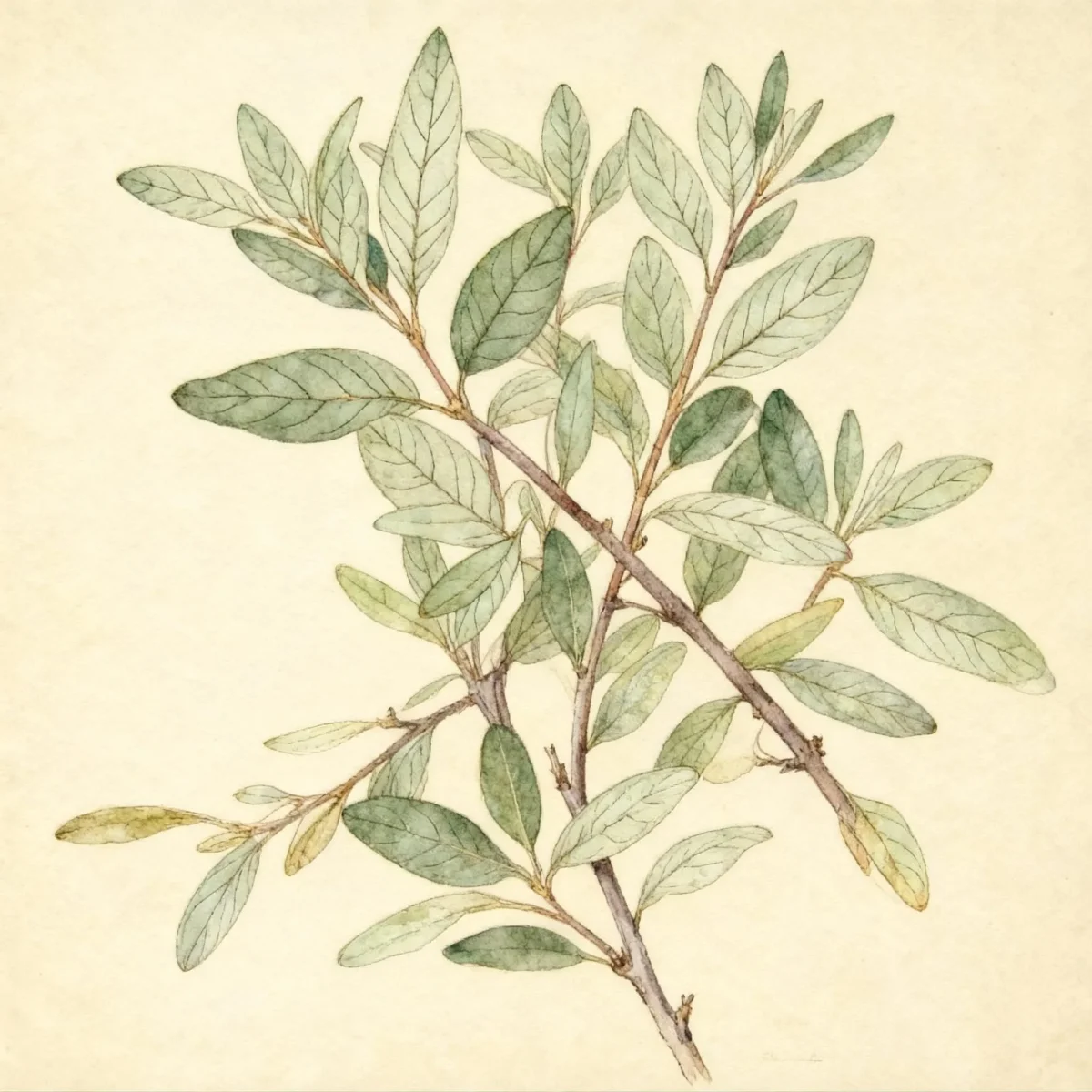
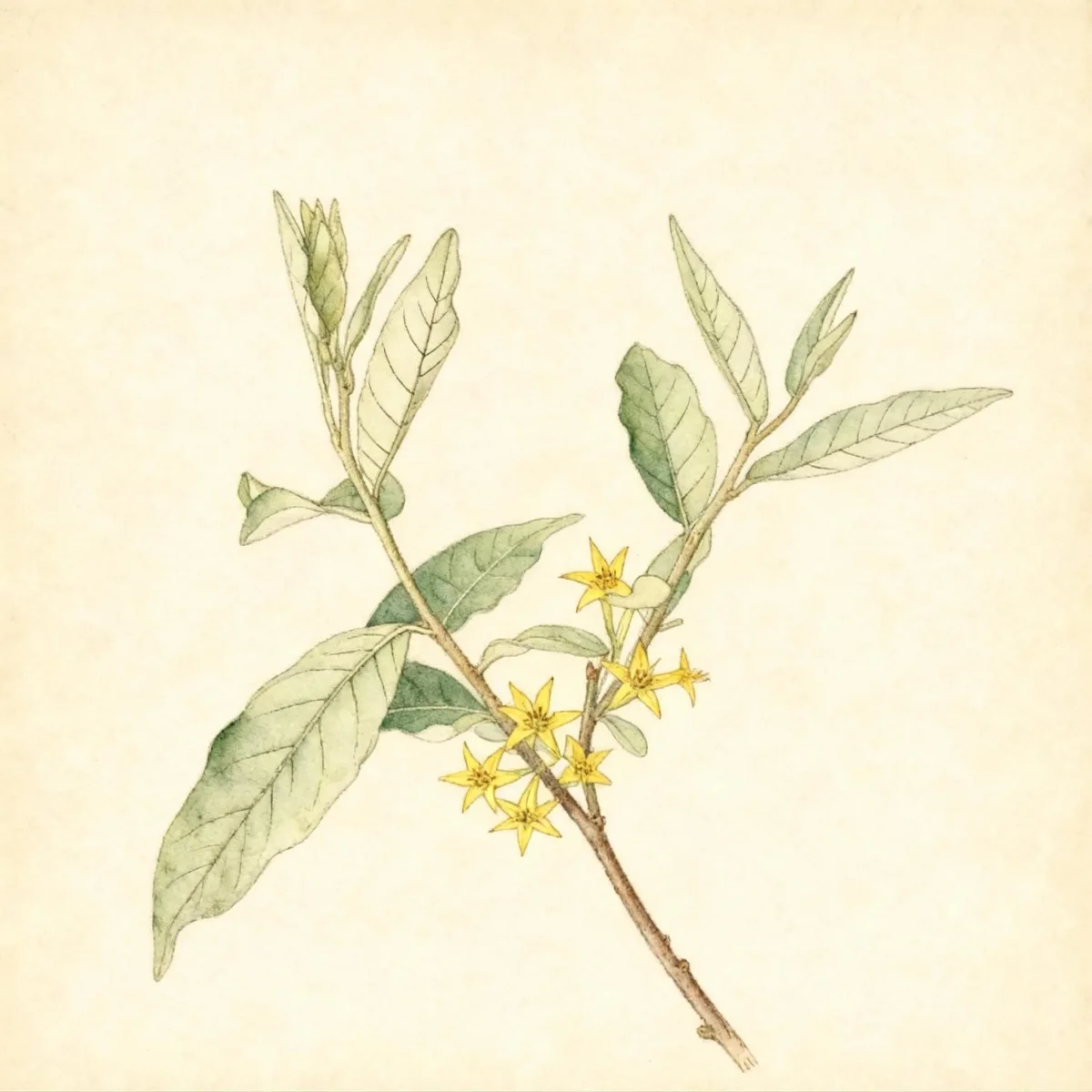
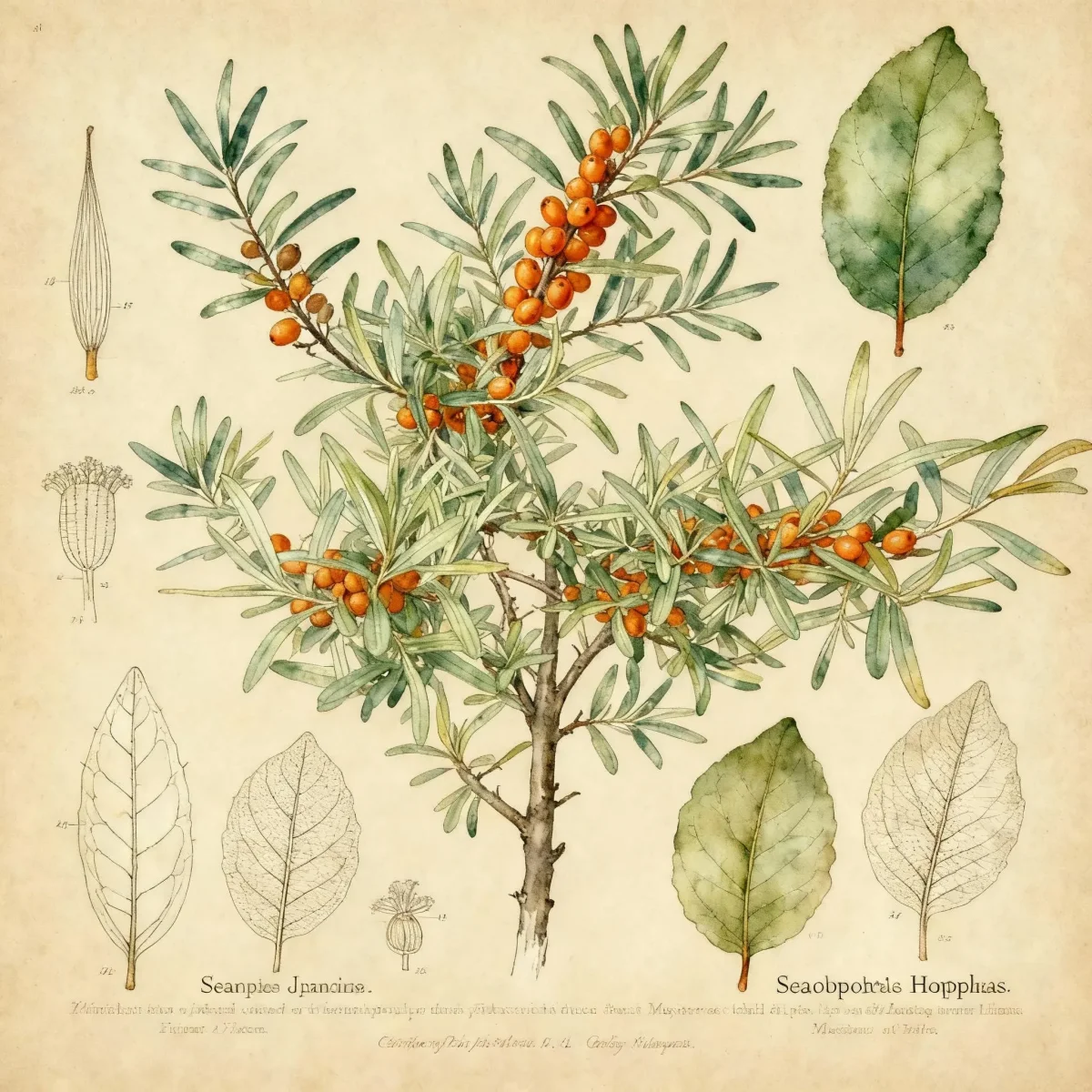
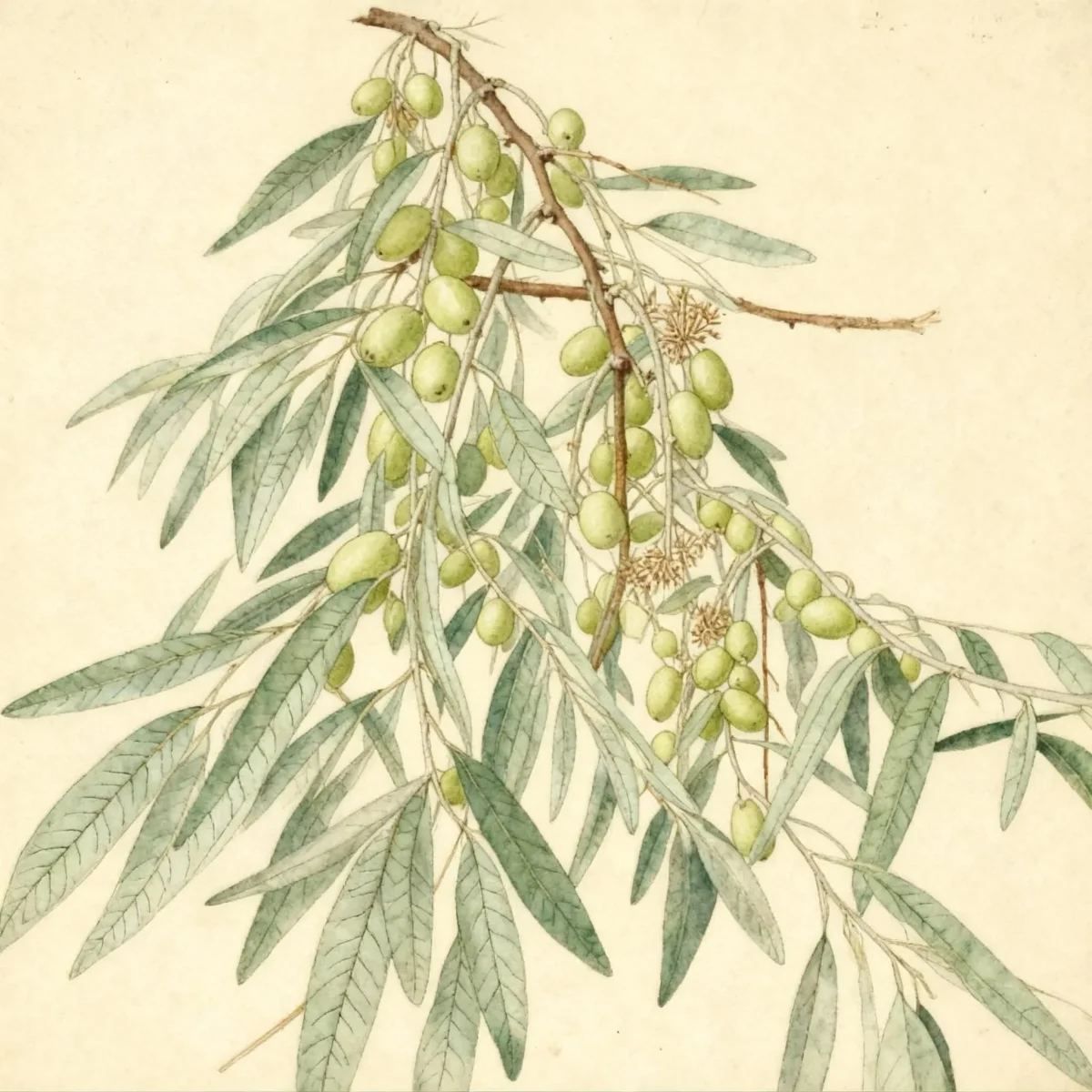
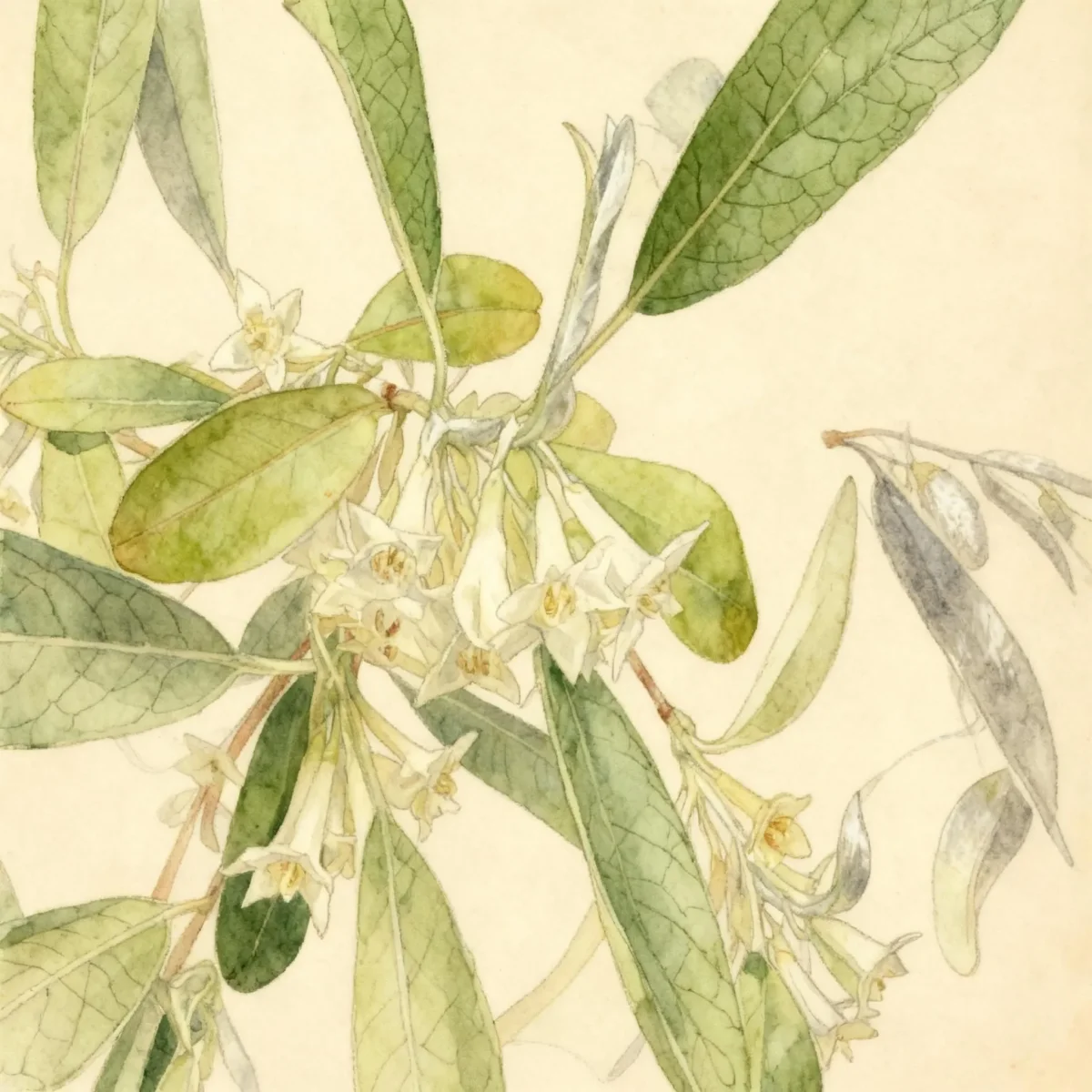
Elaeagnus multiflora, commonly called goumi or gumi, is a deciduous to semi-evergreen shrub that typically grows in a rounded form to 6-10’ tall. It is noted for producing edible bright red berry-like fruits reminiscent of small cherries in summer. Mature leaves are dark green above but silver dotted with tiny brown scales beneath, providing excellent textural contrast. The small, silvery-white flowers bloom in spring, preceding the sweet and tart fruits that should be eaten fully ripe.
Tolerances
- Tolerates a wide variety of soils
Potential Problems
Elaeagnus multiflora rarely suffers from serious insect or disease problems, contributing significantly to its low-maintenance status. Gardeners should monitor for potential issues related to overly wet conditions, as poor drainage can cause root stress. Due to the attractive fruit, be mindful of animal dispersal if you wish to control its spread; otherwise, the Goumi is a resilient plant requiring little intervention.
Frequently Asked Questions
What hardiness zones is Goumi suitable for?
The Goumi (Elaeagnus multiflora) is highly adaptable and reliably grown in USDA Zones 4 through 9.
How large does Goumi grow?
This deciduous shrub typically matures at a height and spread ranging between 6 and 10 feet, forming a dense, rounded silhouette.
What sun exposure does Elaeagnus multiflora need?
For best performance, aim to place Elaeagnus multiflora where it receives full sun exposure, though it tolerates light to part shade conditions well.
When does Goumi bloom?
The Goumi produces its fragrant, silver-white flowers relatively early, usually blooming between April and May.
Conclusion
The Goumi (Elaeagnus multiflora) stands out as a superb choice for gardeners seeking beauty, edibles, and ecological benefits in one low-maintenance package. Its fragrant spring display and flavorful summer harvest make it indispensable for functional borders. Assess your native hardiness zone and plan to plant this nitrogen fixer in well-drained soil early in the growing season for immediate success.
Wildlife Benefits
The flowers of Elaeagnus multiflora, while small, are pleasantly fragrant and bloom in mid-spring when many other food sources may be scarce. This makes the Goumi an important early nectar source for local pollinators, helping bees and other beneficial insects get a jumpstart on the season.
Later in the summer, the brightly colored, showy red fruits attract numerous species of birds and small mammals. This transfer of seed by wildlife is how the shrub naturally disperses, making the Goumi a valuable addition to naturalized areas or wildlife habitats where you wish to encourage local fauna.
Propagation Tips
While Elaeagnus multiflora can be challenging to start from seed—often requiring a cold stratification period lasting two years or more—propagation via cuttings is far more reliable for home gardeners. Semi-hardwood cuttings taken in midsummer exhibit the best success rates. Ensure cuttings are taken from healthy wood and placed in a rooting medium suitable for encouraging root development before winter sets in.