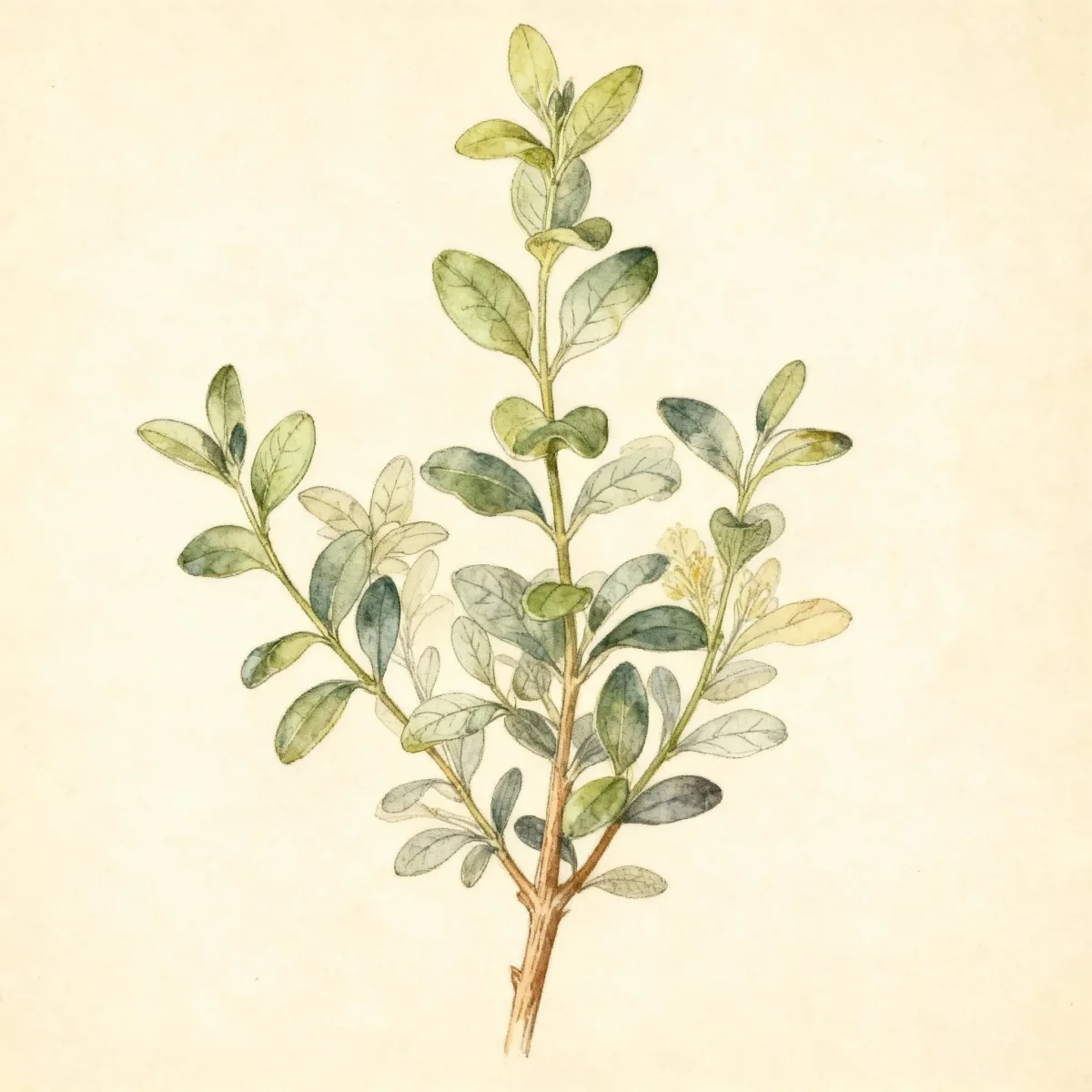
Oleaster (Elaeagnus macrophylla)
Elaeagnus macrophylla, or Oleaster, is a vigorous broadleaf evergreen prized for deep green foliage with silver undersides and edible spring fruits.
Scroll down to discover growing tips, care requirements, companion plants, and more
Complete Plant Information
Overview
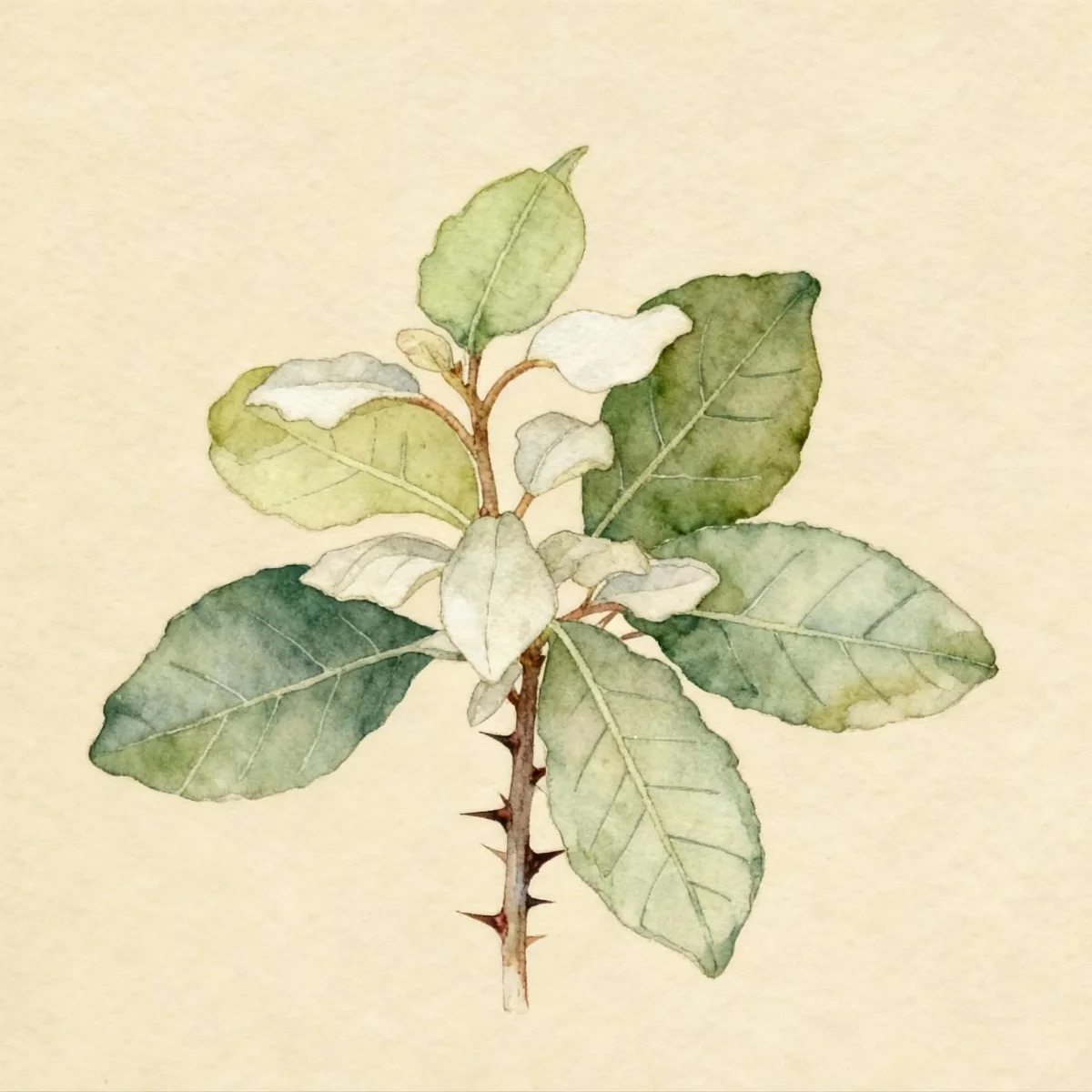
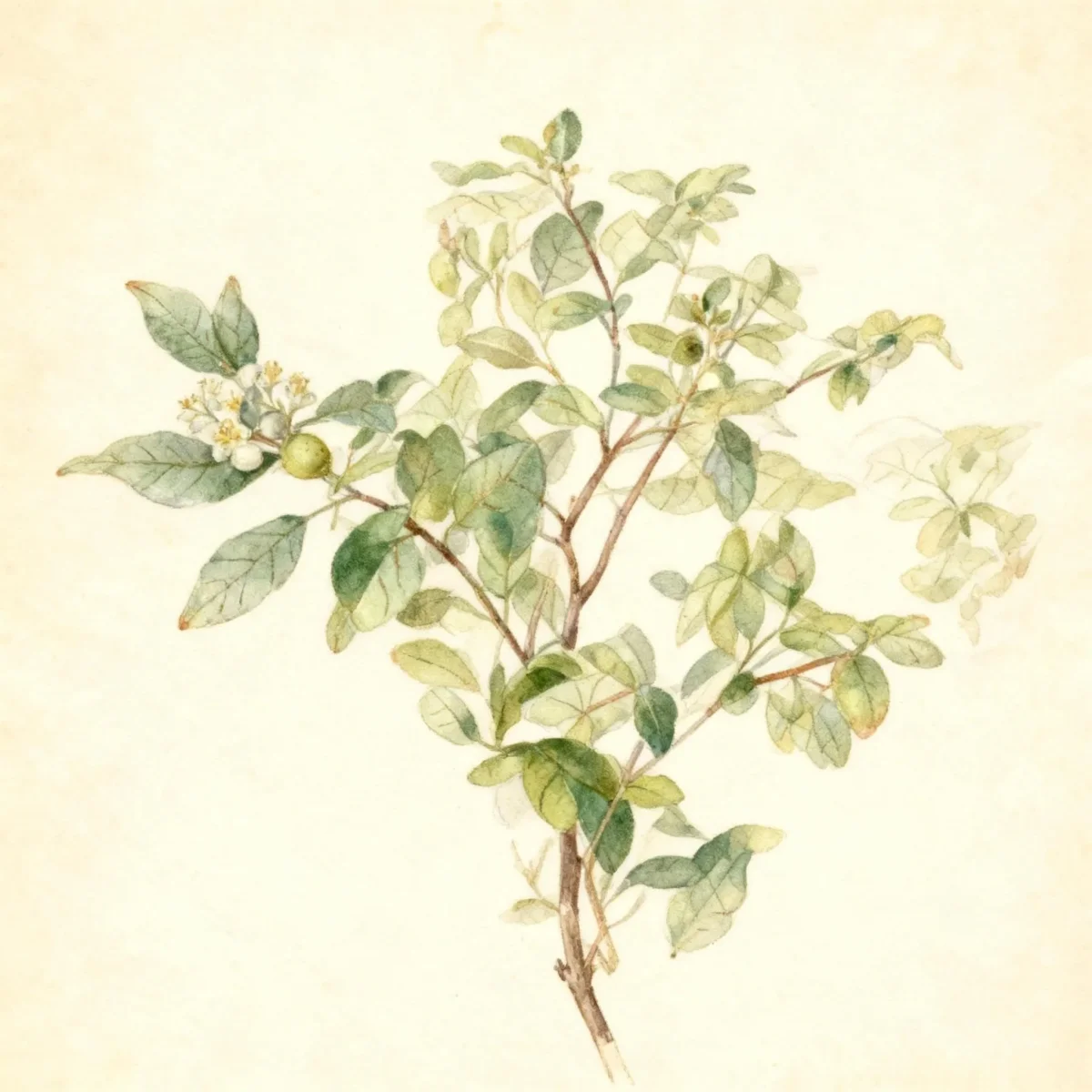
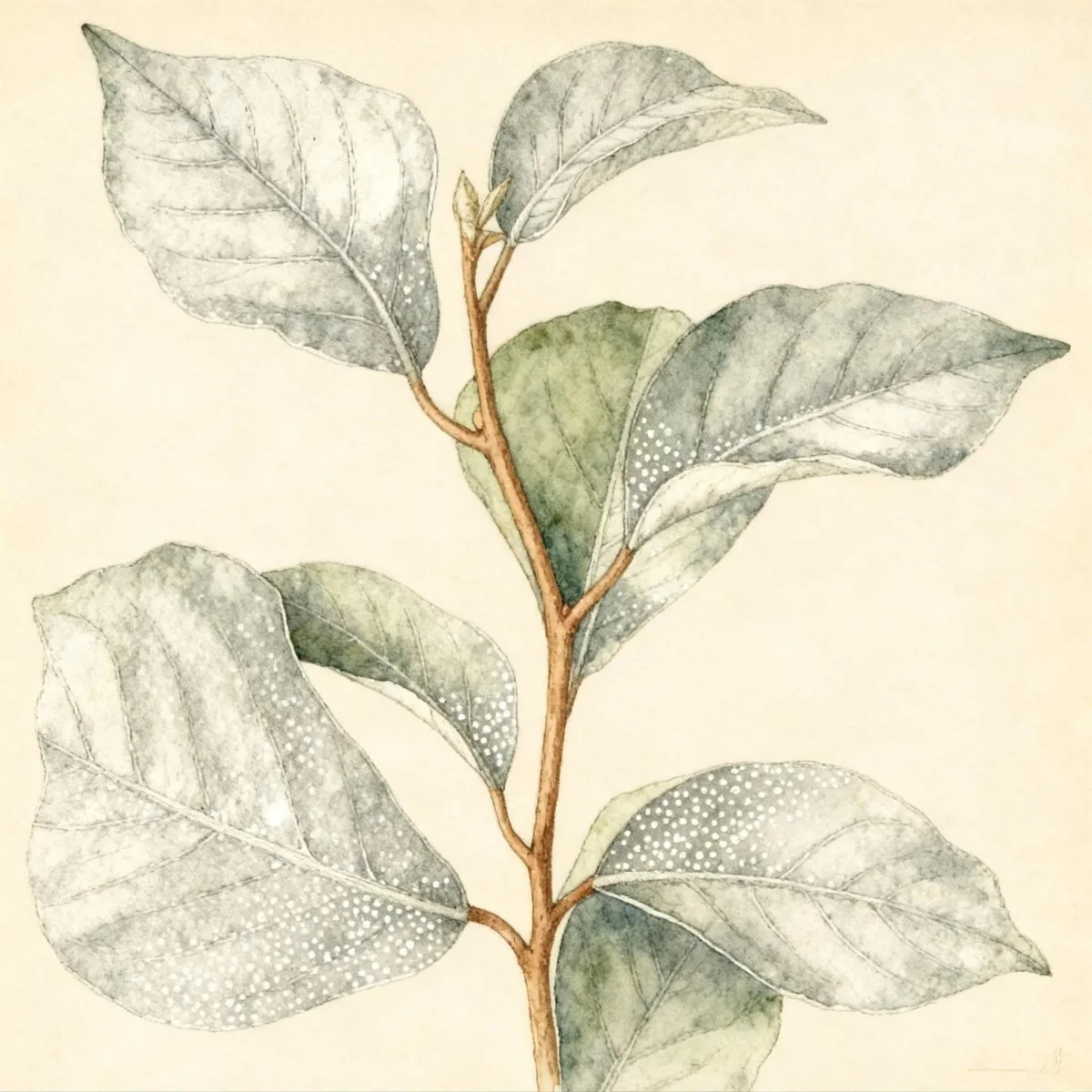
Elaeagnus macrophylla, commonly known as Oleaster, offers substantial texture and year-round interest to the landscape, making it a versatile choice for evergreen screening. This large, spreading shrub features broad-ovate leaves that age to a dark green on top while retaining a striking silvery-white scale coating underneath, providing excellent contrast. Elaeagnus macrophylla is valued not only for its foliage but also for its late-season, sporadically flowering clusters of small white blooms and subsequent edible red fruit that ripens in spring.
As a vigorous, fast-growing specimen, this Oleaster is dependable in a wide range of soils, provided drainage is adequate. It establishes quickly, gaining good drought tolerance once mature, though it requires medium water otherwise. Gardeners appreciate Elaeagnus macrophylla for its bulk and ability to form dense barriers.
Native to Korea and Japan, the Silver tree adapts well to conditions ranging from full sun to partial shade, serving as a reliable background plant or a substantial accent in larger shrub borders where its full growth potential can be realized.
Fast Facts
- Plant Family: Elaeagnaceae
- Plant Type: Broadleaf evergreen
- Native Range: Japan, Korea
- Hardiness Zones: USDA Zones 7-9
- Size at Maturity:
- Height: 8-12 ft
- Spread: 8-12 ft
- Bloom Time: October to November
- Bloom Description: White
- Sun Exposure: Full sun to part shade
- Water Needs: Medium
- Maintenance Level: Medium
How to Grow
Plant Elaeagnus macrophylla during the cooler months, ideally in fall or early spring, allowing the root system to establish before summer heat. It thrives in average, medium-moisture, well-drained soils. While it tolerates poor, infertile soils, avoid areas where water pools, as poorly drained wet soils are detrimental to this shrub. Light, sandy loams are particularly favored.
Once established, this Oleaster demonstrates good drought tolerance; water deeply but infrequently unless seasonal rainfall is scarce. Fertilization is rarely necessary due to its tolerance for poor soils, but standard balanced feeding can be applied in early spring if growth seems lackluster. Pruning should be strategic; this is a vigorous shrub that requires constant attention if height and spread must be actively restrained.
In colder zones (Zone 7), ensure the planting site offers some protection from harsh winter winds, though it is generally hardy within USDA Zones 7-9. Spring cleanup involves removing any winter-damaged growth, though significant trimming is more about containment than necessary rejuvenation. Propagation is typically achieved via cuttings.
Landscape Uses
The robust, dense nature of Elaeagnus macrophylla makes it an exceptional choice when structure and privacy are paramount. It excels when utilized as an informal hedge, providing a green, year-round barrier that screens less attractive views or defines property lines. Its capacity to reach 12 feet tall and wide means it works brilliantly as a robust screen, barrier, or windbreak in expansive landscapes.
For design impact, plant it as a dramatic background feature where its silver-backed leaves can catch the light against darker evergreens or brightly colored perennials. Because of its vigor, ensure it has ample room to expand, fulfilling its role as a naturalized mass planting that requires minimal inputs once established. Avoid placing it in restricted beds where constant shearing will be needed to maintain size.
Standout Features
Flower Qualities
- Showy
Fruit Qualities
- Showy
- Edible
Noteworthy Characteristics
Elaeagnus macrophylla, commonly called oleaster, is native to Korea and Japan. It is a large, spreading, evergreen shrub that typically grows to 8-12’ tall, featuring young branchlets covered in silvery-white scales. The leaf undersides retain this silver color, contrasting beautifully with the dark green upper surfaces, while its red fruits, which ripen in spring, are surprisingly edible, offering a peanut-like flavor after processing.
Tolerances
- Drought
Potential Problems
This shrub is generally considered very easy to cultivate, exhibiting no serious insect or disease problems under ideal conditions. Gardeners should remain visually alert for potential minor issues such as fungal leaf spot or rust, especially in humid environments or when air circulation is poor. Occasionally, spider mites may become a nuisance if the plant is stressed or situated in a very hot, dry location without sufficient air movement. Ensure proper spacing during planting to mitigate humidity buildup that encourages fungal growth.
Frequently Asked Questions
What hardiness zones is Oleaster suitable for?
This Elaeagnus macrophylla is winter hardy in USDA Zones 7 through 9.
How large does Oleaster grow?
When fully mature, Elaeagnus macrophylla typically reaches a height between 8 and 12 feet, with a corresponding spread of 8 to 12 feet.
What sun exposure does Oleaster need?
This attractive oleaster performs best when situated in full sun to partial shade conditions.
When does Elaeagnus macrophylla bloom?
Flowering occurs late in the season, typically spanning from October into November, producing white blooms.
Conclusion
The Elaeagnus macrophylla offers excellent, durable screening combined with interesting foliage texture and the benefit of edible fruit. This vigorous shrub, the Oleaster, provides structure even in challenging soil types once mature. Before planting, confirm your local USDA Zone falls within the 7 to 9 range and ensure you have adequate space for this handsome evergreen to reach its full potential.
Propagation Tips
Propagation of this Oleaster variety is most reliably accomplished through cuttings, particularly semi-hardwood cuttings taken in mid-summer. Select healthy, pencil-sized stems, taking six-inch sections, and treat the base with rooting hormone before placing them in a well-drained propagation mix under bottom heat and high humidity, such as within a cold frame or mist bench. While the plant may self-seed readily in the garden from fallen fruit, using cuttings ensures the preservation of the desirable genetic traits of the parent plant.
Design Ideas
Elaeagnus macrophylla excels in naturalizing areas or as a backdrop planting where its height can develop without restraint. Consider using it as a slightly informal perimeter planting that transitions between maintained garden beds and wilder boundaries. Its silvery new growth pairs stunningly with dark-leafed companions like certain Physocarpus cultivars or deep purple Heuchera, creating shimmering focal points that utilize the light refraction of the silver scales during the dormant months.