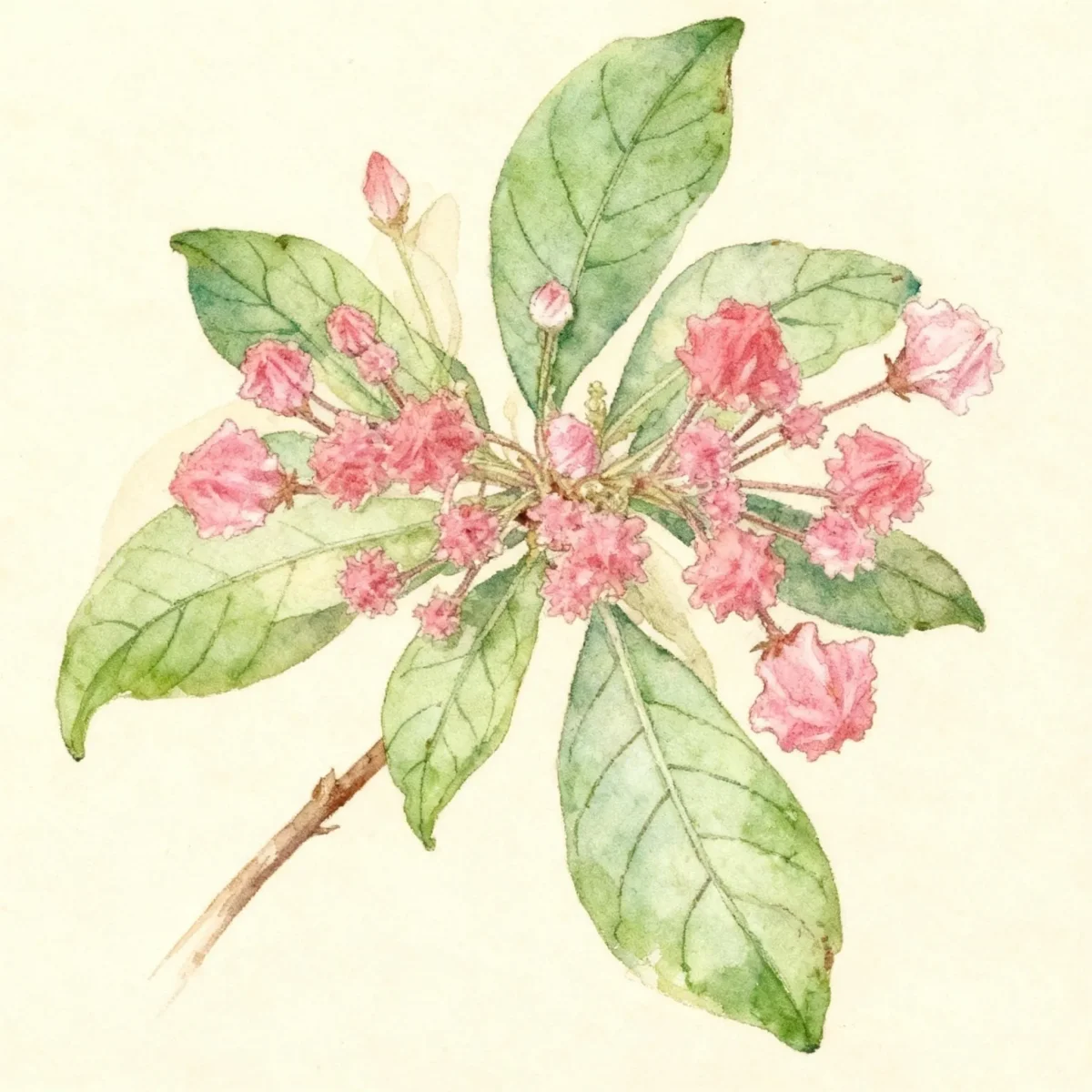
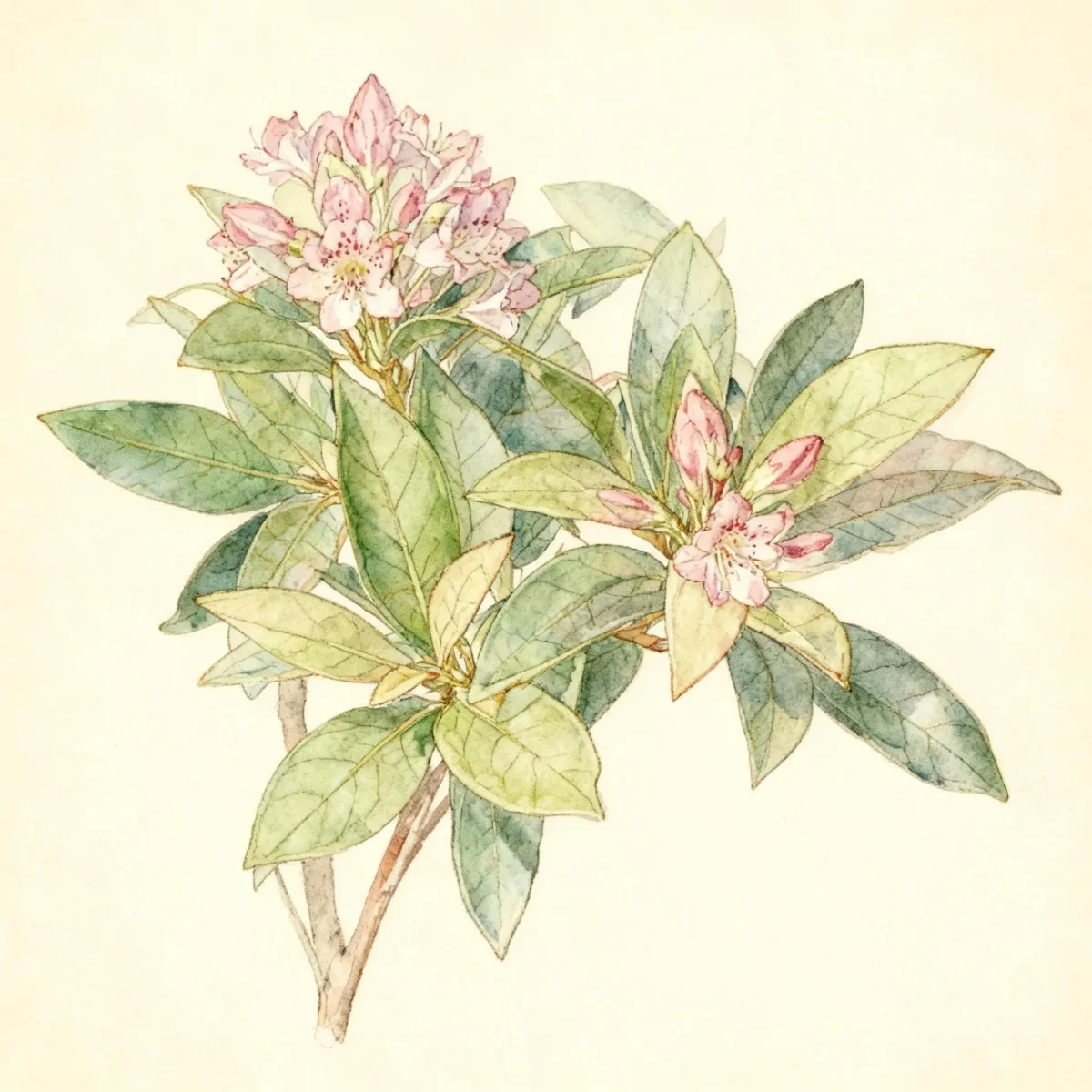
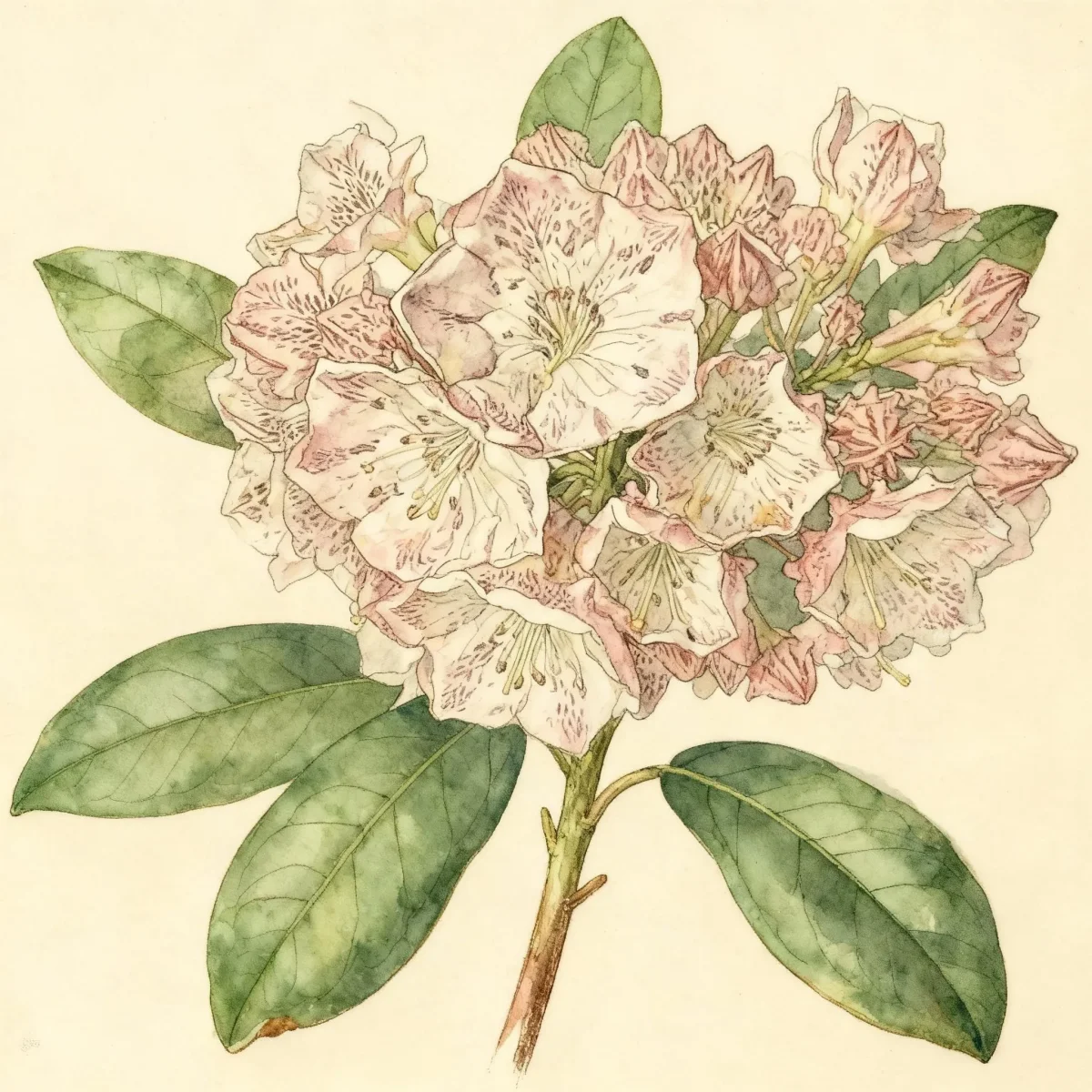
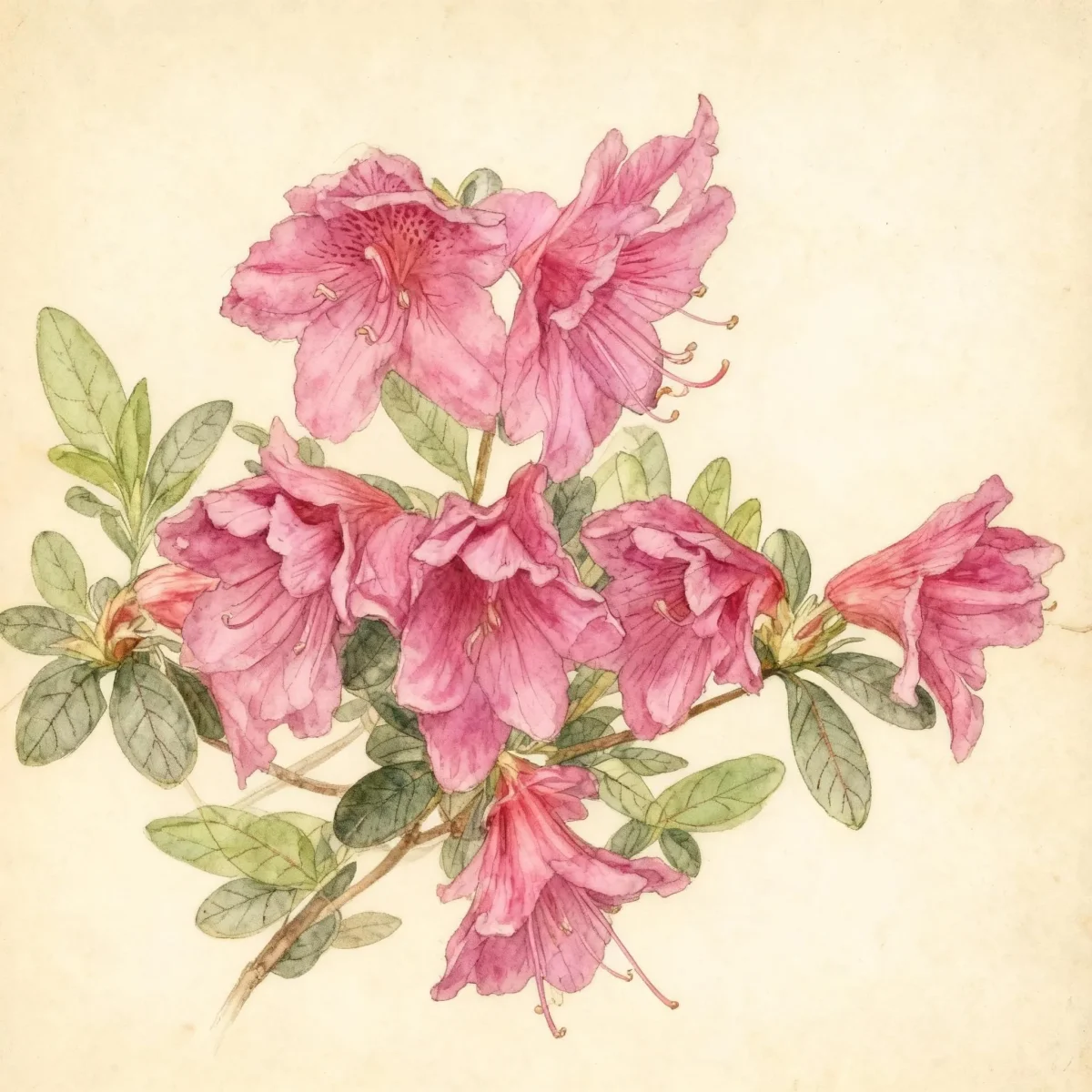
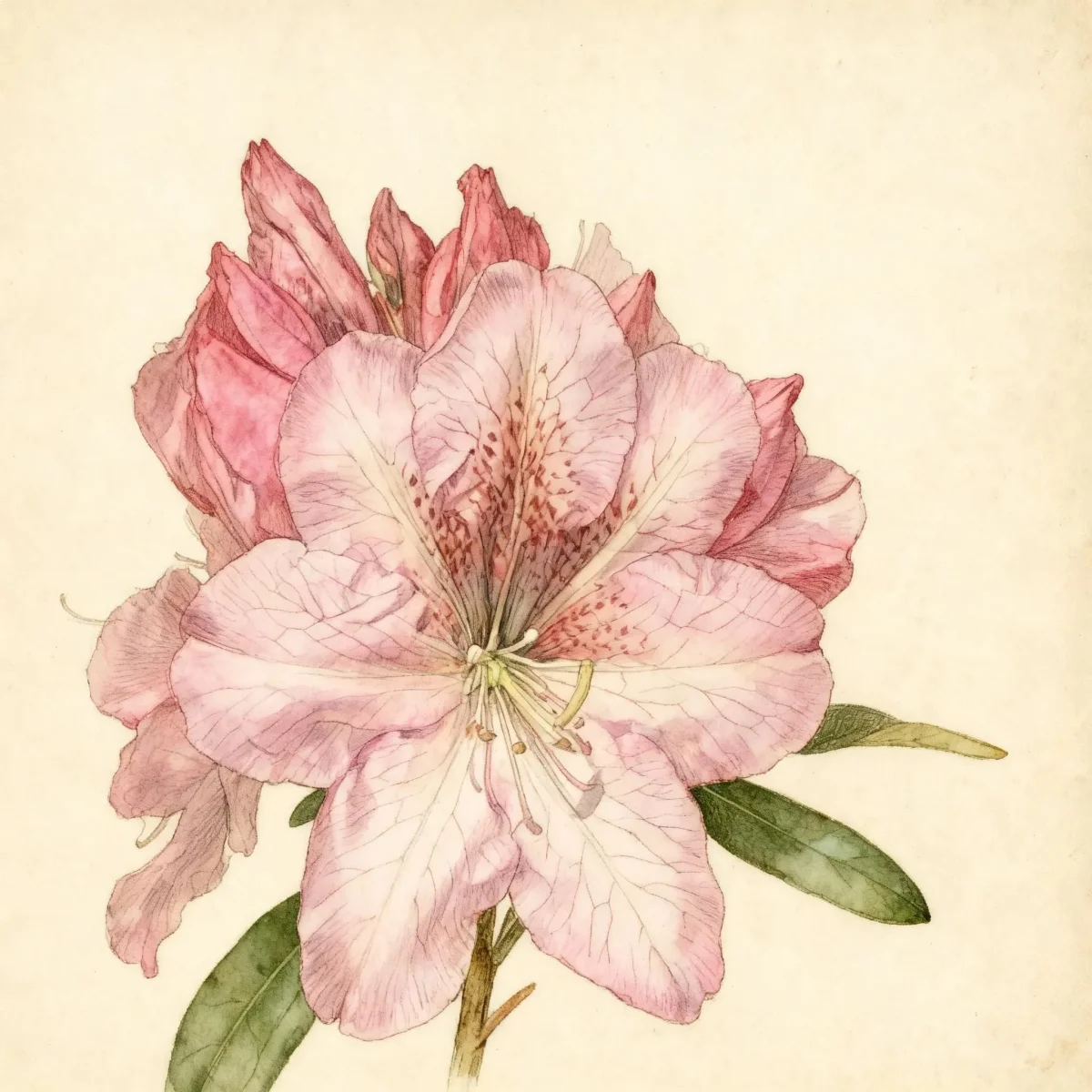
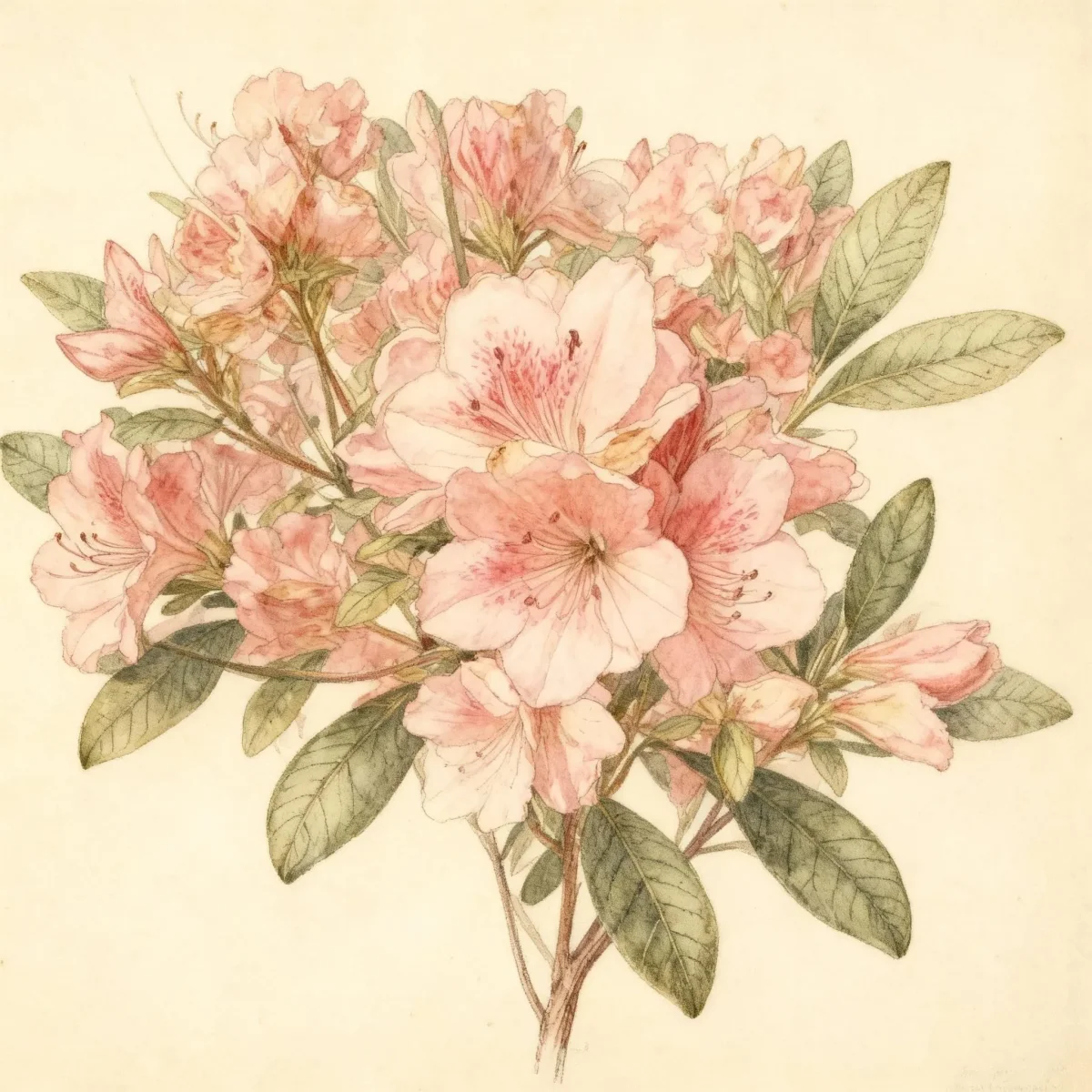
Dahurian rhododendron (Rhododendron dauricum)
The Dahurian rhododendron (Rhododendron dauricum) is a compact, early-blooming evergreen offering pink to violet-pink flowers for cold-hardy gardens.
Scroll down to discover growing tips, care requirements, companion plants, and more
Complete Plant Information
Overview
The Dahurian rhododendron, scientifically known as Rhododendron dauricum, is a remarkably vigorous and early-blooming shrub prized for its adaptability in colder climates. Native to the sub-alpine forests of Siberia, Mongolia, and Northern China, this species provides valuable early spring color before many other plants awaken. Its compact structure and small, semi-evergreen leaves make it a reliable structural element in the landscape.
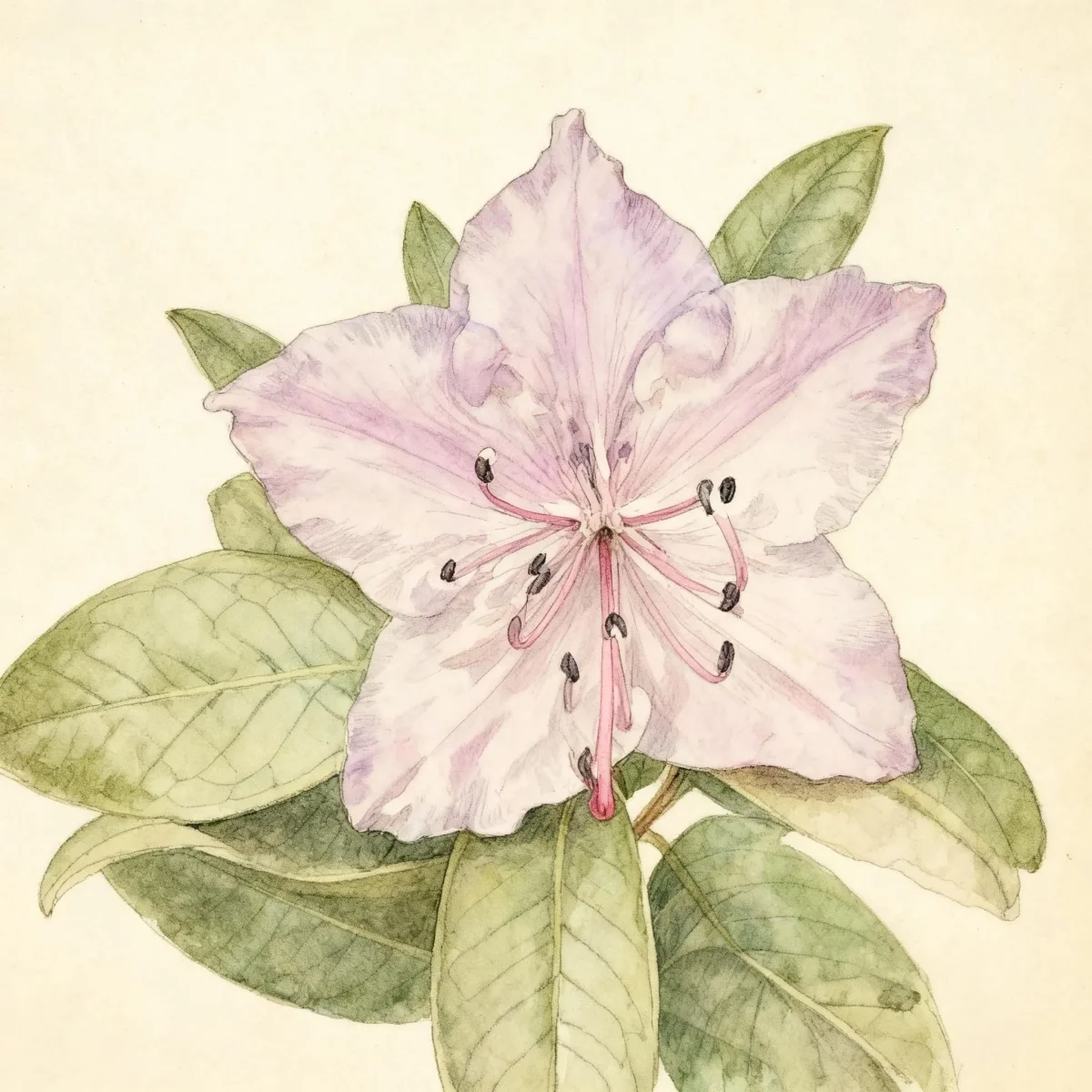
This Rhododendron dauricum matures to a manageable size, typically 4 to 6 feet tall and wide, fitting well into mixed borders or as an informal hedge. Its primary aesthetic draw is the showy display of funnel-shaped flowers, ranging from pink to vibrant violet-pink, often appearing as early as March or April. Gardeners look to the Dahurian rhododendron when seeking excellent winter hardiness combined with reliable early-season flowering performance.
Successfully cultivating Rhododendron dauricum relies heavily on providing the correct soil environment. As a member of the Ericaceae family, it demands acidic conditions and excellent drainage. Utilizing organic mulches is critical to maintain the cool, moist root zone that this shallow-rooted shrub requires throughout the growing season.
Fast Facts
- Plant Family: Ericaceae
- Plant Type: Broadleaf evergreen
- Native Range: Eastern Siberia, Mongolia, northern China, Japan
- Hardiness Zones: USDA Zones 5-8
- Size at Maturity:
- Height: 4-6 ft
- Spread: 4-6 ft
- Bloom Time: March to April
- Bloom Description: Pink to violet-pink
- Sun Exposure: Part shade
- Water Needs: Medium
- Maintenance Level: Medium
How to Grow
The optimal location for Rhododendron dauricum requires part shade, ideally receiving dappled sunlight throughout the day; intense afternoon sun will scorch the foliage. Before planting, amend the soil heavily to ensure it is acidic, humusy, organically rich, moisture-retentive, yet perfectly well-drained. If you have heavy clay soils, consider planting in raised beds, as poor drainage rapidly leads to root rot—a fatal condition for rhododendrons.
Maintain consistently moist conditions; the shallow, fibrous root system of the Dahurian rhododendron must never be allowed to dry out. Deep watering during dry spells is necessary, though the plant only requires medium amounts of water overall. Fertilize according to soil acidity needs, ensuring you acidify the soil both at planting and annually thereafter. Due to the delicate roots, avoid cultivating directly around established plants.
Apply a substantial layer of organic mulch, such as pine needles, wood chips, or bark, around the base of your Rhododendron dauricum. This layer conserves moisture, stabilizes soil temperature, and discourages weed growth. After the blooms fade in spring, promptly clip off the spent flower clusters where practicable to redirect energy back into leaf and root development for the following year. Protect young or newly established plants from harsh winter winds, which can cause desiccation and leaf damage.
Landscape Uses
The multi-season interest provided by the Dahurian rhododendron makes it versatile in landscape design. It functions excellently when used formally as an informal hedge, creating an early-spring screen when many deciduous hedges are still bare. Due to its compact habit, it also excels as a specimen plant near entryways or as an anchor in mixed shrub borders.
Consider planting Rhododendron dauricum alongside woodland companions that share similar cultural needs, such as Japanese maples, azaleas, or ferns, positioning them where they can enjoy the protected woodland margin environment. Its vibrant spring color also pairs well with early-blooming bulbs planted around its base, which can be enjoyed before the Rhododendron’s dense foliage fully develops. Furthermore, its evergreen nature makes it an effective choice for softening the foundation lines of buildings, provided the drainage requirements are met.
Standout Features
Flower Qualities
- Showy
Noteworthy Characteristics
Rhododendron dauricum, commonly called dahurian or daurian rhododendron, is a compact, small-leaved, deciduous to semi-evergreen rhododendron that is native to sub-alpine forests and forest margins in the Altai Mountains from Russia into Mongolia, eastern Siberia, Sakhalin Island, northern China, Japan and Korea. This rhododendron was reportedly first collected in Dauria, a mountainous region in southeastern Siberia east of Lake Baikal, hence the specific epithet and common name. It is a compact, vigorous, early-blooming shrub that typically matures over time to 4-6’ tall and as wide.
Tolerances
- Rabbit
Potential Problems
While the Rhododendron dauricum is known for its excellent winter hardiness, like all rhododendrons, it remains susceptible to various insect and disease issues, most notably those related to moisture management. Canker, crown rot, and root rot are common when drainage is insufficient, underscoring the critical need for well-aerated, acidic soil. Other potential pests and diseases include aphids, lacebugs, scale, and fungal leaf spots.
The best defense against these problems is proactive cultural care. Ensuring the plant is situated in its preferred part shade environment, protected from drying winter winds, and kept consistently moist but never soggy will significantly boost its natural resistance. Healthy Rhododendron dauricum specimens experiencing the proper environment will exhibit far fewer problems than those stressed by incorrect siting or soil conditions.
Frequently Asked Questions
What hardiness zones is Dahurian rhododendron suitable for?
The Dahurian rhododendron is hardy across USDA Zones 5 through 8, offering reliable performance in regions with significant winter chilling.
How large does Rhododendron dauricum grow?
This plant typically achieves a mature height between 4 and 6 feet, with an equivalent spread of 4 to 6 feet, remaining relatively compact.
When does Rhododendron dauricum bloom?
The bloom time for this species is generally from March to April, showcasing striking pink to violet-pink flowers early in the season.
What sun exposure does Rhododendron dauricum need?
Rhododendron dauricum thrives best in part shade conditions; exposure to full, direct sun can lead to leaf scorch.
Conclusion
The Rhododendron dauricum stands out due to its early bloom schedule and robust, compact structure, making early spring color reliable even after harsh winters. This Dahurian rhododendron offers evergreen texture and vibrant pink flowers, enhancing woodland gardens and shrub borders. Before purchasing, always confirm your site offers the acidic, well-drained soil required and plan planting during a cool, moist period for the best establishment.
Companion Planting
When selecting partners for your Rhododendron dauricum, prioritize other acid-loving plants that share the need for dappled light. Acidic soil companions like Camellias, Azaleas, and various types of Heathers thrive alongside the Dahurian rhododendron, creating cohesive texture and bloom sequences. For groundcover solutions beneath the spreading canopy, consider low-growing woodland ephemerals or shade-tolerant hostas that benefit from the filtered light provided by the rhododendron’s semi-evergreen leaves.
Seasonal Care Calendar
Spring is the most critical season for this early bloomer; deadhead spent blooms immediately after flowering finishes in April to encourage energy storage for next year. As summer progresses, monitor moisture levels closely, especially in hotter climates, ensuring mulch layers are maintained over the shallow roots to prevent drying out. Fall preparation involves ensuring the plant is well-watered before the ground freezes solid, which helps prevent winter desiccation, particularly for the foliage of the Rhododendron dauricum. Minimal pruning is usually required outside of removing spent flowers; focus on maintaining good air circulation rather than heavy shaping.