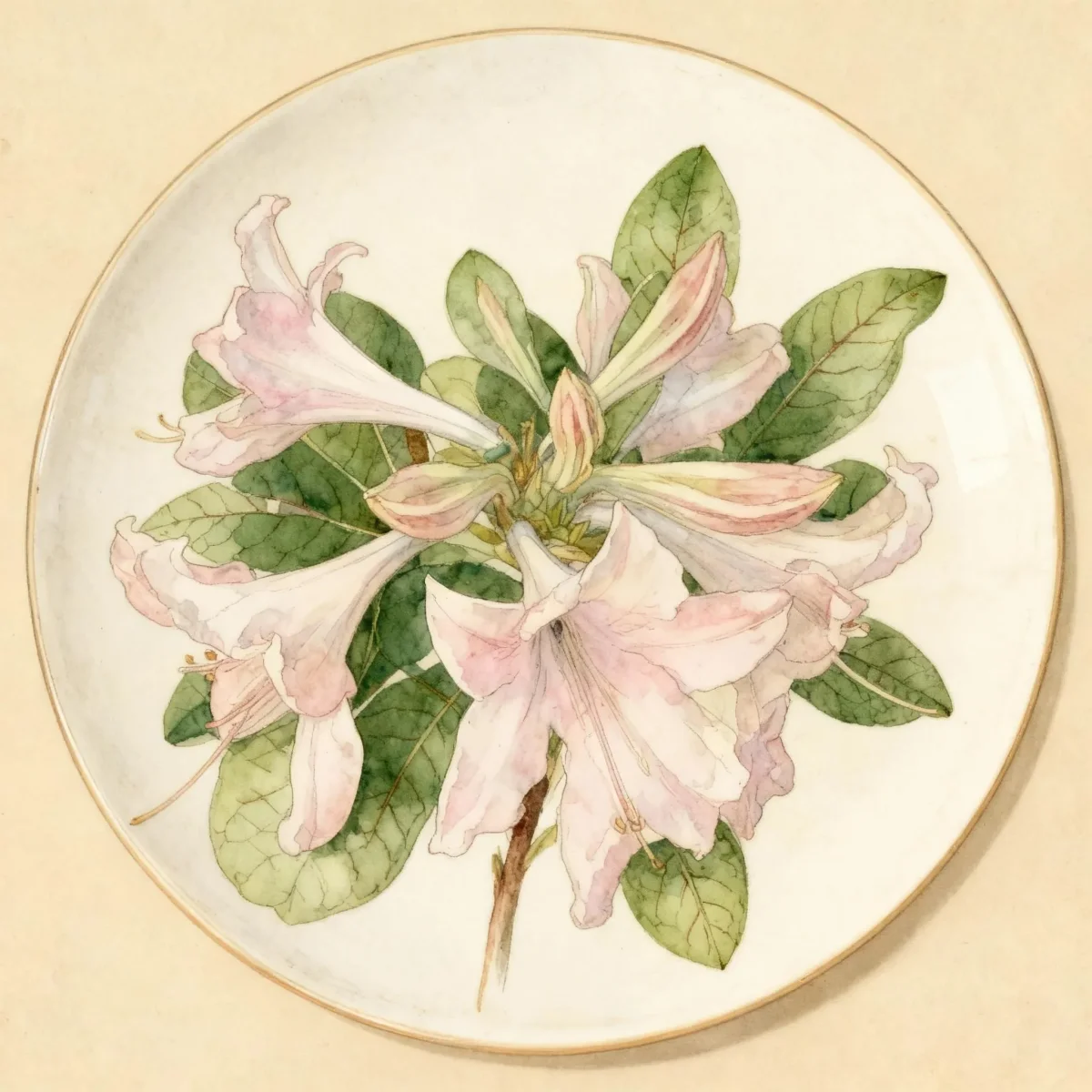
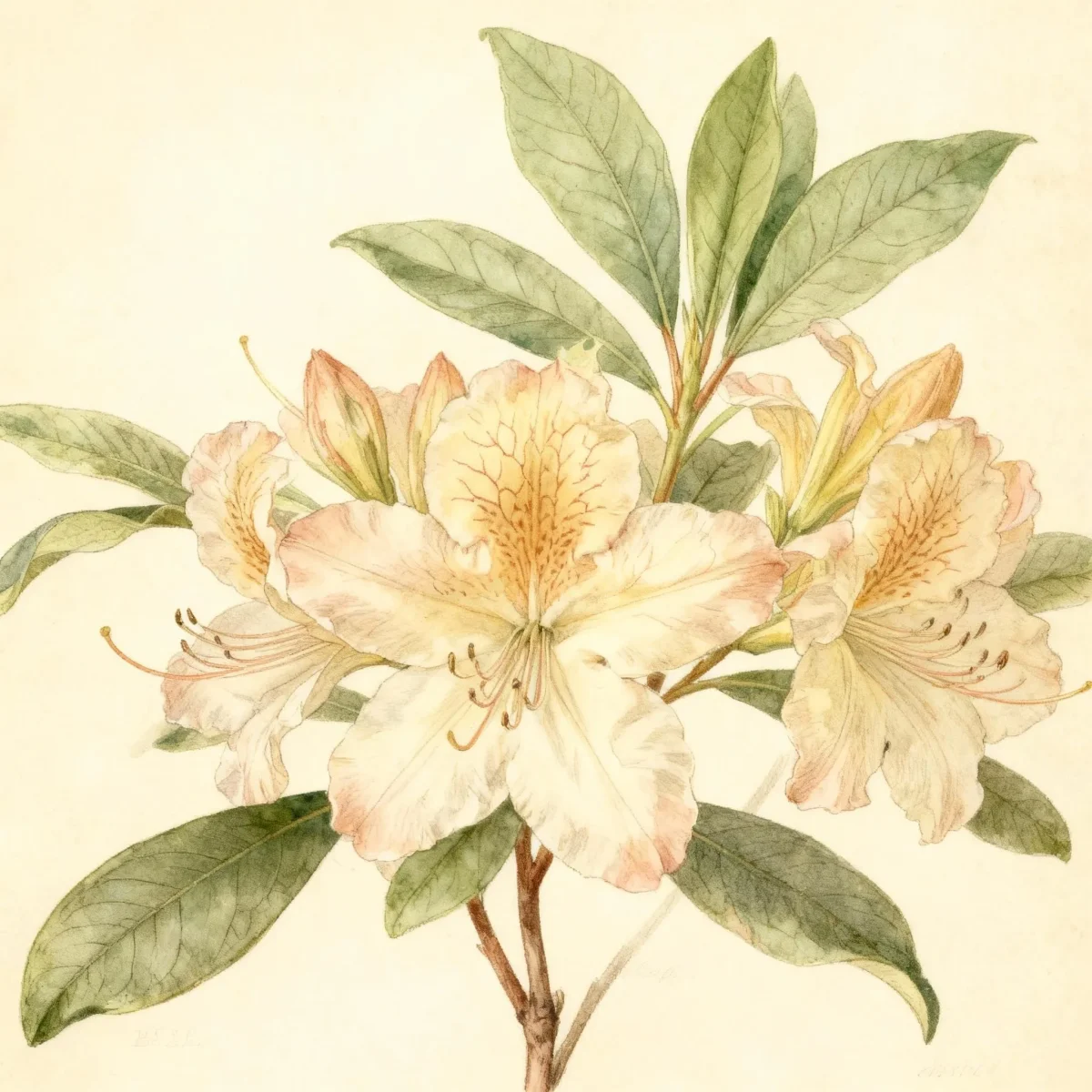
Deciduous azalea (Rhododendron atlanticum)
Rhododendron atlanticum, the Coast Azalea, offers fragrant white blooms in April. A low-maintenance Deciduous shrub for USDA Zones 6-8.
Scroll down to discover growing tips, care requirements, companion plants, and more
Complete Plant Information
Overview
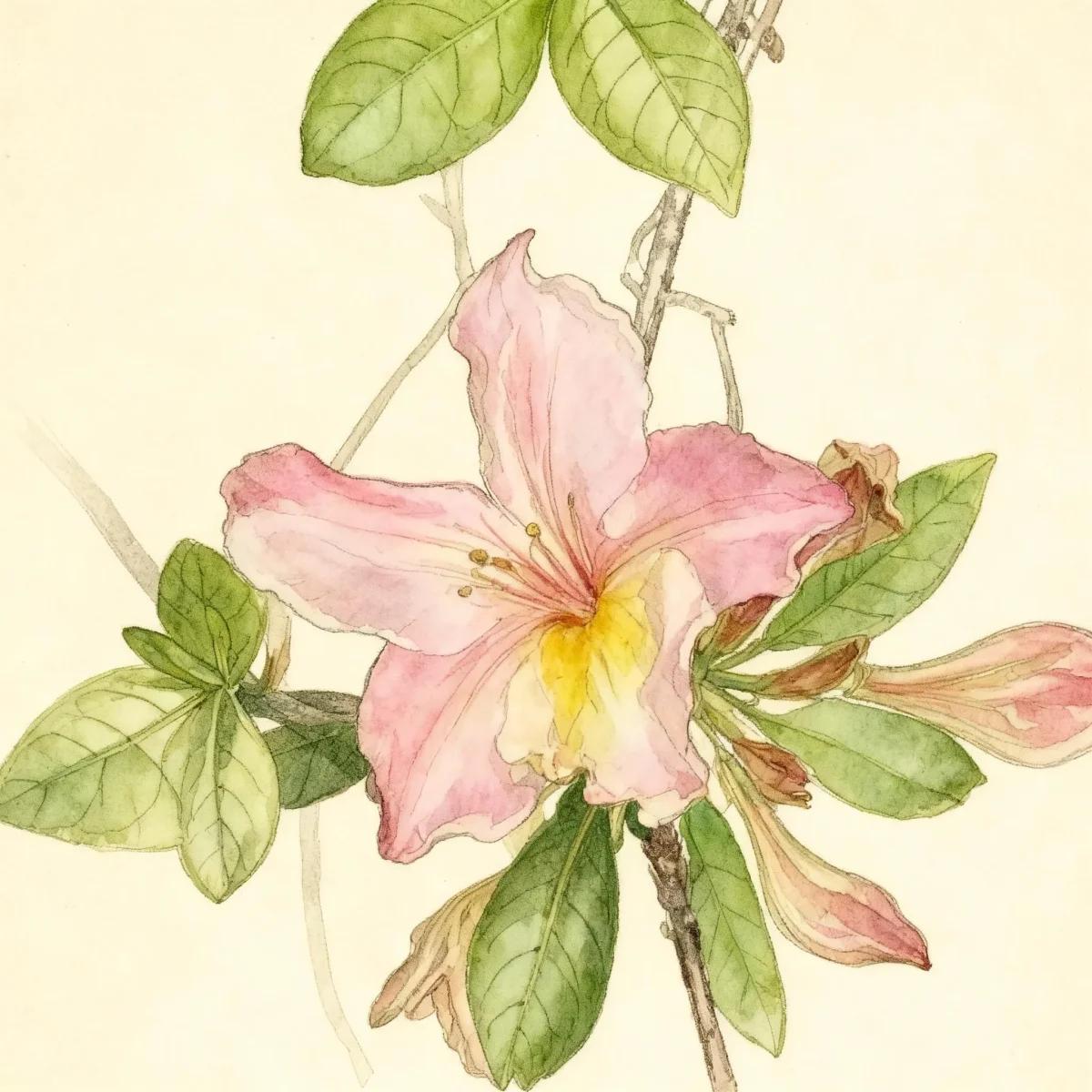
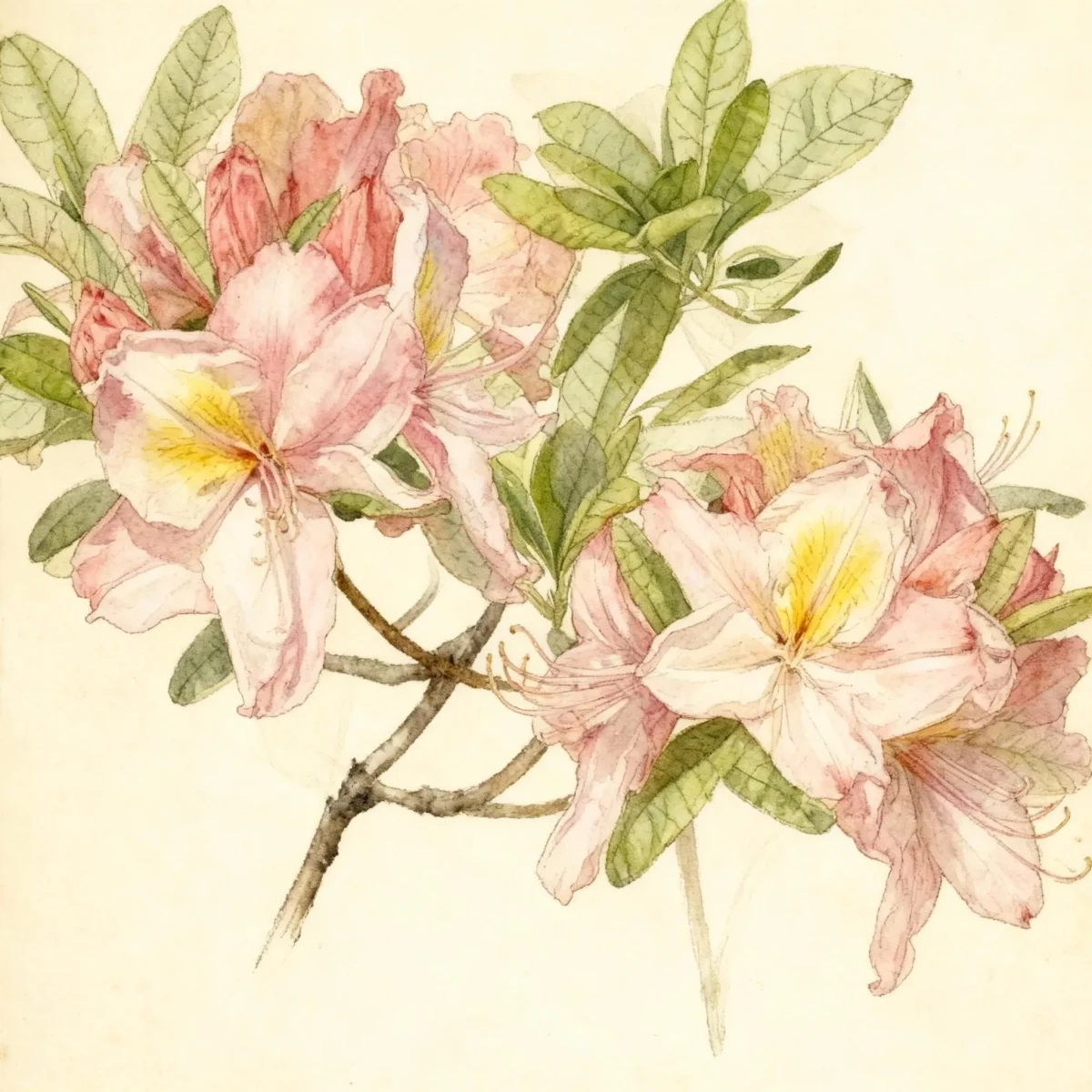
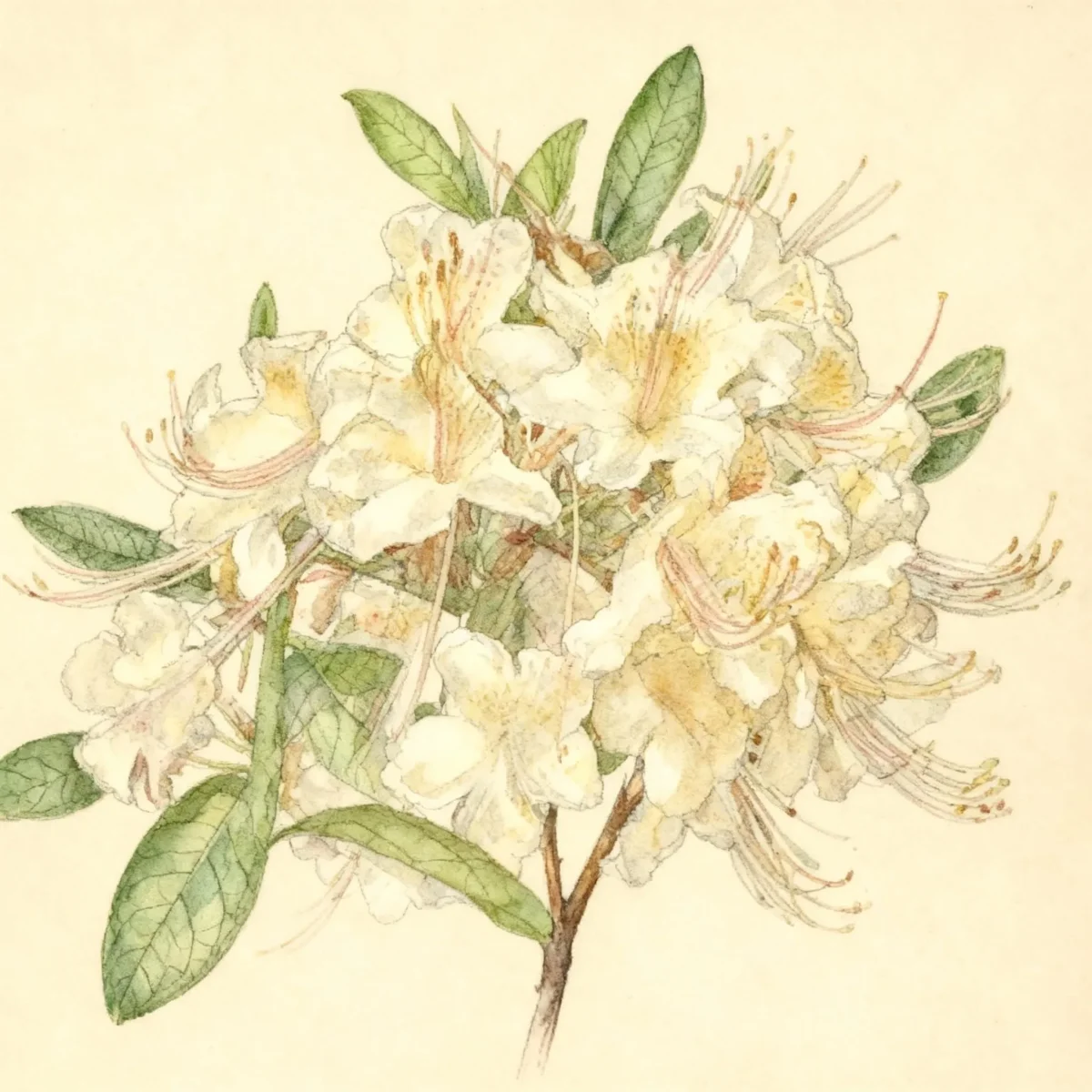
The Rhododendron atlanticum, commonly known as the Deciduous azalea or Coast azalea, is a valuable addition to native plant gardens across the Eastern United States. This compact, sweetly fragrant shrub brightens the landscape in April with clusters of white flowers, often tinged with pink, appearing just as the new leaves emerge. Its adaptability, combined with its low maintenance requirements, makes it a favored native selection.
As a stoloniferous and suckering shrub, Rhododendron atlanticum naturally forms loose colonies, making it excellent for mass plantings or stabilizing slopes in well-drained areas. Gardeners appreciate the Deciduous azalea for its native appeal and the strong musky fragrance heralding the arrival of spring. Ensure proper acidic soil conditions, and this robust shrub will reward you with reliable seasonal color.
This particular species is highly valued by breeders for its potent flower fragrance, contributing desirable traits to hybrid azaleas. For gardeners seeking authentic eastern woodland charm, the Rhododendron atlanticum offers delicate beauty without demanding extensive upkeep typical of some cultivated varieties.
Fast Facts
- Plant Family: Ericaceae
- Plant Type: Deciduous shrub
- Native Range: Eastern United States
- Hardiness Zones: USDA Zones 6-8
- Size at Maturity:
- Height: 2-6 ft
- Spread: 2-5 ft
- Bloom Time: April
- Bloom Description: White sometimes flushed with pink
- Sun Exposure: Part shade
- Water Needs: Medium
- Maintenance Level: Low
How to Grow
The key to successfully establishing your Deciduous azalea is replicating its native coastal plain conditions. Plant during the cooler seasons—spring or fall—ensuring the location offers light, acidic, sandy, and well-drained soil. While Rhododendron atlanticum prefers a sun-dappled shade or high open part shade, it can handle full sun if the soil remains uniformly moist; however, foliage may scorch if moisture is insufficient.
Consistent moisture is critical, but excellent subsurface drainage is non-negotiable; this plant hates having “wet feet,” as poor drainage rapidly leads to root rot. If your native soil is heavy clay, consider planting in raised beds to ensure runoff. Always acidify the soil before planting and continue to maintain that acidity annually.
Care involves keeping the root systems consistently hydrated; never allow them to dry out completely. After the blooms fade in April, deadhead spent flower clusters to encourage better energy allocation for the following year. A protective mulch layer of wood chips, bark, or pine needles is highly beneficial for retaining moisture, moderating soil temperatures, and offering winter protection to the shallow roots. Protect young plants from harsh winter winds, as late spring frosts can damage emerging flowers.
Landscape Uses
The Rhododendron atlanticum brings versatility to the partial shade corner of the garden. Its natural tendency to spread and form colonies makes it an outstanding choice for softening the edge of woodland gardens or creating a sweeping native plant border. When situated near patios or walkways, the April fragrance of the Deciduous azalea can be fully appreciated.
This species excels when used as a background planting or filler in mixed shrub borders alongside other acid-loving plants like rhododendrons, mountain laurel, or ferns. While it can serve as a low, informal hedge due to its spreading habit, it is perhaps best utilized as an open specimen plant where its natural, somewhat loose branching structure can be appreciated. Groupings allow the shrub to develop a more substantial visual impact during its bloom time.
Standout Features
Flower Qualities
- Showy
Noteworthy Characteristics
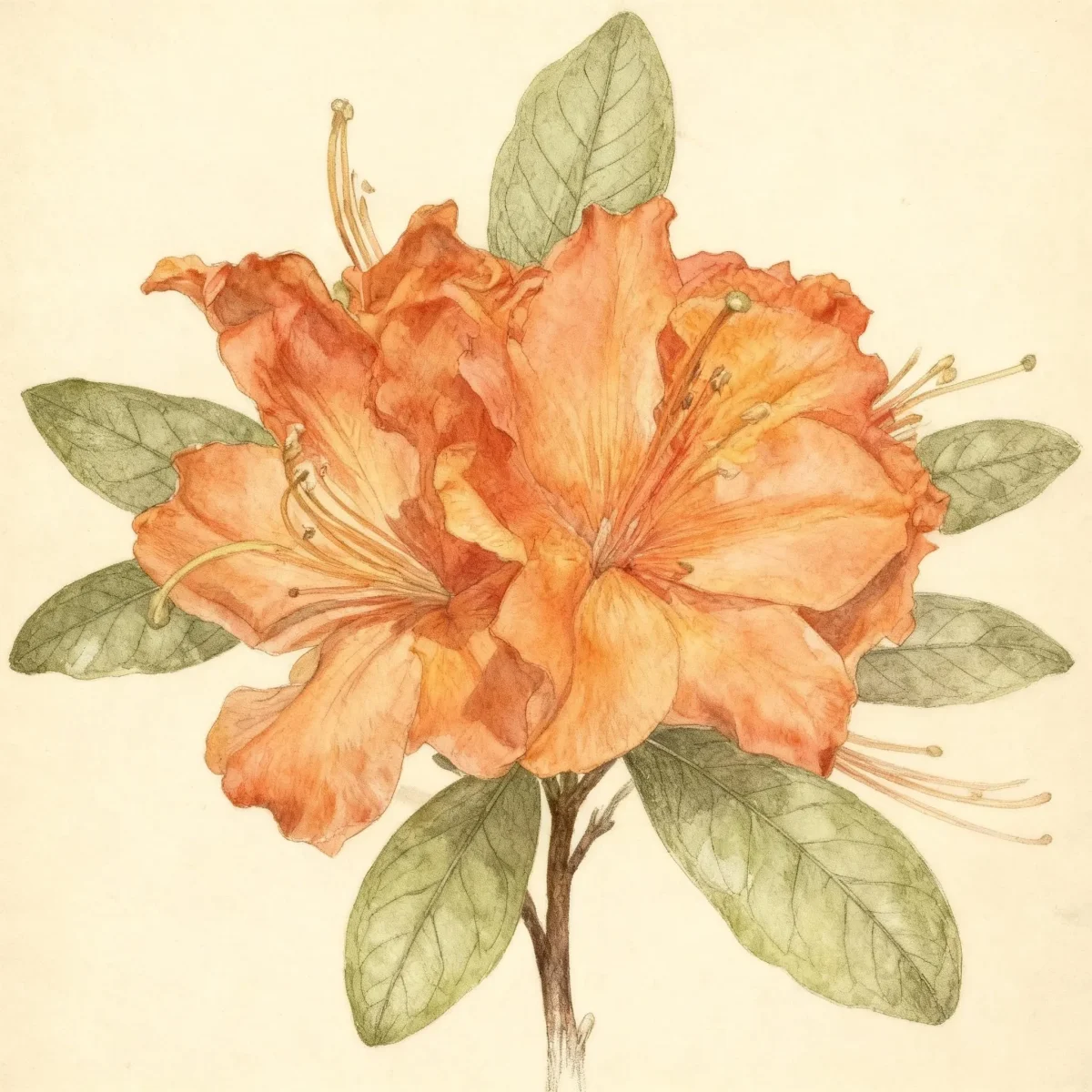
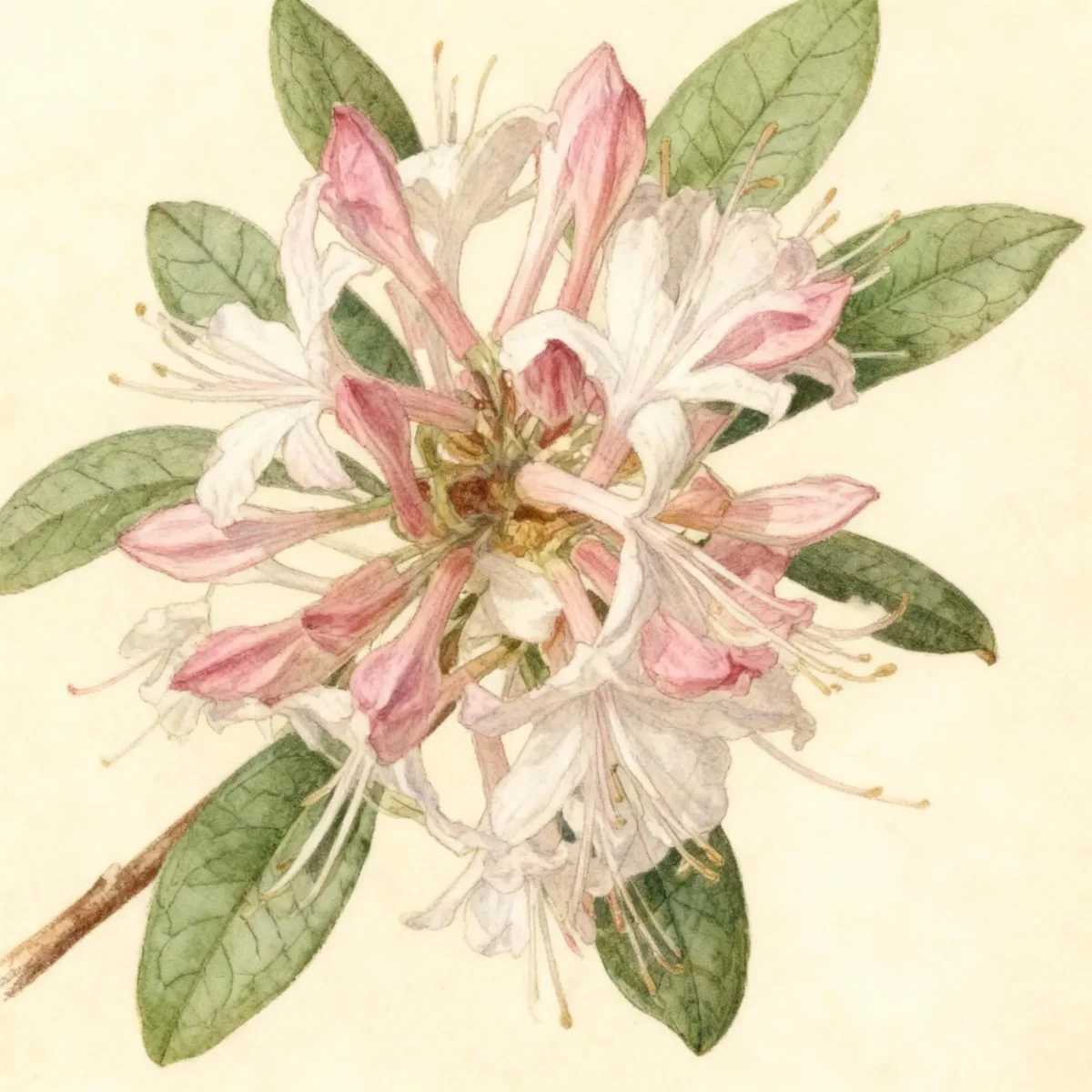
Rhododendron atlanticum, commonly known as coast azalea, is a compact, loosely-branched, stoloniferous, suckering, deciduous shrub that typically matures to 2-3’ tall and as wide, but infrequently rises to as much as 6’ tall. White flowers (to 1.5” long), sometimes flushed with pink, bloom in clusters of 3-13 in April at the time of or slightly before the appearance of new leaves. Flowers have a strong musky fragrance, which is why this species is frequently used in azalea breeding programs.
Tolerances
- Rabbit
Potential Problems
Azaleas, including your Deciduous azalea, are susceptible to a range of aesthetic and health issues, including fungal diseases like canker, crown rot, leaf spot, rust, and powdery mildew. Insect pests such as aphids, lacebugs, scale, and mites are also common threats. The most significant preventative measure you can take is ensuring the plant is sited correctly—specifically addressing the need for consistent moisture parallel to excellent drainage. Root rot is almost always the result of improper soil conditions favoring standing water. A healthy Rhododendron atlanticum thriving in the correct, acidic environment will naturally resist most common problems.
Frequently Asked Questions
What hardiness zones is Deciduous azalea suitable for?
Rhododendron atlanticum thrives in USDA Hardiness Zones 6 through 8.
How large does Rhododendron atlanticum grow?
This shrub typically reaches a height between 2 and 6 feet, with an equal spread of 2 to 5 feet.
When does Deciduous azalea bloom?
The bloom time for the Deciduous azalea is April, featuring white flowers sometimes flushed with pink.
What sun exposure does Rhododendron atlanticum need?
This species prefers part shade; it needs protection from intense afternoon sun, especially if soils are not kept uniformly moist throughout the summer.
Conclusion
The inclusion of the Rhododendron atlanticum promises native beauty, reliable low maintenance, and a delightful floral fragrance each spring. By respecting its need for well-drained, acidic earth, you establish a lasting foundation for this excellent Deciduous azalea in your landscape. Plan your planting for early spring or fall, confirm your soil pH is appropriate, and enjoy this coastal heirloom.
Companion Planting
Selecting suitable companions is crucial for Rhododendron atlanticum, as they share specific soil chemistry requirements. Pair this Deciduous azalea with other acid-loving woodland plants that thrive in dappled light conditions. Consider planting underneath the high, open canopy of established native trees like oaks or maples if the filtering effect is sufficient.
Excellent groundcovers that appreciate similar acidic, moist conditions include various native ferns (like Christmas or Ostrich ferns) or Huckleberry (Gaylussacia species). Shrubby companions such as Mountain Laurel (Kalmia latifolia) or native Rhododendrons provide structural interest when the azalea is not in bloom, creating a cohesive, layered woodland effect. Avoid alkaline or heavy, poorly draining companions.
Seasonal Care Calendar
Spring is the most crucial time for watching your Rhododendron atlanticum. Monitor late frosts, as returning flowers are vulnerable to damage. Immediately after bloom concludes in April, deadhead spent trusses to direct energy back into root and leaf development. Begin your annual soil acidification routine during this period if necessary.
During the summer months, focus intensely on moisture management. Though water needs are medium, drought stress is detrimental, especially if the plant is grown in sunnier locations. Maintain a deep layer of organic mulch to stabilize root temperatures and conserve water. Avoid deep cultivation near the base, as the shallow root system is easily damaged.
Winter preparation is minimal for this hardy shrub once established. Ensure the soil is adequately moist going into the cold season. While protection is suggested from drying winter winds due to the deciduous nature of the foliage, heavy pruning is generally not required unless managing root suckers or removing dead wood after the dormant season.