Rosebay rhododendron (Rhododendron maximum)
Discover the Rosebay rhododendron (Rhododendron maximum), a shade-tolerant evergreen shrub native to Eastern North America.
Scroll down to discover growing tips, care requirements, companion plants, and more
Complete Plant Information
Overview
The Rhododendron maximum, widely known as the Rosebay rhododendron, stands out as a significant late-blooming evergreen shrub native to the landscapes of Eastern North America. This robust plant is valued for its dense structure, leathery foliage that persists year-round, and its beautiful summer floral display, adding color when many other woody plants are finished flowering. It thrives in established, cooler woodland settings where it forms dense thickets.
As a large, loose, multi-stemmed shrub, the Rhododendron maximum can reach heights of 5 to 15 feet, though it can occasionally attain surprising grandeur in its native Appalachian habitat. Its adaptability to significant shade makes it an invaluable choice for brightening deeper woodland margins or underplanting large trees, providing essential structure and year-round greenery in challenging light conditions.
Gardeners appreciate this species for its resilience once established in ideal acidic conditions. While requiring medium maintenance, understanding its specific soil and moisture needs is crucial for success. The Rosebay rhododendron brings a naturalistic, enduring beauty to shaded garden areas across USDA Zones 3 through 7.
Fast Facts
- Plant Family: Ericaceae
- Plant Type: Broadleaf evergreen
- Native Range: Eastern North America
- Hardiness Zones: USDA Zones 3-7
- Size at Maturity:
- Height: 5-15 ft
- Spread: 5-12 ft
- Bloom Time: June to July
- Bloom Description: Rose-purplish to pink to white
- Sun Exposure: Part shade to full shade
- Water Needs: Medium
- Maintenance Level: Medium
How to Grow
Planting Rhododendron maximum should ideally occur in early spring or early fall when temperatures are moderate, allowing the fibrous root system time to establish before summer stress. The paramount cultural concern is soil pH; these plants demand highly acidic conditions (humusy, organically rich soil). Ensure excellent drainage, as poor drainage is the primary cause of root rot. In heavy clay areas, consider creating raised beds or amending heavily to avoid “wet feet.”
Water needs are medium, but critically, the shallow roots must never be allowed to dry out, especially during hot summers. Supplement rainfall with deep watering when the upper soil layer begins to dry. Acidify soils well before planting and maintain acidity thereafter using slow-release acidifying fertilizers if necessary. Protect young plants from harsh winter winds, as desiccating winter air combined with frozen soil moisture can cause burn.
A layer of organic mulch, such as pine needles, bark, or wood chips, is highly beneficial. This mulch helps retain critical soil moisture, moderates the cool root temperatures preferred by the Rosebay rhododendron, and eliminates the need for cultivation around the sensitive, shallow root base. Remember that all parts of this plant are toxic if ingested, requiring careful placement near pets or children.
Landscape Uses
The inherent structure and evergreen nature of Rhododendron maximum make it excellent for providing year-round screening and texture. It excels when used in shrub borders where its height of up to 15 feet can form a substantial backdrop. Its tolerance for heavy shade also makes it perfect for naturalistic plantings within established woodlands or along shaded wood margins where it mimics its native environment.
When designing with the Rhododendron maximum, pair it with other acid-loving, shade-tolerant plants such as Azaleas, Mountain Laurel (Kalmia), or various ferns and hellebores. This grouping creates textural contrast while sharing similar cultural requirements, ensuring uniform health across the planting area. Its late bloom time in June and July fills a mid-summer gap in flowering display.
Use this large evergreen strategically to define spaces or screen unattractive views in dappled light. Because the Rosebay rhododendron thrives in dense colonies in the wild, planting several together creates a powerful visual impact that is typical of its native Eastern North American range.
Standout Features
Flower Qualities
- Showy
Noteworthy Characteristics
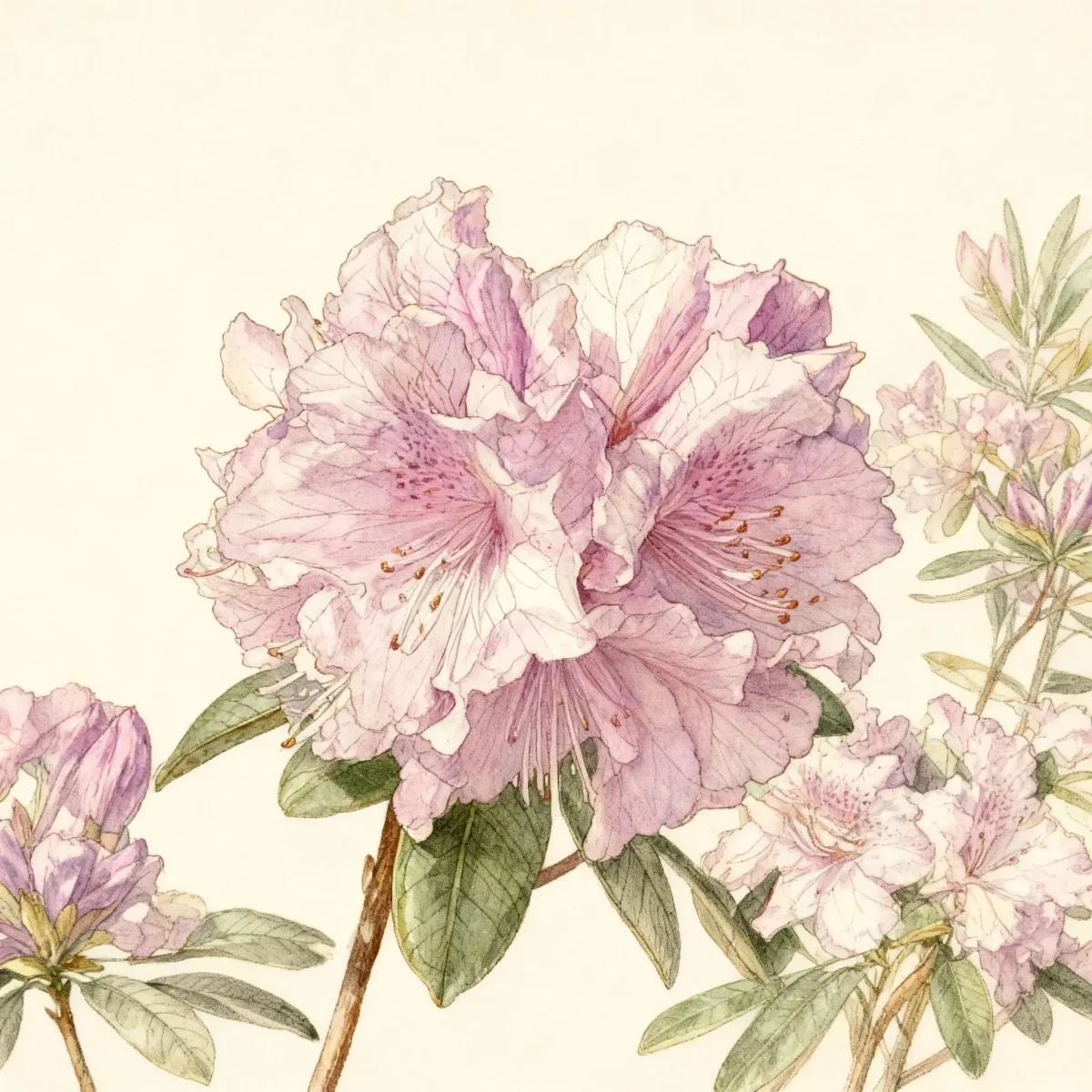
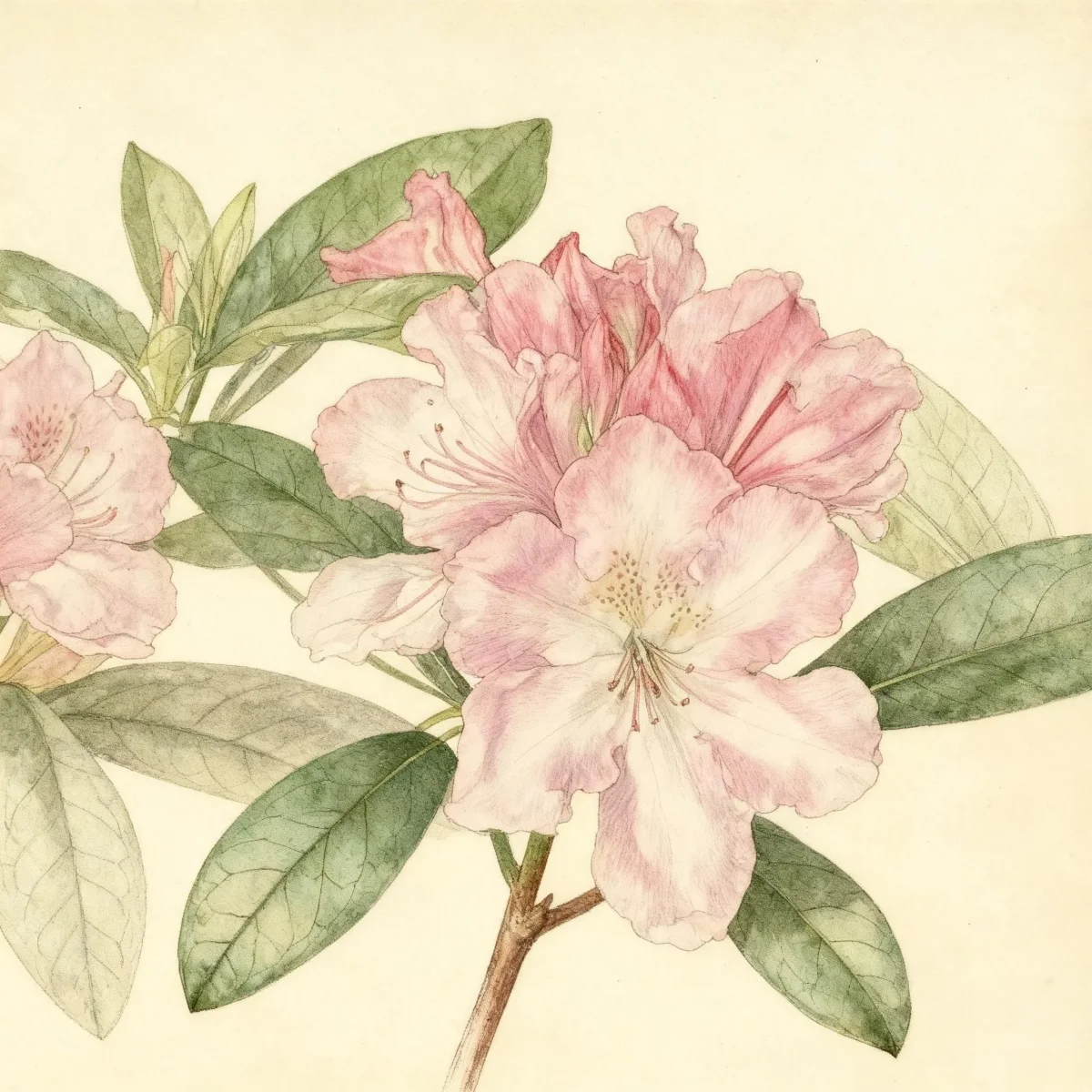
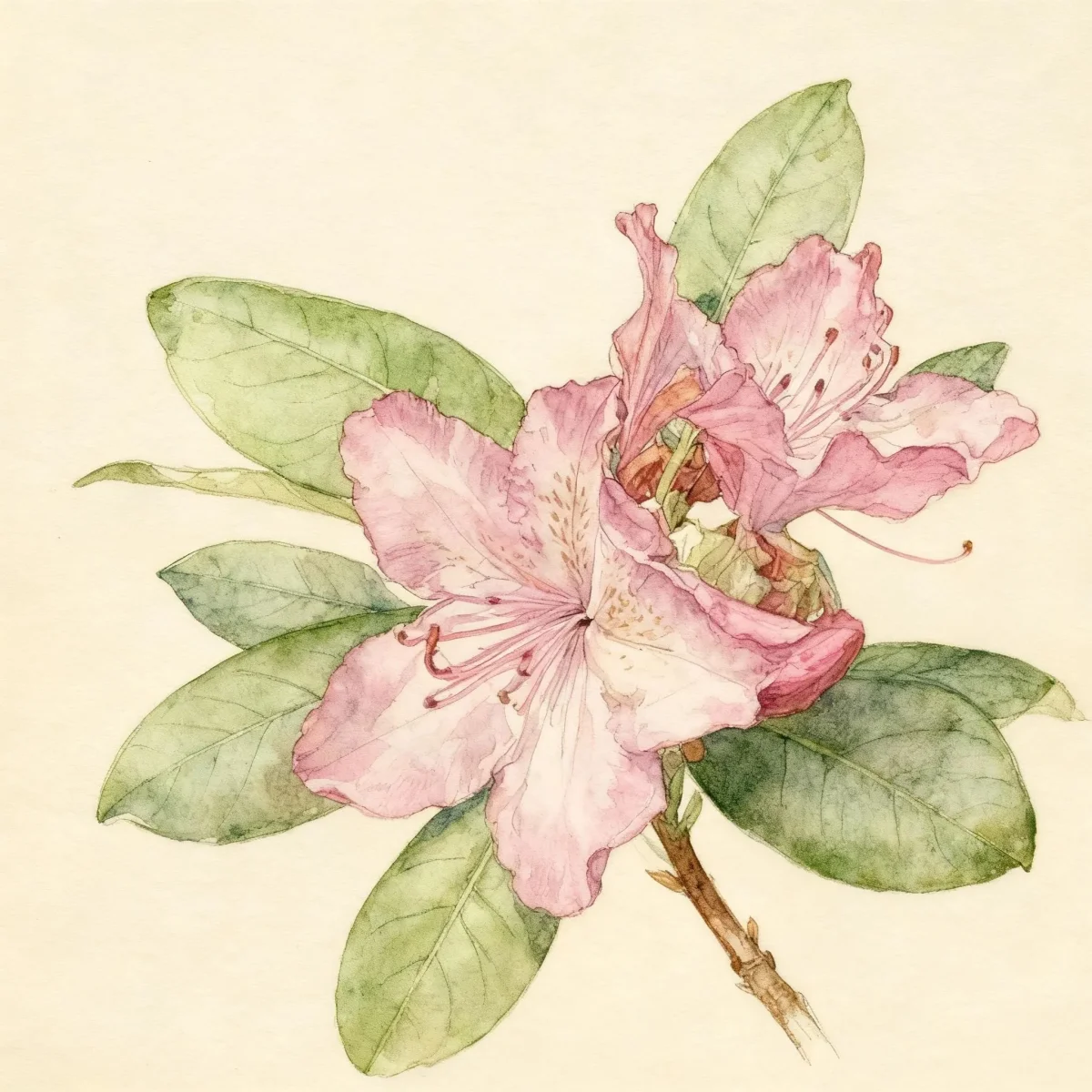
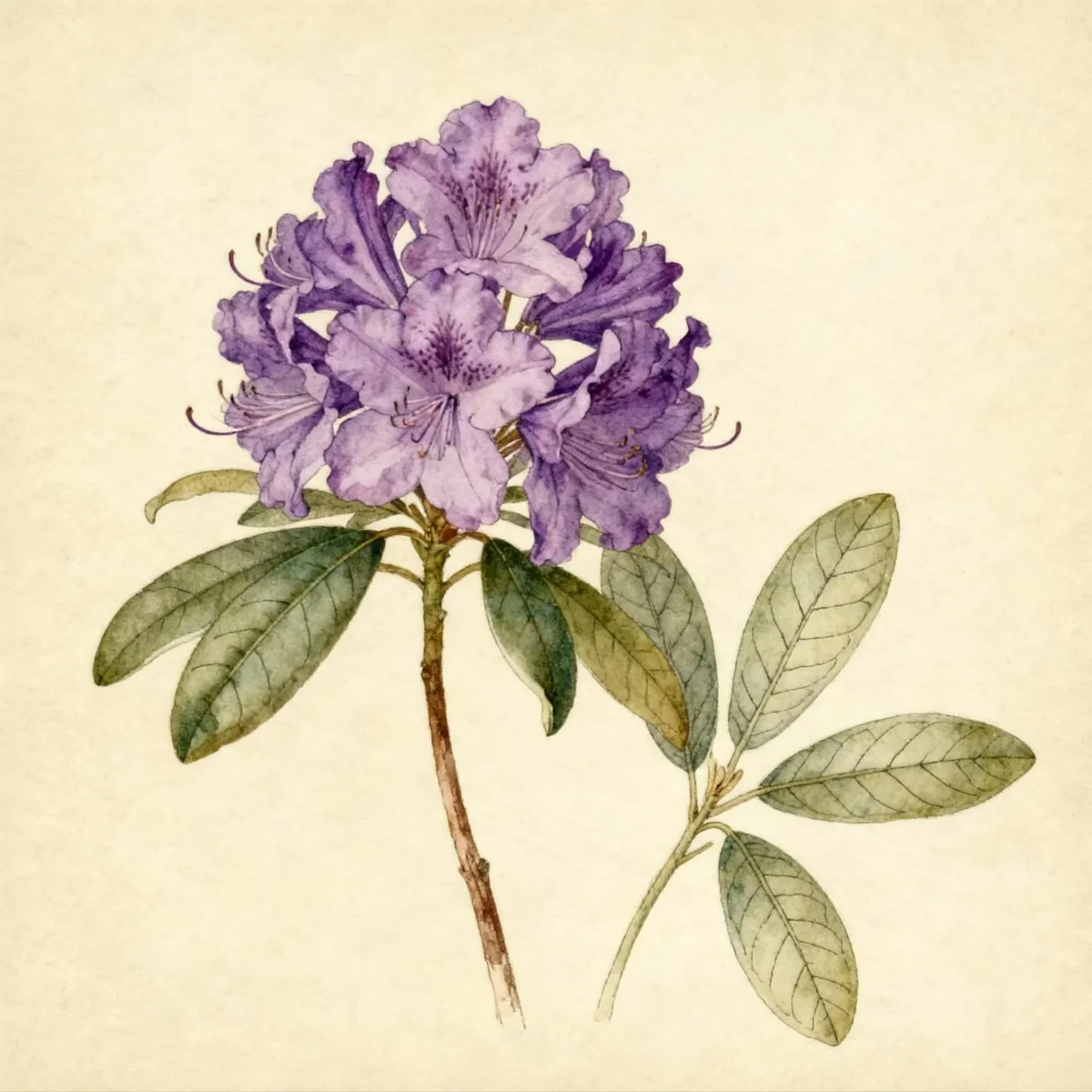
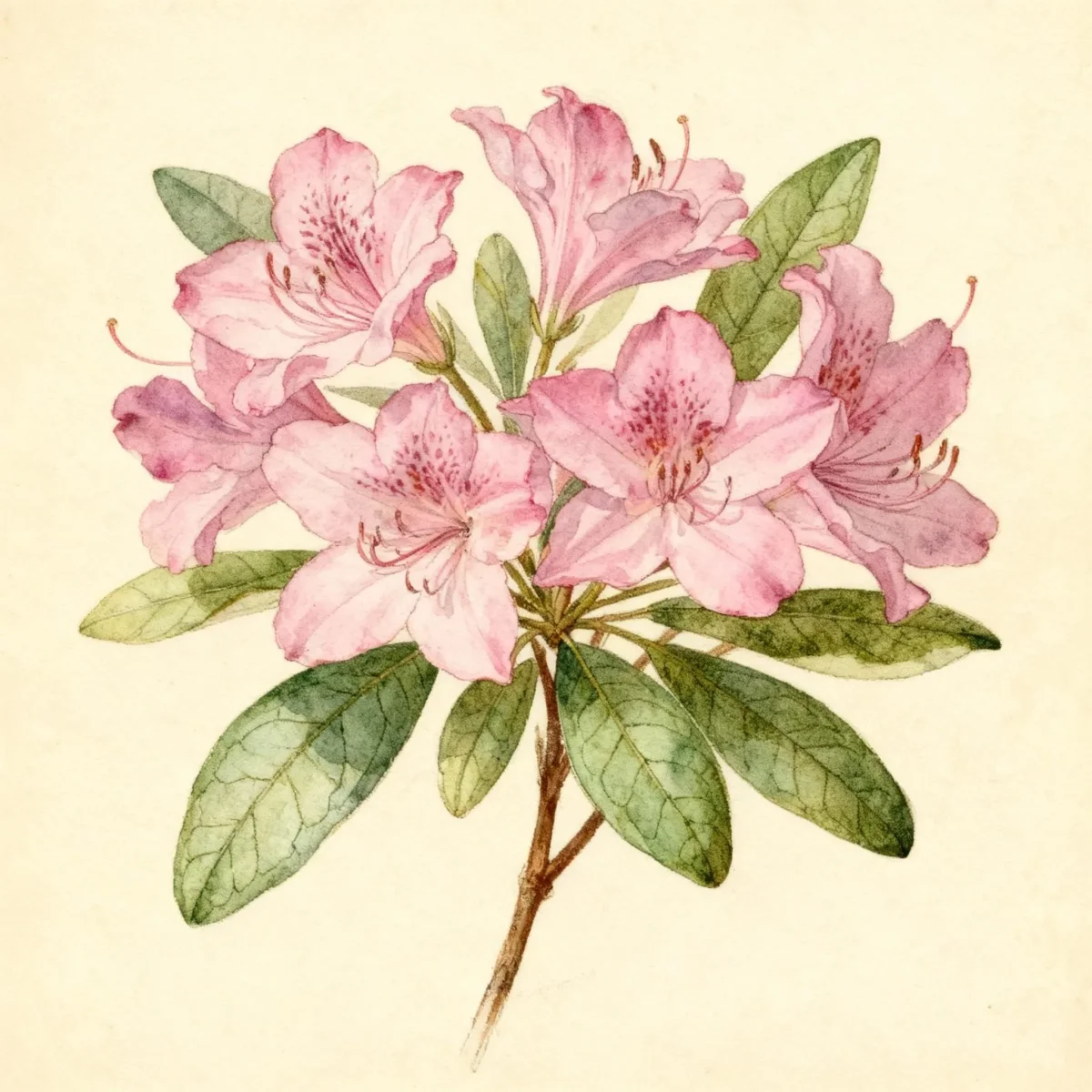
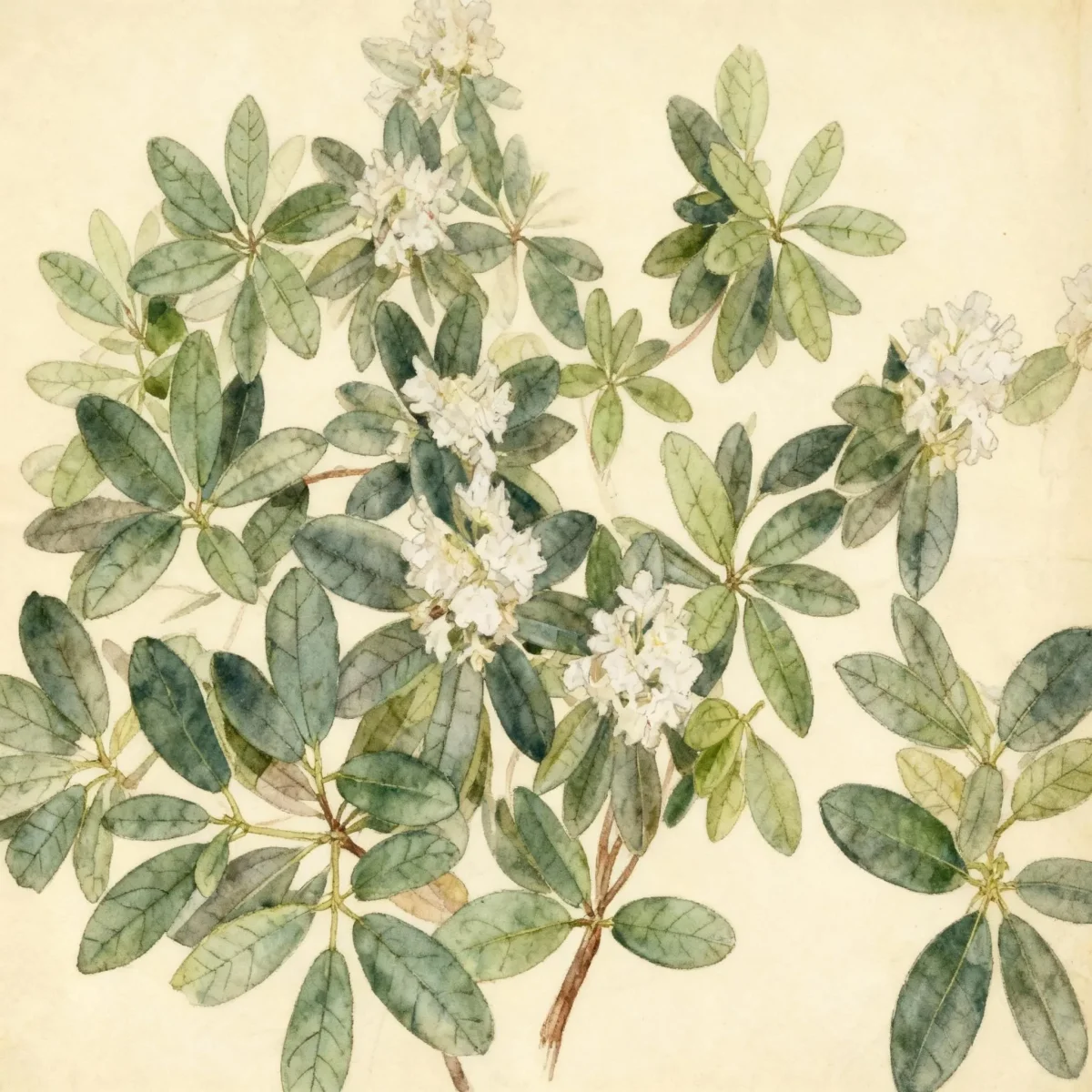
Rhododendron maximum, commonly called rosebay rhododendron or great laurel, is a large, upright, loose, multi-stemmed, late-blooming, evergreen shrub that is native to North America from Ontario and Nova Scotia south to Ohio, Alabama and Georgia with a concentration of plants in the southern Appalachian Mountains where it typically grows in dense thickets which dominate the understory in some locations. It typically grows to 5-15’ tall, but infrequently to 30-40’ tall in the heart of its native habitat. Large, leathery, strap-like, evergreen leaves (typically to 4-8” long) have undersides with a hint of rusty orange. Flowers (to 2” across) are rose-purplish to pink to white, often with olive green to orange spots. Flowers bloom in umbel-like inflorescences from June to early July. Fruit is an oblong seed capsule which splits open when ripe to release numerous seed.Genus name comes from the Greek words rhodo meaning rose and dendron meaning tree. Transferred from the Greek name for Nerium oleander.Specific epithet means largest.
Tolerances
- Rabbit
- Heavy Shade
Potential Problems
Rhododendrons are susceptible to many insect and disease problems, including but not limited to canker, crown rot, root rot, leaf spot, rust, powdery mildew, aphids, borers, lacebugs, leafhoppers, mealybugs, mites, nematodes, scale, thrips and whitefly. The most critical preventative measure is establishing the plant correctly in well-drained, acidic soil to avoid devastating fungal root and crown rots. Regularly inspect foliage for early signs of leaf spot or pest infestations like scale or lacebugs, treating promptly with appropriate horticultural oil or fungicide if necessary. A healthy plant in the proper environment should have limited problems, emphasizing preventative care over reactive treatment.
Frequently Asked Questions
What hardiness zones is Rosebay rhododendron suitable for?
The Rhododendron maximum is winter hardy across USDA Zones 3 through 7.
How large does Rosebay rhododendron grow?
This species typically reaches a mature height between 5 and 15 feet, with a spread generally ranging from 5 to 12 feet wide.
What sun exposure does Rhododendron maximum need?
The ideal environment for the Rhododendron maximum is part shade to full shade; heavy shade tolerance is one of its best attributes.
When does Rosebay rhododendron bloom?
Flowering occurs later in the season, typically from June into July, producing blooms described as rose-purplish to pink to white.
Conclusion
The Rosebay rhododendron offers enduring, deep-shade tolerance and reliable evergreen structure, making it a cornerstone plant for woodland gardens. Successful cultivation of Rhododendron maximum hinges on providing consistently acidic, moist, yet well-drained soil conditions. Before planting, verify your native hardiness zone compatibility (Zones 3-7) and prepare the soil to be rich in organic matter for years of enjoyment.
Companion Planting
Selecting appropriate companions is key to building a thriving acidic planting scheme around your Rhododendron maximum. Plants that share a preference for cool, moist, highly acidic soil will naturally thrive alongside it. Good companions include deciduous Azaleas, which offer brilliant fall color contrast to the evergreen leathery leaves, and understory trees like Dogwoods (Cornus species) that offer higher canopy shade.
Groundcovers that appreciate consistent moisture and acidity are also excellent partners. Consider using Hellebores (Lenten Rose) for early spring color or various native ferns whose fine texture contrasts beautifully with the Rhododendron’s broad leaves. Avoid plants that require alkaline soil or prefer hot, dry conditions, as they will quickly decline near the thirsty roots of the Rosebay rhododendron.
Seasonal Care Calendar
Spring preparation is vital: apply a generous layer of acidifying mulch (pine needles work perfectly) around the drip line. This helps stabilize the soil temperature and retain moisture as temperatures rise. Post-bloom care involves monitoring water needs closely; ensure deep watering during dry spells to keep the shallow roots happy.
During the summer, focus strictly on moisture management; never allow the soil to dry out completely. Avoid deep cultivation near the base of your Rhododendron maximum to protect the susceptible surface roots. If needed, apply a light application of an acidifying fertilizer formulation early in the growing season, following label instructions carefully.
As fall approaches, ensure the plant receives adequate moisture before the ground freezes; this “winter hydration” helps prevent winter burn in its broad evergreen leaves. Minimal pruning is usually required, aside from removing dead or crossing branches in the early spring before new growth starts.