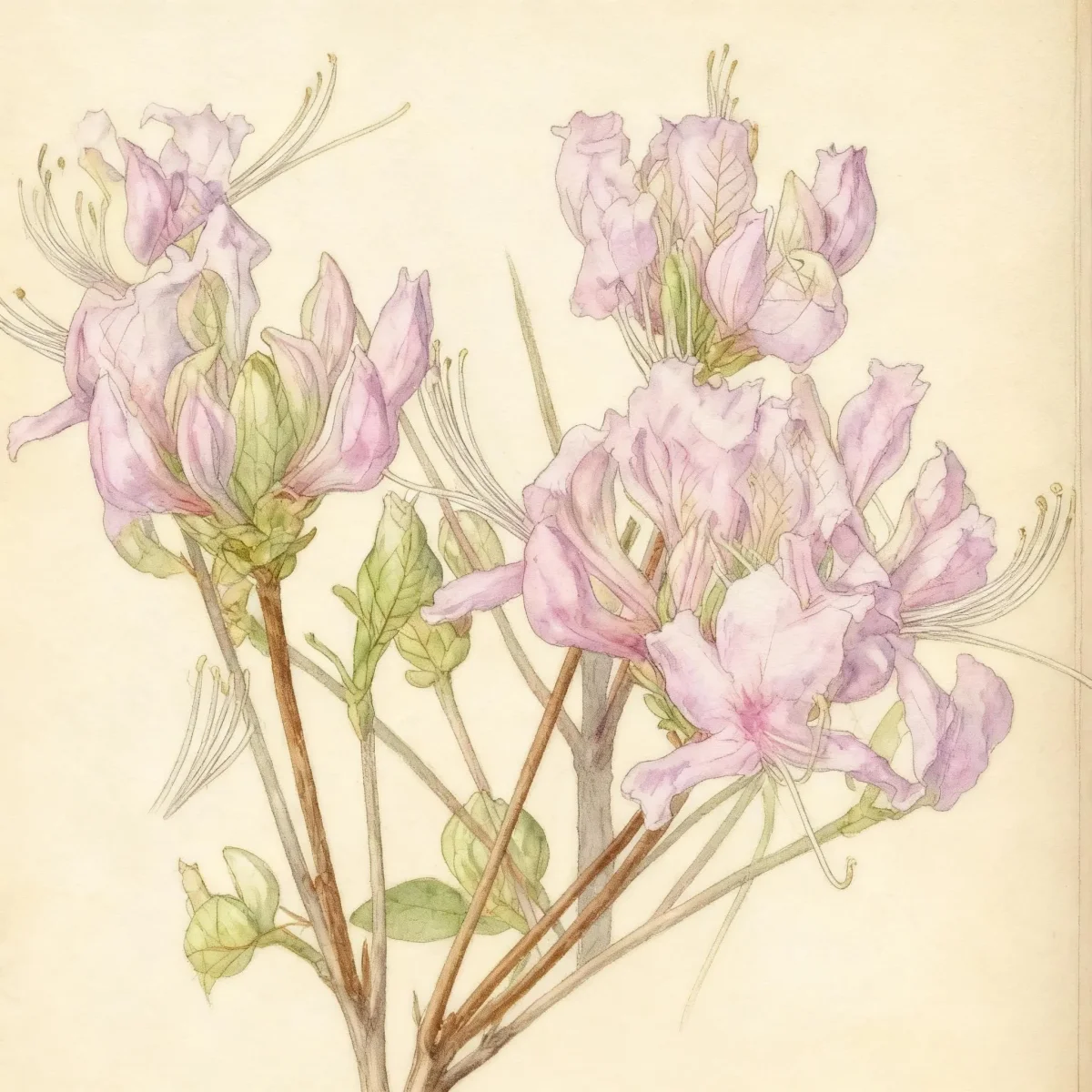
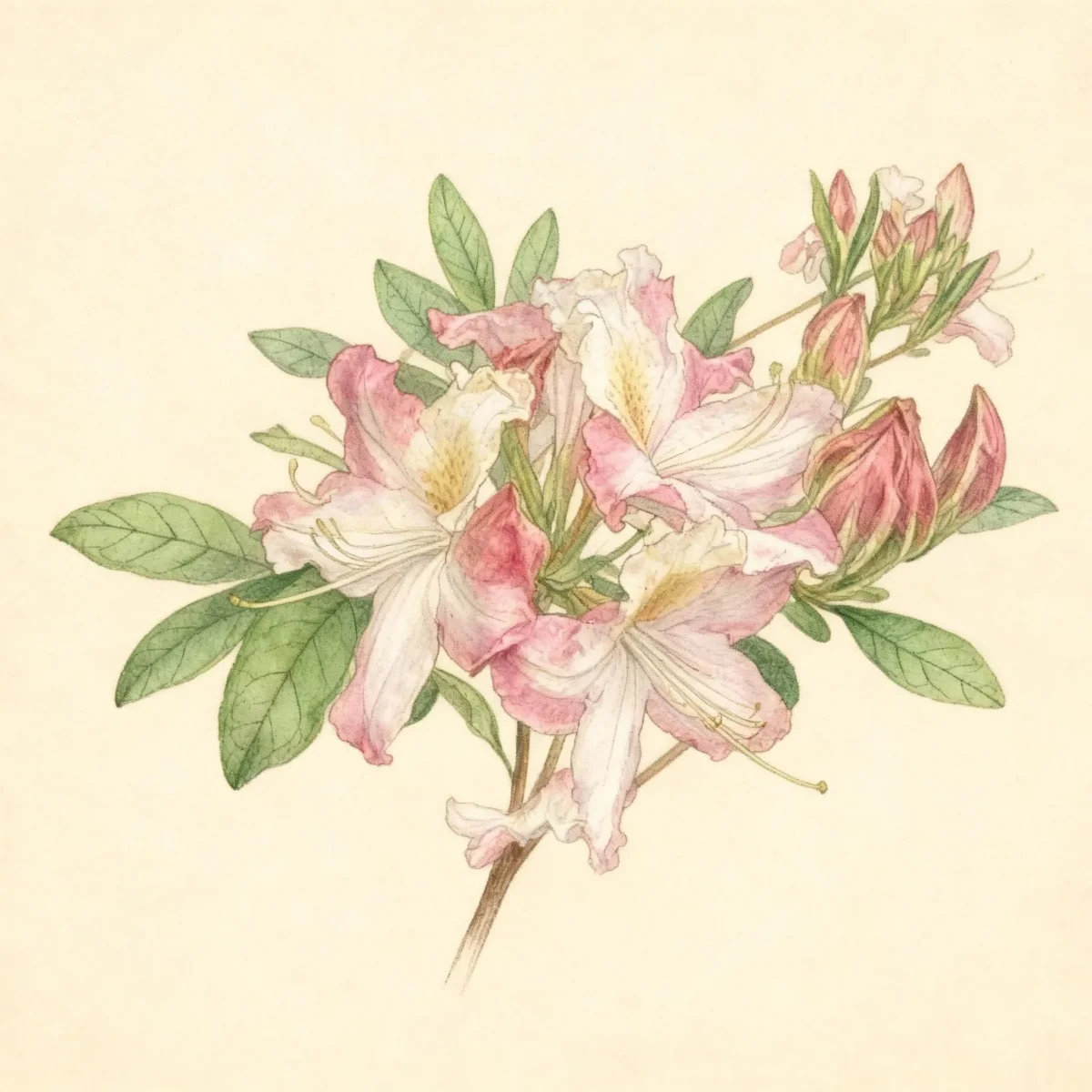
Roseshell azalea (Rhododendron prinophyllum)
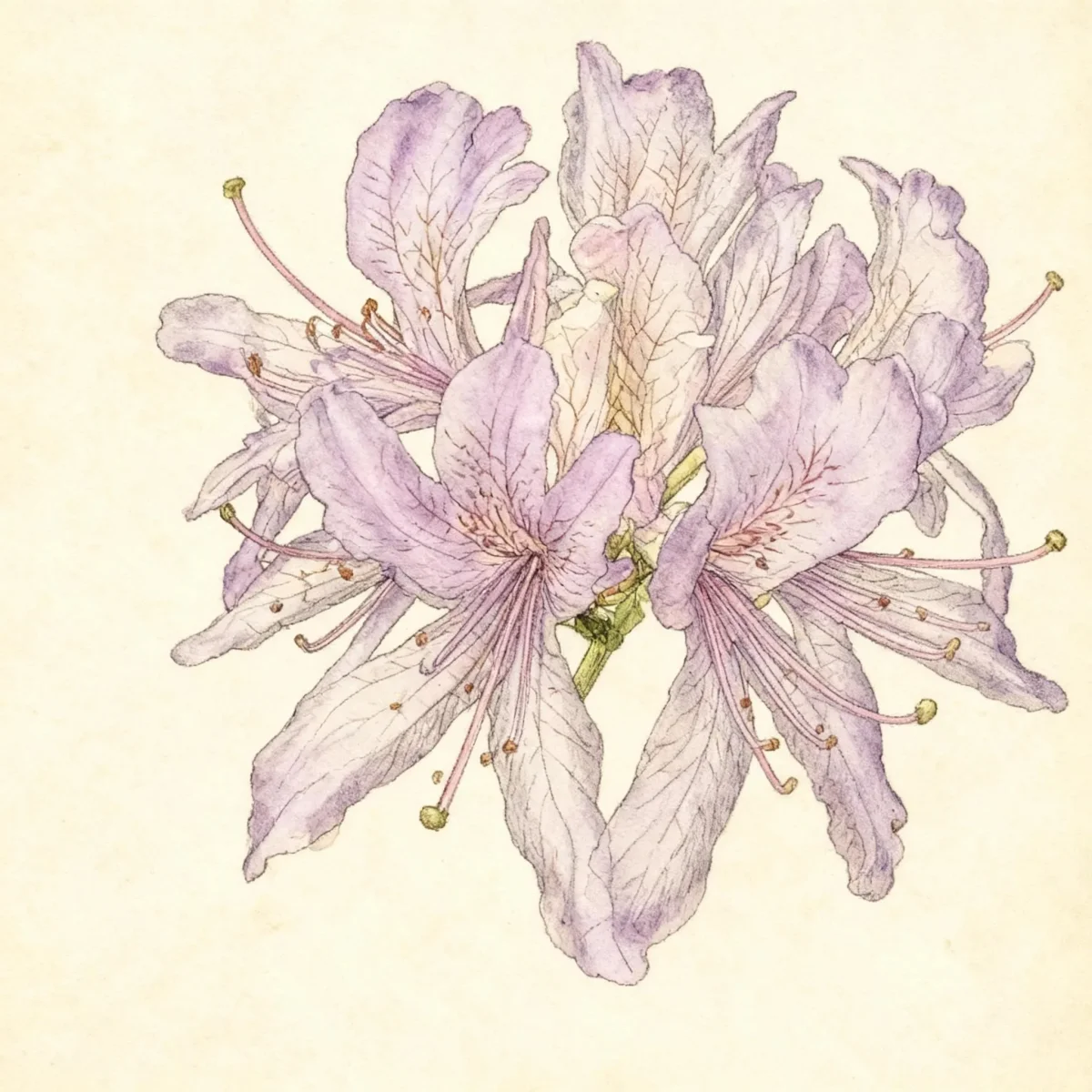
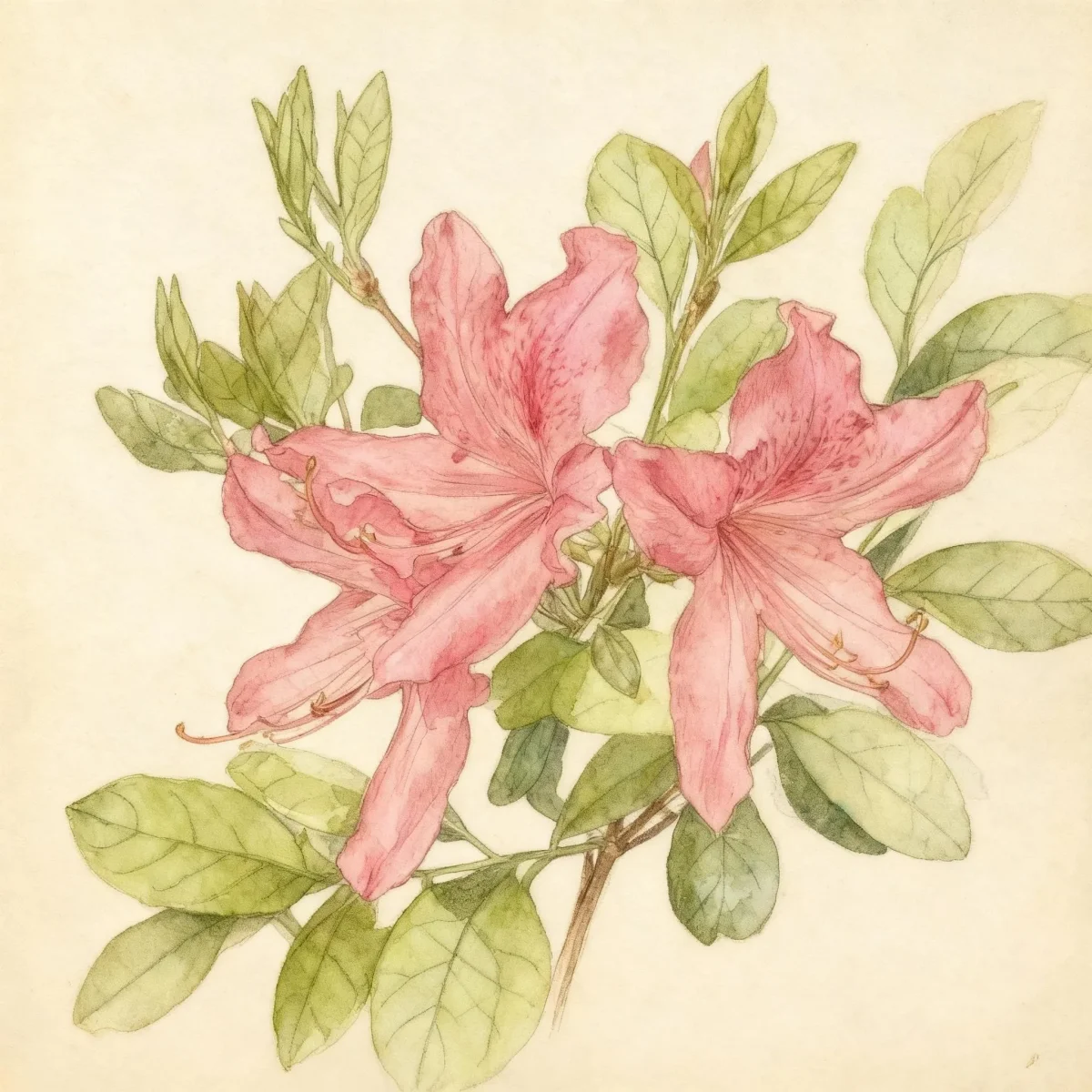
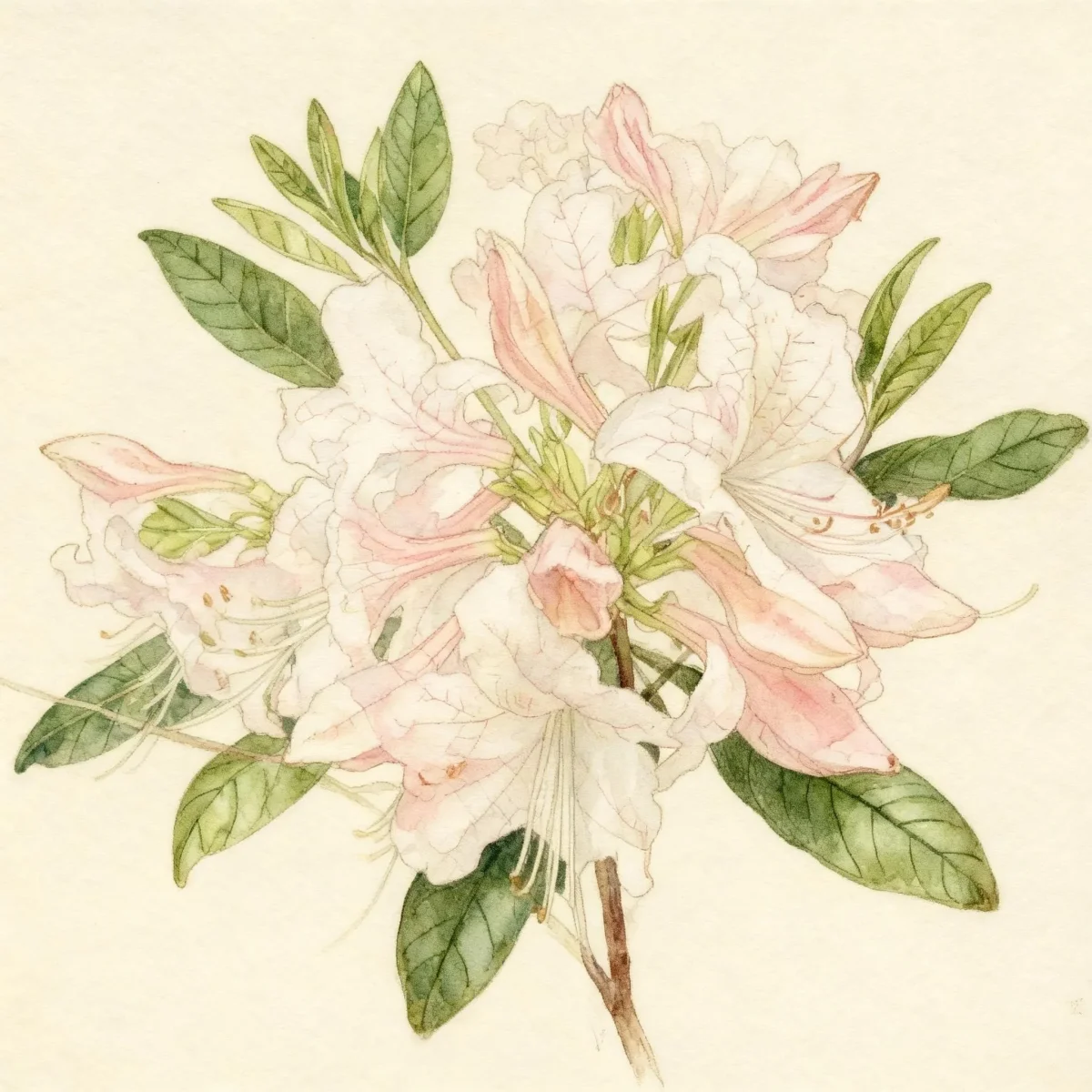
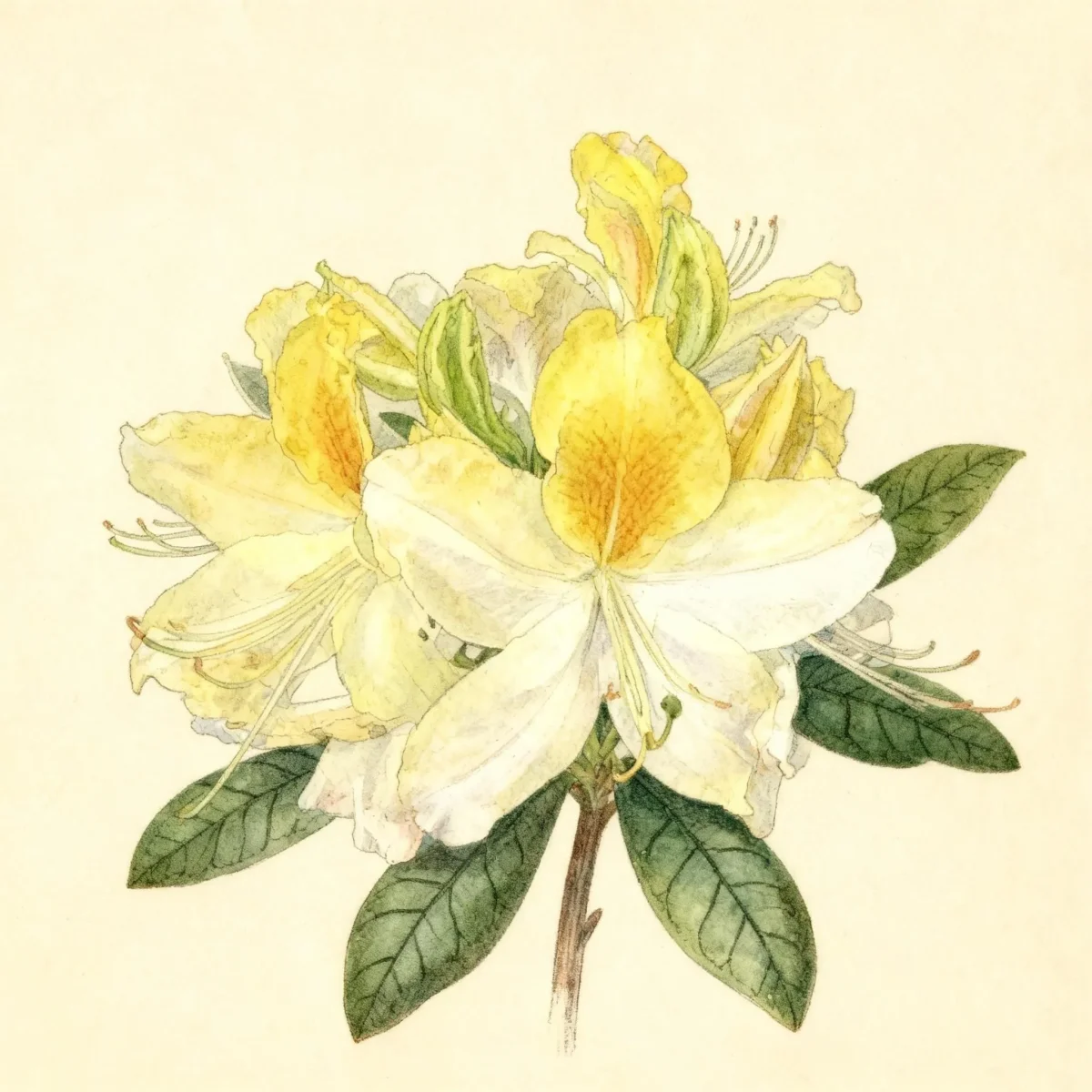
The fragrant Roseshell azalea (Rhododendron prinophyllum) is a showy flowering deciduous shrub hardy in Zones 3-8.
Scroll down to discover growing tips, care requirements, companion plants, and more
Complete Plant Information
Overview
The Roseshell azalea, Rhododendron prinophyllum, is a highly valued native deciduous shrub prized for its early spring brilliance and distinct fragrance. Its showy pink flowers often appear just before or simultaneously with the foliage emerging, signaling the start of the season in the landscape. This species, also known simply as Rhododendron prinophyllum, is exceptionally winter hardy, making it a reliable choice for cooler climates.
As an upright, rounded shrub, the Roseshell azalea brings natural structure to woodland plantings. Gardeners appreciate its adaptability within its native range across the central and eastern United States, provided its specific soil and moisture requirements are met. The flowers possess a pleasant, clove-like fragrance, adding an aromatic layer to the spring display.
In addition to its blooms, the bright green foliage of this Rhododendron prinophyllum turns an attractive bronzish hue in the fall, providing extended seasonal interest. It serves not only as an excellent specimen but also contributes to authentic native plant gardens, layering early color beneath taller trees.
Fast Facts
- Plant Family: Ericaceae
- Plant Type: Deciduous shrub
- Native Range: Central and eastern United States
- Hardiness Zones: USDA Zones 3-8
- Size at Maturity:
- Height: 4-8 ft
- Spread: 4-8 ft
- Bloom Time: April to May
- Bloom Description: Pink
- Sun Exposure: Part shade
- Water Needs: Medium
- Maintenance Level: Medium
How to Grow
The key to successfully growing Rhododendron prinophyllum lies entirely in soil preparation. Plant this azalea in the spring or fall whenever possible, choosing a location that receives consistent part shade. The ideal substrate must be rich, humusy, acidic, and possess excellent drainage. Organically rich, moisture-retentive soils that drain well are non-negotiable; poor drainage invariably leads to damaging root rot.
If you have heavy clay soils, consider planting the Roseshell azalea atop a slight mound or raised bed to improve the necessary drainage profile. Watering should be consistent; maintain medium moisture levels, ensuring the soil never completely dries out, especially since its roots are shallow. These shallow roots benefit significantly from a deep layer of organic mulch, such as pine needles or oak leaves, which aids in moisture retention and moderates soil temperature swings.
Maintenance for Rhododendron prinophyllum is generally low. Pruning is rarely necessary; only remove crossing or dead branches lightly after flowering if structural correction is needed. Avoid cultivating deeply around the base of the plant, as this can damage the fine surface roots. No heavy fertilization is generally required if the soil is naturally rich and amended with organic matter.
Landscape Uses
The Roseshell azalea is versatile enough for several strategic landscape roles, enhancing both formal and naturalized settings. Use it effectively as a specimen plant to showcase its early spring pink blooms, or mass it for a stunning, fragrant drift in woodland gardens. Because it is native, it integrates beautifully into native plant gardens, replicating its preference for wooded, north-facing slopes.
In mixed borders or shrub borders, place the Roseshell azalea where its medium stature (4–8 ft) allows it to complement taller evergreens or smaller spring bulbs planted beneath it. While generally kept in the ground, its aesthetic appeal makes it an excellent choice for large, acid-friendly containers near patios where its clove-like fragrance can be easily appreciated. Ensure companions share the need for acidic, well-drained soil and part shade conditions.
Standout Features
Flower Qualities
- Showy
- Fragrant
Noteworthy Characteristics
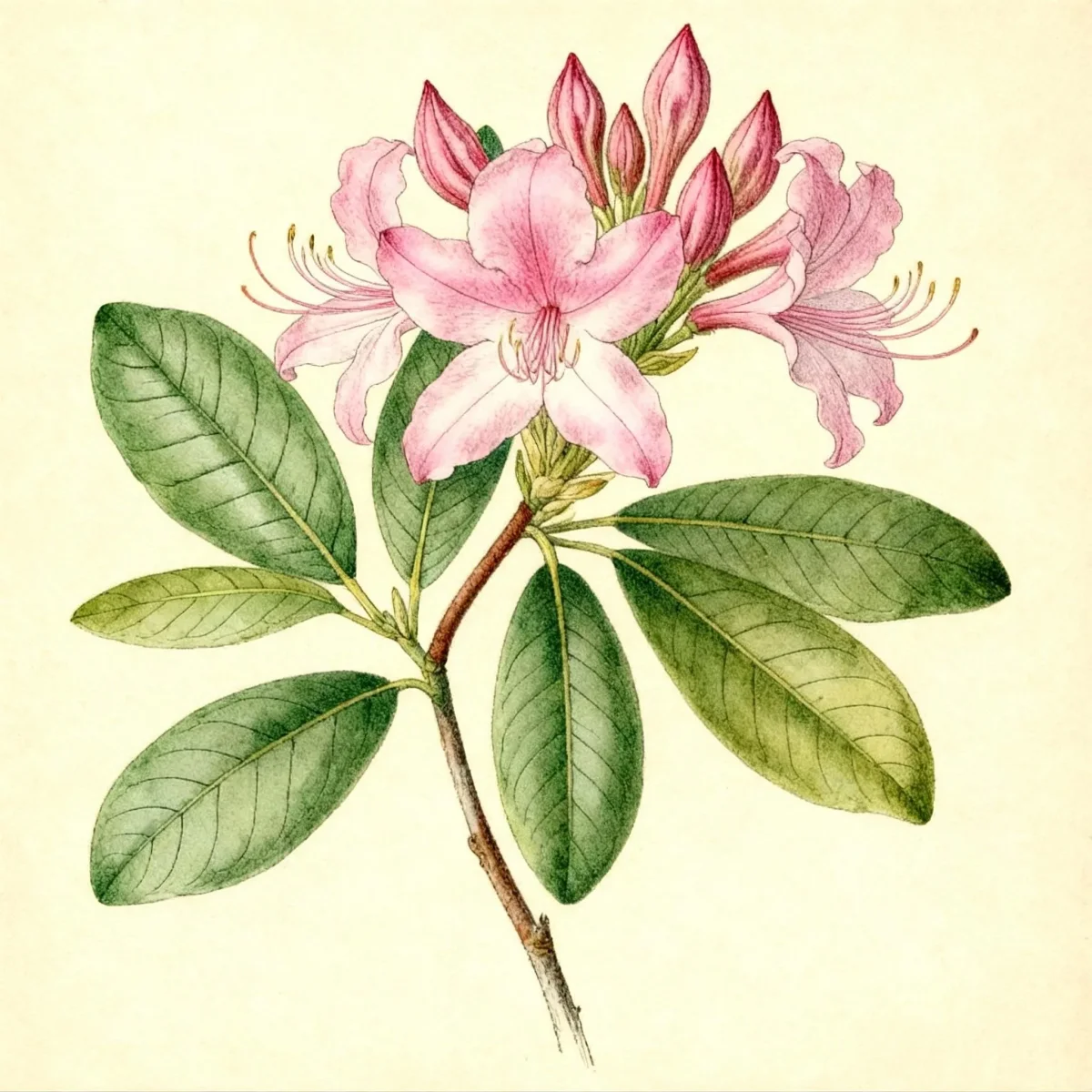
Rhododendron prinophyllum, commonly called early azalea or roseshell azalea, is a deciduous azalea native to Missouri, often found naturally on wooded slopes and ravines. Pink flowers appear in trusses of 5-9 blooms in early spring, possessing a pleasant, clove-like fragrance before the foliage fully emerges. The bright green leaves turn bronzish in the autumn, and this species is noted for its extreme winter hardiness.
Tolerances
- Rabbit
Potential Problems
While stunning, the Roseshell azalea can be susceptible to a wide range of pests and diseases if cultural conditions are not ideal. Common issues include powdery mildew, various blights, and root rots, especially where drainage is poor. Insect infestations may involve aphids, borers, scale, and lacebugs. The most significant preventative measure is ensuring the plant is situated in its preferred environment: rich, acidic, well-drained soil in part shade. A healthy Rhododendron prinophyllum properly cared for will naturally exhibit fewer problems over time.
Frequently Asked Questions
What hardiness zones is Roseshell azalea suitable for?
The Roseshell azalea (Rhododendron prinophyllum) is remarkably hardy, thriving successfully in USDA Zones 3 through 8.
How large does Roseshell azalea grow?
This species typically matures as an upright, rounded shrub reaching heights between 4 and 8 feet, with a similar spread of 4 to 8 feet wide.
What sun exposure does Rhododendron prinophyllum need?
Rhododendron prinophyllum prefers protection from intense afternoon sun and grows best when situated in part shade conditions.
When does Rhododendron prinophyllum bloom?
This azalea displays its fragrant, pink flowers in the spring, generally blooming from April into May.
Conclusion
The deeply fragrant and showy spring flowers ensure that the Roseshell azalea (Rhododendron prinophyllum) remains a premier choice for shade gardens seeking early seasonal color. By meticulously matching its need for acidic, humusy, and perfectly draining soil, gardeners can cultivate this hardy native shrub for decades of enjoyment. Before planting, verify your site conditions, particularly drainage, to ensure your Roseshell azalea thrives.
Companion Planting in Native Gardens
When selecting companions for Rhododendron prinophyllum, prioritize plants that share the Ericaceous preference for acidic soil and thrive in dappled shade. Good partners include native ferns, such as Christmas or Ostrich ferns, which offer contrasting texture beneath the azalea canopy. Smaller acid-loving shrubs like Mountain Laurel (Kalmia latifolia) or native Huckleberry (Gaylussacia) can provide layered interest without competing heavily for moisture if mulched well.
For spring ephemeral interest before the Roseshell azalea fully leafs out, consider groundcovers like Wild Ginger (Asarum canadense) or woodland phlox, which tolerate similar light conditions. This approach maintains a cohesive understory appropriate for the natural woodland setting where Rhododendron prinophyllum naturally occurs. Proper spacing is crucial to allow airflow around the base of the azalea.
Seasonal Care Calendar
Spring is the critical time to ensure optimal conditions as the Roseshell azalea breaks dormancy and sets flower buds. Apply a fresh layer of acidic organic mulch (like pine bark fines) around the drip line after the soil thaws, avoiding direct contact with the crown. Throughout the summer, monitor moisture levels closely, providing deep, slow watering during dry spells, as these shallow-rooted shrubs cannot tolerate drying out.
As fall approaches, rake away any dead leaves from other deciduous plants but leave the pine needle or bark mulch in place. Avoid heavy fertilization this late in the season; instead, focus on soil enrichment when necessary during the early spring. Winter protection is usually unnecessary due to the excellent hardiness of Rhododendron prinophyllum, but young plants may benefit from wind protection in Zone 3 if exposed to harsh prevailing winter winds.