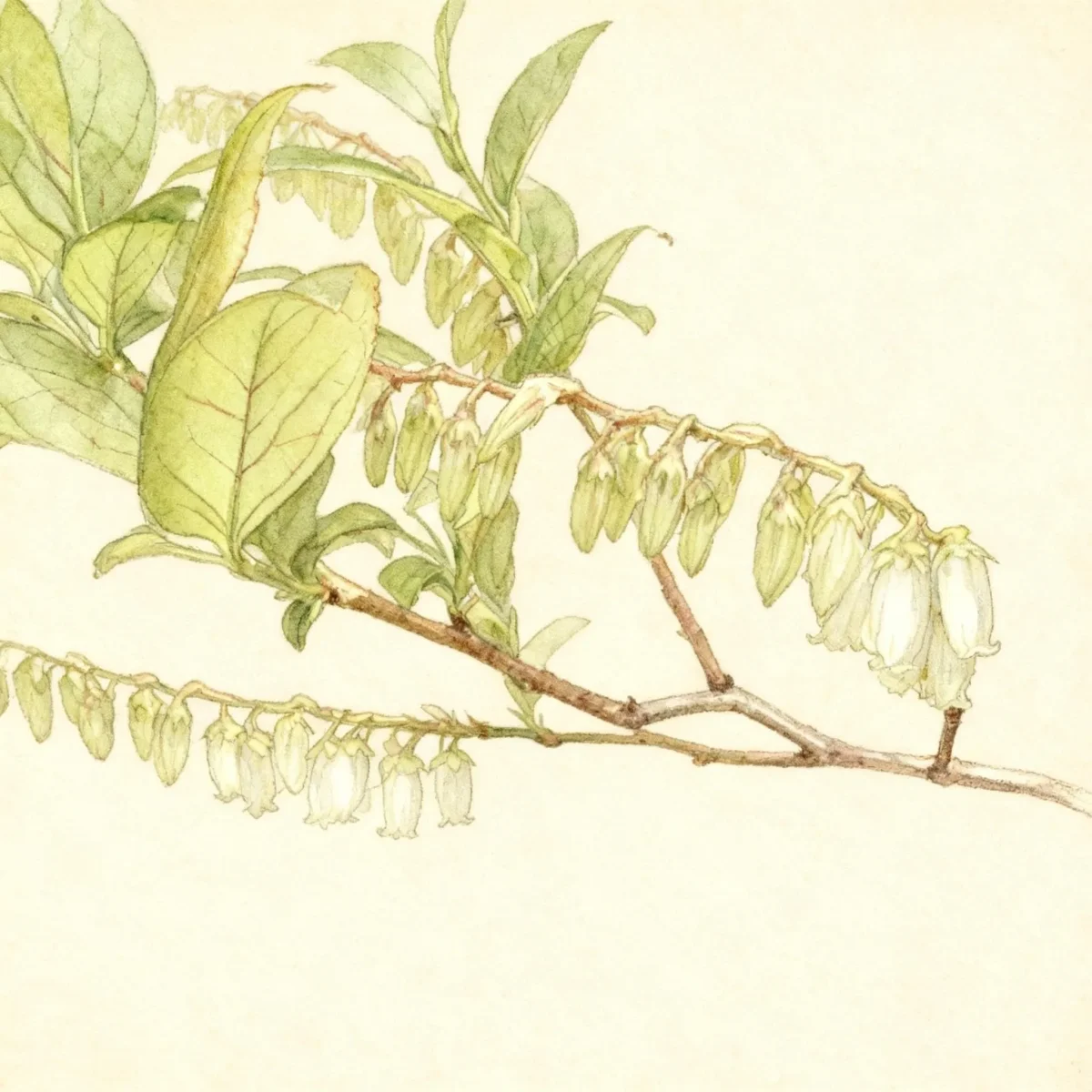
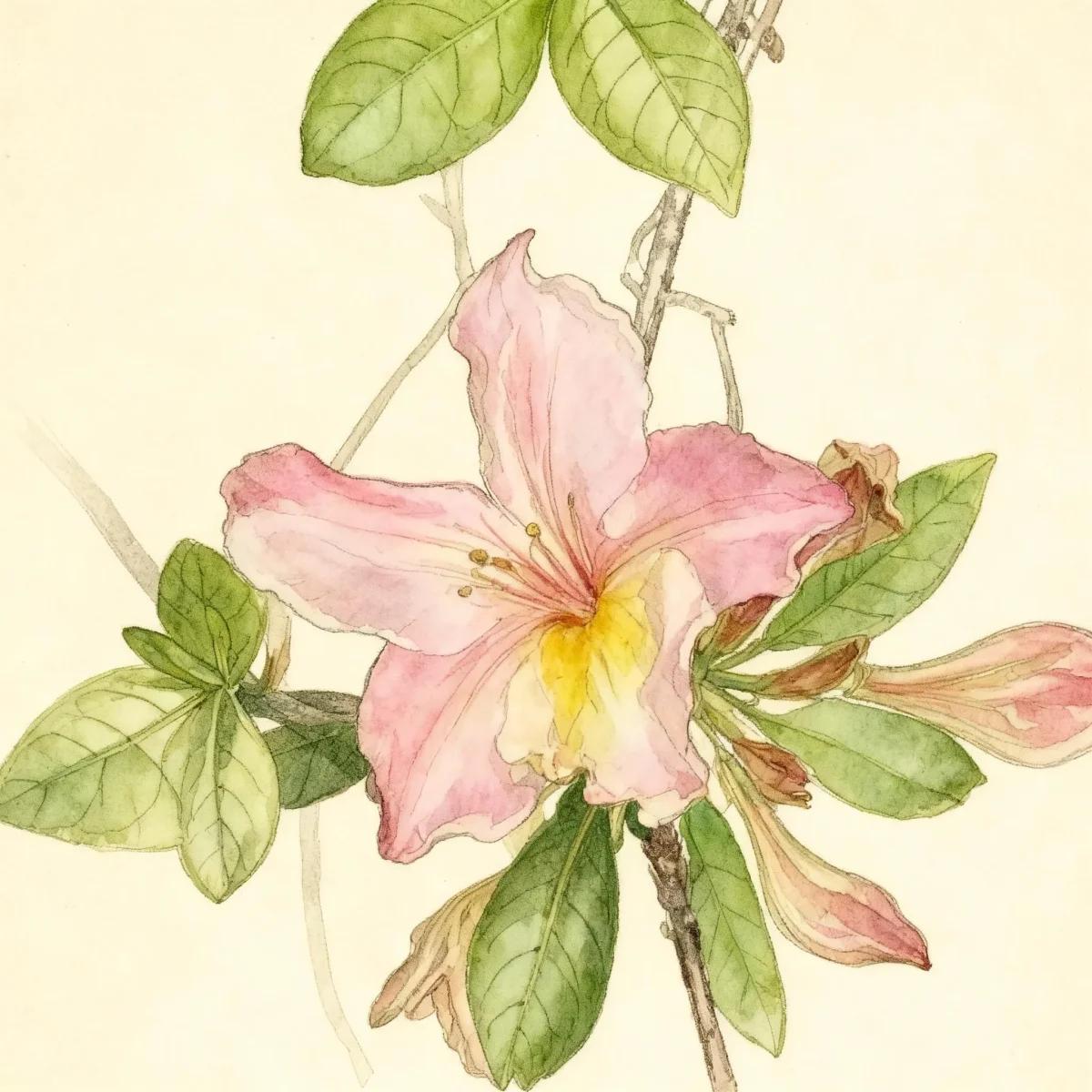
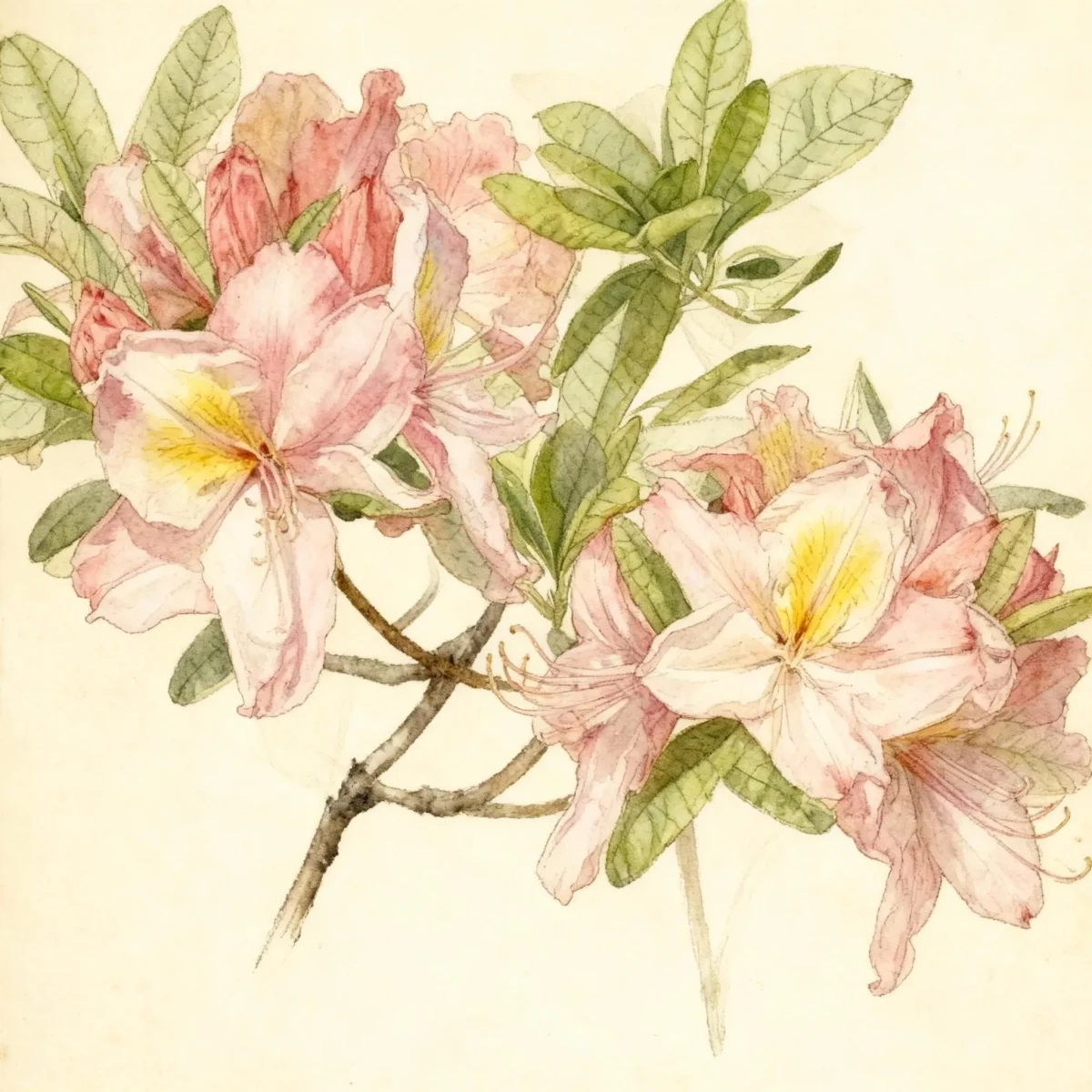
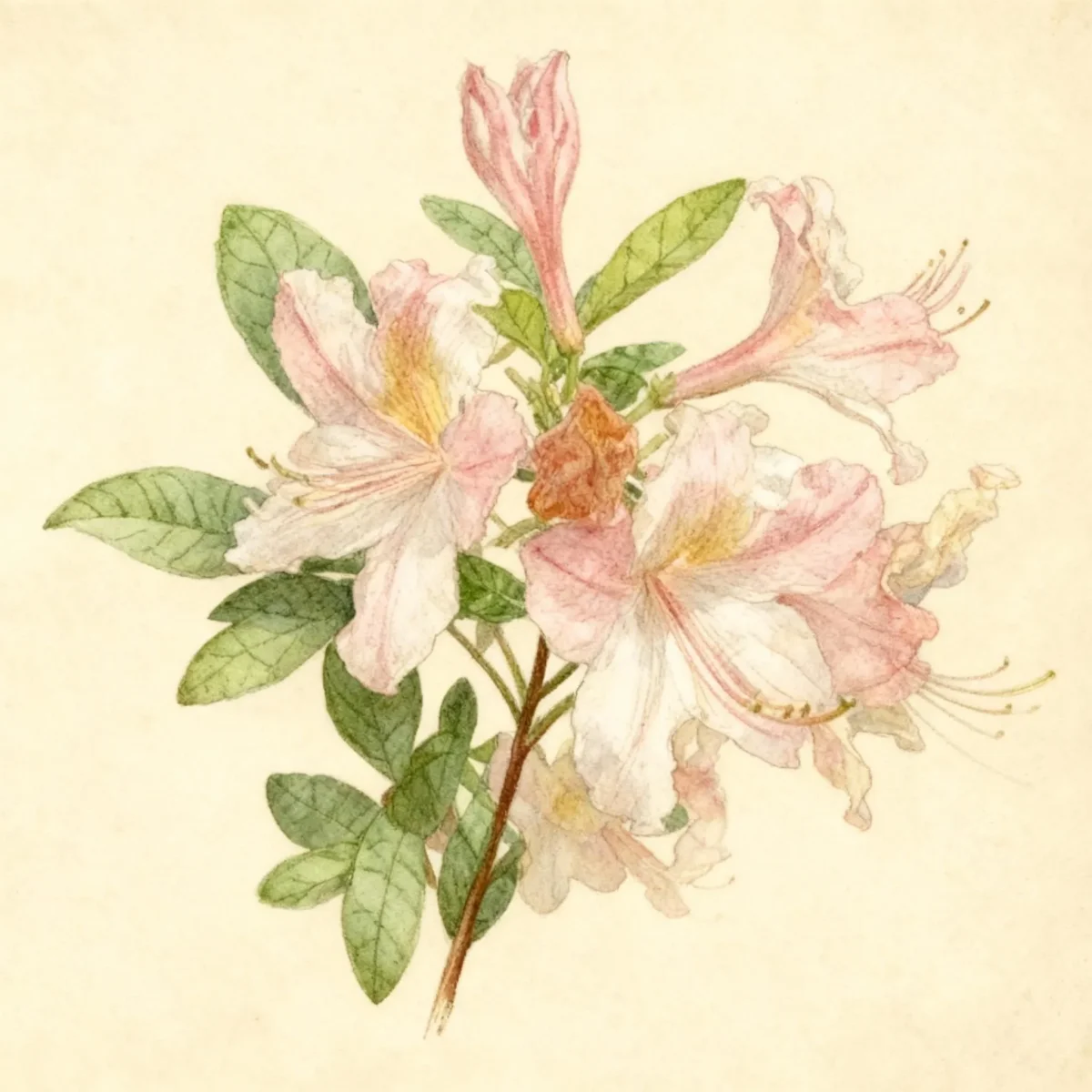
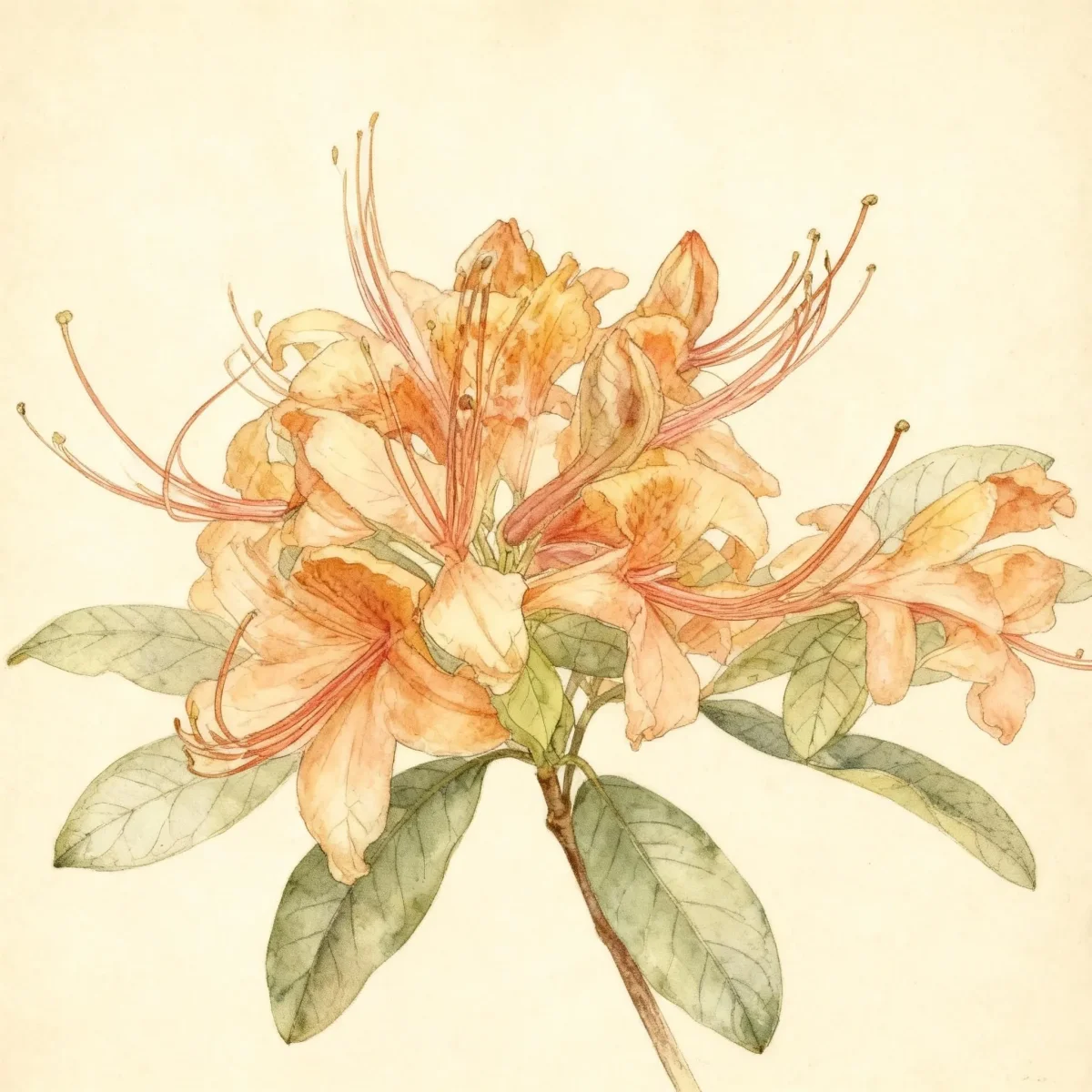
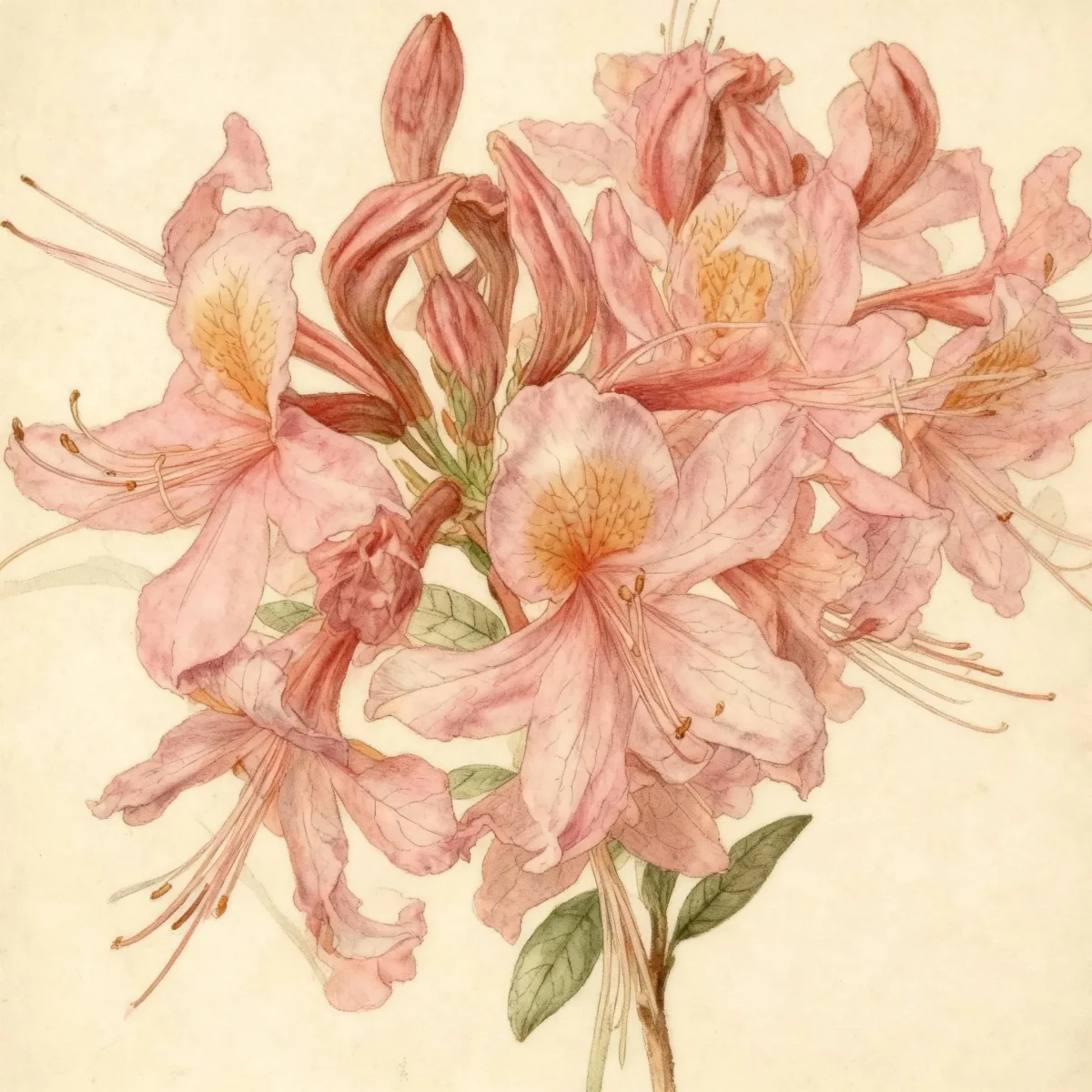
Swamp azalea (Rhododendron viscosum)
Rhododendron viscosum, or Swamp azalea, offers fragrant May-July blooms in moist, part-shade native gardens across the Eastern US.
Scroll down to discover growing tips, care requirements, companion plants, and more
Complete Plant Information
Overview
The Swamp azalea (Rhododendron viscosum) is a valuable native shrub celebrated for its late-season fragrance and adaptability to moist conditions that often challenge other rhododendrons. This deciduous shrub provides structure and late spring/early summer color, typically blooming after many earlier woodland varieties have finished. Its presence enhances native plant gardens by providing reliable texture and fragrant flowers in marginal areas.
As a species truly tolerant of wet feet, Rhododendron viscosum thrives where many ornamentals fail—in swampy lowlands or areas with seasonally high water tables. It forms an upright, spreading presence, making it useful for screening and mass plantings within damp sites. Gardeners appreciate this native azalea as it brings the ecology of Eastern U.S. wetlands into cultivated landscapes.
The flowers of Rhododendron viscosum are notably fragrant, emitting a musky, clove-like aroma, which attracts pollinators later in the season. With shallow roots requiring consistent moisture, managing the soil pH is crucial for success, ensuring this beautiful shrub remains an asset rather than a struggle.
Fast Facts
- Plant Family: Ericaceae
- Plant Type: Deciduous shrub
- Native Range: Eastern and southern United States
- Hardiness Zones: USDA Zones 4-9
- Size at Maturity:
- Height: 3-5 ft
- Spread: 3-5 ft
- Bloom Time: May to July
- Bloom Description: White to pale pink
- Sun Exposure: Part shade
- Water Needs: Medium to wet
- Maintenance Level: Medium
How to Grow
Establish this Swamp azalea in an environment that mimics its native swampy lowlands: acidic, humus-rich, and consistently moist soil. While it tolerates poor drainage better than most, avoid sites where roots will remain perpetually submerged. Planting in high, open part shade or sun-dappled shade is ideal, as full sun can scorch the leaves unless watering is strictly uniform and ample.
Soil preparation is key; acidify soils thoroughly before planting and maintain acidity thereafter. If you plan to use bark or pine needle mulch, this helps stabilize soil temperatures and retains the moisture that Rhododendron viscosum roots demand—they must never dry out. Because the root system is fibrous and shallow, avoid cultivation immediately around the base of the shrub.
Maintenance is relatively straightforward for this medium-maintenance plant. Prune lightly by clipping spent flower clusters immediately after blooming ceases, which is practicable for small numbers of plants. Be vigilant about siting; never plant near Black Walnut or Butternut trees, as the juglones they release are toxic to all azaleas. Protection from strong winter winds also contributes to excellent long-term health.
Landscape Uses
The Swamp azalea excels when integrated into naturalistic settings, particularly open woodland gardens or native plant borders where moisture retention is high. Its height range of 3 to 5 feet makes it perfect for the middle layer of mixed borders or planted in groups near stream margins or perennial water features where its moisture tolerance is an advantage.
As a functional plant, Rhododendron viscosum performs admirably as a hedge, providing soft, green screening that transitions beautifully into early summer. Consider grouping it with earlier blooming azaleas to achieve a sequence of color across the late spring and early summer seasons. Its suitability as a specimen plant near patios is enhanced by its fragrant bloom display during the early summer months.
For a truly native tapestry, pair Rhododendron viscosum with other acid-loving, moisture-tolerant plants such as certain ferns, sphagnum mosses, or Itea virginica (Virginia Sweetspire). This strategy ensures all surrounding plants share similar cultural demands, simplifying long-term care and maximizing visual appeal.
Standout Features
Flower Qualities
- Showy
- Fragrant
- Good Cut
Noteworthy Characteristics
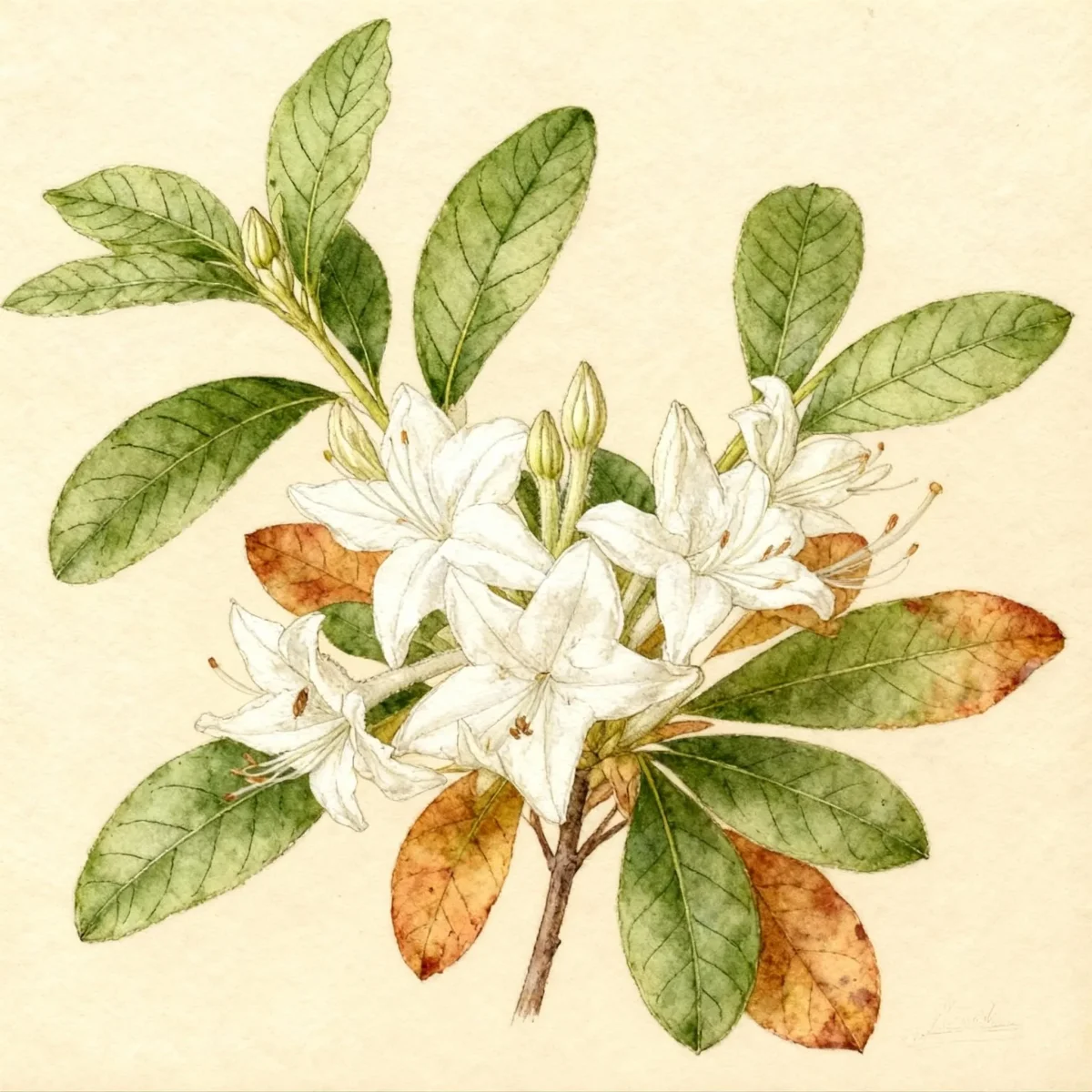
Rhododendron viscosum, commonly known as swamp azalea, is a loose, upright-spreading, deciduous woody shrub that typically grows to 3-5’ tall and is native to wet lowlands across the Eastern U.S. It bursts into bloom from May to July with fragrant, tubular, white to pale pink flowers, often being one of the last native azaleas to flower. The specific epithet viscosus refers to a sticky substance excreted by glandular hairs on the corolla tubes of its flowers.
Tolerances
- Rabbit
- Wet Soil
Potential Problems
Azaleas, in general, are susceptible to various cultural and pest issues including leaf spots, root rot, and pests like lacebugs and mites. The primary defense against these problems when growing Swamp azalea is ensuring the correct environment is maintained—specifically acidic soil and consistent moisture but not saturation.
Root rot, a common concern for many containerized azaleas, is less likely in Rhododendron viscosum due to its natural tolerance for wet soils, though standing water should still be avoided. If pests become noticeable, immediate identification is key for targeted organic treatments to prevent minor infestations from escalating into significant damage on your deciduous shrub.
Frequently Asked Questions
What hardiness zones is Swamp azalea suitable for?
The Swamp azalea (Rhododendron viscosum) is reliably hardy across USDA Zones 4 through 9.
How large does Rhododendron viscosum grow?
This shrub typically reaches a mature height between 3 to 5 feet, with a matching spread of 3 to 5 feet.
What sun exposure does Rhododendron viscosum need?
Rhododendron viscosum requires part shade for the best performance, thriving in dappled sunlight or high open shade locations.
When does Swamp azalea bloom?
The bloom period for this native species is notably late, occurring from May through July, featuring white to pale pink flowers.
Conclusion
The Swamp azalea offers gardeners reliable structure, striking late-season fragrance, and unique tolerance for saturated ground, making it indispensable for damp garden areas. Integrating Rhododendron viscosum into your landscape ensures you support native ecology while enjoying beautiful white flowers. Before planting, confirm your local site conditions align with USDA Zones 4-9 requirements and ensure soil acidity is correctly established.
Companion Planting
Selecting companions for Rhododendron viscosum should focus on species that share its preference for acidic soil and consistently moist conditions. Plants thriving in wet, shady margins create a cohesive and ecologically sound grouping. Consider pairing it with moisture-loving understory plants that do not require deep cultivation near the azalea’s shallow roots.
Native ferns, such as the Cinnamon Fern (Osmundastrum cinnamomeum) or Royal Fern (Osmunda regalis), thrive in similar wet, acidic contexts and provide excellent textural contrast to the azalea’s fine foliage. Additionally, bog orchids or other ericaceous plants that appreciate high humidity and acidic leanings would make excellent neighbors.
Avoid plants that prefer dry, alkaline soils or that have aggressive, shallow roots that compete intensely for nutrients. By grouping the Swamp azalea with compatible moisture lovers, you minimize maintenance and optimize the health of this unique native shrub.
Seasonal Care Calendar
Spring preparation is vital for Rhododendron viscosum; ensure the soil remains consistently moist as new growth emerges. Apply a fresh layer of acidic mulch (pine needles or bark) in early spring to help retain moisture throughout the warmer months. Deadheading spent flowers is best done immediately after blooming concludes in July.
Summer care centers almost entirely on hydration. Because this azalea’s roots should never dry out, monitor soil moisture frequently, especially during heat waves, and water deeply if the top few inches feel dry. Low maintenance can sometimes mean frequent, light watering to keep the root zone hydrated.
In the fall and winter, protect the shrub from harsh desiccation by ensuring it has adequate moisture before the ground freezes. While this deciduous shrub is tough once established, siting it away from cold, drying winter winds provides necessary protection for the branchlets and minimizes winter burn risk.