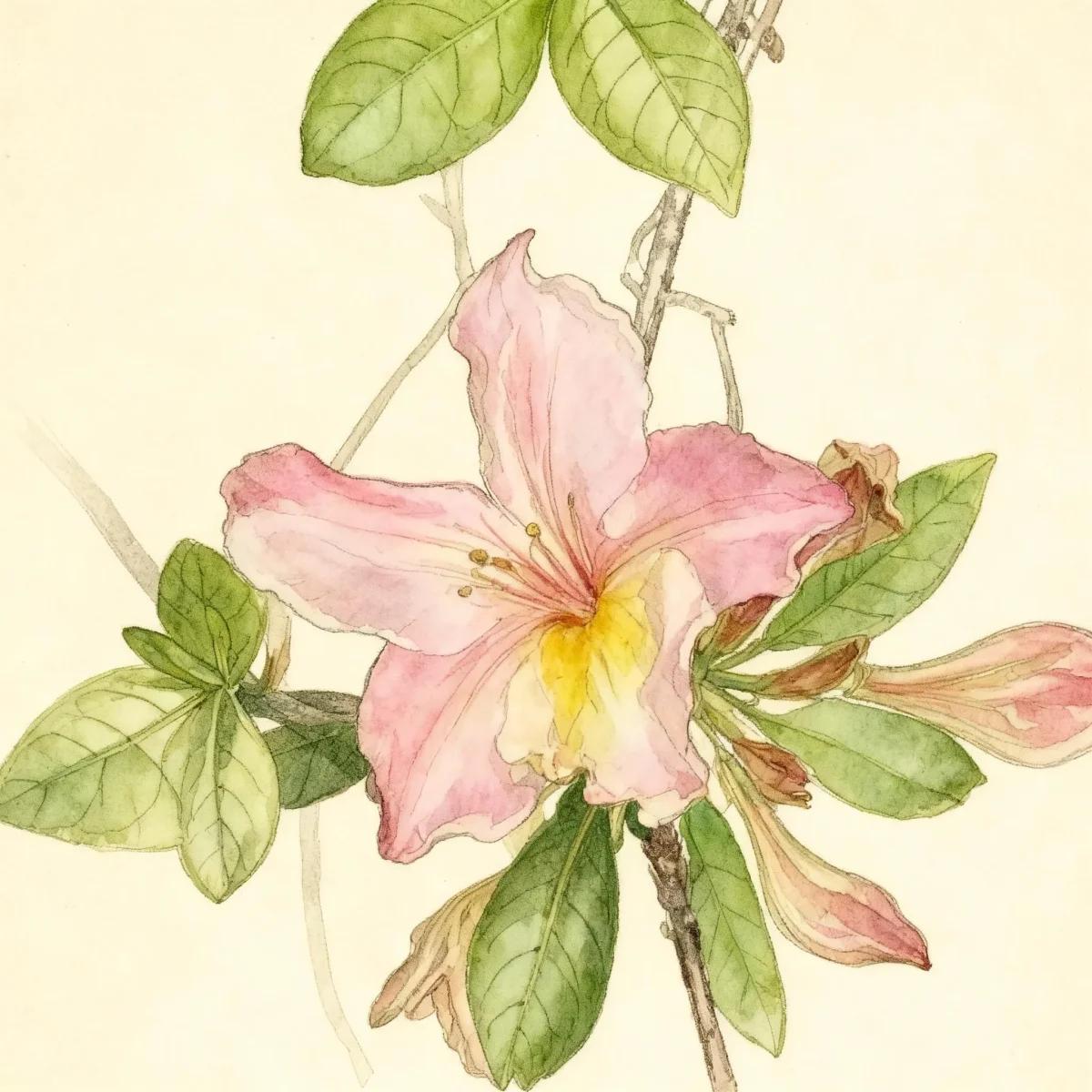
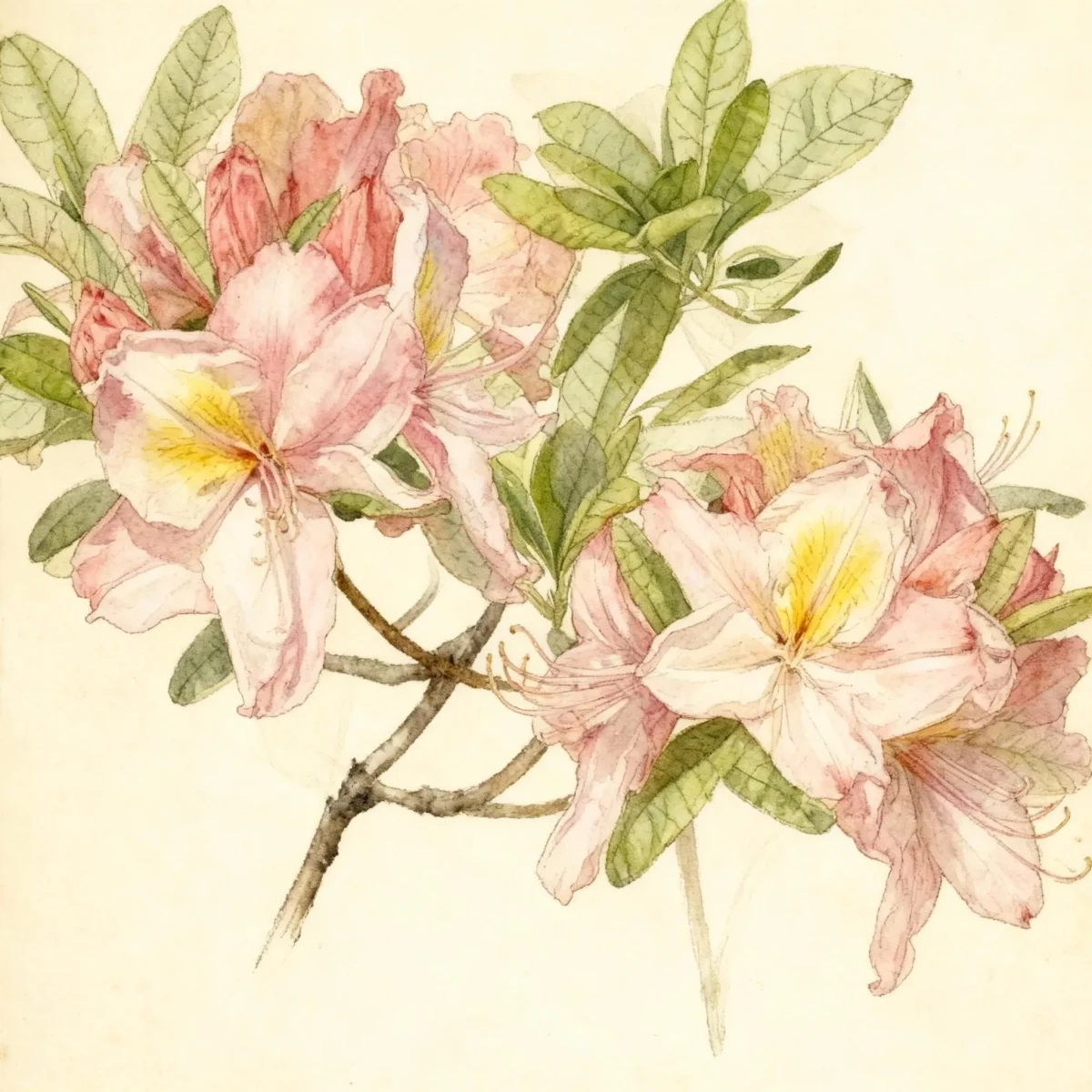
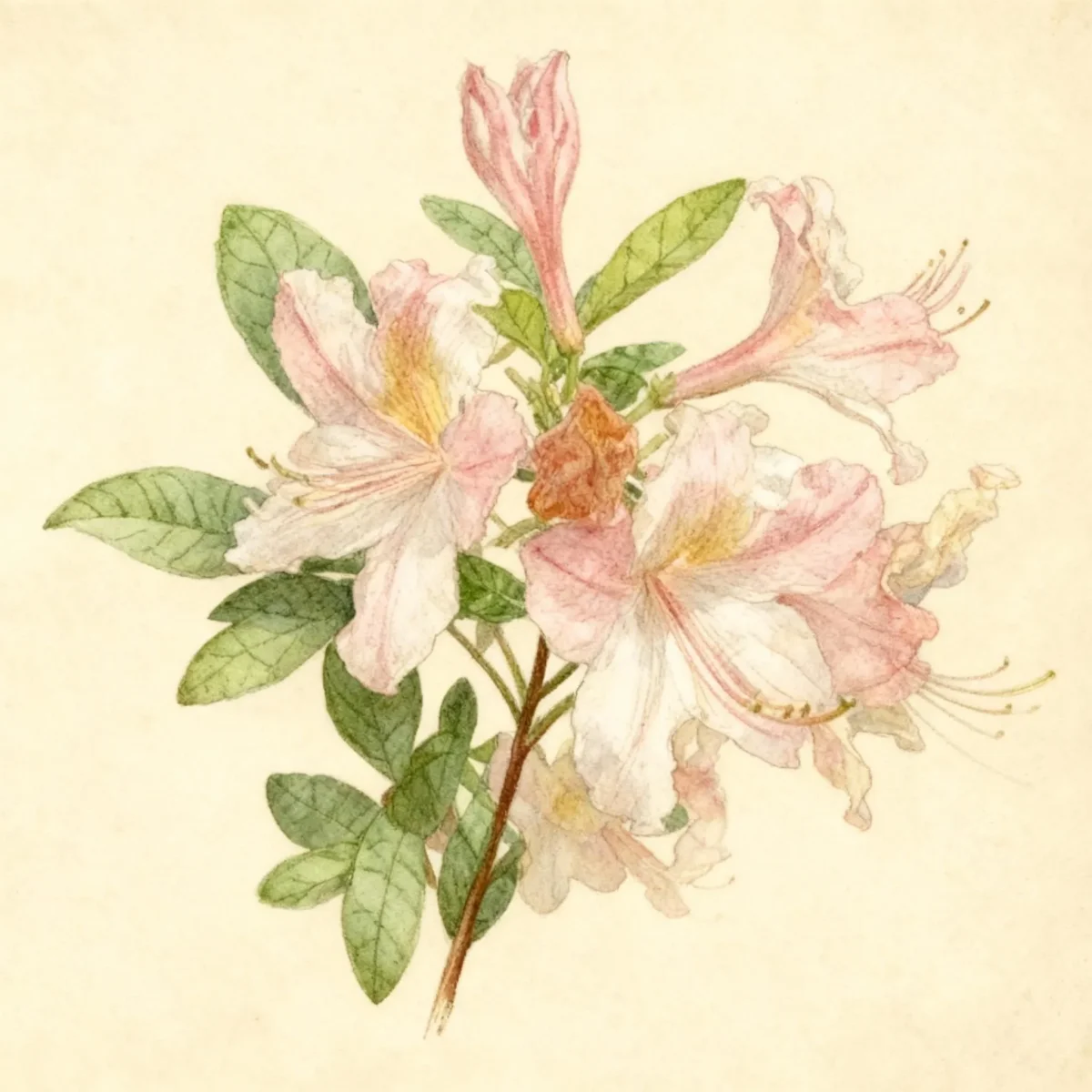
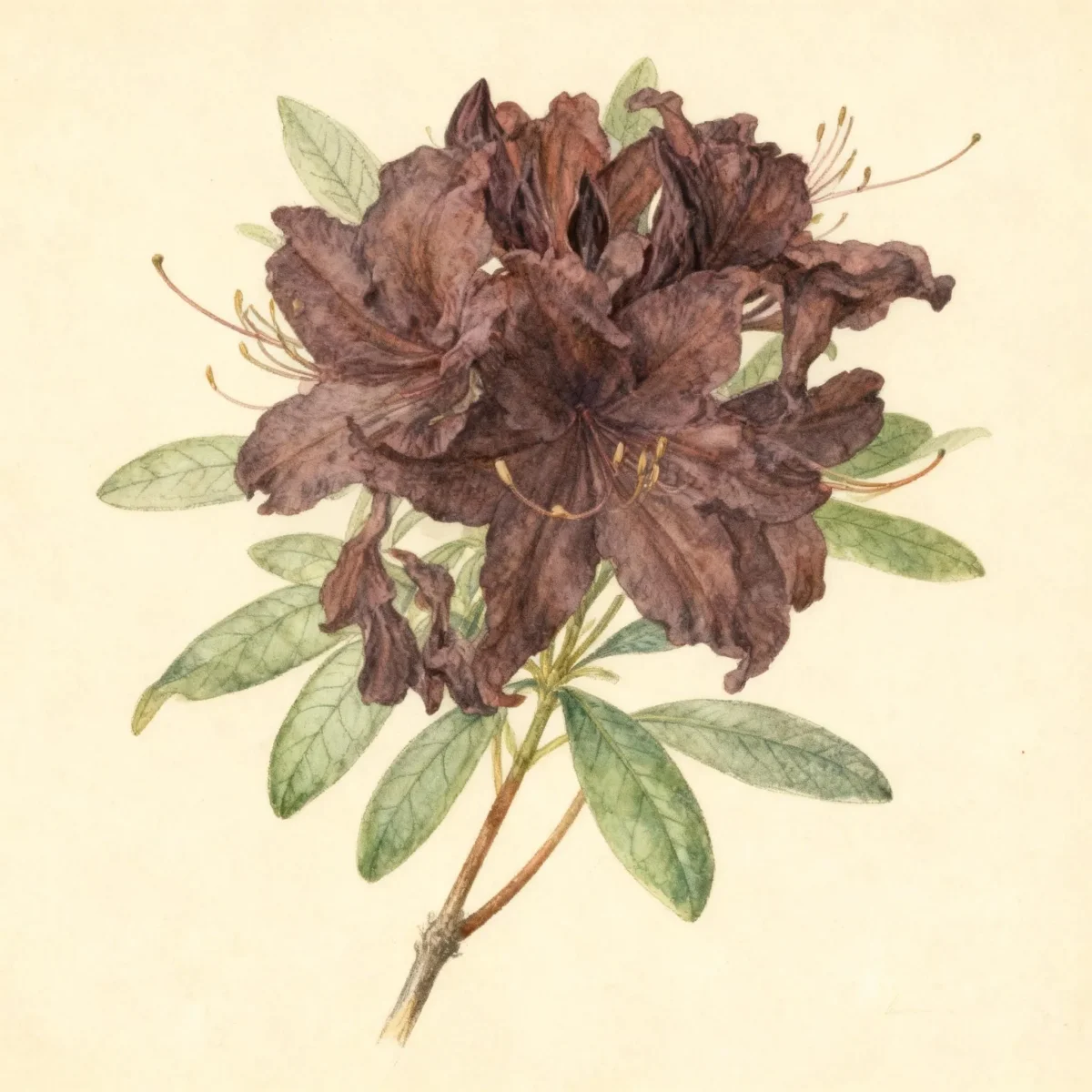
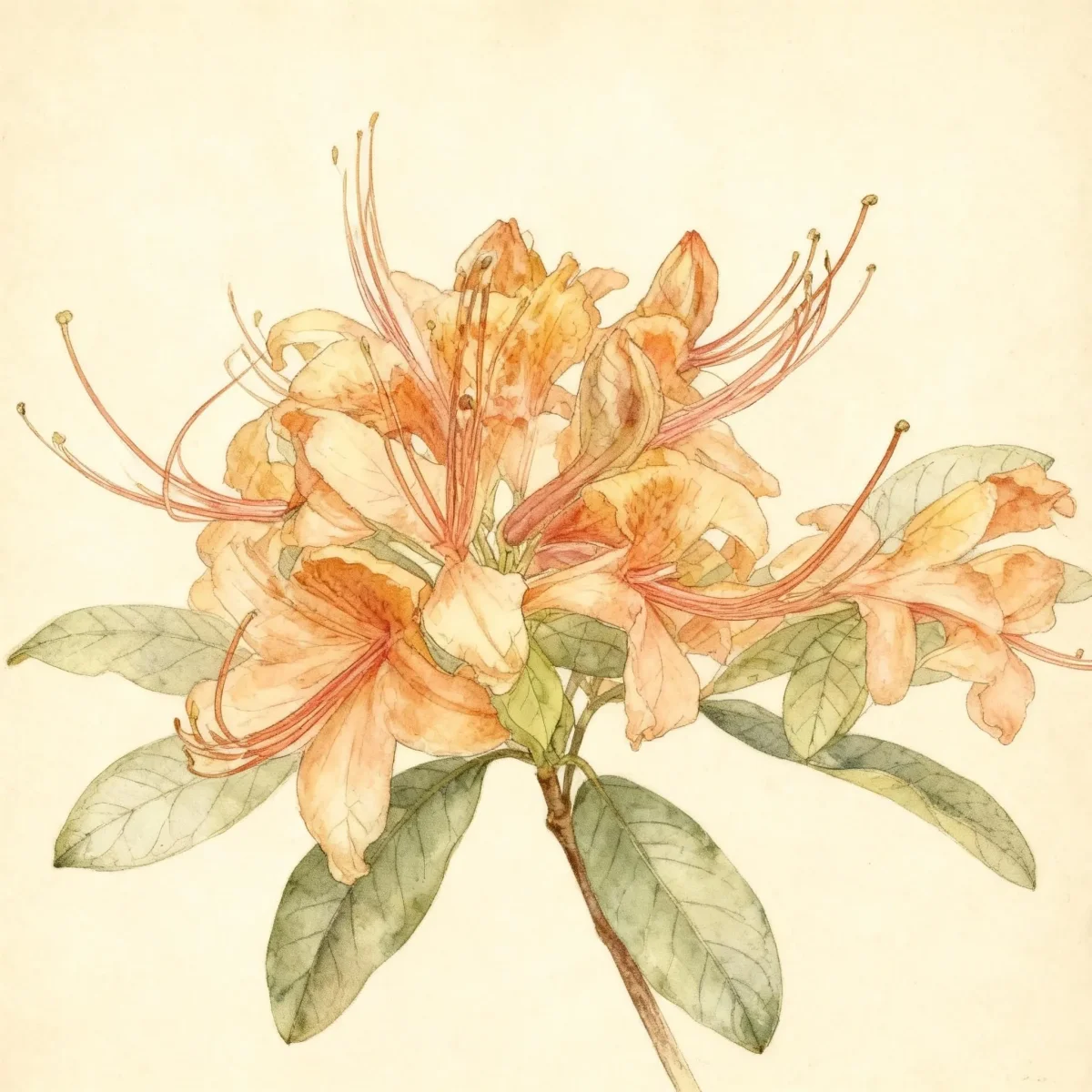
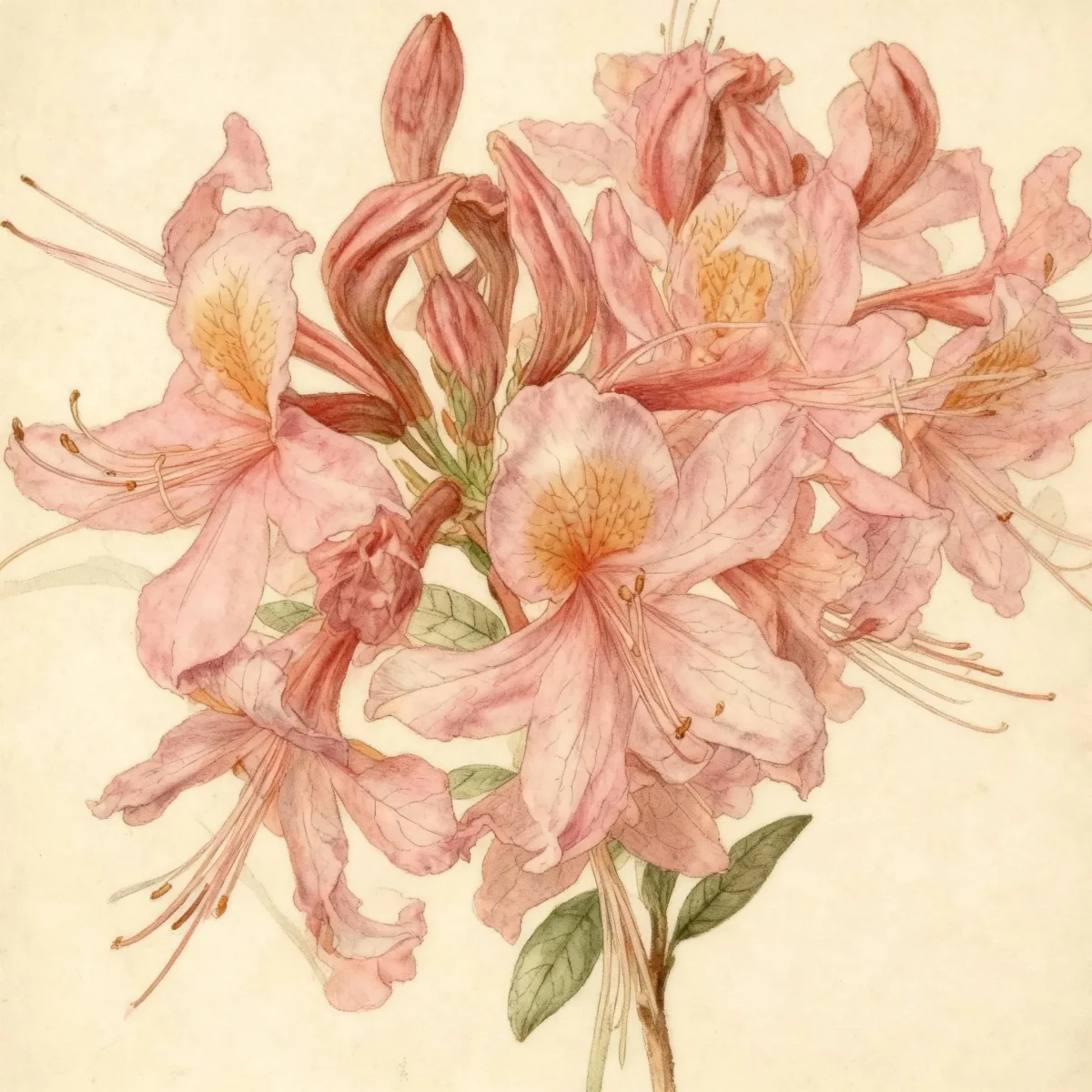
Pontic azalea (Rhododendron luteum)
Pontic azalea (Rhododendron luteum) offers showy, fragrant yellow blooms in May. A medium-maintenance deciduous shrub suited for acidic soils in Zones 6-9.
Scroll down to discover growing tips, care requirements, companion plants, and more
Complete Plant Information
Overview
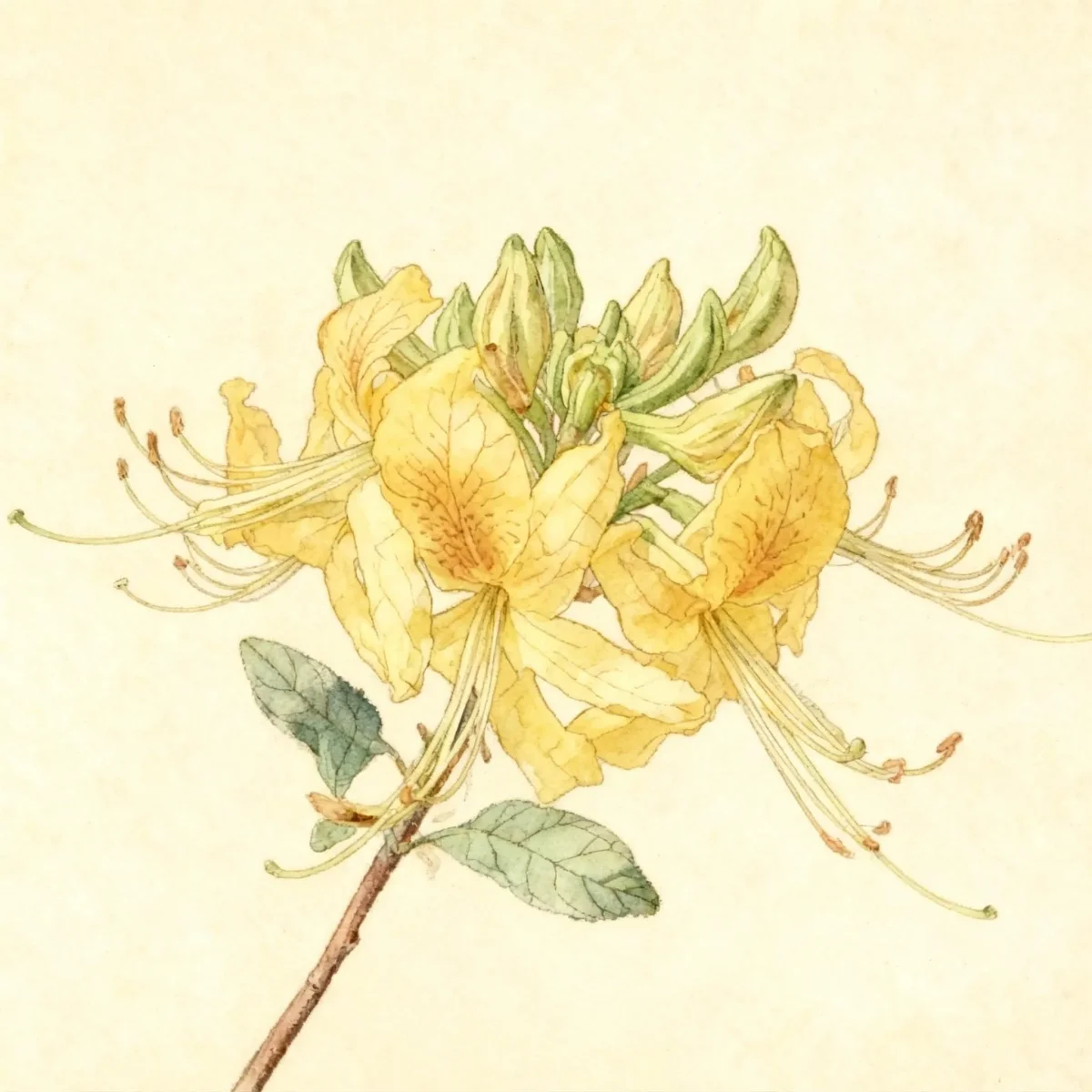
Rhododendron luteum, widely known as the Pontic azalea, provides an exceptional spring display with its vibrantly colored, fragrant yellow flowers. As an upright spreading deciduous azalea, it brings welcome brightness to woodland or mixed borders just as the season begins to warm. This species, noted as the only azalea native to Europe, is valued for its aesthetic appeal and moderate stature.
Cultivating Pontic azalea requires specific cultural considerations, centered primarily around soil chemistry and drainage. It thrives best when given room to establish, slowly naturalizing by root suckers over time, making it an excellent choice for larger, unstructured planting schemes. Proper siting protects its foliage from scorching and ensures the success of this beautiful deciduous shrub.
Gardeners aiming for success with Rhododendron luteum should prepare for medium maintenance requirements, particularly regarding soil amendment and moisture control. Its reward is a sweetly scented bloom and attractive foliage that often transitions to interesting fall color. Planning placement protects the shallow root system while honoring its preference for dappled shade, making the Pontic azalea a rewarding addition to the right landscape.
Fast Facts
- Plant Family: Ericaceae
- Plant Type: Deciduous shrub
- Native Range: Europe, Caucasus
- Hardiness Zones: USDA Zones 6-9
- Size at Maturity:
- Height: 4-5 ft
- Spread: 4-5 ft
- Bloom Time: May
- Bloom Description: Yellow
- Sun Exposure: Part shade
- Water Needs: Medium
- Maintenance Level: Medium
How to Grow
The primary consideration for planting Rhododendron luteum is soil acidity and drainage. Best grown in acidic, light, sandy, well-drained soils, this plant despises “wet feet.” If you have heavy clay soils, plan for raised beds or significant soil amendment to ensure excellent drainage, as poor drainage leads rapidly to root rot. Plant in an area that receives high open part shade or sun dappled shade; direct, intense solar exposure can cause foliage scorch unless moisture is kept perfectly consistent.
Consistent moisture is vital, but never allow the roots to sit in standing water. Roots must never be allowed to dry out. Acidify the soil prior to planting and continue supplemental acidification as needed throughout the plant’s life. Once established, shallow, fibrous root systems benefit significantly from a deep layer of mulch, such as wood chips or pine needles, which retains moisture, moderates soil temperature, and offers winter protection. Avoid cultivating near the base due to these shallow roots.
After blooming ceases in May, clip off spent flower clusters promptly to encourage energy redirection toward next year’s buds. As a slowly naturalizing plant, Rhododendron luteum will spread gently via root suckers, creating a soft grouping over time. Ensure placement considers protection from harsh winter winds common in cooler parts of its range.
Landscape Uses
The Pontic azalea is highly versatile, fitting beautifully into several landscape styles due to its deciduous nature and fragrant flowers. Its natural tendency to slowly spread makes it an excellent candidate for naturalized plantings along woodland edges or in open woodland gardens where it can mingle with other filtered-sun lovers. For more formal settings, Rhododendron luteum works well as a specimen plant or integrated within mixed borders, offering seasonal bursts of color near patios or seating areas.
When grouping this shrub, select companions that share the same need for acidic, well-drained conditions, focusing on other shade-tolerant natives or ericaceous plants. Consider pairing the bright yellow blooms of the Pontic azalea with complementary foliage textures found in ferns or other broadleaf evergreens that can provide winter structure when the deciduous leaves of Rhododendron luteum are absent. Its use as a foundational shrub near the home enhances entryways when its May fragrance can be fully appreciated.
Standout Features
Flower Qualities
- Showy
- Fragrant
Noteworthy Characteristics
Rhododendron luteum, commonly known as pontic azalea or honeysuckle azalea, is an upright spreading deciduous azalea that typically matures to 4-5’ tall over the first 10 years, but may occasionally rise over time to as much as 9-12’ tall. It is native to alpine meadows, forests and slopes in Eastern Europe (Poland and the Balkans) southern Russia and the Caucasus. It is the only azalea native to Europe. Linear oblong to oblanceolate leaves (to 5” long) are sparsely covered with stiff hairs. Leaves turn yellow, orange and red in fall. Sweetly fragrant funnel-shaped yellow flowers (2” across) bloom in May in dense clusters (7-17 flowers per cluster) on naked stems just prior to or at the same time as the emergence of the new leaves. Genus name comes from the Greek words rhodo meaning rose and dendron meaning tree. Transferred from the Greek name for Nerium oleander. Specific epithet means yellow in obvious reference to flower color.
Tolerances
- Rabbit
Potential Problems
Azaleas, including Rhododendron luteum, face susceptibility to numerous insect and disease issues, ranging from fungal concerns like canker, crown rot, root rot, leaf spot, rust, and powdery mildew, to various pests such as aphids, borers, lacebugs, leafhoppers, mealybugs, mites, nematodes, scale, thrips, and whitefly. The most effective defense against these potential problems is ensuring cultural perfection: healthy plants adequately protected in the proper environment exhibit significantly fewer issues. Always prioritize excellent drainage and consistent moisture control to mitigate the risk of devastating root and crown rots.
Regular scouting for pests, particularly during the growing season, is crucial for early intervention. Address minor pest infestations chemically or organically as soon as they appear before they can spread or cause significant damage. Maintaining a proper mulch layer helps regulate soil temperatures, which contributes to overall plant vigor throughout the year.
Frequently Asked Questions
What hardiness zones is Pontic azalea suitable for?
Rhododendron luteum is hardy and reliably grows in USDA Zones 6 through 9.
How large does Rhododendron luteum grow?
This deciduous shrub typically reaches a height and spread of 4 to 5 feet at maturity, though it can occasionally grow slightly taller over many years.
What sun exposure does Pontic azalea need?
The Pontic azalea requires part shade; foliage can scorch if exposed to full, unfiltered summer sun unless soil moisture is kept perfectly consistent.
When does Pontic azalea bloom?
Rhododendron luteum generally blooms in May, producing clusters of bright yellow, fragrant flowers.
Conclusion
The Pontic azalea offers gardeners a powerfully fragrant, showy yellow spring spectacle, making it a standout deciduous shrub for wooded borders or filtered light areas. Knowing the specific soil needs of Rhododendron luteum—acidic, well-drained, and consistently moist—is key to its successful culture. Before planting, confirm your soil pH is low enough, and plan for proper winter wind protection in cooler regions.
Companion Planting
Selecting appropriate neighbors is crucial for the long-term health of Rhododendron luteum, as both must thrive in acidic soil conditions. Consider pairing this azalea with other acid-loving plants like Mountain Laurel (Kalmia latifolia), Fothergilla, or various rhododendrons and azaleas that tolerate part shade. These groupings naturally create a cohesive woodland garden aesthetic that mimics the plant’s native habitat in Eastern Europe and the Caucasus.
When focusing on ground cover, use plants with shallow or fibrous root systems to avoid competing with the sensitive shallow roots of the Pontic azalea. Low-growing woodland phlox or certain shade-tolerant ferns make ideal companions. This strategy ensures that the cultural requirements—particularly the low pH and moisture needs—are met uniformly across the planting area for all species involved.
Design Ideas for Deciduous Azaleas
Using Rhododendron luteum as an informal hedge or screen within a mixed border capitalizes on its seasonal interest. Because it is deciduous, it allows winter sunlight to penetrate deeper into the garden before the new leaves emerge in spring, encouraging early growth in understory companions. Place it where its May fragrance can be easily detected, such as near a walkway or outdoor seating area.
Utilize the Pontic azalea’s ability to slowly naturalize for creating softer transitions between manicured areas and wilder spaces. In open woodland garden settings, allow clumps of Rhododendron luteum to form clusters naturally, contrasting their bright yellow spring color against the deep greens of neighboring evergreens. This contrast in color and form provides excellent garden structure across three seasons.