Rhodendron (Rhododendron myrtifolium)
Discover Rhododendron myrtifolium, a compact Rhodendron ideal for rock gardens. Enjoy its showy rose blooms in May in USDA Zones 6-8.
Scroll down to discover growing tips, care requirements, companion plants, and more
Complete Plant Information
Overview
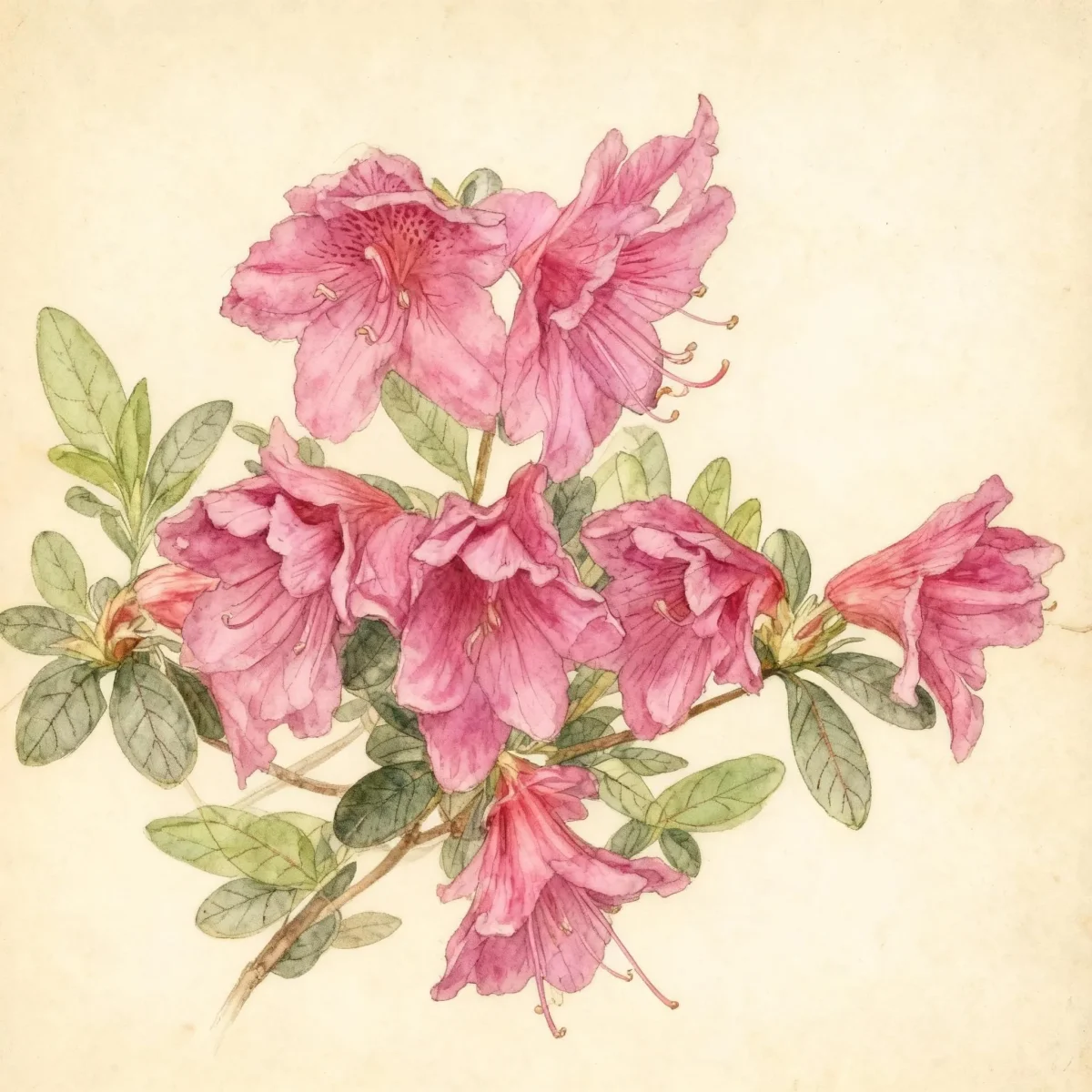
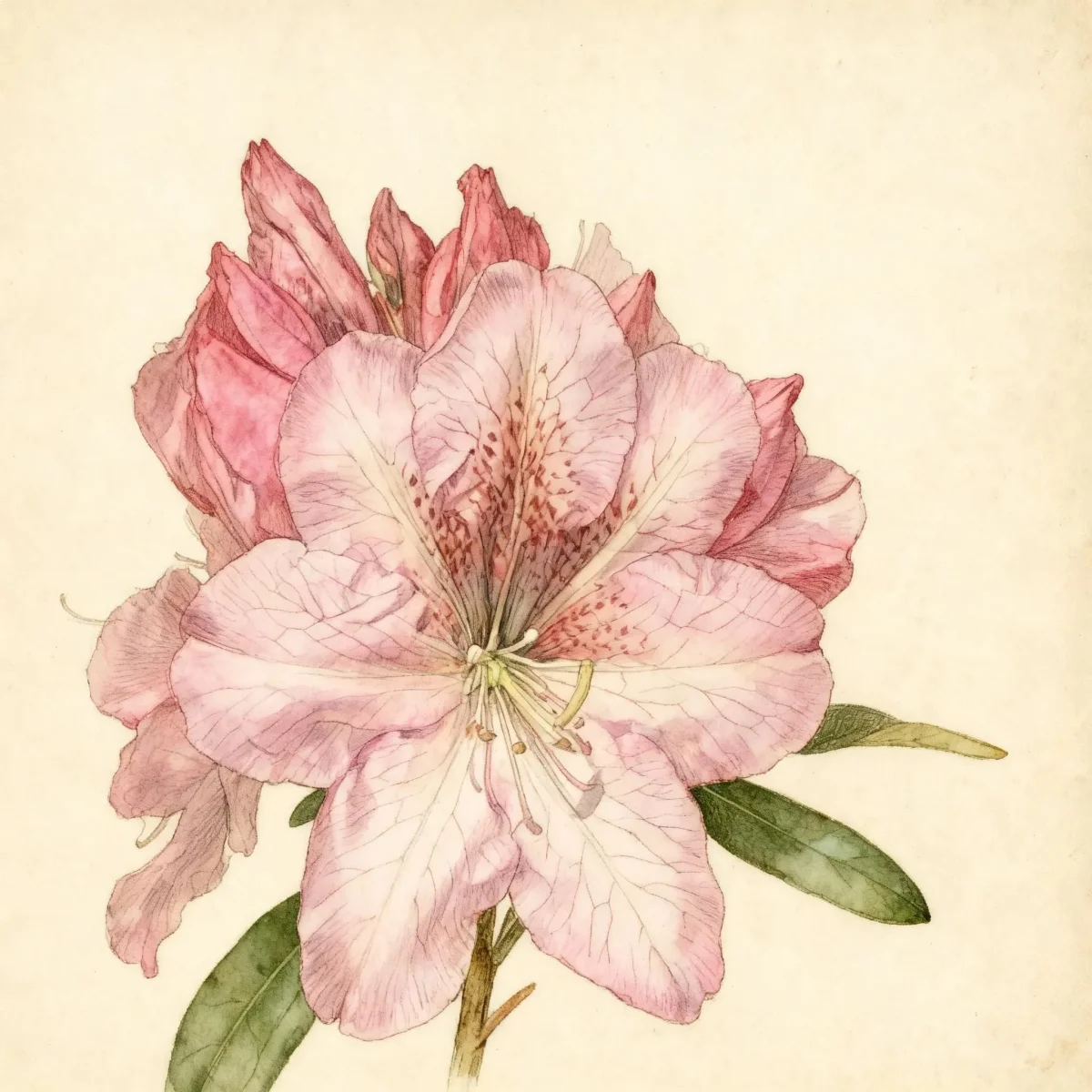
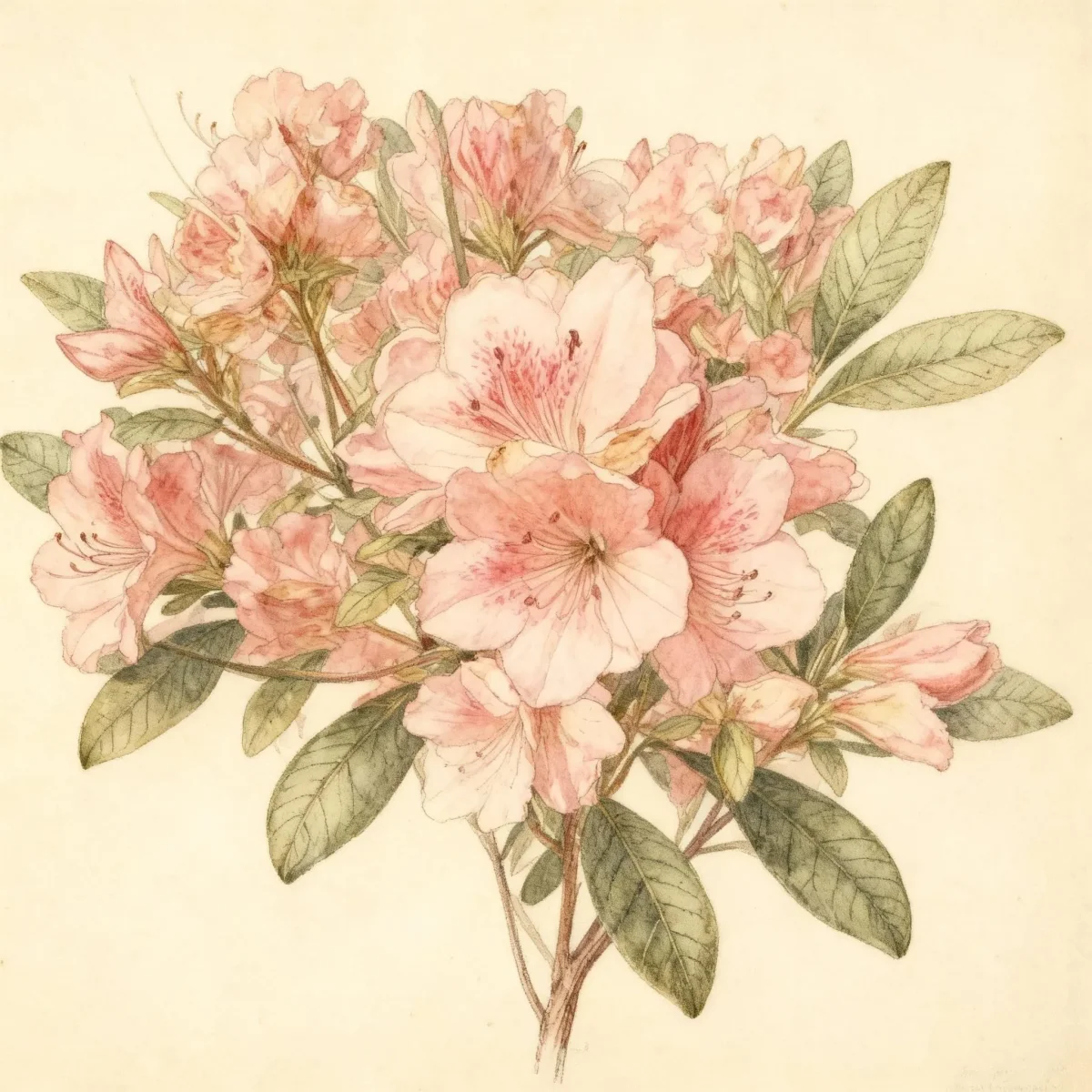
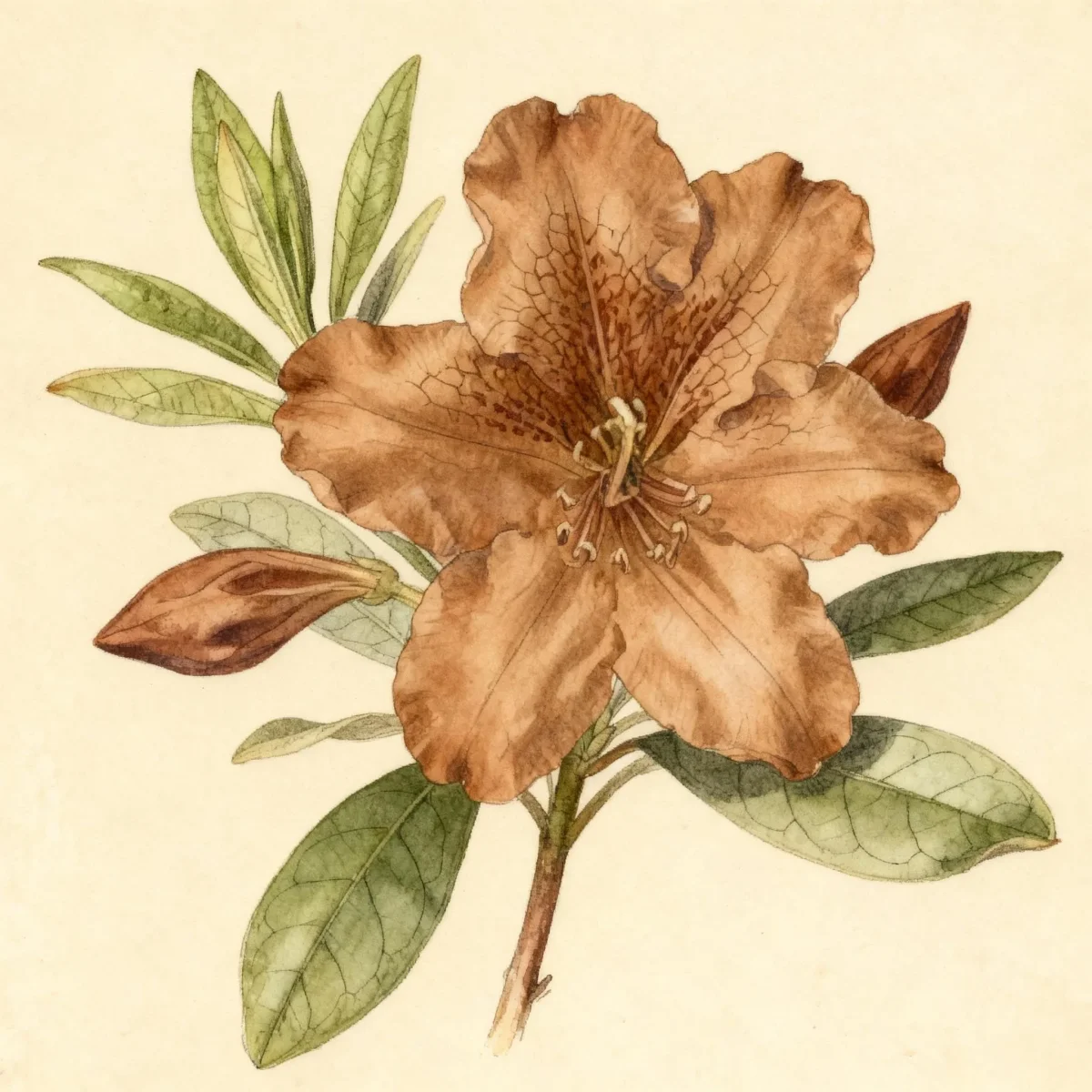
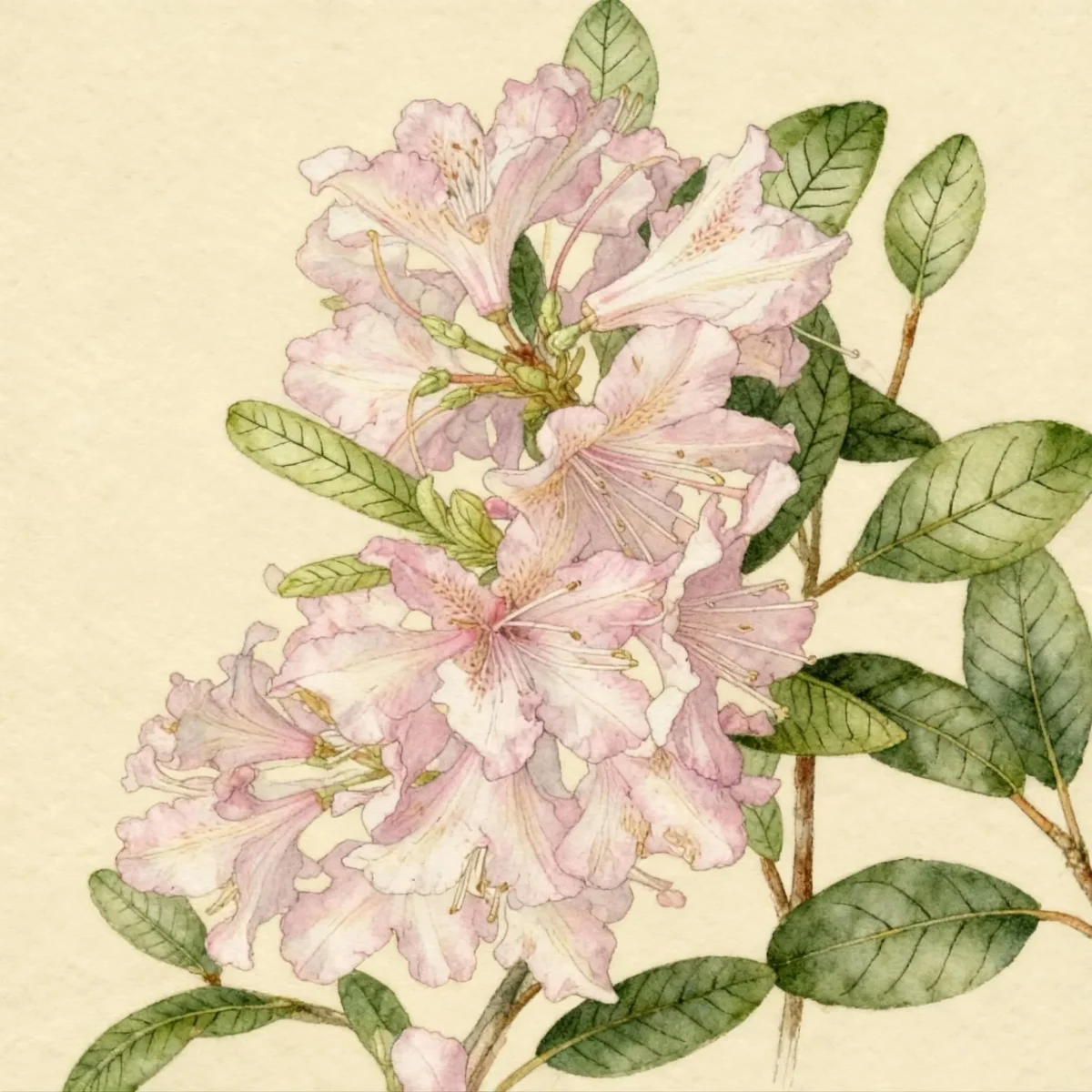
Rhododendron myrtifolium is a highly valuable broadleaf evergreen addition to woodland and shade gardens. This compact Rhodendron produces clusters of distinct tubular, rose to purple-pink flowers in May, adding mid-season color to the landscape. It is primarily celebrated for its small stature, rarely exceeding two feet in height, making it perfectly suited for restricted spaces where larger Rhododendrons would overwhelm the view.
Native to Eastern Europe, specifically the Carpathian and Balkan mountains, Rhododendron myrtifolium establishes itself as a dependable, creeping shrub once sited correctly. Its aesthetic appeal is enhanced by small, glossy dark green leaves that develop attractive bronze-red winter tones, providing year-round interest. Gardeners seeking a dense, low-growing evergreen foundation plant should consider this unique Rhododendron.
Practical garden benefits include its suitability as a low hedge or border edging plant. Ensuring proper acidic soil conditions and protection from intense afternoon sun is crucial for successful cultivation of this Rhodendron variety. Its dense, scale-covered leaf undersides offer textural contrast, solidifying its role as a versatile landscape element.
Fast Facts
- Plant Family: Ericaceae
- Plant Type: Broadleaf evergreen
- Native Range: Eastern Europe
- Hardiness Zones: USDA Zones 6-8
- Size at Maturity:
- Height: 1-2 ft
- Spread: 2-3 ft
- Bloom Time: May
- Bloom Description: Rose
- Sun Exposure: Part shade
- Water Needs: Medium
- Maintenance Level: Medium
How to Grow
The establishment of Rhododendron myrtifolium requires attention to soil composition and drainage. Best results are achieved in acidic, humusy, organically rich, moisture-retentive yet well-drained soils. Plant this Rhododendron where it receives part shade, ideally sun-dappled conditions or high open shade, noting that morning sun followed by afternoon shade is often optimal; direct, intense sun can cause foliage scorch. Crucially, avoid planting near walnut family members due to sensitivity to toxic juglones.
Watering should be consistent, maintaining medium moisture levels, as the shallow, fibrous root systems of this Rhodendron must never be allowed to dry out. Poor drainage is a fatal flaw; if heavy clay soils are present, raised beds are highly recommended to prevent root rot. Fertilization should center on soil acidification if necessary, aiming for a pH between 5.0 and 5.5, using iron sulfate or sulfur to lower alkalinity.
Maintenance is generally medium. After blooming in May, immediately clip off spent flower clusters (deadheading) when practicable to encourage better energy allocation for the following season. Due to the shallow roots, perform no cultivation directly around the base of the plant. Instead, apply a thick layer of organic mulch, such as wood chips or pine needles, to help stabilize soil temperature and retain essential moisture for the Rhododendron myrtifolium.
Landscape Uses
This compact Rhodendron excels in structured, smaller-scale garden designs. Its manageable height (1-2 ft) and spread (2-3 ft) make Rhododendron myrtifolium an excellent selection for foundation plantings where foundation requirements dictate low-growing evergreen structure. It functions beautifully as a tight, neat hedge or as edging throughout rock gardens or along woodland paths where deep shade prevails.
The dark, glossy foliage contrasts wonderfully with plants that offer bright seasonal color, such as spring bulbs or mid-summer perennials. Consider pairing this Rhodendron near azaleas or rhododendrons with different bloom times to extend seasonal interest. Its year-round structure also provides excellent contrast against deciduous shrubs that lose their leaves in winter.
For woodland gardens or mixed borders, plant Rhododendron myrtifolium beneath the high canopy of mature trees where consistent dappled light filters through. Its ability to thrive in these filtered light conditions, combined with its preference for acidic soil, dictates companion planting choices that share similar cultural needs, ensuring a harmonious planting scheme.
Standout Features
Flower Qualities
- Showy
Noteworthy Characteristics
Rhododendron myrtifolium is a compact broadleaf evergreen that is primarily native to the Carpathian and Balkan mountains. It is a creeping shrub that typically grows to only 2’ tall but spreads to 3’ or more wide. Small, evergreen, shiny dark green leaves (to 1” long) are elliptic to oblanceolate, and the leaves turn bronze red in winter. Tubular, rose to purple-pink flowers in clusters of 3-7 bloom in mid to late season, providing colorful contrast against the foliage.
Tolerances
- Rabbit
Potential Problems
Rhododendrons, including Rhododendron myrtifolium, face various potential insect and disease issues, such as root rot, leaf spot, powdery mildew, aphids, and scale. The best defense against these problems is robust preventative care focused on cultural needs. Ensuring the plant is situated in well-drained soil and receives appropriate light levels drastically reduces disease susceptibility. If pests appear, prompt identification is key; healthy plants in the correct environment generally experience far fewer challenges than stressed specimens.
Frequently Asked Questions
What hardiness zones is Rhodendron suitable for?
Rhodendron, or Rhododendron myrtifolium, is best suited for gardeners located in USDA Hardiness Zones 6 through 8.
How large does Rhodendron myrtifolium grow?
This compact shrub typically reaches a mature height between 1 and 2 feet tall, spreading outward to cover an area between 2 and 3 feet wide.
What sun exposure does Rhodendron myrtifolium need?
This plant requires part shade; it thrives in sun-dappled areas or high open shade and should be protected from harsh, direct afternoon sunlight which can burn the attractive foliage.
When does Rhodendron myrtifolium bloom?
The bloom time for this Rhodendron is typically in May, featuring attractive flowers described as rose-colored.
Conclusion
The Rhododendron myrtifolium offers compact structure, attractive year-round foliage, and vibrant rose blooms in spring, making it a stellar choice for the shade garden. Successful cultivation of your Rhodendron hinges on providing acidic, perfectly drained soil and consistent moisture management. Before planting, confirm your local hardiness zone and site preparation match these specific cultural requirements to ensure your planting thrives for years to come.
Companion Planting for Acid-Loving Gardens
Companion planting near Rhododendron myrtifolium should focus on species that share its preference for acidic soil (low pH) and protection from intense sun. Excellent companions include other acid-lovers like Camellias, large-leaf Hydrangeas (especially shade-tolerant varieties), and various companion ferns that thrive in partial shade. Grouping these plants helps create a unified microclimate where watering and soil needs are easily managed across the border.
Consider using plants with contrasting foliage textures or colors to showcase the glossy leaves of the Rhodendron. Hostas, while not needing the same acidity, pair well visually in shaded foundation beds and offer broad leaf contrast. Ensure none of your chosen companions have shallow, aggressive root systems that might compete directly with the fibrous surface roots of the Rhododendron myrtifolium.
Seasonal Care Calendar Highlights
Specific seasonal attention ensures the long-term health of your Rhododendron myrtifolium. In early spring, just before active growth begins, apply needed soil acidifiers if pH tests indicate alkalinity. Post-flowering in late May or early June, deadhead spent flower trusses to redirect energy toward robust foliage development rather than seed set.
Summer care focuses entirely on consistent moisture; monitor the mulch layer and water deeply if the top few inches of soil begin to dry out, especially during dry spells. Never allow the roots of this Rhododendron to dry completely during the growing season. Minimal pruning is required; only trim to shape or remove damaged wood during the summer lull.
In autumn, apply a fresh layer of organic mulch if needed, ensuring the mulch does not touch the main stem crown. Winter protection is minimal given its hardiness, but if extreme cold snaps are predicted in Zone 6, protect the shrub from desiccating winter winds, which can damage evergreen leaves regardless of temperature.