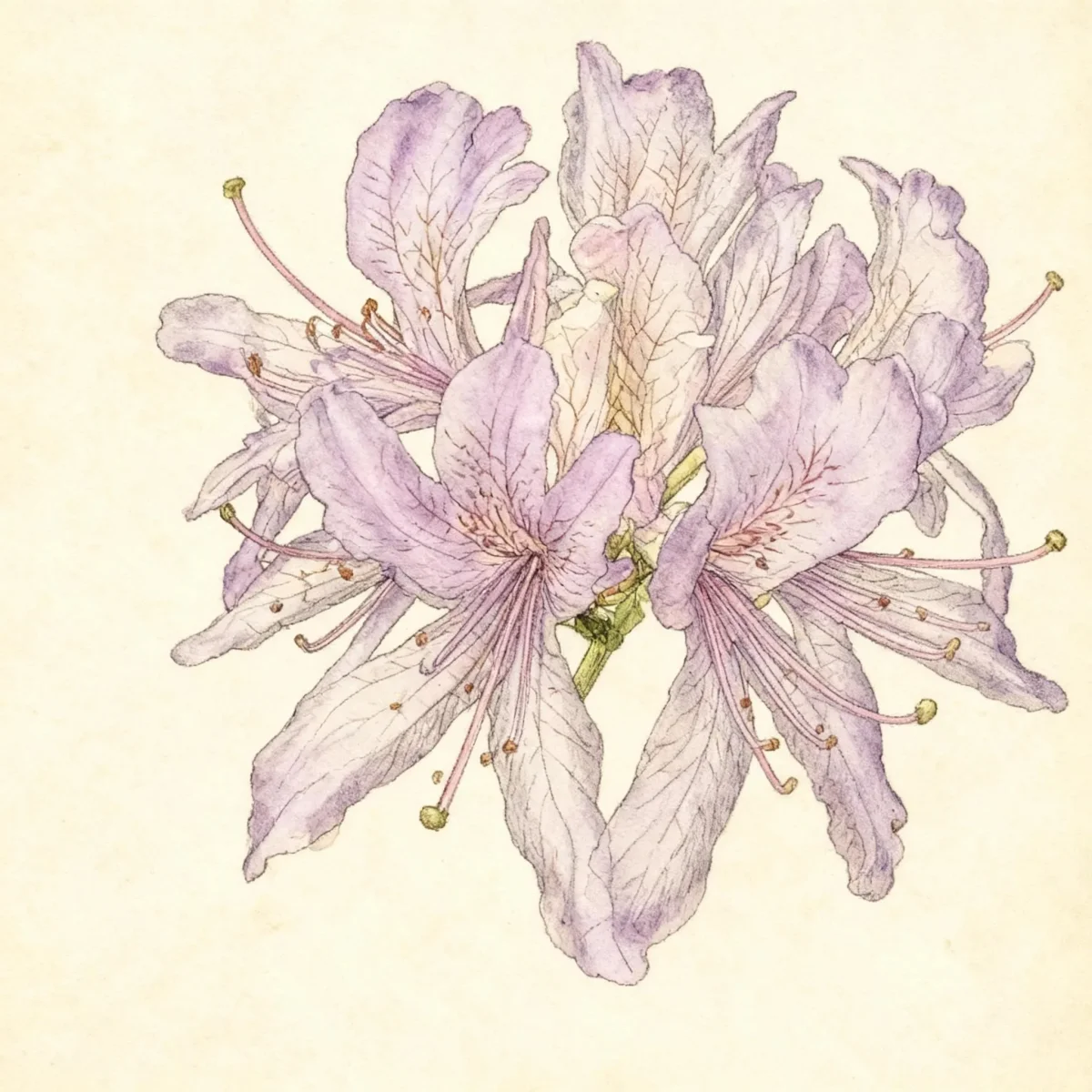
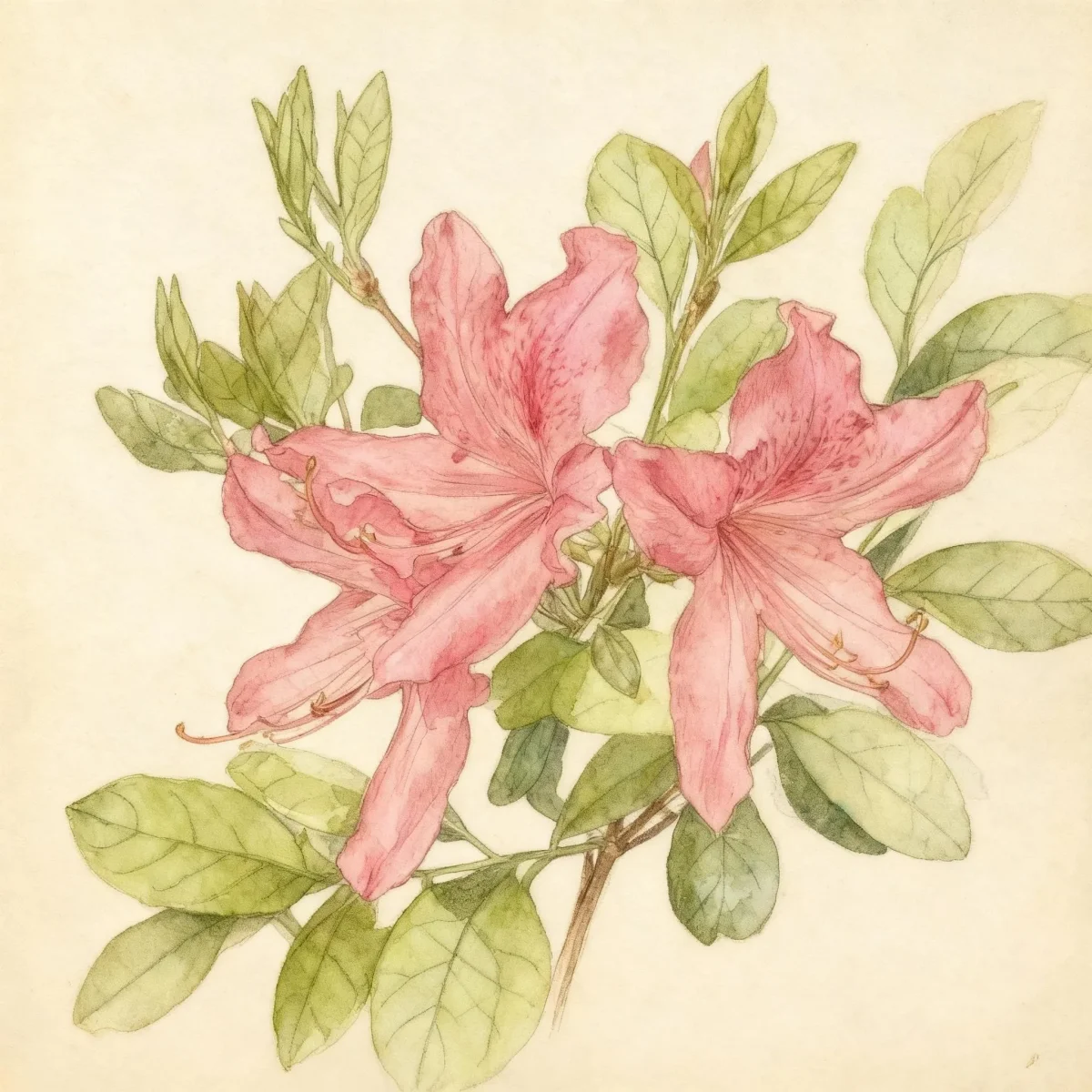
Deciduous azalea (Rhododendron schlippenbachii)
Discover Rhododendron schlippenbachii, the striking Deciduous azalea, known for fragrant, rosy-white blooms in spring for Zones 4-7.
Scroll down to discover growing tips, care requirements, companion plants, and more
Complete Plant Information
Overview
The Deciduous azalea, scientifically known as Rhododendron schlippenbachii, offers one of the most spectacular early spring displays among garden shrubs. This Asian native is cherished for its large, funnel-shaped flowers that appear just as the leaves begin to emerge, filling the air with delicate fragrance. The species name honours Baron Alexander von Schlippenbach, making it a botanical treasure.
As a deciduous shrub, Rhododendron schlippenbachii provides visual interest across all seasons; its summer foliage gives way to brilliant red, orange, and yellow tones in the fall before it drops its leaves for winter. Growing typically between four and six feet tall, this plant performs best when situated where it can benefit from dappled sunlight or high open shade, protecting its growth.
Gardeners seeking an elegant specimen or border shrub should consider the Deciduous azalea. Its cultural needs center on well-drained, acidic soil, mirroring those of many popular woodland plants. Proper siting and soil preparation are the keys to unlocking the magnificent bloom potential of Rhododendron schlippenbachii.
Fast Facts
- Plant Family: Ericaceae
- Plant Type: Deciduous shrub
- Native Range: China, Japan, Korea
- Hardiness Zones: USDA Zones 4-7
- Size at Maturity:
- Height: 4-6 ft
- Spread: 3-5 ft
- Bloom Time: April to May
- Bloom Description: White tinged with pink
- Sun Exposure: Part shade
- Water Needs: Medium
- Maintenance Level: Medium
How to Grow
Planting Rhododendron schlippenbachii should ideally occur in spring or early fall if the soil is workable. The critical element for this Deciduous azalea is soil structure: it requires acidic, humusy, organically rich, and well-drained media. Avoid locations where water pools, as poor drainage quickly leads to root rot. If you have heavy clay, consider planting in raised beds to ensure adequate drainage. Always place the plant where it is protected from harsh winter winds.
Watering requirements are medium, but consistency is key; the shallow, fibrous root systems must never be allowed to dry out. Apply a thick layer of organic mulch, such as wood chips or pine needles, around the base to help retain consistent soil moisture and regulate soil temperature. Do not cultivate directly around the plants, as disturbing these shallow roots causes stress. Acidify the soil as necessary to maintain the preferred pH range.
Maintenance is medium. Immediately after the beautiful flowers fade in late spring, promptly clip off the spent flower clusters if practicable. This practice directs the plant’s energy toward root and leaf development rather than seed production. While this species tolerates more sun than many rhododendrons, protect it from intense afternoon sun, especially during hot summers, which can scorch the leaves.
Landscape Uses
The Deciduous azalea excels as a captivating element in various landscape designs. Its upright, rounded habit makes it superb massed for a dramatic spring effect or planted individually as an elegant specimen. Rhododendron schlippenbachii works wonderfully in mixed borders where its spring flowers contrast with mid-to-late season blooms, or as a feature within woodland and shade gardens.
For functional landscape design, this species performs effectively as a specimen planting near an entryway to maximize appreciation of its fragrance, or utilized as a loose, informal hedge. Companion planting should focus on other acid-loving, shade-tolerant species. Consider pairing Rhododendron schlippenbachii with Japanese maples, bleeding hearts, or ferns, which share similar cultural requirements for dappled light and rich soil. Foundation plantings can utilize its moderate size effectively, provided ambient conditions match its light and drainage needs.
Standout Features
Flower Qualities
- Showy
- Fragrant
Noteworthy Characteristics
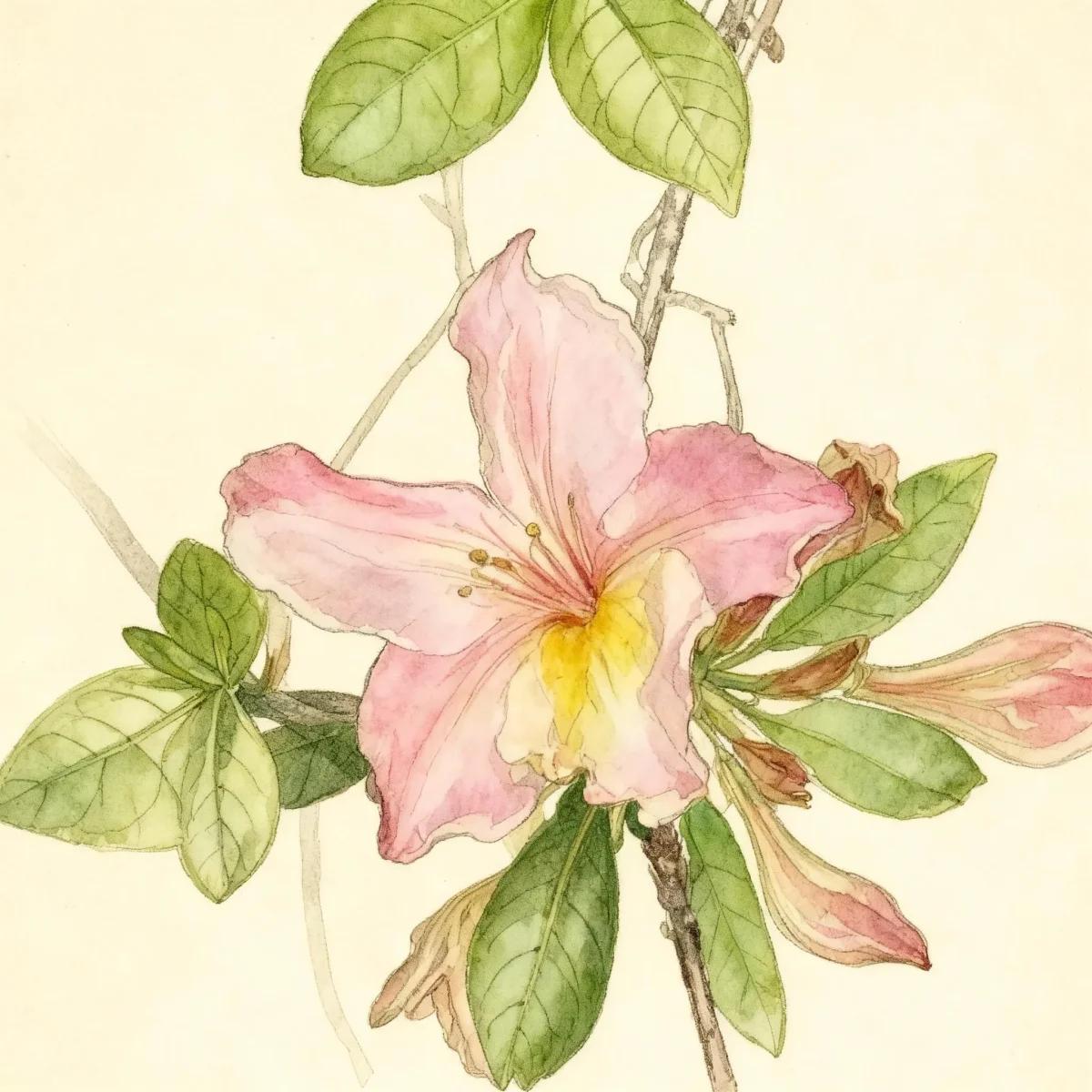
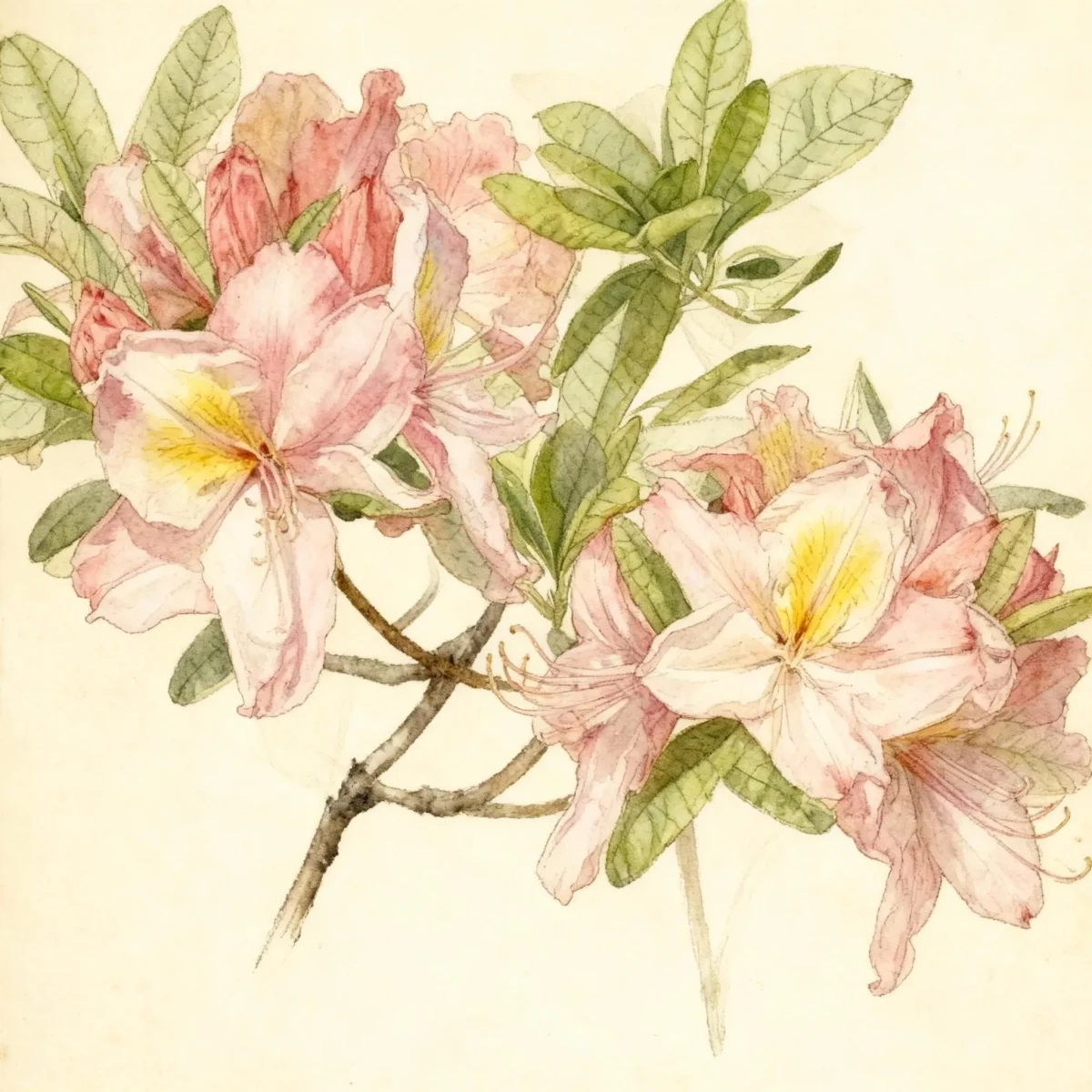
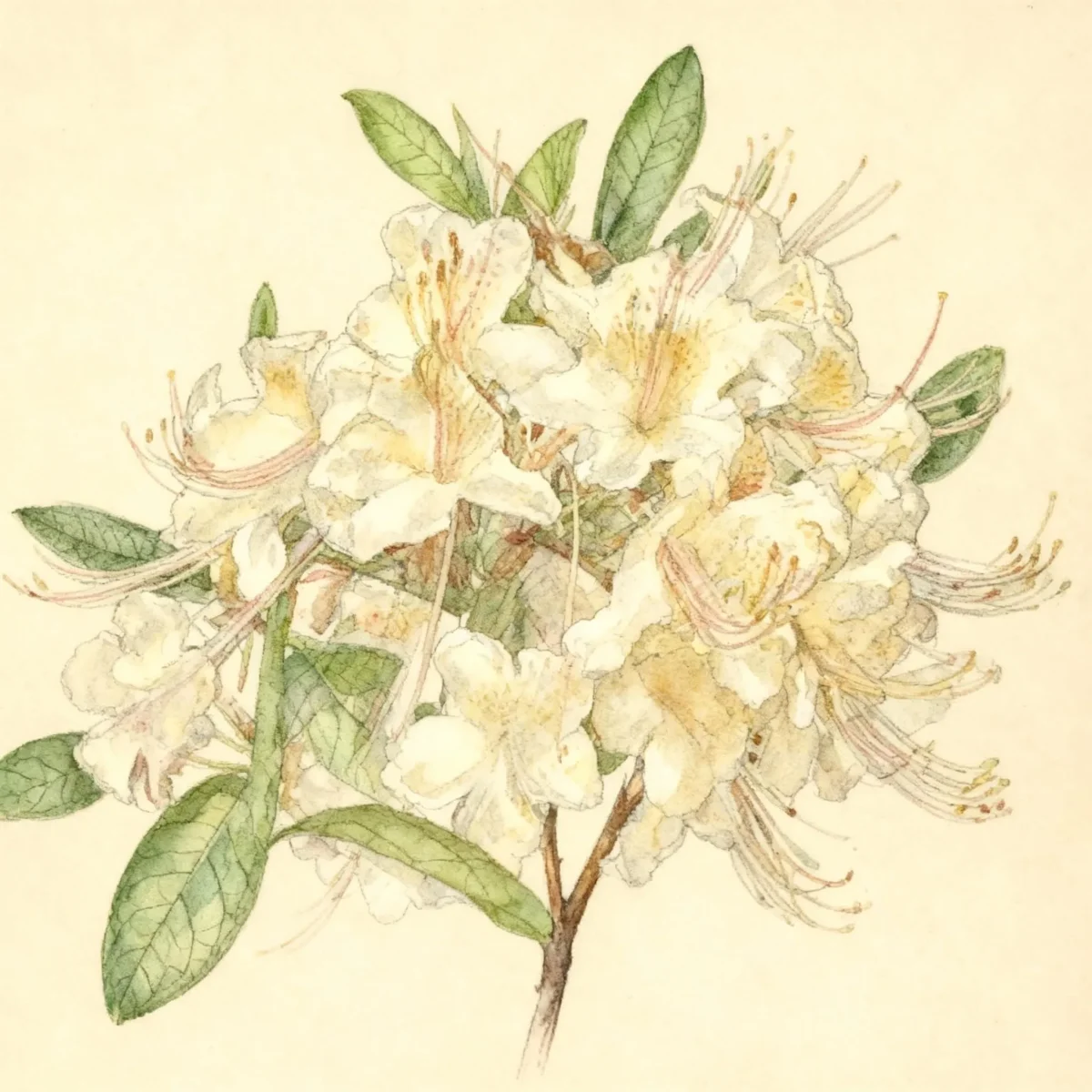
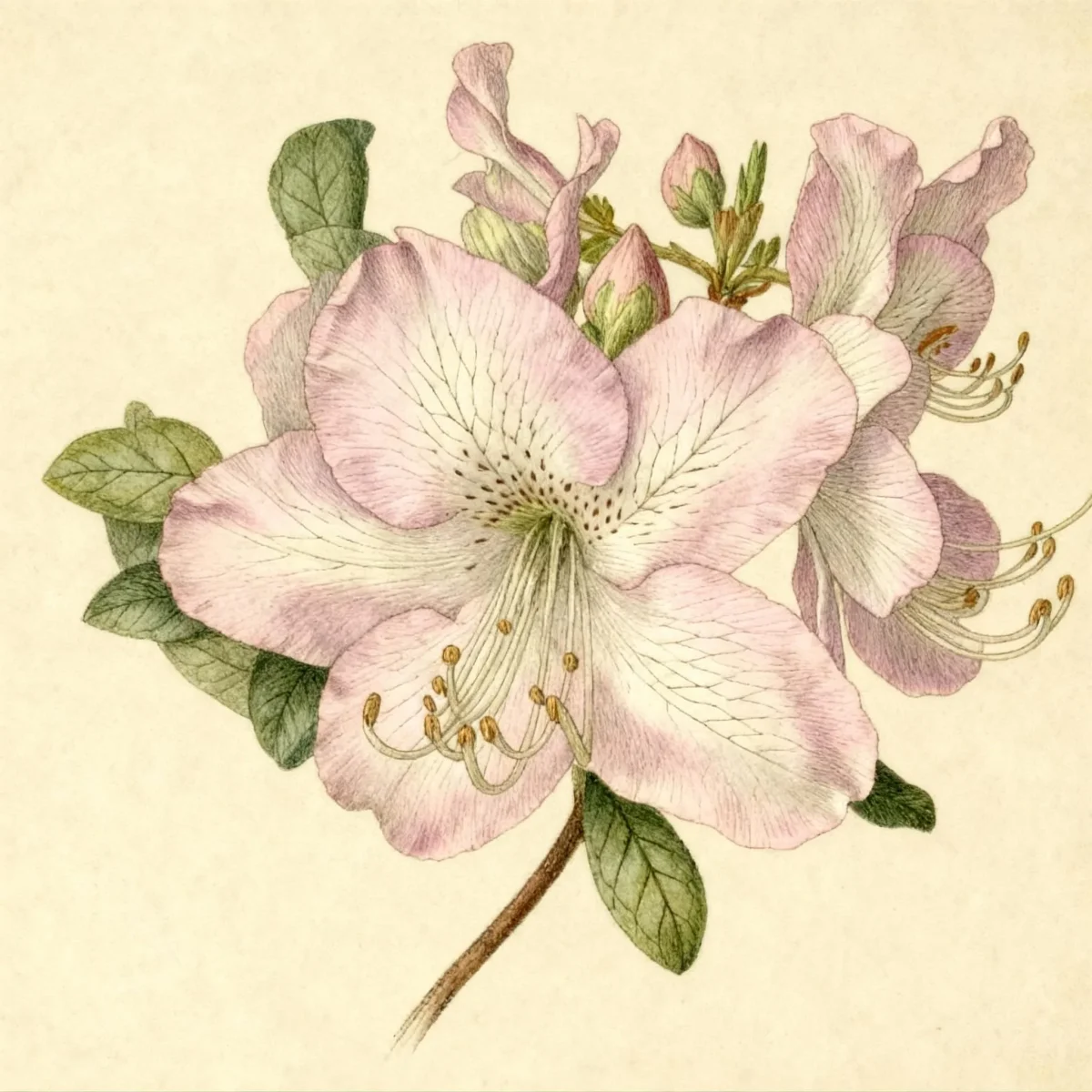
Rhododendron schlippenbachii is an upright, rounded, deciduous azalea native to Korea, Manchuria, and Japan, typically reaching heights of 4 to 6 feet, though occasionally achieving 15 feet. Its notable funnel-shaped flowers, measuring about 3 1/2 inches across, are white subtly tinged with pink and distinctly fragrant, blooming in April and May as the foliage emerges. Furthermore, the substantial obovate to rhombic leaves turn vibrant shades of red, orange, and yellow in the autumn landscape.
Tolerances
- Rabbit
Potential Problems
Rhododendrons and azaleas, including the Deciduous azalea, are targets for numerous insect and disease issues. Common fungal problems include leaf spot, rust, and powdery mildew, while serious issues like canker and various rots affect the stems and root system. Cultivators must be vigilant for common pests such as aphids, lacebugs, scale, and mites. Ensuring a healthy plant in the proper cultural environment is the single best defense against these problems. Pay close attention to drainage; poor aeration inevitably invites root rot which can quickly destroy Rhododendron schlippenbachii.
Management focuses on hygiene and proper cultural care. Immediately prune out any diseased or damaged wood to prevent the spread of canker or rust. Avoid overhead watering if possible to minimize leaf surface wetness that encourages fungal growth. If insect infestations occur, identify the specific pest quickly, as treatments vary greatly between scale insects and mites.
Frequently Asked Questions
What hardiness zones is Deciduous azalea suitable for?
The Deciduous azalea (Rhododendron schlippenbachii) is hardy in USDA Zones 4 through 7, making it suitable for a wide range of temperate climates when protected from extreme conditions.
How large does Rhododendron schlippenbachii grow?
This species typically matures to a height of 4 to 6 feet, with a corresponding spread of 3 to 5 feet, although some can occasionally grow taller.
What sun exposure does Deciduous azalea need?
Rhododendron schlippenbachii requires part shade. It thrives in sun-dappled conditions or high open shade, appreciating protection from harsh afternoon sun, especially in warmer parts of its range.
When does Rhododendron schlippenbachii bloom?
This beautiful shrub flowers between April and May, featuring showy blossoms described as white tinged with pink.
Conclusion
The Deciduous azalea is a highly valuable addition to specialized gardens, offering superior fragrance and stunning fall color along with its signature spring bloom. Successfully cultivating Rhododendron schlippenbachii depends entirely on providing acidic, humus-rich, consistently moist, yet perfectly drained soil. Before planting, confirm your site offers part shade protection and verify that your soil pH aligns with the requirements of this cherished Asian native.
Companion Planting
Selecting suitable companions is crucial for the long-term health and appearance of Rhododendron schlippenbachii. Because this Deciduous azalea has shallow roots, pair it with groundcovers that can thrive in mulch and won’t compete aggressively for surface moisture. Good choices include low-growing ferns, hostas with contrasting leaf textures, or shade-loving bulbs like scilla or snowdrops that bloom earlier.
The key principle when planting near Rhododendron schlippenbachii is matching cultural needs, specifically the requirement for acidic soil and dappled light. Avoid heavy feeders or plants that require deep cultivation nearby, as tillage damages the sensitive azalea roots. Plants that naturally occur in woodland settings provide the best aesthetic and practical partners.
Seasonal Care Calendar
Spring is the most active time for Rhododendron schlippenbachii, marked by flowering and the subsequent need for careful deadheading immediately after bloom finishes in May. This directs energy back into the root system. Immediately following bloom, apply a fresh layer of organic mulch to conserve moisture through the coming summer heat.
Summer care centers on water management. Although categorized as medium water need, the shallow roots mean deep, slow watering is required during dry spells so the medium moisture level is maintained without waterlogging the base. Monitor leaves for scorch, which indicates overheating or too much direct sun exposure.
In autumn, enjoy the foliage color transformation, but ensure the plant is well-watered going into winter dormancy. Protecting Rhododendron schlippenbachii from abrasive winter winds or heavy ice buildup is important. Winter preparation is minimal if the plant is established in protection; focus on maintaining the protective mulch layer.