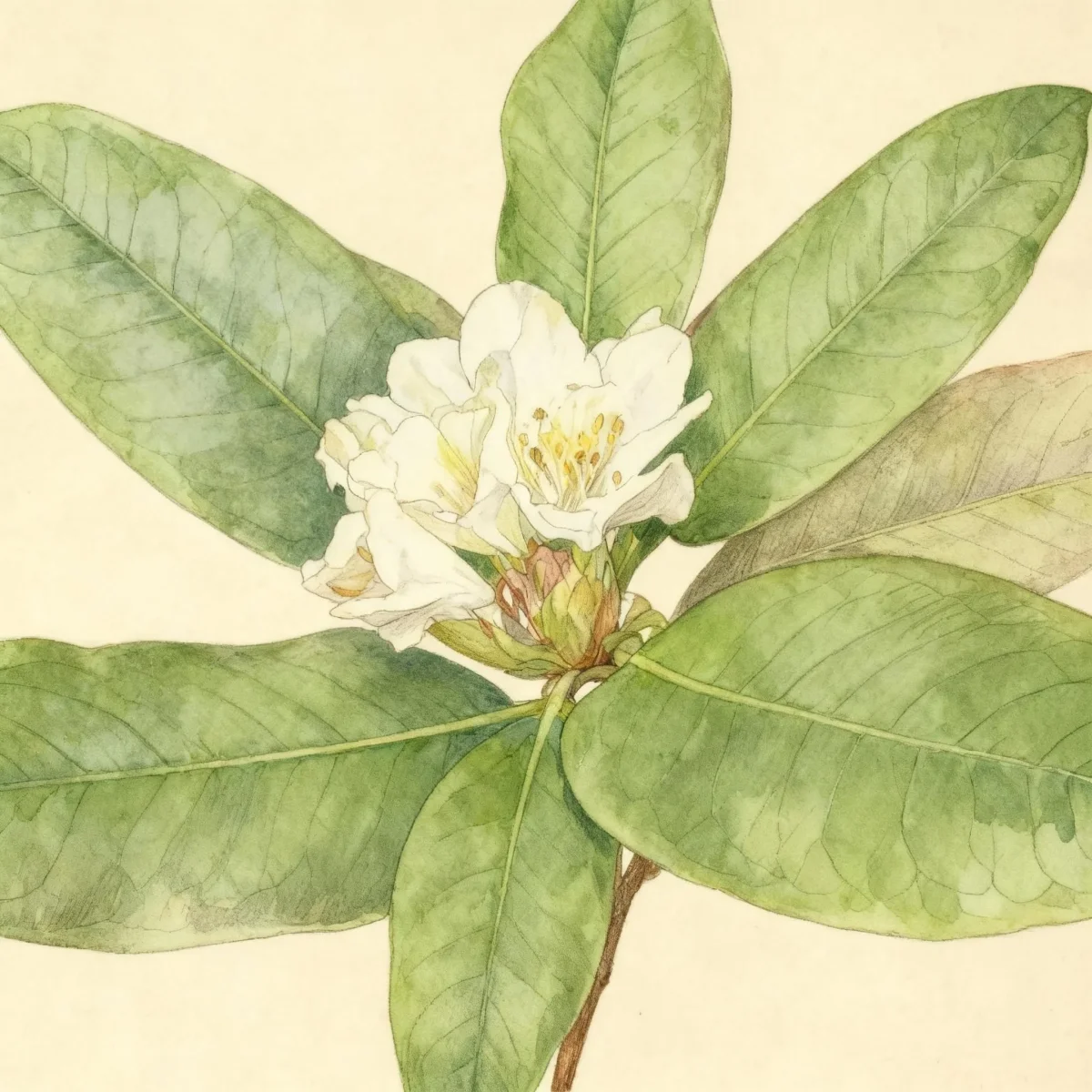
Drooping laurel (Leucothoe fontanesiana)
Leucothoe fontanesiana (Drooping laurel) is a low-maintenance, broadleaf evergreen for dense shade gardens. Native to the SE US.
Scroll down to discover growing tips, care requirements, companion plants, and more
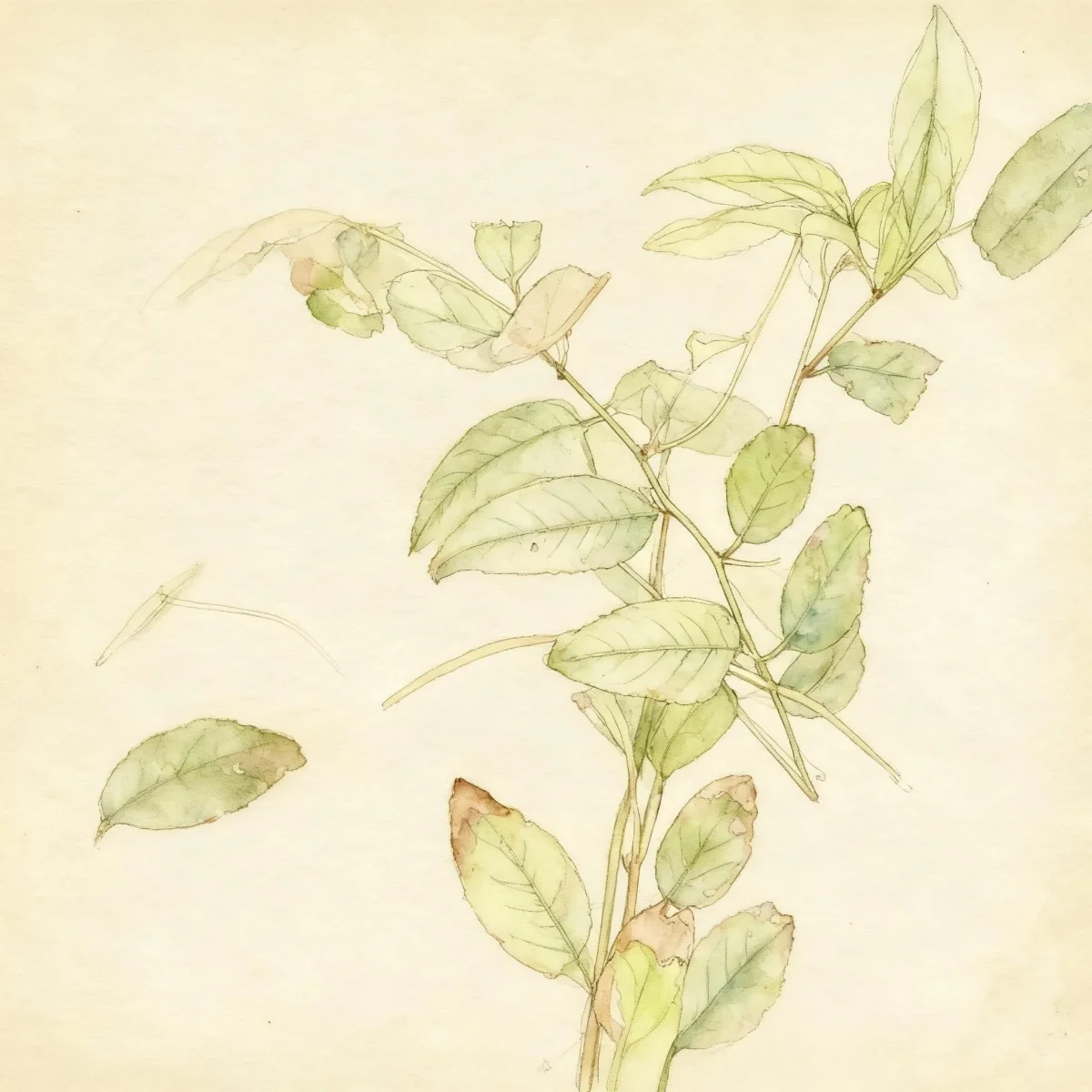
Complete Plant Information
Overview
The Drooping laurel (Leucothoe fontanesiana) stands out as a reliable, broadleaf evergreen shrub perfect for challenging shady locations. Its dense, deep green foliage provides year-round structure, making it a dependable choice for woodland or foundation plantings where other shrubs might struggle. Gardeners value this plant for its resilience and graceful, arching habit.
Native to the moist, forested mountainous regions of the Southeastern United States, Leucothoe fontanesiana thrives in deep shade, though it can handle some sun if moisture is consistent. This shrub forms colonies over time through suckering, which is beneficial for stabilizing slopes and creating naturalized borders.
In spring, the Drooping laurel offers aesthetically pleasing displays of waxy, urn-shaped white flowers nestled among the lush leaves. Its naturally low maintenance profile further cements its status as an excellent foundational planting, requiring minimal intervention once established in suitable locations.
Fast Facts
- Plant Family: Ericaceae
- Plant Type: Broadleaf evergreen
- Native Range: Southeastern United States
- Hardiness Zones: USDA Zones 5-8
- Size at Maturity:
- Height: 2-3 ft
- Spread: 2-3 ft
- Bloom Time: May
- Bloom Description: White
- Sun Exposure: Part shade to full shade
- Water Needs: Medium
- Maintenance Level: Low
How to Grow
The ideal location for planting Leucothoe fontanesiana is in well-drained loams that are rich in organic matter, consistently moist, and cool. While it performs best in part shade, it tolerates deep shade, though full sun requires guaranteed moisture availability. Avoid planting where it will be exposed to drying winds or drought conditions, as this plant possesses low tolerance for both.
Establish your Drooping laurel during the cooler seasons (spring or fall) to encourage root development before summer heat arrives. Work ample compost or aged leaf mold into the planting hole to mimic its native acidic, sandy, or clay-loam soils.
Ongoing care is straightforward. Maintain a medium watering schedule, ensuring the soil rarely dries out completely, especially during establishment or dry spells. Minimal pruning is usually necessary; however, any shaping required should be done lightly after flowering concludes. If grown in colder Zones like 5, securing a protective location and applying heavy winter mulch is crucial for safeguarding the attractive evergreen foliage.
Landscape Uses
The tough nature and spreading habit of Drooping laurel make it highly versatile in the landscape. It is exceptionally useful for creating dense, informal hedges where a low profile is desired, or for mass plantings meant to naturalize an area. Its tolerance for heavy shade makes it a superb choice for under tall trees or along north-facing exposures that receive little direct light.
Because Leucothoe fontanesiana is effective at stabilizing soil, planting it on banks or along stream edges utilizes its root structure to combat erosion. For woodland garden designs, consider pairing Leucothoe fontanesiana with other acid-loving plants like rhododendrons, azaleas, or native ferns to create a lush, layered, low-light environment that highlights its arching form.
Standout Features
Flower Qualities
- Showy
Noteworthy Characteristics
Leucothoe fontanesiana, commonly called drooping laurel, is a suckering, multi-stemmed, broadleaf evergreen shrub with arching branches that is native to moist forested mountain areas, dense thickets, stream banks and ravines from New York south to Alabama and Georgia, primarily in the Appalachian Mountains. Drooping spikes of waxy, urn-shaped, creamy white flowers droop from the leaf axils in spring (May). Leathery, lanceolate, evergreen leaves (up to 5” long) feature serrulate margins and taper to a long point.
Tolerances
- Heavy Shade
- Erosion
Potential Problems
Leucothoe fontanesiana generally enjoys low susceptibility to pest and disease issues, which contributes to its low maintenance rating. However, gardeners should be vigilant about improving air circulation, as poor air flow can promote fungal issues. Leaf spot can become a significant cosmetic problem, particularly in humid, still environments. Ensure plants are not crowded and prune nearest structural branches slightly to allow air movement throughout the canopy to mitigate this risk.
Frequently Asked Questions
What hardiness zones is Drooping laurel suitable for?
The Drooping laurel (Leucothoe fontanesiana) is hardy across USDA Zones 5 through 8, though Zone 5 gardeners should provide winter protection.
How large does Leucothoe fontanesiana grow?
This shrub typically matures to a spread of 2 to 3 feet wide and reaches a height between 2 and 3 feet tall, growing in a mounding habit.
When does Drooping laurel bloom?
This evergreen puts on a display in May, featuring clusters of white, urn-shaped flowers.
What sun exposure does Leucothoe fontanesiana need?
It is highly adaptable to low-light conditions and thrives in part shade to full shade settings.
Conclusion
The Drooping laurel (Leucothoe fontanesiana) offers year-round foliage interest, elegant spring blooms, and superior tolerance for deep shade, making it invaluable for difficult garden spaces. Investing in this native shrub ensures a low-maintenance planting that excels at stabilizing slopes. Before installing, always confirm your regional USDA Zone compatibility and prepare the soil to be rich and acidic for the best performance of your new Leucothoe fontanesiana.
Companion Planting
For woodland gardens where Leucothoe fontanesiana thrives, consider pairing it with acid-loving companions that share similar moisture and shade requirements. Shade-tolerant ferns, such as Autumn Ferns (Dryopteris erythrosora), provide contrasting textures with their delicate fronds against the broad, leathery leaves of the Drooping laurel. Hellebores (Helleborus) are also excellent partners, offering valuable early spring color before the Leucothoe fontanesiana flowers fully open.
Propagation Tips
Leucothoe fontanesiana naturally spreads via suckering, which is the easiest method for plant increase; simply dig up rooted offsets during the dormant season and transplant them immediately. For intentional propagation, semi-hardwood cuttings taken in mid to late summer offer good success rates. Dip the cuttings into rooting hormone powder and place them in a moist, well-draining substrate like peat and perlite in a protected, humid environment until roots develop.