Rhododendron (Rhododendron lanatum)
Discover Rhododendron lanatum, a compact, woolly evergreen Rhododendron perfect for woodland margins in zones 7-9.
Scroll down to discover growing tips, care requirements, companion plants, and more
Complete Plant Information
Overview
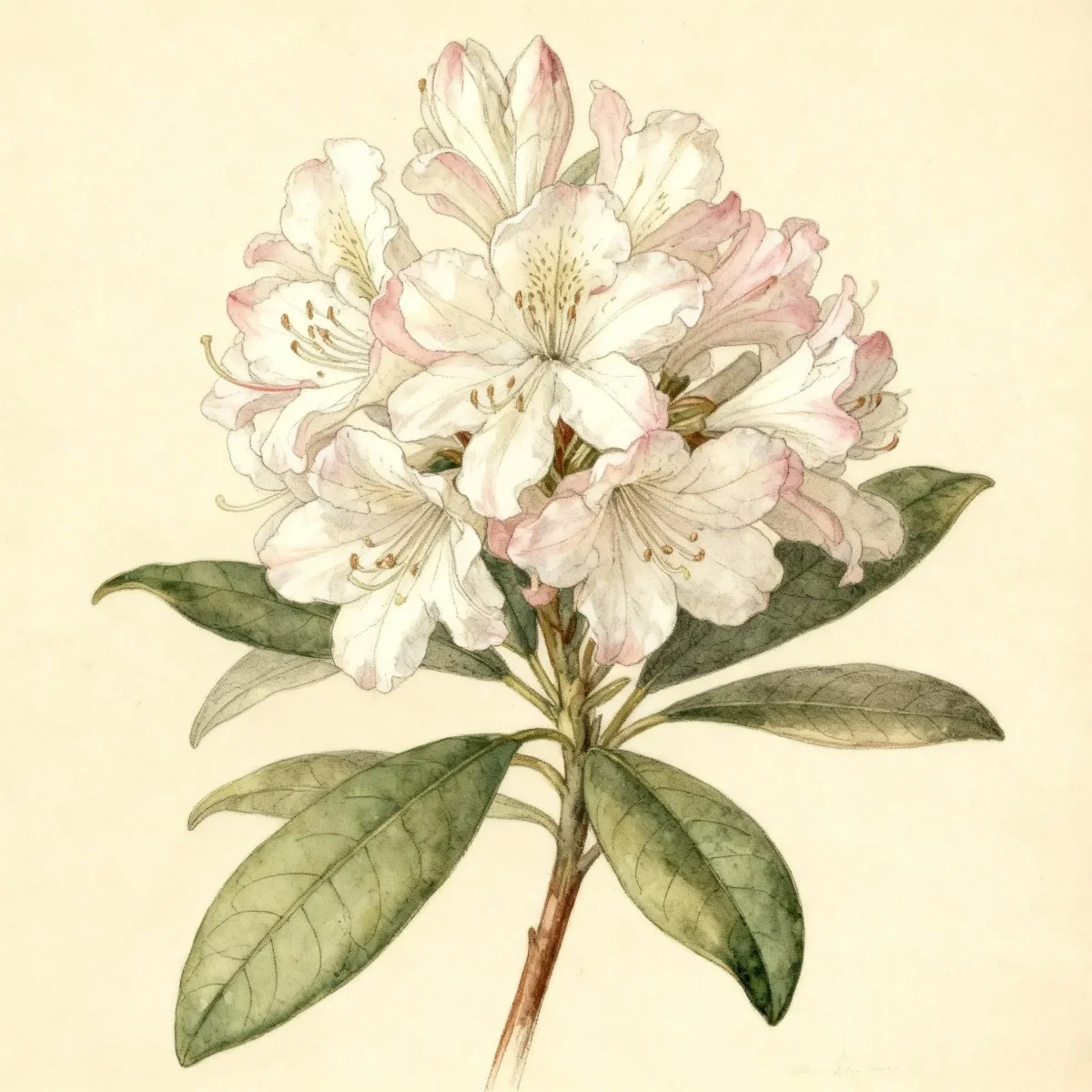
The Rhododendron lanatum, often called the woolly rhododendron, is a distinctive addition to any layered or shaded garden, prized for its compact, small-leaved, evergreen structure. This Rhododendron offers significant structural interest even outside of its May bloom period, thanks to its leathery, dark green foliage accented by woolly young shoots. Cultivating the right conditions allows this species to thrive as a solid anchor in mixed borders or woodland settings.
Native to high elevations in the eastern Himalayas, this Rhododendron variety requires careful placement to replicate its preferred dappled light conditions. Its mature size ranges from 3 to 10 feet tall and wide, making it versatile for screening or as a specimen plant. Successfully growing Rhododendron lanatum relies heavily on achieving the correct soil pH and ensuring consistent moisture without waterlogging the shallow root system.
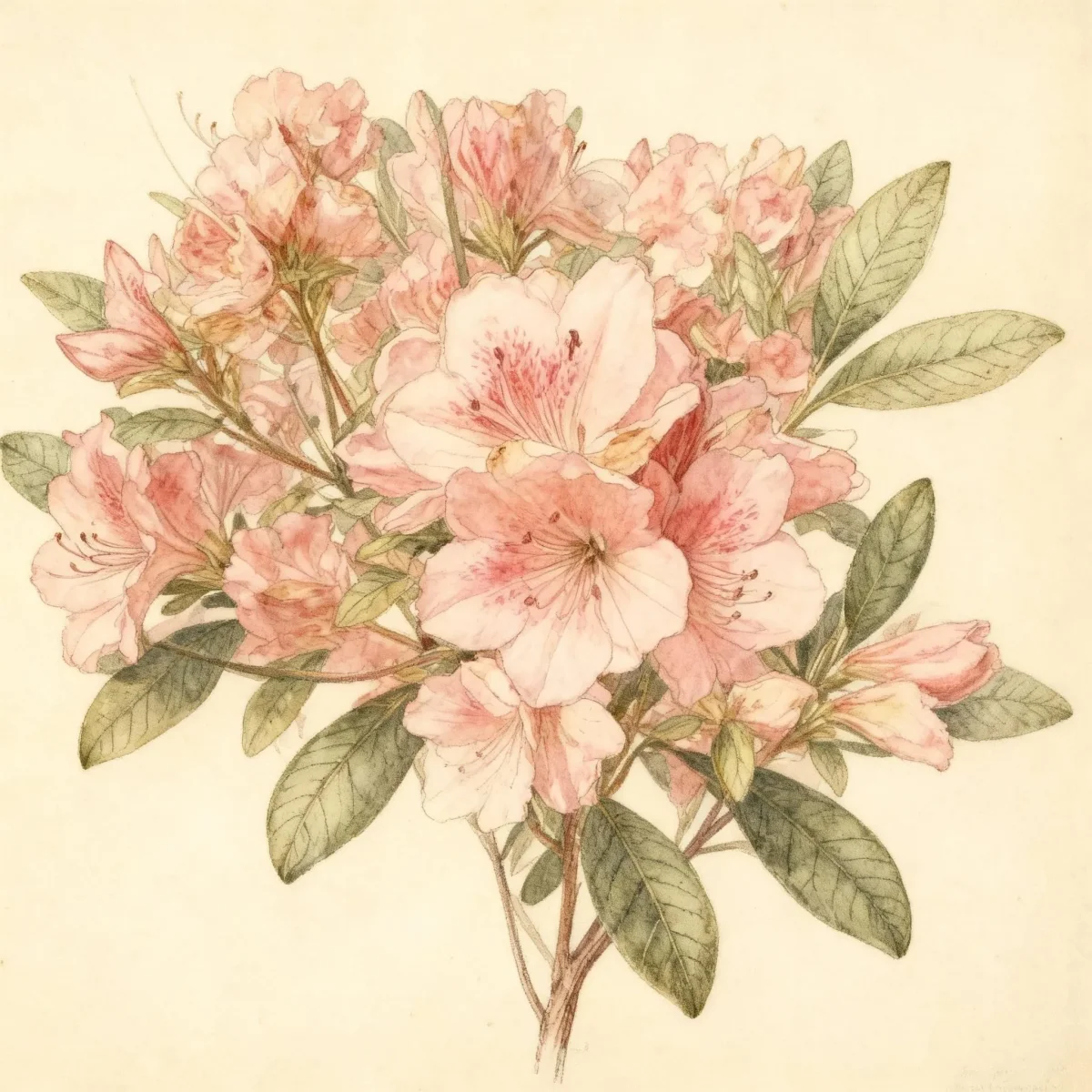
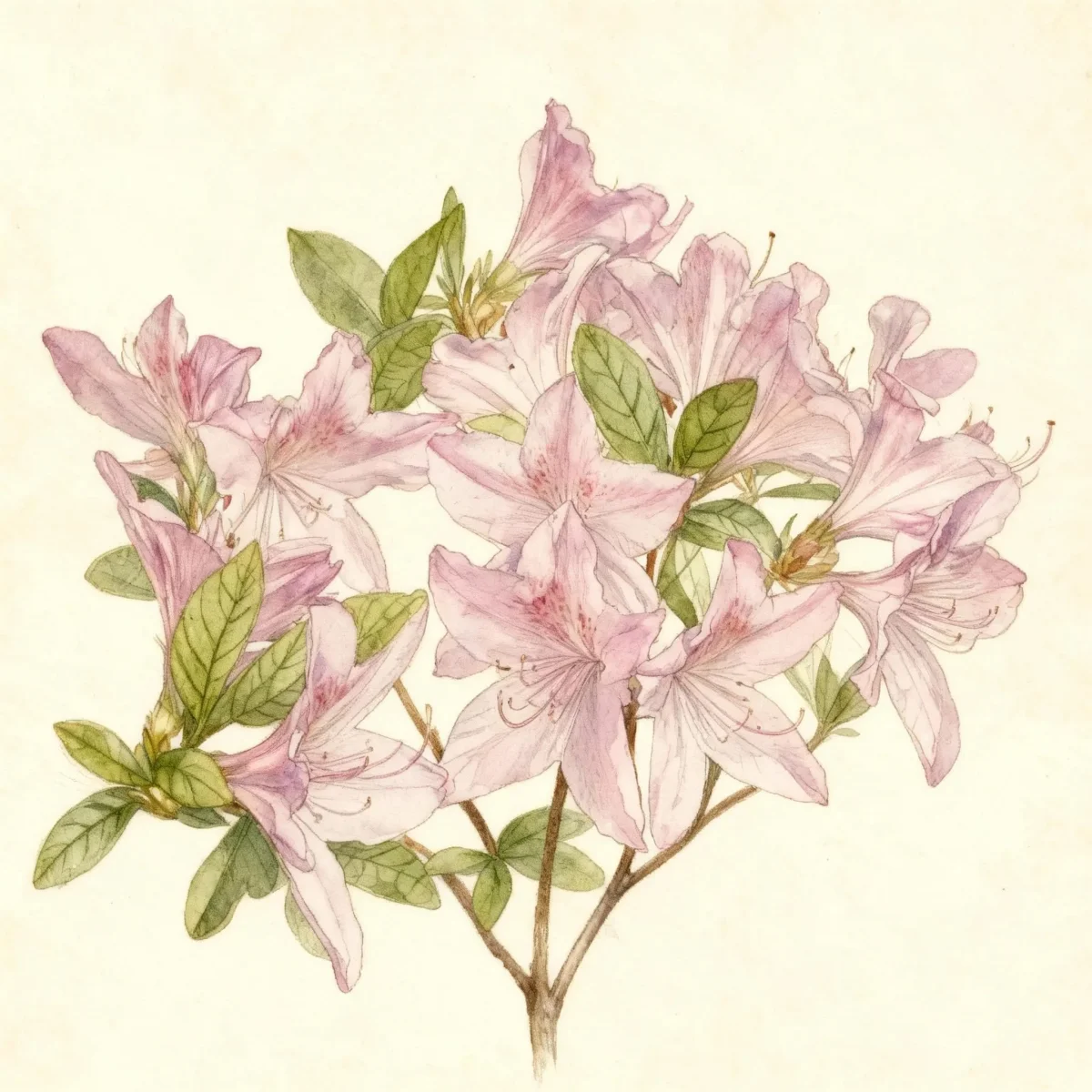
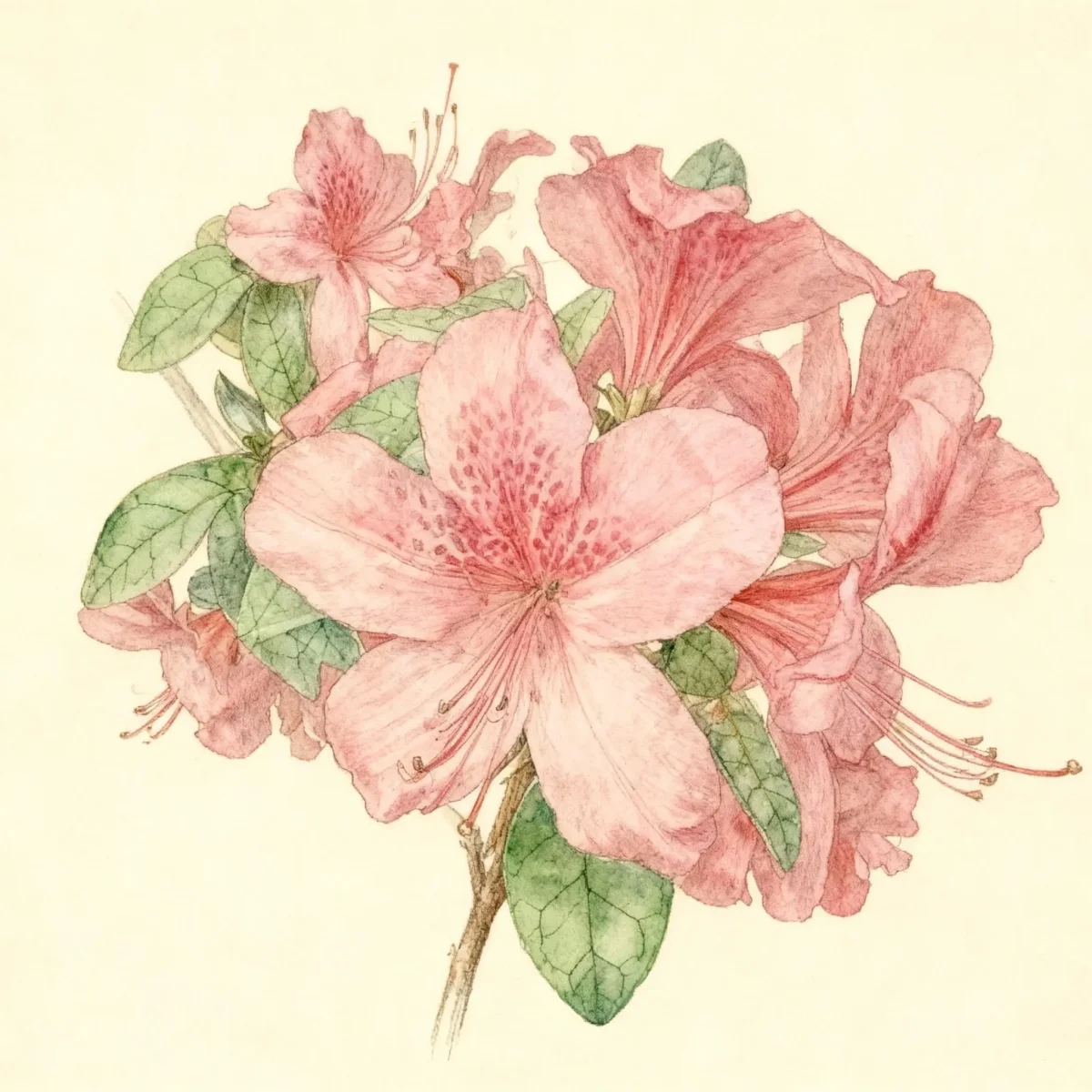
Gardeners seeking reliable structure and unique spring color will appreciate the Rhododendron lanatum. Its bloom, featuring sulfur-yellow flowers prominently spotted with maroon, provides a striking contrast against the mature, woolly-backed leaves. Proper siting in USDA Zones 7 to 9 ensures this beautiful evergreen Rhododendron provides year-round texture and charm.
Fast Facts
- Plant Family: Ericaceae
- Plant Type: Broadleaf evergreen
- Native Range: China
- Hardiness Zones: USDA Zones 7-9
- Size at Maturity:
- Height: 3-10 ft
- Spread: 3-10 ft
- Bloom Time: May
- Bloom Description: Maroon spotted sulfur yellow
- Sun Exposure: Part shade
- Water Needs: Medium
- Maintenance Level: Medium
How to Grow
The ideal time to plant your Rhododendron lanatum is during the cooler months—spring or fall—to lessen transplant shock. Location is paramount: this plant demands part shade, preferring sun-dappled conditions across zones 7-9. It thrives only in acidic, humusy, organically rich soils that are moisture-retentive yet exceptionally well-drained. If you have heavy clay, plan for raised beds to mitigate the risk of root rot, as this Rhododendron absolutely dislikes “wet feet.” Always acidify the soil prior to planting and continue amendments as needed to maintain the required pH level.
Watering must be consistent; the shallow, fibrous root system of the Rhododendron must never be allowed to dry out, especially in warmer months. Apply a thick layer of organic mulch, such as pine needles or wood chips, around the base of the plant—avoiding direct contact with the trunk—to stabilize soil temperatures and retain vital moisture. Avoid cultivating near the plant, as its roots are fine and easily damaged.
Maintenance is moderately involved. Immediately after the blooms fade in May, gently clip off the spent flower clusters to encourage better flowering next season. Protection from harsh winter winds is crucial in exposed areas. By respecting the need for acidic soil and excellent drainage, you ensure a healthy specimen capable of resisting many common pests and diseases associated with the Rhododendron genus.
Landscape Uses
The Rhododendron lanatum is highly adaptable in specific landscape niches where dappled light prevails. Its upright, slightly rounded habit makes it an excellent choice for developing informal hedges that provide year-round screening and structure. It functions effectively as a specimen plant, drawing attention to an entryway or tucked into a woodland margin display.
Used in mass planting or group settings, this Rhododendron adds rich, deep green texture beneath taller deciduous trees, softening hard lines in shade gardens. It integrates beautifully into mixed borders alongside other acid-loving plants such as Azaleas, Camellias, and Japanese Maples. For foundation plantings near the home, the mature size of 10 feet tall warrants placement where it will not quickly overwhelm windows or walkways.
Standout Features
Flower Qualities
- Showy
Noteworthy Characteristics
Rhododendron lanatum, commonly known as woolly rhododendron, is a compact, small-leaved, evergreen rhododendron that is native to coniferous forests, rhododendron thickets, and mountain slopes in the eastern Himalayas. It is particularly noted for having densely white to tawny, woolly-velvet young shoots and leaf stalks plus leathery, dark green mature leaves that are woolly and white-rufous beneath. The plant produces broad, bell-shaped, sulfur-yellow flowers with maroon spots in May.
Tolerances
- Rabbit
Potential Problems
While a healthy Rhododendron lanatum in the correct setting faces limited issues, this species remains susceptible to a host of common insect and disease challenges. Fungal issues like canker, crown rot, and root rot are primary concerns, often stemming directly from poor drainage leading to constantly saturated soil. Foliar diseases such as leaf spot and powdery mildew can appear, especially if air circulation is poor.
For insect control, watch for piercing-sucking pests like aphids, scale, lacebugs, and mites, which can weaken the plant by draining sap and disfiguring leaves. The key to prevention is cultural control: ensuring bright morning sun, maintaining excellent soil drainage, and avoiding overhead watering when possible minimizes disease entry points. A consistent feeding program formulated for acid-loving plants supports robust health, which is the best defense against pests.
Frequently Asked Questions
What hardiness zones is Rhododendron suitable for?
The Rhododendron lanatum is winter hardy in USDA Zones 7 through 9.
How large does Rhododendron lanatum grow?
This species typically matures to a height between 3 and 10 feet, with a corresponding spread between 3 and 10 feet wide.
What sun exposure does Rhododendron lanatum need?
Rhododendron lanatum requires part shade; exposure to full sun can cause foliage scorch.
When does Rhododendron lanatum bloom?
This Rhododendron produces its unique maroon spotted sulfur yellow flowers during the month of May.
Conclusion
The Rhododendron lanatum offers excellent evergreen texture, unique woolly foliage, and striking spring flowers, making it a valuable, medium-maintenance shrub for acidic gardens. By focusing on highly acidic, well-drained soil and providing protection from harsh winter winds, you can ensure the longevity and beauty of your Rhododendron specimen. Consult your local hardiness map and plan planting for spring or fall to integrate this gorgeous, woolly Rhododendron into your landscape successfully.
Companion Planting
When designing a space for Rhododendron lanatum, always select companions that share its affinity for acidic soil and consistent moisture. Grouping it with other acid lovers like Azaleas, Blueberries, and Camellias creates a cohesive, low-pH planting zone, minimizing soil amendment challenges. Consider pairing it with ferns, Hosta varieties, and Astilbe underneath a high canopy of maples or oaks, as these plants thrive in the same dappled sunlight conditions that protect the Rhododendron foliage from scorching.
This combination of textures—the broad leaves of the Rhododendron against the fine fronds of ferns—enhances visual depth in woodland or shade gardens. Ensure that companion plants do not aggressively compete for surface moisture, as the shallow roots of the Rhododendron need unimpeded access to water. Proper spacing is essential, especially around the base, to maintain good air circulation, which is a key preventative measure against fungal diseases.
Seasonal Care Calendar
Spring is the focus month for Rhododendron lanatum care, beginning with amending the soil and applying a fresh layer of mulch once the ground thaws sufficiently. Immediately after the May bloom concludes, deadhead the spent flower trusses lightly to conserve the plant’s energy for next year’s bud set. Summer requires vigilant monitoring of moisture levels; if rain is sparse, supplement with deep, slow watering to keep the roots hydrated without saturating the soil.
As autumn approaches, cease high-nitrogen fertilization to prevent tender new growth from emerging too late in the season, which can be damaged by early frosts. In colder pockets of its range (Zone 7), consider wrapping the plant or establishing a windbreak before deep freezes set in. Winter care is largely passive protection; ensure the mulch layer remains intact and avoid unnecessary disturbance around the root zone until early spring growth begins.