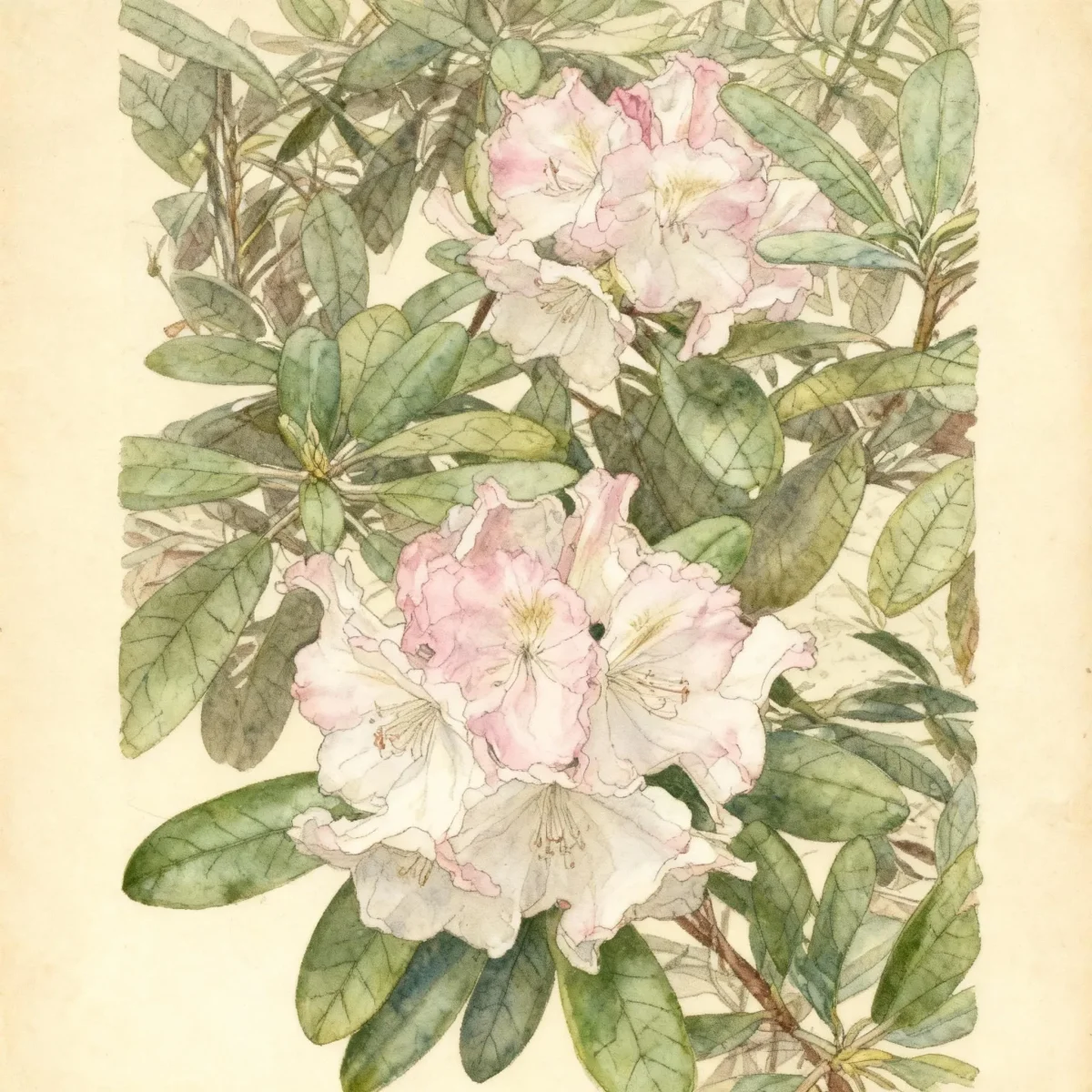
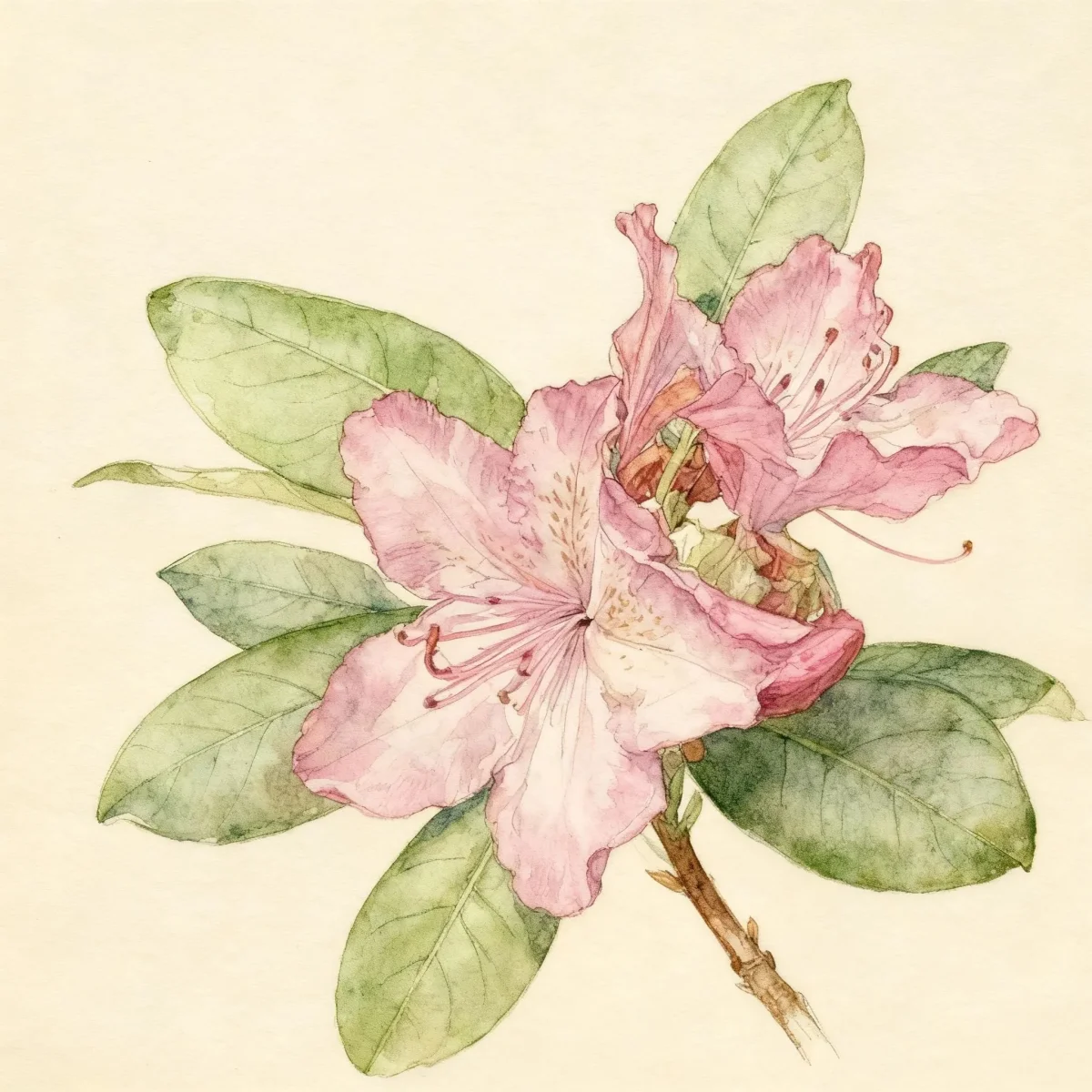
Rhododendron (Rhododendron sinogrande)
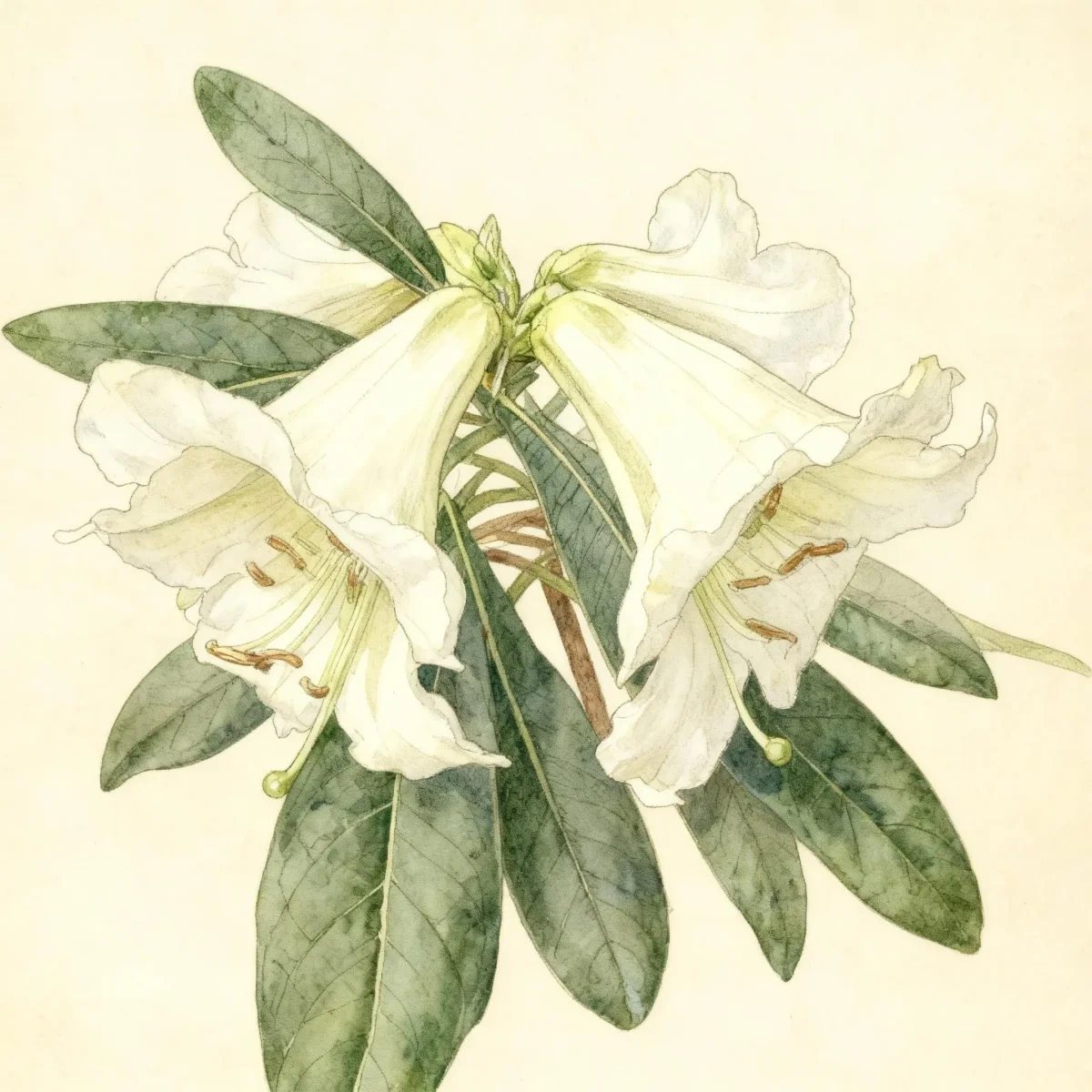
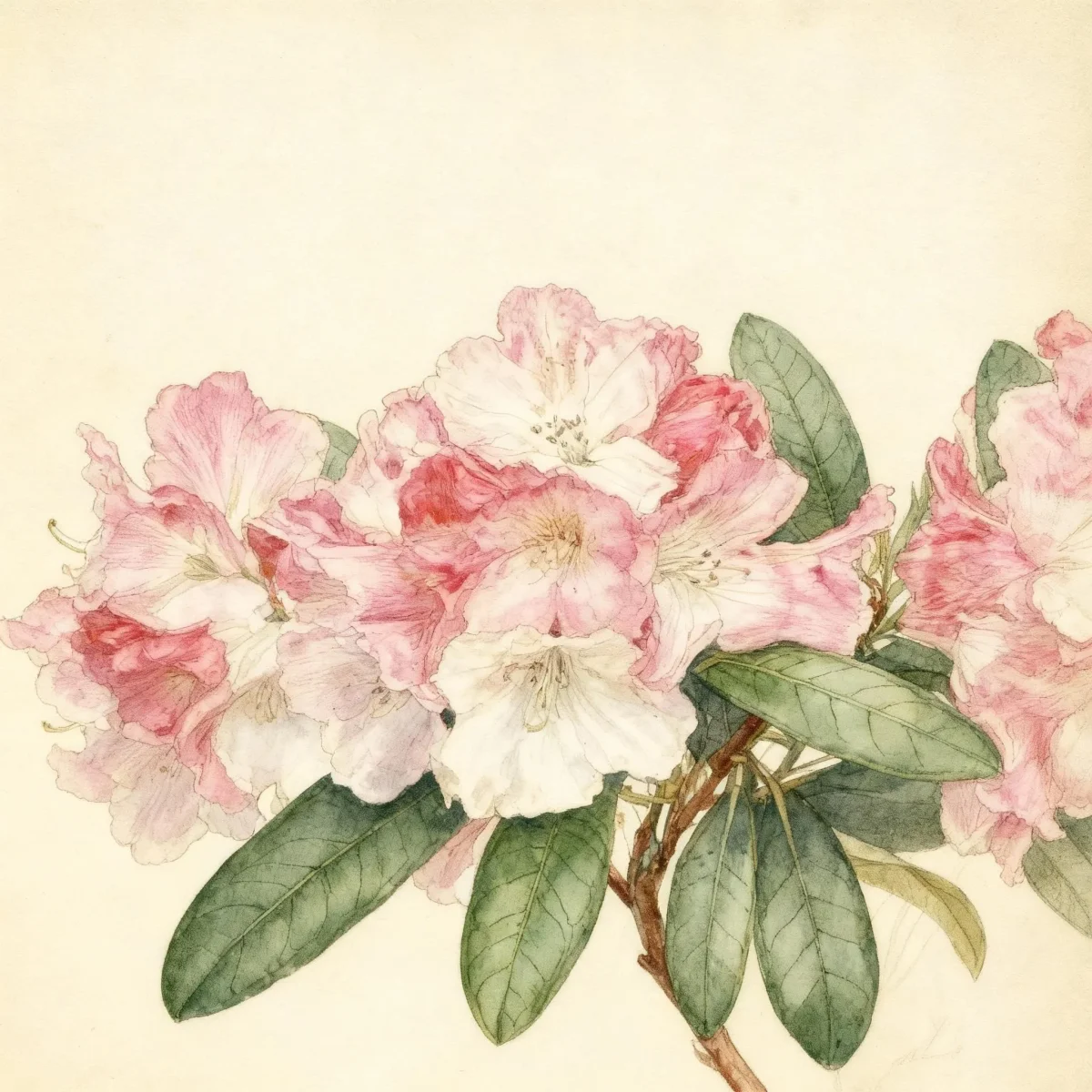
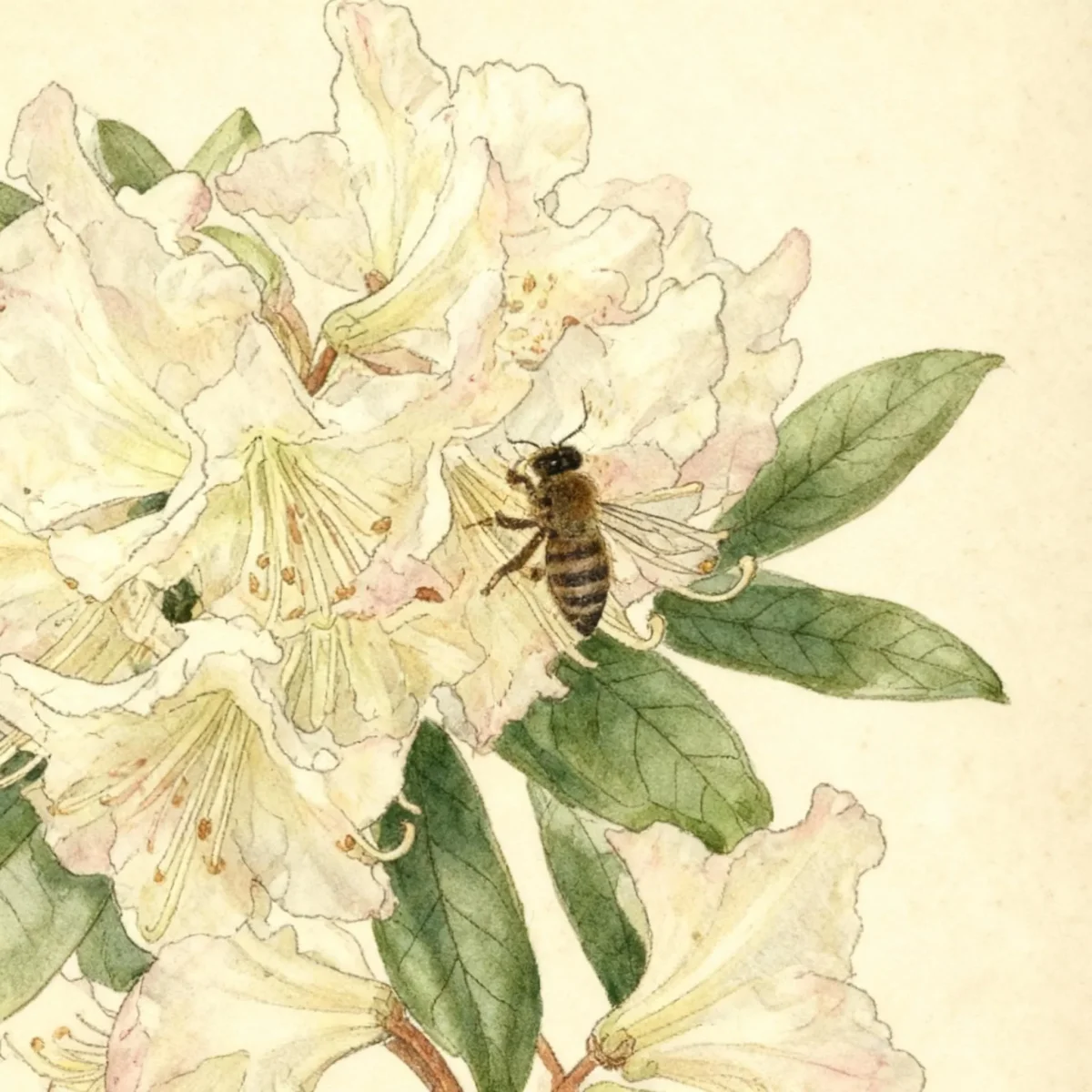
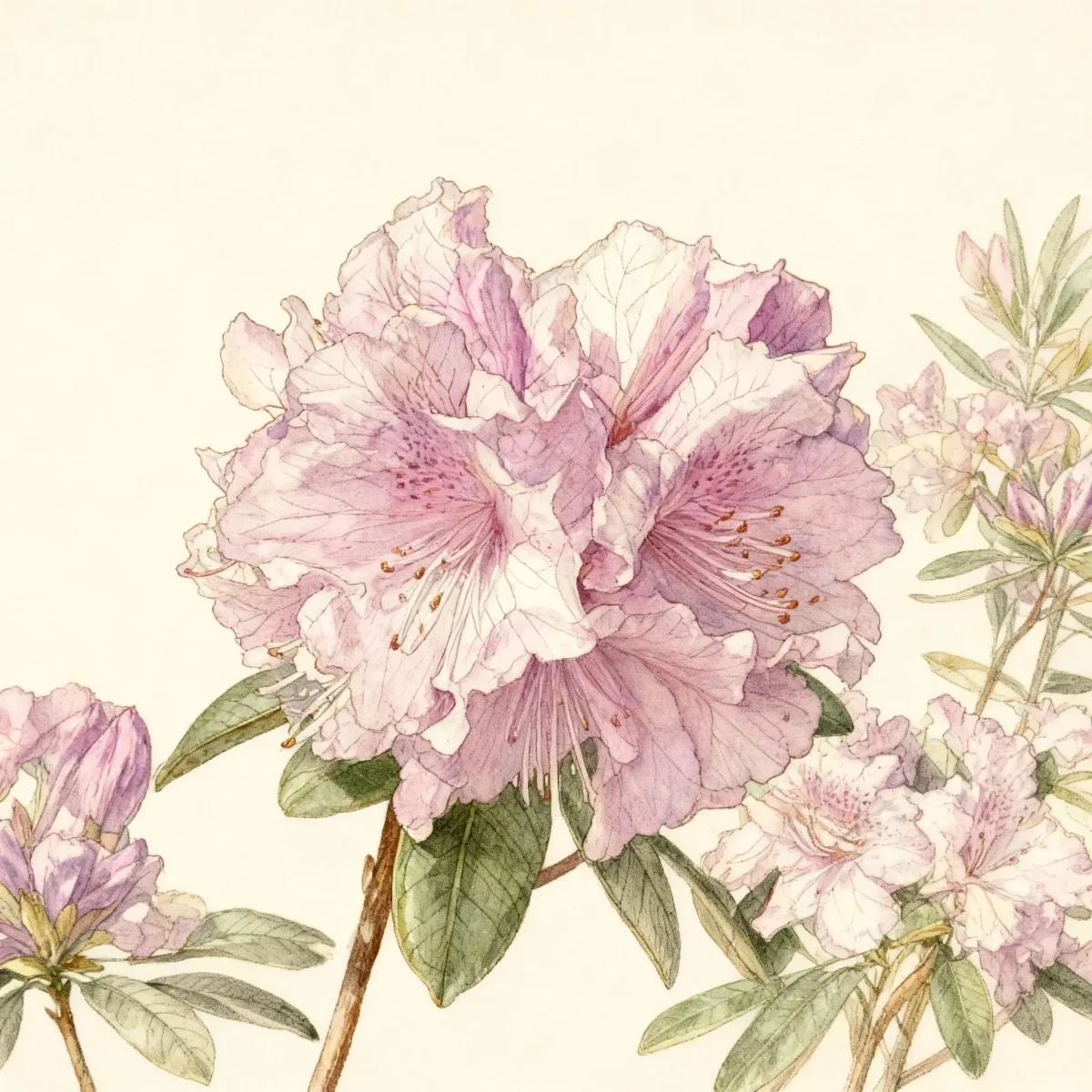
The impressive Rhododendron sinogrande features massive glossy leaves and elegant pale yellow blooms, ideal for woodland gardens.
Scroll down to discover growing tips, care requirements, companion plants, and more
Complete Plant Information
Overview
The magnificent Rhododendron sinogrande is a standout broadleaf evergreen prized for its truly enormous foliage, often cited as having the largest leaves of any Rhododendron species. Growing into a large shrub or small tree, this specimen commands attention in any shaded garden space where its scale can be appreciated. Successful cultivation hinges on replicating its native environment in the cool, moist understory of coniferous forests.
This impressive Rhododendron thrives when provided with consistently acidic, humus-rich soil that remains moist but never waterlogged. While beautiful, the plant requires attention to detail—especially regarding drainage and wind protection—to ensure its spectacular leaves remain undamaged throughout the year. It offers a distinct architectural presence unmatched by smaller cultivars.
For gardeners in sheltered, mild climates (USDA Zones 8-10), incorporating Rhododendron sinogrande brings a vital element of tropical grandeur combined with the reliability of an evergreen structure. Proper siting ensures the spectacular creamy white to pale yellow flowers displayed annually in April are complemented by healthy, glossy leaves year-round.
Fast Facts
- Plant Family: Ericaceae
- Plant Type: Broadleaf evergreen
- Native Range: Southwestern China
- Hardiness Zones: USDA Zones 8-10
- Size at Maturity:
- Height: 20-35 ft
- Spread: 15-30 ft
- Bloom Time: April
- Bloom Description: Creamy white to pale yellow
- Sun Exposure: Part shade to full shade
- Water Needs: Medium
- Maintenance Level: Medium
How to Grow
Planting Rhododendron sinogrande is best achieved in spring or fall when temperatures are moderate, ensuring it receives acidic, humusy, organically rich soil with excellent drainage. It strongly prefers a location protected from harsh winter winds, which can desiccate the large leaves, and dappled shade; direct afternoon sun must be avoided as foliage scorches easily. Acidify the soil generously before planting and continue soil amendments as necessary to maintain optimal low pH.
Watering should be consistent, meeting the medium water needs of this Rhododendron; roots must never be allowed to dry out entirely. Due to the shallow, fibrous root system, avoid cultivating near the base. Instead, apply a thick layer of organic mulch, such as pine needles or wood chips, to retain moisture, moderate soil temperature, and suppress weeds.
Good drainage is paramount; if heavy clay soils are an issue, consider planting in raised beds to guarantee the plant doesn’t suffer from “wet feet,” which inevitably leads to root rot. Immediately following the bloom period in April, clip off spent flower clusters to direct energy back into leaf and root development for next season’s display of this extraordinary Rhododendron. Note that this variety is not reliably winter hardy below Zone 8—it is not suited for colder environments like St. Louis.
Landscape Uses
The massive scale of Rhododendron sinogrande naturally lends itself to woodland garden designs where context allows for its substantial size. It excels as a specimen plant, anchoring a shady corner or providing a dramatic backdrop to smaller, contrasting understory plantings. It is highly recommended for woodland areas where its architectural form and huge leaves can create an immersive, almost prehistoric atmosphere.
When developing planting schemes, pair this species with acid-loving companions that match its cultural demands for part shade and moisture. Consider ferns, azaleas (smaller varieties), camellias, or shade-tolerant groundcovers. The pale bloom color of Rhododendron sinogrande contrasts beautifully against deep green foliage, making it a superb focal point in shady borders.
Standout Features
Flower Qualities
- Showy
Noteworthy Characteristics
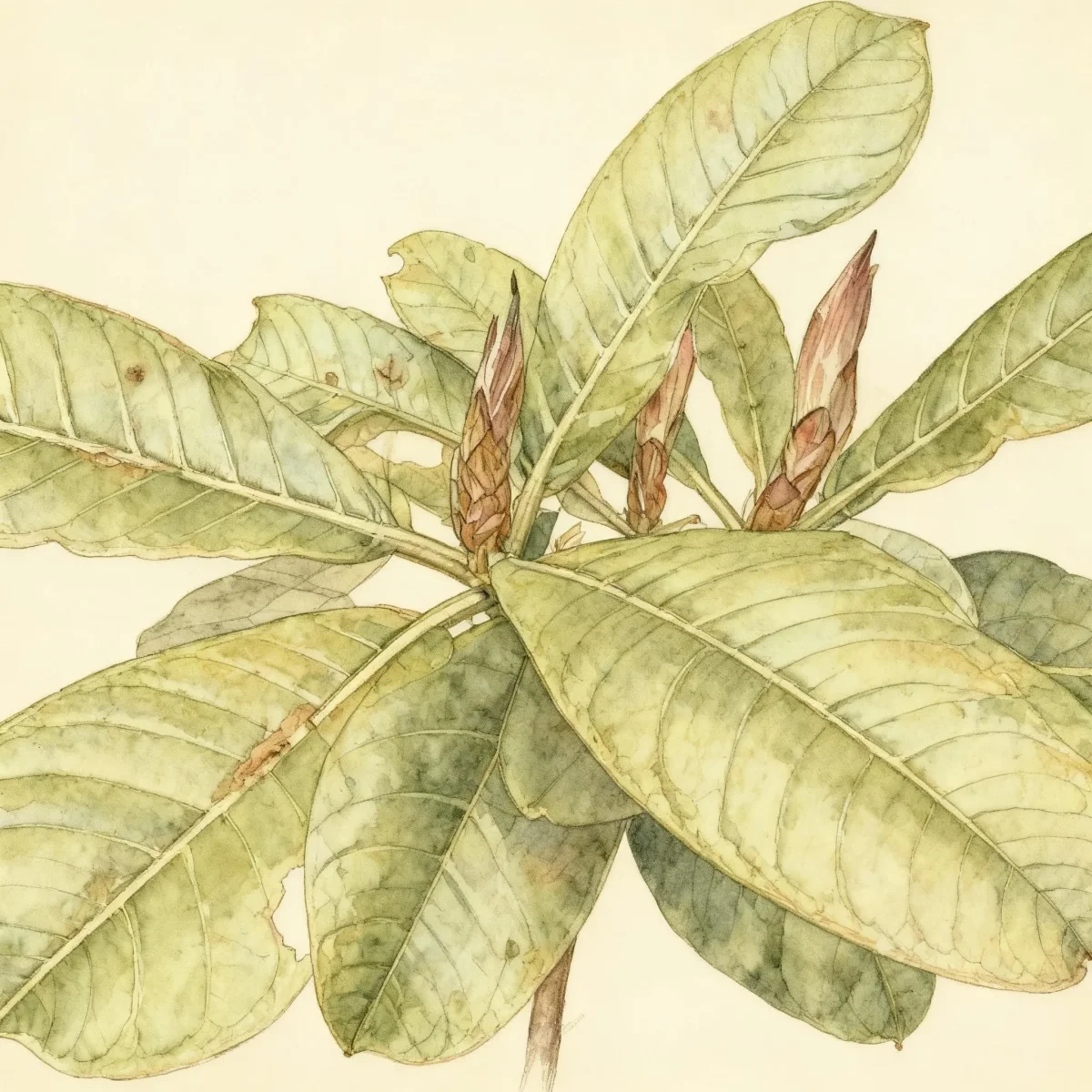
Rhododendron sinogrande is recognized for its truly immense scale, functioning as an evergreen understory tree or large shrub native to the alpine coniferous habitats of western China. Its most celebrated feature is its foliage—glossy dark green leaves that can reach lengths of three feet. The flowers, borne in trusses of 15–30, are creamy white to pale yellow and appear in spring, accompanied by pale brown or silvery undersides on the leaves.
Tolerances
- Rabbit
Potential Problems
Like many members of the Rhododendron genus, Rhododendron sinogrande can be targeted by a range of pests and diseases if cultural requirements are not met. Susceptibility includes issues like canker, crown rot, root rot, leaf spot, rust, and various sucking insects such as aphids, scale, and lacebugs. Maintaining a healthy plant in the correct environment—acidic soil, good drainage, and appropriate shade—is the primary defense strategy. Always ensure excellent air circulation and avoid mechanical root disturbance from cultivation.
Frequently Asked Questions
What hardiness zones is Rhododendron suitable for?
This specific Rhododendron, Rhododendron sinogrande, is established as hardy in USDA Zones 8 through 10.
How large does Rhododendron sinogrande grow?
This is a large specimen, reaching mature heights between 20 and 35 feet tall, with an equally substantial spread of 15 to 30 feet wide.
What sun exposure does Rhododendron need?
This plant prefers part shade to full shade; direct, harsh sun should be avoided as it commonly leads to leaf scorching.
When does Rhododendron sinogrande bloom?
Blooming typically occurs in April, presenting trusses of creamy white to pale yellow flowers.
Conclusion
The sheer size and visual impact of the foliage make Rhododendron sinogrande an unparalleled choice for large, shaded garden areas where drama and structure are desired. Providing the necessary acidic soil and protection from wind ensures this impressive specimen thrives for decades. Before planting, confirm your site meets the Zone 8 minimum and plan for ample space to accommodate its impressive mature architecture.
Companion Planting
Given the specific need for acidic soil and part shade, companion planting for Rhododendron sinogrande should focus on species with similar needs. Interplanting with acid-loving evergreens like companion Azaleas or Camellias provides textural contrast while sharing soil chemistry requirements. For ground cover beneath the massive canopy, consider moisture-loving, shade-tolerant perennials such as Hellebores (Lenten Rose) or various types of large-leafed Hostas (avoiding intense sunlight varieties).
Seasonal Care Calendar
Spring is crucial for this Rhododendron; ensure spent flower trusses are removed shortly after blooming finishes in April to promote strong vegetative growth, not seed production. Summer care focuses heavily on consistent moisture, particularly for the shallow roots; apply supplemental water during dry spells, ensuring soil saturation without standing water. In the fall, apply a fresh layer of protective mulch (pine needles are excellent) to insulate roots ahead of winter, and check for any structural issues before dormancy sets in.