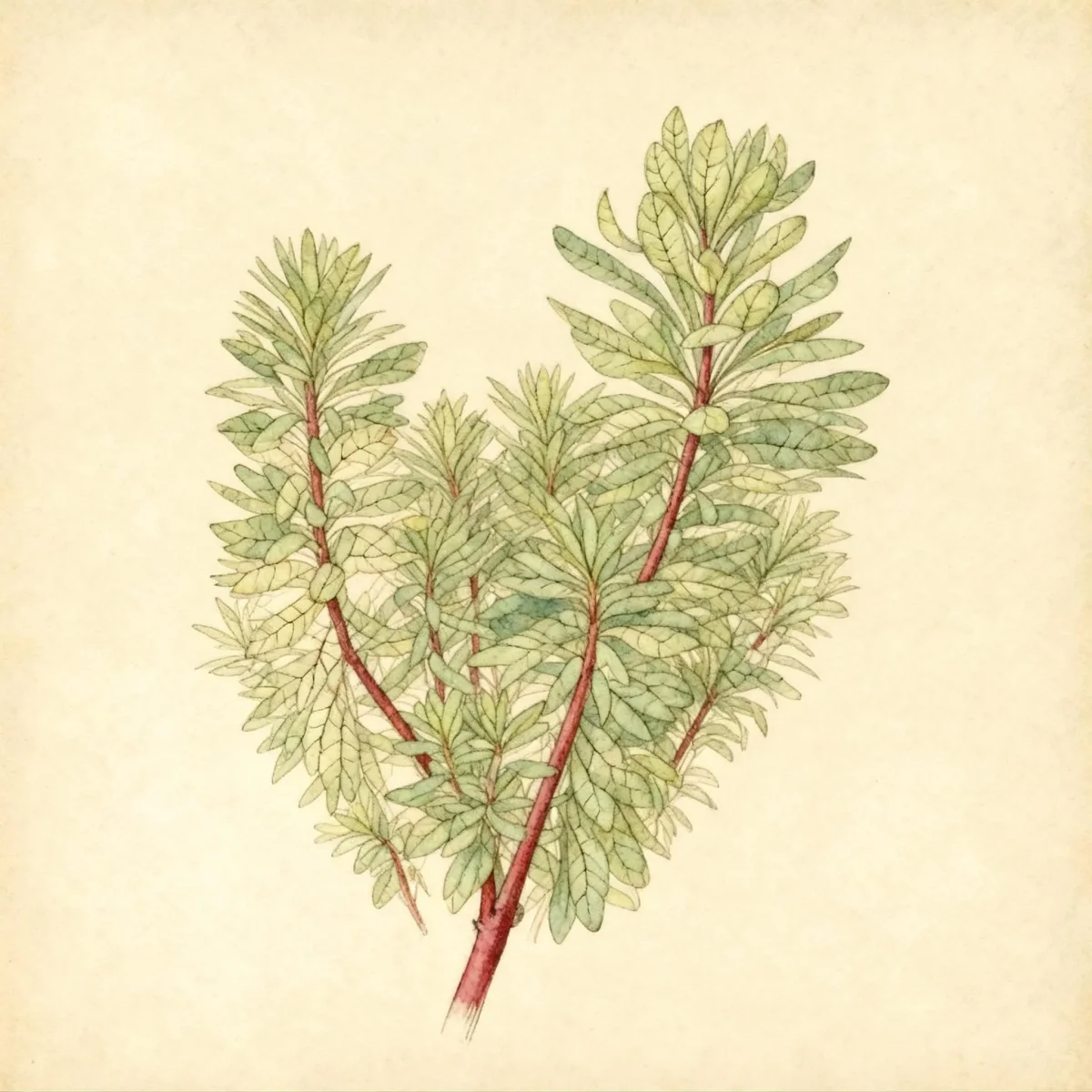
Myrtle spurge (Euphorbia myrsinites)
Discover Myrtle spurge (Euphorbia myrsinites), a drought-tolerant evergreen perennial with striking blue-green foliage and spring yellow bracts.
Scroll down to discover growing tips, care requirements, companion plants, and more
Complete Plant Information
Overview
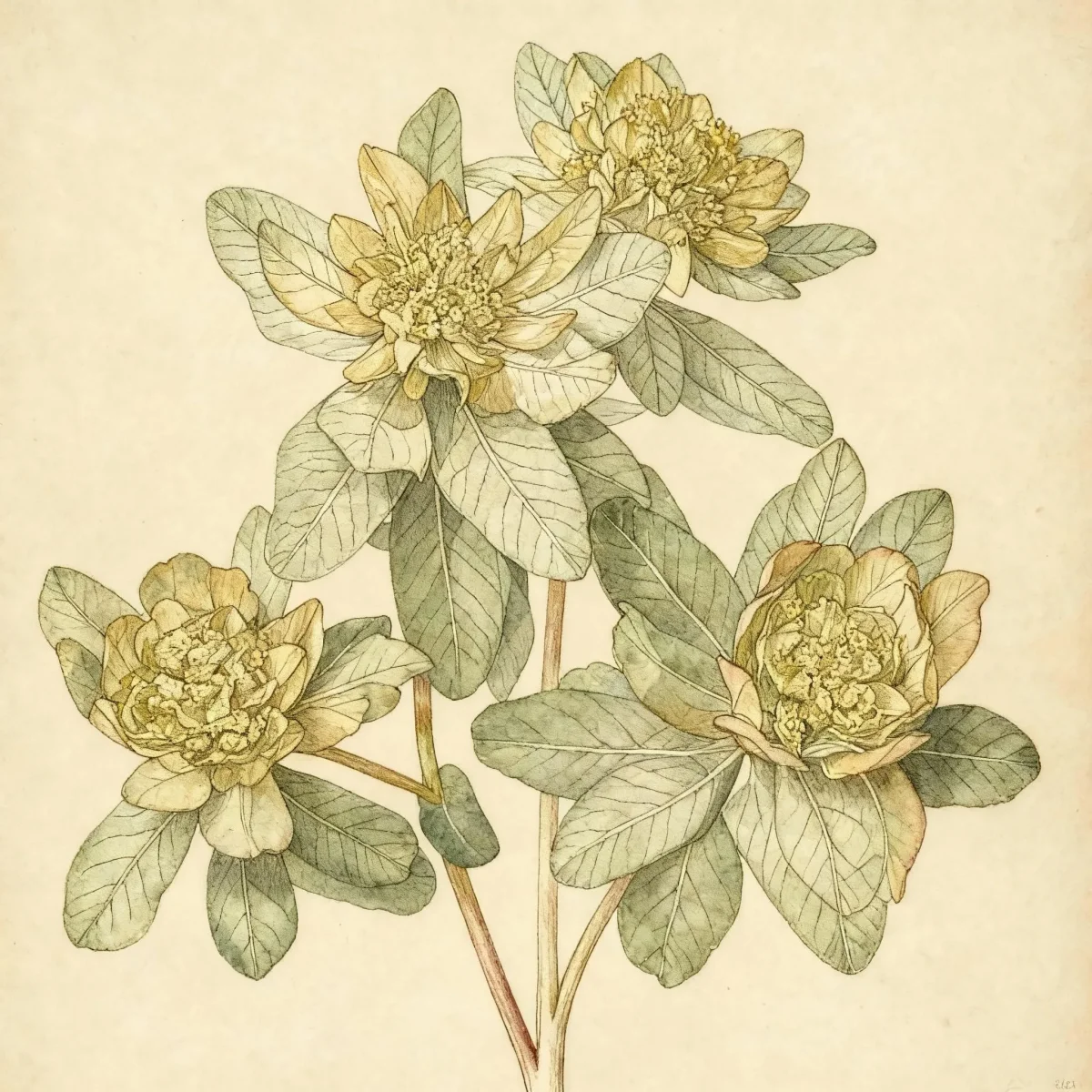
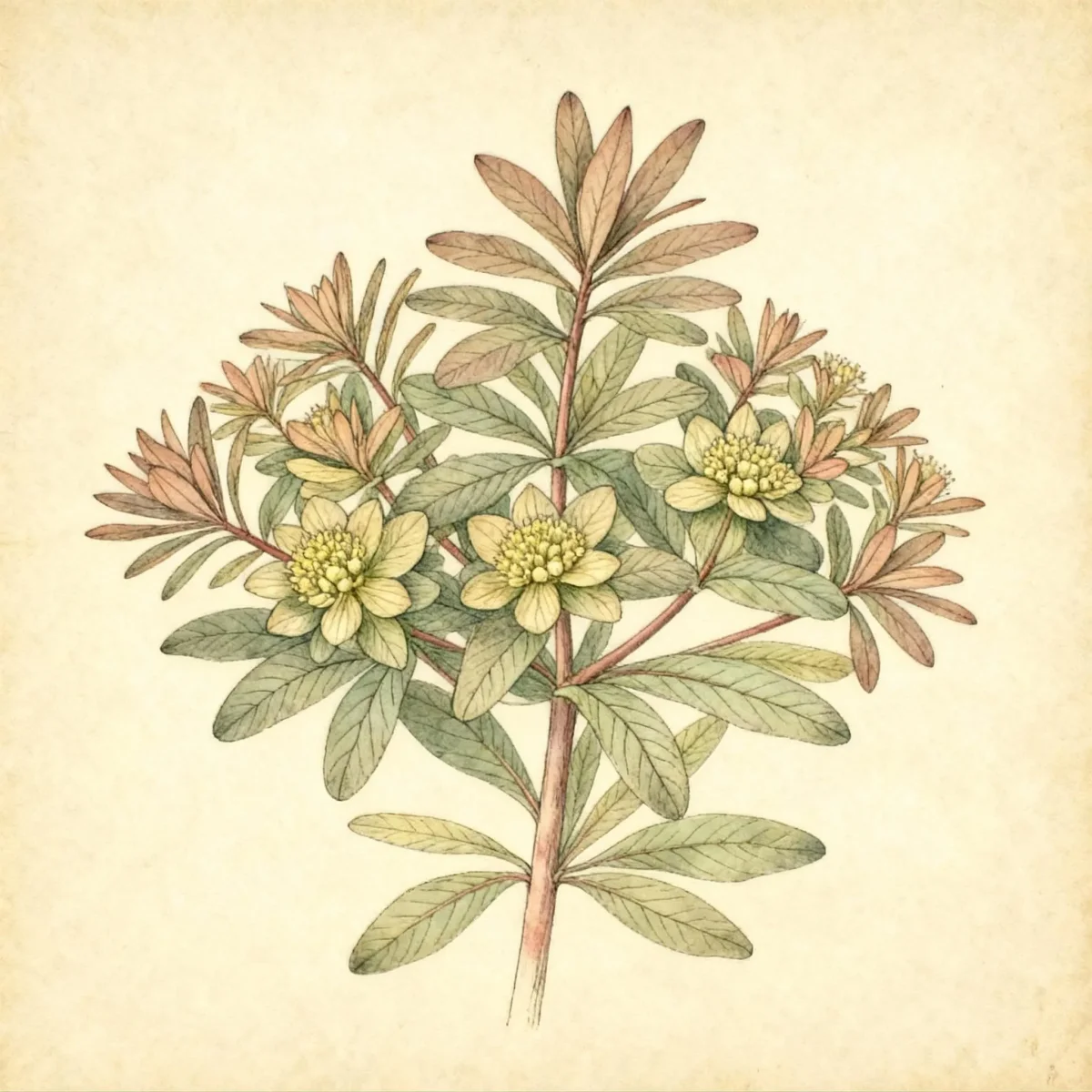
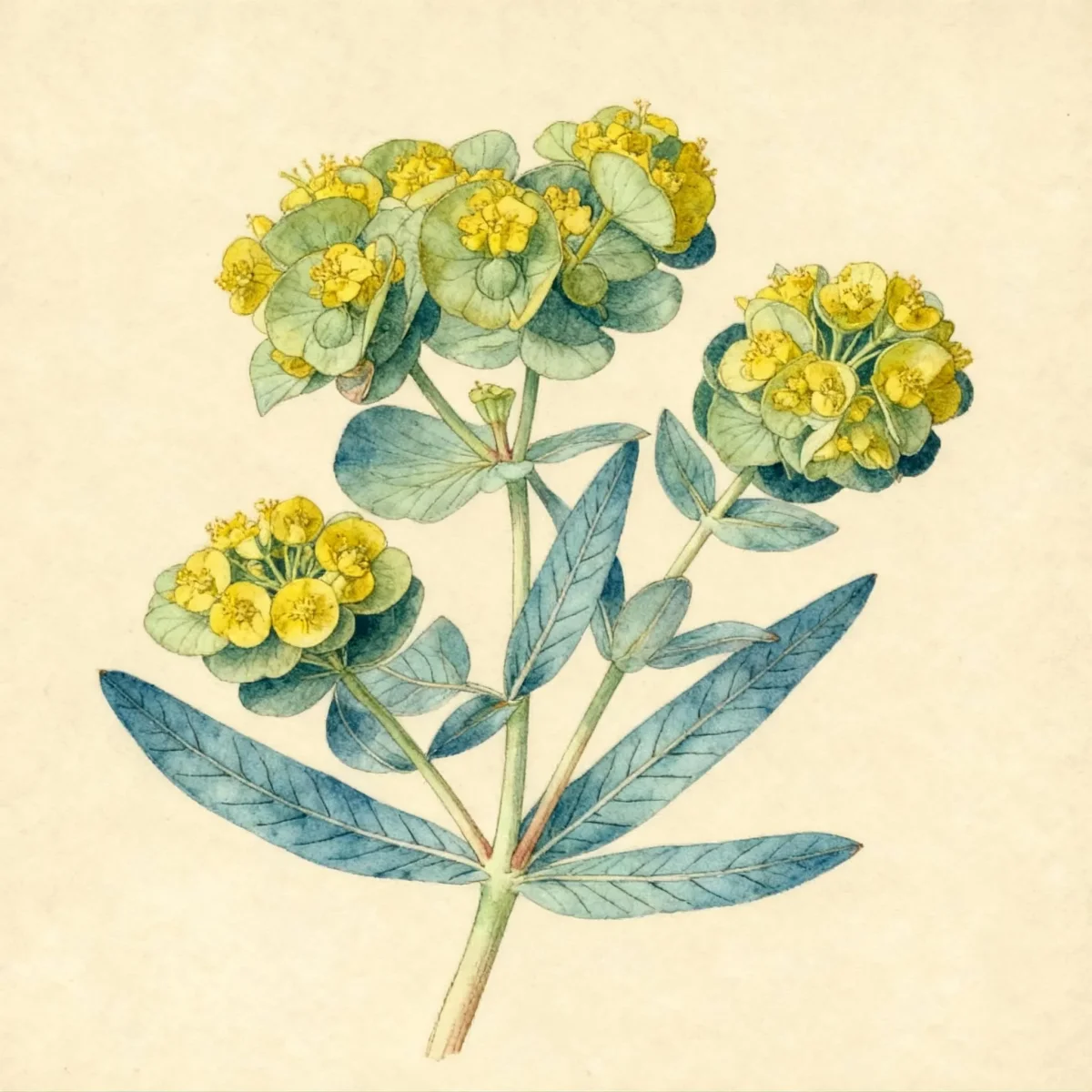
Euphorbia myrsinites, commonly known as myrtle spurge, offers unique architectural interest to the dry garden. This evergreen perennial is prized for its trailing stems covered in dense, blue-green, succulent-like foliage, providing excellent texture throughout the year. Its defining feature is the vibrant display of yellow bracts that emerge in early spring, drawing the eye before many other plants awaken.
Myrtle spurge thrives in challenging conditions where other plants struggle. It requires full sun and significantly dry soil once established, making it an ideal candidate for xeriscaping and rock gardens. While low-maintenance overall, it thrives best when sited correctly in well-drained spots.
Gardeners value Euphorbia myrsinites for its robust, nearly indestructible nature and its ability to spill attractively over retaining walls or stone edges. Though rewarding, gardeners should recognize its tendency to self-seed and manage its spread accordingly to maintain desired planting areas.
Fast Facts
- Plant Family: Euphorbiaceae
- Plant Type: Herbaceous perennial
- Native Range: Southern Europe, Asia Minor
- Hardiness Zones: USDA Zones 5-9
- Size at Maturity:
- Height: 0.5-1 ft
- Spread: 0.5-1 ft
- Bloom Time: March to April
- Bloom Description: Yellow bracts
- Sun Exposure: Full sun
- Water Needs: Dry
- Maintenance Level: Medium
How to Grow
The best time to establish Euphorbia myrsinites is when planting new perennials, typically in spring or fall. Success relies heavily on location: this plant demands dry, well-drained soils and full sun exposure. It is notably tolerant of poor soils, including conditions that are rocky or sandy, making it excellent for lean sites.
Care for this spurge is generally minimal once established. Water sparingly; it is extremely drought-tolerant and dislikes consistently moist conditions, which can lead to root issues. Fertilization is usually unnecessary, as rich soil can encourage floppier growth.
A crucial care point for myrtle spurge involves managing its reproduction. Euphorbia myrsinites freely self-seeds. Promptly remove spent flowers immediately after they fade in spring to significantly reduce unwanted seedling populations throughout the garden.
Although evergreen, expect some foliage decline in harsh winters, particularly if exposed to wind. Conversely, this plant may be shorter-lived in hot, humid winter climates, so monitor its health through the seasons.
Landscape Uses
The striking habit of myrtle spurge makes it invaluable for structured, low-water landscape designs. It excels when planted at border fronts, where its low, spreading habit neatly edges walkways or beds without becoming overgrown. Its trailing nature is perfectly suited to sprawl gracefully over the edges of stone walls, softening hardscape elements.
Planting Euphorbia myrsinites in rock gardens, whether tucked between boulders or cascading down a slope, showcases its tolerance for shallow, rocky soil. In these difficult locations, it provides reliable year-round color and structure where many other perennials fail to thrive.
To create complementary visual texture, pair the blue-green foliage of this spurge with contrasting fine-textured or upright plants that share its dry culture needs. Consider pairing it with Sedum, low-growing ornamental grasses, or native Mediterranean succulents.
Standout Features
Flower Qualities
- Showy
Noteworthy Characteristics
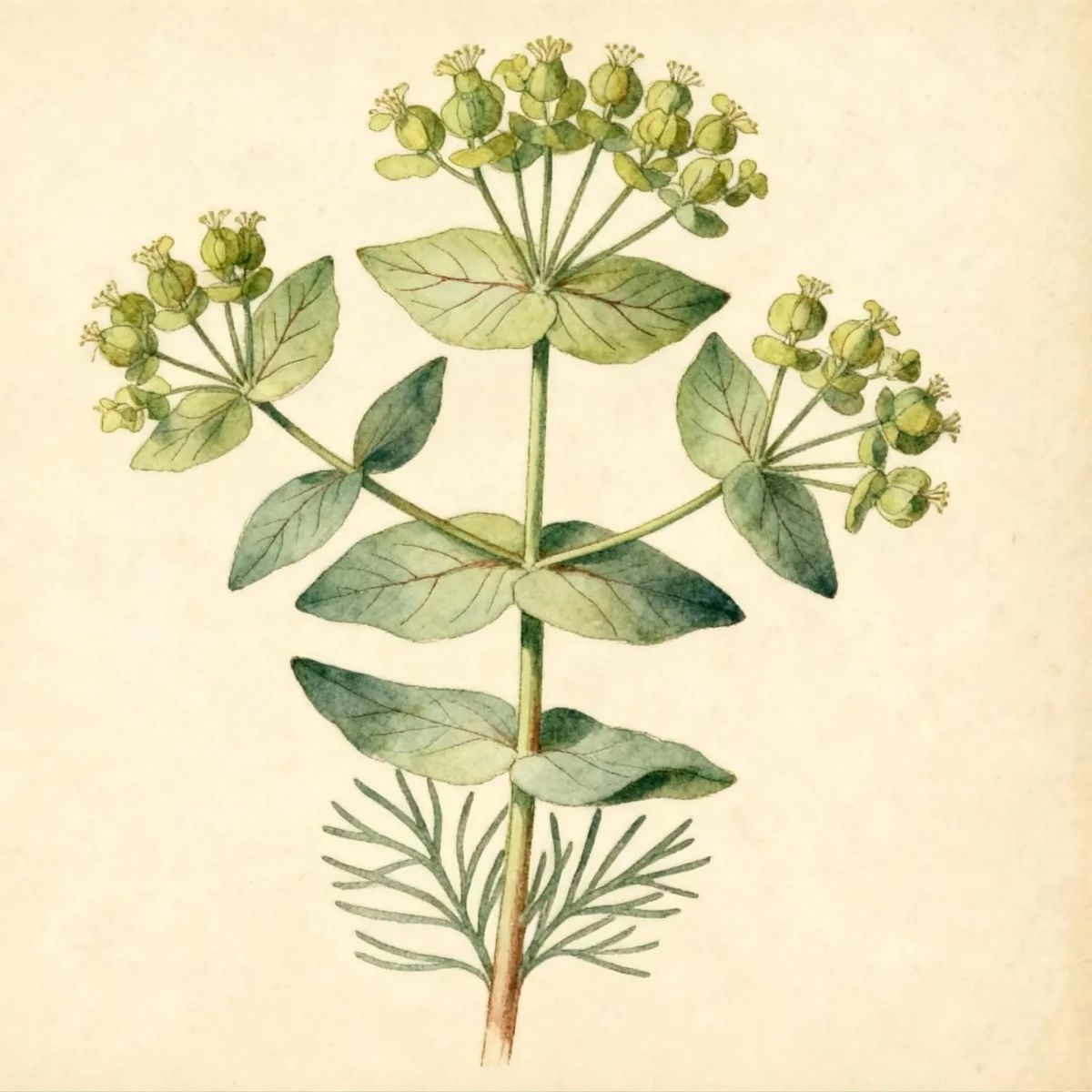
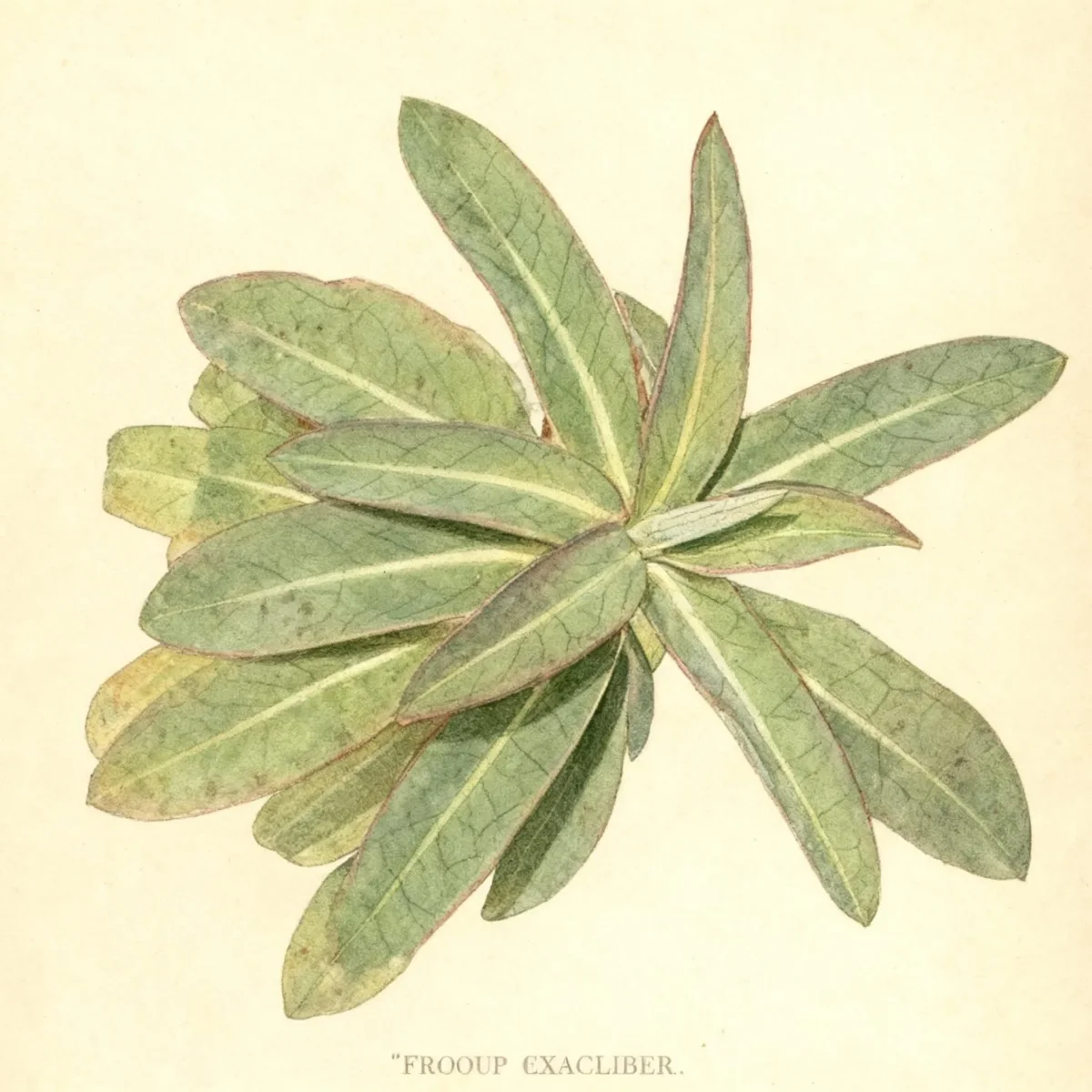
Euphorbia myrsinites, sometimes commonly called myrtle euphorbia or donkeytail spurge, is an evergreen perennial which typically grows 4-8” tall on ascending to trailing stems rising at the tips. Stems grow from a prostrate woody base. Oval, blue-green, fleshy, succulent-like leaves are arranged in close spirals around the stems. Non-showy greenish flowers subtended by showy yellow bracts bloom in spring. Genus name probably honors Euphorbus, physician to the King of Mauretania. Specific epithet is in reference to the purported similarity of this plant to plants in the genus Myrsine.
Tolerances
- Rabbit
- Deer
- Drought
- Dry Soil
- Shallow-Rocky Soil
- Air Pollution
Potential Problems
Myrtle spurge is fortunate to suffer from no serious insect or disease problems when grown under appropriate drought and sun conditions. The primary management issue is related to its sap: like most euphorbias, it produces a milky latex sap when cut or broken, which can be a skin irritant for sensitive individuals.
When pruning or dividing this plant, always wear protective gloves and long sleeves to prevent contact with the sap. Allow the cut stems to ‘heal’ or exude the sap for a few minutes before handling them further. This self-sealing characteristic helps contain the irritating liquid.
Frequently Asked Questions
What hardiness zones is Myrtle spurge suitable for?
Euphorbia myrsinites is reliably cold-hardy in USDA Zones 5 through 9.
How large does Myrtle spurge grow?
This tough perennial typically reaches a height between 0.5 and 1 foot tall, with a spread matching its height from 0.5 to 1 foot wide.
When does Euphorbia myrsinites bloom?
Myrtle spurge provides early color, blooming from March to April with striking yellow bracts.
What sun exposure does Euphorbia myrsinites need?
For the best performance and management of seed set, ensure Euphorbia myrsinites receives full sun.
Conclusion
The unique, spiraled foliage and tolerance for harsh, dry conditions make Myrtle spurge a cornerstone plant for rockeries and difficult slopes. Its striking appearance, provided by the evergreen leaves and bright spring bracts, ensures visual interest throughout the gardening year. Assess your site conditions—if you have full sun and need drought tolerance—plan to incorporate Euphorbia myrsinites this season.
Companion Planting
Selecting companions for myrtle spurge should focus on plants that share its love for dry, lean, well-drained soil and full sun exposure. Avoid heavy water users, as saturated soil is detrimental to this species. Good pairing options include many drought-tolerant Mediterranean herbs like Lavender (Lavandula) or Thyme (Thymus).
Consider pairing Euphorbia myrsinites with low-growing succulents or sedums, such as Stonecrop varieties, which share similar growth habits and textural contrast. The upright, somewhat rigid stems of the spurge contrast nicely with softer, mounding groundcovers suitable for hot, dry borders.
Plants that naturally inhabit rock crevices or slopes, such as Artemisia or certain drought-tolerant ornamental grasses, also serve as excellent companions. This approach ensures that all plants in the area are happy with the same watering schedule and soil type, leading to a cohesive, low-maintenance display.
Propagation Tips
While Euphorbia myrsinites readily self-seeds, propagating it via division or stem cuttings offers a controlled way to increase your stock or move plants to new locations. Stem cuttings are generally taken in late spring or early summer once new growth has hardened slightly.
When taking cuttings, make clean cuts below a node and allow the cut surface to dry for several days until a callus forms over the milky sap. This crucial step prevents rot upon planting. Once callused, insert the cuttings into sharp, extremely well-drained potting medium, such as a mix of sand and grit.
Division is best performed in early spring before active growth is well underway, or in the fall after the heat stress has passed. Dig up the entire clump and carefully tease apart the crowns. Ensure that each section retains adequate roots for successful re-establishment in its new, sunny, dry location.