Cypress spurge (Euphorbia cyparissias)
Cypress spurge (Euphorbia cyparissias) is a tough, rhizomatous perennial notable for its cypress-like foliage and striking yellow-red spring blooms.
Scroll down to discover growing tips, care requirements, companion plants, and more
Complete Plant Information
Overview
Euphorbia cyparissias, widely known as cypress spurge, provides excellent texture and dependable spring color for challenging garden spaces. This rhizomatous perennial creates a dense, low-growing cover, making it valuable where traditional ground covers struggle. Despite its beauty, gardeners must exercise caution regarding its aggressive spreading habits, especially in ideal conditions.
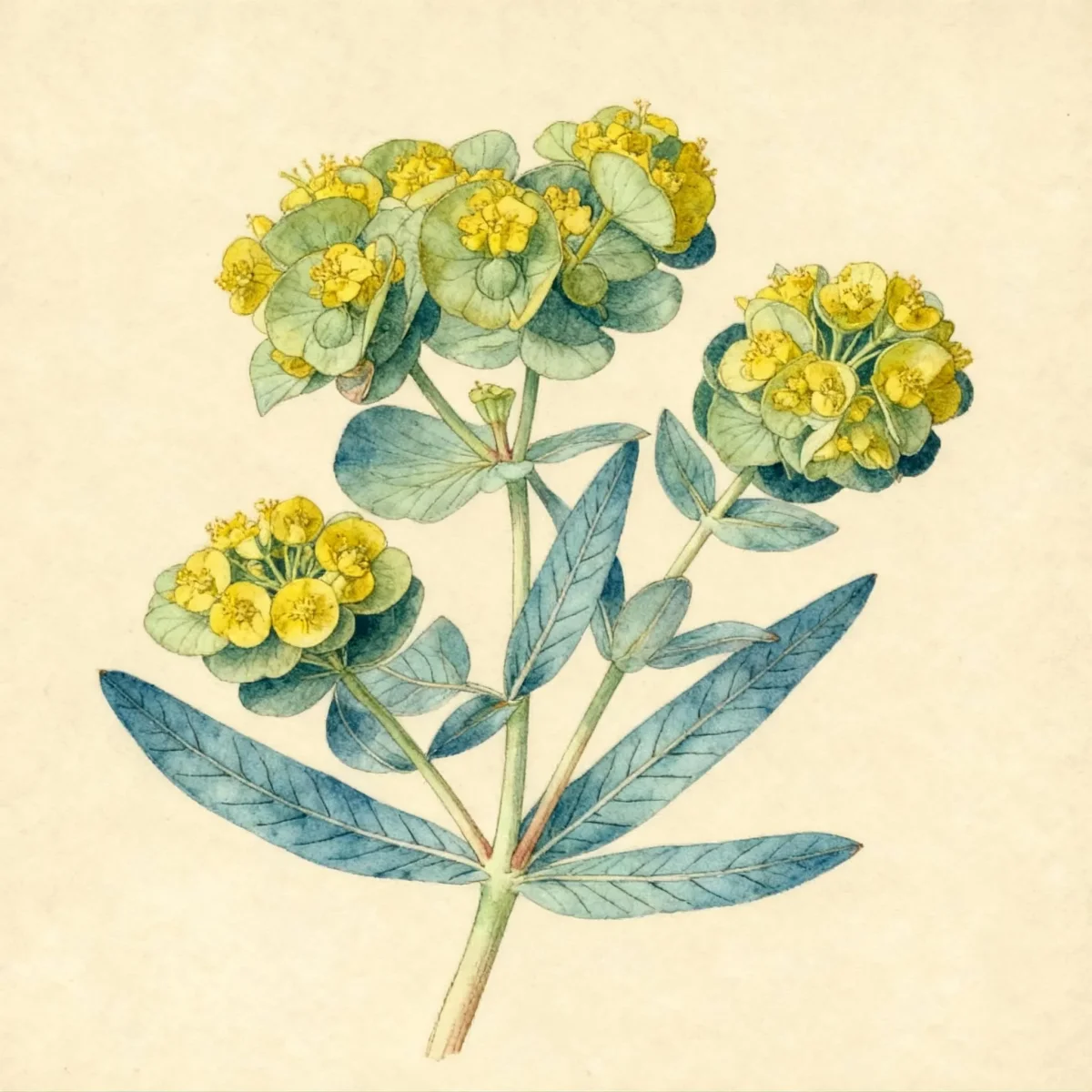
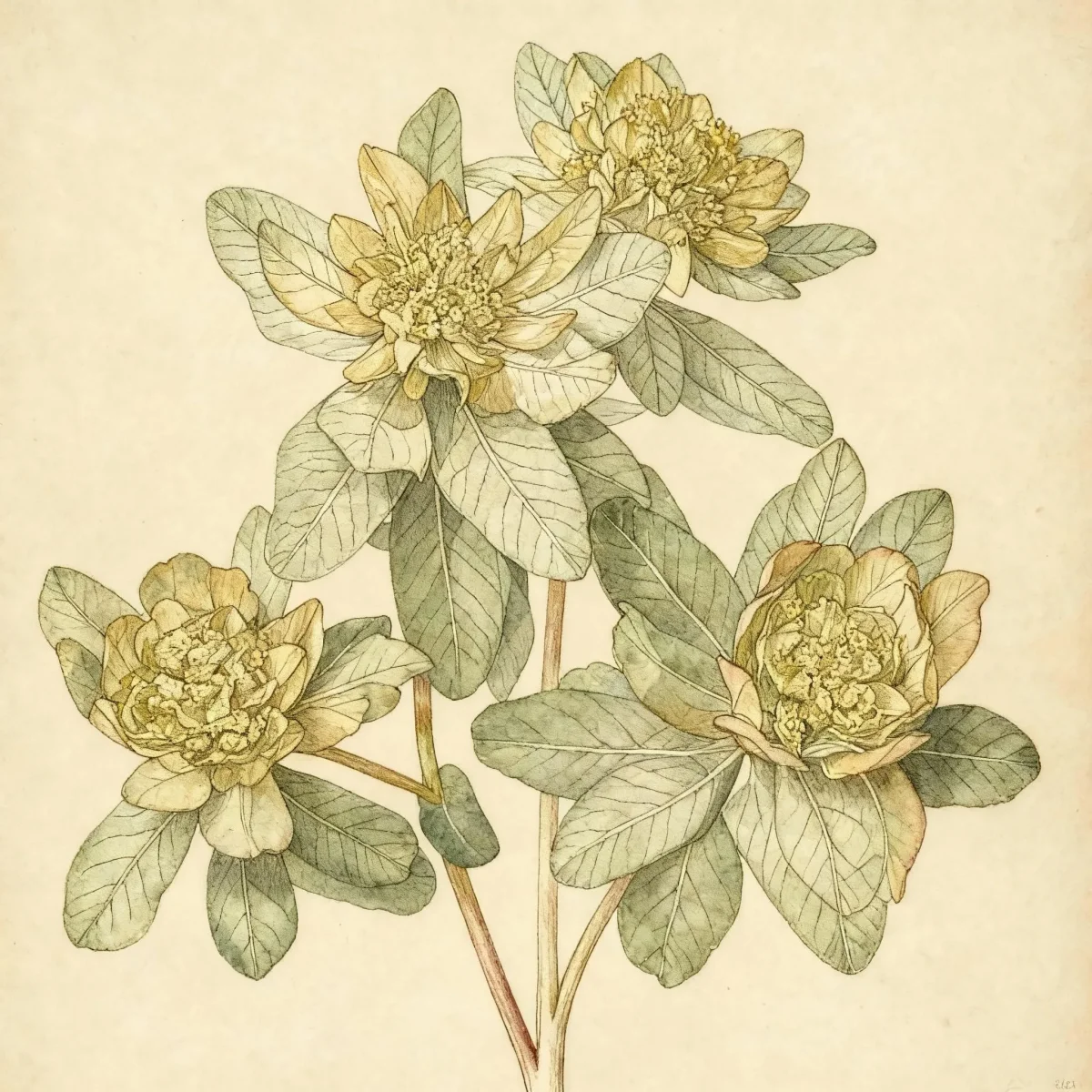
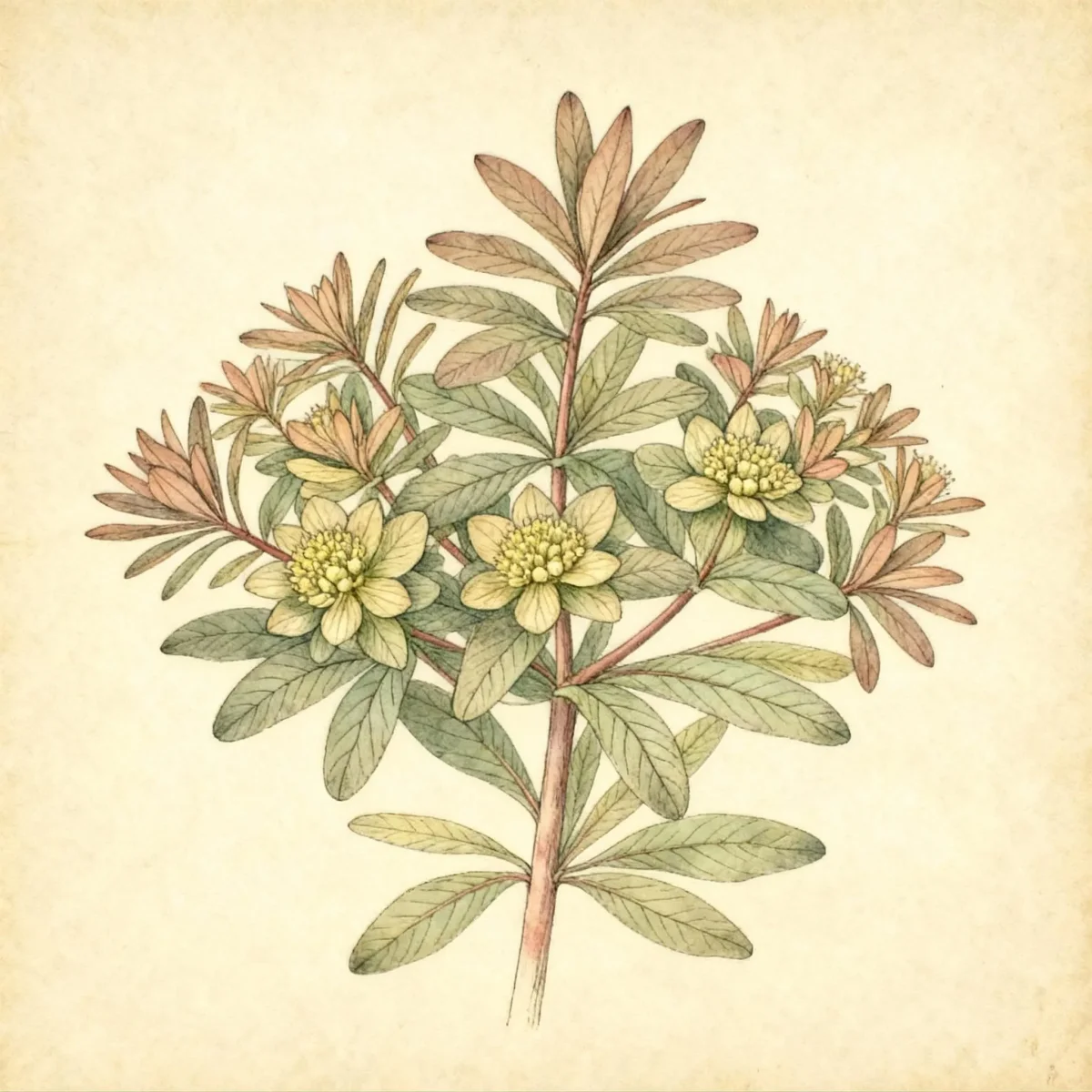
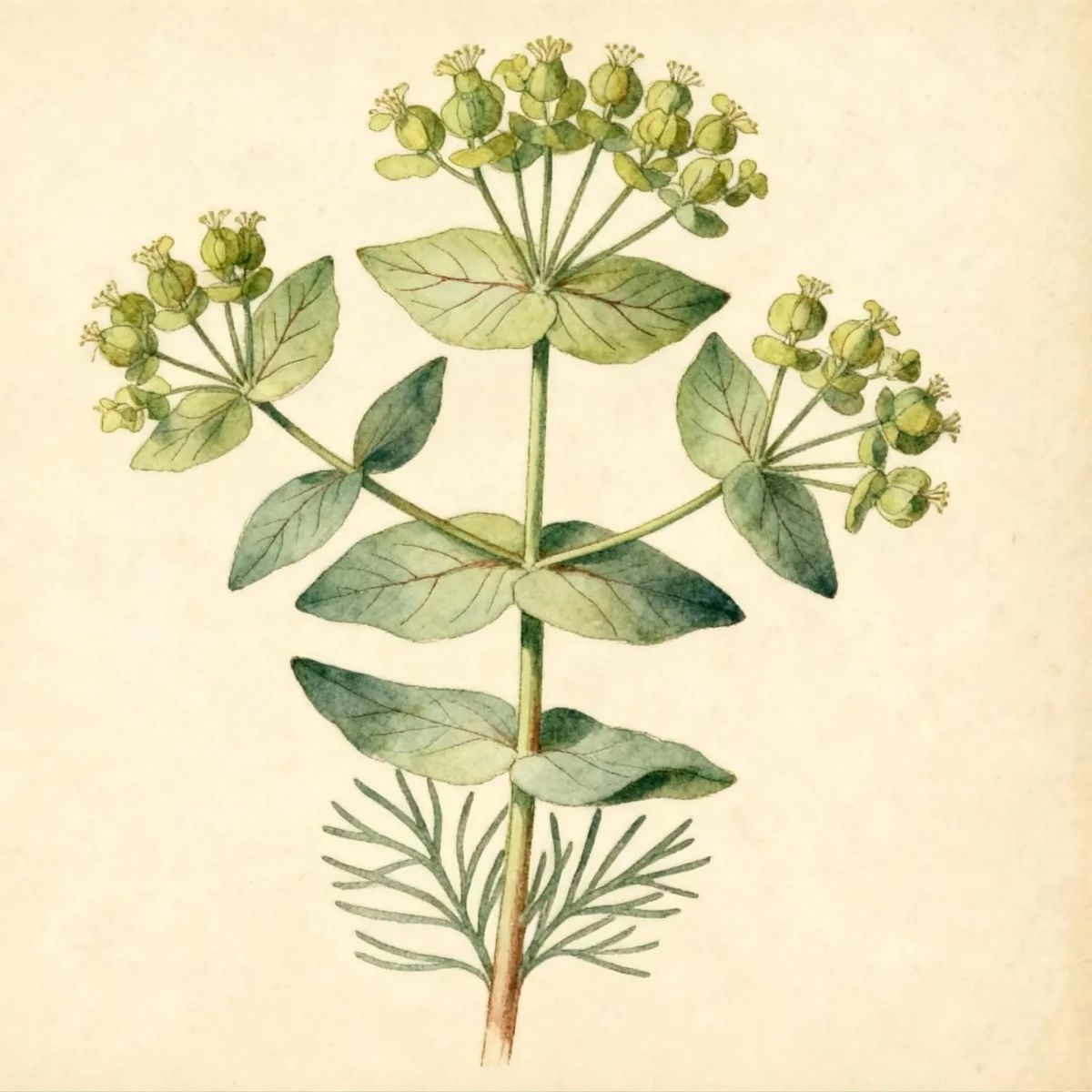
The visual appeal of Euphorbia cyparissias comes from its fine, almost needle-like, bluish-green leaves that mimic miniature cypress or spruce foliage. In spring, this foliage is highlighted by masses of tiny flowers surrounded by showy, lime-yellow bracts that transition to red as the season progresses. It is a robust plant, thriving where many others fail due to its high tolerance for dry, poor soils.
While highly effective as a tough ground cover, the invasive nature of cypress spurge requires careful site selection away from cultivated borders. Planning where to place Euphorbia cyparissias is crucial to leveraging its drought tolerance without allowing it to overtake delicate neighbors.
Fast Facts
- Plant Family: Euphorbiaceae
- Plant Type: Herbaceous perennial
- Native Range: Western, central and southern Europe
- Hardiness Zones: USDA Zones 4-8
- Size at Maturity:
- Height: 0.75-1 ft
- Spread: 1-1.5 ft
- Bloom Time: April to June
- Bloom Description: Yellow aging to red
- Sun Exposure: Full sun
- Water Needs: Dry
- Maintenance Level: Medium
How to Grow
Cypress spurge establishes best when planted in the early spring or fall, ensuring it has time to establish its root system before high summer heat. Locate Euphorbia cyparissias in full sun, matching its preference for dry, well-drained substrates. It performs exceptionally well in poor, rocky, or sandy soils where other plants might falter.
Once established, watering needs are minimal; this plant thrives on neglect and significant drought, making supplemental irrigation unnecessary in most climates. Fertilizing is rarely required, as rich soil promotes the sprawling growth that makes this plant problematic for surrounding plantings. Deadheading is generally not necessary unless you wish to limit self-seeding.
To manage its spread, division should be performed actively by digging out sections of the unwanted rhizomes. Eight to ten plants per square yard are sufficient to quickly form a dense ground cover, which serves as its primary recommended landscape application. Monitor the edges, especially if planted near lawns or moisture-retentive garden beds, to prevent encroachment.
Landscape Uses
The primary utility of Euphorbia cyparissias lies in its ability to densely cover difficult, exposed areas. It is highly recommended for naturalizing on dry, sunny slopes or banks where erosion control is a concern. Its evergreen nature provides year-round visual interest, even when not in bloom.
Due to its vigorous rhizomatous spread, cypress spurge is emphatically not recommended for mixed perennial borders or formal settings near delicate plants. Instead, plant it where its tendency to naturalize is an asset, perhaps acting as an informal, tough edging or softening hardscape elements in a xeriscape garden. Companion plantings should consist of equally robust, sun-loving, drought-tolerant species that can coexist with its spreading nature.
Standout Features
Flower Qualities
- Showy
Noteworthy Characteristics
Euphorbia cyparissias, commonly called cypress spurge, is an erect, branching, rhizomatous perennial which typically grows to 12” tall and can rapidly spread to form a bushy ground cover. Numerous tiny flowers appear in umbel-like clusters in spring. Flowers lack petals and sepals, and primarily consist of showy lime-yellow bracts which age to red. Narrow, bluish-green, linear leaves (to 1.5” long). Stems and leaves contain a milky sap which is poisonous.
Tolerances
- Rabbit
- Deer
- Drought
- Dry Soil
- Shallow-Rocky Soil
- Air Pollution
Potential Problems
No serious insect or disease problems typically plague the cypress spurge. The most significant concern is its invasiveness, particularly when grown in fertile or consistently moist environments. Because Euphorbia cyparissias spreads aggressively both by underground rhizomes and prolific reseeding, physical removal or containment is often necessary to maintain garden aesthetics. Always wear gloves when handling this plant, as the milky sap released when cut or broken is a skin irritant and toxic if ingested.
Frequently Asked Questions
What hardiness zones is Cypress spurge suitable for?
Euphorbia cyparissias is reliably hardy across USDA Zones 4 through 8.
How large does Cypress spurge grow?
This perennial typically reaches a height between 0.75 and 1 foot tall, spreading to match that width of 1 to 1.5 feet.
When does Cypress spurge bloom?
The bloom time for Euphorbia cyparissias is generally from April into June, featuring distinctive yellow bracts that mature to red tones.
What sun exposure does Cypress spurge need?
This species performs best when maintained in conditions receiving full sun.
Conclusion
Euphorbia cyparissias offers unparalleled toughness and fine texture for dry, sunny locations, proving itself a highly adaptable ground cover. While the potential for invasiveness requires gardeners to be judicious about placement, its resilience makes it a great choice for low-maintenance landscapes. Before planting, confirm your USDA hardiness zone is between 4 and 8 and plan for its vigor.
Companion Planting
Selecting companions for Euphobia cyparissias is critical due to its aggressive spreading habit. Choose other vigorous, drought-tolerant perennials that share a preference for full sun and lean soils. Good partners include Sedum varieties (stonecrops), creeping thyme (Thymus serpyllum), or certain ornamental grasses that can compete physically without being easily smothered. Avoid placing it near delicate woodland edge perennials that require moist conditions or rich humus.
Propagation Tips
Propagation of cypress spurge is primarily achieved through division of the rhizomes, which should be done carefully in spring or fall. When dividing, ensure you excavate a significant portion of the root structure to prevent the remaining portion from resprouting vigorously. While Euphorbia cyparissias does freely reseed, collecting seeds is often less successful than using root division for intentional propagation. Be prepared for the milky sap when dividing these tough root systems.