Cushion spurge (Euphorbia polychroma)
Euphorbia polychroma, the striking Cushion spurge, offers vibrant yellow spring color and handles drought well in Zones 4-8.
Scroll down to discover growing tips, care requirements, companion plants, and more
Complete Plant Information
Overview
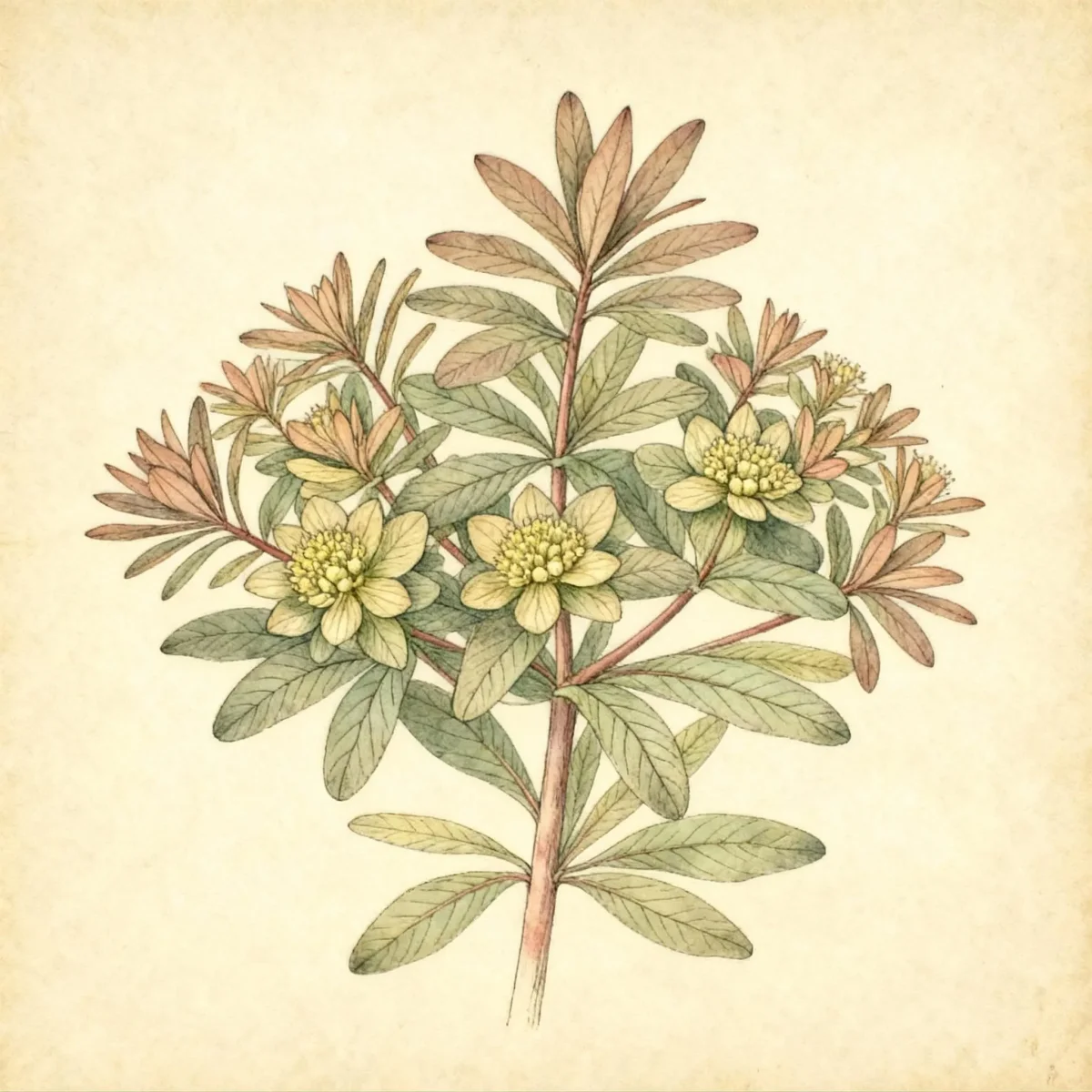
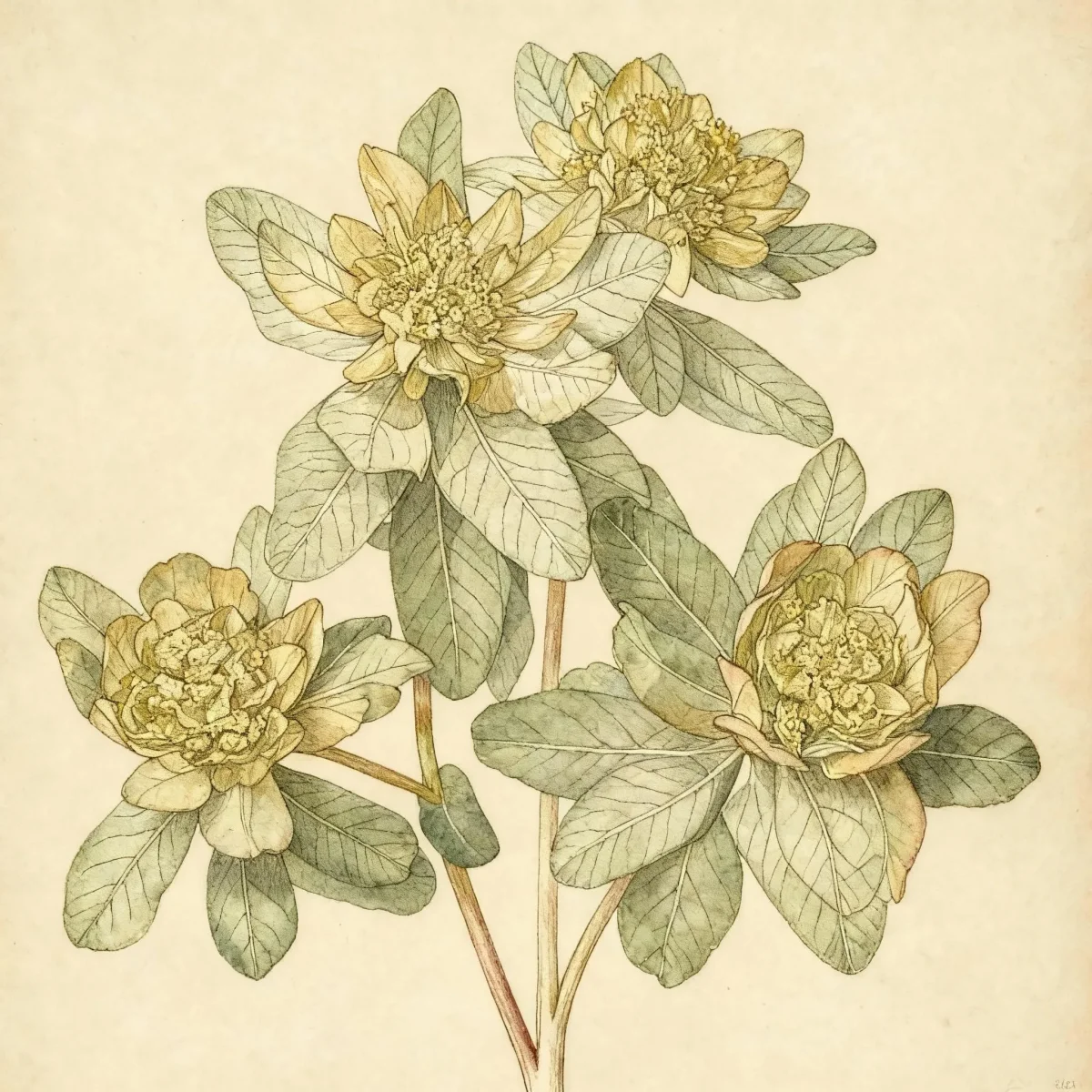
The Euphorbia polychroma, widely known as Cushion spurge, is a horticultural standout prized for its spectacular early spring display. Its mounding, uniform growth habit creates dense, attractive cushions, making it a reliable architectural element even before the flowers emerge. This perennial provides exceptional color contrast in landscapes transitioning from winter rest.
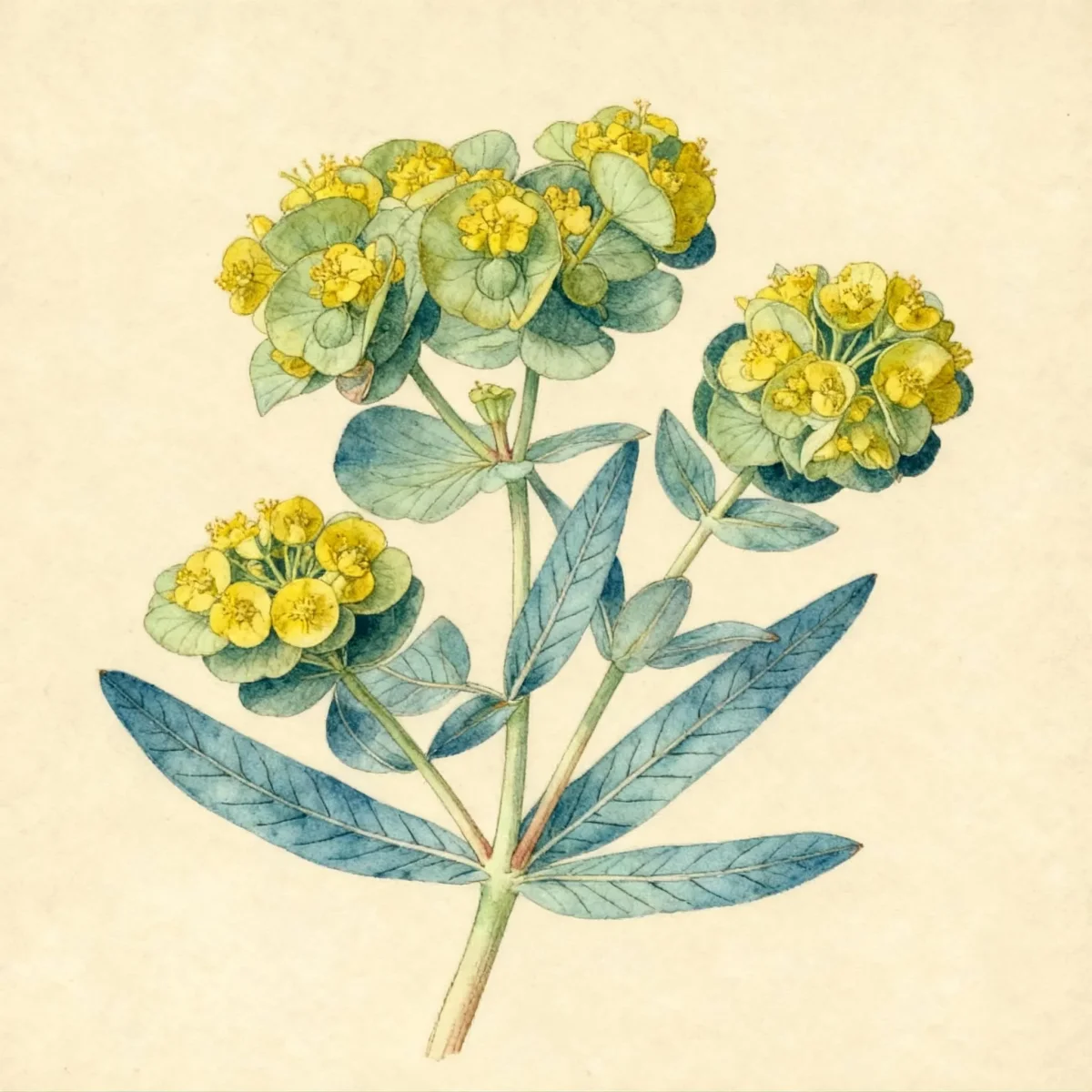
The true appeal of Euphorbia polychroma lies in the long-lasting, bright sulphur-yellow bracts that surround the inconspicuous flowers in mid to late spring. These bracts hold their color well, lending brightness to borders and rock gardens when few other plants are blooming. Foliage is generally medium green, often turning attractive shades of red in the fall months.
As a hardy, drought-tolerant plant, Cushion spurge is comparatively low maintenance once established. It thrives in sunny, dry conditions common in many garden settings. Gardeners must remember that the stems exude a toxic, milky sap when cut, necessitating caution during pruning.
Fast Facts
- Plant Family: Euphorbiaceae
- Plant Type: Herbaceous perennial
- Native Range: Central and southeastern Europe, Asia Minor
- Hardiness Zones: USDA Zones 4-8
- Size at Maturity:
- Height: 1-1.5 ft
- Spread: 1-1.5 ft
- Bloom Time: April to May
- Bloom Description: Yellow bracts
- Sun Exposure: Full sun
- Water Needs: Dry
- Maintenance Level: Medium
How to Grow
Plant Euphorbia polychroma in the spring or early fall in locations receiving full sun for the best performance. This plant is highly adaptable but absolutely requires dry, well-drained soils; heavy, wet clay will quickly lead to root rot. While full sun is ideal, it can handle some light afternoon shade, particularly in very hot summer climates.
Care for this Cushion spurge is straightforward. It tolerates poor soils, including sandy or rocky types, meaning heavy fertilization is generally unnecessary. Water sparingly; once established, its drought tolerance means it rarely needs supplemental irrigation unless a prolonged dry spell occurs.
Maintenance is centered around controlling its tendency to spread. Euphorbia polychroma freely self-seeds, so promptly remove spent flower clusters (shearing the entire plant shape is an effective method) to prevent unwanted seedlings the following year. Avoid heavy shearing late in the season, as this can remove protective foliage.
Be extremely cautious when pruning or handling damaged stems, as the milky sap is a known skin irritant. Wear gloves and protective clothing to avoid accidental contact when trimming back the dome-shaped clumps.
Landscape Uses
The formality and vibrant color of the Cushion spurge make it an excellent choice for edging pathways or lending structure to the front of perennial borders. Its consistent, mounding shape prevents it from flopping, which is a common issue with some spring bloomers. Plant it where its early season drama can be fully appreciated against darker foliage companions.
Its exceptional drought tolerance makes Euphorbia polychroma perfect for xeriscaping or inclusion in hot, sunny rock gardens where moisture retention is minimal. It pairs well visually with early spring bulbs like tulips or daffodils, providing a sturdy, evergreen-like contrast. It also holds its form nicely when planted near later-blooming perennials that appreciate a structured base.
Standout Features
Flower Qualities
- Showy
Noteworthy Characteristics
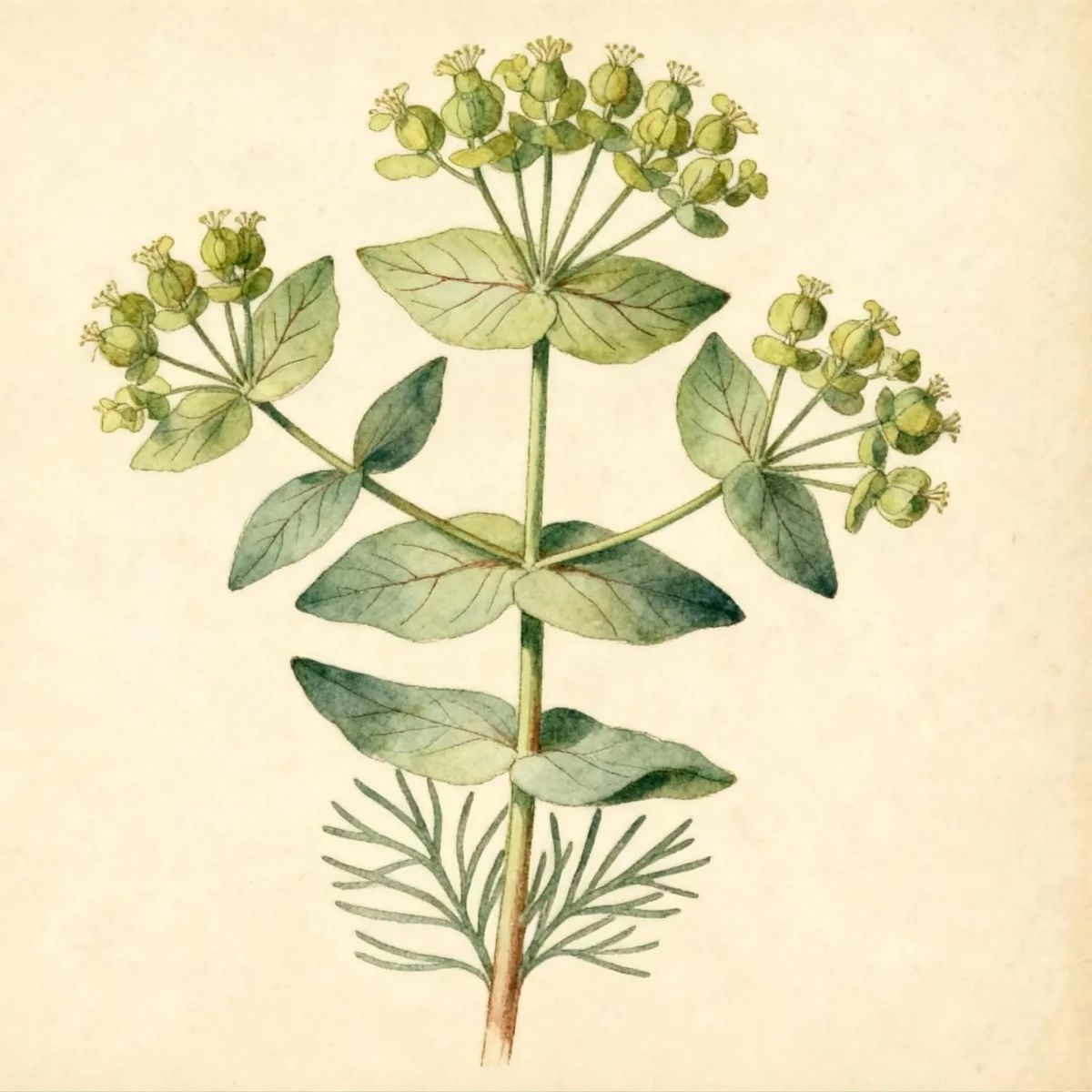
Euphorbia polychroma, commonoly called cushion spurge, is a mounding, clump-forming perennial which typically grows in a dome (or cushion) shape to 12-18” tall and as wide on erect, sturdy stems bearing oblong, downy, medium green leaves longer than 2” long. Cymes of inconspicuous greenish flowers bloom at the stem ends in spring, subtended by long-lasting, bright sulphur-yellow bracts which are exceptionally showy. Stems exude a toxic, milky sap when cut, and the leaves often turn red in fall.
Tolerances
- Rabbit
- Deer
- Drought
- Air Pollution
Potential Problems
This plant has few serious insect or disease issues, which contributes to its relaxed care requirements. The primary concern for gardeners involves sensitivity to the plant’s natural defenses. Gardeners should take precautions, as some individuals experience skin rashes from contact with the toxic, milky sap exuded when the stems are cut or broken. Always wear gloves when performing maintenance tasks on Cushion spurge.
Frequently Asked Questions
What hardiness zones is Cushion spurge suitable for?
Euphorbia polychroma performs reliably in USDA Hardiness Zones 4 through 8.
How large does Cushion spurge grow?
This plant typically matures to a height and spread between 1 and 1.5 feet, forming a dense cushion shape.
What sun exposure does Euphorbia polychroma need?
This species performs best in full sun exposure to maintain its compact, mounding habit.
When does Cushion spurge bloom?
The striking yellow bracts of Euphorbia polychroma appear relatively early in the season, generally blooming from April to May.
Conclusion
For gardeners seeking vibrant, reliable color early in the growing season, Cushion spurge is an outstanding choice due to its low water needs and pest resistance. Integrating Euphorbia polychroma into sunny borders provides immediate structure and intense yellow appeal. Before planting, ensure you have well-drained soil and plan to wear gloves for any necessary spring trimming.
Companion Planting Principles
When selecting companions for your Cushion spurge, focus on plants that also enjoy full sun and prefer dry soil conditions, mirroring its cultural needs. Pairing it with later-blooming perennials prevents a bare spot after the yellow bracts fade. Excellent partners include ornamental or true sages (Salvia species) that tolerate dry conditions, or various Sedums, which share similar drought resistance and low maintenance profiles.
Seasonal Care Calendar
Spring care centers on controlling self-seeding. Immediately after flowering finishes in May or early June, shear the plant back by one-third to maintain that tight cushion shape and prevent unwanted seedlings from popping up across the garden. In fall, observe for leaf color change, which offers a secondary ornamental display before dormancy enters. Minimal care is needed during summer other than verifying adequate drainage and watering sparingly.