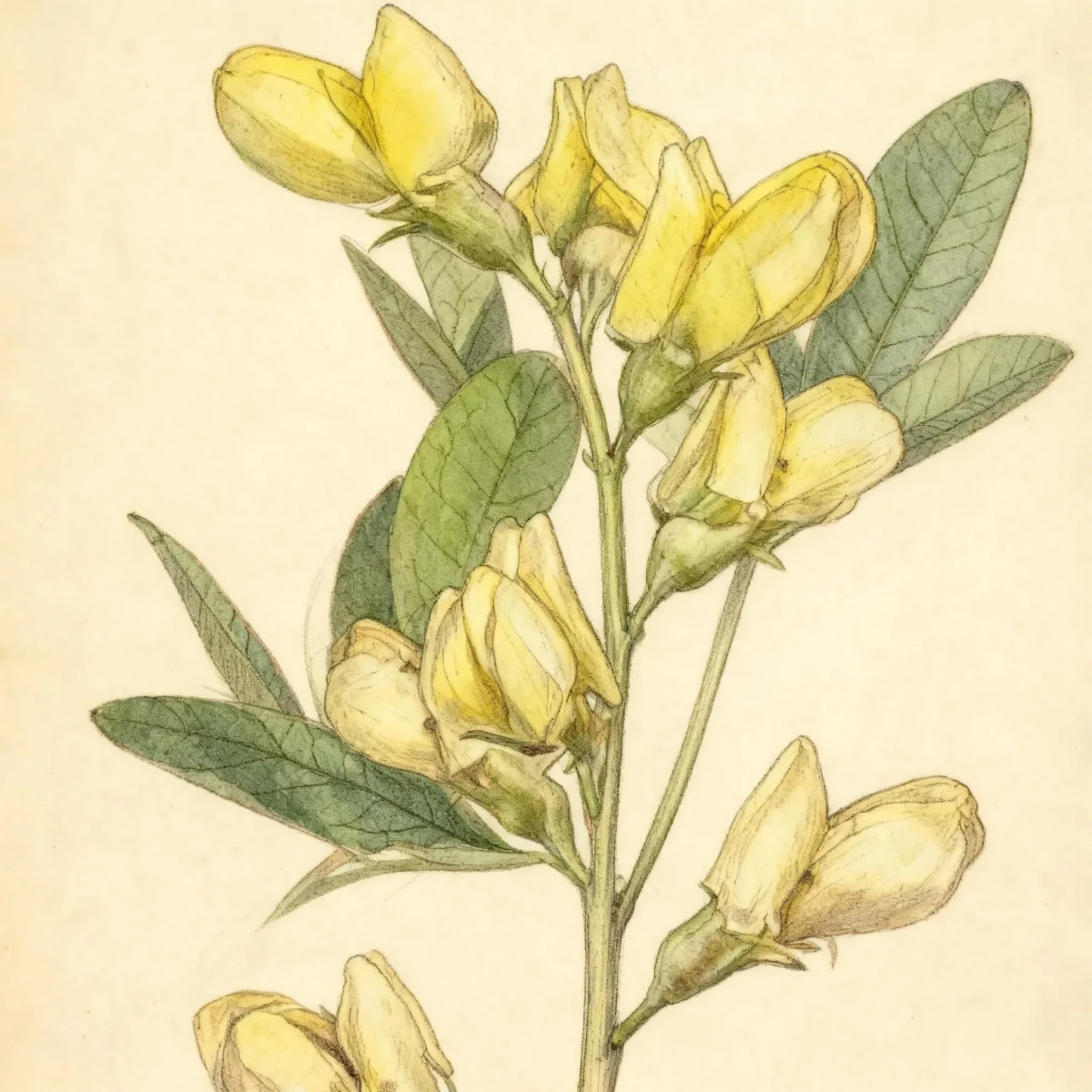
Ouachita Mountain leadplant (Amorpha ouachitensis)
Discover Amorpha ouachitensis, the rare Ouachita Mountain leadplant. A low-maintenance shrub blooming purple in zones 5-7.
Scroll down to discover growing tips, care requirements, companion plants, and more
Complete Plant Information
Overview
The Ouachita Mountain leadplant, Amorpha ouachitensis, is a highly distinctive deciduous shrub native to the restricted woodlands of the Ouachita Mountains. While currently facing threats in its native habitat due to logging, it holds significant interest for specialized gardeners seeking rare native species. As a member of the pea family, this plant offers a unique appearance complemented by an attractive bloom period.
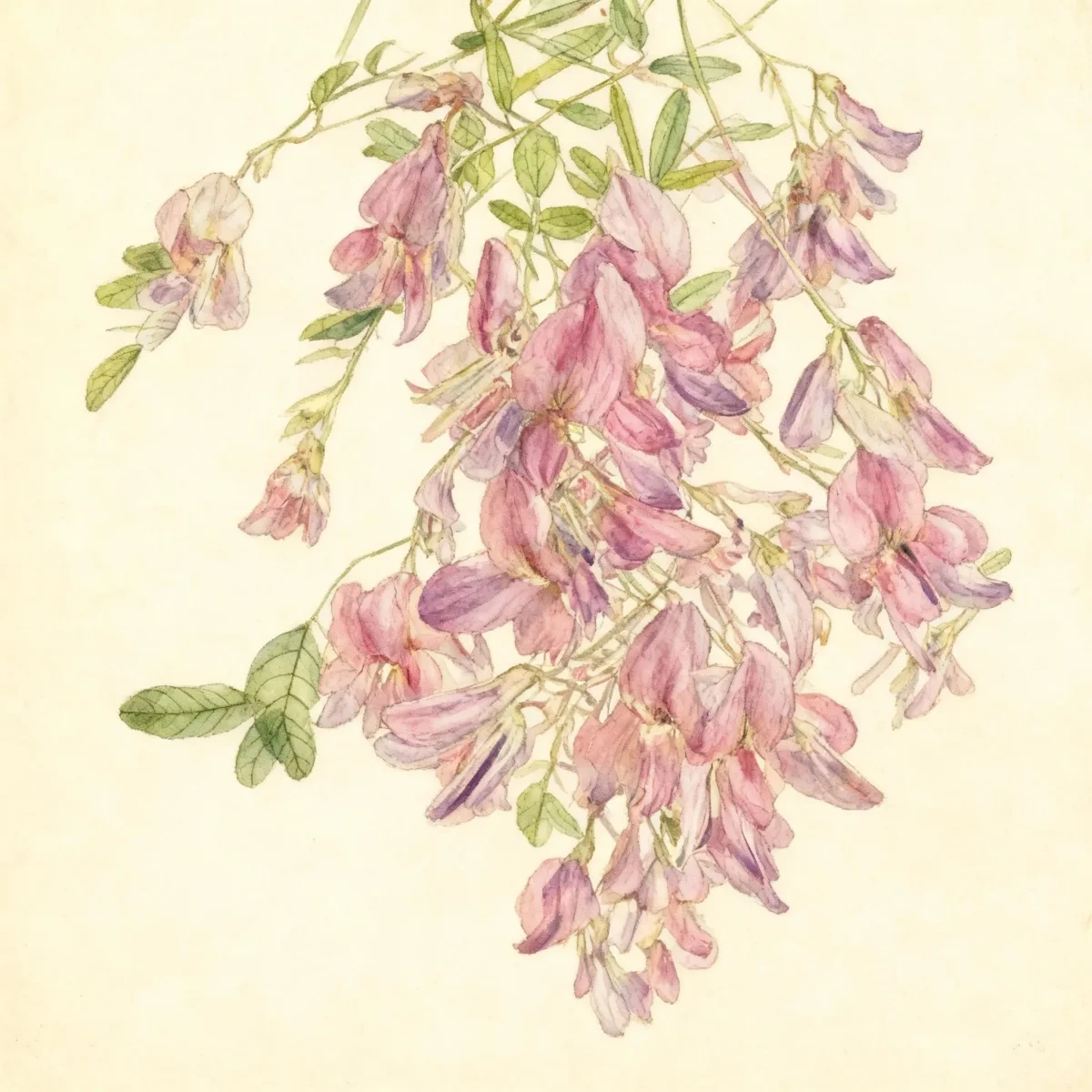
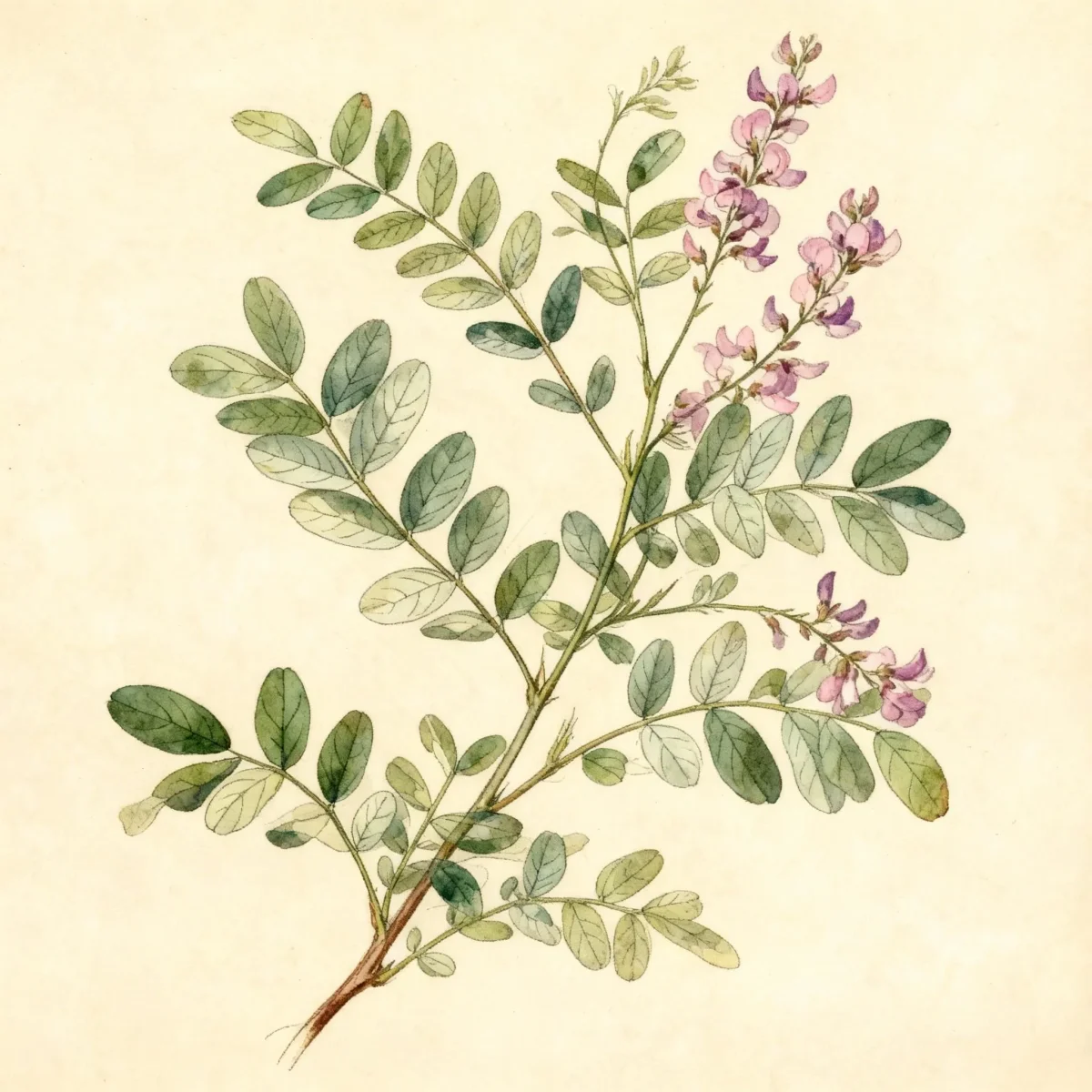
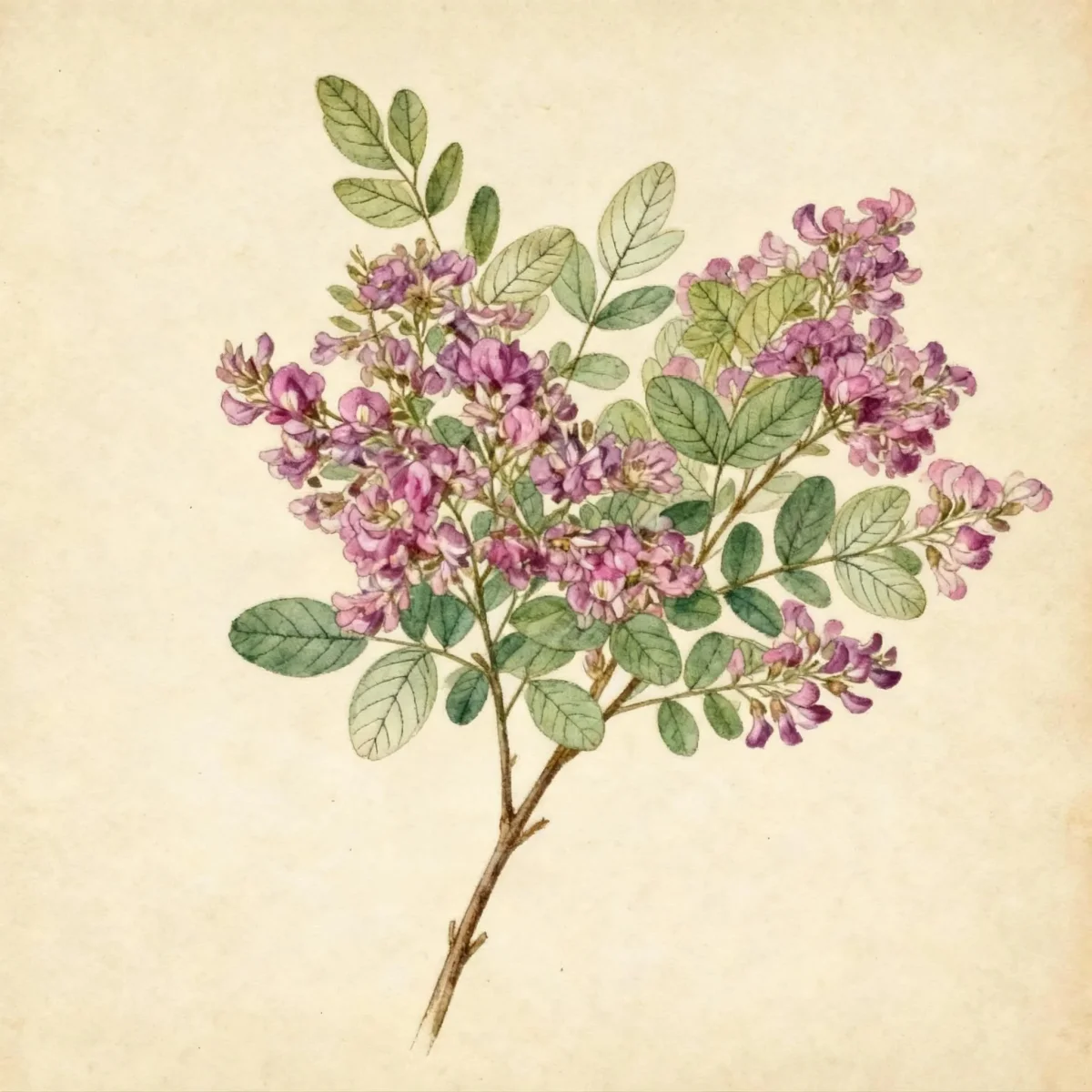
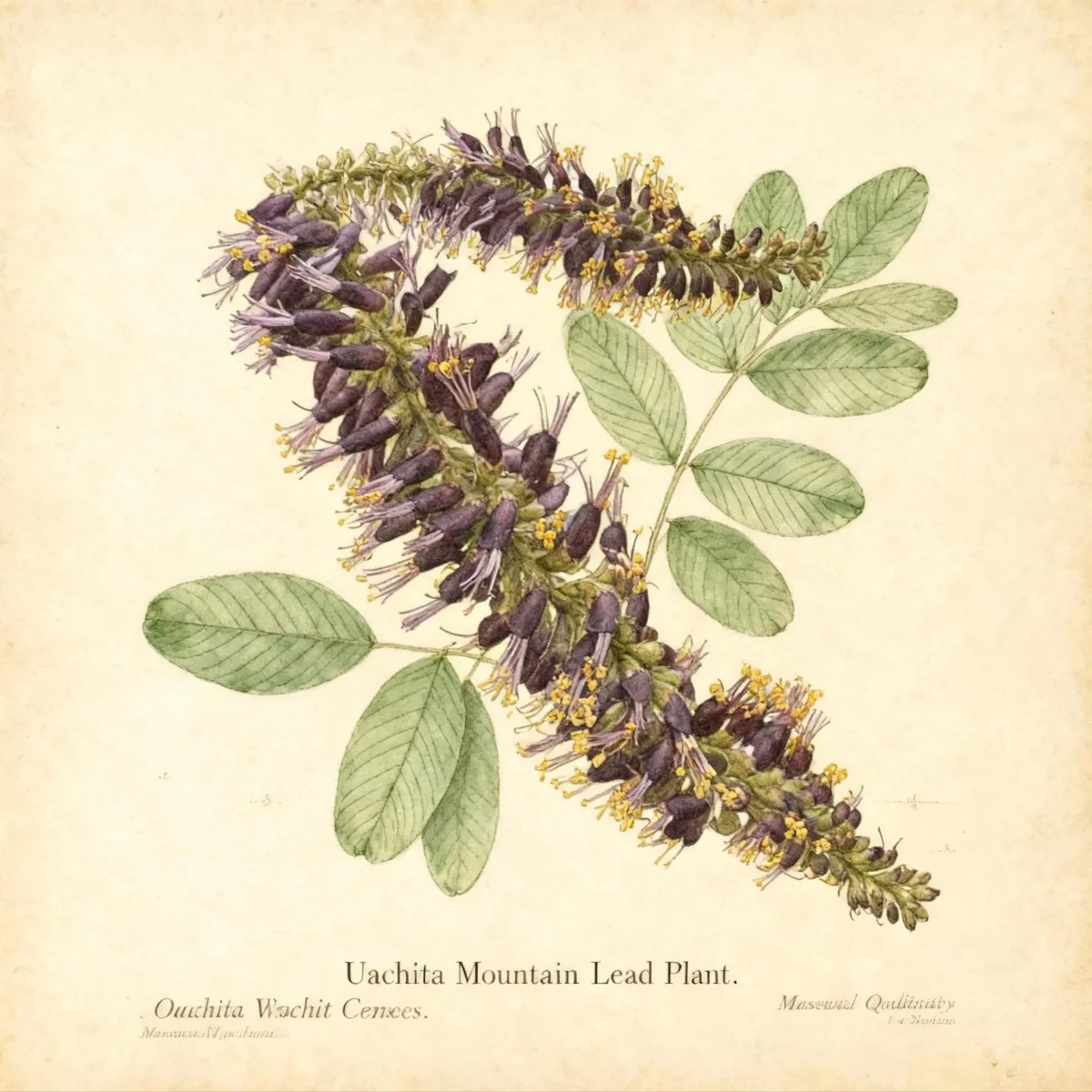
This shrub typically reaches heights between 3 and 6 feet, presenting slender growth topped by striking spike-like clusters of purplish flowers featuring vibrant yellow anthers in late spring. The foliage is equally noteworthy, consisting of alternate, pinnately compound leaves with grayish-green leaflets. Amorpha ouachitensis demonstrates notable resilience once established, tolerating dry conditions well.
Due to its rarity, cultivating the Ouachita Mountain leadplant is often an exercise in conservation gardening, focusing on providing its preferred open woodland setting. Its low maintenance requirements and tolerance for poorer soils make it a practical choice for challenging slopes or dry borders, provided its specific regional needs are met.
Fast Facts
- Plant Family: Fabaceae
- Plant Type: Deciduous shrub
- Native Range: Oklahoma, Arkansas
- Hardiness Zones: USDA Zones 5-7
- Size at Maturity:
- Height: 3-6 ft
- Spread: 3-6 ft
- Bloom Time: May to June
- Bloom Description: Purple with yellow anthers
- Sun Exposure: Full sun to part shade
- Water Needs: Dry to medium
- Maintenance Level: Low
How to Grow
Establish Amorpha ouachitensis during the dormant season, late fall or early spring, ensuring careful handling of the root ball. It thrives in average, well-drained soil, performing particularly well in poor, sandy, or somewhat dry substrates. Position this plant where it receives full sun to light afternoon shade, mimicking its native open woodland habitat in the Ouachita Mountains.
Maintenance for the Ouachita Mountain leadplant is generally light once the shrub is established. Water sparingly once established, as it prefers dry to medium conditions and exhibits significant drought tolerance. Avoid enriching the soil heavily; this species is adapted to leaner conditions. Fertilization is rarely necessary; over-fertilizing can lead to weak, overly lush growth.
Pruning is generally not required, though light shaping can be done immediately after flowering if necessary to maintain form. Be aware that the plant may spread marginally through self-seeding in ideal conditions. Winter preparation is minimal; this tough deciduous shrub handles cold well within zones 5 through 7.
Landscape Uses
Because the Ouachita Mountain leadplant is an endangered species, its foremost landscape role is as a conserved specimen, valued more for its rarity than for conventional mass planting. If successfully sourced, utilize Amorpha ouachitensis where its structure and bloom can be appreciated up close, such as an accent plant near a pathway or integrated into a specialized native plant garden.
This shrub’s tolerance for dry, sandy soil suggests pairing it with other xeric-adapted natives that share the light requirements of full sun to light shade. Consider blending it with robust, low-growing perennials or groundcovers that won’t aggressively compete with its root system as it settles into place. Its somewhat ungainly structure benefits from being placed in a naturalistic grouping rather than a formal border.
The attractive bloom time in May and June provides a niche color and texture contrast when many other spring bloomers are fading. Use it where its unique purplish hues contrast against softer greens and grays found in species adapted to the Ouachita environment.
Standout Features
Flower Qualities
- Showy
Noteworthy Characteristics
Amorpha ouachitensis, commonly called Ouachita mountain leadplant, is a deciduous shrub that is becoming increasingly rare because of logging operations in its natural habitat of open woodlands in the Ouachita Mountains of West Central Arkansas. This pea/bean family member is a somewhat ungainly shrub growing 3-6’ tall featuring slender, dense, 4-8” spike-like clusters of tiny, purplish flowers with gold anthers which bloom in May-June. Also features alternate, pinnately compound leaves with grayish green leaflets. The genus name Amorpha comes from the Greek word amorphos meaning shapeless or deformed, referencing the unusual corolla structure typical of this genus.
Tolerances
- Drought
- Erosion
- Dry Soil
Potential Problems
Amorpha ouachitensis is known for having no serious insect or disease problems, which contributes to its low maintenance profile. However, gardeners should monitor for occasional susceptibility to common fungal issues like leaf spots, rust, and powdery mildew, particularly if air circulation is poor or humidity is high. Canker is another reported minor issue, often affecting already stressed plants.
Management of these mild diseases involves ensuring proper spacing during planting to allow good airflow around the shrub. If fungal issues are noted, avoid overhead watering, especially late in the day. Healthy, site-appropriate plantings in full sun are the best long-term defense against most blemishes on this hardy plant.
Frequently Asked Questions
What hardiness zones is Ouachita Mountain leadplant suitable for?
The Ouachita Mountain leadplant (Amorpha ouachitensis) is reliably hardy in USDA Zones 5 through 7. Always verify local zone conditions before attempting to plant this sensitive native species.
How large does Ouachita Mountain leadplant grow?
This deciduous shrub typically matures to a height range of 3 to 6 feet, with a similar spread of 3 to 6 feet, resulting in a moderately small, somewhat ungainly stature.
When does Ouachita Mountain leadplant bloom?
The bloom time for Amorpha ouachitensis is generally from May into June, featuring distinctive slender spikes of purple flowers set off by bright yellow anthers.
What sun exposure does Amorpha ouachitensis need?
This plant performs best when situated in full sun exposure, though it can tolerate light, part shade conditions, especially where summers are intensely hot.
Conclusion
The Amorpha ouachitensis, or Ouachita Mountain leadplant, offers gardeners a chance to host a rare piece of Arkansas and Oklahoma native flora, prized for its unique late-spring bloom and rugged drought tolerance. While challenging to source commercially, its low maintenance and adaptability to poor soils make it highly valuable where appropriate. Check your local growing zone compatibility (Zones 5-7) and plan your planting during the cool season to maximize establishment success for this unique shrub.
Companion Planting
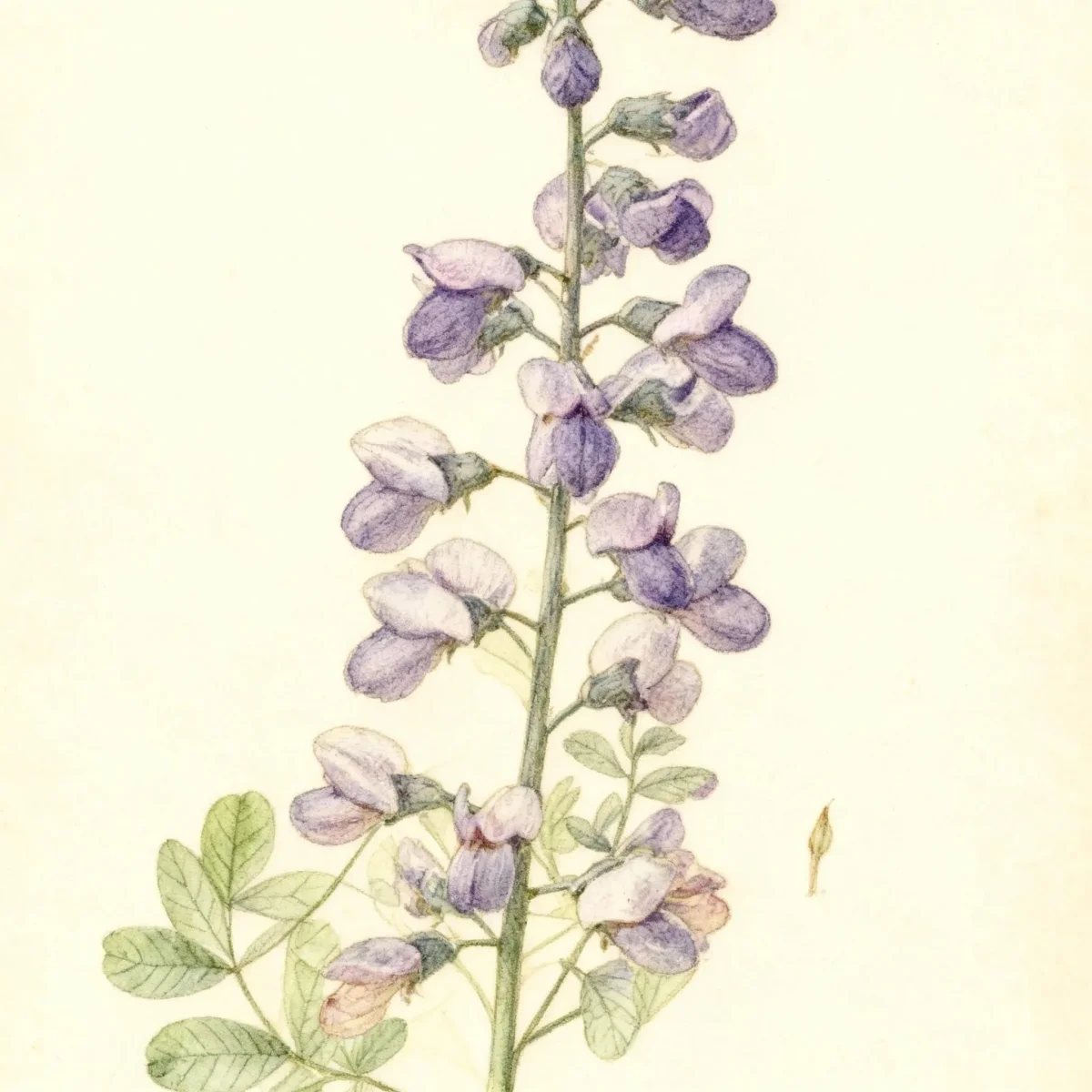
Selecting companions for the Ouachita Mountain leadplant focuses on drought tolerance and similar light requirements, ensuring mutual success in drier, sunny sites. Pair Amorpha ouachitensis with other resilient Prairies or Ozark natives such as various species of Baptisia (False Indigo, sharing the family name), while ensuring that taller companions do not overly crowd the shrub and restrict necessary airflow.
For lower borders, consider clumping, tough perennials like certain coneflowers (Echinacea) or native Coreopsis varieties, which appreciate similar sun exposure and dry soil conditions. The grayish cast of the leadplant’s foliage provides an excellent backdrop for plants with contrasting flower colors or finer textures, enhancing the visual interest of a xeriscape garden design.
Design Ideas for Rare Natives
When incorporating Amorpha ouachitensis into a landscape, conceptualize it as a focal point within a naturalistic planting scheme rather than an isolated specimen, given its reputation as somewhat ungainly. Cluster it among rocks or gravel mulch that mimics its native, rocky Ouachita environment, emphasizing its adaptation to lean substrates.
Incorporate this species into a “Regional Gem” garden bed, dedicated to showcasing rare or restricted native plants from your state or region. This dedicated space acknowledges the special status of the Ouachita Mountain leadplant and allows gardeners to monitor its specific needs without mixing it with aggressive garden cultivars that may require richer soil or more water.