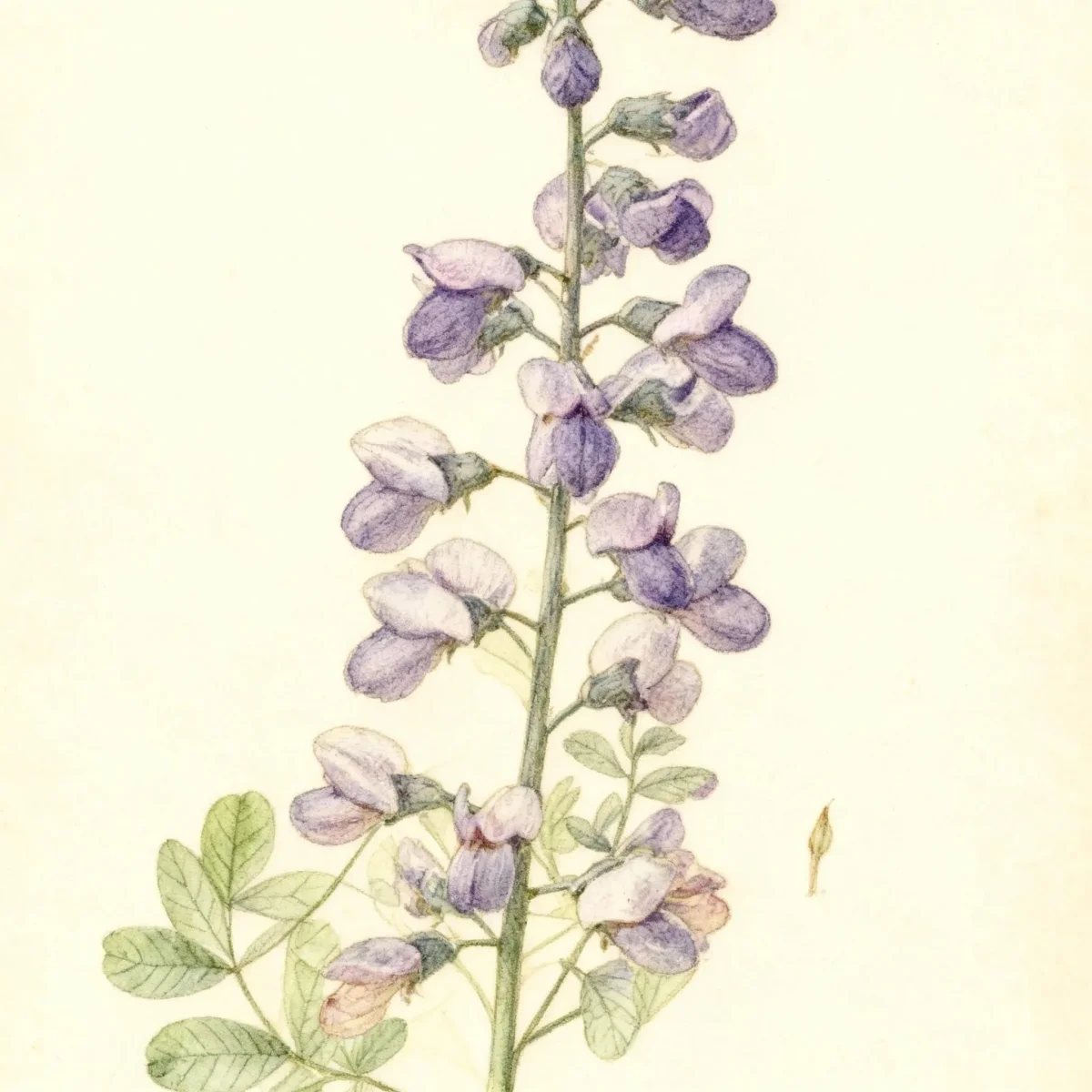
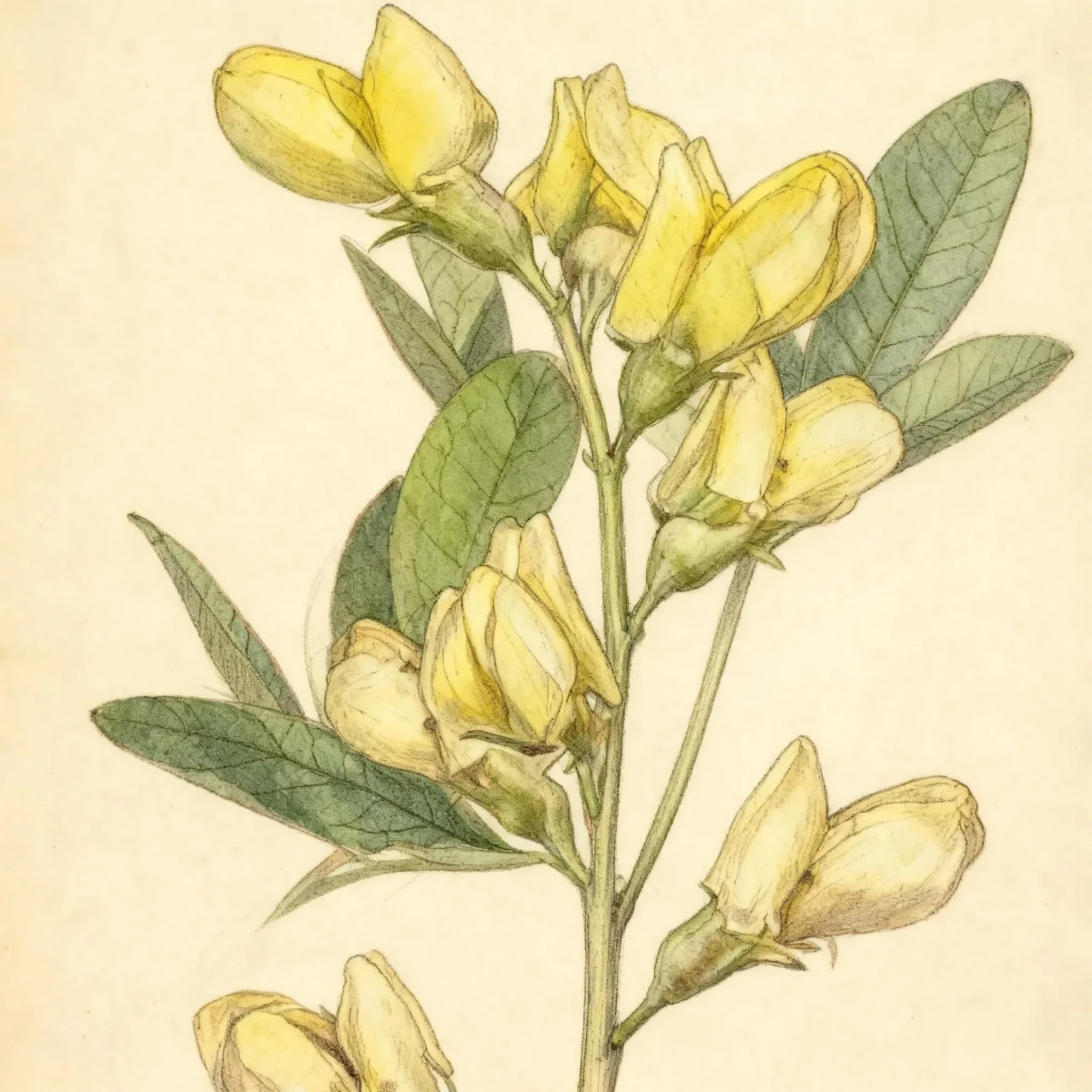
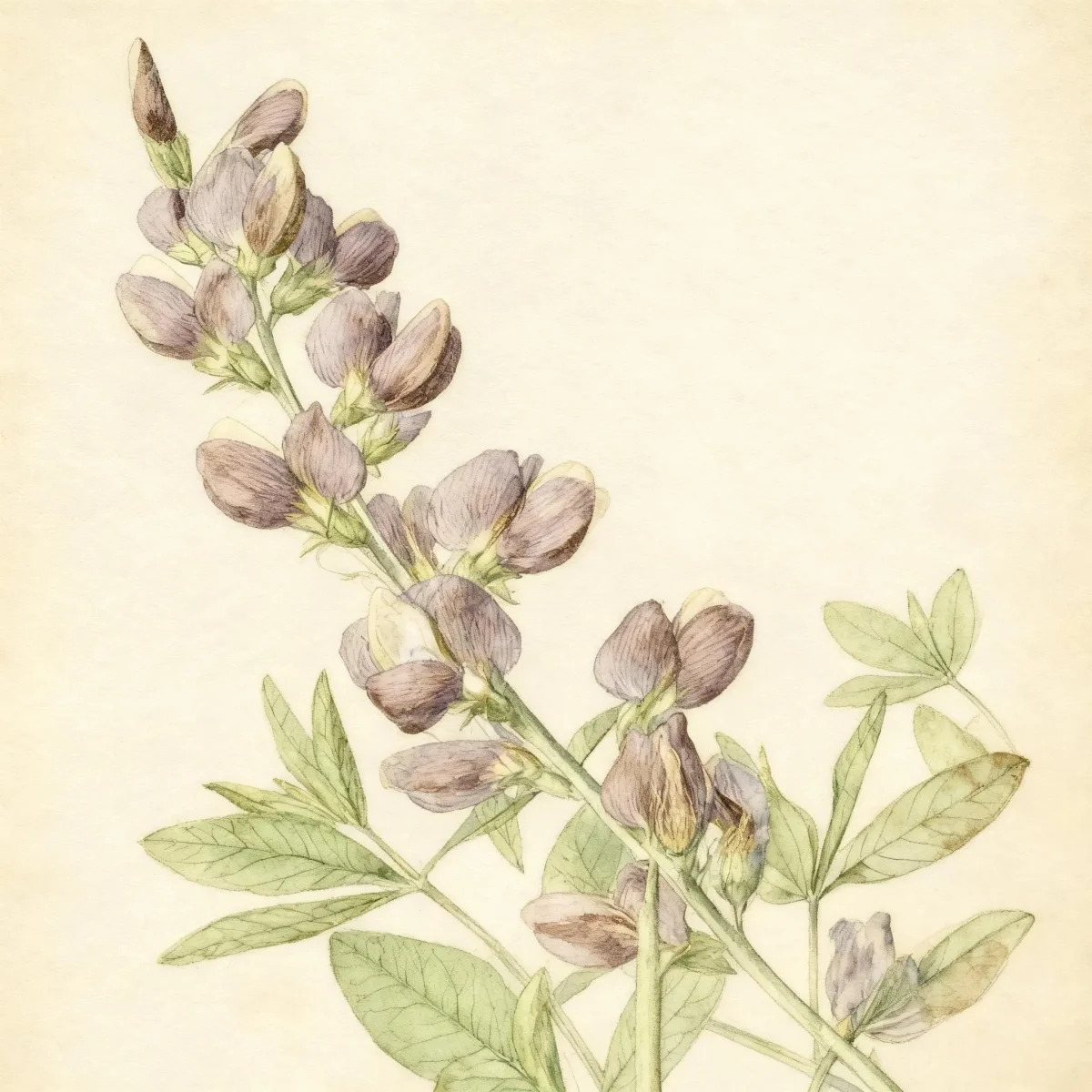
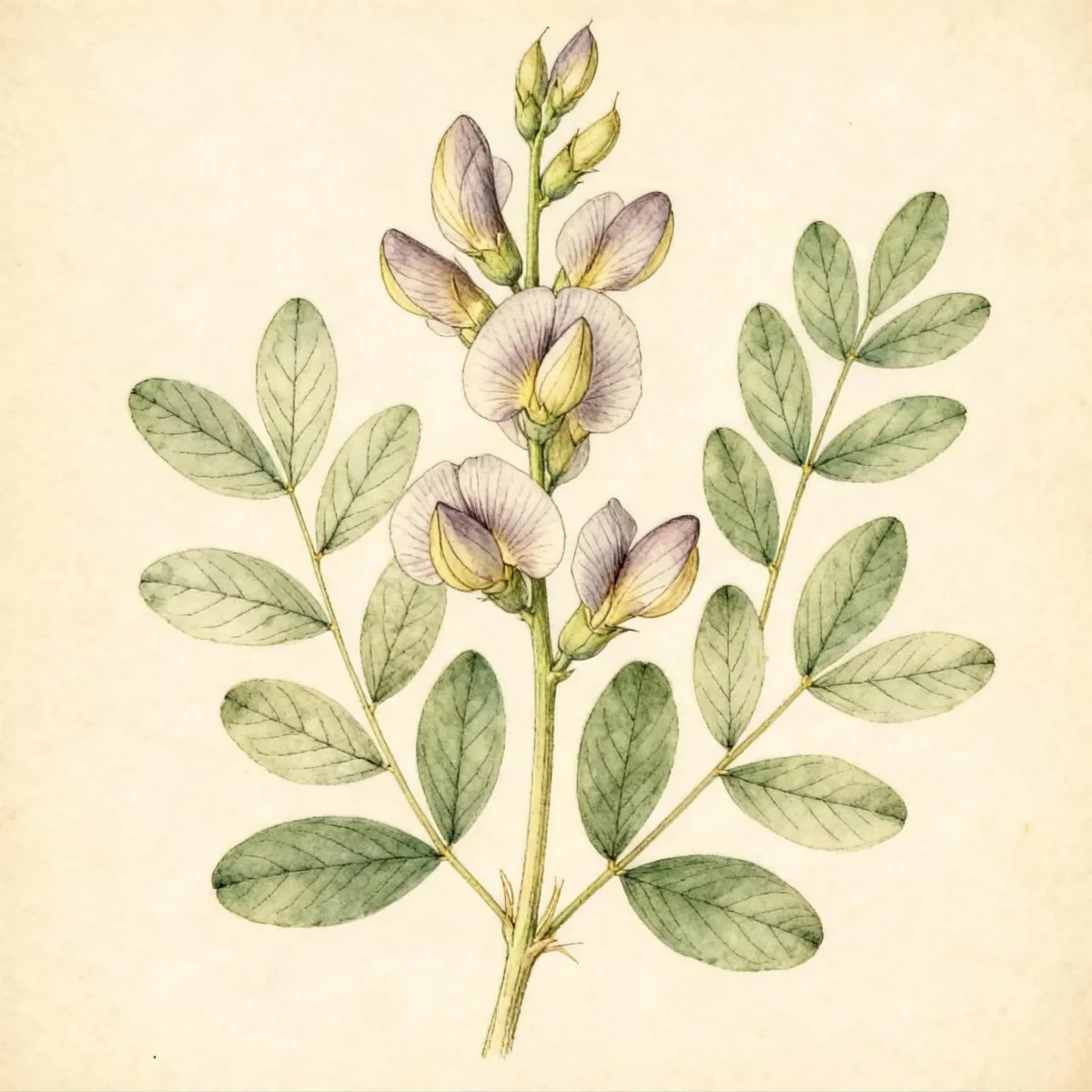
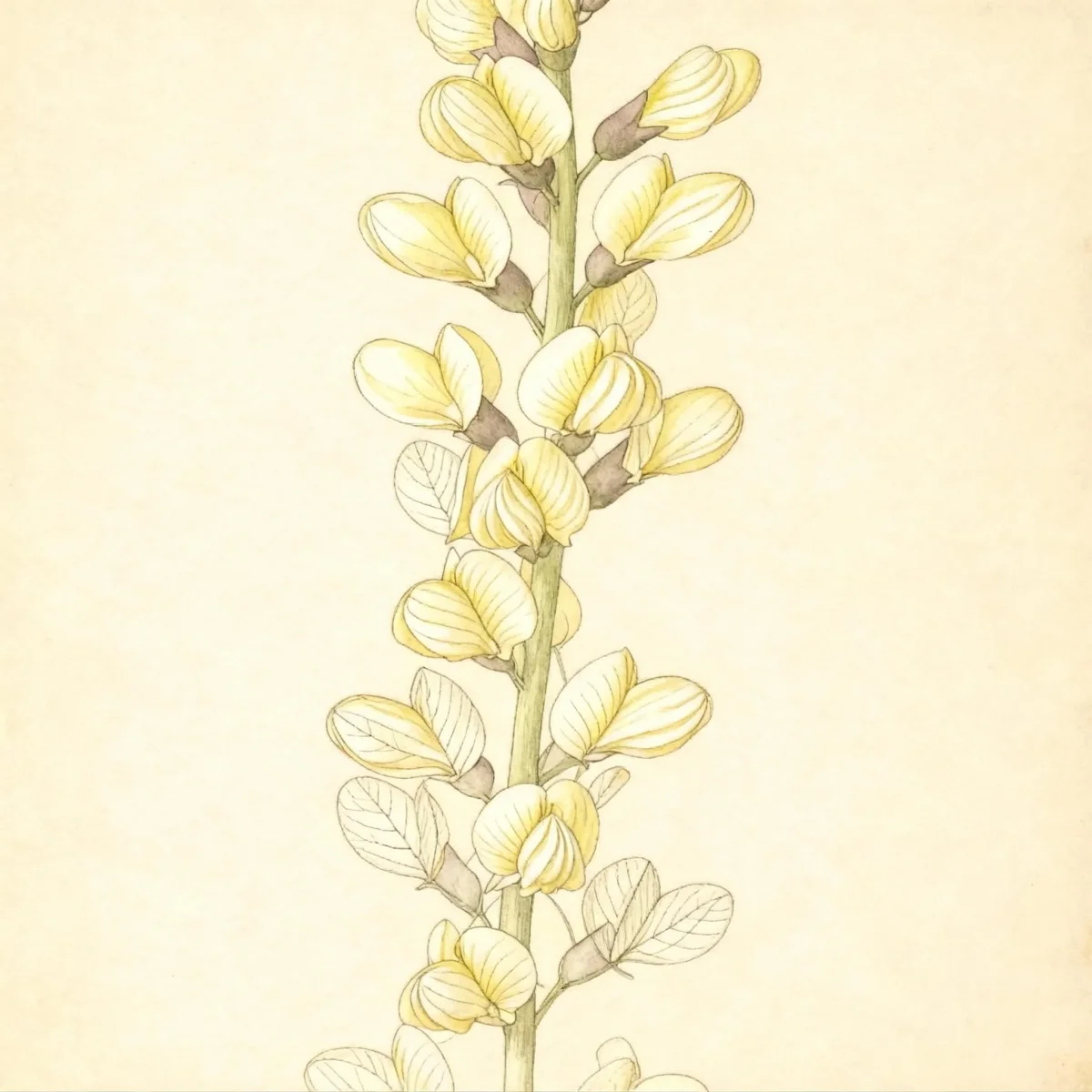
Bush clover (Lespedeza capitata)
Discover Lespedeza capitata, a low-maintenance, drought-tolerant Bush clover native to the US. Ideal for naturalizing.
Scroll down to discover growing tips, care requirements, companion plants, and more
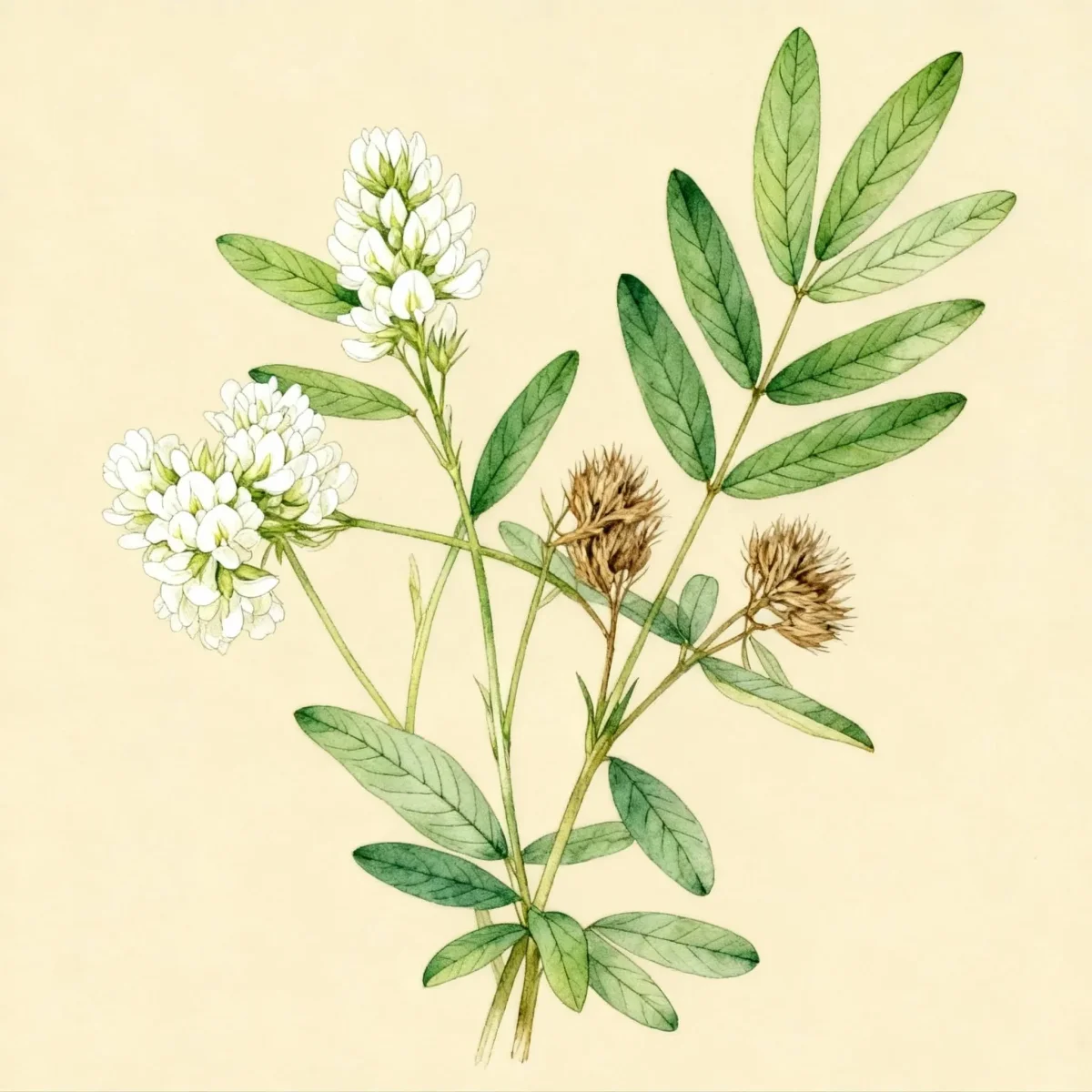
Complete Plant Information
Overview
The Lespedeza capitata, commonly known as Bush clover, is a valuable, upright herbaceous perennial native to the United States. This plant excels in challenging conditions, making it an excellent choice for gardeners seeking resilient, low-effort landscaping solutions. Its sturdy habit and attractive late-season flowers stand out in naturalistic settings.
This species of Bush clover provides visual interest from mid to late summer, showcasing tiny, pea-like flowers that are creamy white accented with a magenta spot. It establishes well in average to dry soils, offering functional benefits like erosion control alongside its aesthetic appeal. Few other perennials thrive reliably in such poor, dry sites.
For xeriscaping or rewilding projects, Lespedeza capitata is highly recommended. Its low maintenance requirements mean minimal intervention is needed once established, freeing up time while enhancing local ecological value. Expect bursts of subtle color well into early fall.
Fast Facts
- Plant Family: Fabaceae
- Plant Type: Herbaceous perennial
- Native Range: United States
- Hardiness Zones: USDA Zones 4-8
- Size at Maturity:
- Height: 2-4 ft
- Spread: 1-2 ft
- Bloom Time: July to September
- Bloom Description: Creamy white with magenta spot
- Sun Exposure: Full sun to part shade
- Water Needs: Dry to medium
- Maintenance Level: Low
How to Grow
Successful cultivation of Lespedeza capitata begins with proper site selection, prioritizing excellent drainage. This plant thrives in average, dry to medium soil conditions; however, it performs exceptionally well even in infertile, dryish, sandy soils. Plant in spring or early fall, ensuring the location receives full sun exposure, although it tolerates part shade.
Once established, watering needs for this Bush clover are minimal, as it tolerates drought conditions readily. Avoid regular supplemental watering unless the area experiences extreme, prolonged dry spells. Maintenance is generally low; pruning is rarely necessary unless you wish to cut back the stiff stems in early spring before new growth begins.
Good drainage is crucial for the long-term health of this perennial. Poorly drained, heavy clay soils will cause root issues. Lespedeza capitata may self-seed modestly in ideal locations, leading to naturalized colonies over time—a desirable trait for prairie restoration efforts.
Landscape Uses
The suggested use for Lespedeza capitata is clearly in naturalizing applications. It integrates seamlessly into prairie plantings, open woodland garden borders, or native plant meadows where it can spread slightly without becoming aggressive. Its upright structure provides essential vertical interest later in the season.
Consider using this Bush clover in mass along slopes or banks where its fibrous root system can help stabilize the soil, capitalizing on its proven tolerance to erosion. Pair it with other hardy natives that share similar dry soil and full sun requirements, such as various coneflowers or native bunchgrasses, to create a cohesive, low-input landscape design.
Standout Features
Flower Qualities
- Showy
Noteworthy Characteristics
Lespedeza capitata is a perennial species of bush clover that typically grows to 2-4’ (less frequently to 5’) tall on stiff upright stems. It is native to Missouri where it is commonly found in upland woods, thickets and prairies, on glades and along streams, railroads and roadsides (Steyermark). Tiny creamy white, pea-like flowers with a magenta spot at the base of the standard bloom in dense, rounded heads (axillary clusters) in mid to late summer. Sometimes commonly called round-headed bush clover in reference to the rounded, clover-like flower heads and the clover-like foliage.
Tolerances
- Drought
- Erosion
- Dry Soil
- Shallow-Rocky Soil
Potential Problems
This plant demonstrates remarkable resilience, meaning there are generally no serious insect or disease problems to report for Lespedeza capitata when grown correctly. The primary threat comes from overly wet or saturated soil conditions, which should be avoided through thoughtful site selection. Monitor for general chewing insects, though significant damage is rare.
If you notice yellowing foliage, first check soil moisture; too much water can mimic nutrient deficits. Because maintenance is low, preventative measures focus mostly on ensuring its preferred dry, sunny environment is maintained year after year.
Frequently Asked Questions
What hardiness zones is Bush clover suitable for?
Lespedeza capitata is reliably cold-hardy in USDA Zones 4 through 8.
How large does Lespedeza capitata grow?
It typically reaches a height of 2 to 4 feet with a spread between 1 and 2 feet, growing on stiff, upright stems.
When does Bush clover bloom?
You can expect blooms from July through September, featuring creamy white flowers that have a distinct magenta spot.
What sun exposure does Lespedeza capitata need?
This drought-tolerant perennial performs best in full sun but will tolerate partial shade conditions.
Conclusion
The Lespedeza capitata is an outstanding native perennial, prized for its low water demands, rugged adaptability to poor soils, and reliable late-summer flowers. Incorporating this Bush clover into your garden ensures beauty with minimal effort, especially in sunny, dry areas. Check your local USDA hardiness zone compatibility before planning your spring plantings.
Wildlife Benefits
As a member of the Fabaceae family, this Bush clover is naturally attractive to various beneficial insects. The pea-like flowers provide nectar and pollen resources late in the season when many other blooms have faded. This extended bloom window during July, August, and September is crucial for supporting late-summer pollinators seeking sustenance before the cooler months arrive.
The stout, upright stems of Lespedeza capitata offer structural interest even after flowering ceases. This structure can provide essential overwintering habitat or cover for small ground-dwelling insects and beneficial predatory species heading into dormancy. Planting this in a naturalized cluster enhances its value as a wildlife resource compared to isolated specimens.
Companion Planting
When designing a native meadow or prairie garden featuring Lespedeza capitata, select companions that also prefer dry soil and full sun exposure. Excellent partners include stiff goldenrod (Solidago rigida) or various species of Rudbeckia (Black-eyed Susan), which bloom around the same time. These companion plants complement the upright form of the Bush clover without competing aggressively for moisture since they share similar low-water needs.
Avoid pairing this perennial with moisture-loving plants like Astilbes or woodland ferns, as conflicting water requirements will necessitate overwatering the Lespedeza, potentially undermining its drainage needs. A cohesive planting scheme based on shared drought tolerance ensures all components of the planting thrive effortlessly throughout the growing season.