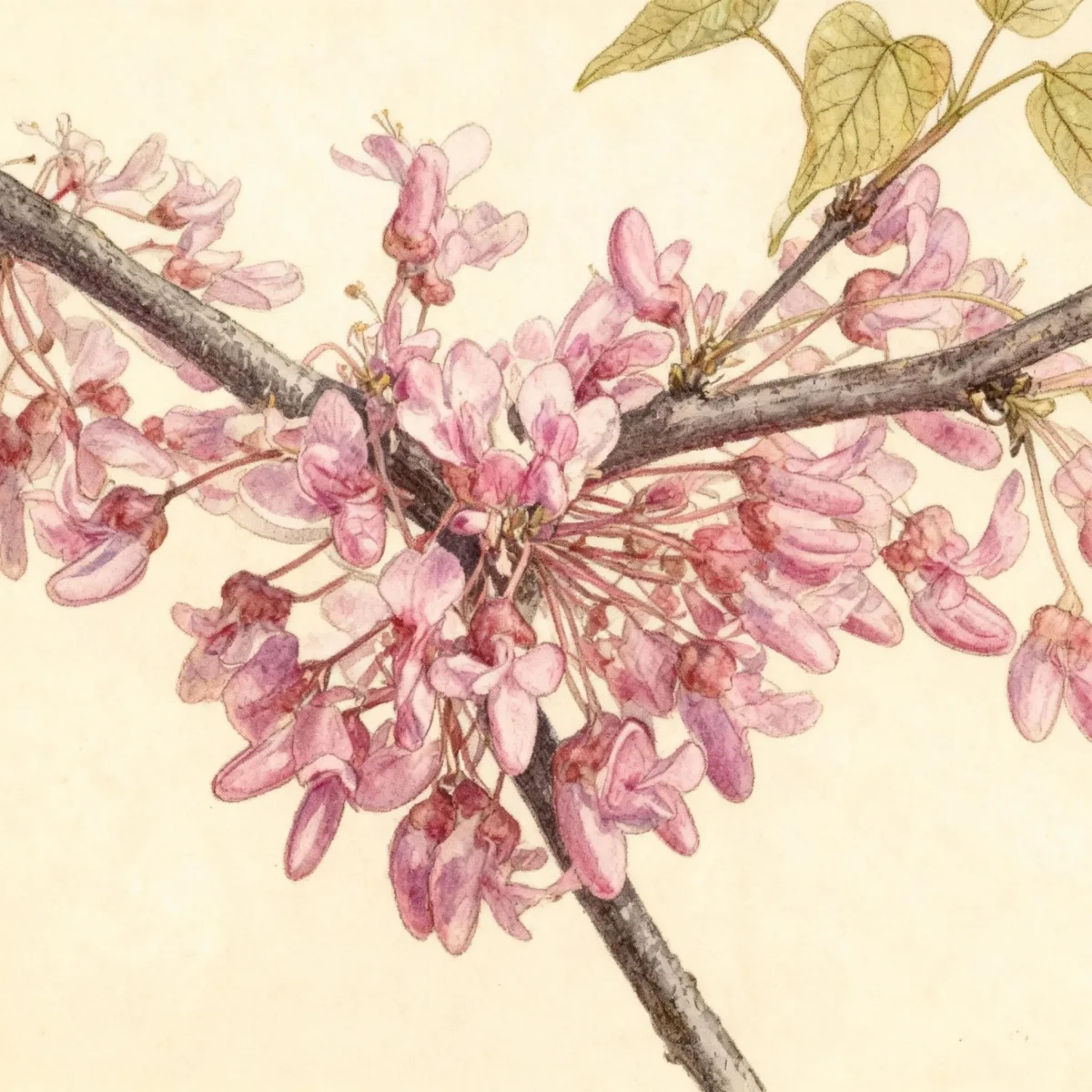
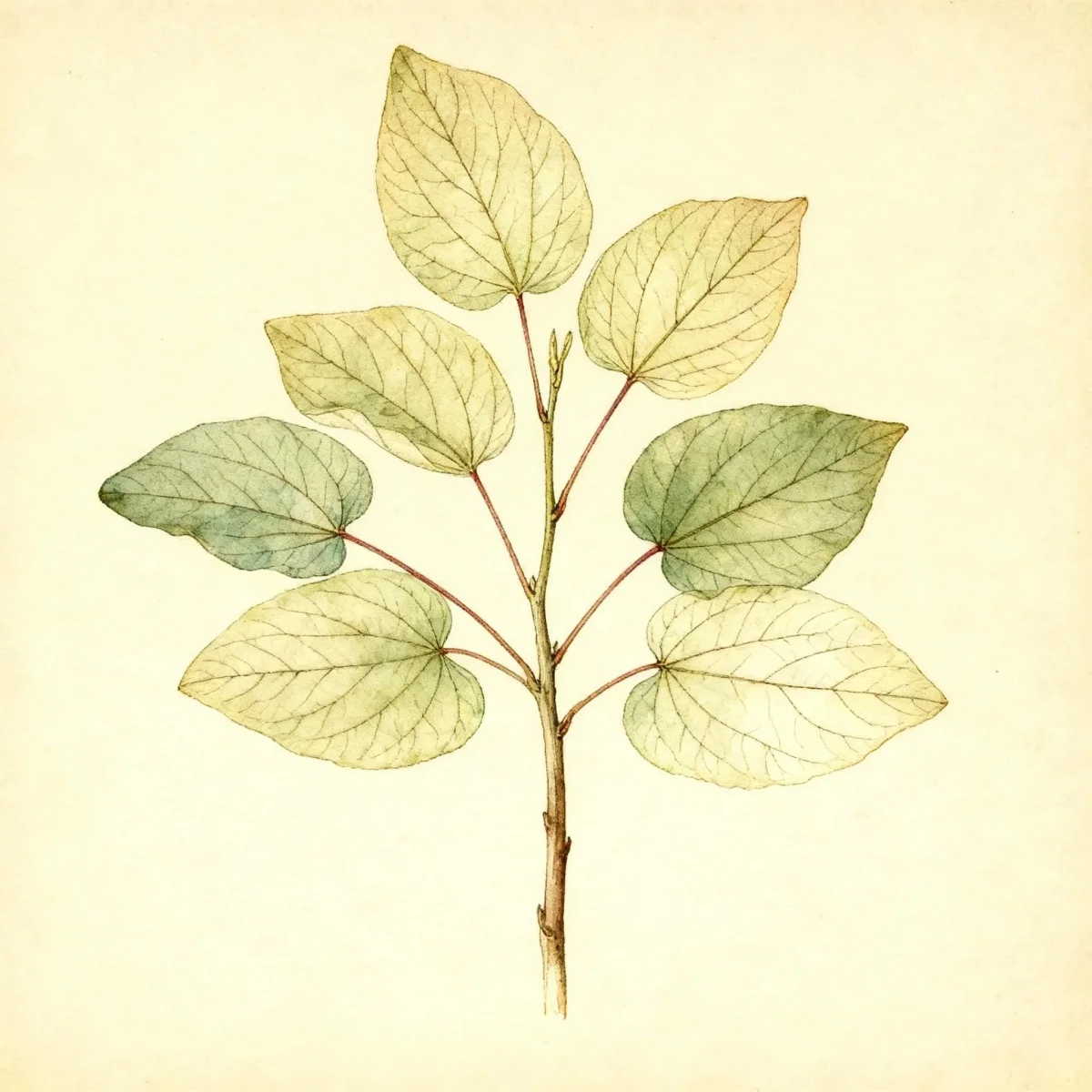
Eastern redbud (Cercis canadensis f. alba)
Cercis canadensis f. alba, the White Eastern redbud, offers stunning white spring blooms on an adaptable, low-maintenance tree for Zones 4-9.
Scroll down to discover growing tips, care requirements, companion plants, and more

Complete Plant Information
Overview
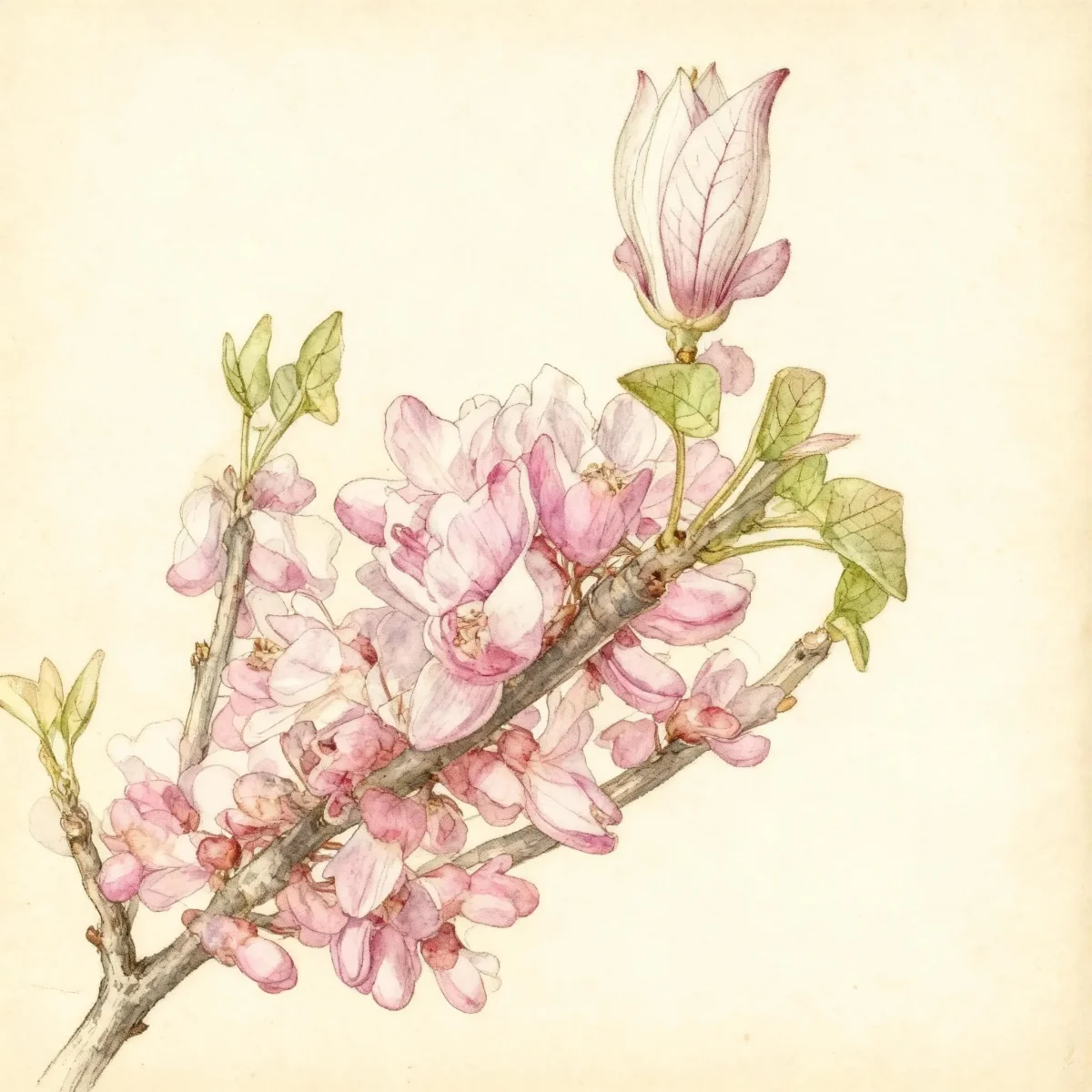
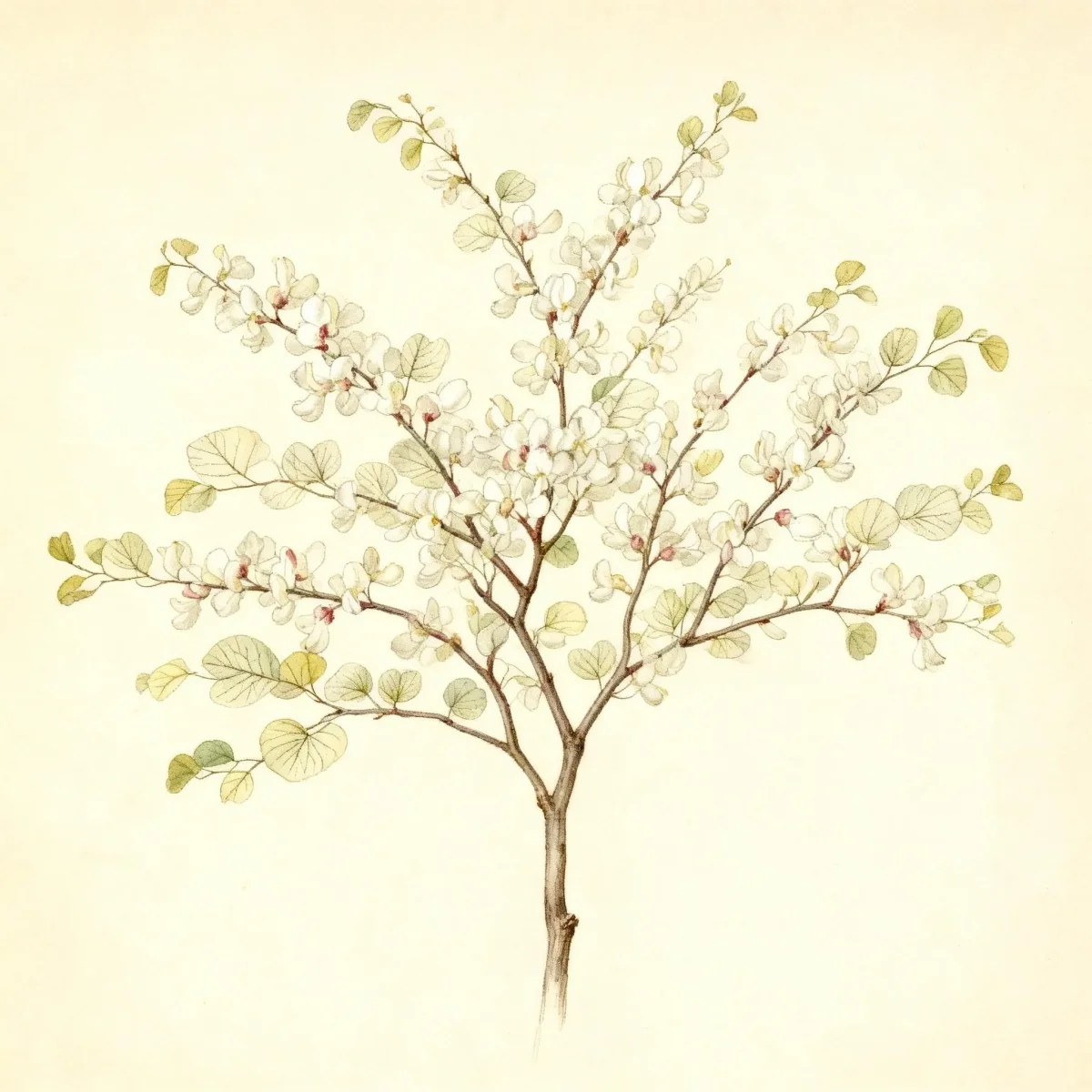
The Cercis canadensis f. alba, often known as the White Eastern redbud, provides a striking, pale contrast to the typical rosy-purple variety. This cultivar of the native Eastern redbud offers early spring color before the foliage emerges, making it invaluable for transitioning views in the garden landscape. It develops into a medium-sized, often multi-trunked understory tree appreciated for its low maintenance needs.
This beautiful tree is valued not only for its spectacular white blossoms but also for its resilience in various settings, tolerating clay soil and deer pressure. The Cercis canadensis f. Alba performs best when planted young, as established specimens do not readily transplant. It serves as an excellent early-season nectar source, boosting local pollinator activity.
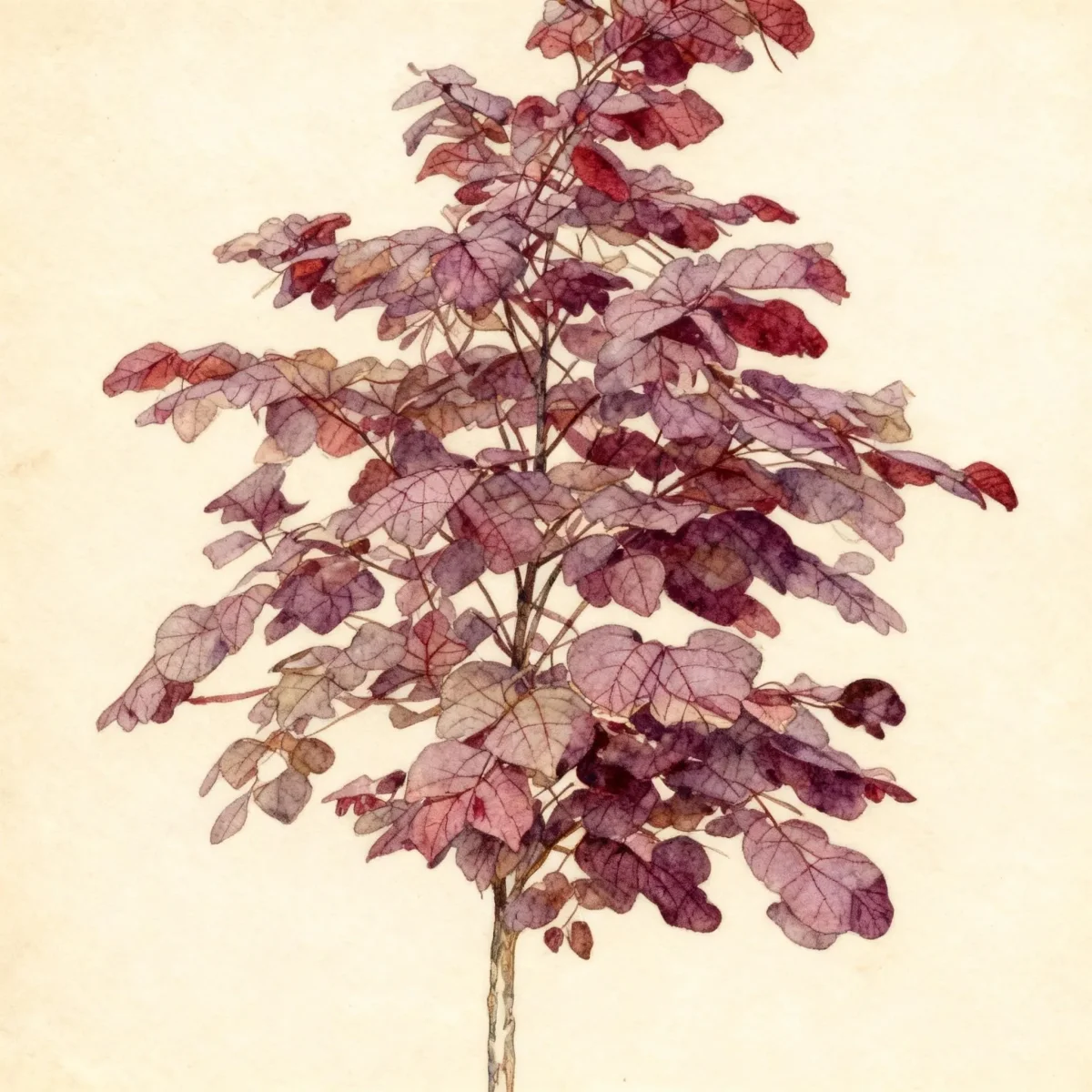
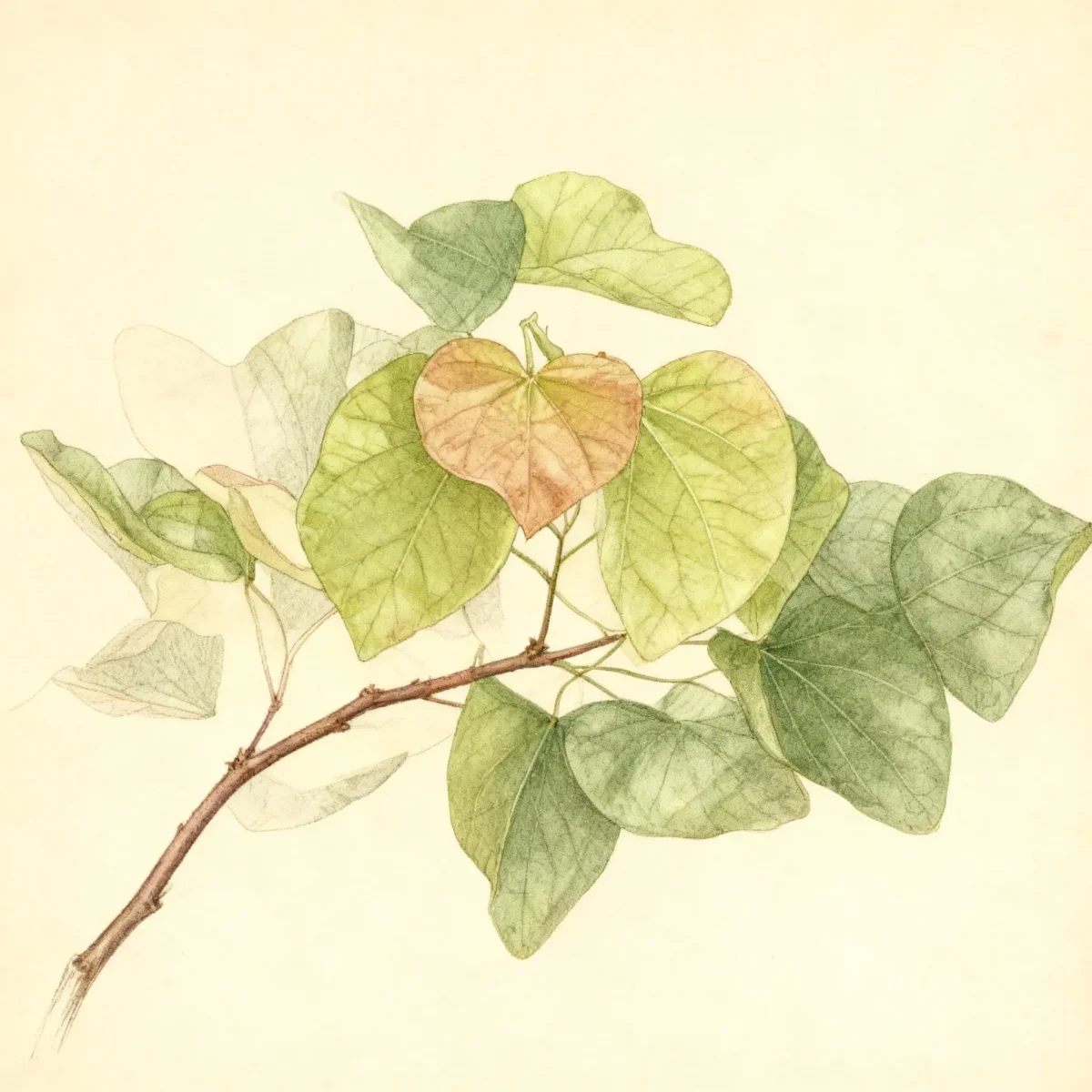
As the season progresses, the tree features heart-shaped, medium-green leaves that offer pleasant texture. Planting the Eastern redbud, specifically the Cercis canadensis f. alba, allows gardeners to incorporate native structure while enjoying its ornamental spring display.
Fast Facts
- Plant Family: Fabaceae
- Plant Type: Tree
- Native Range: North America
- Hardiness Zones: USDA Zones 4-9
- Size at Maturity:
- Height: 20-30 ft
- Spread: 25-35 ft
- Bloom Time: April
- Bloom Description: White
- Sun Exposure: Full sun to part shade
- Water Needs: Medium
- Maintenance Level: Low
How to Grow
For optimal health, plant the Cercis canadensis f. alba in an area receiving full sun to light shade. The ideal environment features moist, well-drained, deep soil. While adaptable to various soil types, avoid locations that remain permanently wet or suffer from poor drainage, as this stresses the tree.
The best practice is to plant this Eastern redbud when it is young, as it does not transplant easily once mature. If sourcing trees from distant nurseries, confirm they are cold-hardy for your region due to its establishment in the native range extending across Eastern and Central North America.
Watering should be consistent, meeting its medium water needs, especially during establishment. Maintenance is generally low; regular watering and occasional fertilization help keep the tree vigorous, which is the best defense against potential pests and diseases. Prune only to remove dead branches.
Landscape Uses
The versatility of the white-flowering Eastern redbud allows it to shine in numerous landscape applications. It works beautifully as a specimen tree, drawing immediate attention in early spring against evergreen backdrops or dark mulch. Its spreading habit makes it a fantastic choice for residential lawns or as an attractive street tree where overhead utility lines are not a concern.
For a more natural look, incorporate the tree into group plantings or naturalized borders, mirroring its native habitat preference for woodland margins. Its shape and early bloom time also make it suitable for shrub borders, adding multi-season interest when paired with later-blooming perennials or shrubs that contrast nicely with its white flowers.
Standout Features
Flower Qualities
- Showy
- Good Cut
Noteworthy Characteristics
Cercis canadensis, commonly called eastern redbud, is a deciduous, often multi-trunked understory tree with a rounded crown that typically matures to 20-30’ tall with a slightly larger spread. It is particularly noted for its stunning pea-like rose-purple flowers which bloom profusely on bare branches in early spring (March-April) before the foliage emerges. Forma alba has white flowers. The flowers are followed by flattened leguminous bean-like dry seedpods, and the foliage, which is heart-shaped and blue-green, yields a pale yellow fall color.
Tolerances
- Deer
- Clay Soil
- Black Walnut
Potential Problems
Eastern redbud trees are occasionally susceptible to feeding damage from insects such as scale, leafhoppers, tree hoppers, and various caterpillars. Fungal issues like leaf spots and the serious vascular disease Verticillium wilt can also occur.
The most serious threat is canker, which can cause dieback. To promote maximum health in your Cercis canadensis f. Alba, ensure consistent moisture and adequate feeding, especially during establishment. Promptly prune out any dead or damaged wood to minimize entry points for pathogens.
Frequently Asked Questions
What hardiness zones is Eastern redbud suitable for?
The Cercis canadensis f. alba is hardy and reliably grows in USDA Zones 4 through 9.
How large does Eastern redbud grow?
This tree typically reaches a mature height of 20 to 30 feet, with a spread often slightly wider, ranging from 25 to 35 feet.
When does Eastern redbud bloom?
The bloom time for this variety is April, featuring masses of white flowers before the leaves unfurl.
What sun exposure does Eastern redbud need?
This specimen thrives in conditions ranging from full sun to partial shade, offering flexibility in placement.
Conclusion
The Cercis canadensis f. alba provides exceptional early spring interest with its clean, white floral display, coupled with the low-maintenance structure of a native North American tree. Its tolerance for clay and deer makes the White Eastern redbud a reliable choice for diverse landscapes. Before planting, confirm your location falls within USDA Zones 4-9 to ensure this beautiful Cercis canadensis f. alba thrives for years to come.
Wildlife Benefits
The early bloom time of the Eastern redbud makes it a vital resource when few other options are available. The flowers provide essential nectar for emerging hummingbirds, butterflies, and other crucial pollinators starting in April. Planting this native tree supports local ecosystems right at the start of the growing season.
Beyond pollination, the foliage and buds support insect life, which in turn serves as a necessary food source for various songbirds throughout the year. Incorporating the Cercis canadensis f. Alba into your garden ensures you are contributing to the local food web, from the smallest pollinator to backyard birds.
Design Ideas
Use the bright white blooms of the Cercis canadensis f. alba as a powerful accent against darker architectural elements or evergreen hedges. Planted near structures, the spring color is dramatically magnified. Because it maintains an open, multi-trunked structure when young, consider placing it where its silhouette can be appreciated during winter dormancy.
For large properties, mass plantings of this white Eastern redbud along a woodland edge create an effect reminiscent of early spring snow. Pair it with bolder, later-flowering spring bulbs or deciduous shrubs that emerge later, ensuring continuous visual interest after the redbud canopy has filled in with green leaves.