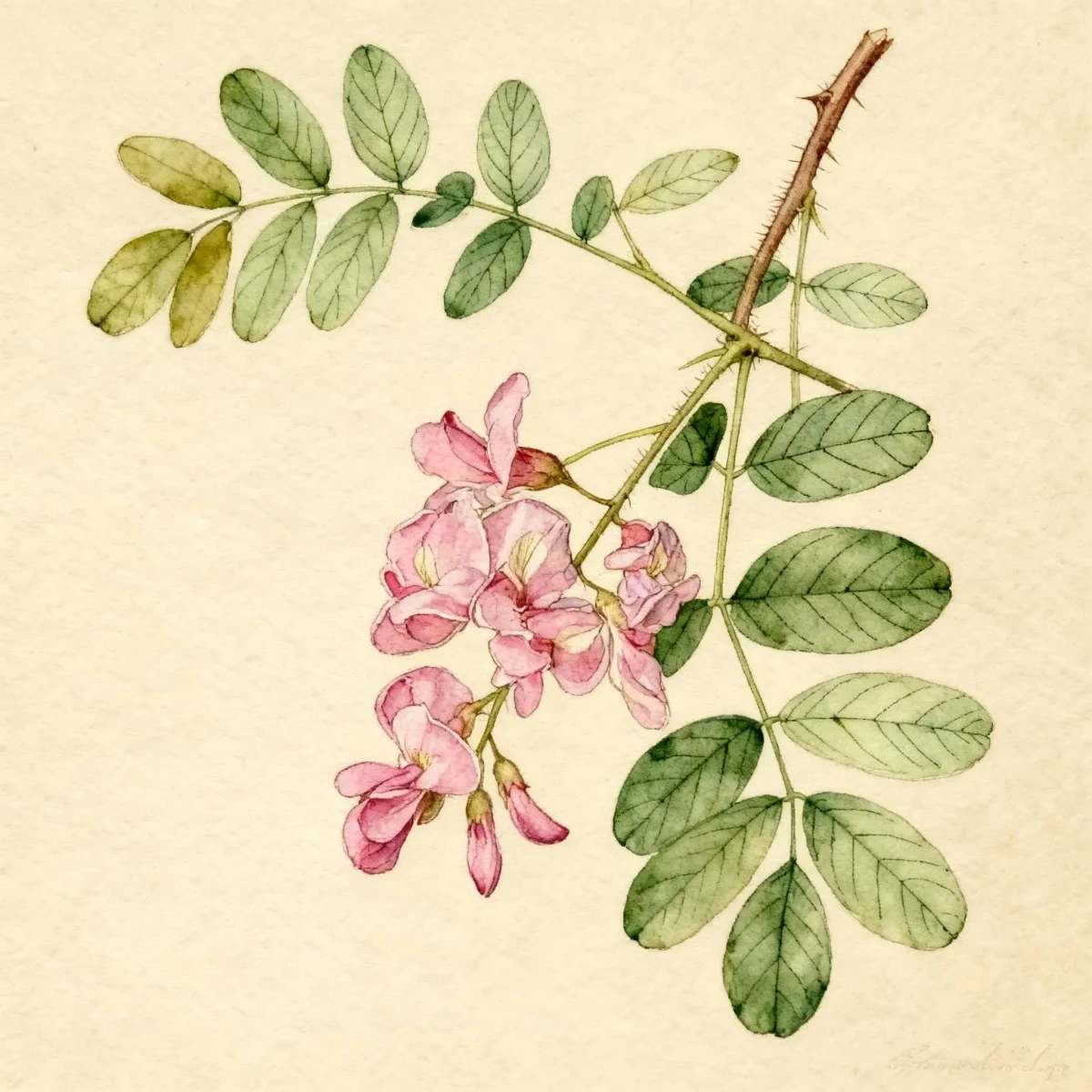
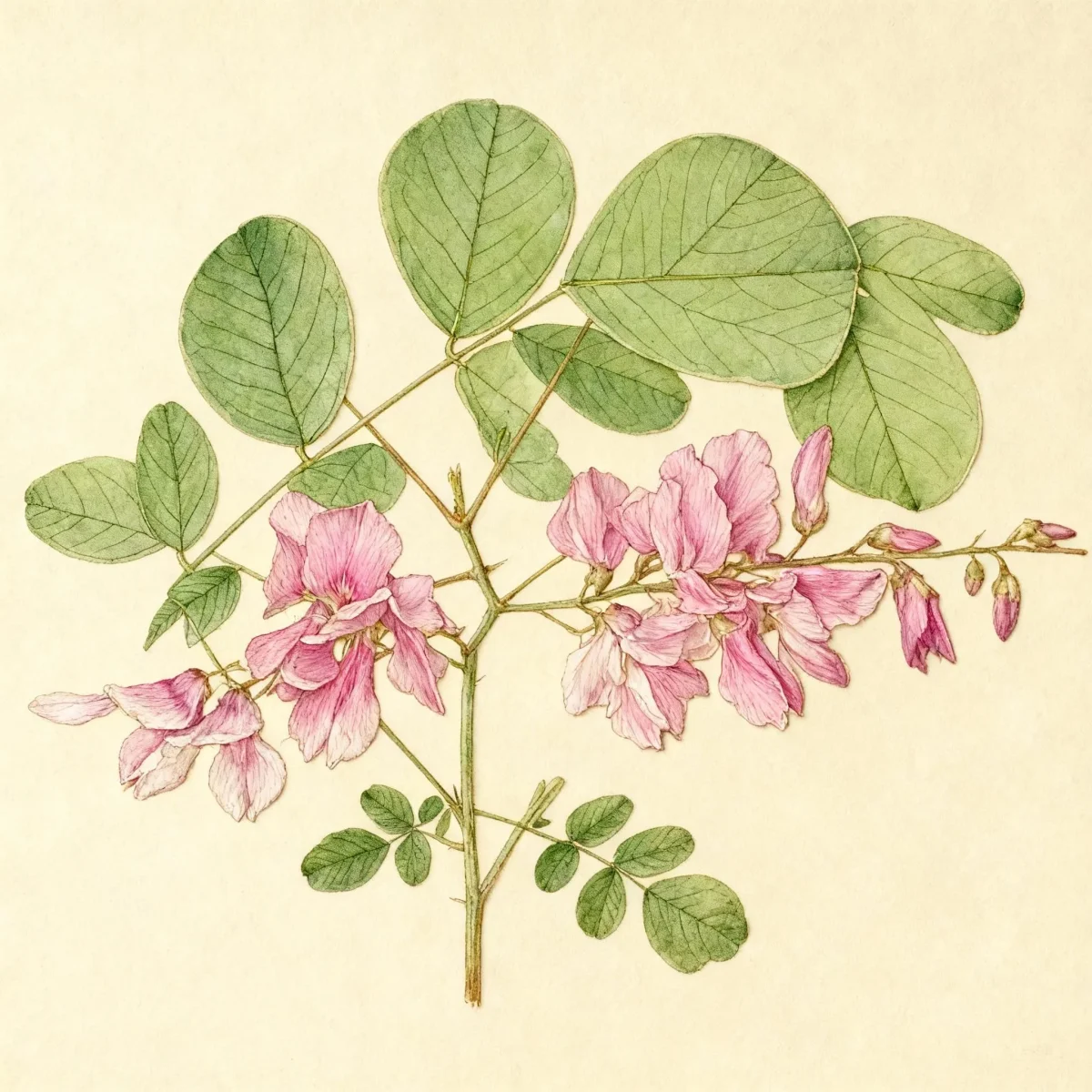
False indigo (Amorpha fruticosa)
Amorpha fruticosa, False indigo, is a tough, low-maintenance deciduous shrub offering showy purple blooms in late spring.
Scroll down to discover growing tips, care requirements, companion plants, and more
Complete Plant Information
Overview
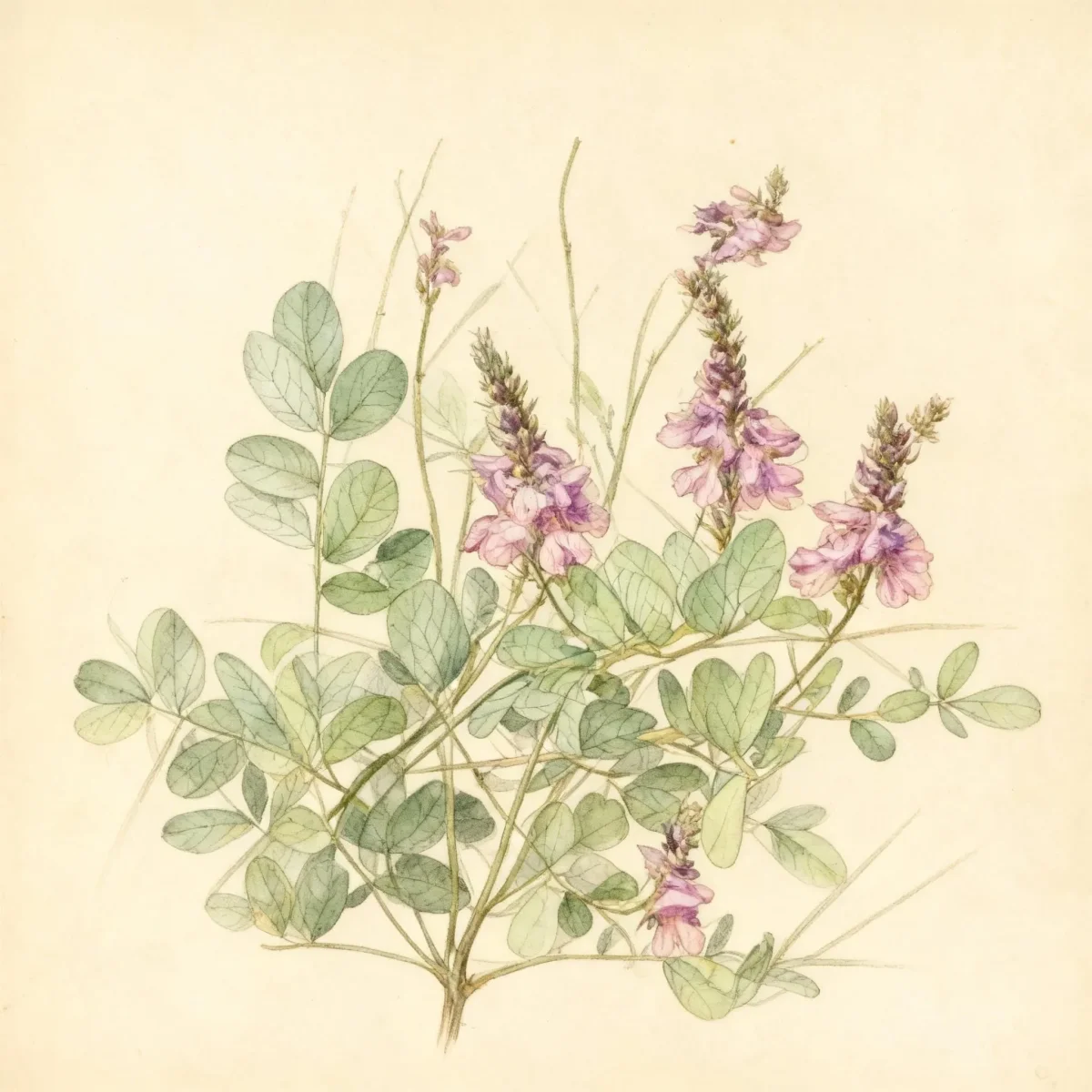
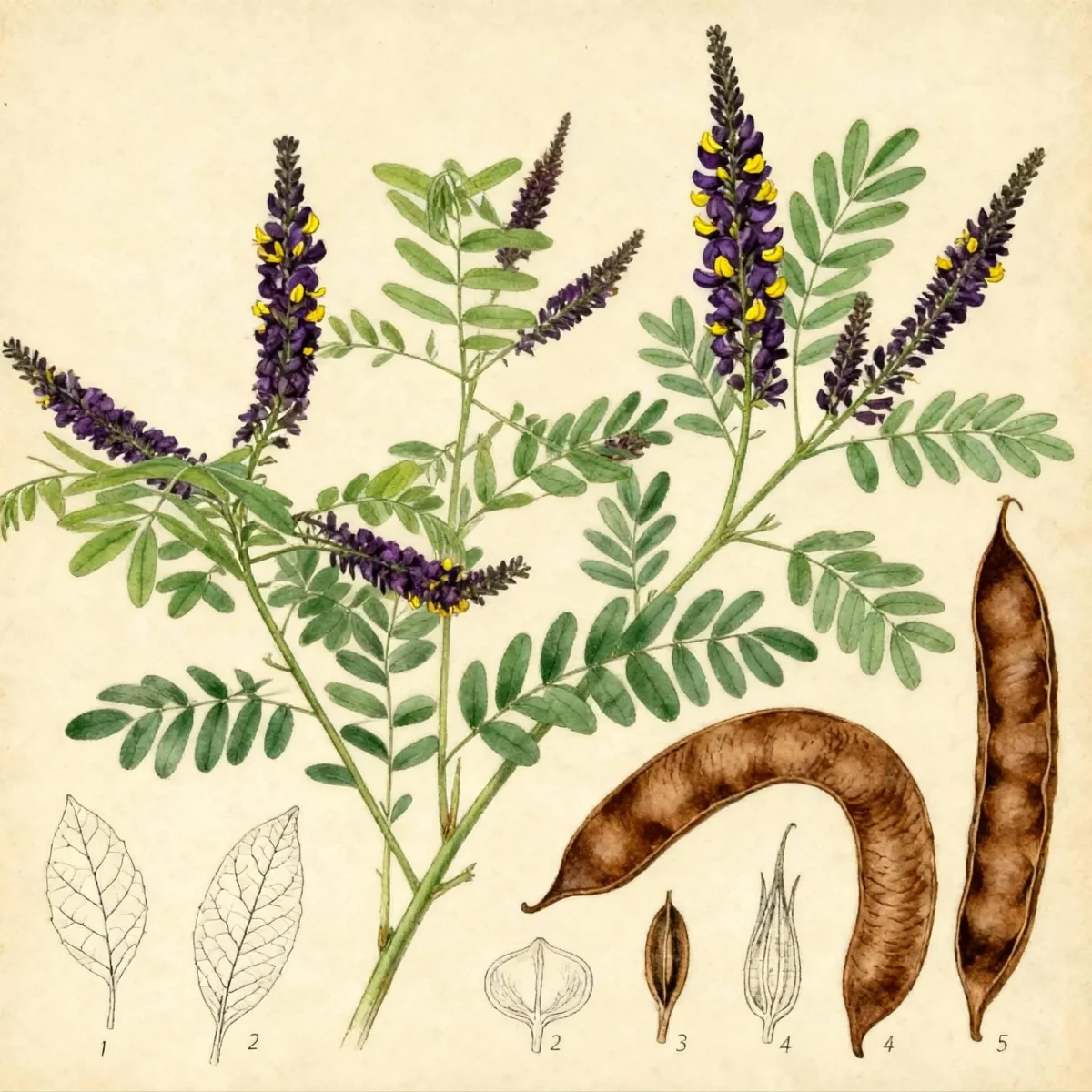
Amorpha fruticosa, commonly known as False indigo, is a resilient, adaptable native shrub prized for its drought tolerance and striking late-spring floral display. This plant fits seamlessly into naturalized landscapes where toughness is required, thriving where other ornamentals might struggle due to wet or poor soil conditions. Its distinctive flowers feature rich purple corollas set against prominent, bright orange-yellow anthers, providing excellent structural interest.
The False indigo shrub is surprisingly versatile, growing quickly to form a medium-sized screen or windbreak. A key identifier for Amorpha fruticosa is its tendency to spread via suckers, creating dense thickets, which makes it an excellent resource for habitat restoration and erosion control along banks or wet margins. Gardeners appreciate its low maintenance profile once established.
Despite its common name, the plant contains insufficient indigo pigment for commercial use. The genus name Amorpha refers to the uniquely structured, single-petaled flowers. Planting Amorpha fruticosa ensures you add significant ecological value alongside reliable, attractive seasonal performance to any suitable site.
Fast Facts
- Plant Family: Fabaceae
- Plant Type: Deciduous shrub
- Native Range: Southern United States
- Hardiness Zones: USDA Zones 4-9
- Size at Maturity:
- Height: 4-12 ft
- Spread: 6-15 ft
- Bloom Time: April to June
- Bloom Description: Purple with orange-yellow anthers
- Sun Exposure: Full sun
- Water Needs: Medium to wet
- Maintenance Level: Low
How to Grow
Planting False indigo is best accomplished in spring or fall when conditions are milder. Select a location receiving full sun, although light shade is tolerated. While it prefers average, medium to wet, well-drained soils, Amorpha fruticosa shows remarkable flexibility, readily adapting to poor, sandy, or even somewhat dry substrates once mature. Ensure there is ample space, as this shrub can achieve a substantial spread.
Watering requirements are flexible; aim for medium moisture, but this plant is notably tolerant of occasional flooding or temporarily wet soil conditions. Fertilization is rarely necessary, confirming its low-maintenance nature. Due to its tendency to spread by suckering and self-seeding, pruning is often required to maintain form or keep it confined to the desired area.
Prune Amorpha fruticosa in late winter or early spring before new growth begins. This timing improves the overall shrub form and manages size before the growing season actively starts. Be aware that this plant can be considered weedy or invasive in certain regions, so monitor and manage its spreading habit, especially near sensitive natural areas.
Landscape Uses
The robust nature and attractive flowers of False indigo make it useful in functional landscape roles. It excels in contexts where erosion control is a priority, such as stabilizing stream banks, pond edges, or sloped areas near waterways, capitalizing on its tolerance for medium to wet soils. Furthermore, its dense structure lends itself perfectly to creating effective natural windbreaks or informal, large screens in the back of a border.
For a naturalistic design, group Amorpha fruticosa with other complementary native plants accustomed to similar moisture levels, such as certain ornamental grasses or robust perennials that can handle occasional inundation. Its bold texture provides a strong backdrop throughout the summer, long after the blooms fade. Avoid planting in highly formal settings where its tendency to sucker might disrupt manicured lines.
Consider using this species in a habitat garden to support local biodiversity. The presence of the nectar-rich flowers ensures good pollinator attraction, establishing Amorpha fruticosa as an asset in any ecological planting scheme.
Standout Features
Flower Qualities
- Showy
- Fragrant
Fruit Qualities
- Showy
Noteworthy Characteristics
False indigo is a deciduous shrub that typically grows to 4-12’ tall with a wide spread, native to moist open woodland areas and floodplains across much of the U.S. It displays odd-pinnate leaves composed of many small leaflets, leading up to dense spikes of scented, purple, pea-like flowers accented by protruding orange-yellow anthers in late spring. The genus name Amorpha humorously derives from the Greek for “deformed” due to its unique flower structure lacking typical pea-family wings and keel petals.
Tolerances
- Wet Soil
Potential Problems
Amorpha fruticosa generally avoids the major pest and disease issues that plague many cultivated shrubs, contributing to its low-maintenance appeal. However, in humid or crowded conditions, it may exhibit some susceptibility to fungal issues. Watch for leaf spot, powdery mildew, twig canker, and rust, especially on older wood or plants grown in insufficient sunlight. Managing air circulation through proper pruning in late winter can significantly minimize fungal outbreaks.
Frequently Asked Questions
What hardiness zones is False indigo suitable for?
Amorpha fruticosa is generally suitable for USDA Hardiness Zones 4 through 9.
How large does Amorpha fruticosa grow?
This shrub typically matures to a height between 4 to 12 feet, with a spread often matching or exceeding its height, reaching 6 to 15 feet wide.
When does False indigo bloom?
False indigo produces its blooms between April and June, featuring distinctive purple flowers accented with bright orange-yellow anthers.
What sun exposure does Amorpha fruticosa need?
This plant thrives best when exposed to full sun, though it can tolerate light shade in hotter climates.
Conclusion
The toughness, adaptability to wet soils, and attractive late-spring flowers make Amorpha fruticosa a highly valuable native resource for structural planting and erosion control. As a low-maintenance solution, False indigo checks many boxes for gardeners looking to enhance biodiversity without increasing workload. Before planting, confirm that your site sits within USDA Zones 4-9 and plan for its vigorous, spreading habit.
Naturalized Habitat Planting
When designing a native garden, consider companion planting Amorpha fruticosa with other species that thrive in moist to wet conditions. For instance, dogwood (Cornus species) or various native sedges would appreciate similar soil moisture profiles. This pairing helps create a layered landscape that mimics the plant’s native environment along river banks or floodplains. The broad texture of the False indigo foliage contrasts nicely with finer grasses.
The resilience of this shrub means it can serve as a cornerstone for a “no-care” section of the landscape. Once established, False indigo requires almost no supplemental watering or fertilization, freeing up time for maintenance in more demanding areas of the garden. Its hardiness minimizes losses due to neglect or adverse weather events.
Pruning and Form Management
Because Amorpha fruticosa can become somewhat sprawling or overly dense through suckering, directed pruning is important for maintaining aesthetic appeal. For best results, prune hard in late winter or very early spring to shape the shrub and encourage strong new growth. If the shrub becomes severely overgrown, you can cut it back close to the ground (coppicing) to completely reset its structure, though this will sacrifice the flowers for that season.
Managing spread is crucial, particularly if you do not want thickets forming. Regularly inspect the area around the main clump and remove unwanted suckers as they emerge using loppers or a sharp spade to sever the root connection just below the soil line. Controlling its spread is the key management task for this otherwise undemanding shrub.