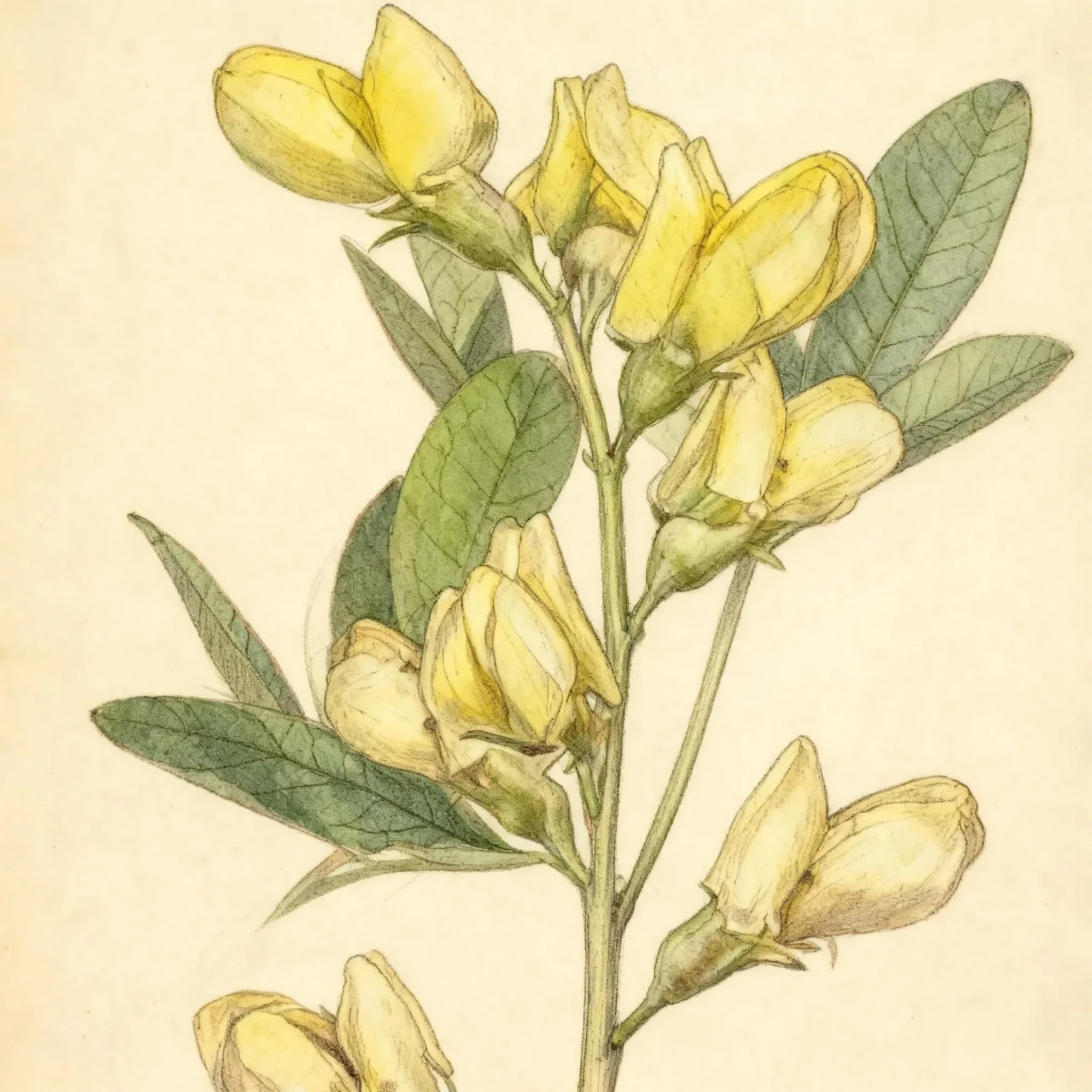
Shrub lespedeza (Lespedeza bicolor)
Discover Lespedeza bicolor, the adaptable Shrub lespedeza, blooming late summer with beautiful rose purple flowers. Low maintenance and drought tolerant.
Scroll down to discover growing tips, care requirements, companion plants, and more
Complete Plant Information
Overview
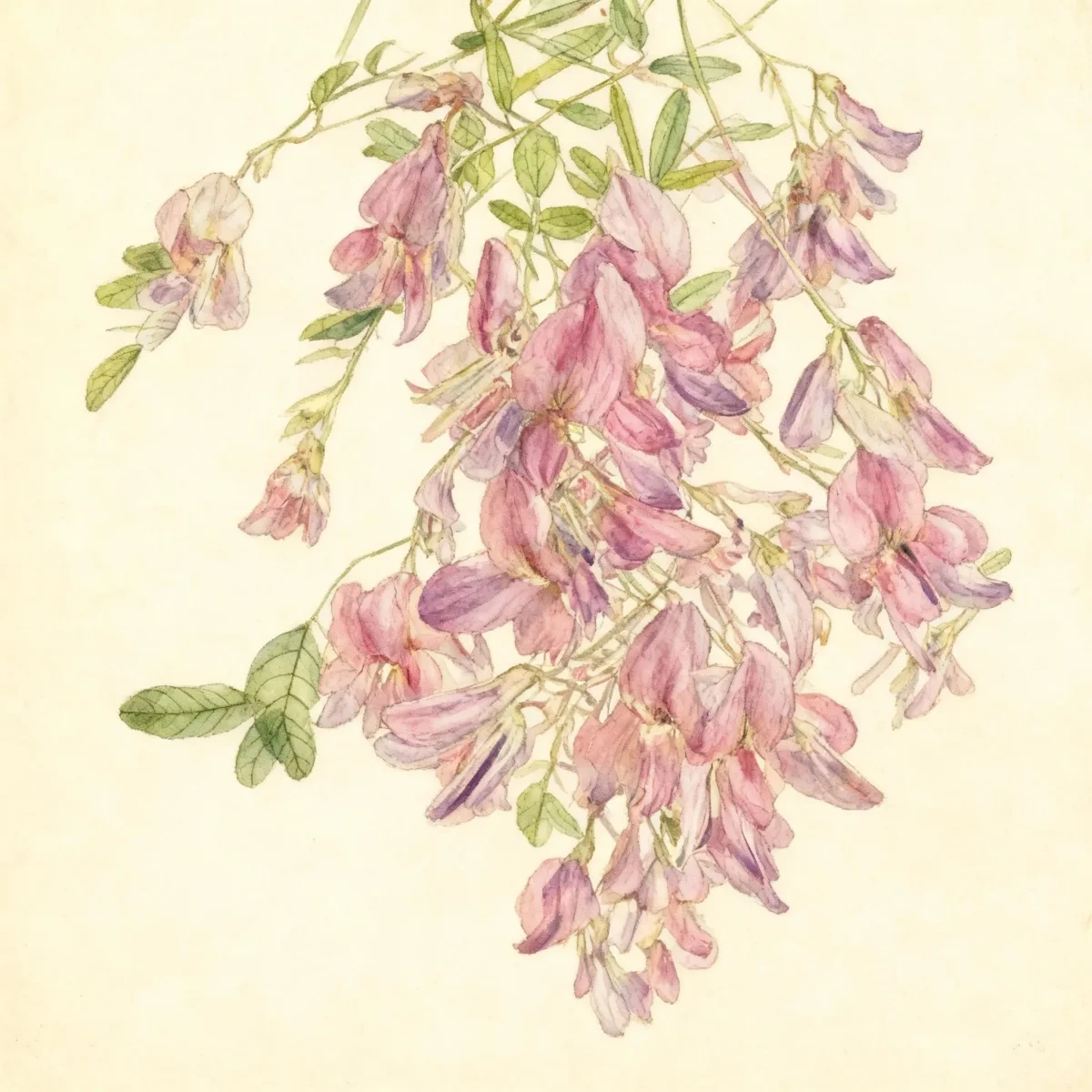
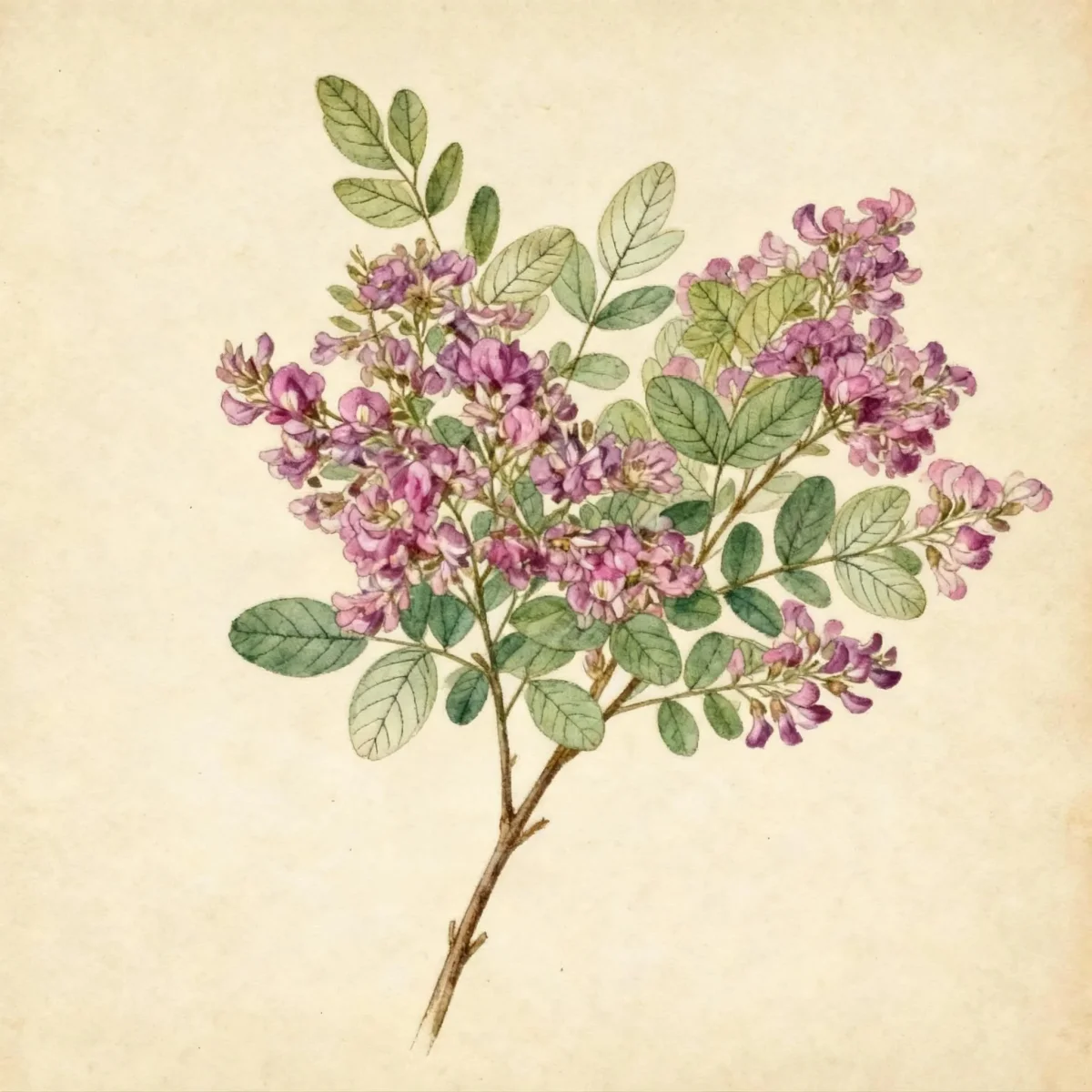
Shrub lespedeza, scientifically known as Lespedeza bicolor, is a highly effective, loose, open deciduous shrub valued for its late-season color display. This species is celebrated for its ability to establish quickly, growing up to 5 feet in a single season if pruned heavily in early spring. It offers pea-like flowers in striking rose purple hues during late summer when many other shrubs have finished blooming.
As a resilient addition to the garden, Lespedeza bicolor thrives in challenging conditions, tolerating dry soils and providing excellent erosion control on slopes. Its low maintenance requirements make it an excellent choice for naturalized areas, banks, or large mixed borders where structure and reliable late-season interest are desired. Gardeners should appreciate its vigor and adaptability across USDA Zones 4 through 8.
While native to Eastern Asia, Lespedeza bicolor naturalized widely across the southeastern United States, often grown for its erosion control benefits. It provides an important transition from summer to autumn interest, featuring dark green foliage that contrasts nicely with its abundant blossoms.
Fast Facts
- Plant Family: Fabaceae
- Plant Type: Deciduous shrub
- Native Range: Eastern Asia
- Hardiness Zones: USDA Zones 4-8
- Size at Maturity:
- Height: 5-10 ft
- Spread: 5-10 ft
- Bloom Time: August to September
- Bloom Description: Rose purple
- Sun Exposure: Full sun to part shade
- Water Needs: Dry to medium
- Maintenance Level: Low
How to Grow
Planting of Shrub lespedeza is best done in the spring after the danger of hard frost has passed, establishing it in a location receiving full sun for the best flowering display. It shows a strong preference for infertile, dryish soils, though it grows easily in average, medium conditions, provided the site has excellent drainage. Good soil drainage is absolutely essential for the long-term health of this shrub.
Maintenance for Lespedeza bicolor is refreshingly low. While it tolerates drought once established, occasional watering during prolonged dry spells is beneficial. Fertilizing is generally unnecessary given its preference for leaner soils. The most important cultural practice involves pruning: bloom occurs on new growth, so aggressively prune the shrub back as needed in late winter or early spring to encourage vigorous new stems.
In colder regions (Zone 4), heavy pruning is often done to manage height, especially since top growth can die back completely during harsh winters, although the roots remain hardy. In these areas, treat it much like an herbaceous perennial by cutting it entirely to the ground in late winter annually. This aggressive pruning technique stimulates rapid vegetative growth and better flowering displays, ensuring your Lespedeza bicolor performs optimally each season.
Landscape Uses
Shrub lespedeza excels in utilitarian yet beautiful landscape roles, particularly where soil stability is a concern. Its dense root structure makes it highly effective when grouped or massed on slopes and banks specifically to prevent erosion. Furthermore, its late bloom period offers significant value for borders where consistent seasonal interest is required, extending color into the early fall.
Consider using this robust shrub in open woodland gardens where it can mingle naturally with understory plantings that appreciate similar dry conditions. While it can be managed for a formal border, Lespedeza bicolor naturalizes well, making it ideal for creating informal screens or structural elements in low-maintenance landscapes. Its size also allows it to fill large structural gaps effectively.
Standout Features
Flower Qualities
- Showy
Noteworthy Characteristics
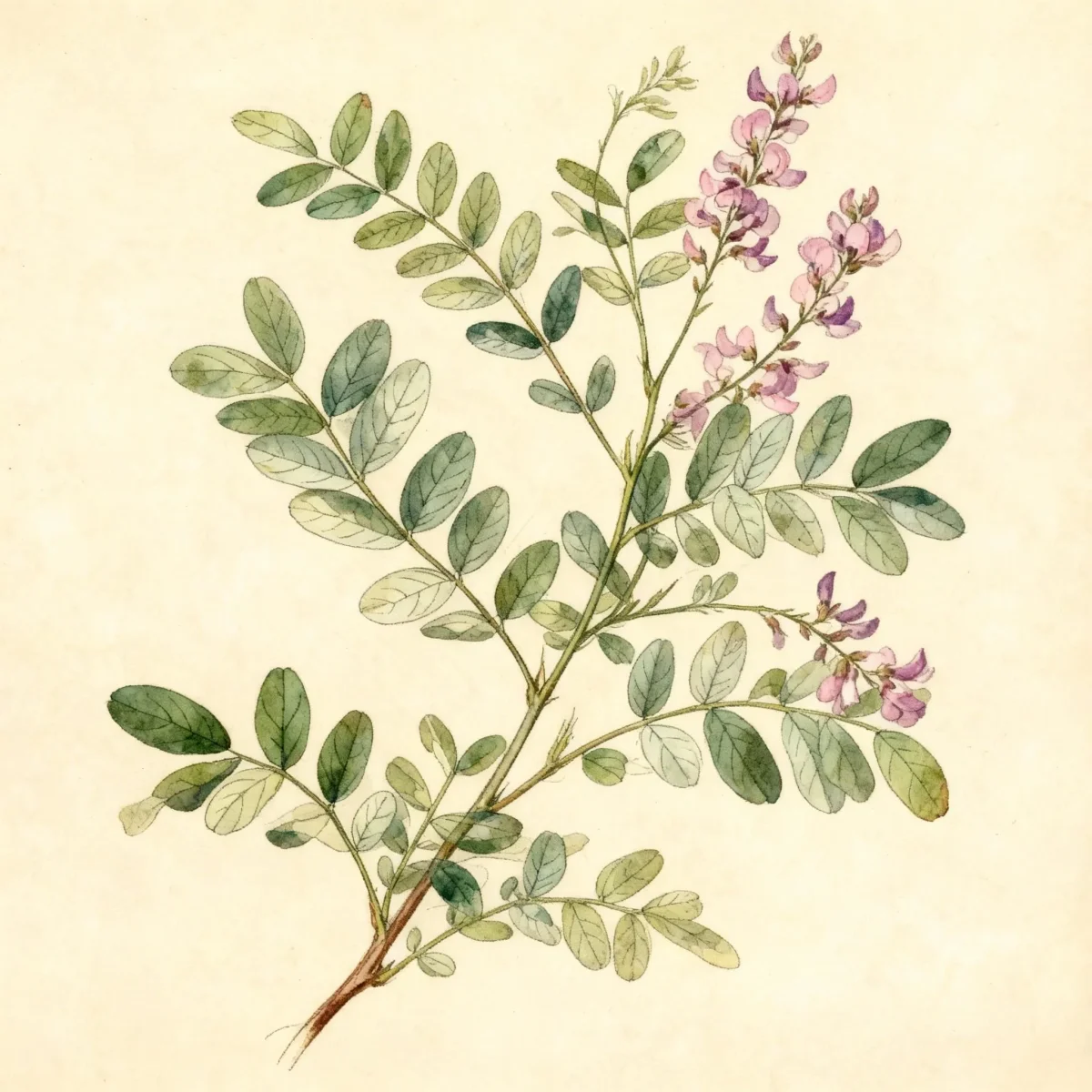
Lespedeza bicolor, commonly called bush clover, is a loose, open, deciduous shrub or sub-shrub which typically grows 5-10’ tall and as wide. If cut to the ground in late winter, it will rapidly grow to 5’ tall in a single growing season. Features trifoliate, dark green leaves (elliptic leaflets to 2” long) and erect racemes (to 5” long) of rose-purple, pea-like flowers which bloom both at the stem tips and in the upper leaf axils in late summer. Flowers are followed by small, flat, rounded to elliptic, one-seeded pods (to 1/3” long).
Tolerances
- Drought
- Erosion
- Dry Soil
Potential Problems
This plant is known for having no serious insect or disease problems, contributing significantly to its low maintenance rating. Gardeners rarely need to apply pesticides or fungicides to healthy stands of Shrub lespedeza. The primary management concern is usually structural—deciding how severely to prune it back in the late winter to control height or rejuvenate older wood.
In regions where Lespedeza bicolor has naturalized extensively, it may be considered invasive, particularly in southeastern forests. Understanding local environmental impact is crucial; ensuring it is planted where it can be managed, or is used in areas where containment is less of an issue, prevents unwanted spread via bird-dispersed seeds.
Frequently Asked Questions
What hardiness zones is Shrub lespedeza suitable for?
Lespedeza bicolor is adaptable, thriving in USDA Hardiness Zones 4 through 8.
How large does Shrub lespedeza grow?
This deciduous shrub typically reaches a mature height and spread between 5 and 10 feet tall and wide, though heavy pruning can limit its size.
When does Shrub lespedeza bloom?
Shrub lespedeza provides valuable late-season color, typically blooming from August through September with rose purple flowers.
What sun exposure does Shrub lespedeza need?
For the best flowering performance, plant Lespedeza bicolor where it receives full sun, though it will tolerate light afternoon shade (part shade).
Conclusion
The Shrub lespedeza (Lespedeza bicolor) remains a fantastic landscape workhorse, providing essential structure and a vibrant late summer color palette with minimal input from the gardener. Its tolerance for poor, dry soils and its effectiveness against erosion make it an unbeatable choice for tough sites. Before planting, always confirm your local climate falls within USDA Zones 4-8 to ensure robust perennial performance for your Lespedeza bicolor.
Companion Planting
When selecting partners for Shrub lespedeza, focus on plants that share its preference for well-drained, possibly lean soils and full sun exposure. Consider pairing the airy structure of Lespedeza bicolor with late-flowering perennials that offer contrasting flower forms, such as Coneflowers (Echinacea) or Rudbeckia cultivars, which bloom concurrently in late summer. Plants that require consistently moist conditions should be avoided, as this species thrives on drier conditions once established.
Consider using ornamental grasses that share a similar native range or drought tolerance profile, such as certain varieties of Switchgrass (Panicum virgatum). These grasses provide excellent textural contrast to the fine, deep green foliage of the bush clover in the spring and fall, anchoring the naturalized look that Lespedeza bicolor achieves so well.
Wildlife Benefits
The pea-like flowers of Lespedeza bicolor are attractive to various pollinators, providing a crucial nectar source late in the growing season when many other floral resources are depleted. This extended bloom window supports late-season bees and butterflies preparing for winter migration or hibernation.
Furthermore, the seed pods that follow the flowers are an important food source for local wildlife. Birds and small animals consume the small, flat, rounded seed pods, aiding in the natural dispersal of the Shrub lespedeza seeds throughout the landscape. Utilizing this plant maximizes the ecological function of your borders or banks.