Silk tree (Albizia julibrissin)
The showy, fragrant Silk tree (Albizia julibrissin) offers fluffy pink blooms from June to July. This fast-growing tree needs high maintenance but thrives in heat.
Scroll down to discover growing tips, care requirements, companion plants, and more
Complete Plant Information
Overview
The Silk tree, scientifically known as Albizia julibrissin, is instantly recognizable for its dramatic, fluffy pink flowers that offer a long bloom period throughout the summer months. This fast-growing, deciduous tree forms a wide, spreading crown, often resembling an umbrella, making it a prominent feature in the landscape. While highly ornamental due to its unique foliage and striking blooms, the tree requires dedicated care.
Native to Asia, Albizia julibrissin has become naturalized across much of the southeastern U.S., often establishing itself in waste areas. Its appeal lies in its ability to thrive where plants with higher needs might fail, tolerating heat and drought once established, though it demands attention regarding potential pest and disease issues. Gardeners seeking dramatic summer color should consider the Silk tree.
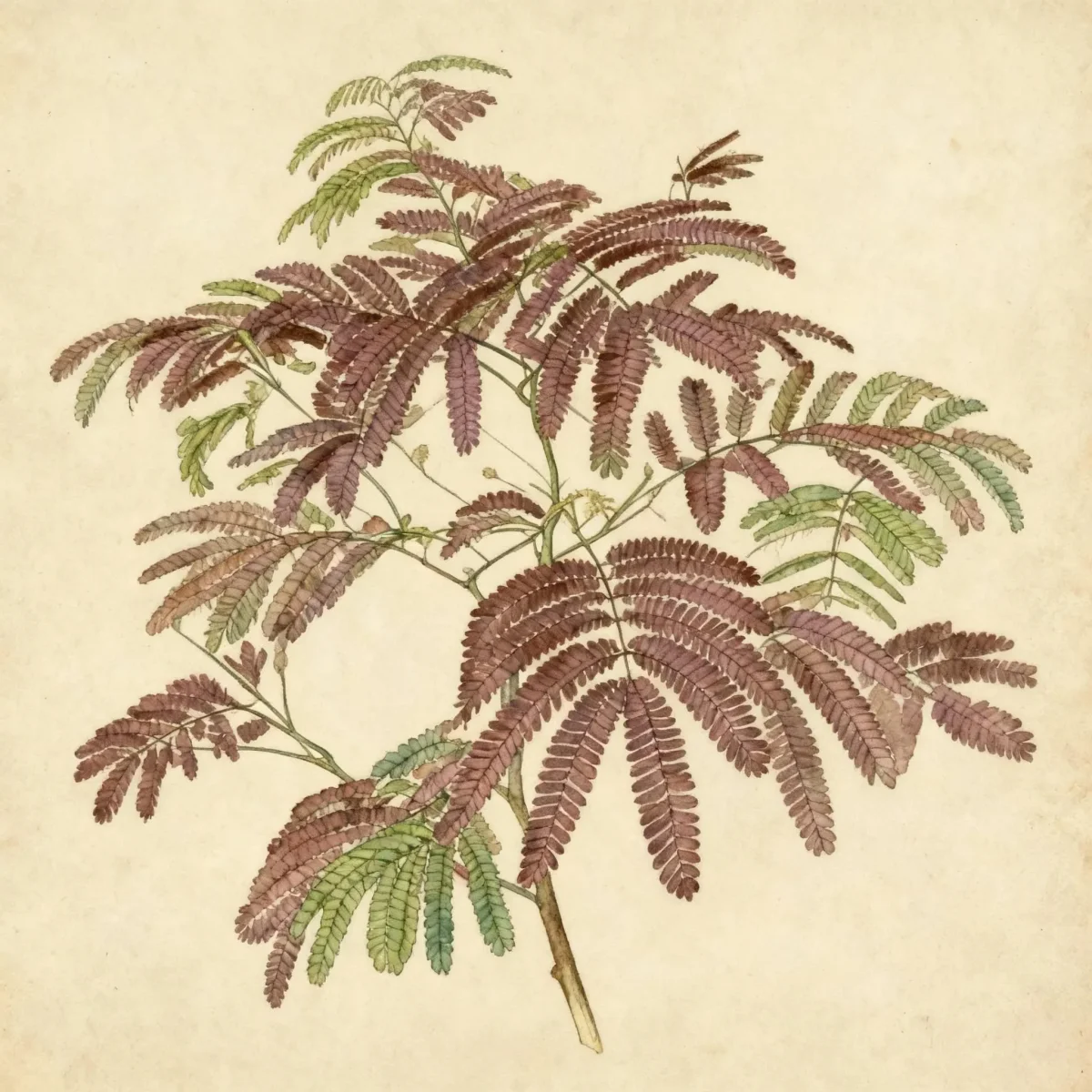
The foliage itself is equally distinctive, featuring soft, fern-like, bipinnate compound leaves that are highly sensitive, closing at night or when touched. This attribute adds a layer of visual interest to the otherwise high-maintenance needs of the lovely Albizia julibrissin.
Fast Facts
- Plant Family: Fabaceae
- Plant Type: Tree
- Native Range: Iran to Japan
- Hardiness Zones: USDA Zones 6-9
- Size at Maturity:
- Height: 20-40 ft
- Spread: 20-50 ft
- Bloom Time: June to July
- Bloom Description: Pink
- Sun Exposure: Full sun to part shade
- Water Needs: Medium
- Maintenance Level: High
How to Grow
Planting the Silk tree is best done in spring or fall in locations that receive full sun, though light shade is tolerated; conversely, the best flowering display is achieved in full sun. Albizia julibrissin is adaptable regarding soil type and thrives in average, medium moisture, well-drained soils. It is particularly useful where soils are poor or alkaline, as the tree tolerates these conditions well, though it prefers rich, light soils for optimal growth.
Care requires vigilance, hence the high maintenance rating. While the tree tolerates drought once established, regular watering ensures the best performance. Since the tree is known for weak wooded limbs, pruning should focus on establishing a strong central leader and removing crossing or clustered branches, especially when young, to minimize future breakage from ice or strong winds.
Heat tolerance is a major asset; the Silk tree thrives when summer temperatures climb high. However, growers in USDA Zone 5 should note this tree is not reliably winter hardy there. Be prepared for cleanup, as the falling leaves, spent flowers, and persistent seed pods can create significant debris under the canopy.
Landscape Uses
The Albizia julibrissin, or mimosa, is primarily utilized as a specimen or flowering tree due to its unique shape and summer flowering habit. While often deemed an inferior landscape tree overall, it serves well as a lawn accent where aesthetics must be balanced against poor or alkaline soil conditions. Its open, vase-like crown casts dappled shade, suitable for patios or areas where full, deep shade is undesirable.
For those integrating the Silk tree into composed landscapes, choose companions that appreciate similar conditions—lots of heat and tolerant of average moisture. Avoid planting near valuable structures or walkways where the debris generated by the tree might become a nuisance. Its dramatic texture contrasts nicely with broadleaf evergreens.
Its use is cautioned against in areas where its tendency to escape cultivation and naturalize is a concern, particularly along watersheds in the Southeast U.S. When siting this attractive but sometimes problematic ornamental, prioritizing function over strictly formal beauty is key for the Silk tree.
Standout Features
Flower Qualities
- Showy
Noteworthy Characteristics
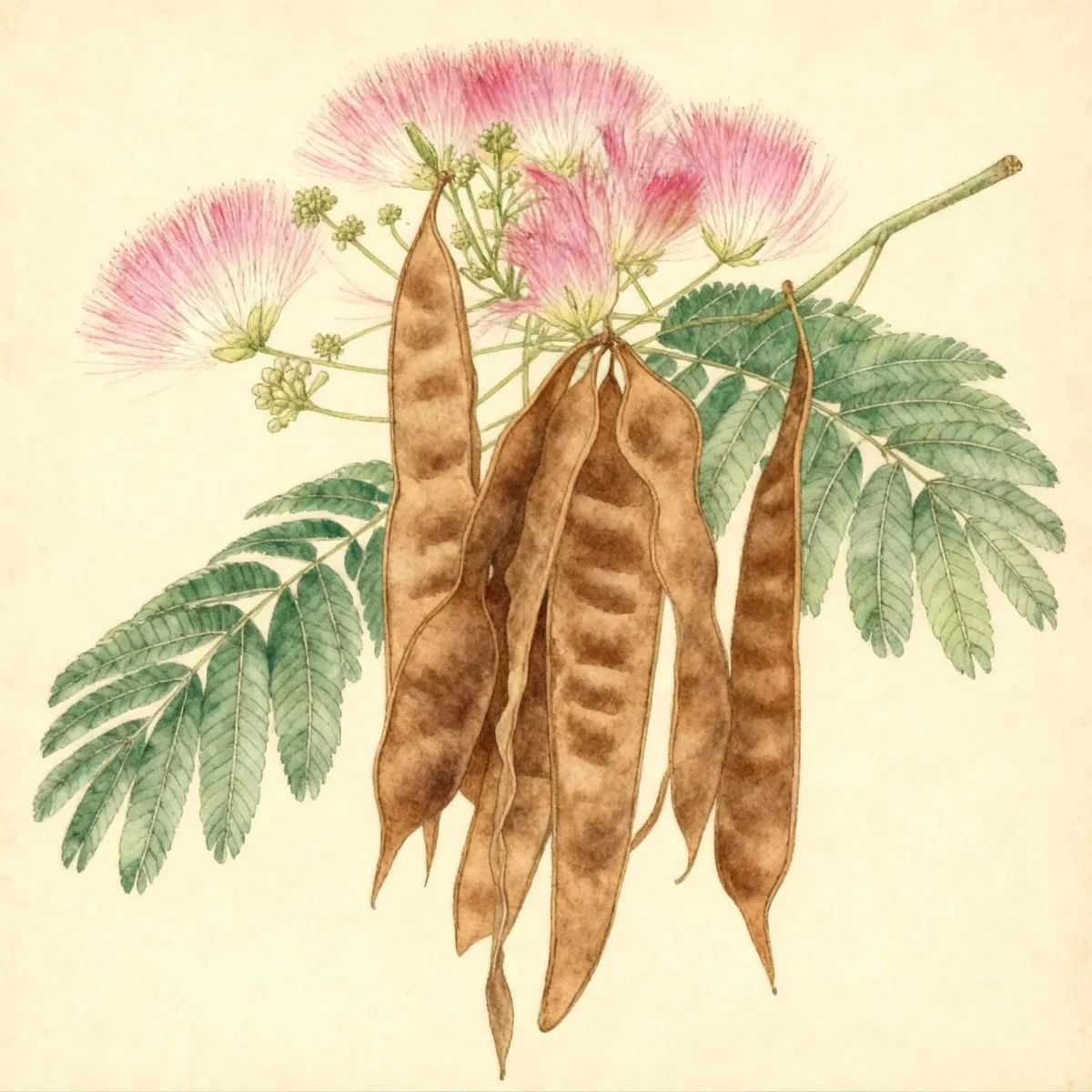
Albizia julibrissin, commonly called mimosa or silk tree, is a fast-growing, small to medium sized, deciduous tree that typically grows in a vase shape to 20-40’ tall with a spreading, often umbrella-like crown. It is noted for its bipinnate compound dark green leaves that offer a fern-like appearance and fluffy, pink, powder puff flowerheads covering the tree with a long summer bloom attractive to bees. Sensitive leaflets close up when touched and at night, and flat bean-like seed pods often persist into winter.
Tolerances
- Deer
- Drought
Potential Problems
Wilt is identified as a serious, potentially fatal disease problem for the Silk tree in many regions, demanding careful site selection away from known infection areas. The tree is also susceptible to the mimosa web worm, which can skeletonize the foliage, necessitating treatment if cosmetic appearance is a priority. Be mindful that self-seeding of Albizia julibrissin can result in numerous volunteer seedlings popping up locally. Additionally, the structure of the tree means weak wooded limbs may fail under stress from ice or high winds, and the persistent litter of fallen material requires frequent cleanup.
Frequently Asked Questions
What hardiness zones is Silk tree suitable for?
The Silk tree (Albizia julibrissin) is best suited for USDA Hardiness Zones 6 through 9.
How large does Silk tree grow?
This tree typically matures to a height between 20 and 40 feet tall and spreads between 20 and 50 feet wide.
What sun exposure does Silk tree need?
Albizia julibrissin prefers full sun but can tolerate part shade; best flowering occurs when located in a sunny spot.
When does Silk tree bloom?
The Silk tree offers its signature pink, fluffy flowers primarily during June and July.
Conclusion
The Silk tree (Albizia julibrissin) brings unparalleled late-season ornamental value through its unique pink, powder-puff flowers and fine-textured foliage. Although it is visually appealing, remember that the high maintenance level requires active monitoring for pests and sanitation management due to shedding materials. Before planting, confirm your location falls within USDA Zones 6-9 and plan for its eventual wide spread.
Design Ideas
Given its high maintenance and potential invasiveness, the Albizia julibrissin works best when placed where its debris is less problematic, such as in large lawn areas or xeriscaped spaces that utilize its drought tolerance. It functions well as a specimen tree in the middle or back of larger borders, providing vertical contrast against lower-growing shrubs or perennials that thrive in full sun, such as coneflowers or hardy salvias, which can handle the summer heat it generates.
The umbrella-like crown of the Silk tree casts a distinctive, dappled shade, which is ideal for placing underplanting shade-tolerant groundcovers that appreciate filtered light rather than deep shade. If planted near a deck or patio, homeowners must accept the frequent cleanup required from the falling flower parts and seed pods that characterize this beautiful but messy tree.
Wildlife Benefits
The fragrant, abundant flowers of the Silk tree are highly effective at attracting numerous pollinators throughout the mid-summer months. Bees, in particular, are drawn to the nectar-rich blooms of the pink powder puffs, offering excellent ecological support during a time when some other flowering trees may have finished their cycle. This fruit-bearing tree also provides seed pods that can offer winter interest and sometimes forage for certain local wildlife species.