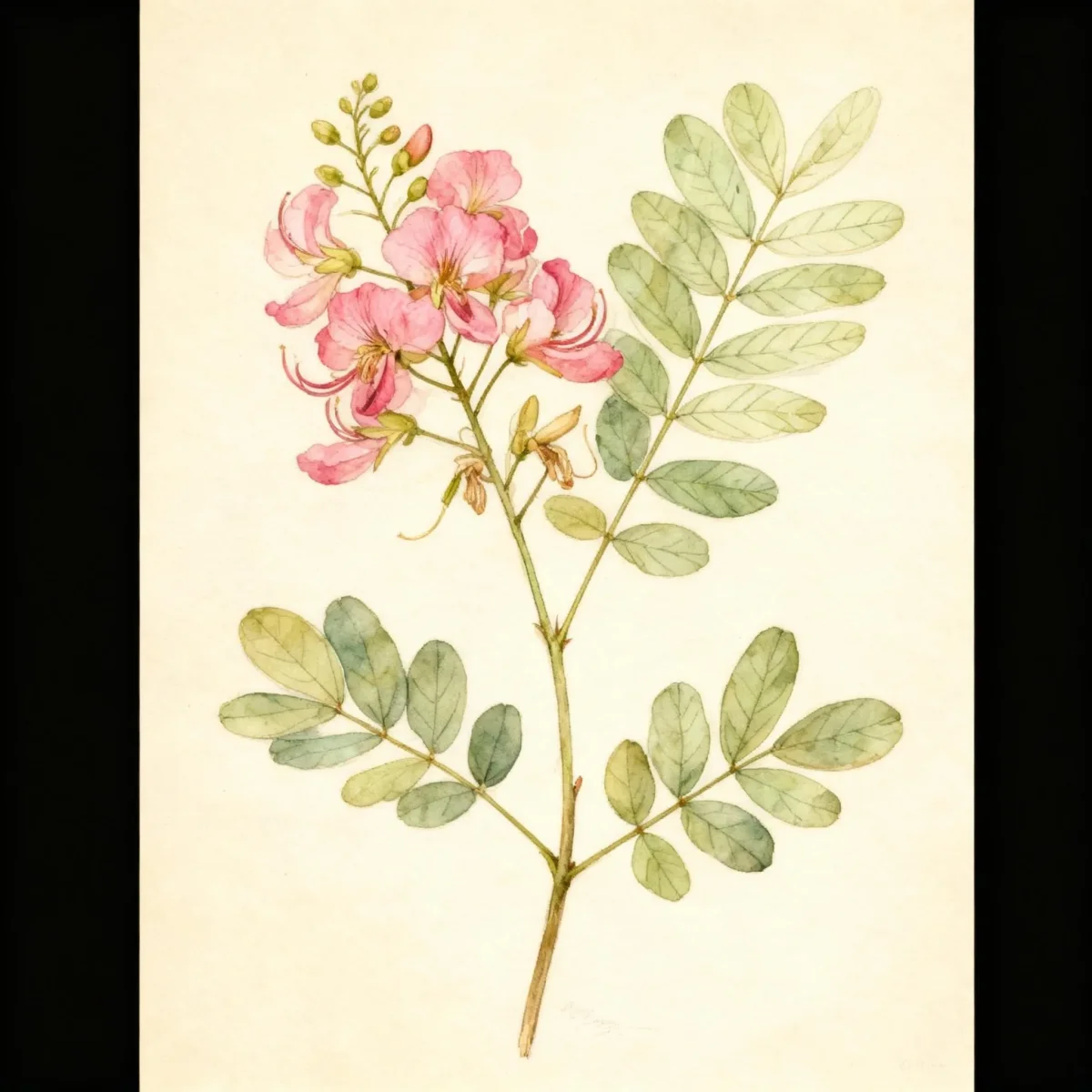
Rain tree (Albizia saman)
The Albizia saman, or Rain tree, is a vast tropical shade tree known for its wide, umbrella-like crown and pink pompom flowers.
Scroll down to discover growing tips, care requirements, companion plants, and more
Complete Plant Information
Overview
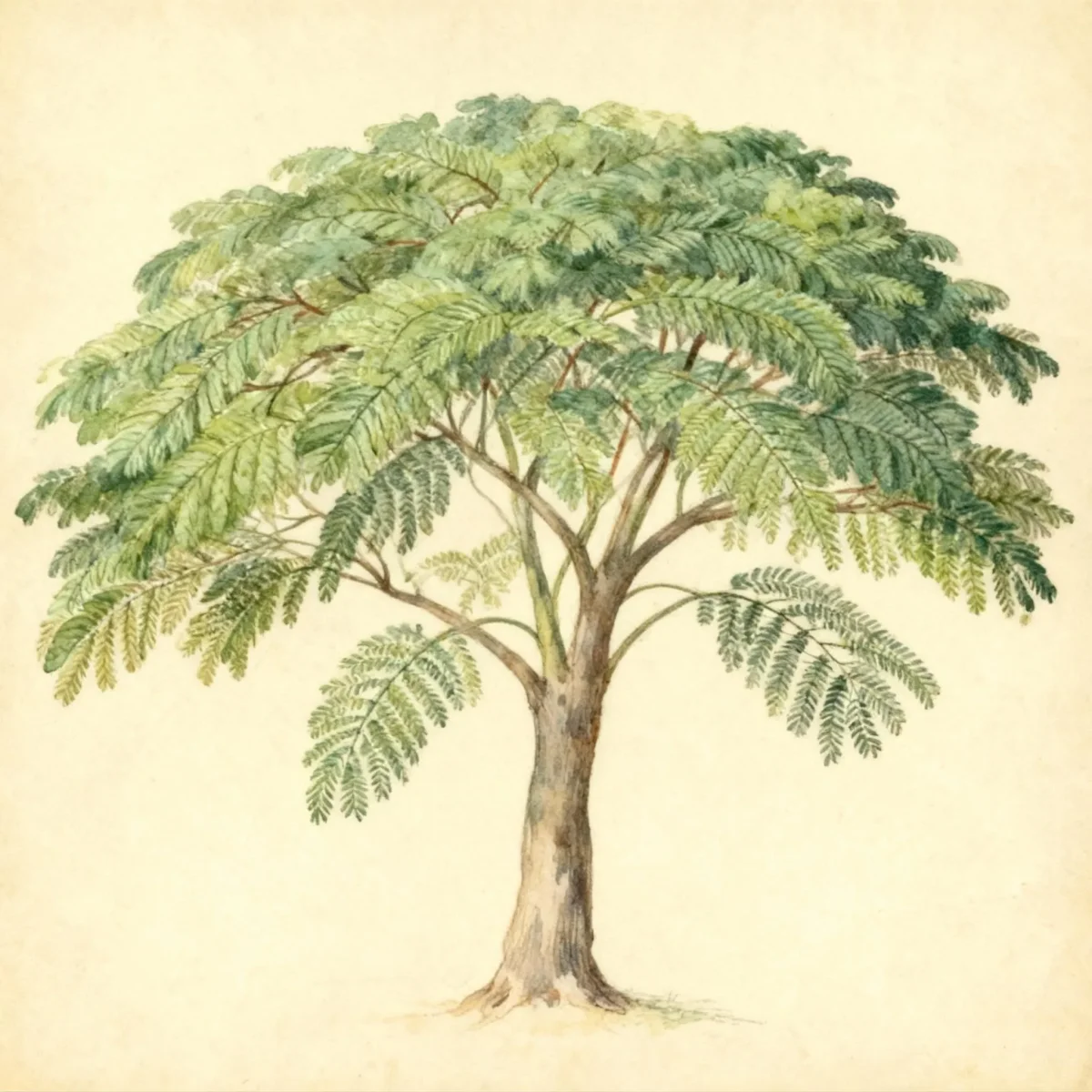
The Albizia saman, popularly known as the Rain tree, is an immense, ornamental tropical shade tree prized globally for its spectacular form and rapid growth in warm climates. It forms a broad, flattened, umbrella-like crown that provides extensive cover, making it invaluable for large landscapes, parks, and sunny pastures across suitable tropical regions. Gardeners seeking dramatic scale and excellent afternoon shade should consider this impressive specimen.
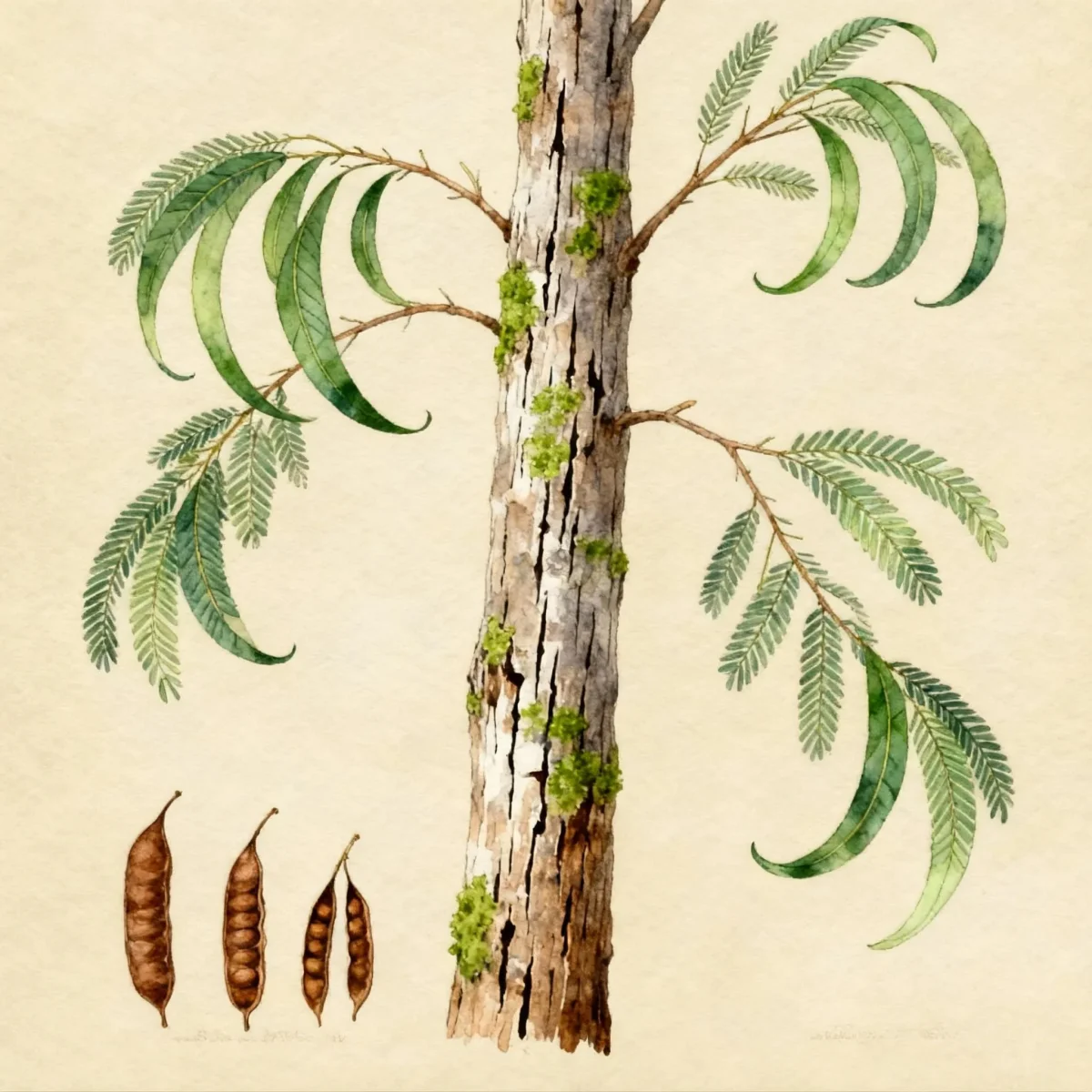
This species thrives where frost is absent, demanding full sun for its best performance and flowering habits. While fundamentally tropical, the Albizia saman exhibits fascinating foliar behavior, folding its leaflets during rain or on cloudy days, which curiously allows more moisture to reach the soil beneath, thereby supporting greener grass—hence the common name Rain tree.
Although it requires medium maintenance and significant space—potentially spreading 100 feet wide—the reward is a truly majestic presence. Beyond shade, its distinctive pink pompom flowers offer seasonal visual interest and attract beneficial bees, cementing its status as a premier large landscape feature in USDA Zones 10 and 11.
Fast Facts
- Plant Family: Fabaceae
- Plant Type: Tree
- Native Range: Central America to Brazil
- Hardiness Zones: USDA Zones 10-11
- Size at Maturity:
- Height: 50-80 ft
- Spread: 50-100 ft
- Bloom Description: Pink
- Sun Exposure: Full sun
- Water Needs: Medium
- Maintenance Level: Medium
How to Grow
Plant the Albizia saman during consistently warm periods when the risk of frost is nonexistent, preferably in full sun to maximize vigor and flowering potential. Successful cultivation requires well-drained soils with average to medium moisture content. While the species tolerates slight shade, best shape and blooming occur only in total, uninterrupted sun exposure.
Watering should be consistent, meeting medium demands, although mature specimens exhibit some drought tolerance, particularly after becoming established. Growth in tropical regions with pronounced dry seasons leads to semi-deciduous behavior, where leaves drop temporarily before moisture returns. Propagation is most straightforwardly achieved through seed.
Be aware that this plant is intolerant of cold; it requires minimum temperatures above 35-40 degrees F to survive, restricting its use primarily to the warmest tropical and subtropical zones. Avoid overly damp conditions, as this can exacerbate certain cultural issues. This tree thrives best in environments characterized by high summer heat.
Landscape Uses
The Albizia saman is primarily categorized as an impressive tropical shade tree, making it ideal for planting in expansive rural areas, along wide parkways, or in large open pastures where its vast canopy can develop without restriction. Generally considered an outstanding ornamental landscape tree, it is essential to recognize its mature stature, requiring substantial room for its 50 to 100-foot spread.
Due to its size, this tree is unsuitable for small residential lots or areas near structures. Its use along roadsides and in public parks capitalizes on its natural tendency to form a magnificent, flattened dome, offering superior shade coverage for pedestrians and vehicles below. Naturalizing its growth habit ensures it blends well into open woodland aesthetics.
When integrating the Rain tree into large tropical designs, ensure placement avoids areas known to suffer from wilt issues, as this can compromise the tree’s long-term health and appearance. Its scale allows it to serve as an effective anchor specimen or centerpiece in grand landscape compositions.
Standout Features
Flower Qualities
- Showy
Noteworthy Characteristics
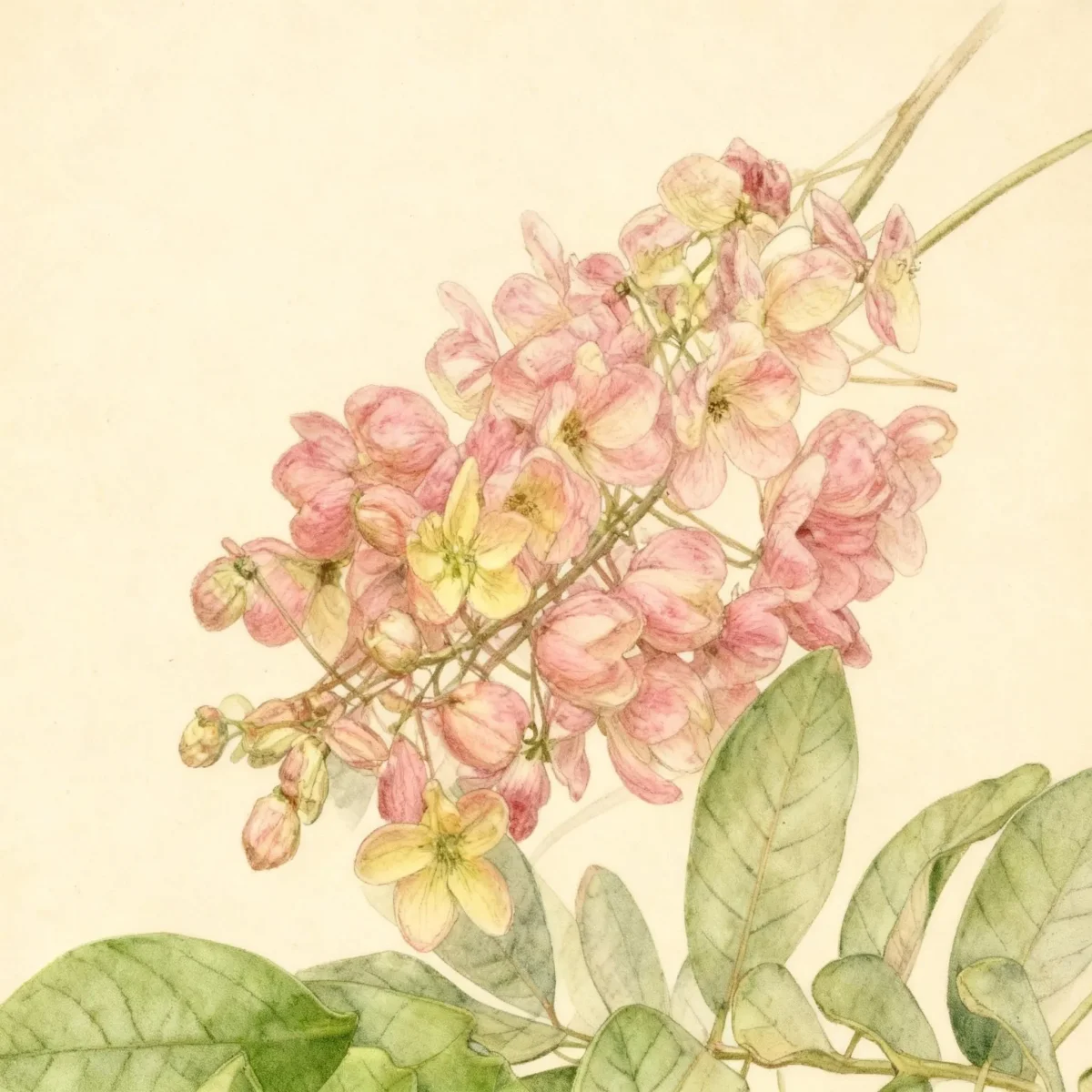
Albizia saman, synonymous with and formerly known as Samanea saman, has naturalized extensively worldwide from its native woodland origins in Central America to Brazil, serving as a significant ornamental tropical shade tree. It develops a vast, umbrella-like crown up to 100 feet in diameter, providing superb shade, and features compound leaves that fold during rain, leading to its common name, Rain tree. Tiny, fluffy, pinkish pompom-like flowers appear in mass, typically in spring, and attract bees, while the flattened seed pods contain sweet, edible pulp and are often used for livestock feed.
Tolerances
Potential Problems
Wilt disease is emerging as a significant threat to the health of Albizia saman populations in multiple regions, necessitating diligent monitoring by the grower. Furthermore, the species is susceptible to infestation by the mimosa web worm, which can detract from the foliage’s aesthetic quality. Growers must also be prepared for potential self-seeding, as the tree can produce numerous seedlings, requiring cleanup or removal to maintain formal garden aesthetics.
Frequently Asked Questions
What hardiness zones is Rain tree suitable for?
The Rain tree is suitable for cultivation in USDA Hardiness Zones 10 through 11. It requires protection from any temperature below 35-40 degrees F.
How large does Albizia saman grow?
The Albizia saman is a massive tree, typically reaching heights between 50 and 80 feet, with a spread that often spans 50 to 100 feet wide.
What sun exposure does Albizia saman need?
Albizia saman requires full sun exposure for optimal growth and the most prolific pink flower display.
When does Rain tree bloom?
While the bloom time is not precisely specified, the Rain tree produces its distinctive pink pompom flowers in mass, typically during the spring season.
Conclusion
The Albizia saman, or Rain tree, provides unparalleled scale and majestic beauty as a centerpiece tropical shade provider in warm climates. Its unique leaf movements and attractive pink blooms ensure it remains a highly desired, though large-scale, landscape component. Before establishing this magnificent tree, confirm that your location falls securely within USDA Zones 10 or 11 and that you have ample lateral space for its extensive spread.
Companion Planting
Choosing companions for the Rain tree requires focusing on other tropical or subtropical species that share its love for heat and well-drained soil. Grasses or low-growing groundcovers that handle moderate shade, such as various types of Mondo Grass (Ophiopogon) or dwarf creeping figs (Ficus pumila), can thrive under its canopy, provided they can handle receiving dappled light intermittently, especially during the dry season when portions of the canopy thin. Avoid shallow-rooted perennials directly under the drip line, as the Albizia saman will aggressively compete for surface moisture and nutrients.
Wildlife Benefits
The fluffy, pink flowers of the Albizia saman are noted to be attractive to bees, playing a role in local pollinator support within tropical gardens. While the tree is not typically highlighted for bird nesting, the large seed pods that follow the flowers are an important resource, as the sticky, sweet pulp is edible for humans and frequently used as stock feed, indirectly supporting local herbivores. Planting this tree supports local insect biodiversity through nectar availability during its spring blooming period.