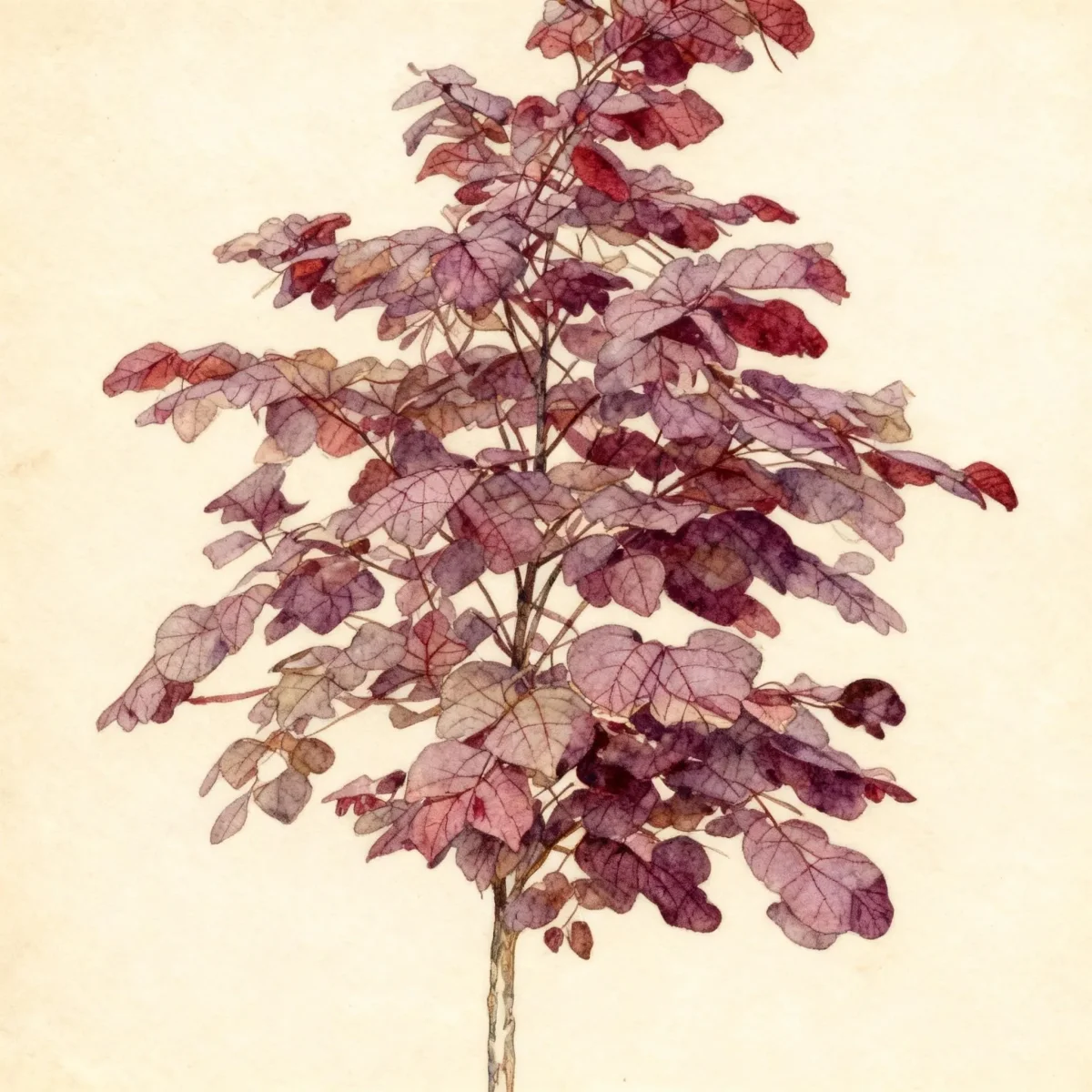
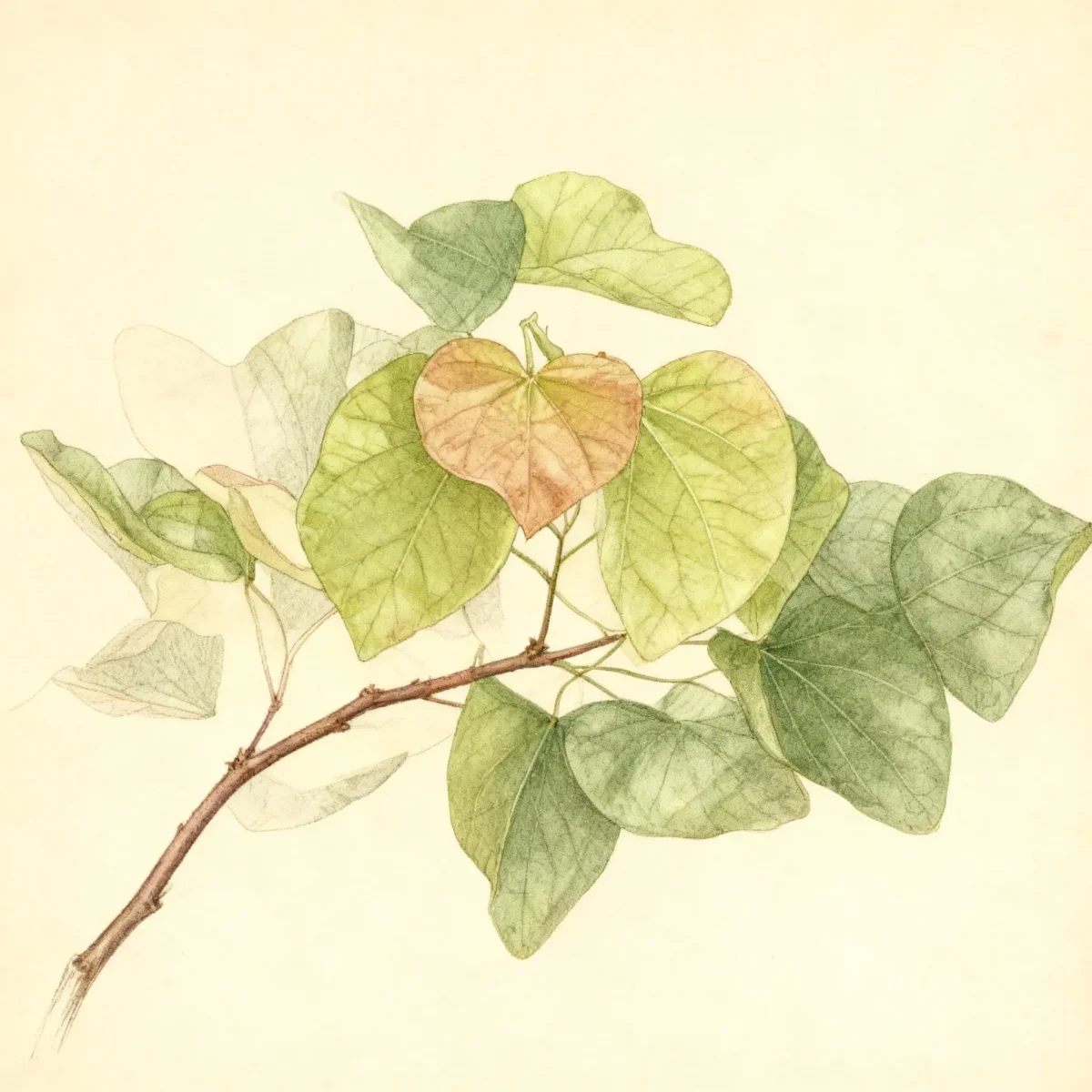
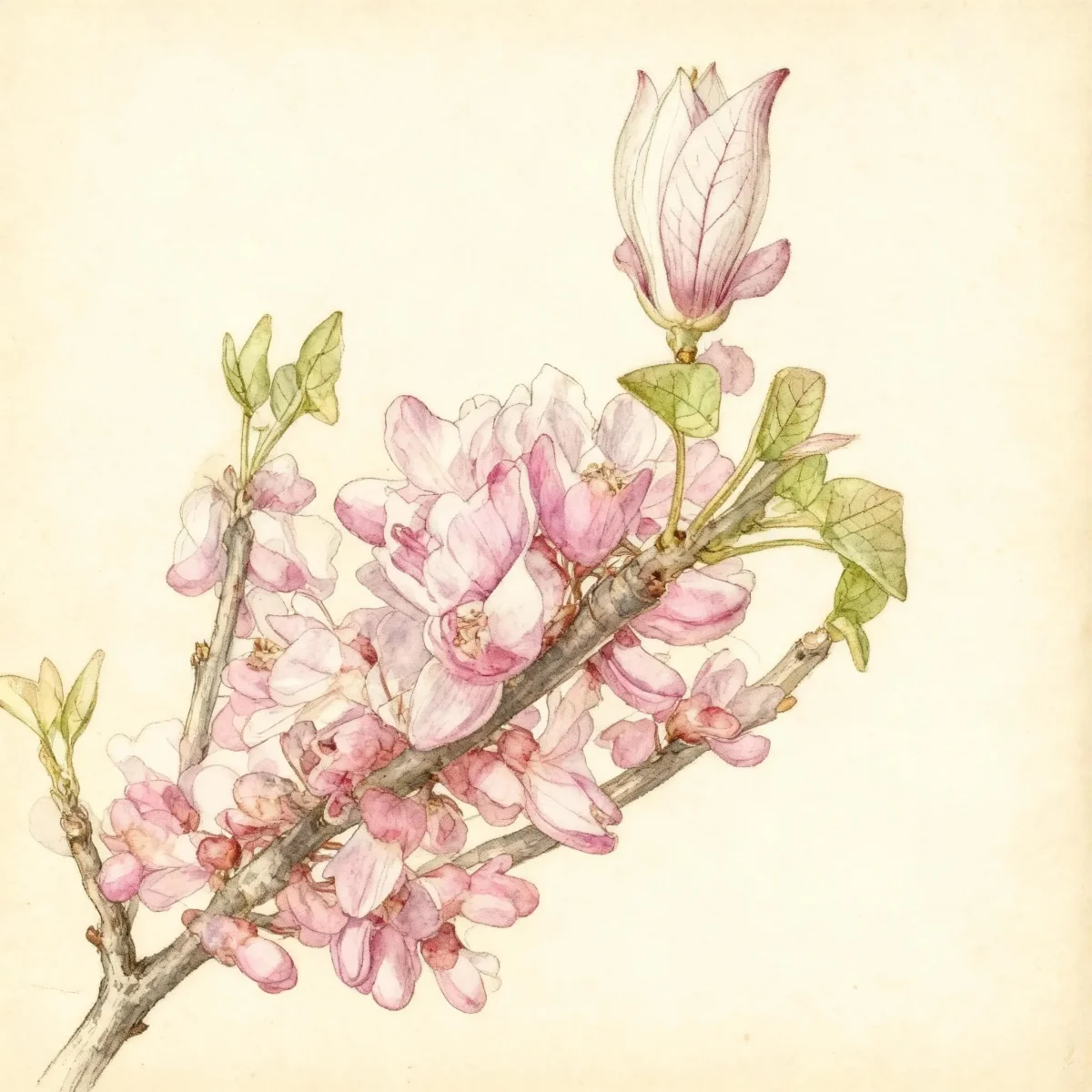
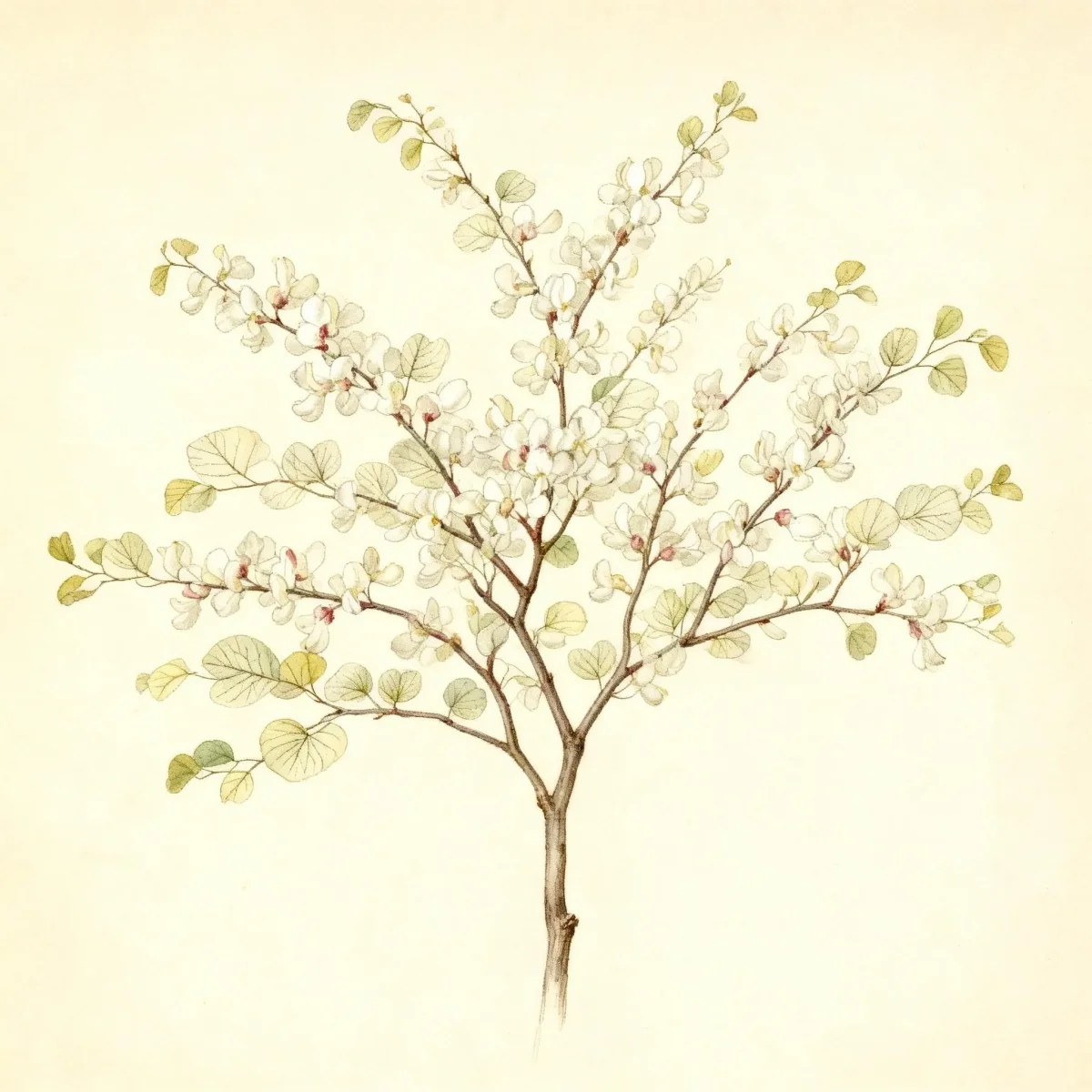
Eastern redbud (Cercis canadensis)
Stunning early spring bloomer, Eastern redbud (Cercis canadensis) is a low-maintenance, native North American flowering tree.
Scroll down to discover growing tips, care requirements, companion plants, and more
Complete Plant Information
Overview
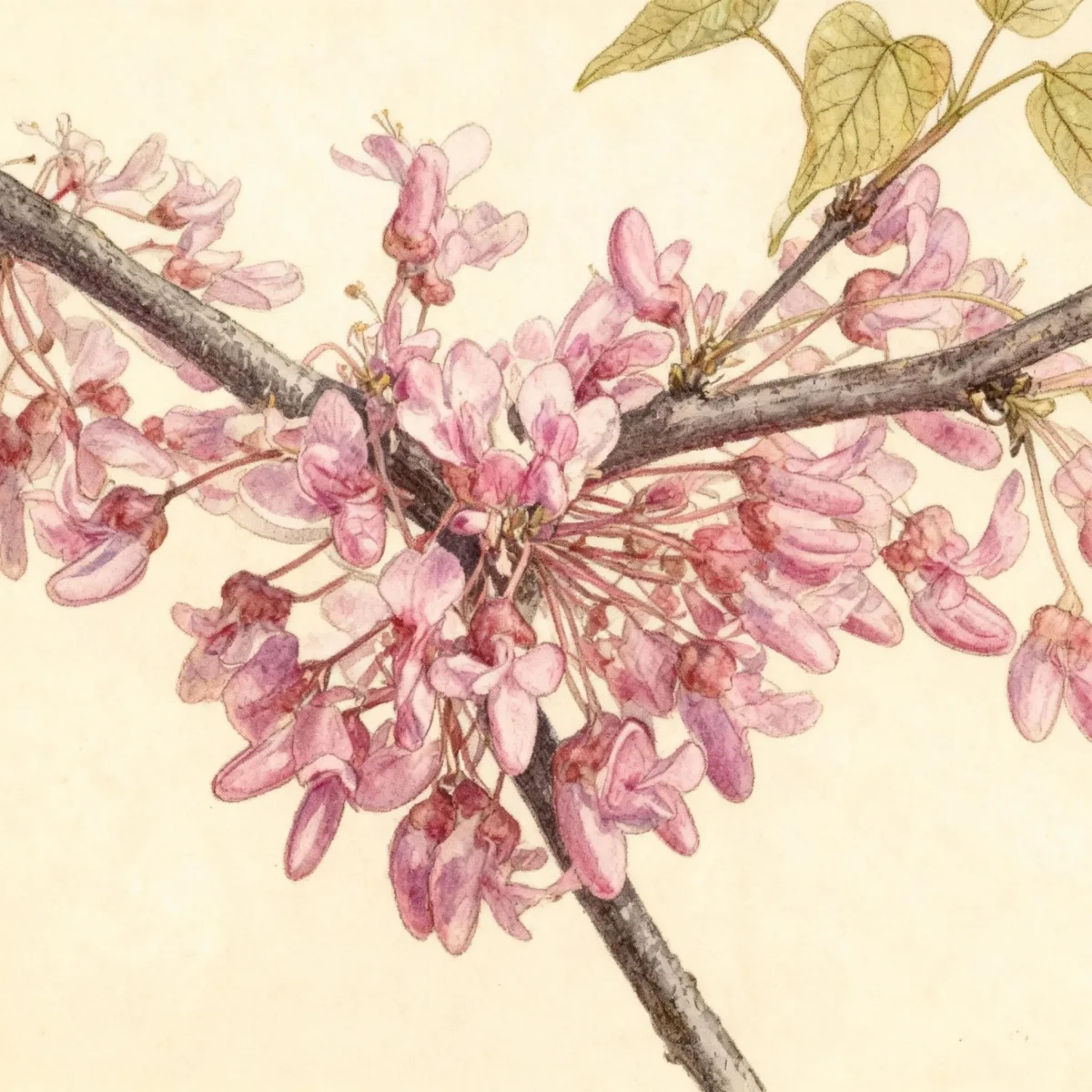
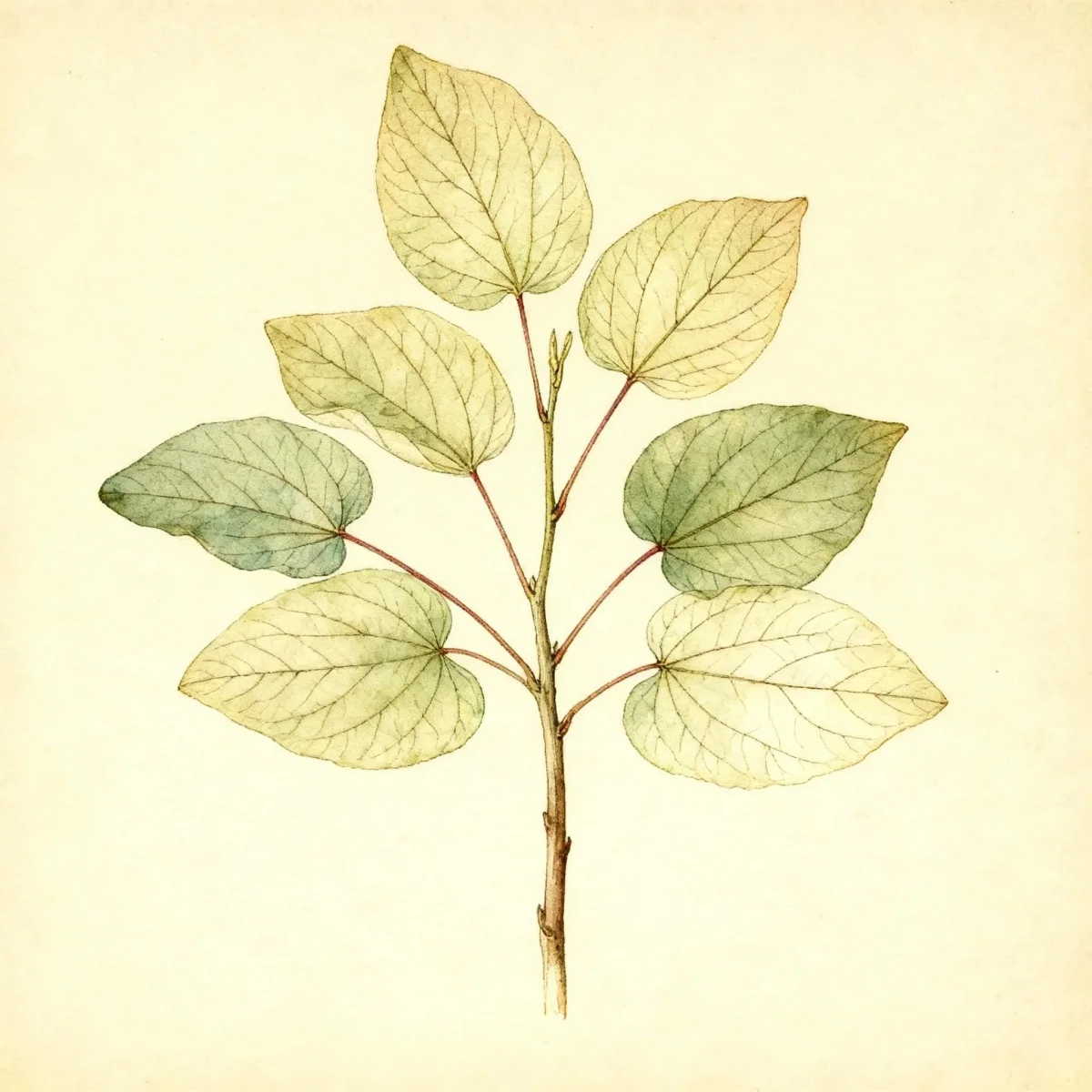
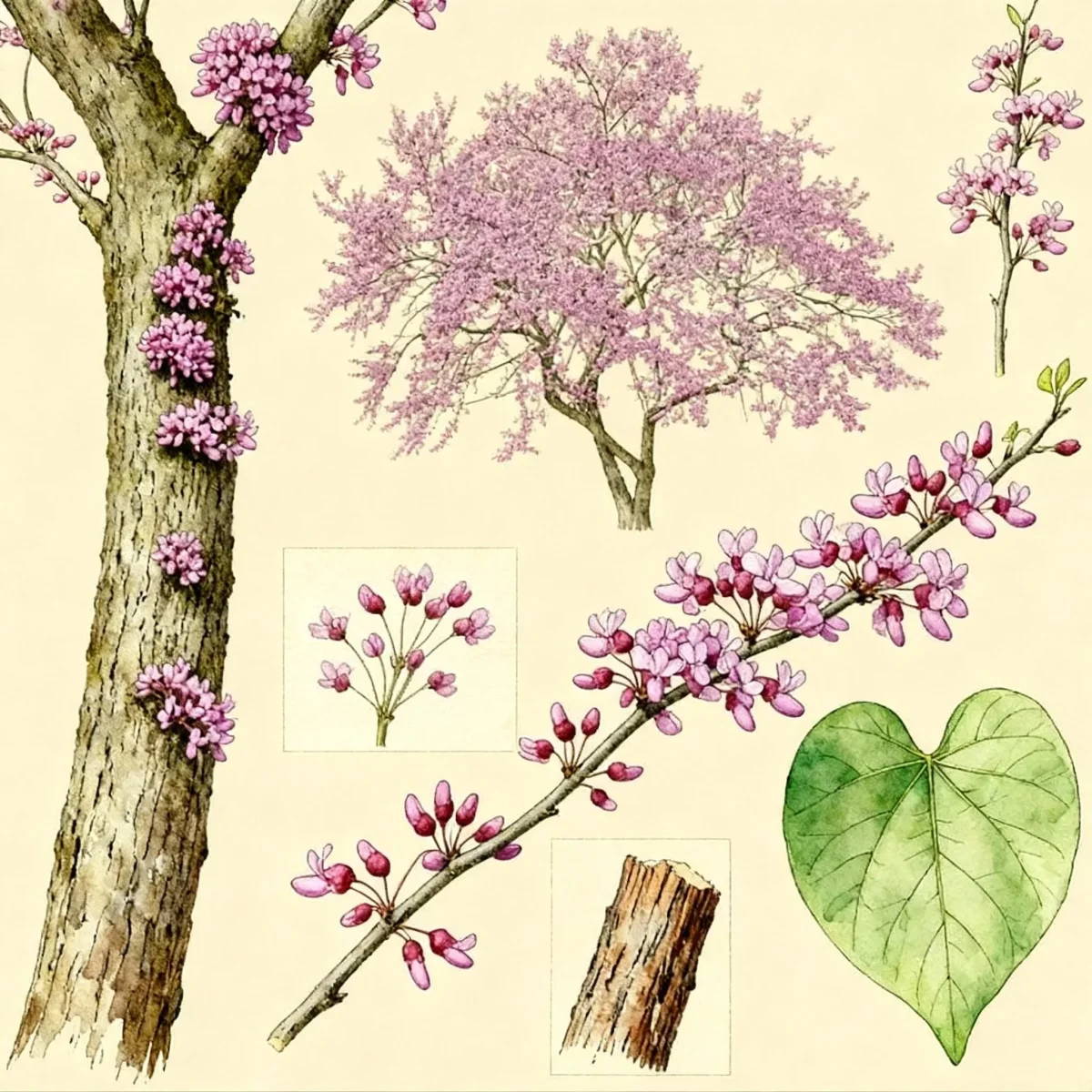
The Eastern redbud, scientifically known as Cercis canadensis, is a beloved, early-blooming deciduous tree highly valued for its spectacular display of rose-purple flowers across bare branches in early spring. This understory tree offers significant early-season nectar for pollinators before its distinct heart-shaped leaves emerge. Native to eastern North America, the graceful, rounded crown of the Cercis canadensis offers year-round interest.
This species is generally low-maintenance once established, thriving in a wide range of conditions across USDA Zones 4 through 8. Its medium water needs mean consistent moisture is appreciated, distinguishing it as a reliable choice for flowering specimen planting or naturalized areas.
Gardeners appreciate the Eastern redbud not just for the showy spring blooms, but also for its moderate size, typically reaching 20 to 30 feet tall with an equally broad spread. Its cultural adaptability allows it to function beautifully as a street tree, a focal point near patios, or integrated into woodland margins.
Fast Facts
- Plant Family: Fabaceae
- Plant Type: Tree
- Native Range: Eastern North America
- Hardiness Zones: USDA Zones 4-8
- Size at Maturity:
- Height: 20-30 ft
- Spread: 25-35 ft
- Bloom Time: April
- Bloom Description: Pink
- Sun Exposure: Full sun to part shade
- Water Needs: Medium
- Maintenance Level: Low
How to Grow
Planting the Eastern redbud is best achieved when the tree is young, ideally in spring or fall, as Cercis canadensis does not transplant well when mature. Locate it where it receives full sun to partial shade; intense afternoon sun should be moderated by afternoon shade in hotter climates. It requires moderately fertile soils that are well-drained, performing poorly in consistently wet or soggy locations.
Once situated near its desired location, the primary care requirement for the Eastern redbud is medium water. Ensure consistent moisture, particularly during establishment and dry summer periods, though avoid waterlogged conditions. Few fertilization needs exist if the soil is adequate, but pruning should focus only on removing dead or crossing branches as needed to maintain structural integrity.
The structure of this tree often lends itself to a natural, multi-trunked form, requiring minimal shaping. Due to the early bloom time, be mindful that heavy late frosts can potentially damage the developing flower buds, though the tree usually recovers quickly. Keeping the tree vigorous through proper watering supports its overall health against common issues.
Landscape Uses
The versatility of the Eastern redbud makes it an excellent selection for various landscape applications. Its striking pink flowers make it a show-stopping specimen or feature tree where its form can be appreciated close-up, such as beside a walkway or patio area. It performs beautifully when planted in small groups or incorporated into shrub borders, softening the transition between lawn and woodland plantings.
Consider using Cercis canadensis in naturalized settings where its native heritage can blend seamlessly with larger woodland plantings. Because the blossoms appear before leaf-out, it pairs well with early spring bulbs that can bloom beneath its canopy before it fully shades the ground. Furthermore, branches cut early in the season make surprisingly long-lasting, beautiful additions when forced indoors for floral arrangements.
For structural design, the Eastern redbud functions well as a lawn tree or even along streets where its moderate size won’t interfere with overhead utilities, provided adequate space is given for its eventual 35-foot spread. It lends an airy, colorful accent to the early spring landscape composition.
Standout Features
Flower Qualities
- Showy
- Good Cut
Noteworthy Characteristics
Cercis canadensis, commonly called eastern redbud, is a deciduous, often multi-trunked understory tree with a rounded crown that typically matures to 20-30’ tall with a slightly larger spread. It is particularly noted for its stunning pea-like rose-purple flowers which bloom profusely on bare branches in early spring (March-April) before the foliage emerges. The flowers provide an early-season nectar source for hummingbirds, and the seeds and flowerbuds are eaten by songbirds, underlining its value to wildlife.
Tolerances
- Deer
- Clay Soil
- Black Walnut
Potential Problems
Canker can be a significant disease concern for the Eastern redbud, potentially leading to branch dieback if left unattended. To mitigate this risk, ensure cultural needs are met; keeping the tree vigorous through regular watering, soil improvement, and timely pruning of dead wood is the best defense against disease and pest intrusion.
Other potential issues include Verticillium wilt, leaf spots, mildew, and blights, along with several insect pests such as Japanese beetles, borers, and various leaf hoppers. Regularly inspect your Cercis canadensis for early signs of trouble, and prune out any diseased or damaged branches immediately to maintain plant health.
Frequently Asked Questions
What hardiness zones is Eastern redbud suitable for?
The Eastern redbud (Cercis canadensis) is reliably hardy in USDA Zones 4 through 8.
How large does Eastern redbud grow?
This tree typically reaches a mature height between 20 to 30 feet, with a spread often ranging from 25 to 35 feet wide.
What sun exposure does Cercis canadensis need?
Cercis canadensis thrives best in full sun to part shade conditions, though part shade is recommended where summer heat intensity is highest.
When does Eastern redbud bloom?
The spectacular bloom time for the Eastern redbud is generally in April, when it displays showy pink flowers.
Conclusion
The Eastern redbud is an essential native tree, instantly recognizable for its brilliant pink, profuse flowers that herald the start of spring long before other foliage appears. Its low maintenance requirements and positive wildlife impact make Cercis canadensis a rewarding investment for nearly any landscape in its designated hardiness range. Before planting, confirm that your site provides the necessary medium moisture and drainage to ensure this magnificent flowering tree establishes successfully.
Wildlife Benefits
The early bloom time of the Eastern redbud provides immense value to local fauna just emerging from winter dormancy. The abundant, pea-like blossoms are rich in nectar, making them a primary early-season food source for nectar-seeking wildlife, including hummingbirds.
Beyond the flowers, the other parts of the plant sustain various birds throughout the year. Songbirds rely on the seeds contained within the flattened bean-like pods, especially as the winter season progresses.
Furthermore, the foliage attracts caterpillars and other insects, which in turn become a crucial protein source for nesting birds feeding their young. Planting Cercis canadensis actively contributes to a healthy local ecosystem.
Companion Planting
When selecting companions for the Eastern redbud, focus on plants that share similar light and moisture preferences—full sun to part shade with medium, consistent water. Since the redbud leafs out slightly later, utilizing spring ephemerals beneath it is ideal.
Consider pairing the light pink spring blooms with late-blooming spring annuals or perennials that enjoy partial shade, such as Astilbe or Hosta, whose foliage provides textural contrast throughout the summer growing season. Small groupings of spring-flowering bulbs like Daffodils (Narcissus) will provide color underneath the canopy before the Cercis canadensis fully leafs out.
For understory plantings near the base, native ferns that tolerate drier conditions once established, or shade-tolerant groundcovers, work well to keep the area clean and suppress weeds without competing aggressively for available moisture, respecting the Eastern redbud’s need for well-drained soil.