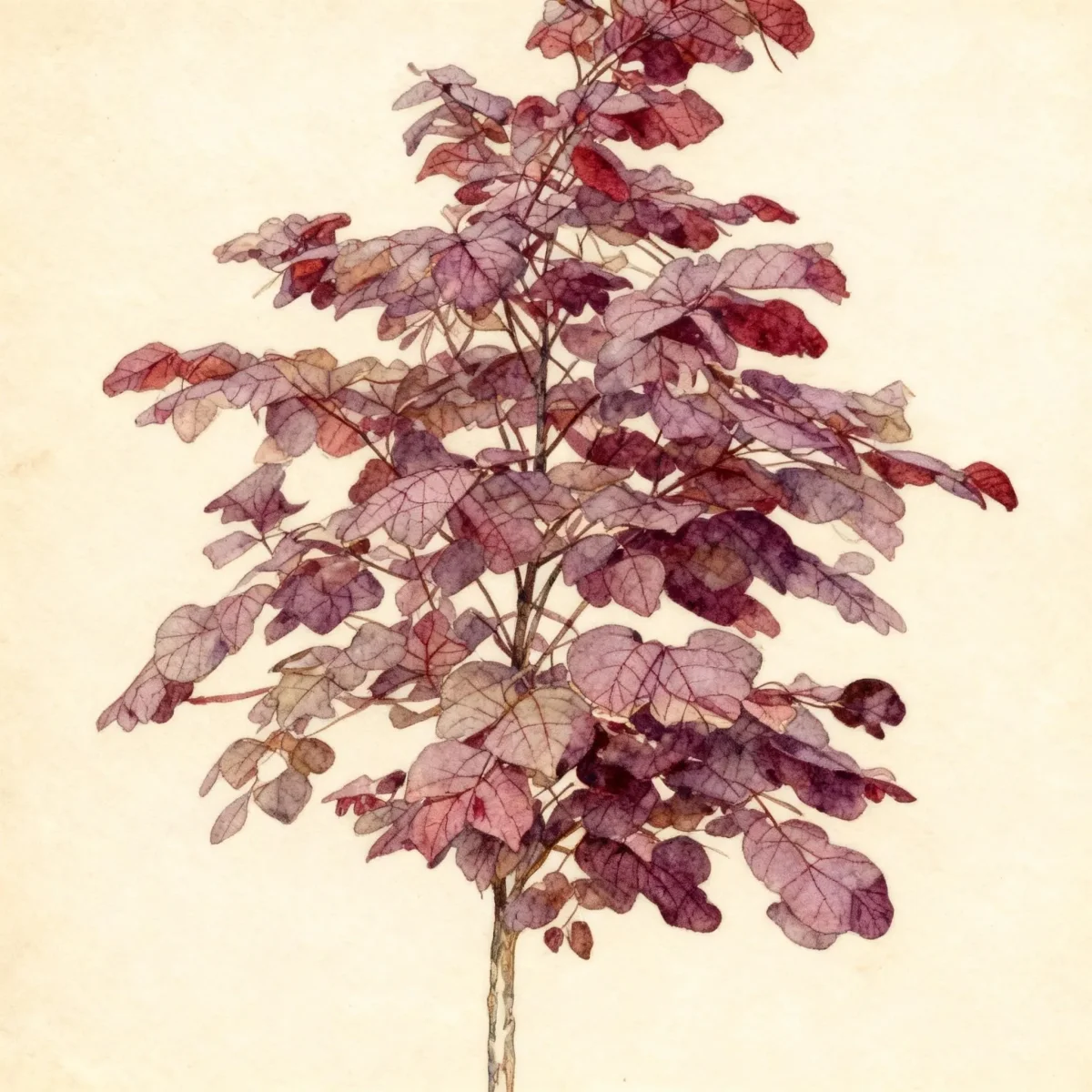
Judas tree (Cercis siliquastrum)
Discover the aesthetic beauty of Cercis siliquastrum, the Judas tree. This low-maintenance tree offers stunning rose-purple spring blooms.
Scroll down to discover growing tips, care requirements, companion plants, and more
Complete Plant Information
Overview
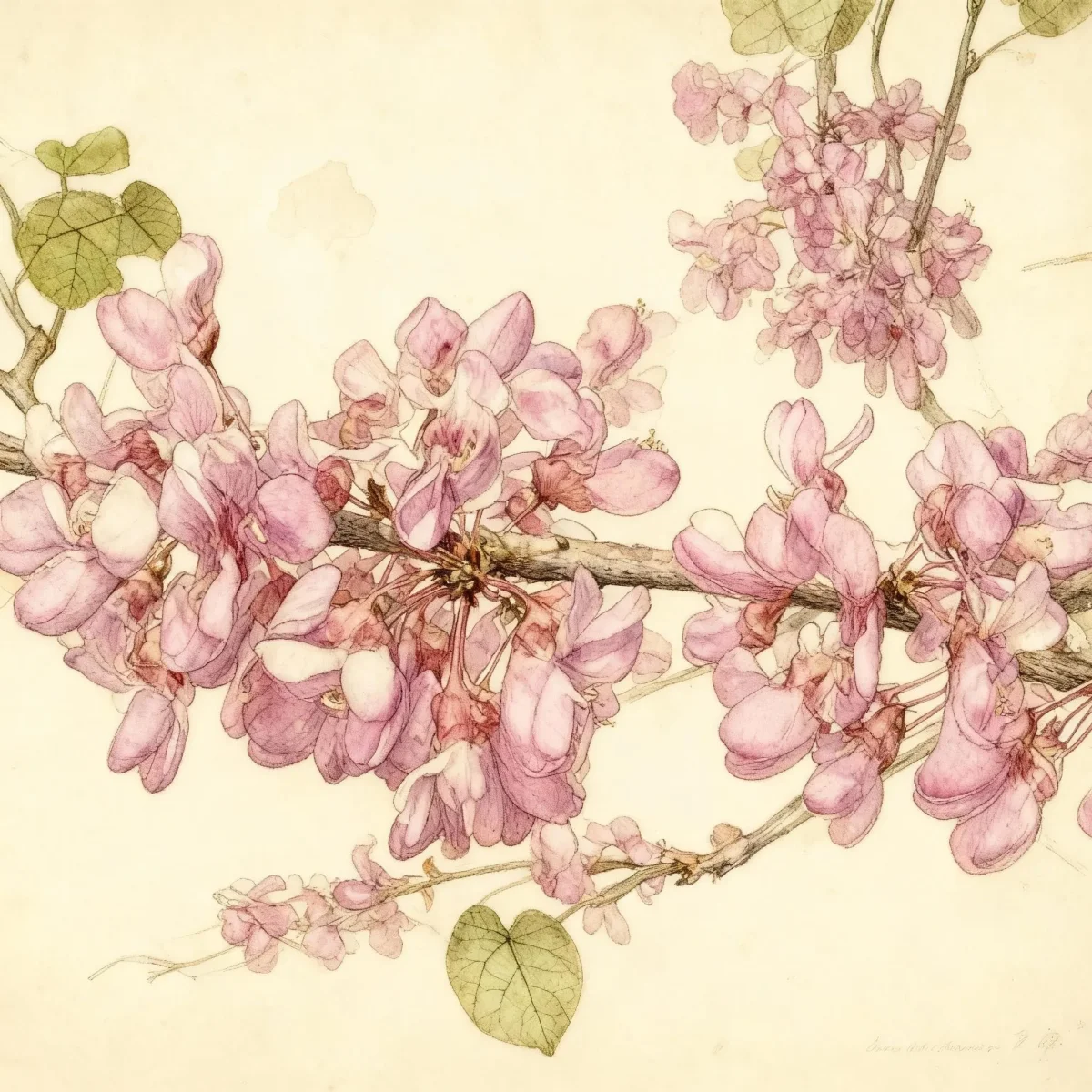
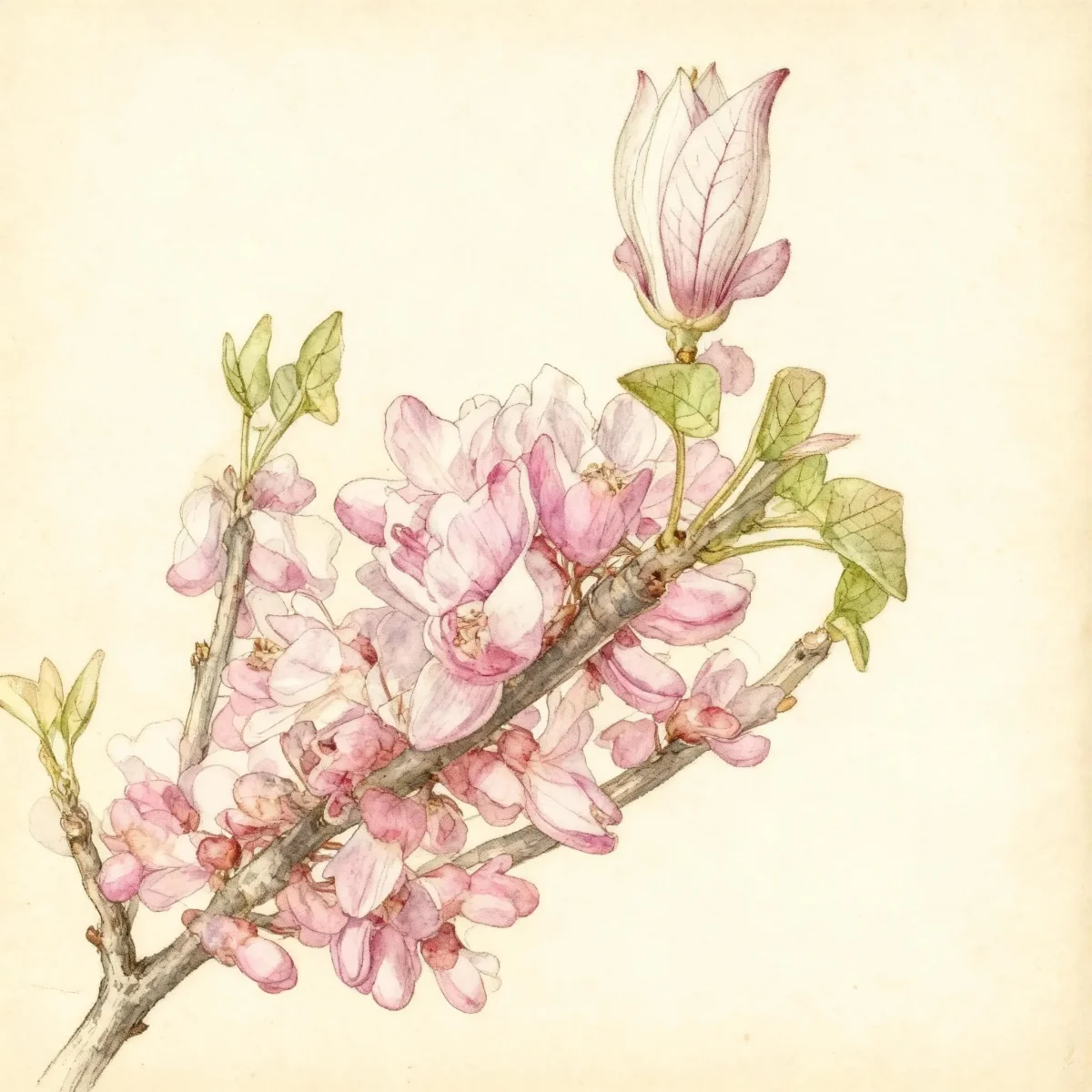
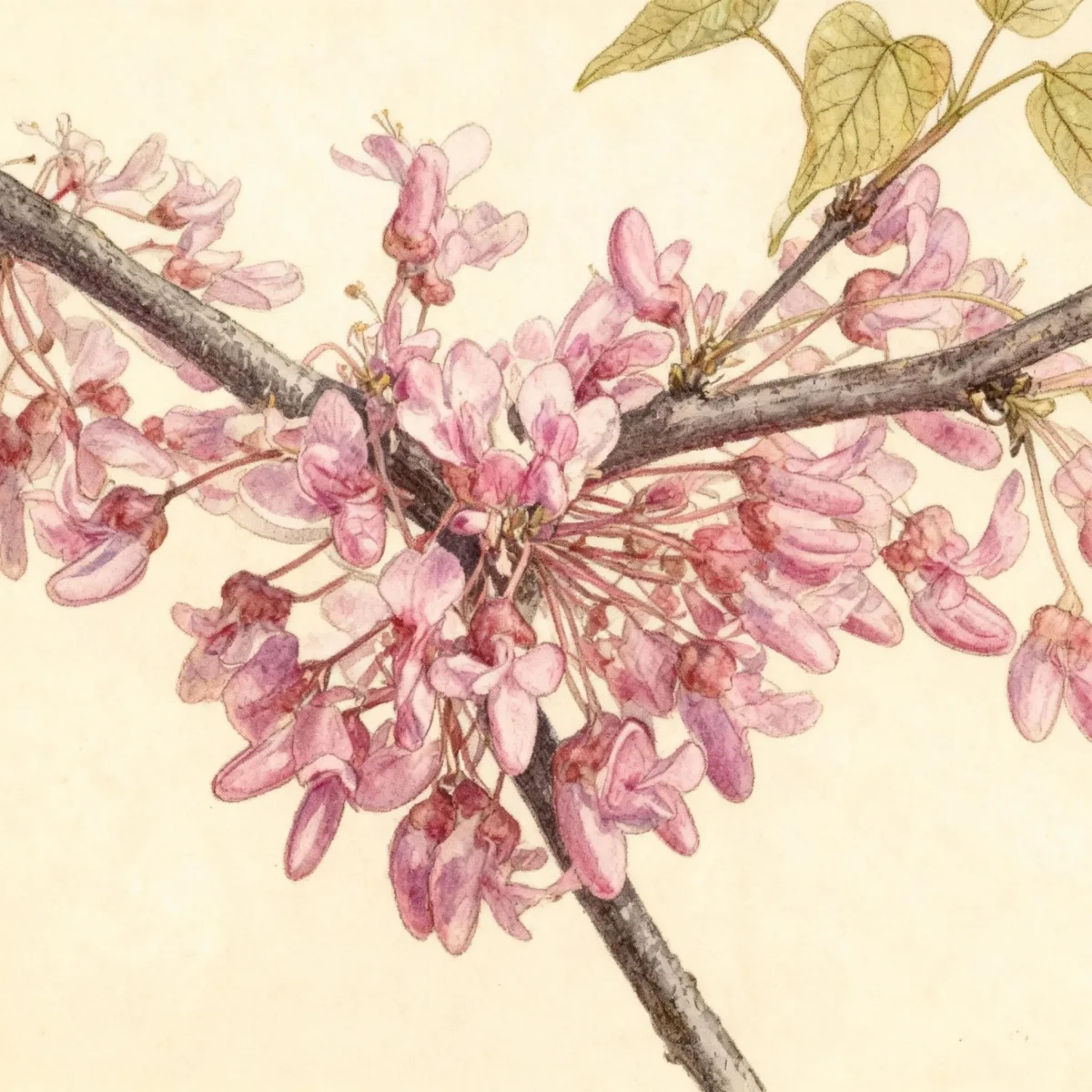
The Cercis siliquastrum, commonly revered as the Judas tree or Mediterranean redbud, is a captivating deciduous tree celebrated for its magnificent spring display preceding the leaf emergence. Its value lies in the profusion of rose-purple, pea-like flowers borne directly on the bare branches and mature wood, providing early season interest unparalleled by many landscape specimens. Native to the woodlands extending from southeastern Europe to western Asia, this tree is noted both for its ornamental impact and its resilience in average garden settings.
This often multi-trunked understory tree develops a rounded crown, typically reaching 15 to 25 feet tall and wide. As a low-maintenance specimen, the Cercis siliquastrum thrives with minimal intervention once established, provided it receives the proper soil and moisture conditions. Gardeners appreciate its distinctive heart-shaped foliage and ornamental seed pods that persist into winter.
Planting the Judas tree should be done thoughtfully, as this species generally dislikes transplanting once mature. Selecting a prominent sunny or partially shaded spot where its spring spectacle can be fully appreciated is crucial for maximizing the impact of this lovely Cercis siliquastrum.
Fast Facts
- Plant Family: Fabaceae
- Plant Type: Tree
- Native Range: Western Asia, southeastern Europe
- Hardiness Zones: USDA Zones 6-9
- Size at Maturity:
- Height: 15-25 ft
- Spread: 15-25 ft
- Bloom Time: March to April
- Bloom Description: Rose-purple
- Sun Exposure: Full sun to part shade
- Water Needs: Medium
- Maintenance Level: Low
How to Grow
For optimal establishment, plant the Judas tree when young, as it does not transplant well once roots are disturbed. Choose a location offering full sun to partial shade, ensuring the soil is average, medium-moisture, and, critically, well-drained. While it tolerates average fertility, the Cercis siliquastrum performs best when situated in moderately fertile soils that receive consistent moisture throughout the growing season. Immediately avoid areas prone to pooling water or poor drainage.
Watering requirements are medium; maintain consistent moisture, especially during establishment and hot, dry spells. Fertilization is generally unnecessary unless the soil quality is poor, but keeping the tree vigorous through adequate hydration helps improve overall health and disease resistance. Minimal pruning is required, focusing mainly on removing dead or crossing branches as needed.
In cooler parts of its range, such as Zone 6a (like the St. Louis area), site the Cercis siliquastrum strategically; providing a protected location, such as near a south-facing wall, can offer crucial winter protection. These trees are generally hardy to Zone 6b. Consistent care during the first few seasons ensures the long life and spectacular flowering of your Judas tree.
Landscape Uses
The Judas tree offers versatile applications throughout the landscape, functioning excellently as a striking specimen planted singly to showcase its rounded crown and spring bloom. Beyond its role as a specimen, it excels as a smaller flowering tree perfect for planting along patios or near seating areas, allowing close enjoyment of its flowers and heart-shaped leaves. Consider planting the Cercis siliquastrum along woodland margins or in shrub borders where it can contrast nicely with evergreen backdrops.
When placed on lawns or incorporated into naturalized settings, the dramatic early spring color of this tree provides significant structural interest before deciduous neighbors leaf out. Though not specifically noted for hedging, its multi-trunked habit can soften transitions between formal and informal areas. Successful use involves pairing it with plants that prefer similar moderate moisture regimes and appreciate the dappled shade provided when the tree fully leafs out in summer.
This Flowering Tree and Street Tree option offers architectural appeal year-round, especially when the pendant seed pods lend winter texture to the garden composition.
Standout Features
Flower Qualities
- Showy
Noteworthy Characteristics
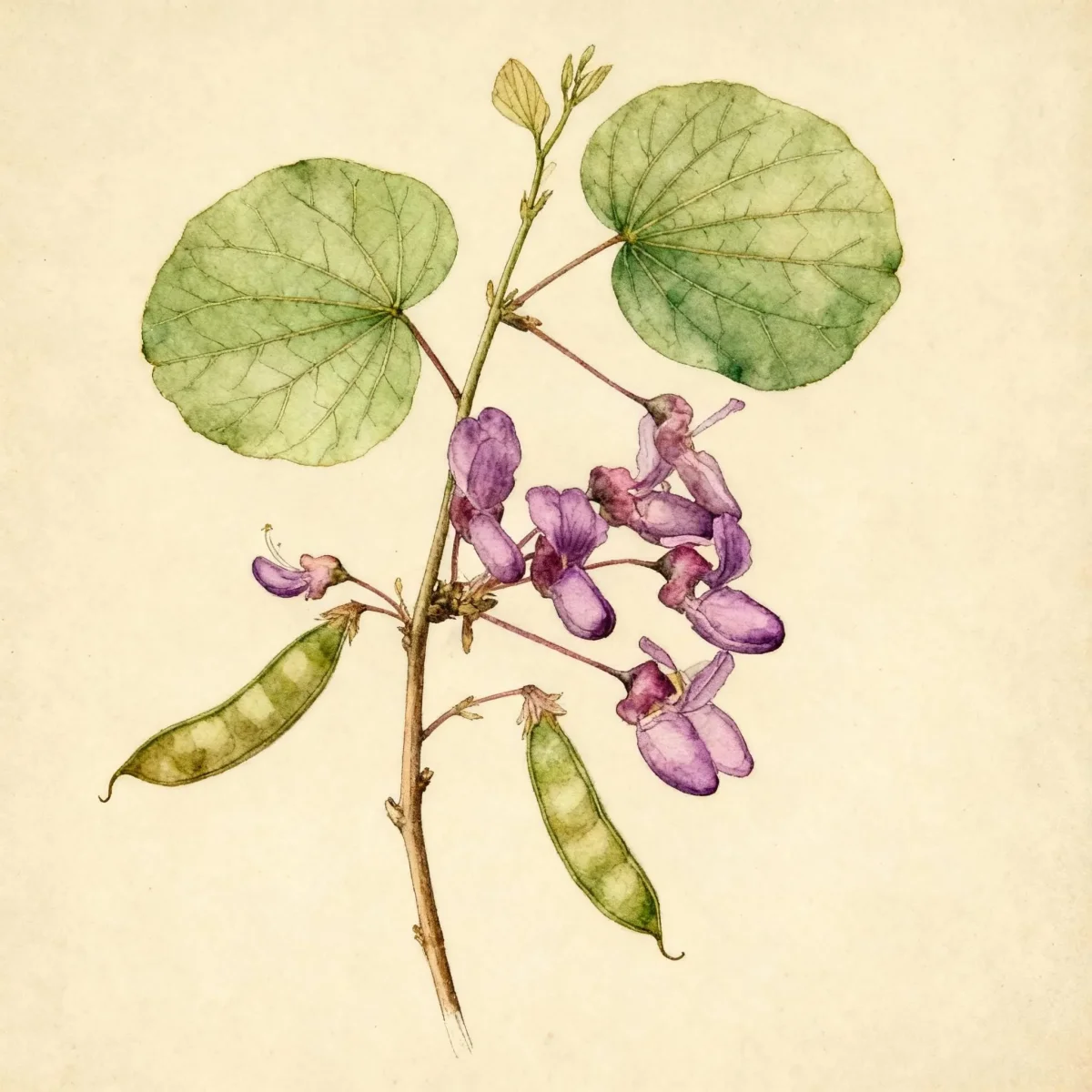
Cercis siliquastrum, commonly called Judas tree or Mediterranean redbud or love tree, is a deciduous, often multi-trunked, understory tree with a rounded crown that typically matures to 15-25’ tall and as wide. It is particularly noted for its stunning pea-like rose-purple or purplish-pink flowers which bloom profusely on bare branches in early spring (March-April) before the foliage emerges. The foliage consists of nearly orbicular heart-shaped leaves, distinct from other Cercis species, followed by 4-inch pendant, purple seed pods that often persist well into winter.
Tolerances
- Deer
- Black Walnut
Potential Problems
The Judas tree is susceptible to several diseases and pests, making vigilant cultural practices important for long-term health. Canker represents a potentially significant issue that gardeners must monitor. Furthermore, watch for symptoms of Verticillium wilt, dieback, leaf spots, mildew, and blights which can affect foliage health.
Insect damage can come from common pests such as Japanese beetles, scale, borers, caterpillars, and various leaf and tree hoppers. To proactively manage these potential problems, ensure the Cercis siliquastrum remains vigorous. This is achieved through consistent, regular watering and appropriate fertilization, supplemented by promptly pruning and removing any dead or diseased branches as soon as they are noticed.
Frequently Asked Questions
What hardiness zones is Judas tree suitable for?
The Judas tree is suitable for USDA Hardiness Zones 6 through 9.
How large does Cercis siliquastrum grow?
This tree typically matures to a height range of 15 to 25 feet, with a corresponding spread between 15 and 25 feet.
When does Cercis siliquastrum bloom?
The Cercis siliquastrum displays its gorgeous bloom time from March through April, presenting rose-purple flowers.
What sun exposure does Judas tree need?
This tree thrives best when given a location with full sun exposure or partial shade.
Conclusion
The Cercis siliquastrum is an exceptional selection for gardeners seeking dramatic early spring color combined with low maintenance throughout the summer months. Its unique flowering habit and appealing foliage ensure the Judas tree remains a valuable focal point in the landscape for years to come. Before planting, confirm that your site falls within USDA Zones 6-9 and ensure excellent drainage to guarantee success with this Mediterranean beauty.
Companion Planting Ideas
When selecting companions for the Cercis siliquastrum, focus on plants that share similar needs for medium water and well-drained soil, especially favoring partial shade under the tree’s canopy in summer. Shade-tolerant groundcovers that appreciate bright dappled light, such as Hosta varieties with variegated foliage or woodland ferns, create an attractive understory that highlights the structure of the Judas tree.
Consider placing lower-growing flowering shrubs nearby that bloom later in the season, such as Hydrangeas or Rhododendrons, to provide continuous color after the early spring show of the Cercis siliquastrum fades. Since the tree prefers established soil, avoid shallow-rooted competitors directly beneath its drip line, allowing the roots of the Judas tree ample space to develop undisturbed.
Seasonal Care Calendar
Spring is the most critical time for observing the Cercis siliquastrum as it breaks dormancy; monitor closely for the appearance of flower buds in March and April. Pruning dead or damaged wood is best performed during the late winter or very early spring while the tree is still dormant, long before active growth begins.
Summer care revolves around irrigation; maintain consistent moisture to keep the tree vigorous, especially during periods of drought, as this directly mitigates stress that invites pests and disease. While the tree produces ornamental pods in late summer, do not feel the need to remove them, as they provide visual interest well into the following winter season.
Autumn care involves monitoring leaf drop; the foliage typically turns pale yellow to greenish-yellow before dropping. Protect the tree by ensuring adequate water supply leading into fall, but cease heavy watering once the weather cools, allowing the Judas tree to prepare naturally for winter dormancy, especially crucial in the northern limits of its hardiness range.