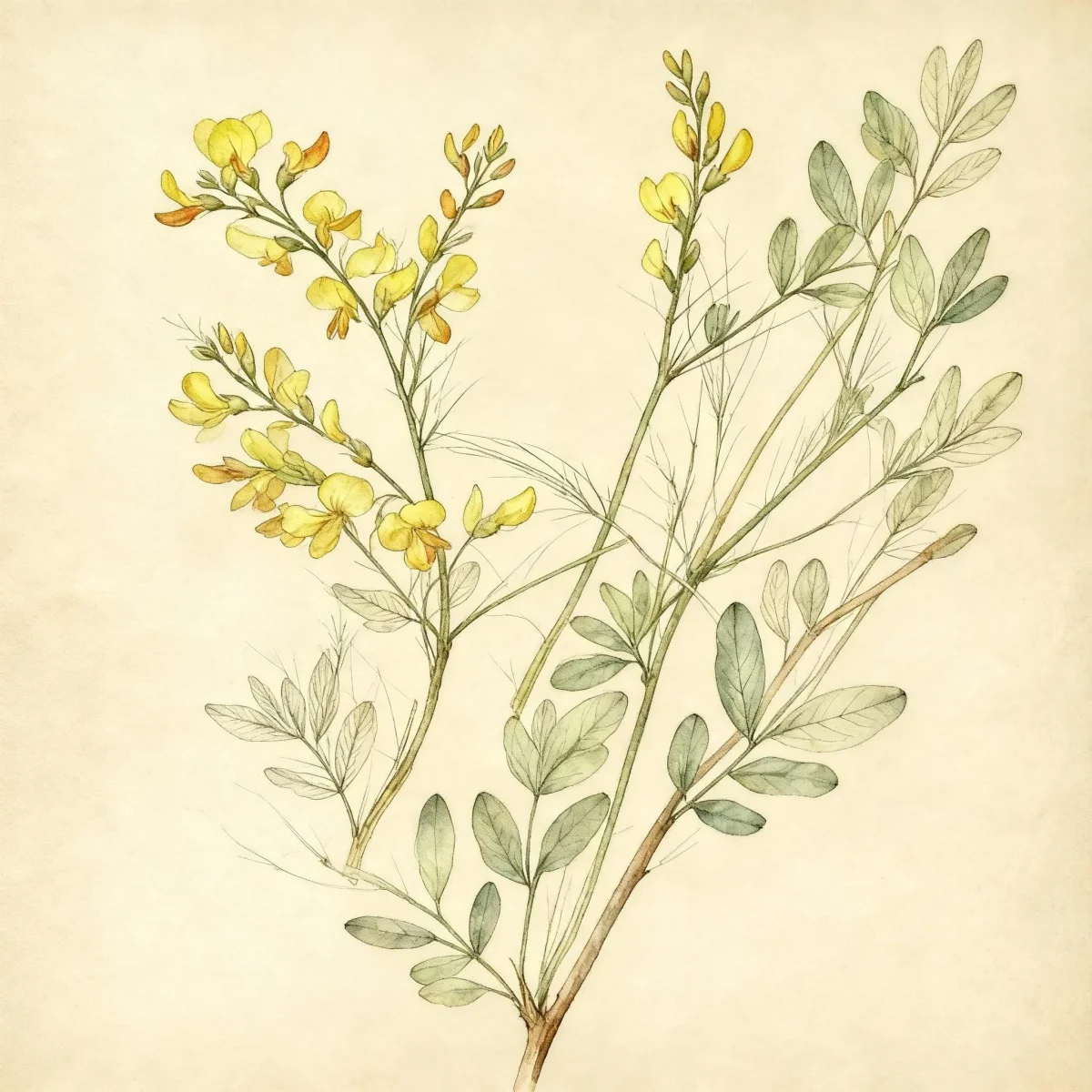
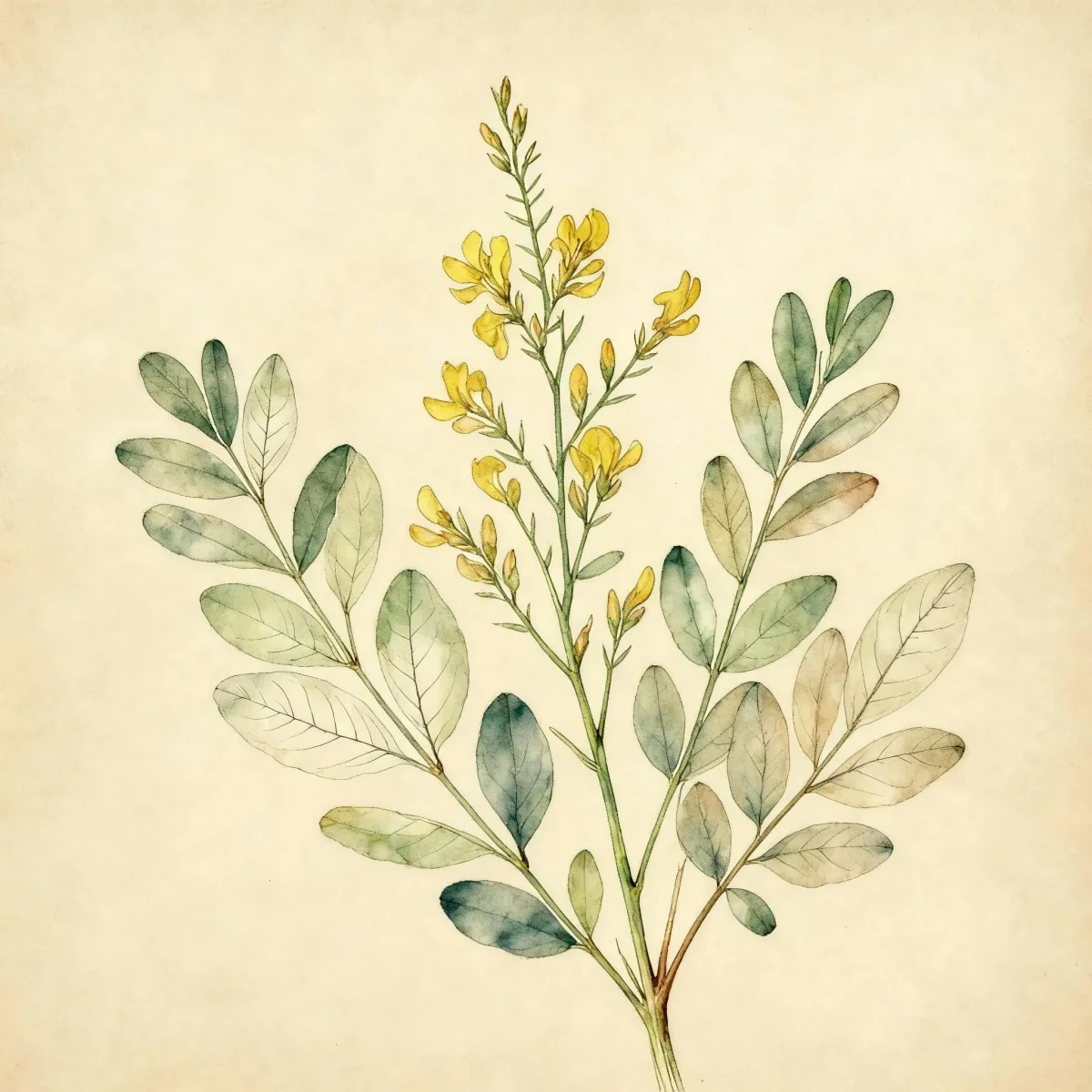
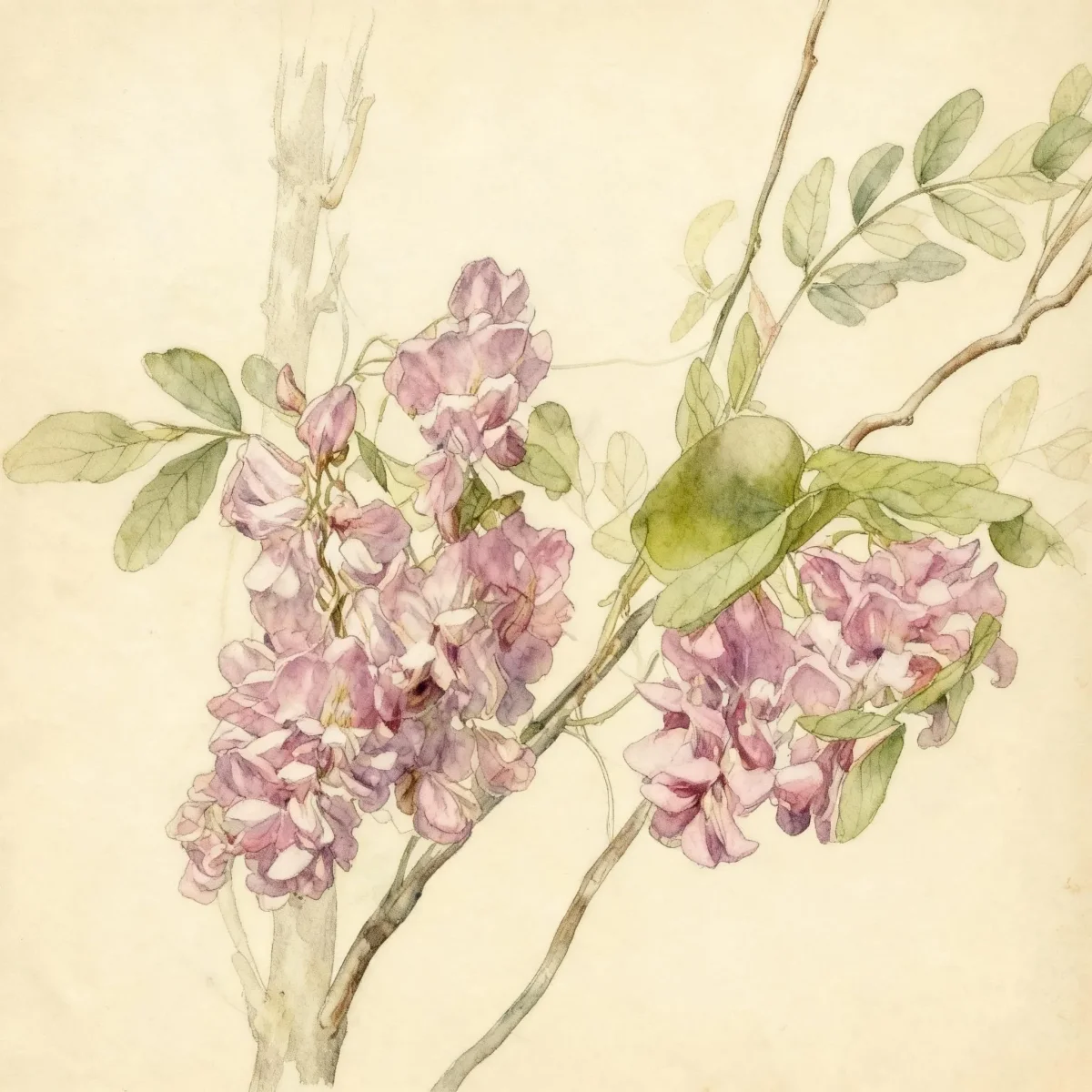
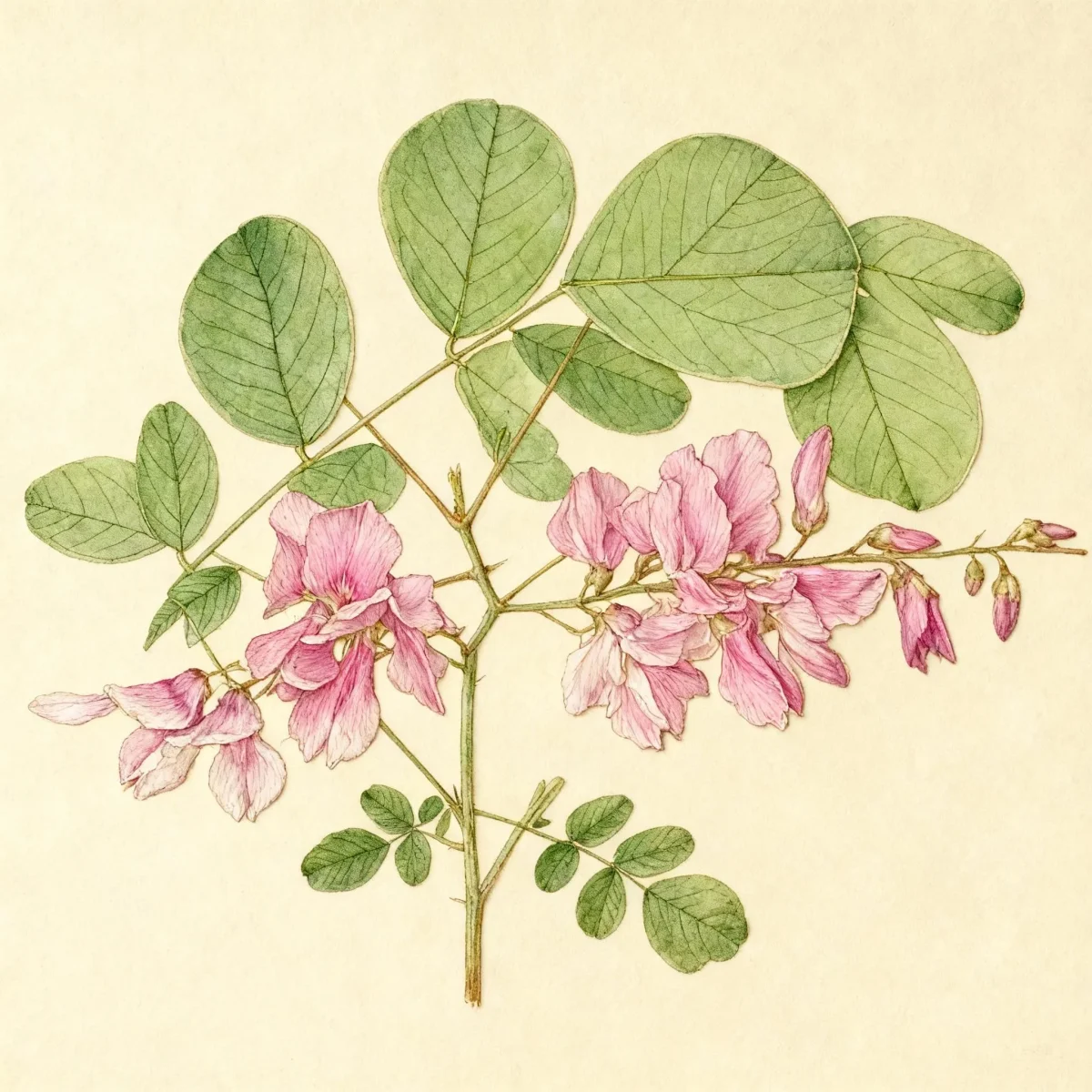
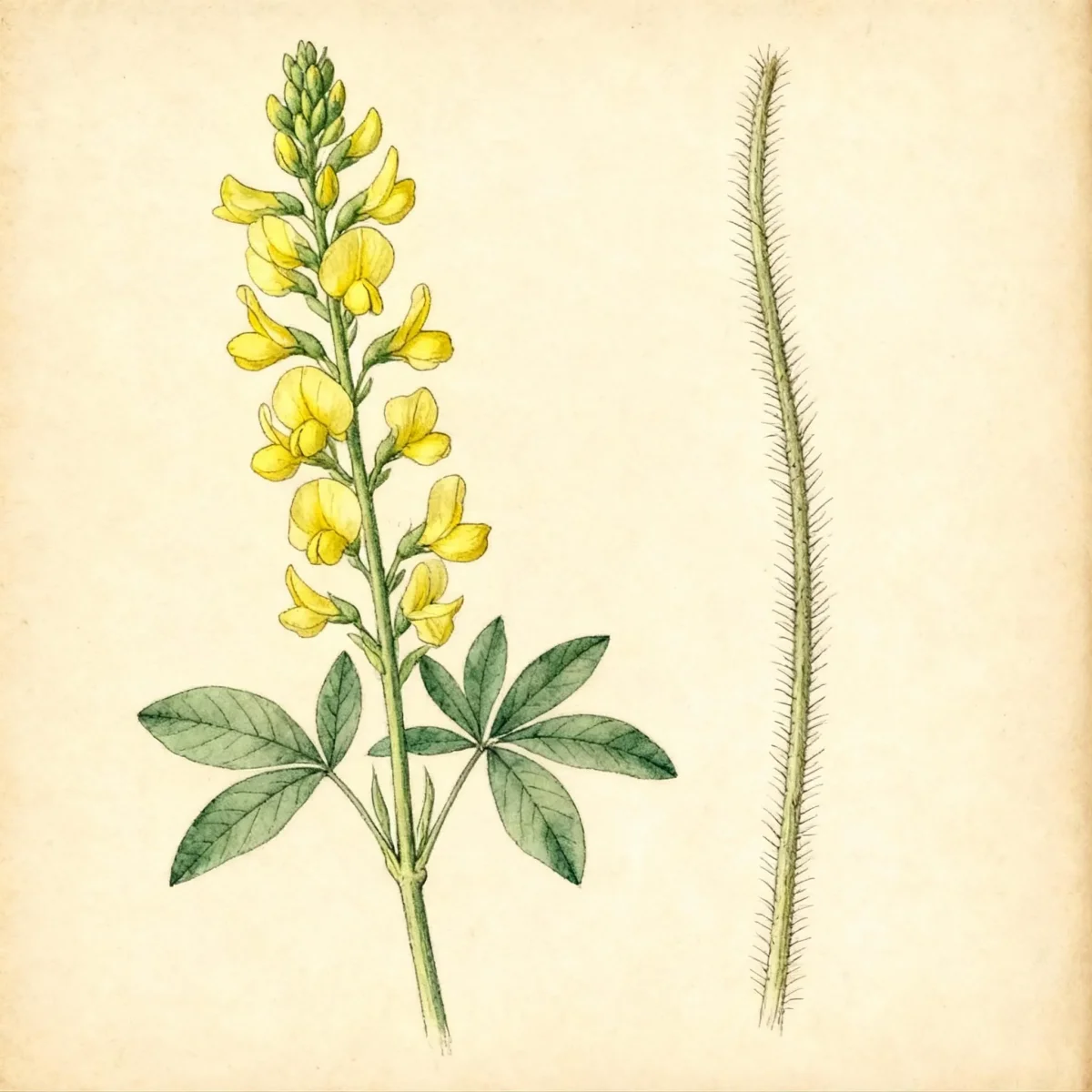
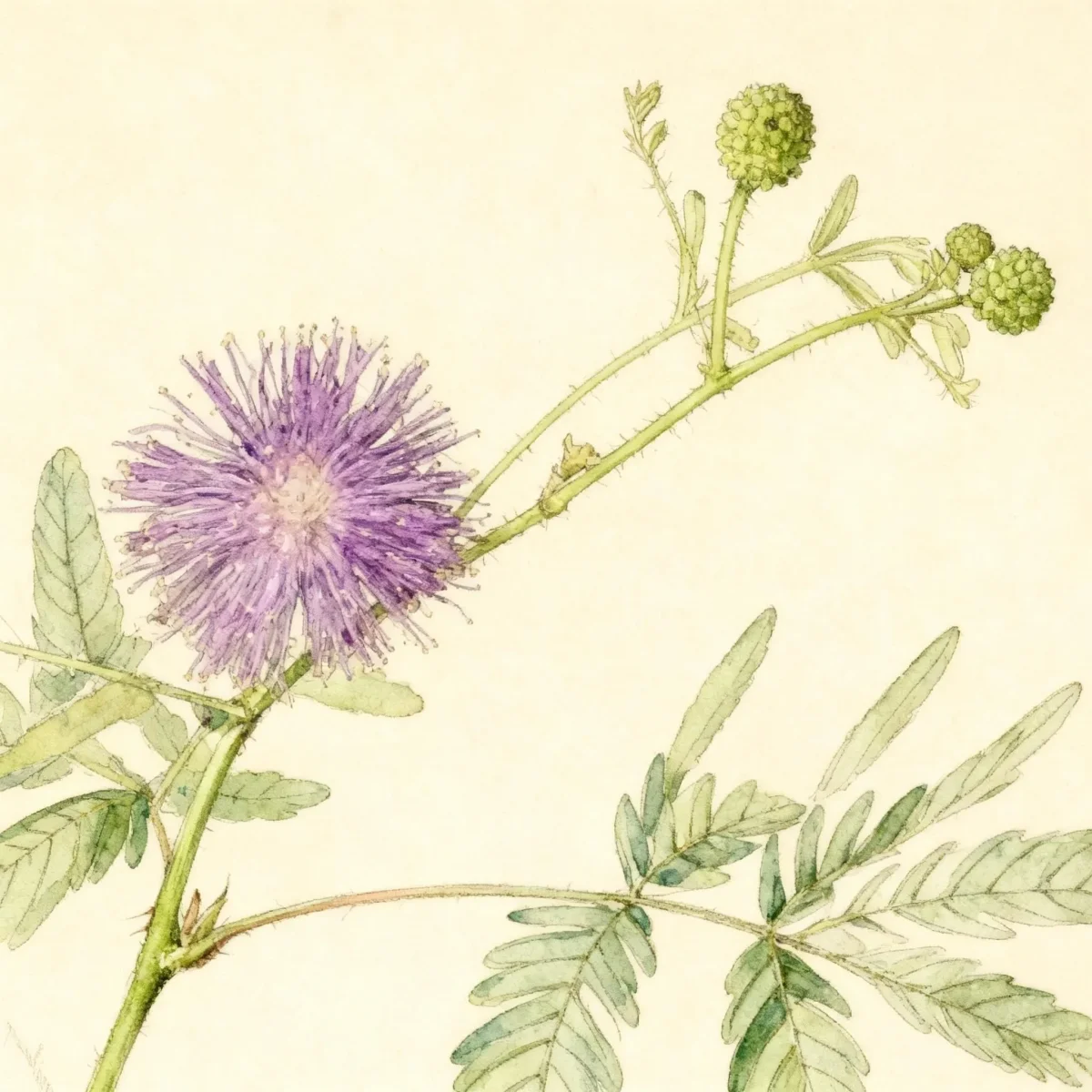
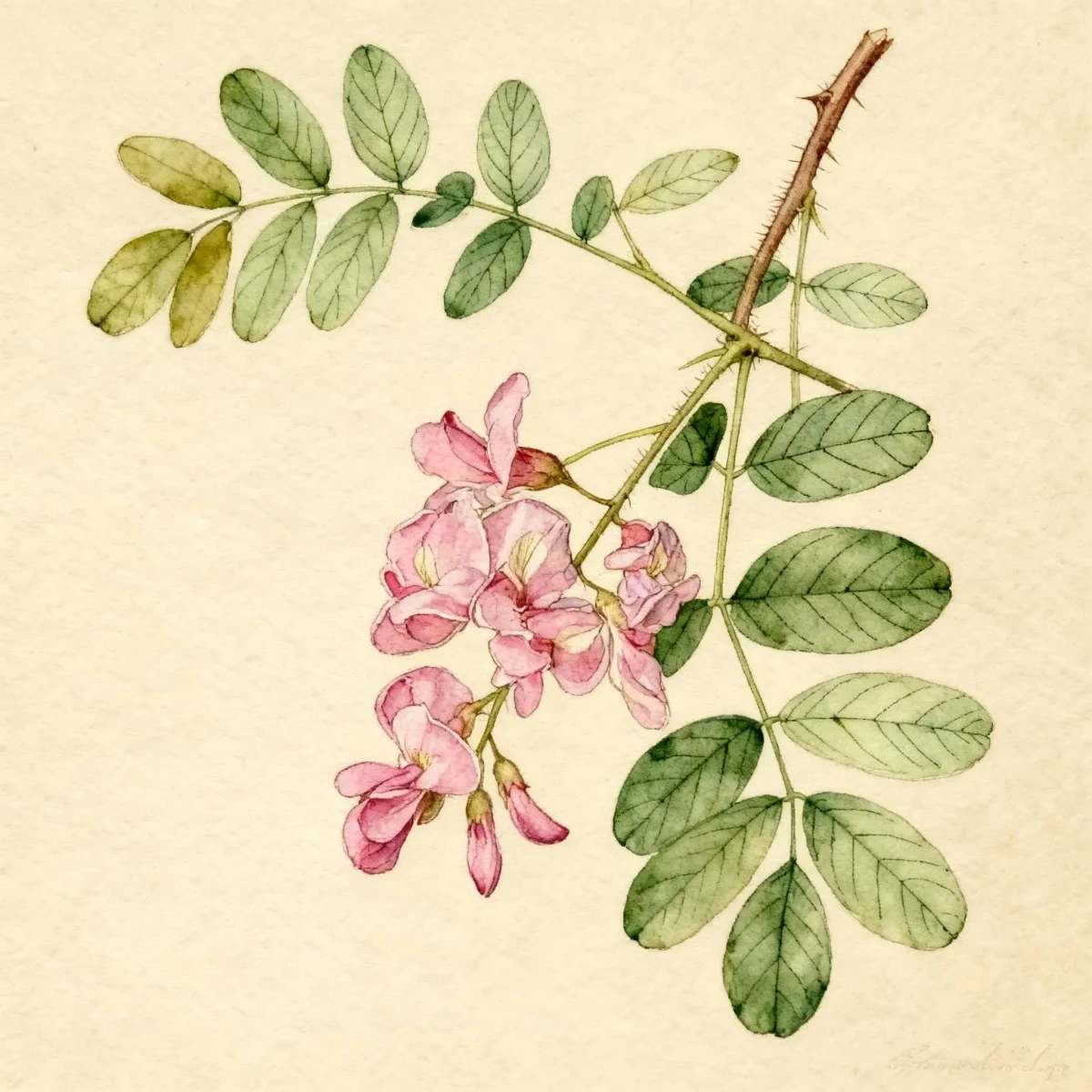
Bristly locust (Robinia hispida)
Discover Bristly locust (Robinia hispida), a showy deciduous shrub native to the US, ideal for tough, dry soils.
Scroll down to discover growing tips, care requirements, companion plants, and more
Complete Plant Information
Overview
The Bristly locust (Robinia hispida) is a striking native shrub celebrated for its attractive, rose-to-purplish-red flowers displayed in pendulous racemes during May. This adaptable species offers excellent functional value in the landscape, often utilized where tougher growing conditions prevail. While the species can be aggressive via suckering in the wild, cultivated forms are usually grafted, resulting in a more manageable plant suitable for structured gardens.
As a deciduous shrub, Robinia hispida provides seasonal interest, transitioning from vibrant spring blooms to medium to dark green foliage throughout the summer. It thrives under full sun exposure and demonstrates remarkable resilience once established, making it an excellent choice for stabilizing difficult slopes or filling challenging, dry sites. Its bristly stems give it a unique textural element, justifying its common name, Bristly locust.
For gardeners seeking low-maintenance screening that tolerates poor soil, Robinia hispida presents a robust solution. Its ability to handle drought and erosion while still providing beautiful flowers sets it apart from more delicate ornamental shrubs. Consider its potential spread and vigorous nature when situating this beautiful native specimen.
Fast Facts
- Plant Family: Fabaceae
- Plant Type: Deciduous shrub
- Native Range: Central and eastern United States
- Hardiness Zones: USDA Zones 5-8
- Size at Maturity:
- Height: 2-10 ft
- Spread: 5-15 ft
- Bloom Time: May
- Bloom Description: Rosy pink to purplish-red
- Sun Exposure: Full sun
- Water Needs: Dry to medium
- Maintenance Level: Medium
How to Grow
Plant the Bristly locust during the dormant season—either early spring before bud break or late fall once leaves have dropped—to encourage strong root establishment. Proper siting is crucial; select a spot receiving full sun exposure to ensure abundant flowering and dense growth. This shrub prefers average, well-drained soil, ranging from dry to medium moisture levels. Although it appreciates organically rich soils, the key advantage of Robinia hispida is its tolerance for poor, dry, or shallow-rocky substrates where other plants fail.
Water young plants regularly until they become established, ensuring the root ball is never completely dry during the first year. Mature specimens are highly drought-tolerant and rarely require supplemental irrigation unless a severe dry spell persists extended periods. Fertilization is generally unnecessary, especially if planted in poor soils; amending the soil excessively can sometimes encourage unwanted overly vigorous suckering if the rootstock is vigorous.
Maintenance for Robinia hispida is rated as medium. Pruning is mostly limited to aesthetic shaping, removing dead or damaged wood, or heading back growth if it needs to be kept smaller or trained into a small tree form. Heavy pruning should ideally be conducted in late winter. Because branches can be brittle, be mindful of heavy snow loads, which may cause breakage.
Landscape Uses
The Bristly locust excels in functional landscape roles where performance outweighs formality. Its tolerance for erosion makes it an excellent choice for stabilizing embankments, slopes, and poor, dry soils along property lines or waterways. Furthermore, its growth habit lends itself well to creating an interesting, informal hedge that offers seasonal floral displays.
Use this shrub as a reliable specimen if you have a tough, sunny location that requires permanent planting structure. The excellent flowers and foliage also make it a superb choice for back-of-border screening where height (up to 10 ft) is needed quickly. When massed, the Bristly locust creates a naturalized, resilient screen that supports local ecology.
Avoid planting near delicate garden areas, as its natural tendency is to spread. Because it handles dry conditions so well, consider pairing Robinia hispida with other regionally native, drought-tolerant perennials and shrubs that share similar full sun requirements for a cohesive, water-wise border design.
Standout Features
Flower Qualities
- Showy
Fruit Qualities
- Showy
Noteworthy Characteristics
Robinia hispida, commonly called rose locust or rose acacia, is a showy-flowering, deciduous shrub which typically grows variably from 2-10’ tall. In the wild, it can aggressively spread by suckering, but in cultivation, nurseries often graft it to the roots of R. Pseudoacacia (black locust) which results in a much less aggressive plant. Branches, petioles, flower stalks and fruits are hispid (stiffly hairy) as the species name suggests, thus giving rise to another common name of Bristly locust.
Tolerances
- Deer
- Drought
- Erosion
- Dry Soil
- Shallow-Rocky Soil
Potential Problems
Borers can be a significant problem, especially when the shrub is stressed by drought or poor growing conditions. Always aim to provide the best achievable moisture and care to minimize stress vulnerability. Lesser potential issues include leaf spot, powdery mildew, canker, scale, and leaf miner infestations. Proactive monitoring and sanitation can help manage these foliar diseases and minor pests. The branches of the Bristly locust are structurally susceptible to damage from heavy winter snows and ice storms; prune strategically in late winter to remove crossing or weak limbs before ice accumulation begins.
Frequently Asked Questions
What hardiness zones is Bristly locust suitable for?
The suitable range for planting Robinia hispida is USDA Hardiness Zones 5 through 8.
How large does Robinia hispida grow?
This deciduous shrub typically reaches a height between 2 and 10 feet, with a spread ranging from 5 to 15 feet wide.
What sun exposure does Bristly locust need?
The Bristly locust requires full sun exposure to thrive and produce its best flush of blooms.
When does Robinia hispida bloom?
This species provides color in May, featuring lovely blooms described as rosy pink to purplish-red.
Conclusion
The Bristly locust (Robinia hispida) offers gardeners robust beauty, thriving in challenging sites where many ornamentals struggle. Its tolerance for dryness and poor soil, combined with its showy spring flowers, makes it an invaluable native specimen or screen plant. Check your local USDA Hardiness Zone to ensure compatibility before planning your planting site for this resilient Robinia hispida.
Companion Planting
When surrounding the Bristly locust, select companions that share its affinity for full sun and dry to medium soil conditions, benefiting from its moderate maintenance needs. Native grasses, such as Little Bluestem (Schizachyrium scoparium), pair beautifully, offering contrasting fine texture throughout the growing season without competing aggressively for resources. For added color beneath the shrub canopy, consider drought-tolerant perennials like Coneflowers (Echinacea) or Yarrow (Achillea), which establish well in average to poor, well-drained soils.
Wildlife Benefits
As a member of the Fabaceae family, the Robinia hispida provides important ecological services, particularly concerning nitrogen fixation within the soil, benefiting surrounding flora. The flowers are highly attractive to pollinators, including native bees and butterflies, drawn to the showy, nectar-rich blooms in the late spring. While the seed pods are bristly, the structure and foliage can offer beneficial cover for small ground-dwelling wildlife, enhancing the biodiversity of your property when utilizing this native shrub.