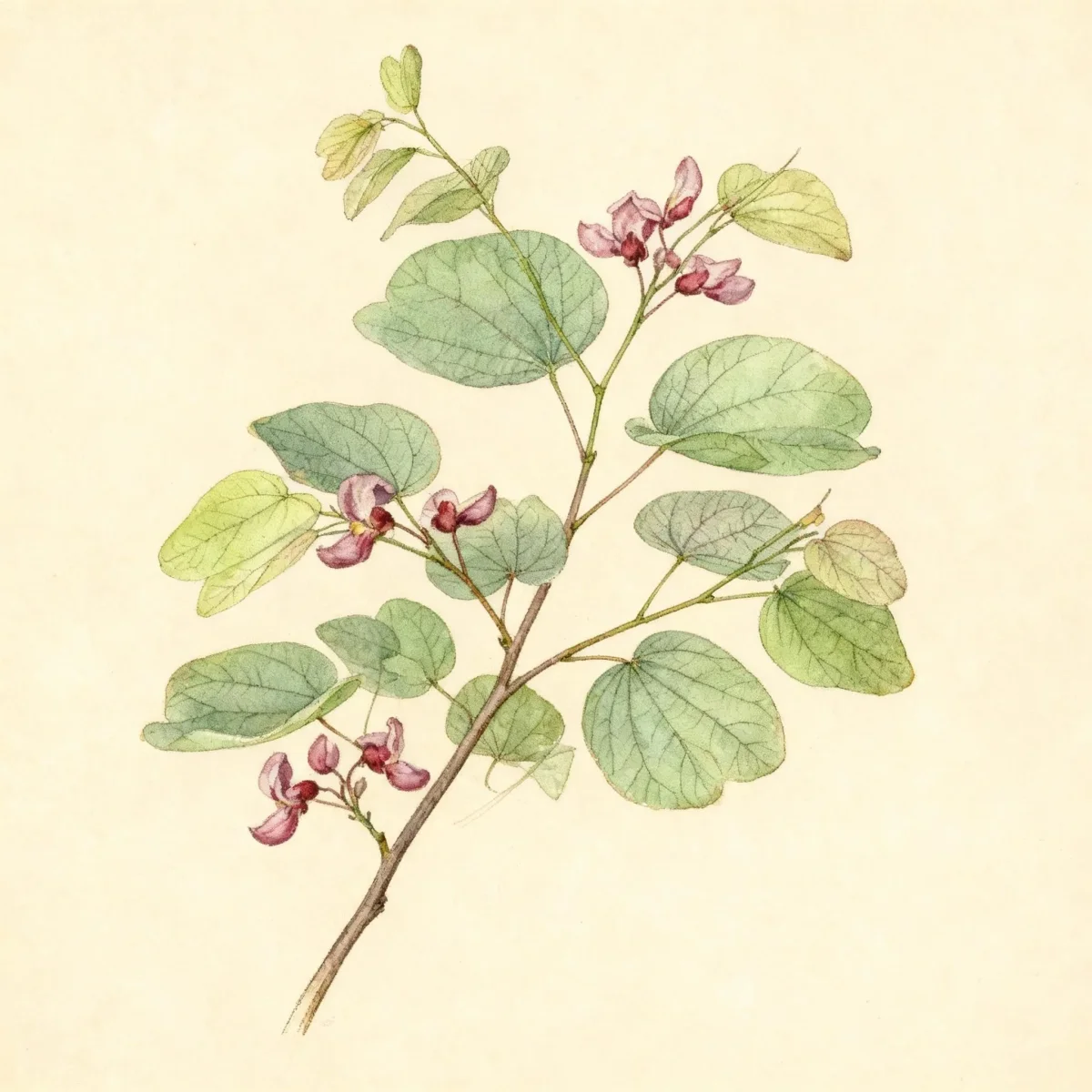
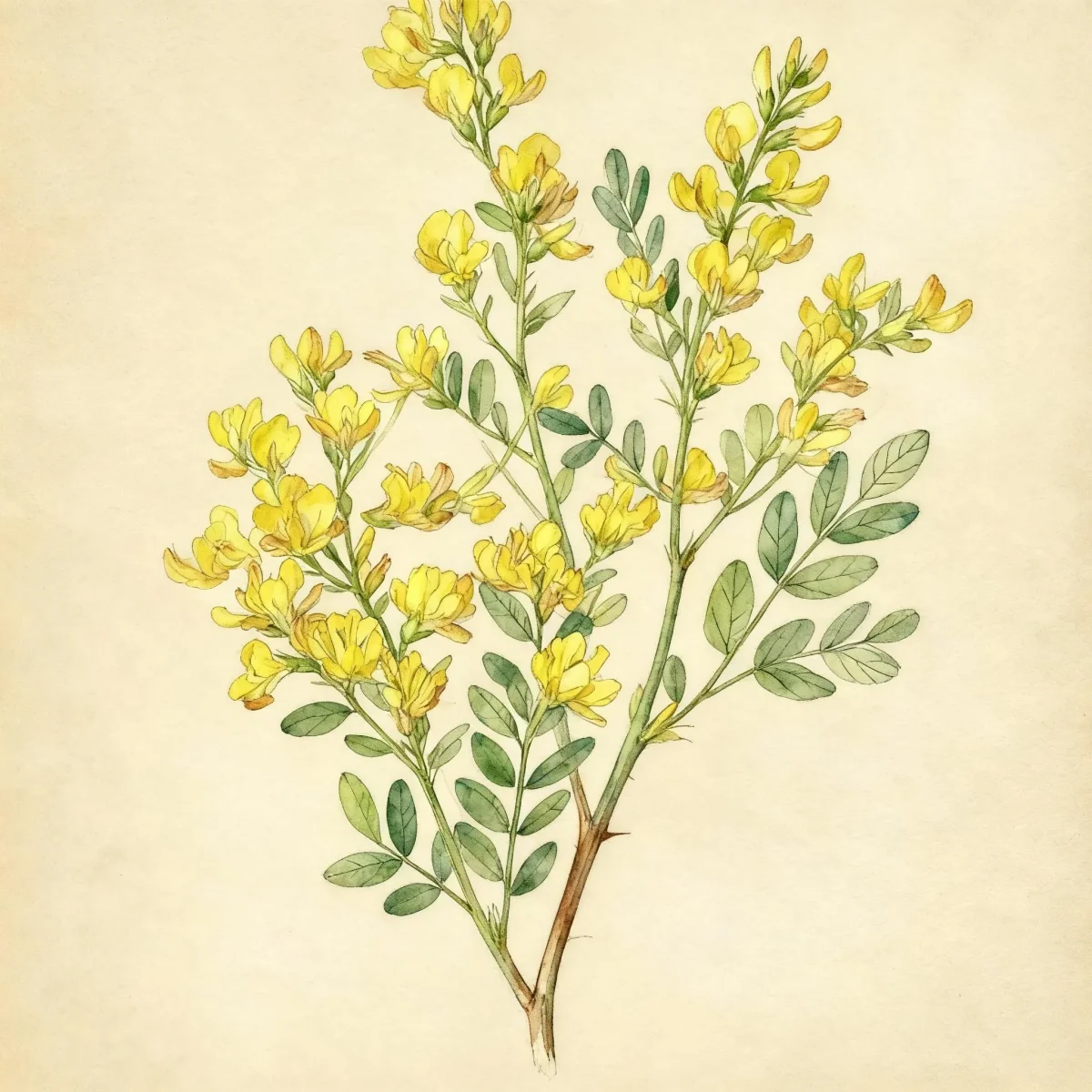
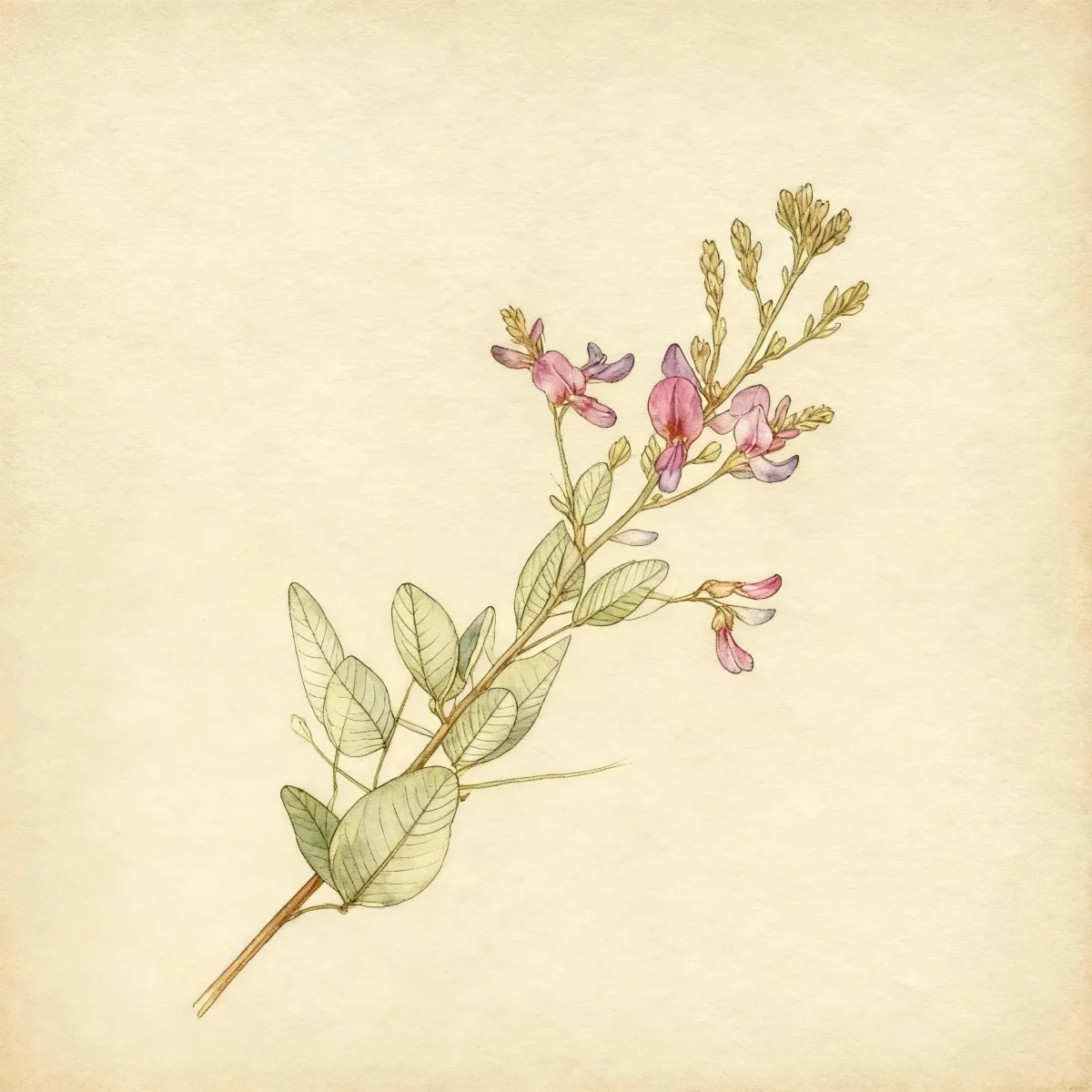
Sophora (Sophora davidii)
Sophora davidii is a low-maintenance, spiny deciduous shrub from China, offering showy, fragrant, pale blue/white spring flowers.
Scroll down to discover growing tips, care requirements, companion plants, and more
Complete Plant Information
Overview
The Sophora davidii showcases surprising beauty emerging from a tough, spiny exterior, making it a unique addition to the garden landscape. Native to the mountainous regions of southwestern China, this deciduous shrub brings ornamental value through its attractive foliage and delightful late spring bloom. Gardeners appreciate Sophora for its moderate size and relatively low input requirements once established.
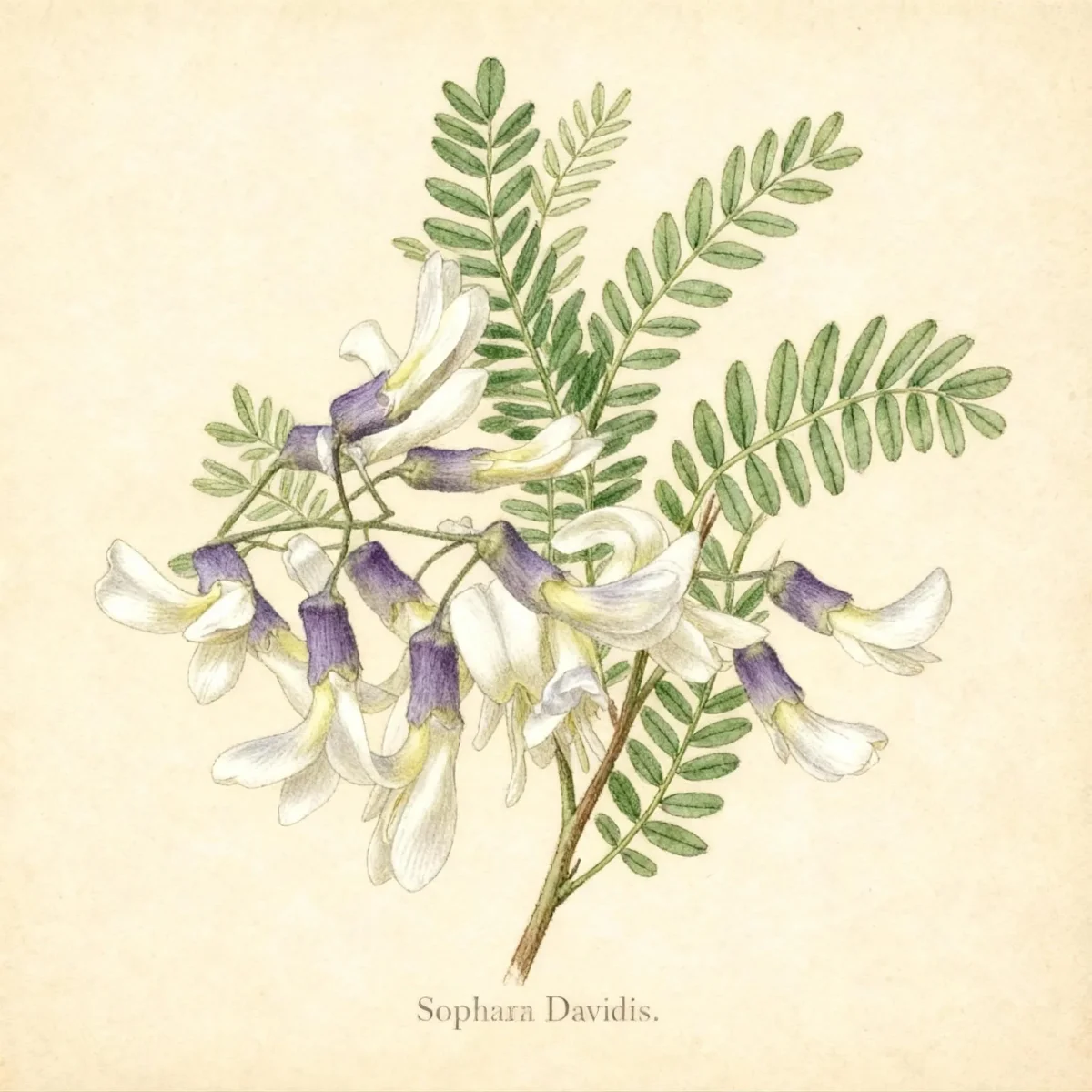
This Sophora species typically matures to a height and spread between six and eight feet, forming a dense, multi-stemmed structure. Its most celebrated feature is the cluster of small, pea-like flowers that emerge in late spring, presenting soft pale blue to white tones against the backdrop of blue-green, pinnately compound leaves.
Beyond its aesthetic appeal, Sophora davidii offers practical benefits; it handles heat and moderate drought well after establishment, and requires low maintenance. Whether used as a textured specimen or massed for screening, the Sophora davidii provides consistent seasonal interest for gardeners in appropriate climates.
Fast Facts
- Plant Family: Fabaceae
- Plant Type: Deciduous shrub
- Native Range: China
- Hardiness Zones: USDA Zones 6-9
- Size at Maturity:
- Height: 6-8 ft
- Spread: 6-8 ft
- Bloom Time: May to June
- Bloom Description: Pale blue to white
- Sun Exposure: Full sun to part shade
- Water Needs: Medium
- Maintenance Level: Low
How to Grow
Sophora davidii thrives best when planted in rich, medium-moisture soils, ideally well-drained sandy loams. While it tolerates part shade, achieving the best bloom display requires a location receiving full sun. The optimal planting time is typically spring, allowing the roots to settle before the summer heat arrives.
Once established, this Sophora demonstrates satisfying drought tolerance, reducing the need for frequent supplemental watering, though consistent medium moisture will support vigorous growth. Fertilization is generally unnecessary in rich soils; focus instead on providing adequate drainage to prevent root issues common in heavy, compacted ground.
Pruning needs are minimal, generally involving the removal of any dead or damaged wood in late winter or early spring before new growth begins. Be aware that the older wood of the Sophora davidii can be moderately spiny, making careful pruning techniques advisable. In colder limits of its range (Zone 6), a heavy layer of mulch in late fall can offer extra protection to the base of the plant.
Landscape Uses
The manageable size and dense habit of Sophora davidii make it an excellent choice for structured plantings. It serves effectively as a low hedge, providing seasonal texture and informal structure where taller screens are not required. As described, it works perfectly as a small landscape shrub, suitable for anchoring borders or defining garden edges.
Consider placing Sophora davidii where its fragrant flowers can be appreciated, perhaps near a patio or walkway during May and June. Its blue-green foliage contrasts beautifully with plants featuring chartreuse or deep burgundy leaves. For companion plantings, select lower-growing perennials that thrive in full sun and well-drained soil, such as ornamental grasses or hardy salvias.
Standout Features
Flower Qualities
- Showy
- Fragrant
Noteworthy Characteristics
Sophora davidii is a spiny, multi-stemmed, deciduous shrub that is native to southwestern China. Pinnate compound leaves, each featuring 11 to 19 small elliptic blue-green leaflets, remain attractive throughout the growing season. Small, fragrant, pea-like, pale blue/white flowers bloom in terminal racemes during late spring before giving way to seed pods that mature to brown.
Tolerances
No tolerances data was provided to list.
Potential Problems
The Sophora genus is generally robust, and Sophora davidii reports no serious insect or disease problems. However, gardeners should remain vigilant for potential fungal issues that can affect many woody shrubs. These may include twig blight, canker, powdery mildew, and rust.
Verticillium wilt is another possibility, especially in heavily infected soils or following transplant stress. To mitigate these risks, ensure excellent air circulation around the shrub by avoiding overly tight plantings. Promptly remove and destroy any infected twigs exhibiting blight or canker symptoms to maintain the health of your Sophora davidii.
Frequently Asked Questions
What hardiness zones is Sophora suitable for?
The Sophora davidii is resilient in USDA Hardiness Zones 6 through 9.
How large does Sophora davidii grow?
This Sophora typically reaches a mature stature of 6 to 8 feet in height and spreads equally wide, requiring adequate space in the landscape.
When does Sophora bloom?
Sophora davidii puts on its display from May through June, showcasing lovely pale blue to white, fragrant blossoms.
What sun exposure does Sophora need?
For the best performance, Sophora davidii requires full sun, though it will adapt successfully to partial shade conditions.
Companion Planting
When designing a planting scheme around your Sophora davidii, select companions that share similar needs for sun exposure and well-drained soil. Lower-growing, drought-tolerant perennials work well beneath the canopy. Consider Lavender (Lavandula) or Russian Sage (Perovskia) for their contrasting silvery foliage and deep purple blooms, which complement the blue tones of the Sophora blossoms. Hardy ornamental grasses, like Blue Fescue (Festuca glauca), can add fine texture near the shrub’s base without competing heavily for resources.
Seasonal Care Calendar
Spring is the crucial time for preparing your Sophora davidii for the growing season. This is the ideal period for any necessary structural pruning to shape the shrub or remove any older, potentially spiny wood. As summer progresses, monitor moisture levels, especially during dry spells, even though the plant is drought-tolerant once established; deep, infrequent watering is always better than light, superficial sprinkling. In the fall, avoid applying fresh fertilizer, as this can encourage tender new growth susceptible to winter damage.
Conclusion
The Sophora davidii offers a compelling blend of low maintenance care and high ornamental value, highlighted by its unusual late-spring bloom and durable nature. This unique Chinese Sophora is a reliable choice for adding textured structure to the perennial border or creating an informal hedge. Before planting, confirm that your site falls within USDA Zones 6 to 9 and provides sufficient sunlight to enjoy the fragrant flowers of your new Sophora davidii.