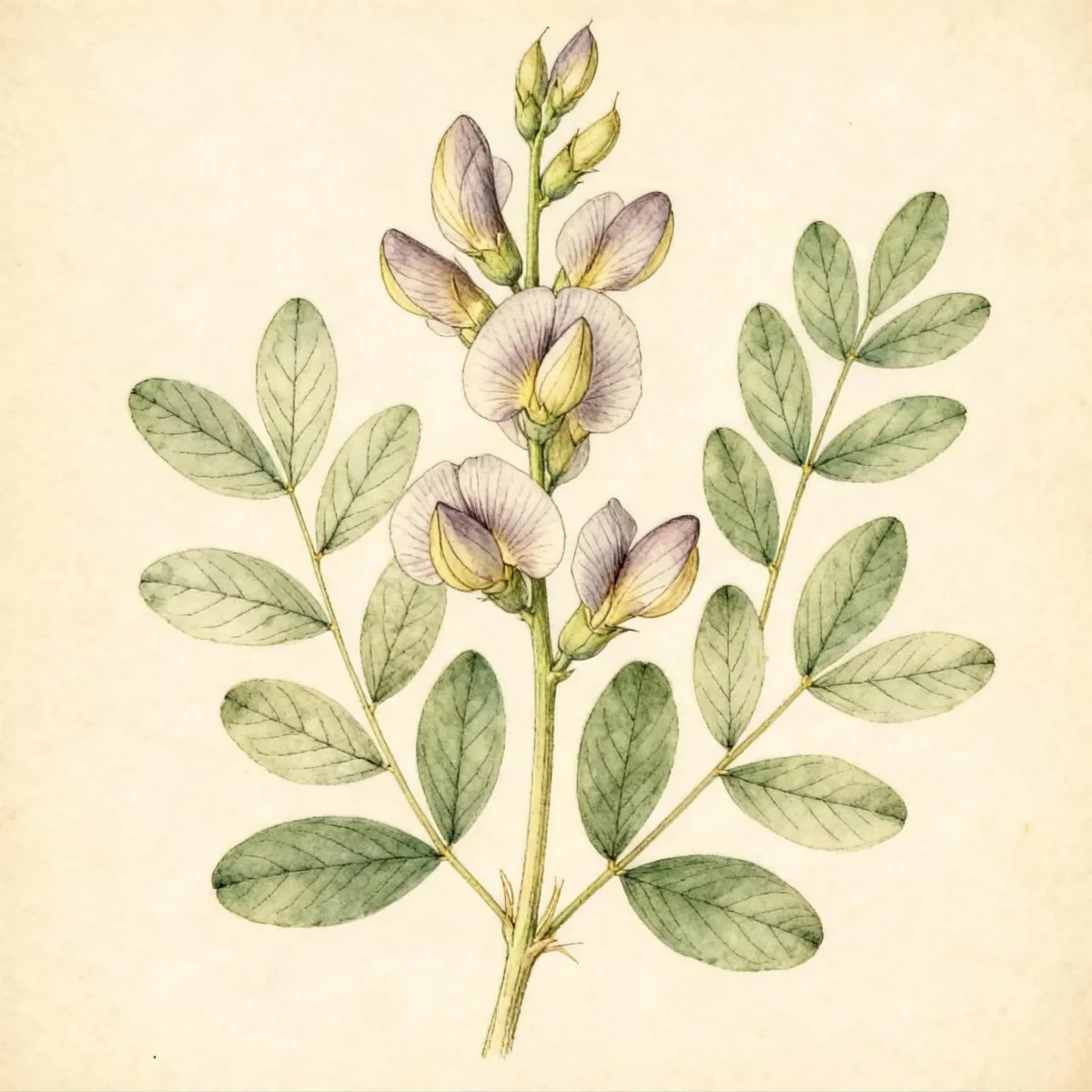
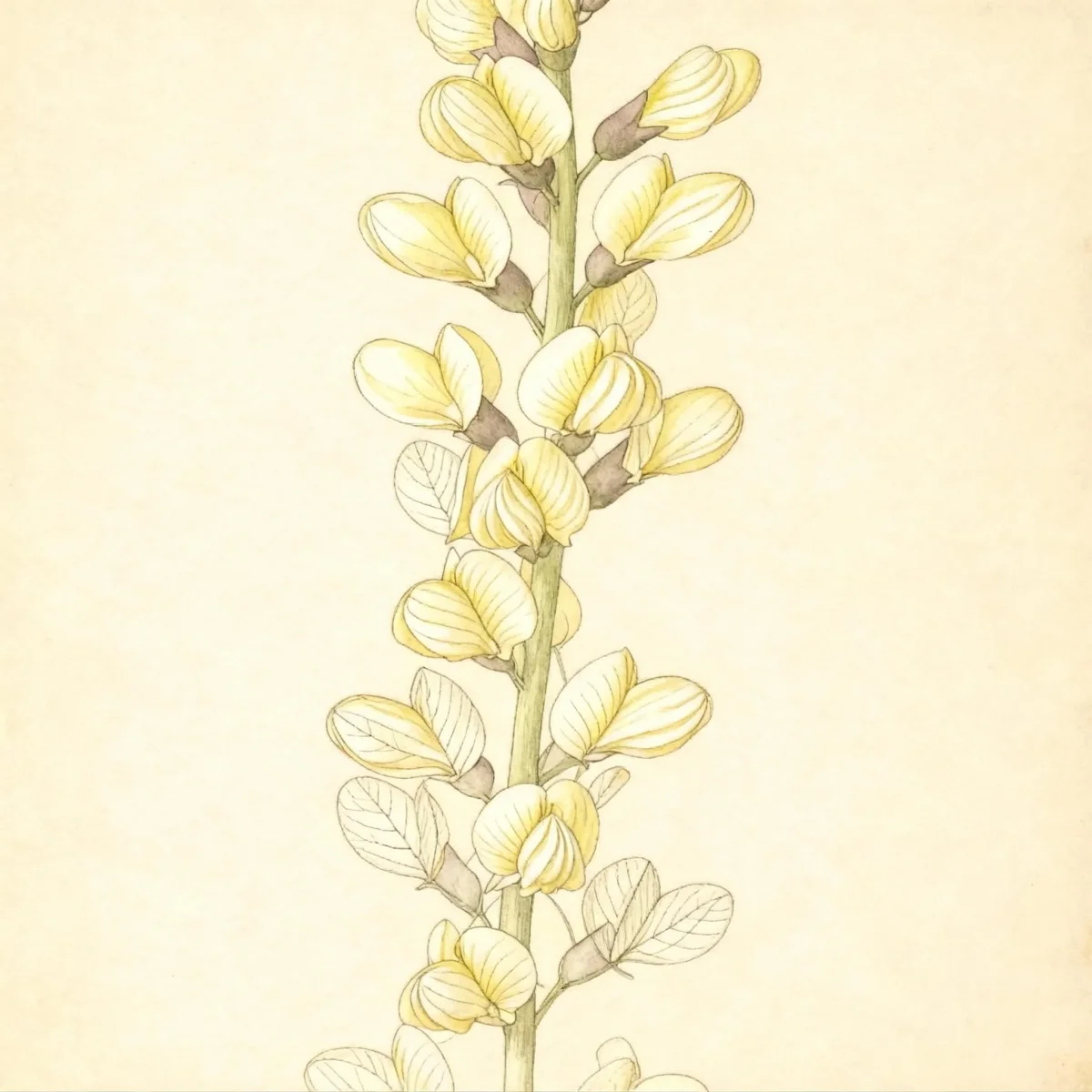
Blue false indigo (Baptisia australis)
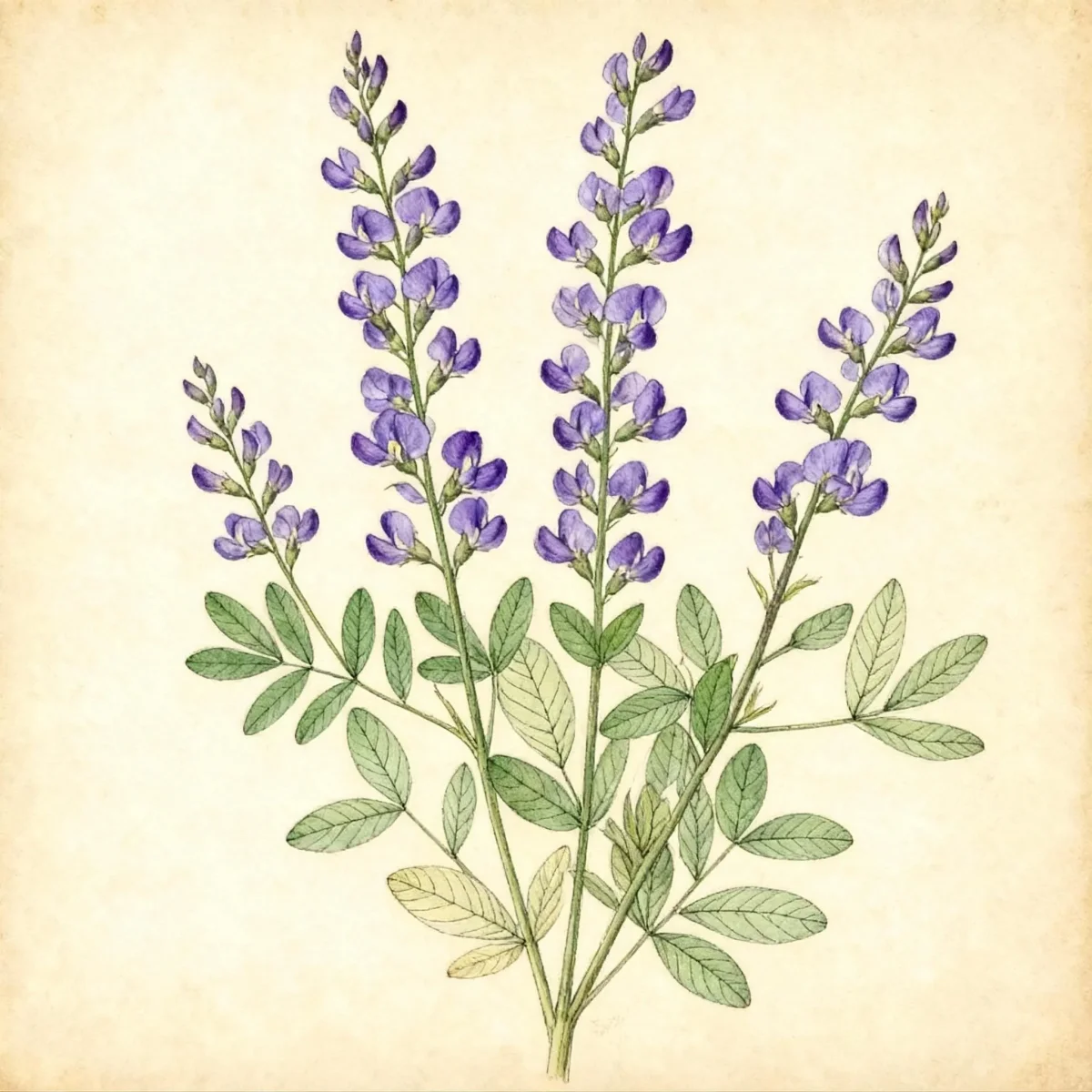
Baptisia australis, or Blue false indigo, is a durable herbaceous perennial offering striking indigo blue springtime blooms and attractive foliage.
Scroll down to discover growing tips, care requirements, companion plants, and more
Complete Plant Information
Overview
Baptisia australis, widely known as Blue false indigo, is a long-lived, upright herbaceous perennial highly valued for its robust structure and striking spring color. This plant establishes deep, extensive root systems, developing into slowly expanding clumps that provide excellent form in the garden long after the flowers fade. Its handsome, clover-like foliage offers visual appeal throughout the season, complementing the vibrant indigo blue flowers that emerge in late spring.
Native to the Eastern United States, Baptisia australis thrives even in less-than-ideal conditions, tolerating drought and poor soils once established. Gardeners appreciate its low maintenance needs and its ability to bring structure to perennial borders, cottage gardens, and naturalized meadows. Furthermore, the ripe, black seed pods add significant ornamental interest late into the year.
Cultivating Blue false indigo is an investment in long-term landscape stability; while slow to start, this perennial requires virtually no seasonal fuss once mature. It serves as an excellent structural anchor, providing reliable upright massing that resists most pest and disease issues commonly plaguing other garden specimens.
Fast Facts
- Plant Family: Fabaceae
- Plant Type: Herbaceous perennial
- Native Range: Eastern United States
- Hardiness Zones: USDA Zones 3-9
- Size at Maturity:
- Height: 3-4 ft
- Spread: 3-4 ft
- Bloom Time: May to June
- Bloom Description: Indigo blue
- Sun Exposure: Full sun to part shade
- Water Needs: Dry to medium
- Maintenance Level: Low
How to Grow
Plant Baptisia australis in the spring or fall in average, well-drained soil. While it tolerates a range of conditions, this plant performs best when sited in full sun, though it can manage with partial shade. It is critical to remember that once established, these plants develop deep roots and should not be disturbed, as they resent transplanting.
Water sparingly once the plant is established, relying on its drought tolerance, especially if sited in full sun. Fertilizing is rarely necessary, as Baptisia australis adapts well to poor soils. Be aware that plants may take on a more shrubby, open appearance after the bloom period concludes.
To maintain a compact, rounded look and encourage bushiness, you may shear or trim the foliage immediately after flowering concludes. However, gardeners who wish to enjoy the ornamental, inflated seed pods—which turn black when ripe—should refrain from trimming, as this eliminates the developing fruit structure. Seed-grown plants will require several years to reach mature size.
Landscape Uses
Blue false indigo is exceptionally versatile, performing beautifully in established borders where its height anchors the mid-to-back sections. It is highly recommended for cottage gardens, prairies, and meadows where its natural, upright habit integrates seamlessly into native plant settings. Use it as a specimen plant or in small groupings to provide reliable structure that defines the garden space.
Due to its tolerance for clay and dry soils, Baptisia australis excels in challenging sites where other perennials might struggle. Consider pairing it with later-blooming perennials that can disguise any legginess that might occur after the spring bloom, allowing the structure of the grey-green foliage to take over visually. It fits perfectly where reliable, low-maintenance texture is needed.
Standout Features
Flower Qualities
- Showy
Fruit Qualities
- Showy
Noteworthy Characteristics
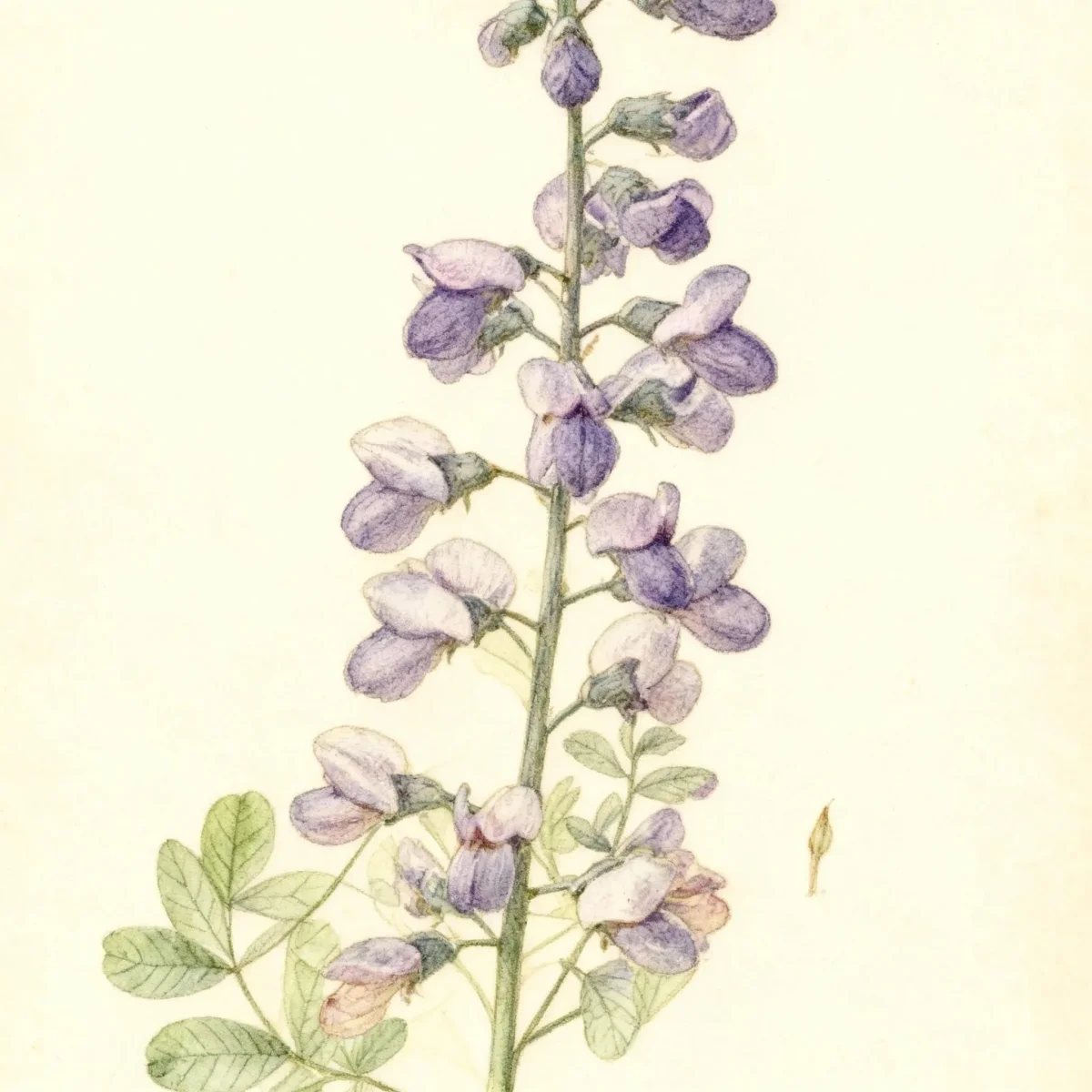
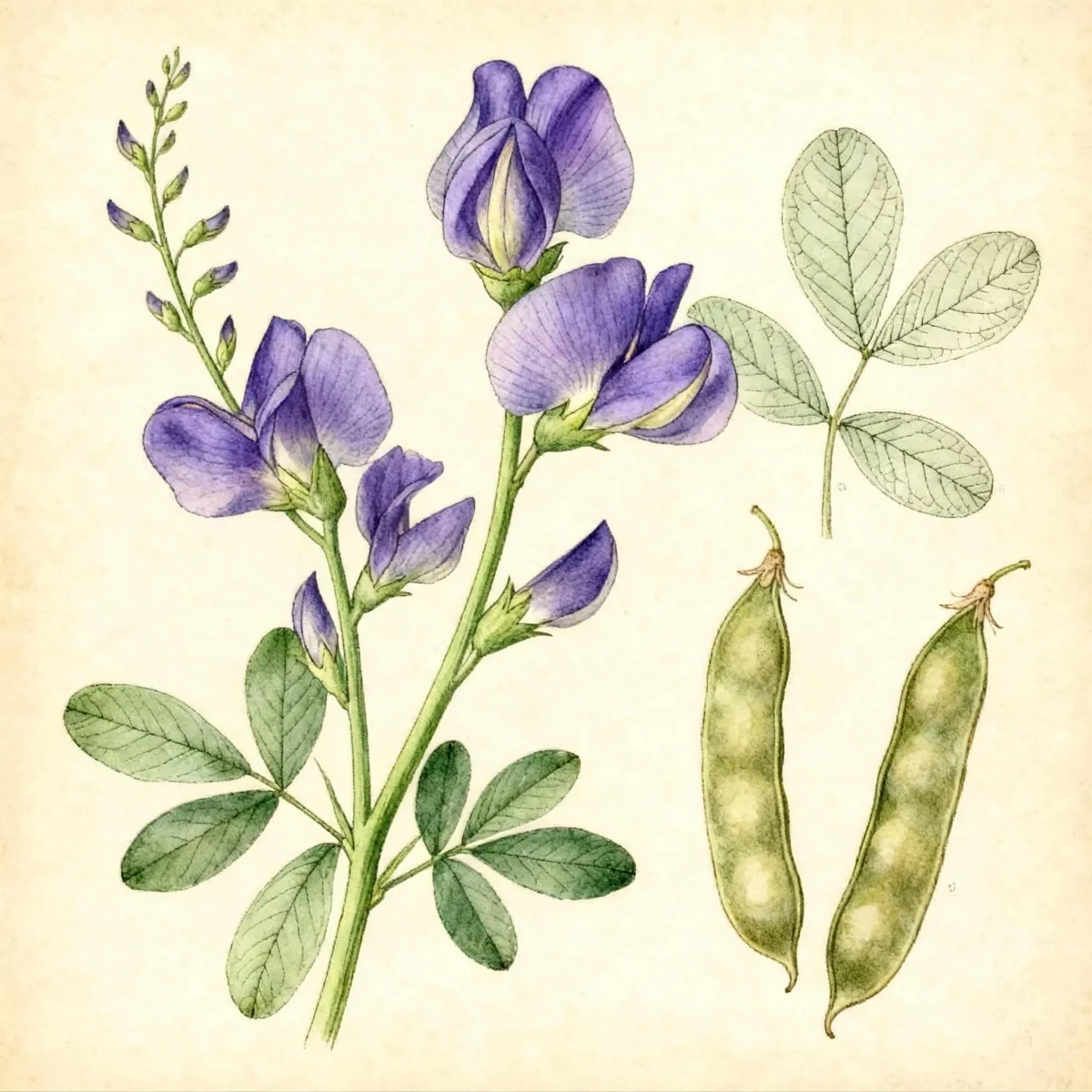
Baptisia australis, commonly called blue false indigo, is an upright perennial which typically grows 3-4’ tall and occurs in rich woods, thickets and along streambanks from Pennsylvania south to North Carolina and Tennessee. It features purple, lupine-like flowers in erect racemes (to 12”) atop flower spikes extending well above a foliage mound of clover-like, trifoliate, bluish-green leaves. Flowers give way to inflated seed pods (to 2.5” long) which turn charcoal black when ripe and have considerable ornamental interest. The common name of false indigo refers to the use of certain native baptisias by early American colonists as substitutes for true indigo in making dyes.
Tolerances
- Drought
- Erosion
- Clay Soil
- Dry Soil
- Shallow-Rocky Soil
Potential Problems
Baptisia australis is generally resistant to most common garden pests and diseases, making it a remarkably problem-free specimen. Taller plants may occasionally lean or flop, particularly if situated in locations that receive significant afternoon shade or protection from strong winds. If staking is necessary, perform this task early in the season before the plant is fully expanded.
A significant cultural note is that this plant is sensitive to juglone, a chemical produced by black walnut trees. Avoid planting Baptisia australis too closely to black walnut specimens, as this association often leads to poor performance and decline. Otherwise, routine management involves only the optional shearing mentioned in the culture section.
Frequently Asked Questions
What hardiness zones is Blue false indigo suitable for?
USDA Zones 3 through 9 define the optimal range for successful, long-term cultivation of Baptisia australis.
How large does Baptisia australis grow?
This herbaceous perennial typically reaches a mature height between 3 to 4 feet, with a comparable spread of 3 to 4 feet wide.
When does Blue false indigo bloom?
You can expect the distinctive indigo blue flowers of Baptisia australis to appear reliably during the late spring and early summer, specifically between May and June.
What sun exposure does Blue false indigo need?
For the best display of flowers and the sturdiest habit, plant Blue false indigo in full sun, although it will tolerate conditions extending toward partial shade.
Conclusion
The unrivaled durability and impressive structure make Blue false indigo an essential backbone plant for long-term, low-maintenance garden designs. Baptisia australis provides unique late-season interest via its pods following its stunning indigo bloom. Ensure you check your local hardiness zone compatibility and commit to a permanent spot to allow this magnificent perennial to thrive for decades.
Companion Planting
Because Baptisia australis thrives in full sun and tolerates dry, poorer soils, select companions that share similar resilience. Good partners include sturdy native grasses like Little Bluestem (Schizachyrium scoparium) or reliable bloomers such as Coneflower (Echinacea purpurea), which can bloom after the Baptisia finishes. Avoid pairing it with heavy feeders or plants requiring consistently moist soil, as this imbalance can stress the Blue false indigo.
Wildlife Benefits
The flowers of Baptisia australis are valuable nectar sources for early-season bees and other pollinators emerging from winter dormancy. Additionally, the foliage serves as the exclusive host plant for the larvae of the variable blue butterfly. By including this native species, gardeners actively support local insect populations, enhancing the biodiversity of their landscape well beyond the visible flowering period.