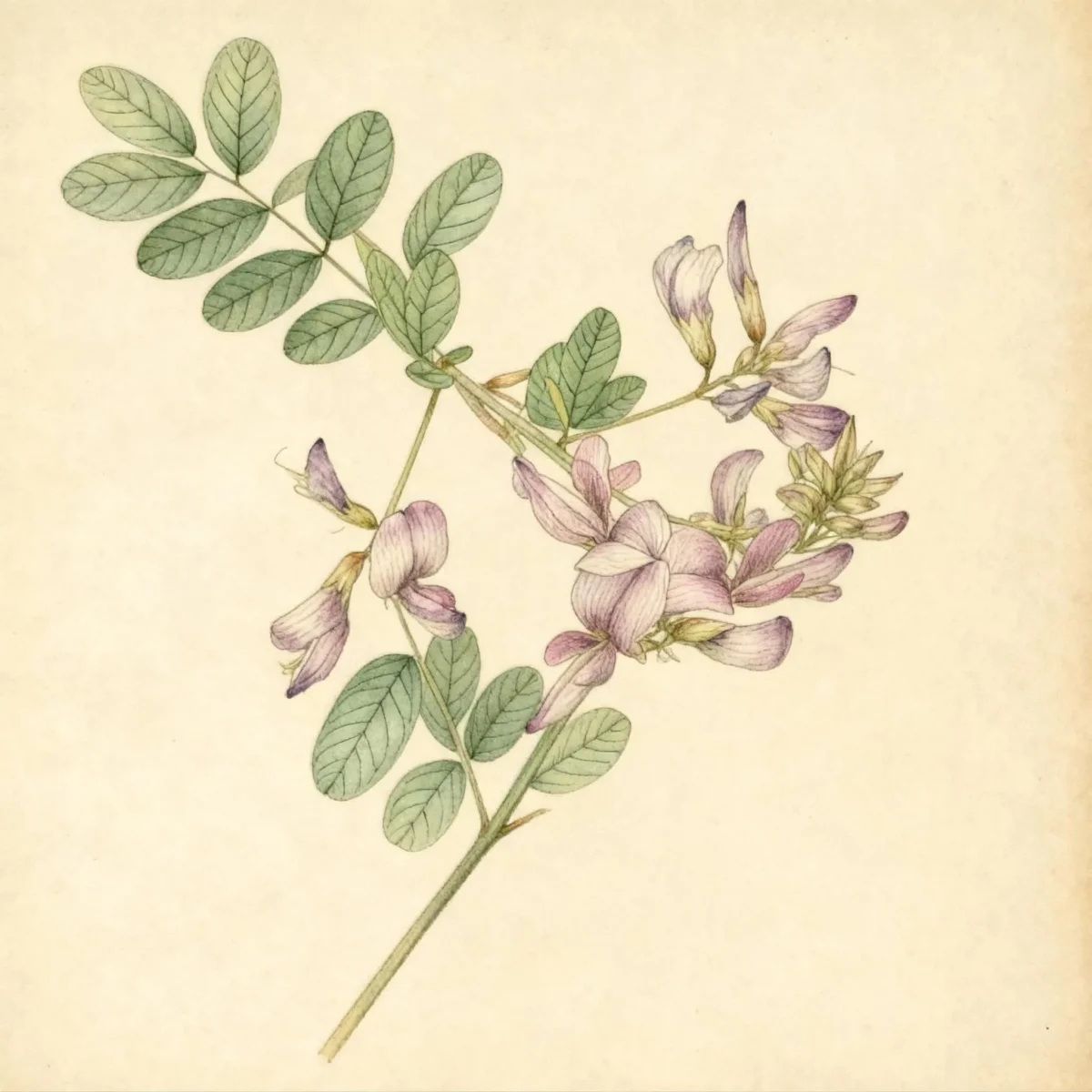
Chamaecytisus (Chamaecytisus hirsutus)
Discover Chamaecytisus hirsutus, a low-maintenance deciduous shrub from Europe, offering yellow blooms and drought tolerance in USDA Zones 5-7.
Scroll down to discover growing tips, care requirements, companion plants, and more
Complete Plant Information
Overview
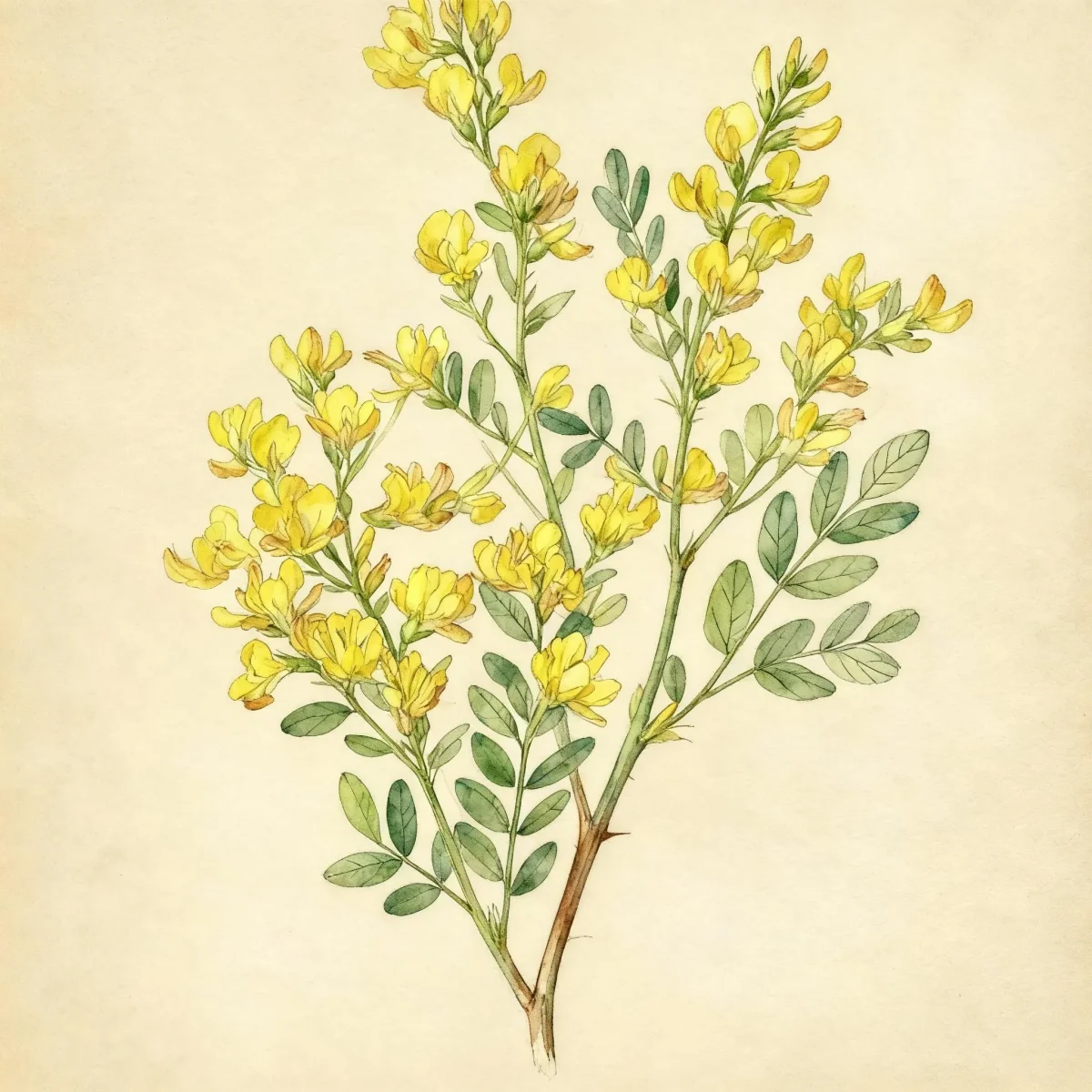
Chamaecytisus hirsutus, commonly known simply as Chamaecytisus, is a charming, low-growing deciduous shrub valued for its resilience and spring color. Native across much of Central and Southeastern Europe, this plant fits easily into lean landscapes where robust, yet compact, growth is desired. Its primary appeal lies in its relatively small stature combined with clusters of bright yellow, pea-like flowers throughout late spring.
This member of the pea family is recognized for its hairy foliage, which lends it the common name Hairy Broom. As a low-maintenance selection, Chamaecytisus hirsutus requires minimal attention once established, fitting well into naturalized settings or informal borders. It thrives in sunny locations and possesses established drought tolerance, making it an excellent choice for xeriscaping or difficult, dry slopes.
Gardeners appreciate its ability to naturalize and form loose colonies, providing excellent textural contrast when combined with finer-leaved perennials. Successfully integrating Chamaecytisus hirsutus into the garden ensures season-long texture punctuated by the vibrant bloom period of Chamaecytisus.
Fast Facts
- Plant Family: Fabaceae
- Plant Type: Deciduous shrub
- Native Range: Central, southern, and southeastern Europe
- Hardiness Zones: USDA Zones 5-7
- Size at Maturity:
- Height: 1-2 ft
- Spread: 1-2 ft
- Bloom Time: May to June
- Bloom Description: Yellow
- Sun Exposure: Full sun to part shade
- Water Needs: Medium
- Maintenance Level: Low
How to Grow
Plant Chamaecytisus in the spring or fall when conditions are moderate, ensuring placement in full sun for the best flowering performance, though it tolerates light shade. The ideal soil profile is crucial for success: choose medium moisture, sandy, or gravelly soils that are very well-drained. Avoid heavy clay, as poor drainage can quickly compromise this shrub.
Maintenance for Chamaecytisus hirsutus is generally low. Water deeply when first establishing the plant, as it prefers medium moisture. Once established, its drought tolerance becomes apparent, requiring significantly less supplemental irrigation. Fertilization is rarely necessary; over-fertilizing should be avoided as it can encourage weak, weedy growth.
Pruning should be done immediately after the bloom period finishes in June to maintain a compact shape and encourage dense branching for the following season. Ignore spring growth, as pruning too late will remove developing flower buds for next year. Be aware that under ideal conditions, this shrub may naturalize readily via self-seeding.
Landscape Uses
The compact habit of Chamaecytisus makes it exceptionally useful for informal landscape applications. It performs beautifully when allowed to naturalize in dry meadows or on slopes, creating a low-maintenance groundcover effect where mowing is difficult. Consider mass planting these shrubs to create drifts of spring color.
For more structured designs, Chamaecytisus hirsutus functions perfectly as a low edging plant along borders or pathways where a defined, yet soft, edge is needed. Its sturdy structure also allows it to blend seamlessly into wood margins, mimicking its native habitat alongside taller trees.
When grouping this plant, pair it with other sun-loving, drought-tolerant plants like Sedums, ornamental grasses, or hardy Lavender. The low, sprawling structure of the Chamaecytisus provides an excellent contrast to upright, architectural forms.
Standout Features
Flower Qualities
- Showy
Fruit Qualities
- Showy
Noteworthy Characteristics
Chamaecytitus hirsutus (synonymous with and formerly called Cytisus hirsutus) is a deciduous shrub of the pea family that is native to slopes, steppes, wood margins and dry meadows in central, southern and southeastern Europe. Chamaecytitus means false Cytisus. This shrub typically grows in a loose form to 1-2’ (less frequently to 3’) tall, with trifoliate, deciduous, green leaves (ovate to elliptic leaflets to 3/4” long). The specific epithet refers to the hirsute (hairy) character evident on leaf undersides and the rough-hairy seed pods that ripen in late summer.
Tolerances
- Drought
Potential Problems
This shrub boasts a clean health profile with no known serious insect or disease issues typically cited for established specimens. However, in overly humid or poorly draining conditions, gardeners might observe occasional leaf spot or blight issues. Ensure excellent air circulation and adhere to well-drained soil recommendations to preemptively manage fungal concerns. If problems arise, prune out affected foliage promptly and use appropriate fungicides if necessary.
Frequently Asked Questions
What hardiness zones is Chamaecytisus suitable for?
Chamaecytisus hirsutus is well-suited for USDA Hardiness Zones 5 through 7 across the United States.
How large does Chamaecytisus grow?
This shrub typically matures to a height between 1 and 2 feet, matching its spread of 1 to 2 feet, resulting in a dense, low mound.
What sun exposure does Chamaecytisus need?
It prefers full sun for the most robust performance, though it is known to tolerate light shade successfully.
When does Chamaecytisus bloom?
The yellow, pea-like flowers of Chamaecytisus hirsutus usually appear relatively early in the season, blooming from May into June.
Conclusion
The Chamaecytisus genus offers gardeners a tough, low-maintenance perennial that excels in dry, sunny exposures. With its attractive yellow blooms in late spring and minimal pruning needs, Chamaecytisus hirsutus is an excellent plant for naturalizing challenging areas. Always confirm your local hardiness zone and ensure sharp drainage before planting this resilient European native.
Companion Planting
When designing a garden for Chamaecytisus hirsutus, focus on companions that share its love for sun and sharp drainage. Low-growing succulents, such as various Sedums or Sempervivum, pair visually well with the shrub’s texture while demanding similar dry conditions. Consider shorter, tough perennials like Thyme varieties or hardy Santolina to create a unified, tapestry-like effect in a rock garden or dry border.
For slightly more height contrast without competing for moisture, drought-tolerant ornamental grasses like Blue Fescue (Festuca glauca) create an excellent visual pairing. These companions allow the Chamaecytisus to shine in the foreground without requiring extra water or rich amendments, honoring its preference for leaner soil.
Seasonal Care Calendar
Spring preparation for Chamaecytisus hirsutus involves a light cleanup after the last hard frost, removing any winter debris only if necessary, as heavy spring pruning should be avoided to protect emerging buds. Summer maintenance focuses entirely on monitoring moisture, especially during establishment; once mature, reliance on natural rainfall is usually sufficient.
The critical task for summer maintenance occurs immediately after blooming concludes in June: prune lightly to shape the plant and prevent legginess. Avoid any heavy renovation or significant pruning after midsummer, as this stimulates vulnerable new growth that will not harden off before winter sets in. In autumn, leave seed pods intact unless removal is desired, and ensure good air circulation around the base of the plant.