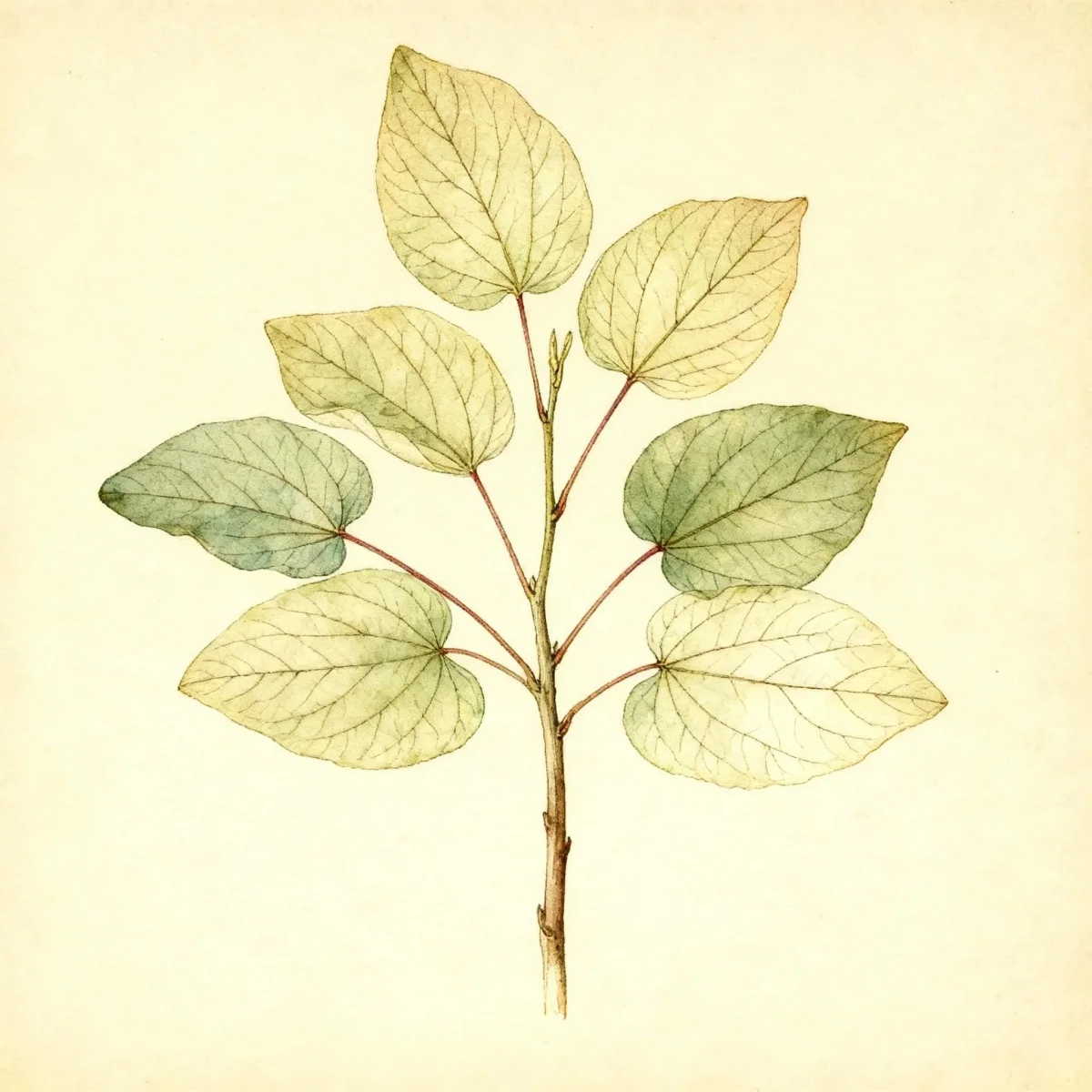
Maackia (Maackia amurensis)
Maackia amurensis is a low-maintenance, deciduous tree famous a broad habit, fragrant flowers, and peeling bark.
Scroll down to discover growing tips, care requirements, companion plants, and more
Complete Plant Information
Overview
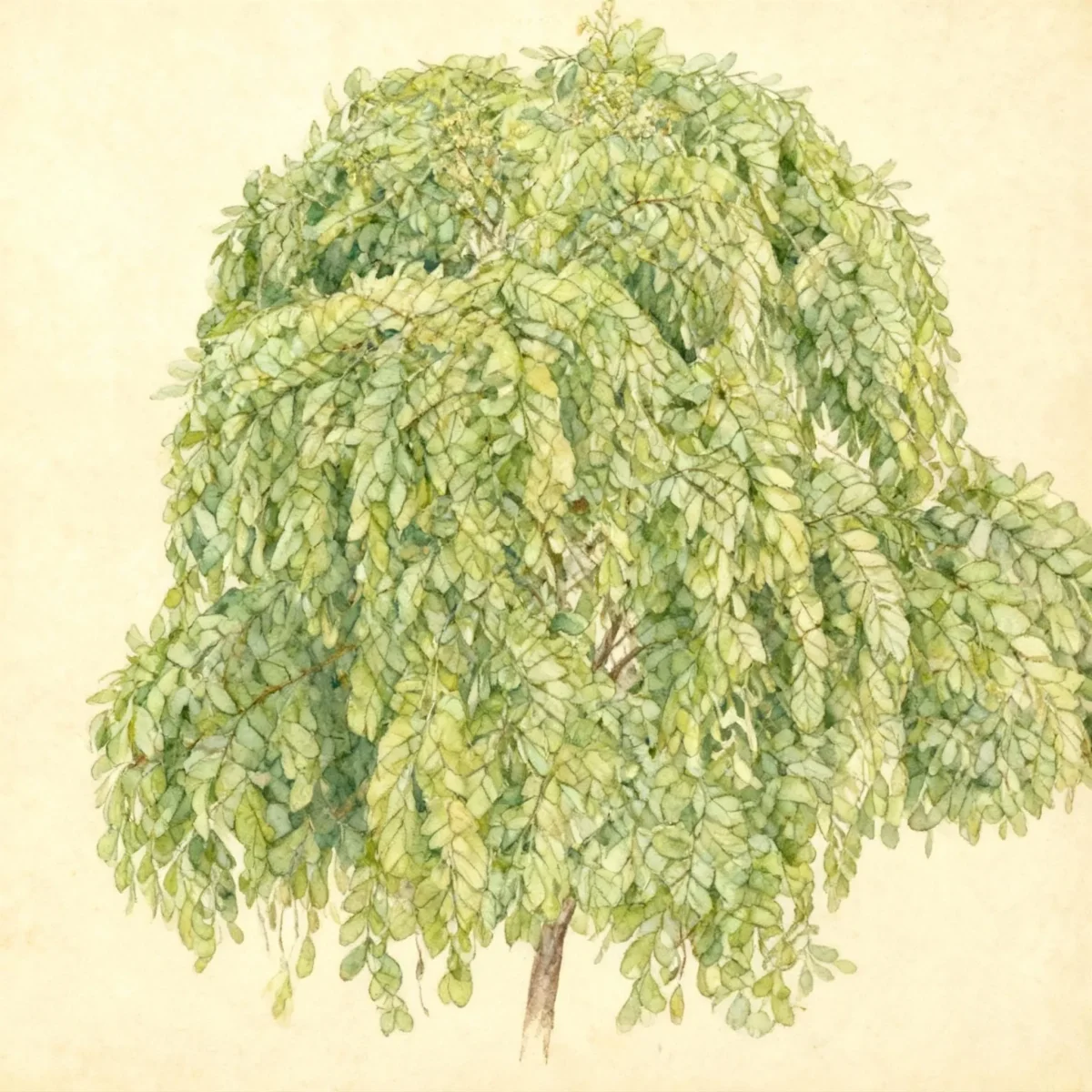
The Amur Maackia, scientifically known as Maackia amurensis, is an often-underutilized specimen tree valued for its structure and resilience. This deciduous tree offers attractive structural interest, largely due to its broad, rounded habit and exfoliating, coppery-bronze bark that matures beautifully. Gardeners appreciate the low maintenance requirements of the Maackia genus, making it a reliable choice for many landscape settings.
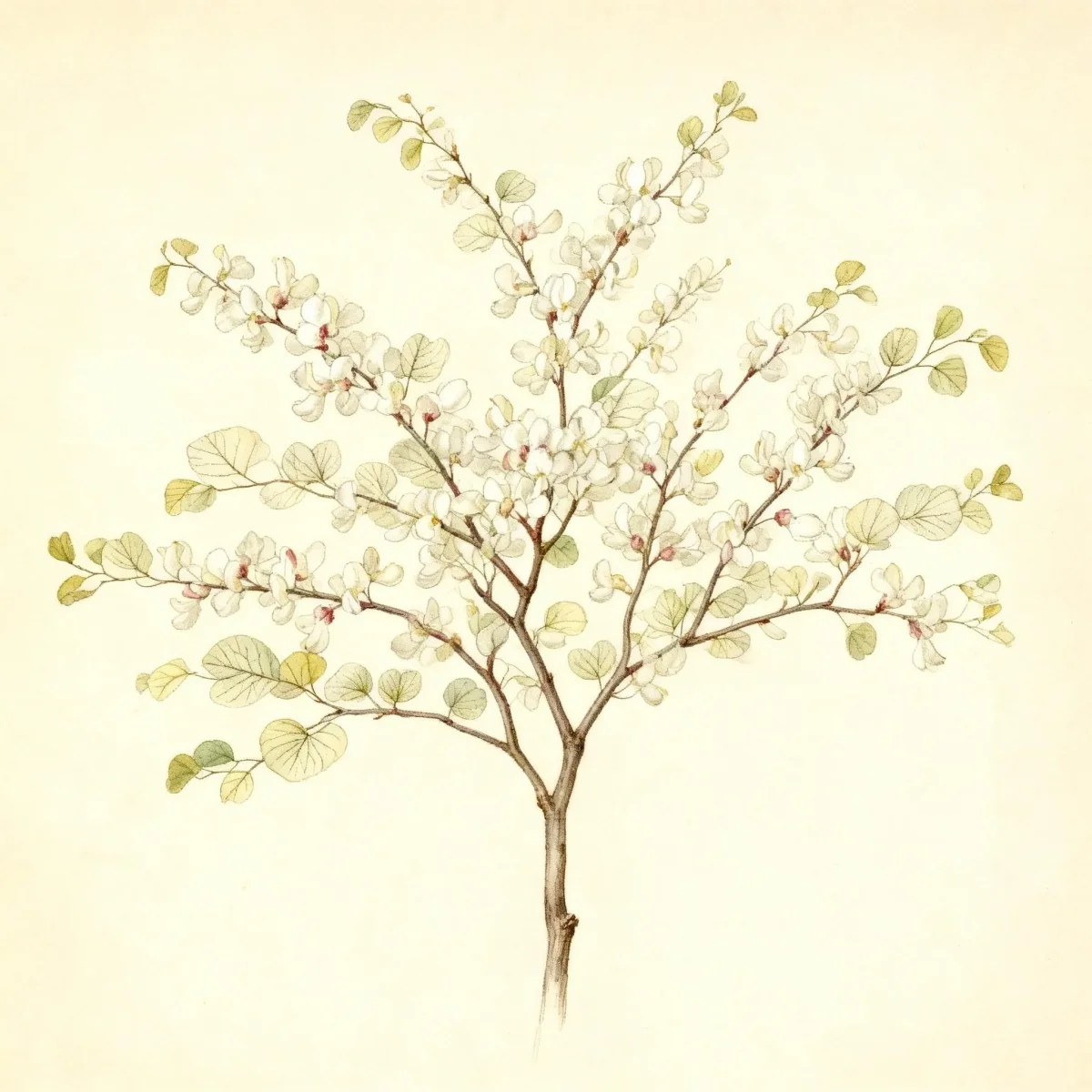
Blooming in early summer, Maackia amurensis produces upright clusters of subtly fragrant, dull white, pea-like flowers. Though the flowers themselves are not dramatically colored, they add texture and a pleasant scent when they appear in June. This tough little relative of the yellowwood tree provides reliable shade in a manageable size range.
Growing slowly to moderately, the Amur Maackia is an excellent, adaptable choice for urban environments or sites requiring a tough, smaller shade or specimen tree. Its overall hardiness and adaptable soil needs cement its status as a practical, long-lived landscape asset.
Fast Facts
- Plant Family: Fabaceae
- Plant Type: Tree
- Native Range: Russia, eastern Asia
- Hardiness Zones: USDA Zones 3-7
- Size at Maturity:
- Height: 20-30 ft
- Spread: 20-30 ft
- Bloom Time: June
- Bloom Description: Dull White
- Sun Exposure: Full sun to part shade
- Water Needs: Medium
- Maintenance Level: Low
How to Grow
The Maackia amurensis establishes best when planted in the spring or early fall, allowing it time to settle its roots before extreme weather hits. It thrives when given average, medium moisture soil that is well-drained. While it adapts to various conditions, it strongly prefers a location receiving full sun for the best flowering and structure, though it tolerates light afternoon shade.
Watering requirements are medium; ensure deep, consistent watering during the establishment phase, especially during dry spells. Once mature, this tree exhibits good drought tolerance, typical of many hardy specimens. Fertilization is rarely necessary if the soil provides adequate basic nutrition; avoid over-fertilizing, which can encourage weak, floppy growth.
Pruning is key for long-term health with this small tree. The species is best pruned to shape when young, as large cuts inflicted later in life heal very slowly. Always prune in the summer after the flowering period concludes. Attempting to prune Maackia during the winter months frequently causes excessive sap bleeding and significantly slows the wound healing process.
Landscape Uses
Maackia amurensis earns high marks for its versatility, particularly as an urban solution where larger trees overpower the space. It functions perfectly as a small, easily managed shade tree for patios or walkways. Its strong branch structure and clean appearance also make it an excellent candidate for a replacement street tree where space constraints are a concern.
As a specimen, the Amur Maackia provides multi-season interest. Use it as a focal point in a mixed shrub and perennial border where its summer flowers and exfoliating bark can be appreciated up close. For companion planting, consider pairing it with plants that enjoy similar sun exposure and pH, such as reliable flowering shrubs like hydrangeas or other finely textured, hardy specimens.
Standout Features
Flower Qualities
- Showy
- Fragrant
Noteworthy Characteristics
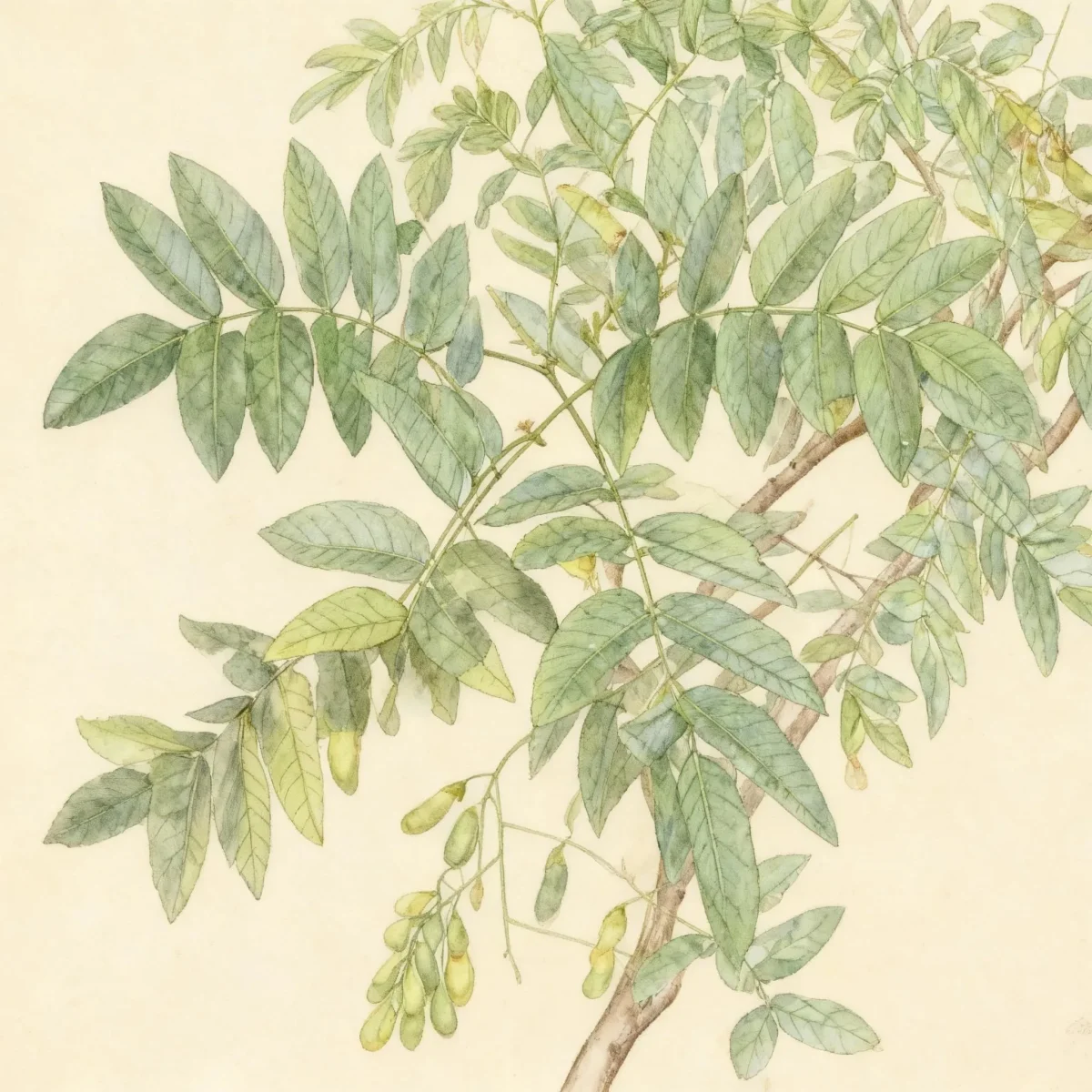
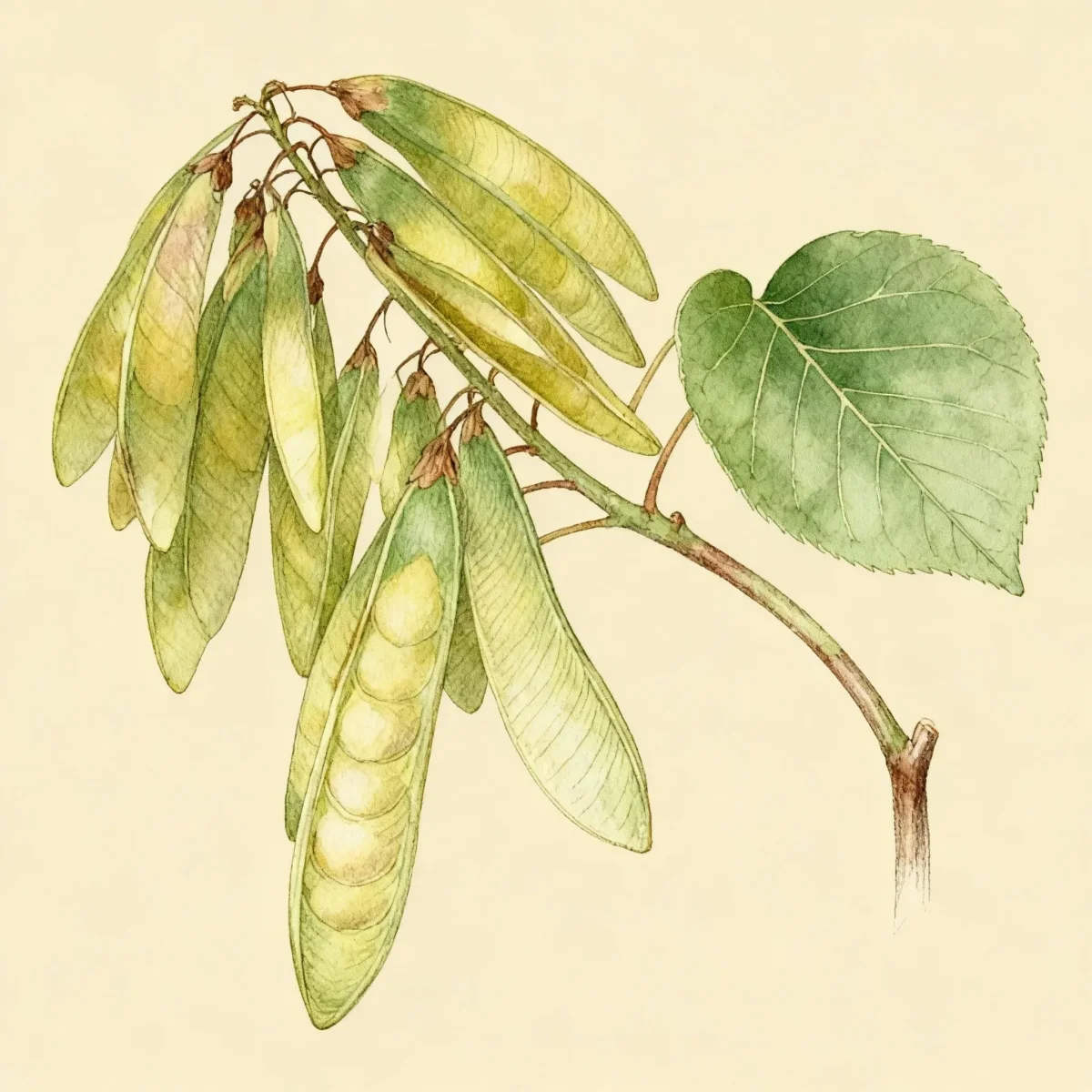
Amur maackia is a small, deciduous tree with a broad, rounded habit, typically growing slowly to moderately to 20-30’ tall in cultivation. It features upright clusters of fragrant, dull white, pea-like flowers appearing in late spring, followed by flat seed pods. The compound dark olive green leaves are attractive in summer but offer no fall color, contrasting nicely with the coppery-bronze bark that exfoliates on mature trees.
Tolerances
Potential Problems
One great strength of planting the Amur Maackia is its general resistance to pests and disease. This species generally suffers from no serious insect or disease problems, meaning that vigilant chemical spraying or monitoring is rarely needed in established landscapes. Proper siting—ensuring well-drained soil and appropriate sunlight—is the best preventative measure against any stress-related issues.
Frequently Asked Questions
What hardiness zones is Maackia suitable for?
The Amur Maackia is a durable tree, suitable for USDA Hardiness Zones 3 through 7.
How large does Maackia amurensis grow?
In cultivation, expect trees to reach heights between 20 to 30 feet, with a comparable spread of 20 to 30 feet, forming a distinct rounded shape.
When does Maackia bloom?
This flowering tree typically blooms in June, producing clusters of dull white flowers that are noted for being fragrant.
What sun exposure does Maackia amurensis need?
For optimal performance, plant Maackia amurensis where it receives full sun, although it tolerates a range extending into part shade conditions.
Conclusion
The Maackia amurensis offers exceptional value to the modern garden, providing superb low-maintenance structure, reliable summer bloom, and beautiful bark texture as it matures. As a highly adaptable member of the Maackia genus, this tree is a fantastic, hardy option for street plantings or small yard focal points. Before installation, always confirm your site’s zone compatibility and plan your pruning strategy for the summer months.
Companion Planting
When designing a site for Amur Maackia, consider companions that thrive in full sun and well-drained soil, mirroring its own cultural needs. Smaller, later-blooming flowering shrubs like certain Viburnum varieties or hardy Cotoneasters work well beneath the canopy, providing mid-to-late season color contrast. Avoid aggressive spreaders that may compete with the relatively slow-growing roots of the Maackia.
For textural balance, integrate groundcovers that tolerate dry shade once the tree is established, such as certain hardy Geraniums or Liriope. Since the Maackia itself offers limited fall interest, pairing it near shrubs or perennials known for excellent autumn foliage—like certain Dogwood or Maple cultivars—will ensure seasonal interest continues long after the pea-like flowers fade.
Seasonal Care Calendar
Spring preparedness for Maackia amurensis involves light cleanup of winter debris and observing the branch tips for early signs of life. As temperatures stabilize, ensure newly planted trees receive consistent water as they break dormancy. Summer is the critical care time: monitor closely for drought stress, and if reshaping or corrective pruning is required, execute cuts immediately after the June flowering period ends.
In the fall, simply allow the tree to transition naturally; there is no need for fertilization. Due to its excellent cold hardiness, winter preparation is minimal for established Maackia. New plantings might benefit from a thick layer of mulch applied after the ground freezes to moderate soil temperatures, protecting the young root system through its first few winters.