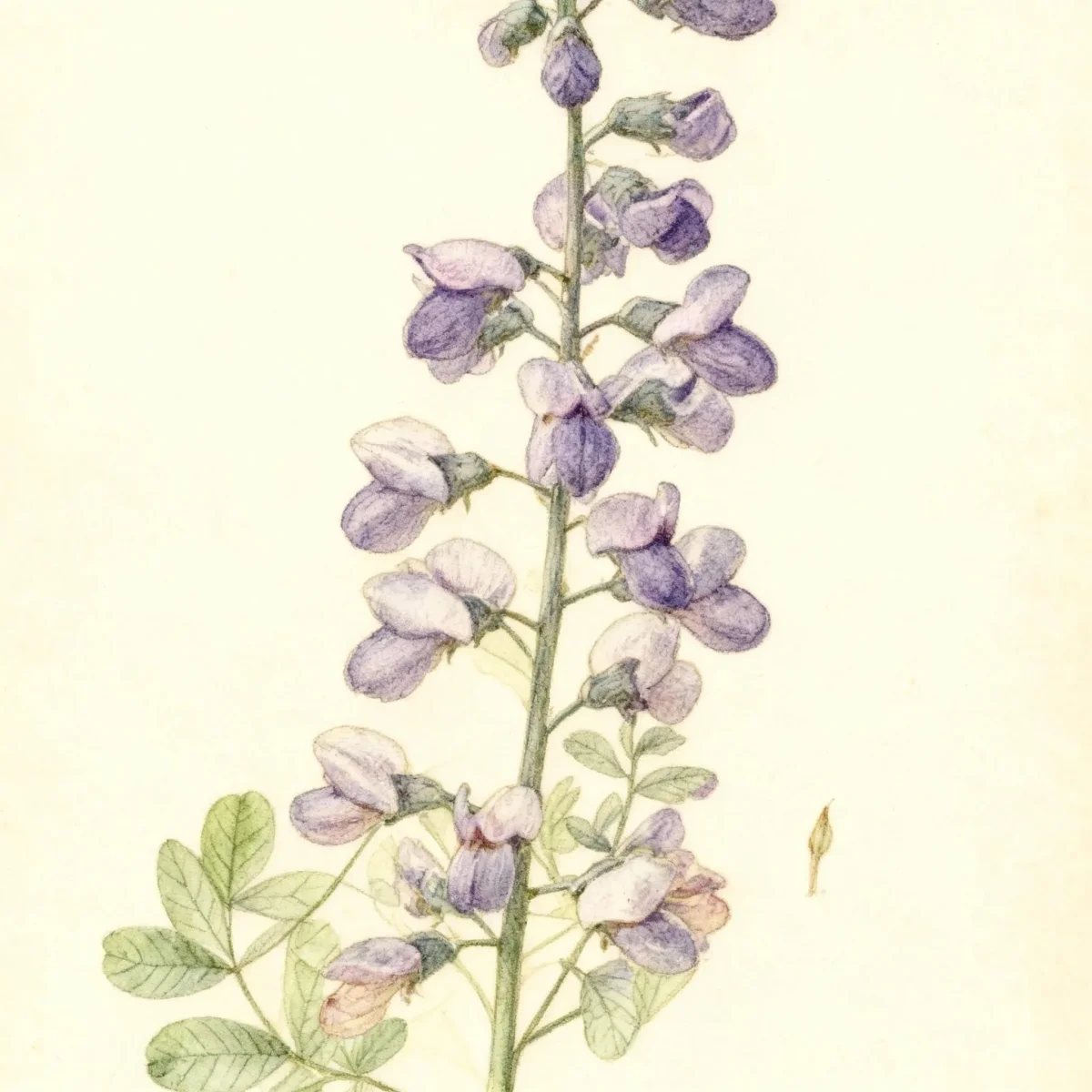
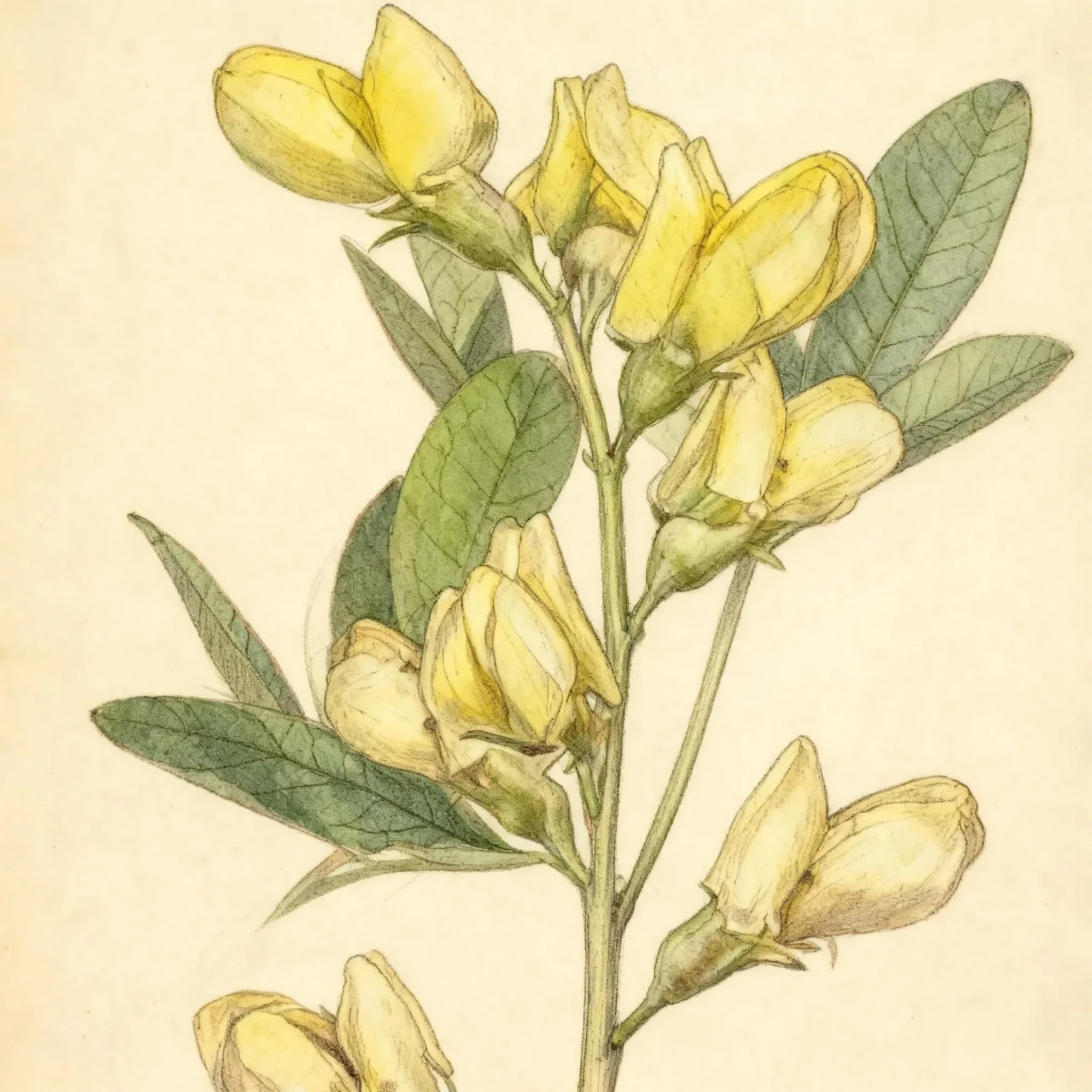
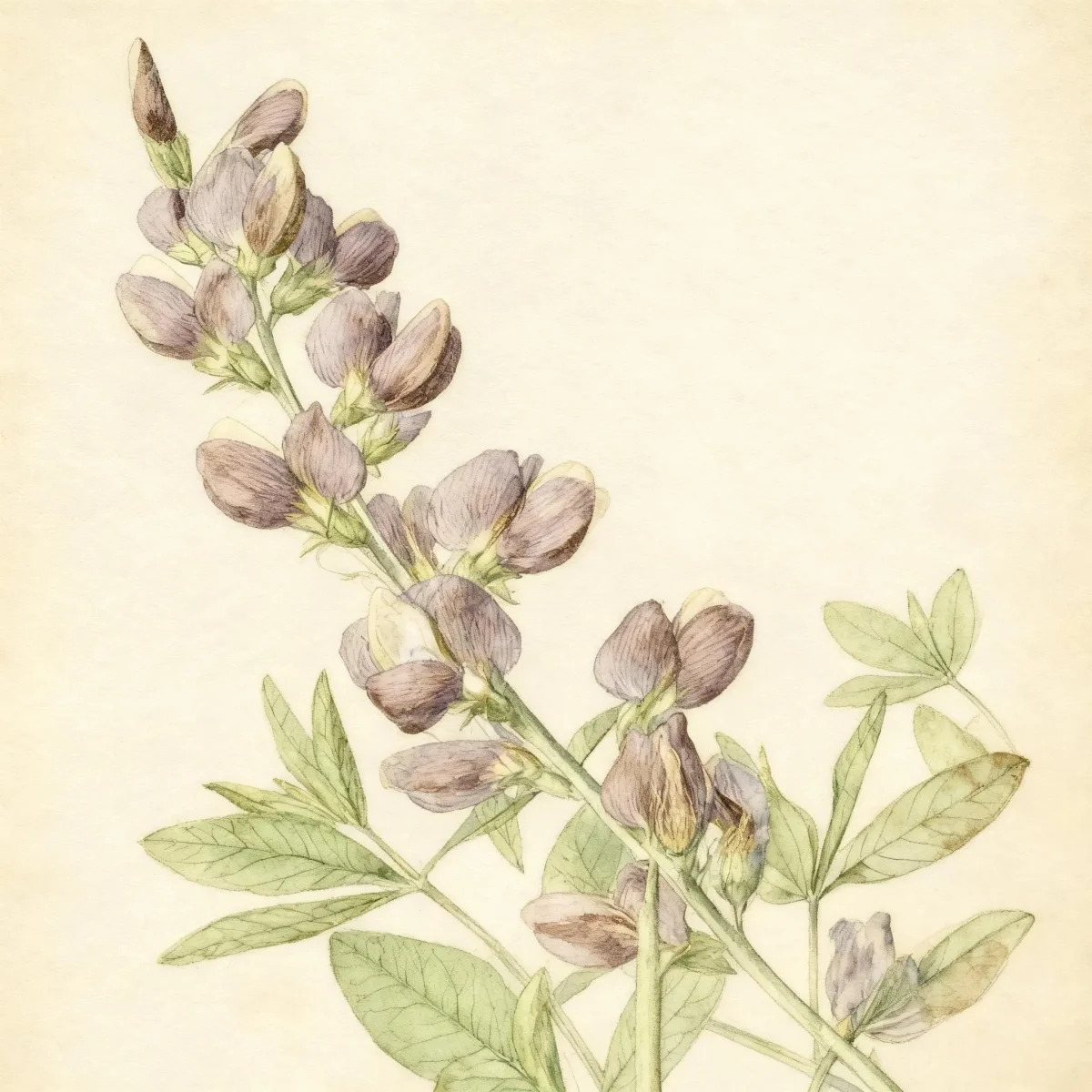
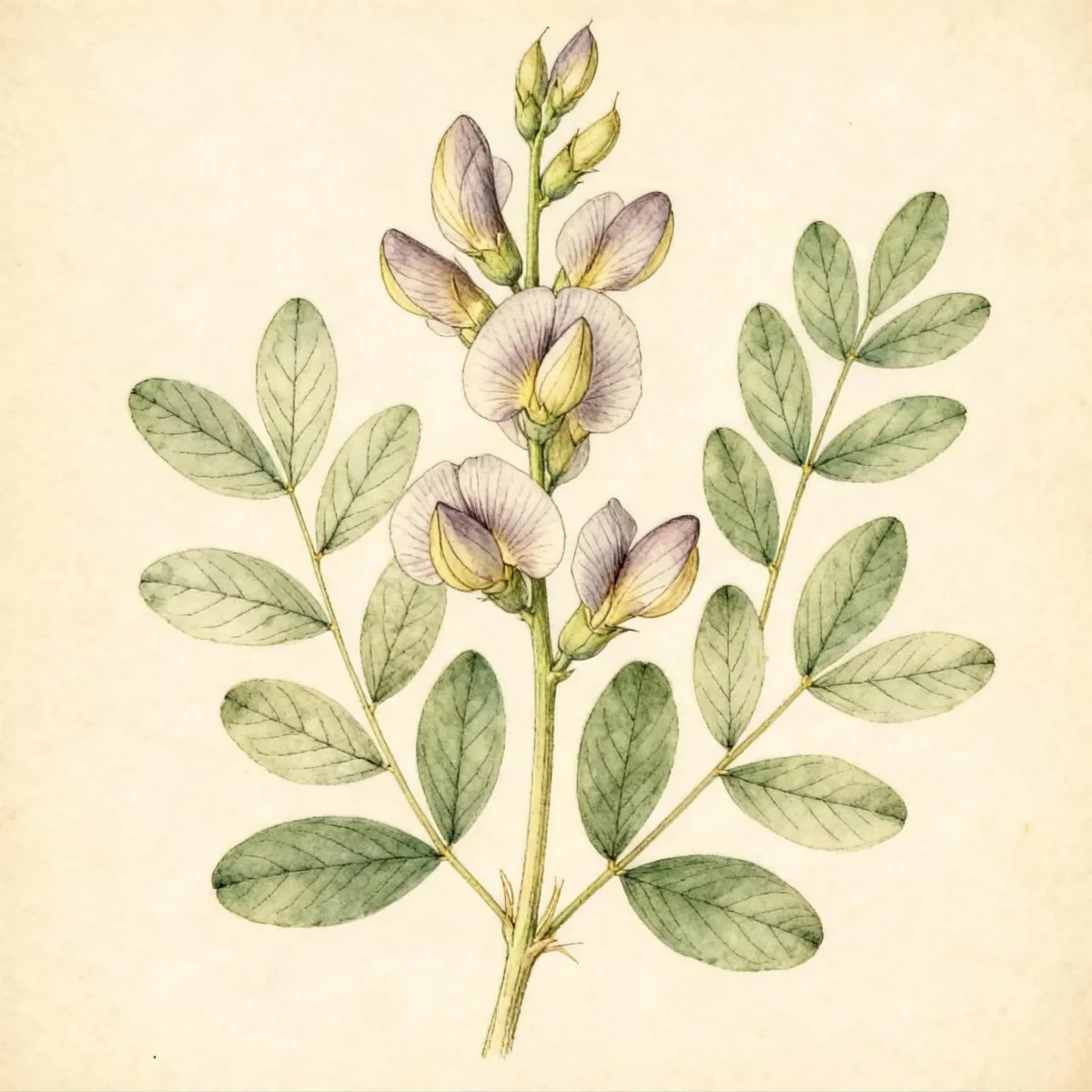
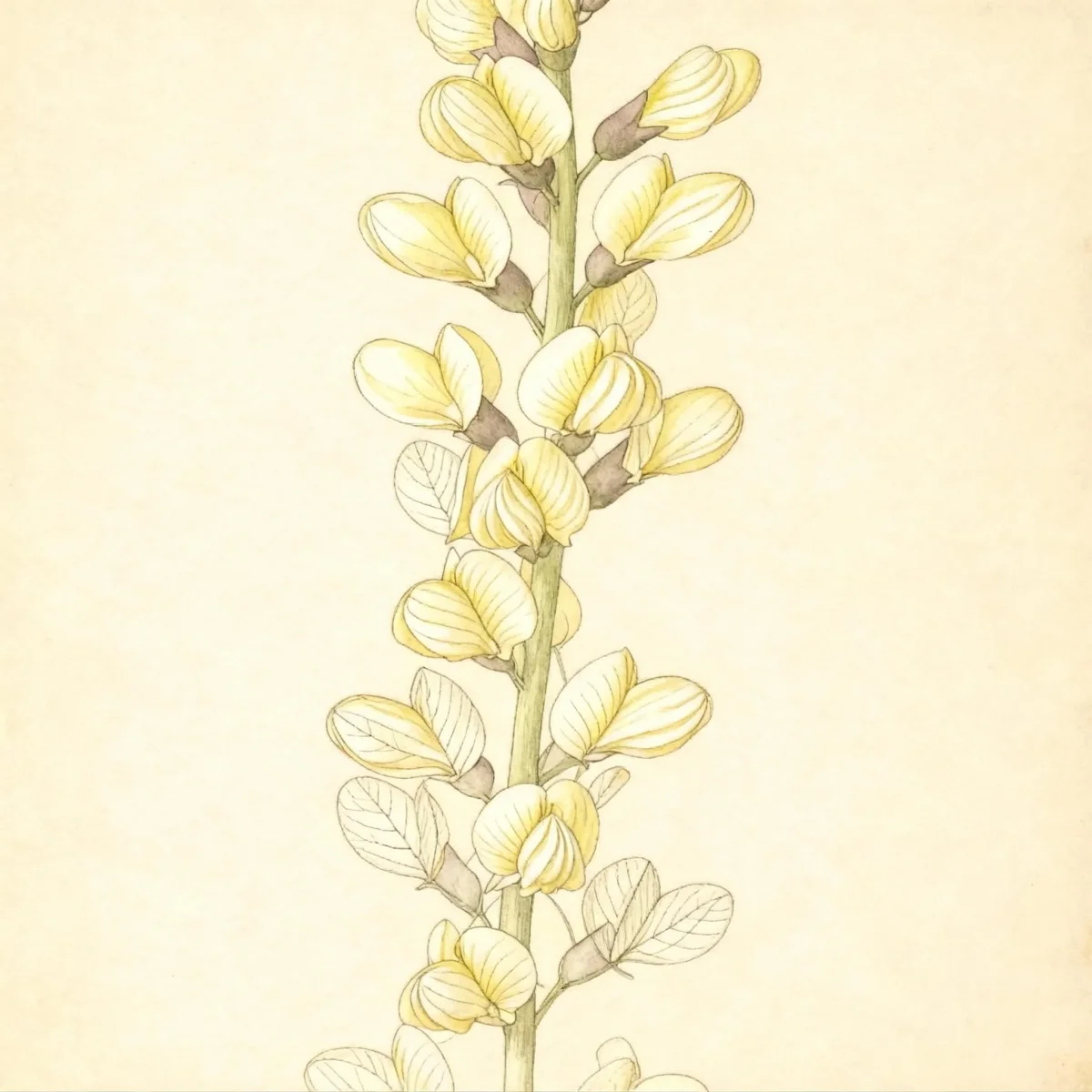
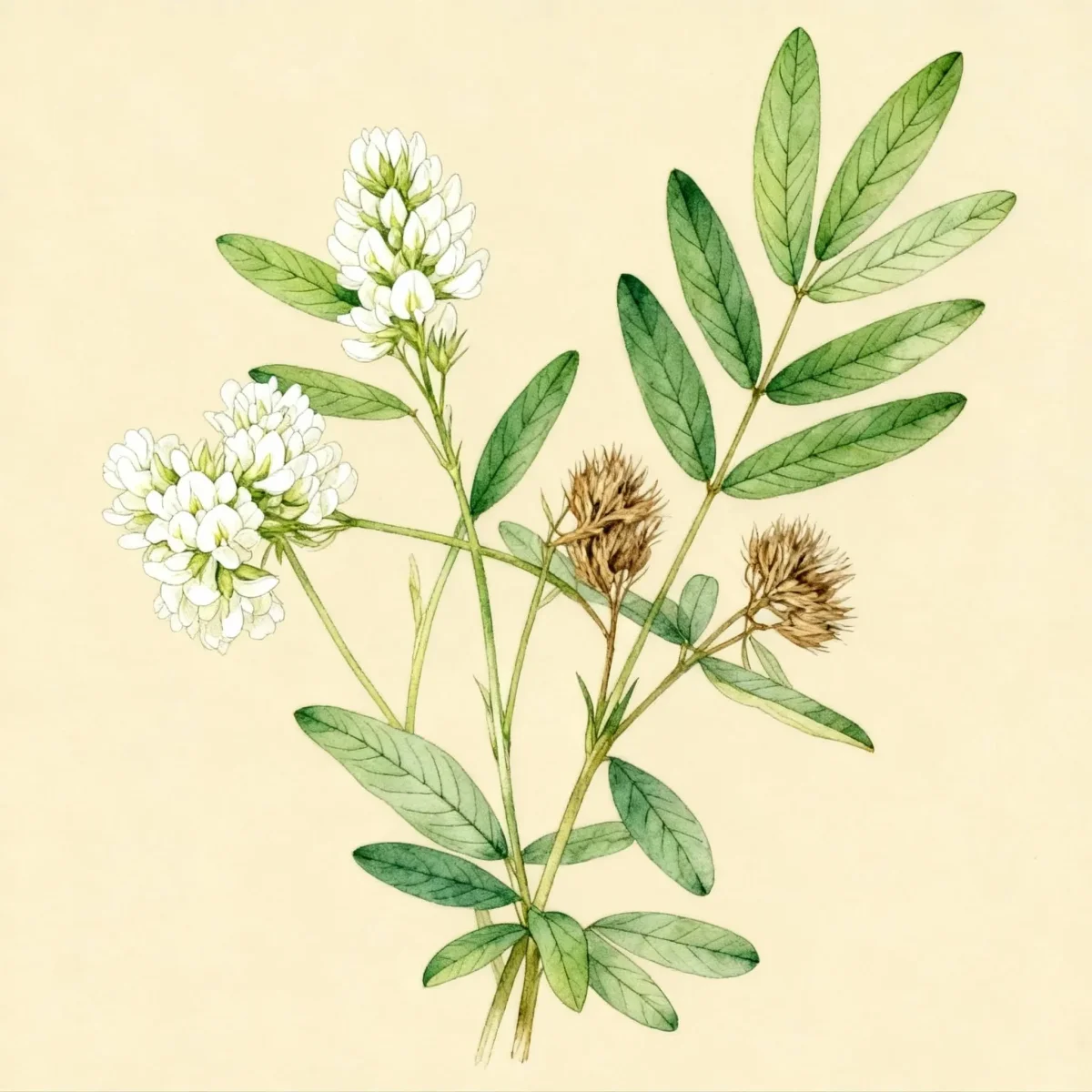
Wild indigo (Baptisia tinctoria)
Cultivate resilient Baptisia tinctoria, Wild indigo, a low-maintenance, drought-tolerant perennial offering bright yellow blooms in late spring.
Scroll down to discover growing tips, care requirements, companion plants, and more
Complete Plant Information
Overview
Baptisia tinctoria, commonly known as Wild indigo, is a valuable, upright perennial native to open woodlands and fields across the Eastern United States. It establishes slowly but develops deep, extensive root systems, lending it excellent drought tolerance once mature. Gardeners appreciate this species for its tough constitution and tidy, shrubby appearance throughout the growing season.
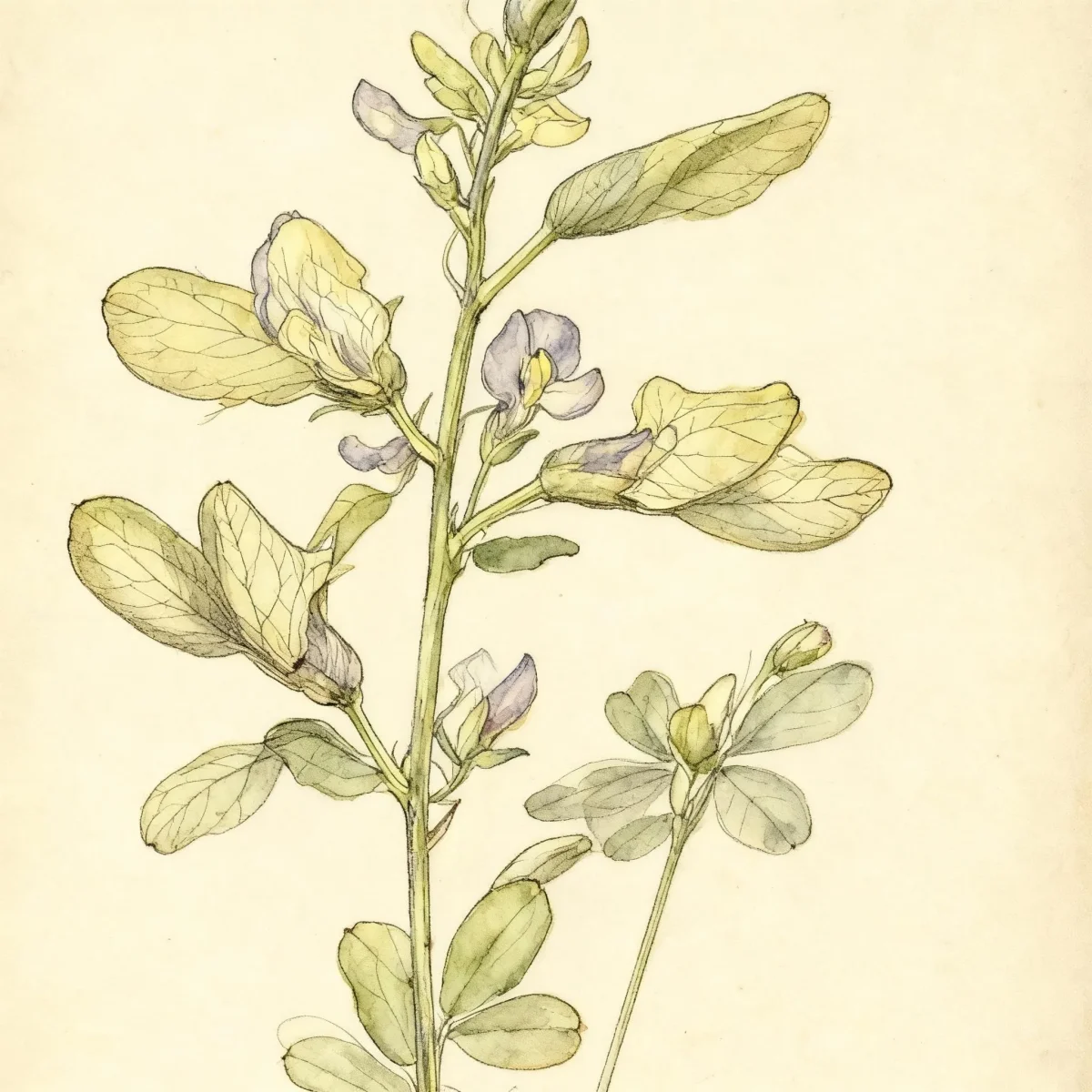
This handsome plant offers striking yellow to cream-colored, pea-like flowers in late spring, rising above a mound of clover-like, gray-green foliage. The genus name, Baptisia, hints at its historical use, as early settlers utilized it as a dye substitute for true indigo. Wild indigo thrives with minimal intervention, rewarding patient gardeners with reliable structure and native beauty.
Because Baptisia tinctoria dislikes being moved, it is best sited where it can mature undisturbed. Its low maintenance profile and adaptability make Baptisia tinctoria an outstanding choice for naturalized meadows or sustainable cottage gardens where long-term performance is key.
Fast Facts
- Plant Family: Fabaceae
- Plant Type: Herbaceous perennial
- Native Range: Eastern United States
- Hardiness Zones: USDA Zones 3-9
- Size at Maturity:
- Height: 2-3 ft
- Spread: 2-3 ft
- Bloom Time: May to June
- Bloom Description: Yellow to cream colored
- Sun Exposure: Full sun to part shade
- Water Needs: Dry to medium
- Maintenance Level: Low
How to Grow
Planting Wild indigo should occur when young, ideally in spring or fall, into a location that receives full sun for the best habit, though it tolerates light afternoon shade. This species prefers average soils that are dry to medium in moisture, provided they are well-drained. Avoid rich, overly moist conditions. Once established, this plant develops substantial anchoring roots, making relocation problematic; choose its final spot carefully.
Care for established Baptisia tinctoria is extremely simple due to its low maintenance nature and drought tolerance. Fertilization is rarely needed, especially if grown in native or poor soil settings. Watering should be limited to confirming establishment during the first year or during severe, prolonged dry spells thereafter.
After the bloom period concludes in early summer, the plant may begin to look slightly untidy or open up. A light trimming or shearing of the foliage immediately following flowering encourages a more compact, rounded appearance for the rest of the season. However, this practice removes the developing seed pods, which some gardeners enjoy for their ornamental rattle in the fall.
Standout Features
Flower Qualities
- Showy
Noteworthy Characteristics
Baptisia tinctoria commonly called wild indigo or yellow wild indigo, is an upright, smooth, shrubby perennial which typically grows 2-3’ tall and occurs in open woods and fields from Maine to Florida and west to Minnesota. It features small, bright yellow to cream, pea-like flowers (to 1/2” long) in numerous, sparsely-flowered clusters (terminal racemes to 4-5”) on stems extending above a foliage mound of stalkless, clover-like, trifoliate, gray-green leaves (leaflets to 1” long). Blooms in late spring to early summer. Flowers give way to small inflated seed pods which turn black when ripe and have some ornamental interest. Seeds rattle around in the pods when ripe, thus giving rise to the sometimes common name of rattleweed for this species. Used by early Americans as a substitute, albeit an inferior one, for true indigo (genus Indigofera) in making dyes. The genus name Baptisia comes from the Greek word bapto meaning “to dye”. Specific epithet comes from the Latin word for dye.
Tolerances
- Drought
- Erosion
- Dry Soil
Landscape Uses
The rugged constitution of Baptisia tinctoria makes it perfectly suited for naturalized settings, prairies, and expansive meadow plantings where competition is high, and interference is low. It works beautifully as a self-sustaining anchor or specimen plant. While it can be used in borders—especially cottage gardens featuring low-maintenance flora—its smaller flowers do not offer the same substantial impact as some hybrid Baptisias.
Consider integrating Wild indigo within native plant gardens alongside other robust perennials that share similar dry, full-sun requirements. Due to its emerging slow growth habits, ensure the area around young plants is kept weed-free to reduce competition during establishment. Once thriving, its deep root structure helps stabilize soil on slopes.
Design masses of Baptisia tinctoria to provide late-spring color graduation against taller background plants. Because it tends to open up late in the season, placing a supporting structural plant nearby, such as ornamental grasses, can maintain visual interest if you choose to shear the foliage after flowering.
Potential Problems
Baptisia tinctoria is notable for having virtually no serious insect or disease problems under routine garden conditions. This pest resistance is a significant advantage for low-input gardening. Deer and rabbits typically avoid browsing the foliage, likely due to the plant’s slightly bitter compounds.
The primary cultural concern involves its sensitivity to juglone. Gardeners must be aware of nearby black walnut trees (Juglans nigra); planting Baptisia tinctoria too closely to these trees often results in poor performance, stunted growth, or even death of the indigo. Ensure adequate separation if black walnuts are present on the property.
Remember that establishing this perennial takes patience; it is slow to germinate from seed and slow to establish its mature root system. Avoid amending the soil too heavily or disturbing the root zone once the plant is settled, as Baptisia tinctoria prefers to be left alone.
Frequently Asked Questions
What hardiness zones is Wild indigo suitable for?
Baptisia tinctoria is hardy across USDA Zones 3 through 9, providing broad adaptability across diverse climates.
How large does Wild indigo grow?
This plant typically reaches a height between 2 to 3 feet tall, with a commensurate spread of 2 to 3 feet at maturity.
When does Wild indigo bloom?
Wild indigo produces its signature yellow to cream-colored flowers across a two-month window, usually spanning from May into June.
What sun exposure does Baptisia tinctoria need?
This durable perennial performs best when situated in full sun but is adaptable enough to sustain growth in locations receiving part shade.
Conclusion
Baptisia tinctoria offers enduring garden value through its drought tolerance, robust health, and beautiful late-spring floral display. Integrating Wild indigo into your landscape design leverages a native species that requires minimal intervention once established. Before planting, confirm your site offers well-drained soil and adequate sunlight, ensuring this long-lived perennial thrives for decades to come.
Companion Planting
When selecting companions for Baptisia tinctoria, focus on plants that tolerate dryness and full sun exposure once established. Good partners include Purple Coneflower (Echinacea purpurea), which blooms slightly later, extending the color display in the meadow setting. Also consider Prairie Dropseed (Sporobolus heterolepis) for contrasting fine texture, or other robust, sun-loving salvias.
Because Baptisia tinctoria develops an open habit after flowering, pairing it with mid-to-late season bloomers that offer strong vertical structure, like various Liatris species, helps mask any bareness at the base of the indigo. Avoid moisture-loving plants, as Baptisia tinctoria despises wet feet, especially in winter.
Wildlife Benefits
As a native legume, Baptisia tinctoria serves as an important host plant for various butterfly species, most notably the wild indigo duskywing butterfly. Including this plant directly supports localized insect biodiversity within your garden ecosystem.
The flowers are visited by various early-season native bees seeking pollen and nectar before many other midsummer bloomers emerge. Furthermore, the persistent seed pods, which rattle when dry, offer textural interest late into the season and can provide minor foraging opportunities for birds toward fall.