Tree bean (Parkia timoriana)
The Tree bean, Parkia timoriana, is a massive shade tree from India known for showy flowers and edible pods.
Scroll down to discover growing tips, care requirements, companion plants, and more
Complete Plant Information
Overview
The Tree bean, botanically known as Parkia timoriana, is a magnificent and imposing addition to any expansive tropical landscape. Valued primarily as a large, semi-deciduous canopy provider, this tree offers substantial shade beneath its broad, spreading crown. Its distinctive visual appeal is enhanced by its unique, pendulous flower clusters, which provide seasonal interest in warmer climates.
Native to the lowland, tropical forests of Northeast India, Parkia timoriana thrives where consistent warmth prevails. It matures into a very large specimen, reliably reaching heights between 70 and 100 feet, demanding significant space to fully develop its stature. Beyond its aesthetics, the Tree bean offers practical benefits, including edible young pods and seeds, making it functional as well as ornamental in home gardens.
Gardeners seeking a truly monumental specimen that requires relatively low upkeep once established will find Parkia timoriana a rewarding choice, provided their climate matches its tropical requirements. Its feathery foliage and showy spring blooms contribute significantly to the tropical garden aesthetic.
Fast Facts
- Plant Family: Fabaceae
- Plant Type: Tree
- Native Range: Northeastern India
- Hardiness Zones: USDA Zones 12-12
- Size at Maturity:
- Height: 70-100 ft
- Spread: 70-100 ft
- Bloom Time: February to April
- Bloom Description: Clusters of white and yellow florets
- Sun Exposure: Full sun
- Water Needs: Medium
- Maintenance Level: Low
How to Grow
For successful establishment, Parkia timoriana requires planting in full sun conditions, essential for powering its massive growth habit. The ideal medium is loamy, well-draining soil that is kept consistently moist and slightly acidic. Propagation is typically achieved through seed.
To ensure high germination rates when starting seeds for your Tree bean, proper preparation is key. Gardeners must scarify the hard seeds before soaking them in water for a period of 12 to 24 hours prior to planting. Because this species is only hardy in tropical climates, specifically USDA Zone 12 and above, planting should occur only where frost is never a threat.
Once established, care for the Tree bean is generally low maintenance. Water needs are described as medium; ensure the soil remains evenly moist, especially during dry spells, but avoid waterlogged conditions which are detrimental to root health. Mature trees generally require little to no pruning, focusing maintenance efforts primarily on initial establishment.
Landscape Uses
The primary recommendation for Parkia timoriana is as a magnificent shade tree. Given its potential size, reaching 100 feet tall with a similar spread, it excels in large properties where it can dominate an area as a specimen tree. Its broad canopy makes it an excellent choice for cooling expansive areas of a home garden or supporting tropical agriculture, historically being commonly planted in coffee plantations.
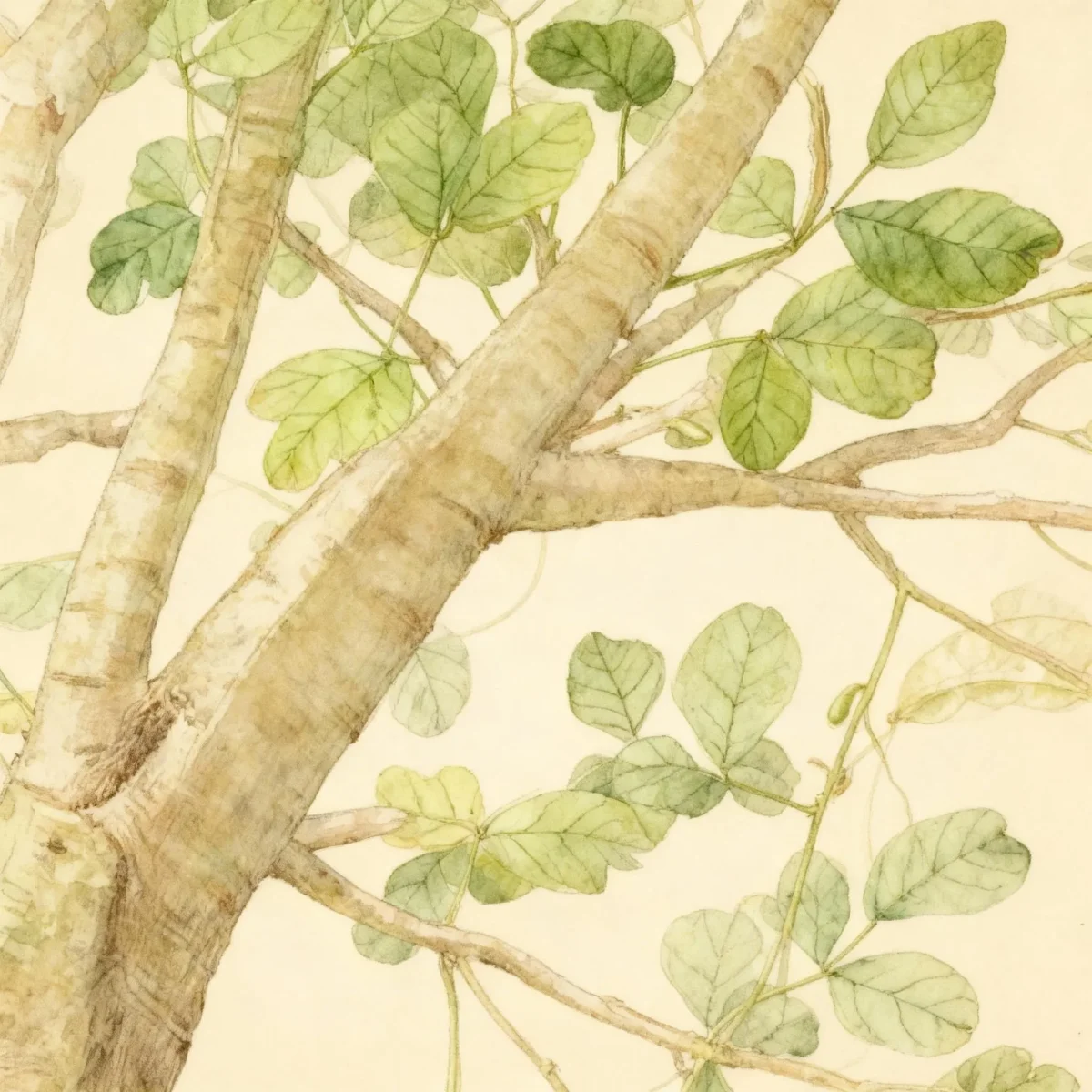
Due to the massive scale of the Tree bean, it should be sited carefully away from structures, driveways, and utility lines. While it is too large for small yards or foundation plantings, it anchors large park-like settings beautifully. Its semi-deciduous nature means it sheds leaves briefly during the dry season, offering a temporary shift in light beneath its canopy before the fresh bipinnately compound foliage returns.
Standout Features
Flower Qualities
- Showy
- Fragrant
Fruit Qualities
- Showy
- Edible
Noteworthy Characteristics
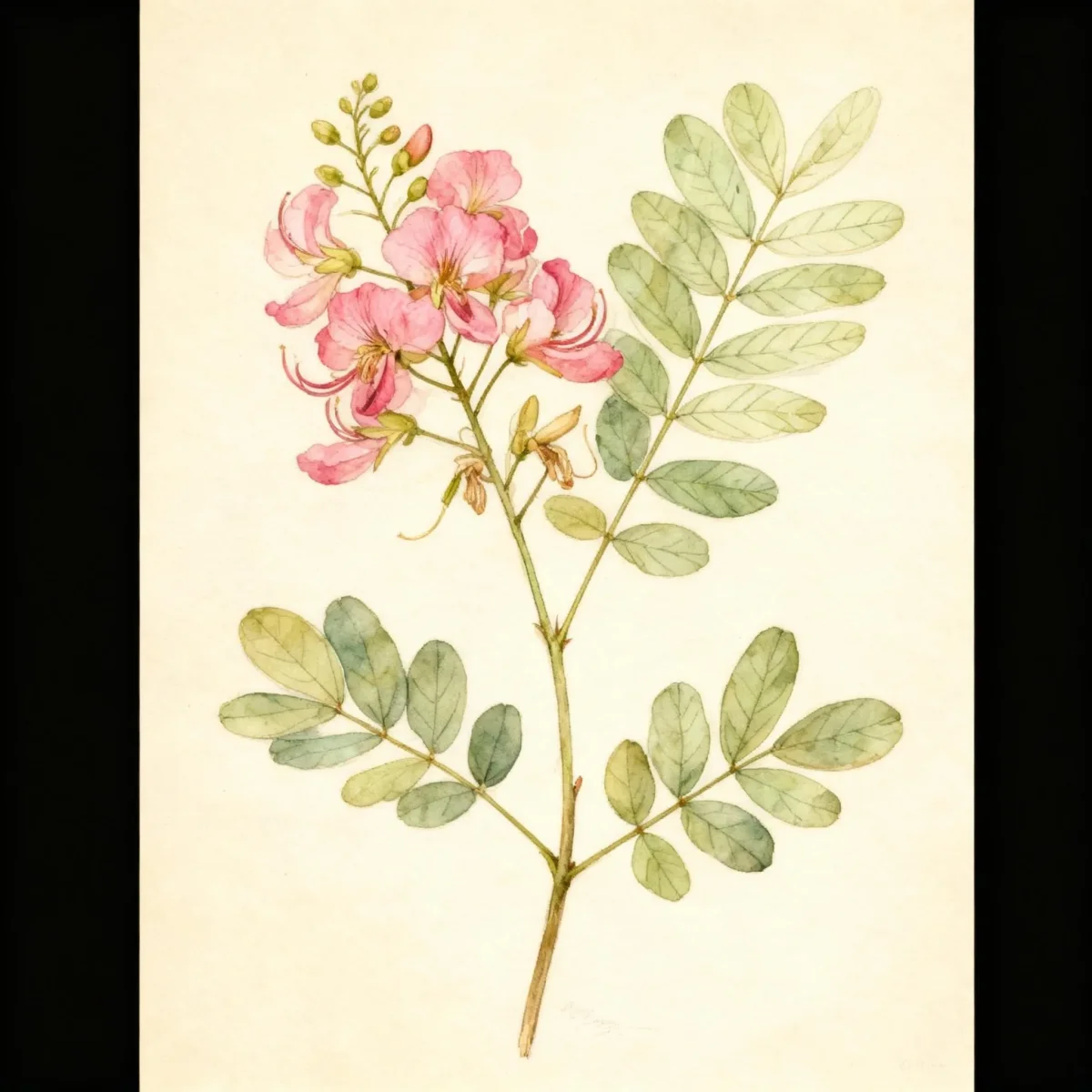
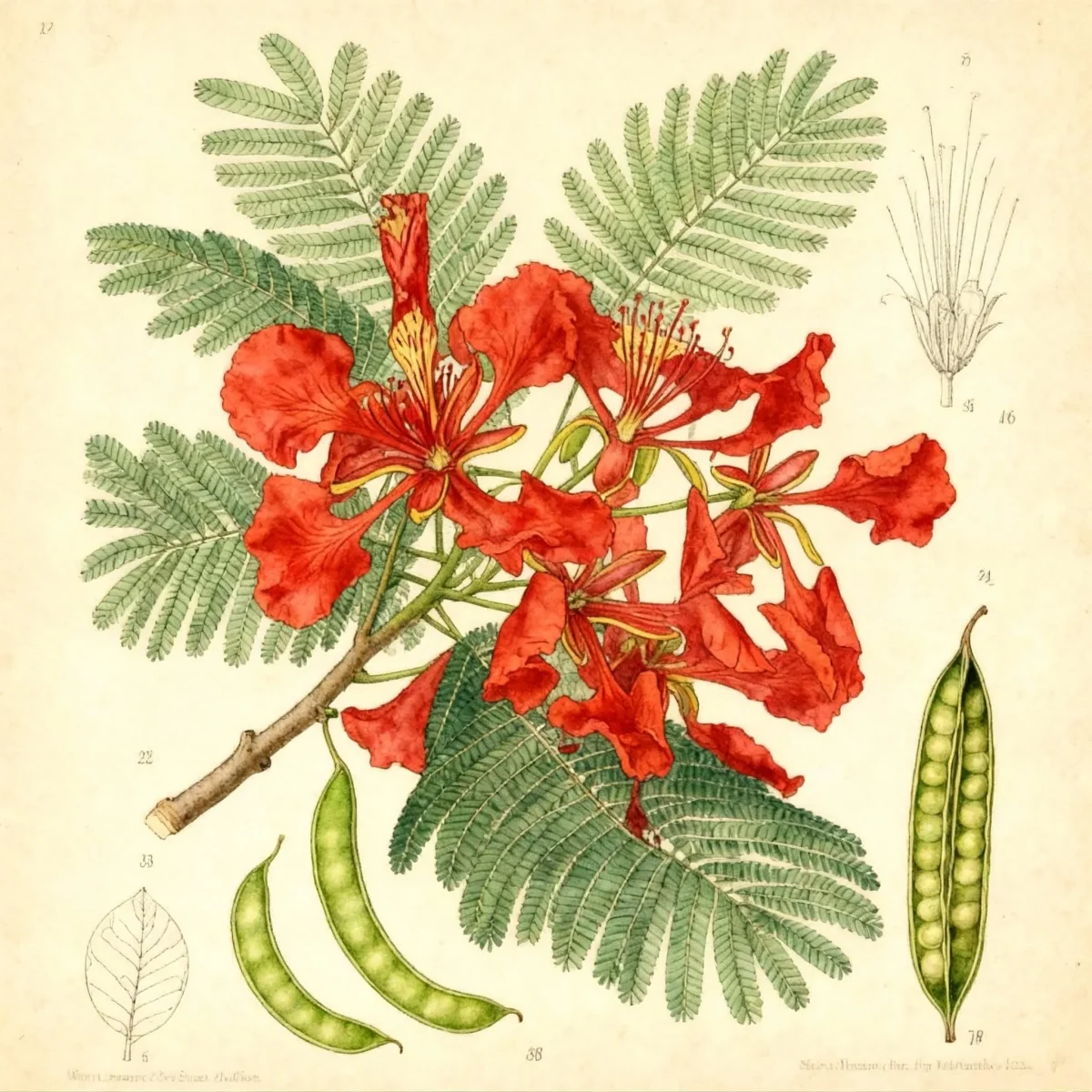
Parkia timoriana, commonly called Tree bean, is a large, semi-deciduous tree native to lowland, tropical forests in Southeast Asia and northeast India. Common in cultivation and often found as a shade tree in home gardens, mature trees will reach up to 100’ tall with a broad, spreading canopy of similar width. The flowers bloom in spring, appearing as pear-shaped, pendant clusters of tiny white and yellow florets hanging on sturdy stalks, followed by linear seedpods that mature to a glossy black. The young, tender pods and seeds of the Tree bean can be cooked and eaten by the gardener.
Tolerances
- Drought
Potential Problems
The main documented pest concern for Parkia timoriana involves the larva of the almond moth, Cadra cautella. These larvae feed readily upon the valuable seeds and the delicate inflorescences (flowers) of the Tree bean. For commercial or dedicated home growers, monitoring the flower clusters as they develop is crucial, and prompt treatment with appropriate biological or targeted controls may be necessary to protect the crop of developing pods and flowers.
Frequently Asked Questions
What hardiness zones is Tree bean suitable for?
The Tree bean (Parkia timoriana) is strictly hardy in USDA Zones 12 through 12, requiring year-round tropical conditions.
How large does Parkia timoriana grow?
This tree is an imposing specimen, reaching mature heights between 70 and 100 feet, with a similar spread of 70 to 100 feet wide.
When does Tree bean bloom?
Parkia timoriana typically produces its showy flower clusters between February and April.
What sun exposure does Parkia timoriana need?
This large tropical tree requires full sun exposure to thrive and produce its best growth and blooms.
Conclusion
The Tree bean (Parkia timoriana) stands out as a majestic, low-maintenance shade provider for the deepest tropical zones. Its combination of large stature, fragrant spring blossoms, and edible fruit makes the Tree bean highly versatile. Always confirm that your local climate meets the strict Zone 12 requirement before planning to plant this impressive specimen.
Companion Planting
When establishing Parkia timoriana, selecting appropriate companions is crucial given its massive size and full sun needs. Since it is often used in agricultural settings, consider planting lower-growing tropical understory crops that benefit from afternoon shade once the canopy develops, such as ginger, turmeric, or certain shade-tolerant tropical herbs. Ensure that any companion planting does not compete excessively with the base of the tree, as even moisture is required near the root zone.
Propagation Tips
Propagating Parkia timoriana should almost always be done via seed, as vegetative propagation is generally complex for large trees of this family. Successful germination hinges on pre-treating the seeds properly to break dormancy. Scarification—physically damaging the hard seed coat—is necessary, followed by an extended soaking period of 12 to 24 hours in plain water before sowing into well-draining, slightly acidic soil mix.