Maackia (Maackia chinensis)
Discover Maackia chinensis, the Chinese maackia, a low-maintenance tree offering white spring flowers and exfoliating bark.
Scroll down to discover growing tips, care requirements, companion plants, and more
Complete Plant Information
Overview
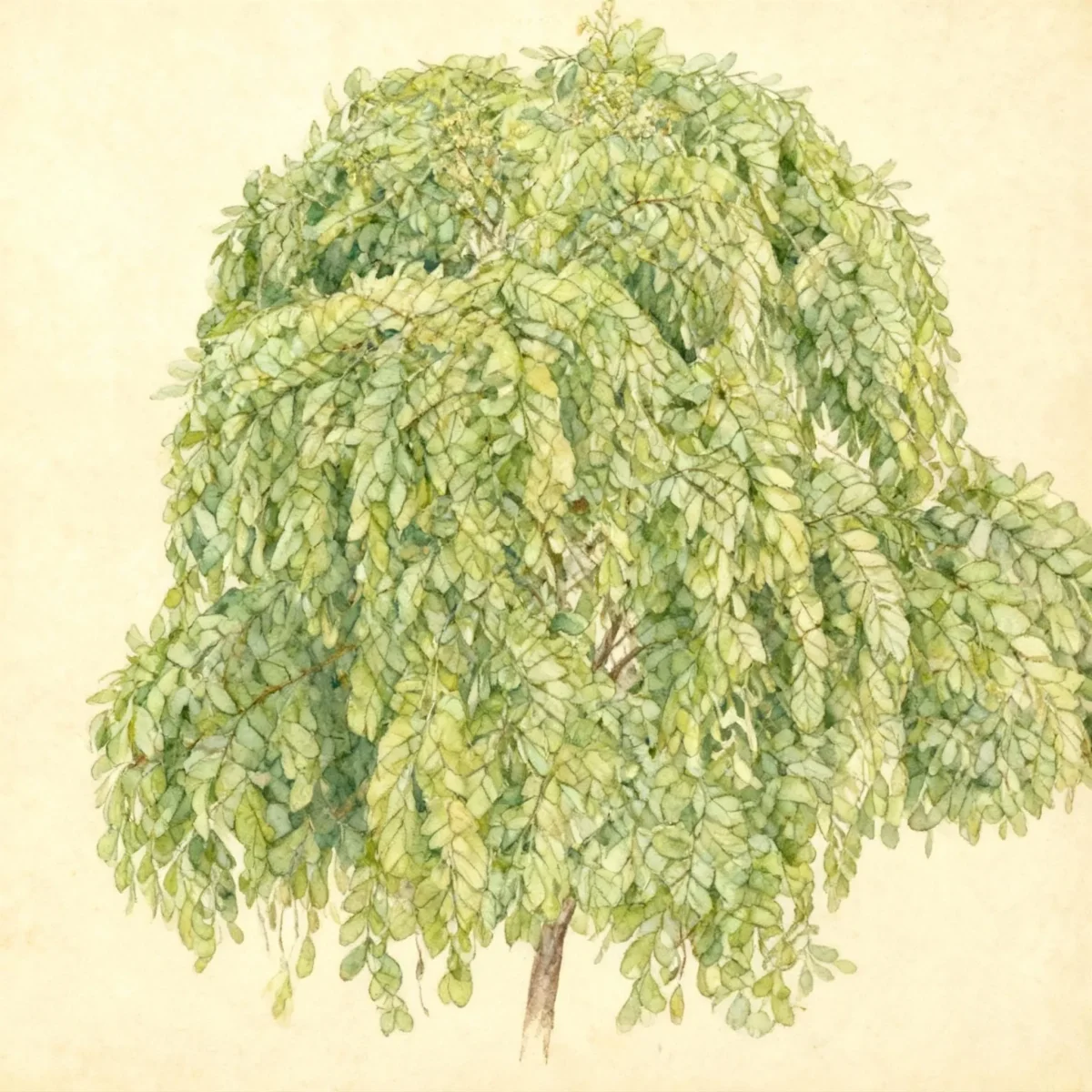
The Maackia chinensis, or Chinese maackia, is a highly adaptable and low-maintenance deciduous tree prized for its structural interest throughout the year. Gardeners value this species for its tidy, rounded habit, which offers moderate summer shade without becoming overwhelmingly large. It serves as an excellent specimen plant in smaller landscapes or as a durable street tree.
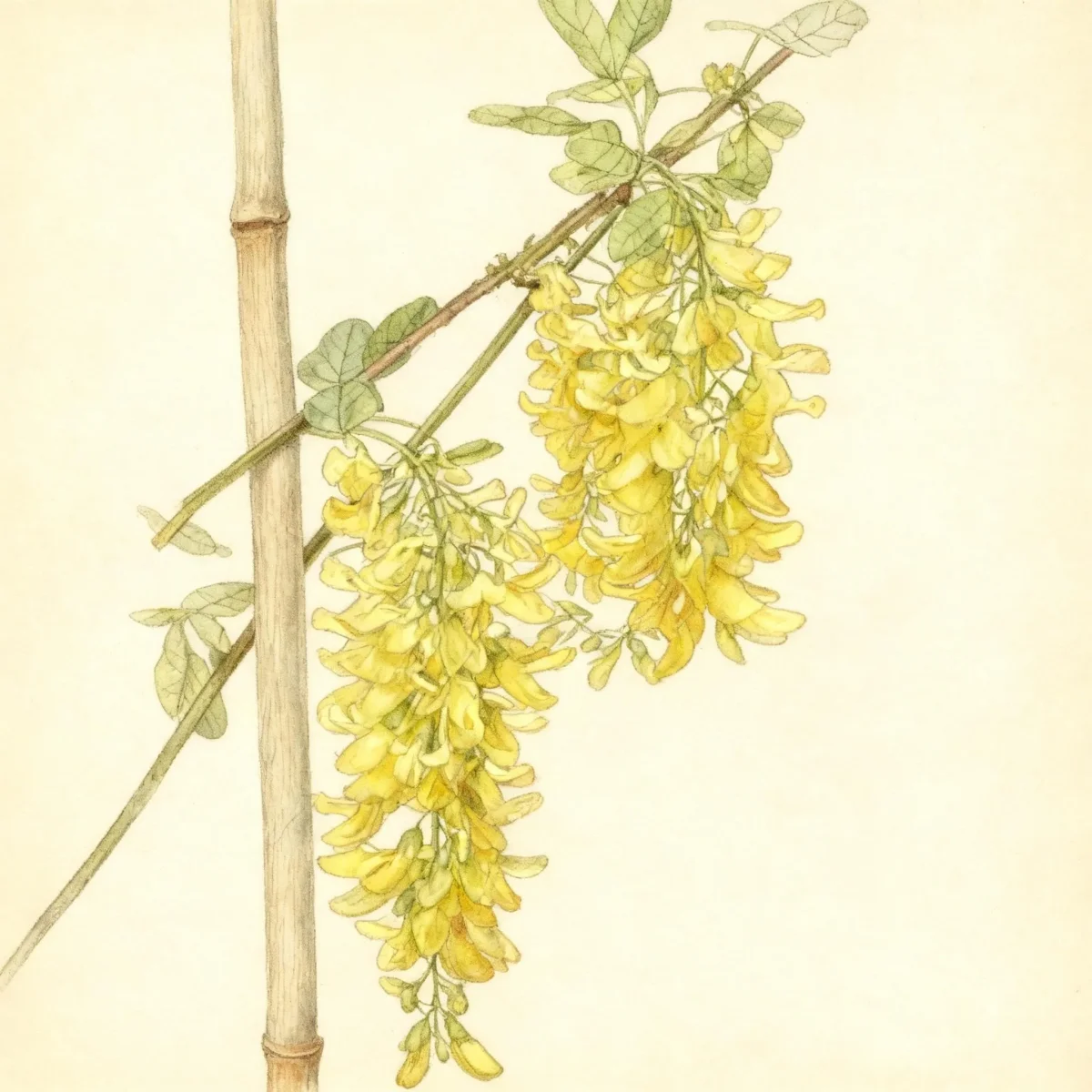
Distinguished by dense clusters of fragrant, pea-like white flowers appearing in late spring to early summer, Maackia chinensis provides reliable seasonal color. Furthermore, mature specimens reveal attractive, exfoliating coppery-brown bark, adding textural contrast during the dormant months. This relative of the Yellowwood tree offers significant aesthetic returns for minimal landscape effort.
Cultivation of Maackia is quite straightforward, as it thrives in average soils provided they are well-drained. Its ability to handle urban conditions makes the Chinese maackia a practical choice where many ornamental trees struggle. Few serious pest issues plague this sturdy tree, solidifying its reputation as a reliable performer.
Fast Facts
- Plant Family: Fabaceae
- Plant Type: Tree
- Native Range: Central and western China
- Hardiness Zones: USDA Zones 5-7
- Size at Maturity:
- Height: 20-30 ft
- Spread: 25-35 ft
- Bloom Time: June to July
- Bloom Description: White
- Sun Exposure: Full sun to part shade
- Water Needs: Medium
- Maintenance Level: Low
How to Grow
Planting the Maackia chinensis is best done in the spring or fall when conditions are cooler, allowing the root system to establish before periods of high summer heat. This tree adapts to a wide variety of soil conditions, but success is maximized in average, medium-moisture, well-drained soils. While it accepts part shade, this Chinese maackia prefers full sun exposure to ensure optimal flowering and dense canopy development.
Watering should be consistent, particularly during the first few growing seasons, to establish deep roots. Once mature, this Maackia exhibits medium water needs and can tolerate short dry spells, though regular deep watering during extreme drought improves vigor. Fertilizer is rarely necessary; excessive feeding can lead to soft, weak growth unsuited for windy locations.
Pruning requirements are minimal for the Chinese maackia. Focus on removing any broken or crossing branches immediately. Avoid heavy pruning, as this species does not vigorously respond to severe shaping. In spring, inspect for any dead wood and clean up the elliptical seed pods near the base of the tree if a formal appearance is desired.
Landscape Uses
The versatile size and adaptable nature of this Maackia tree make it suitable for diverse landscape roles. Its mature spread suggests it functions excellently as a small shade tree, providing dappled cover over patios or walkways without overwhelming structures. Furthermore, its tolerance for tougher environments means it excels as a street tree, adding vertical interest to commercial or suburban avenues.
As a flowering tree, the Maackia chinensis works well when positioned where its late-spring bloom scent can be appreciated, such as near entryways or seating areas. Consider pairing it with lower-growing, complementary textures, such as hostas or ferns underneath its canopy where dappled shade prevails. Use its attractive peeling bark as a focal point during winter landscape design.
Standout Features
Flower Qualities
- Showy
- Fragrant
Noteworthy Characteristics
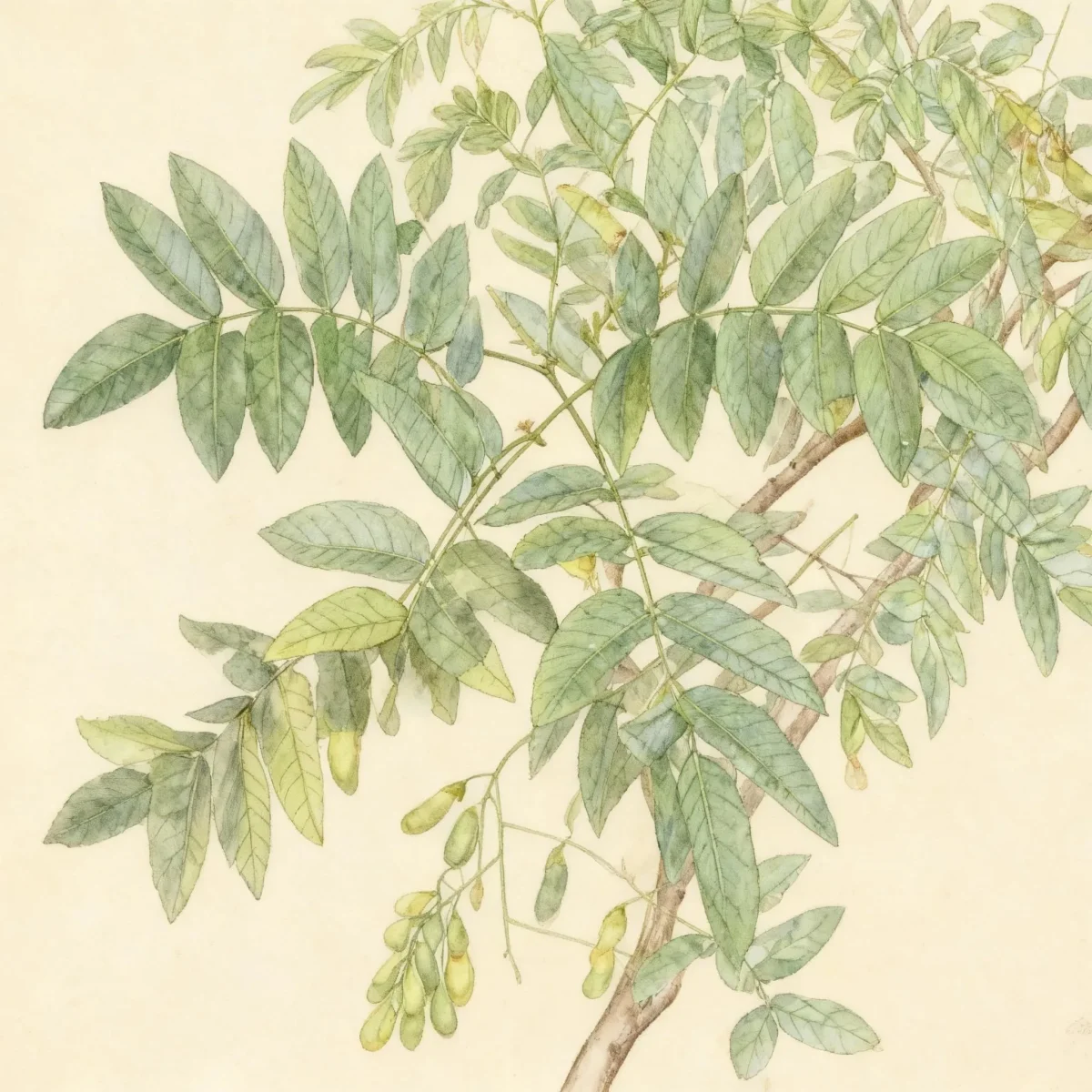
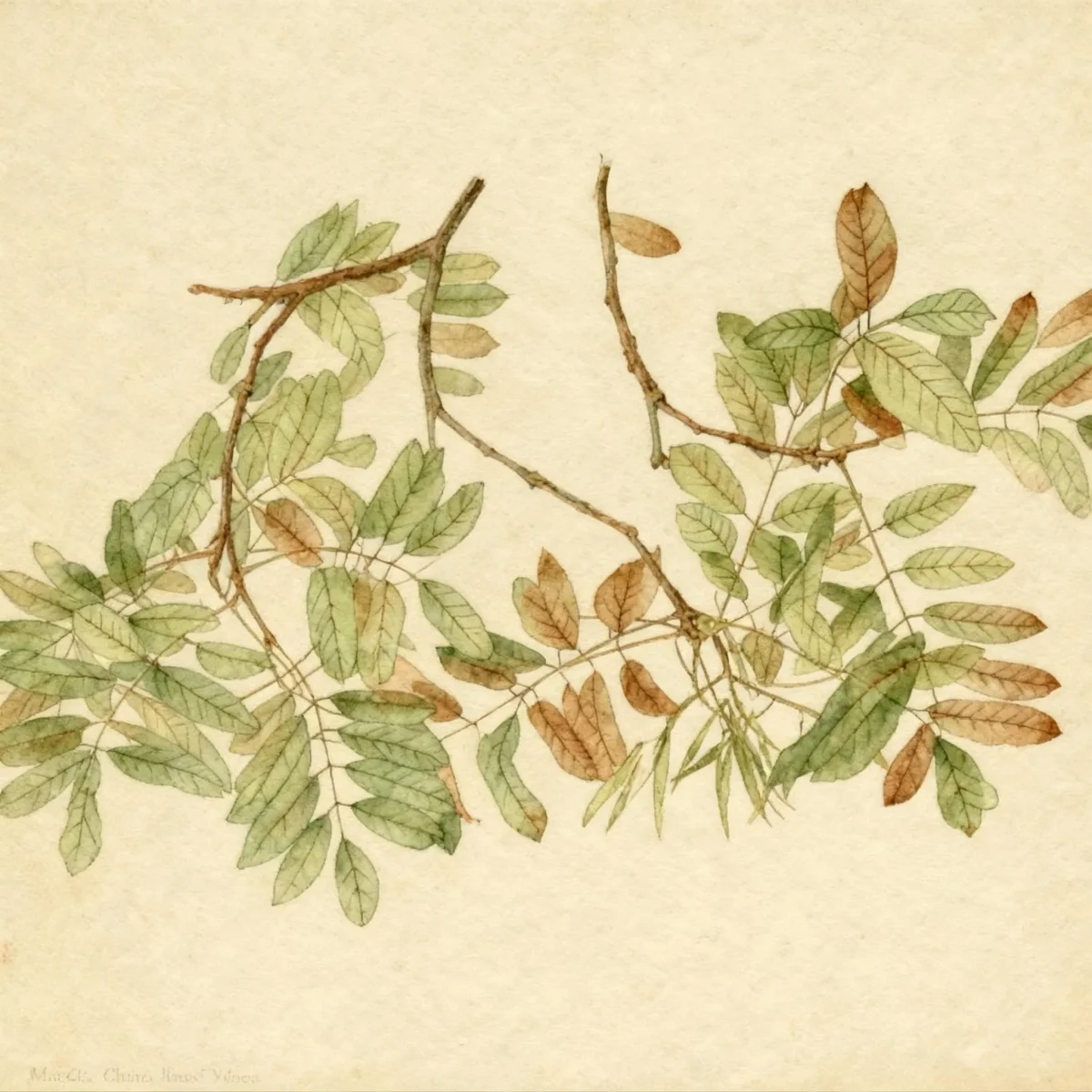
Maackia chinensis, commonly called Chinese maackia, is a small, rounded, shrubby, deciduous tree that typically grows in cultivation to 20-30’ tall. Erect, spike-like clusters (4-6” long) of fragrant, dull white, pea-like flowers bloom in late spring, followed by elliptic seed pods. The compound, odd-pinnate, dark green leaves are attractive in summer but produce no fall color, emerging silvery gray-green in spring, while the coppery-brown bark exfoliates on mature trees.
Tolerances
Potential Problems
Gardeners will appreciate that the Maackia chinensis generally suffers from no serious insect or disease problems, contributing significantly to its low maintenance rating. This resistance makes it an excellent alternative to more pest-prone ornamental trees. Should minor leaf discoloration occur (usually related to soil stress), environmental adjustments, rather than chemical treatments, are typically the best management strategy.
Frequently Asked Questions
What hardiness zones is Maackia suitable for?
The Maackia chinensis is reliably hardy in USDA Zones 5 through 7. Ensure your planting location falls within this range for best long-term health.
How large does Maackia chinensis grow?
This species typically matures at a height between 20 and 30 feet, with a comparable spread ranging from 25 to 35 feet, creating a pleasingly rounded crown.
When does Maackia bloom?
The Chinese maackia produces its bloom display in early summer, generally spanning from June to July, featuring clusters of white flowers.
What sun exposure does Maackia chinensis need?
For robust growth and flowering, plant Maackia chinensis where it receives full sun to light part shade. It prefers the sunniest spot available within those options.
Conclusion
The Maackia chinensis stands out as a remarkably durable and rewarding small tree, providing summer fragrance, appealing bark texture, and minimal upkeep. Its reliability in varied soils, combined with its manageable size, secures its spot as a modern landscape staple. Verify your local hardiness zone compatibility and plan your planting during the mild conditions of spring or fall to successfully integrate this valuable Maackia into your garden design.
Companion Planting
When planning the understory for your Chinese maackia, select plants that share its preference for medium moisture and well-drained soil, tolerating dappled sunlight. Perennials like Hosta varieties that thrive in bright shade make excellent ground covers beneath the developing canopy. Consider planting low-growing ornamental grasses that offer fine texture contrast against the coarser leaves of the Maackia.
For seasonal color near the base, early spring bulbs like Daffodils (Narcissus) can emerge before the Maackia chinensis fully leafs out, providing interest when the tree is still relatively sparse. Ensure that any companion plants do not aggressively compete for surface moisture, as the tree requires consistent, though not excessive, hydration.
Seasonal Care Calendar
Spring revitalization involves a light inspection for any remaining debris from winter and checking the soil moisture as new growth begins. If you desire a formal presentation, this is the best time to carefully rake up the spent seed pods from the previous season. Summer care focuses entirely on monitoring water; apply deep, slow waterings during extended dry spells.
In the fall, the Maackia chinensis requires little specific attention as it does not exhibit significant fall color. Late fall is an excellent opportunity to apply a layer of mulch around the root zone (keeping it away from the trunk flare) to insulate the roots against freezing temperatures. Minimal cleanup is often needed before winter dormancy sets in.