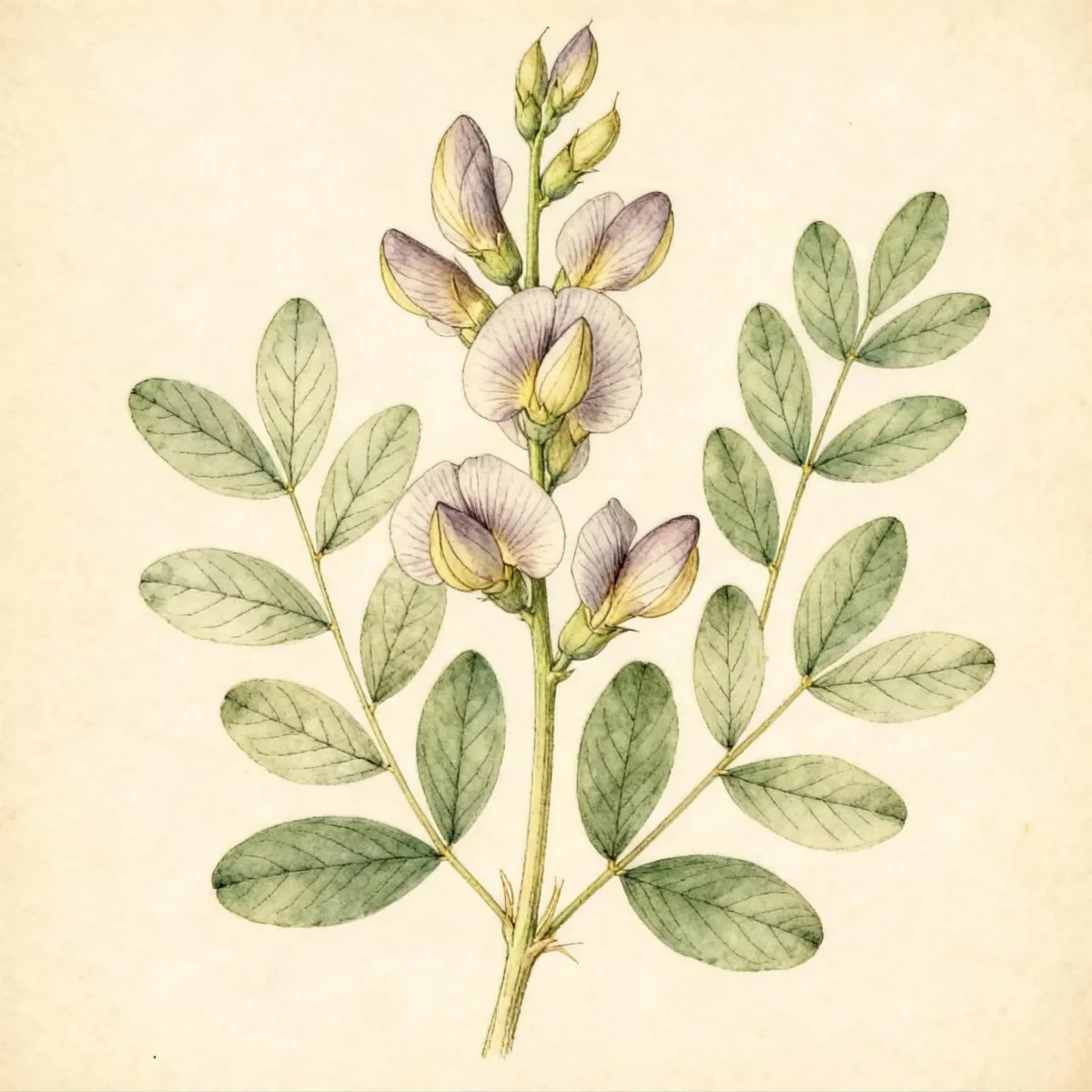
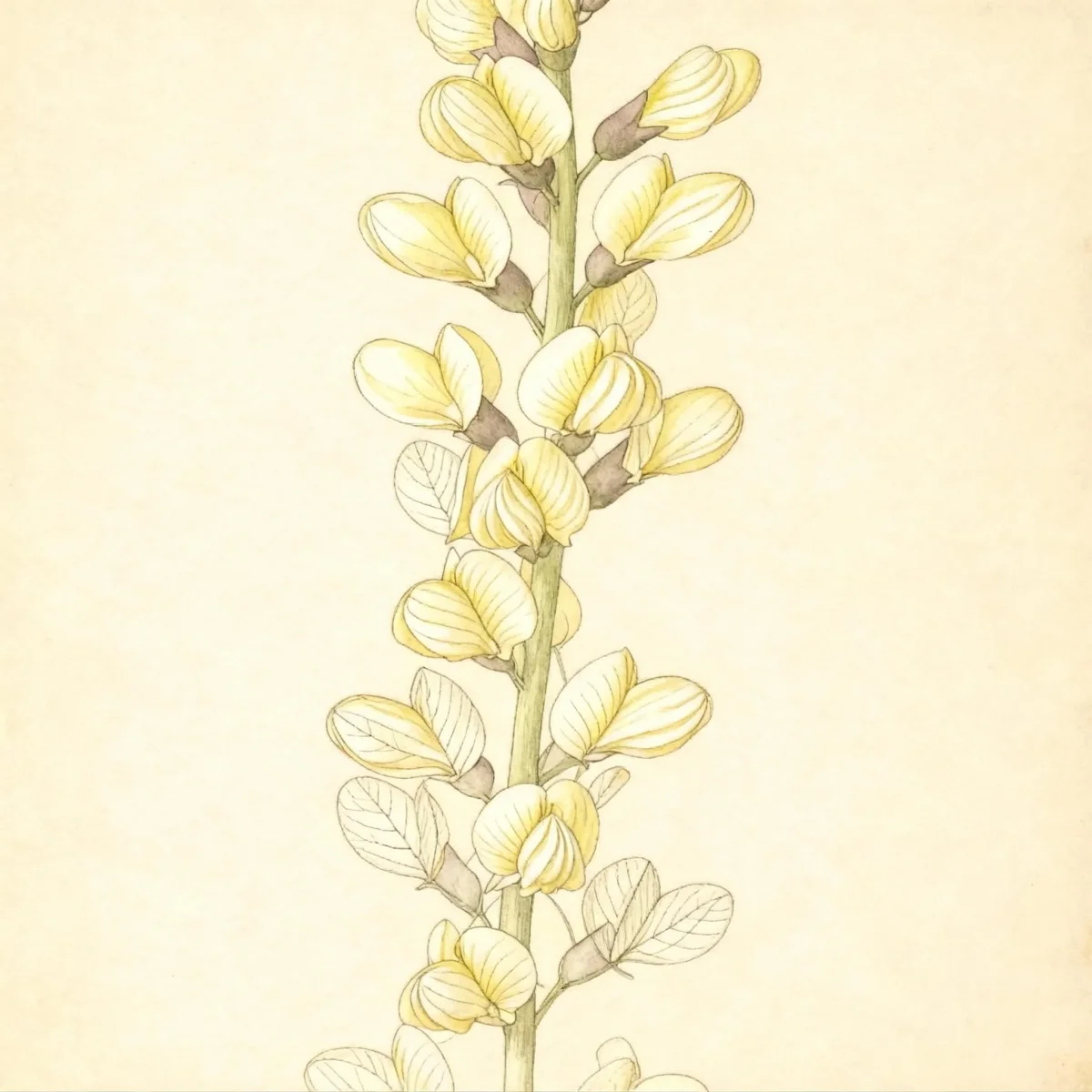
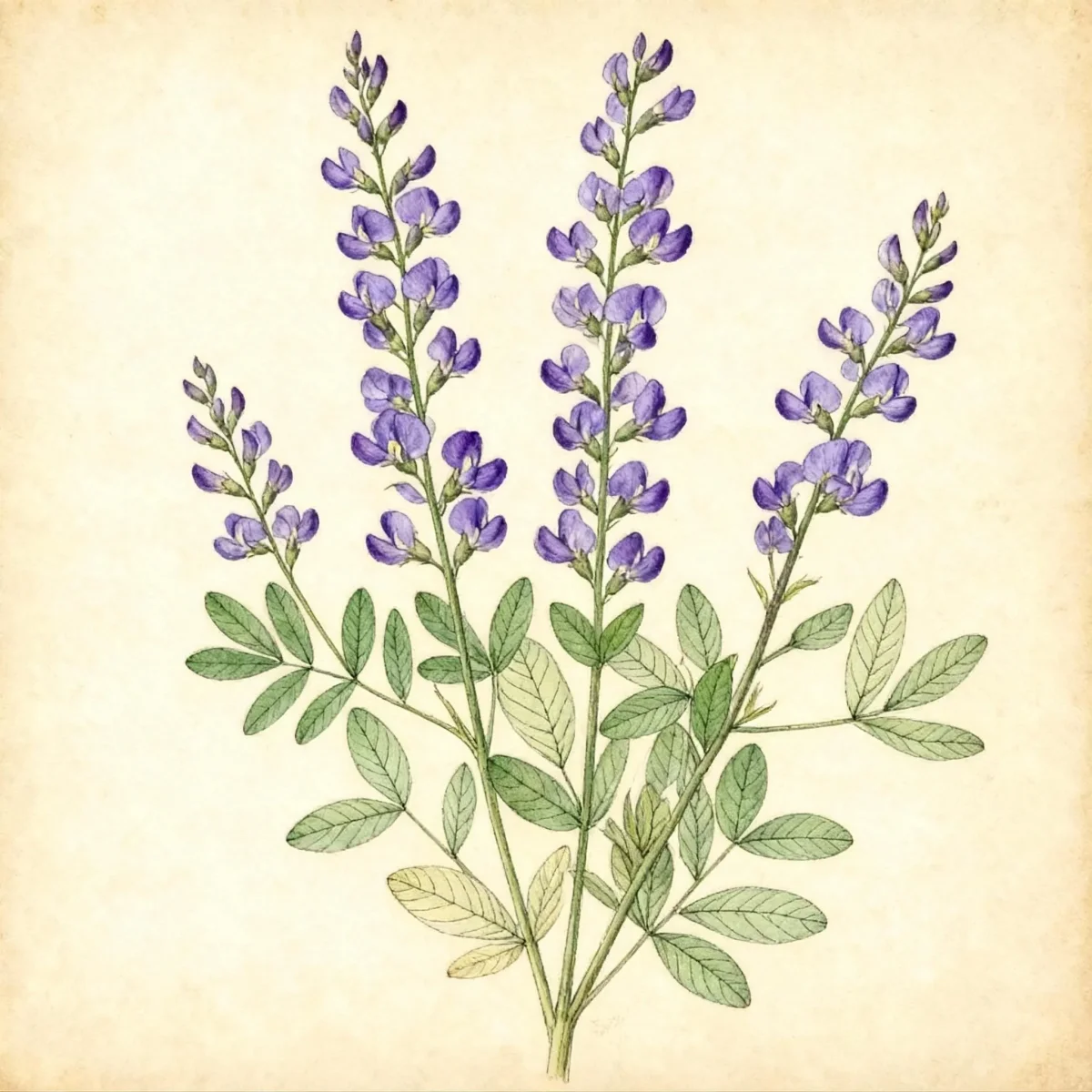
Blue false indigo (Baptisia australis var. minor)
Discover Baptisia australis var. minor, the compact Blue false indigo. A tough, low-maintenance perennial for zones 3-8, offering blue spring blooms.
Scroll down to discover growing tips, care requirements, companion plants, and more
Complete Plant Information
Overview
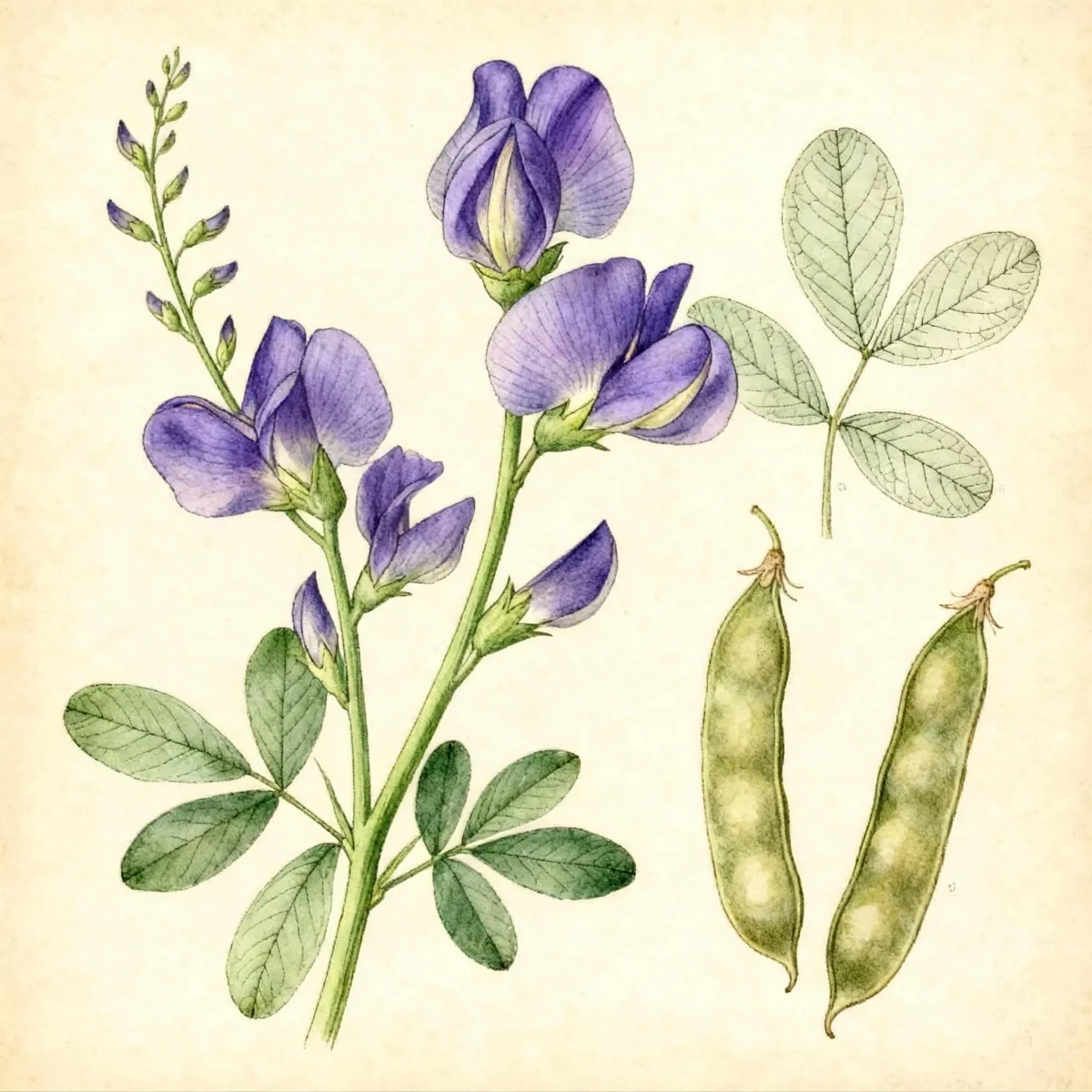
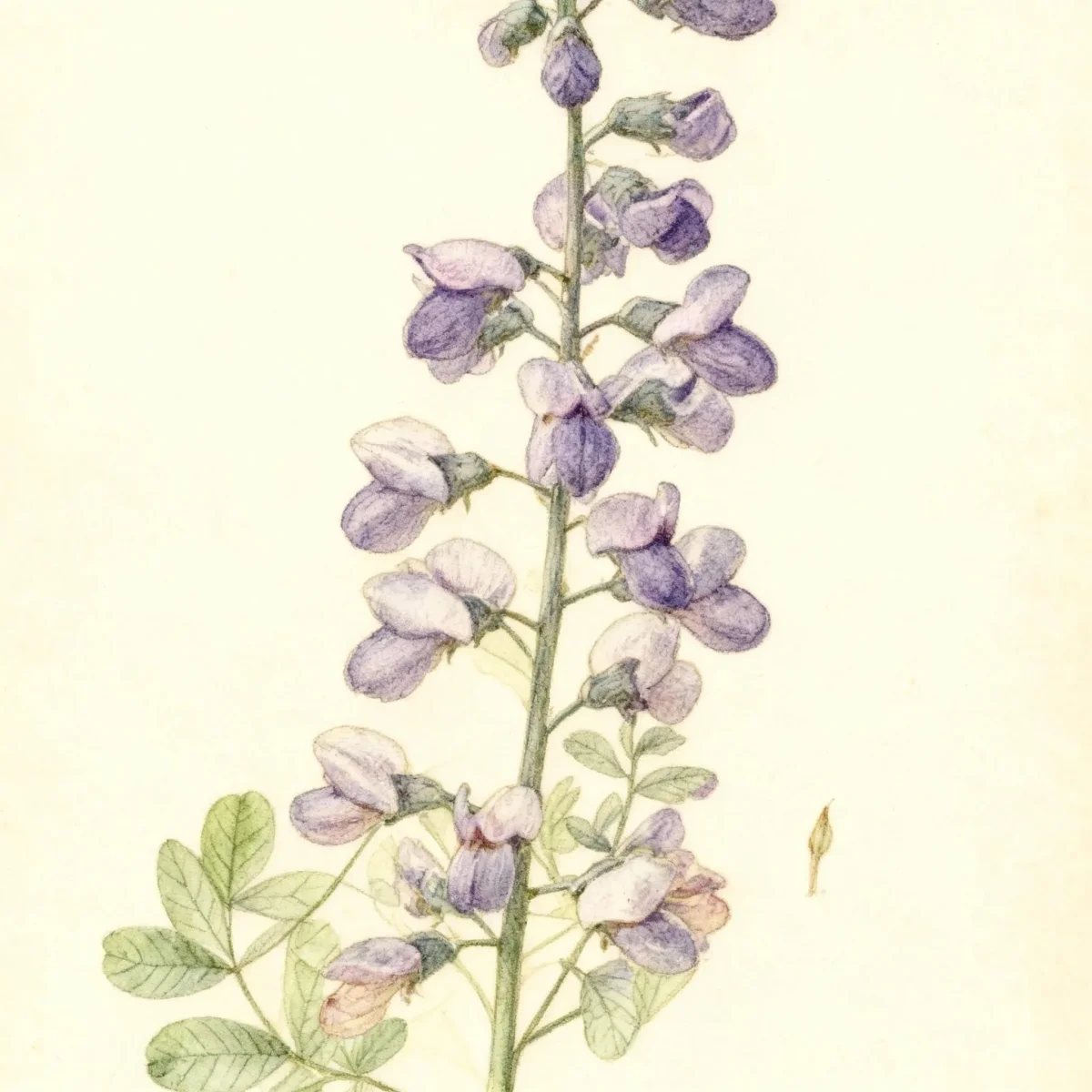
The Baptisia australis var. minor, commonly known as Blue false indigo, is a highly durable and attractive native perennial valued for its resilience and structure. This smaller variant, often sold simply as Baptisia australis var. Minor, provides striking blue, lupine-like flowers early in the season, emerging above neat mounds of bluish-green foliage. Its deep root system makes it exceptionally tolerant once established.
This tough plant thrives in conditions where many others struggle, handling drought and poorer soils with ease. Though it estabishes slowly from seed, mature clumps of Blue false indigo develop into excellent structural elements in the garden, often taking on a shrubby appearance late in the season. Gardeners appreciate its very low maintenance requirements, making Baptisia australis var. minor a foundational choice for native plantings.
Fast Facts
- Plant Family: Fabaceae
- Plant Type: Herbaceous perennial
- Native Range: Southern and central United States
- Hardiness Zones: USDA Zones 3-8
- Size at Maturity:
- Height: 1.5-2 ft
- Spread: 1.5-2 ft
- Bloom Time: May to June
- Bloom Description: Blue
- Sun Exposure: Full sun to part shade
- Water Needs: Dry to medium
- Maintenance Level: Low
How to Grow
Plant Baptisia australis var. minor in the spring or early fall after the risk of hard frost has passed, ensuring it goes into average, dry to medium soil. While it tolerates part shade, maximizing flower production requires planting in full sun locations. Good drainage is essential, as the plant dislikes constantly soggy conditions.
Maintenance is minimal for established clumps. Water sparingly once the root system is deep; this species naturally tolerates drought and prefers dry to medium moisture levels. Avoid fertilization, as rich soil can encourage floppier growth. Do not disturb the plant, as its deep, extensive roots resent being moved once established.
To maintain a neat form, you can shear or trim the foliage immediately after flowering concludes. This shearing encourages a tidier, rounded appearance. However, be aware this practice removes the attractive, inflated seed pods that develop later in the season.
Landscape Uses
Baptisia australis var. minor is perfectly suited for naturalized settings, thriving where it can spread slowly to form expanding clumps. They are superb additions when used in meadows, prairies, or native plant gardens where they serve as reliable structural components.
For more formal applications, place this Blue false indigo variety toward the front or middle of mixed perennial borders or cottage gardens, where its early blooms fill the gap before summer perennials fully take off. They also work well as strong specimen plants or in small groupings to anchor different areas of the landscape design.
Standout Features
Flower Qualities
- Showy
Fruit Qualities
- Showy
Noteworthy Characteristics
Baptisia australis, commonly called blue false indigo, is an upright perennial which typically grows 3-4’ tall and occurs in rich woods, thickets and along streambanks from Pennsylvania south to North Carolina and Tennessee. It features purple, lupine-like flowers in erect racemes (to 12”) atop flower spikes extending well above a foliage mound of clover-like, trifoliate, bluish-green leaves (leaflets to 2” long). Blooms in spring. Flowers give way to inflated seed pods (to 2.5” long) which turn charcoal black when ripe and have considerable ornamental interest. Var. Minor appears to differ from the species primarily by being a smaller plant with shorter stems and shorter leaves but larger flowers.
Tolerances
- Drought
- Erosion
- Clay Soil
- Dry Soil
- Shallow-Rocky Soil
Potential Problems
This plant is generally robust, suffering from few serious insect or disease problems, contributing to its low maintenance score. The primary cultural risk involves placement near black walnut trees (Juglans nigra). Baptisia species are sensitive to juglone, a chemical produced by the walnut, causing poor performance if planted too closely. Ensure adequate space between your Baptisia australis var. minor and any potential walnut sources.
Frequently Asked Questions
What hardiness zones is Blue false indigo suitable for?
Baptisia australis var. minor is highly adaptable and suitable for USDA Zones 3 through 8, offering reliability across a wide range of climates.
How large does Baptisia australis var. minor grow?
Mature plants typically reach a height between 1.5 to 2 feet tall, with an equivalent spread of 1.5 to 2 feet wide, forming sturdy, compact clumps.
When does Blue false indigo bloom?
This perennial produces its characteristic blue flowers primarily during the late spring and early summer months, generally spanning from May into June.
What sun exposure does Baptisia australis var. minor need?
For best performance and heaviest flowering, Baptisia australis var. minor requires full sun exposure, though it can tolerate light afternoon shade (part shade) as long as drainage remains excellent.
Conclusion
The Baptisia australis var. minor stands out as an invaluable, long-lived perennial that rewards minimal effort with beautiful blue flowers and structural interest. Its exceptional tolerance for difficult soils and drought makes this sturdy Blue false indigo a favorite for restoring tough sites or simplifying border maintenance. Before planting, confirm that your chosen location falls within USDA Zones 3-8 and receives at least partial sun exposure.
Design Ideas
When incorporating this plant into perennial schemes, remember that structural plants are crucial for spring interest. Pair the Baptisia australis var. minor with early blooming spring ephemerals that die back before the Baptisia foliage fully matures. Consider early-blooming Siberian Iris or Alliums for contrasting texture and color near the base.
Due to its upright, somewhat shrub-like habit even after blooming, this variety serves as an excellent, permanent anchor in mixed borders. Planting in groups of three or five ensures that the visual impact of the blue flowers in May and June is maximized across the garden viewpoint.
Propagation Tips
While established clumps of Baptisia australis var. Minor should generally not be divided or disturbed, propagation can be successful via seed collection. Allow the characteristic seed pods to mature fully on the plant until they turn black and dry out—the seeds rattle when shaken. Sow seeds indoors over winter using a cold stratification period to mimic natural conditions, although germination can be slow. Be patient, as seedlings require several years to reach flowering size.