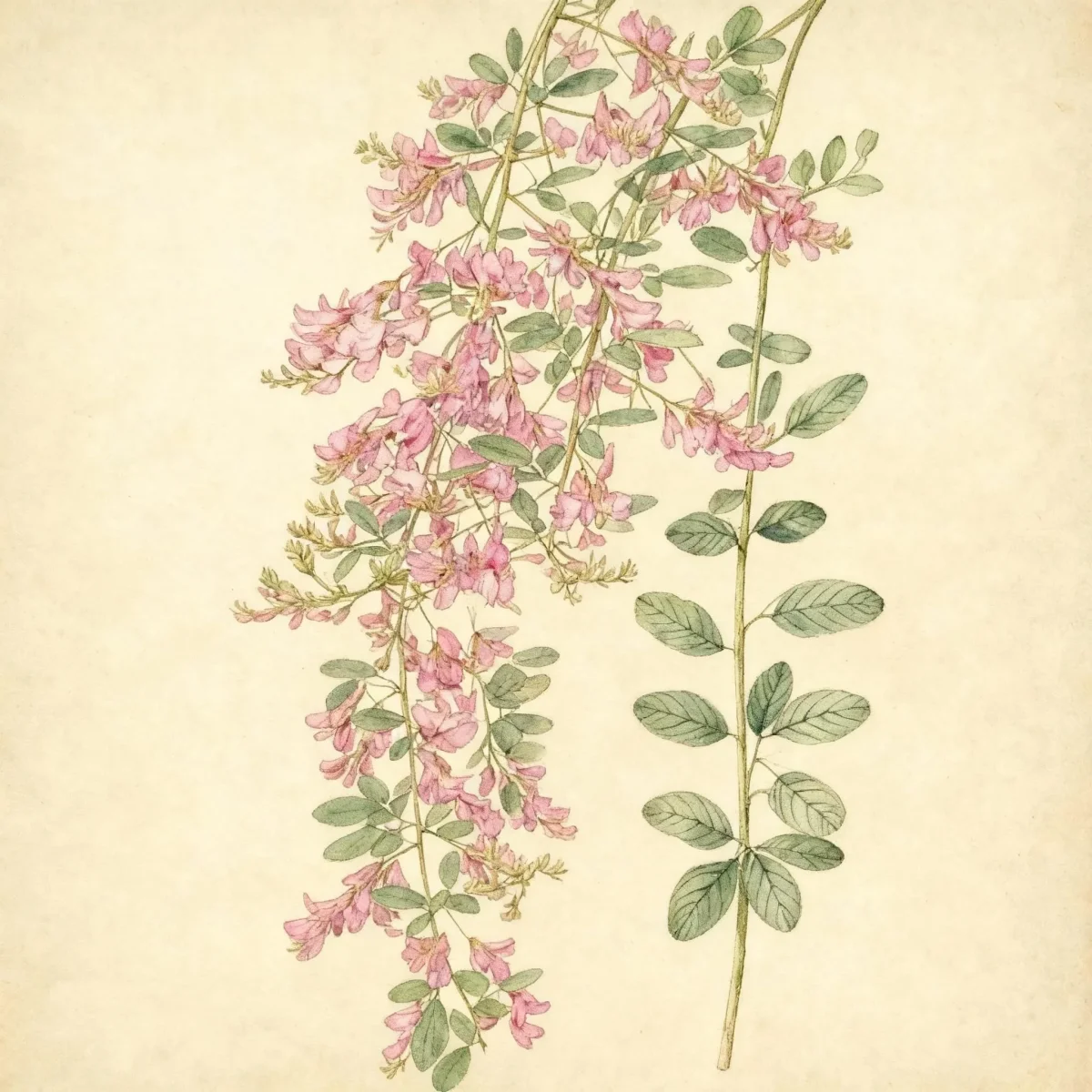
Spring vetch (Lathyrus vernus)
Lathyrus vernus, or Spring vetch, is a non-climbing perennial pea ideal for shady woodland gardens, blooming vibrantly in April.
Scroll down to discover growing tips, care requirements, companion plants, and more
Complete Plant Information
Overview
Lathyrus vernus, commonly known as Spring vetch, offers a delightful burst of color early in the season, making it a prized addition for shaded landscapes. Unlike its climbing cousins, this plant forms a tidy, non-climbing clump, providing early spring interest when many other perennials are just beginning to wake up. Gardeners value its attractive pea-like flowers and its relatively undemanding nature once established.
This herbaceous perennial belongs to the Fabaceae family and is native to regions across Northern Asia and Europe. It thrives reliably in zones 5 through 9, preferring the cooler, dimmer conditions found under dappled tree cover or on the east side of structures. While slow to establish, the mature plant requires minimal intervention, fitting perfectly into low-maintenance garden designs.
The aesthetic value of Lathyrus vernus lies in its early, rich blue-violet blooms which contrast nicely with its light green, pinnate foliage. It lends a natural, cottage garden feel, perfect for blending into woodland settings or cottage borders where bright light might scorch more delicate species. Planting Spring vetch ensures early structural interest before the summer garden reaches its peak.
Fast Facts
- Plant Family: Fabaceae
- Plant Type: Herbaceous perennial
- Native Range: Northern Asia, Europe
- Hardiness Zones: USDA Zones 5-9
- Size at Maturity:
- Height: 0.5-1 ft
- Spread: 0.5-1 ft
- Bloom Time: April
- Bloom Description: Blue/violet
- Sun Exposure: Part shade to full shade
- Water Needs: Medium
- Maintenance Level: Low
How to Grow
Planting Lathyrus vernus is best achieved in the spring or early fall to allow the roots time to settle before extreme temperatures arrive. It thrives in average, medium, well-drained soil. Ensure the chosen location provides part shade to full shade; full sun exposure will cause the foliage to burn quickly, diminishing the plant’s aesthetic appeal. Because Spring vetch can be slow to establish, patience is required during the first year or two.
Once planted, aim for medium watering consistency, ensuring the soil remains consistently moist but never waterlogged, especially while the plant is establishing its root system. Fertilization is rarely necessary, as this legume naturally fixes nitrogen, aligning with its low-maintenance profile. A key cultural tip is to avoid disturbing the roots once established, as this perennial dislikes having its foundation unsettled.
Seasonal care for Lathyrus vernus is quite straightforward. Allow the foliage to naturally die back after flowering concludes; do not prune aggressively, as the plant uses this leaf mass to build energy for the following year. In late winter or very early spring, you can remove any dead or damaged leaves before new growth emerges. The plant does not typically require winterization protection within its recommended hardiness range.
Landscape Uses
The cool, colorful display of Lathyrus vernus makes it an invaluable element in shady borders where brighter perennials struggle. It integrates seamlessly into woodland garden designs, mimicking the natural understory planting found in its native habitat. Consider mass planting Spring vetch under deciduous trees where it receives filtered light in spring but moves into deeper shade during the heat of summer.
For cottage or wild gardens, use this perennial pea to soften edges or create naturalized drifts among ferns, hostas, and spring bulbs like scilla or cyclamen. Its bush habit fills space nicely without the need for staking, which is ideal for informal settings. Incorporate Lathyrus vernus into any planting scheme requiring seasonal color that respects partial or full shade environments.
Standout Features
Flower Qualities
- Showy
Noteworthy Characteristics
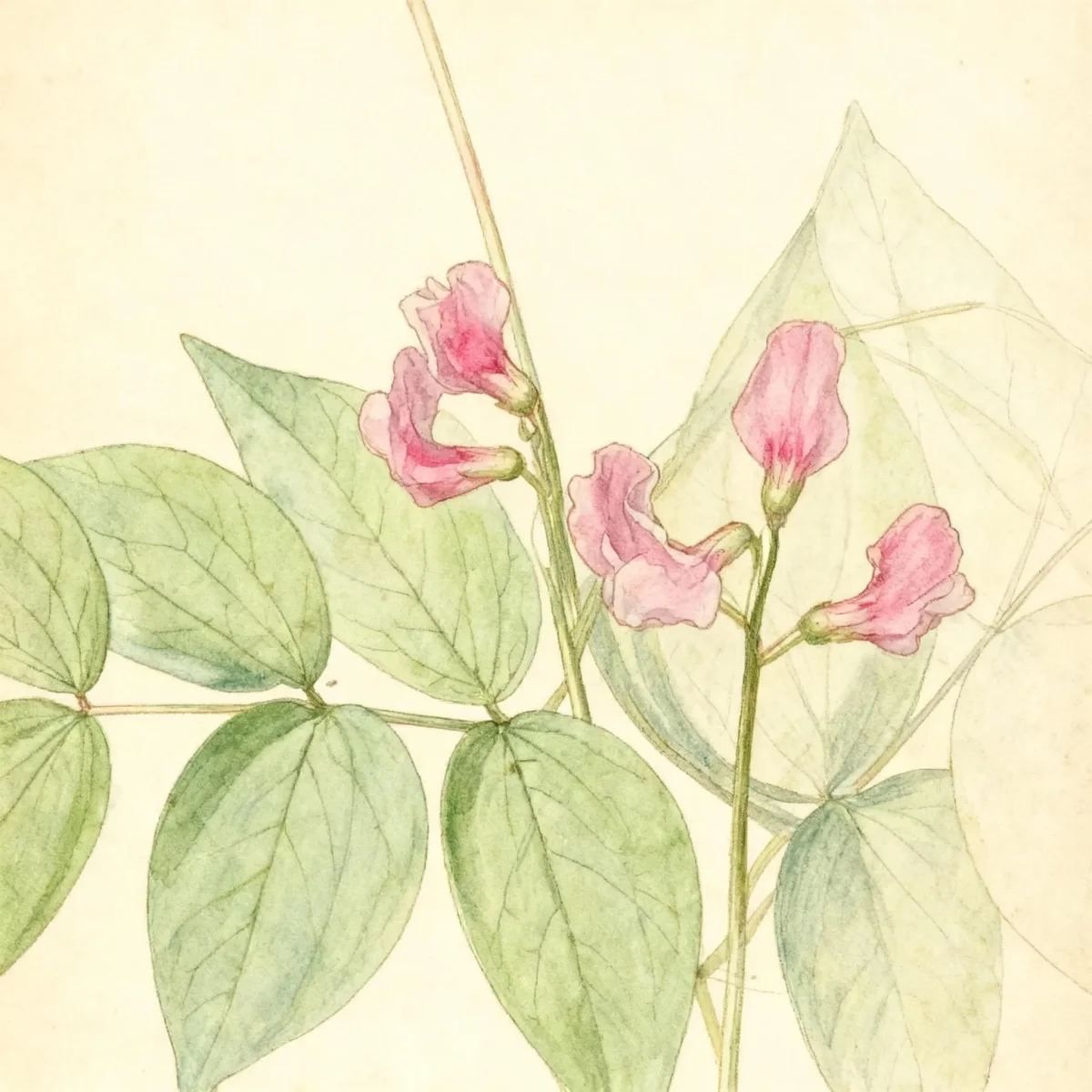
Lathyrus vernus is a non-climbing perennial sweet pea, notable for its multi-stemmed, bushy habit which typically reaches 12 inches high. It produces typical pea-like flowers, about 3/4 inch in size, borne in axillary racemes carrying 5 to 8 flowers each, usually appearing in April. The flowers emerge reddish purple with red veins, maturing into a more deep violet-blue shade as the season progresses.
Tolerances
Potential Problems
Gardeners will be pleased to know that Lathyrus vernus typically suffers from no serious insect or disease problems under appropriate growing conditions. Because it prefers shade and medium moisture, avoiding overly wet or poorly draining soil helps prevent root-related issues common to many perennials. Regular monitoring is sufficient; aggressive pest control measures are rarely required for this robust Spring vetch.
Frequently Asked Questions
What hardiness zones is Spring vetch suitable for?
Lathyrus vernus is hardy and suitable for USDA Zones 5 through 9, offering reliability across a wide range of temperate climates.
How large does Spring vetch grow?
This perennial generally reaches a modest size, growing between 0.5 to 1 foot in height and spreading equally between 0.5 to 1 foot wide, forming a compact clump.
What sun exposure does Lathyrus vernus need?
Lathyrus vernus requires protection from intensity; it prefers part shade to full shade and direct, hot sun should be strictly avoided to prevent scorching the leaves.
When does Lathyrus vernus bloom?
This species bursts into color during April, displaying charming blue/violet pea-like flowers.
Conclusion
The enchanting early bloom and easygoing nature make Lathyrus vernus a superior choice for brightening shaded corners of the garden. As a non-climbing perennial sweet pea substitute, Spring vetch offers reliable structure and exquisite color with very little effort required from the gardener. Before planting, ensure your location offers the necessary part shade and well-drained soil, and enjoy this low-maintenance piece of early spring beauty.
Companion Planting for Shady Borders
When designing woodland or cottage gardens featuring Lathyrus vernus, selecting companions that share similar hydration and light needs is crucial. Look towards plants that emerge later, allowing the Spring vetch to have its moment in the spotlight first. Excellent companions include various Hosta cultivars for textural contrast against the smooth pea leaves, and Dicentra spectabilis (Bleeding Heart) which shares a similar bloom time and shade tolerance.
For groundcover below a taller grouping of Lathyrus vernus, consider spreading Epimedium (Barrenwort) varieties. Epimediums offer attractive, often evergreen foliage that helps keep the soil cool and moist for the vetch roots while tolerating the same filtered light conditions. This layering strategy maximizes visual interest throughout the entire growing season.
Design Ideas for Naturalized Plantings
Utilizing the clump-forming habit of Lathyrus vernus in a naturalized setting works best when plants are allowed to drift rather than being placed in rigid rows. Scatter groups of 5 to 7 plants irregularly through a partially wooded area. The genus name, Lathyrus, relates to the pea family, suggesting a relaxed, informal planting style.
To enhance the spring spectacle, interplant the Spring vetch bulbs of spring flowering bulbs like Narcissus (Daffodils) or Scilla siberica (Siberian Squill). As the bulbs fade in warmer weather, the foliage of the Lathyrus vernus will fully develop, masking the fading bulb foliage and transitioning the border smoothly into the late spring palette.