Blackjack oak (Quercus marilandica)
The Blackjack oak (Quercus marilandica) is a tough, small to medium deciduous oak preferring dry, acidic soils.
Scroll down to discover growing tips, care requirements, companion plants, and more
Complete Plant Information
Overview
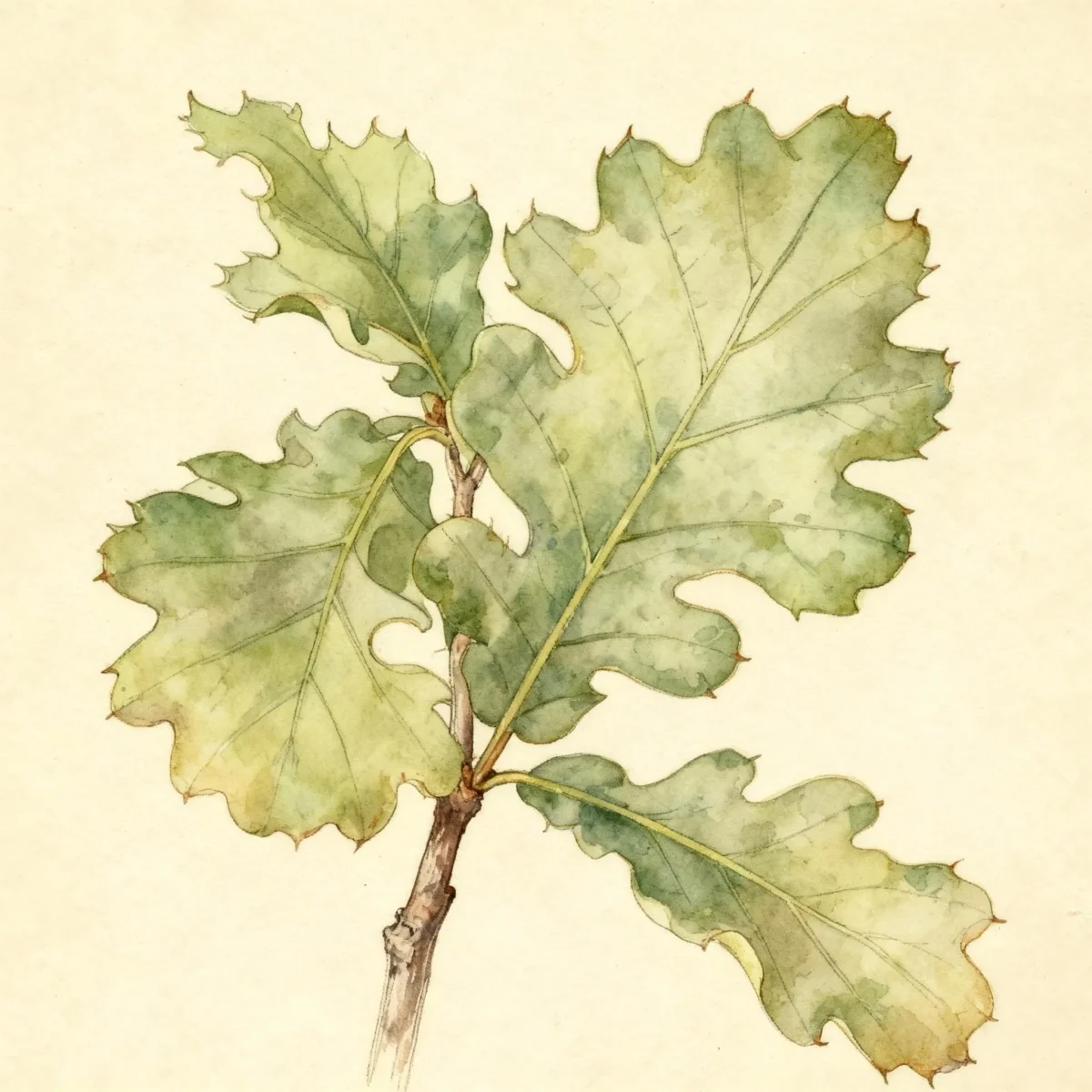
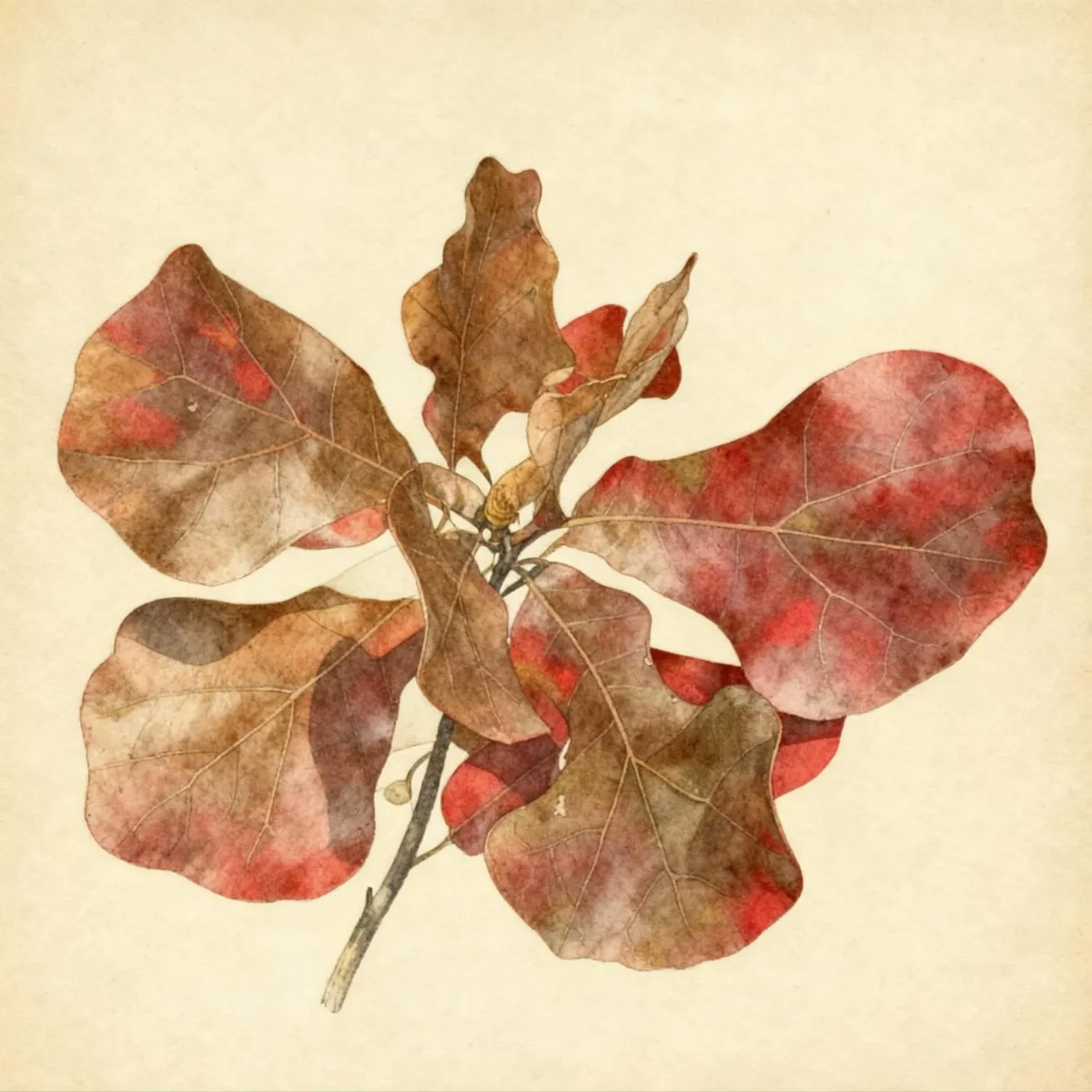
The Blackjack oak, scientifically known as Quercus marilandica, is a resilient addition to landscapes where soil quality is less than ideal. This small to medium-sized deciduous oak typically matures between 20 and 40 feet tall and is known for its ability to thrive in challenging, often dry, acidic environments. A key feature defining the Blackjack oak is its distinctly leathery, dark green leaves, which lend the tree its common name due to their shape resembling a blackjack playing card suit.
Native across the central and southeastern United States, Quercus marilandica is commonly found in open, somewhat barren areas like dry ridges, fields, and woodland peripheries. Its inherent toughness, particularly its drought tolerance, makes it a valuable choice for low-maintenance native plantings. While its ornamental appeal as a standalone specimen is minimal, the Blackjack oak provides critical habitat and food sources for local wildlife via its oblong acorns.
Gardeners looking for a dependable, tough native tree that can handle poor drainage or drought once established should consider incorporating the Blackjack oak into their site planning. Proper placement recognizing its full sun requirements ensures the best health for this unique member of the red oak group.
Fast Facts
- Plant Family: Fagaceae
- Plant Type: Tree
- Native Range: Central and southeastern United States
- Hardiness Zones: USDA Zones 6-9
- Size at Maturity:
- Height: 20-40 ft
- Spread: 20-40 ft
- Bloom Time: May
- Sun Exposure: Full sun
- Water Needs: Dry to medium
- Maintenance Level: Low
How to Grow
The Blackjack oak performs best when planted in acidic soil conditions that are well-drained, thriving particularly well in dry to medium moisture regimes. It is highly adapted to poor soils, making it an excellent choice for revitalization projects or sites where richer amendments are impractical. Ensure planting occurs in a location receiving full sun exposure to encourage dense, healthy canopy development.
Maintenance is generally low once the Quercus marilandica is established, benefiting from its natural drought tolerance. Resist the urge to amend the soil heavily; this tree thrives on its own terms in poorer substrates. Avoid areas where drainage is consistently poor or soils remain perpetually wet, as this is counter to its natural habitat preferences and can lead to vigor loss over time.
Pruning should be minimal, primarily focused on removing dead, damaged, or poorly situated branches, especially during dormancy. Be aware that oaks generally are susceptible to diseases like oak wilt; always practice sanitation, especially when pruning mature trees.
Landscape Uses
While the Quercus marilandica possesses minimal ornamental quality as a formal specimen tree, its value truly shines in specific contexts. Species plants are infrequently sold in commerce, suggesting it is best utilized in larger ecological restorations or native plant areas where function outweighs formality. It blends seamlessly into woodland gardens or naturalized borders where native flora is prioritized over strictly manicured aesthetics.
Because it establishes well in dry, poor soils, consider using the Blackjack oak on slopes or rocky outcrops that are difficult to plant with more demanding landscape species. It acts as a foundational native element, supporting local ecology without requiring intensive supplemental care. It pairs well with other native understory plants or shrubs tolerant of similar acidic and dry conditions.
Standout Features
Flower Qualities
- Insignificant
Fruit Qualities
- Showy
Noteworthy Characteristics
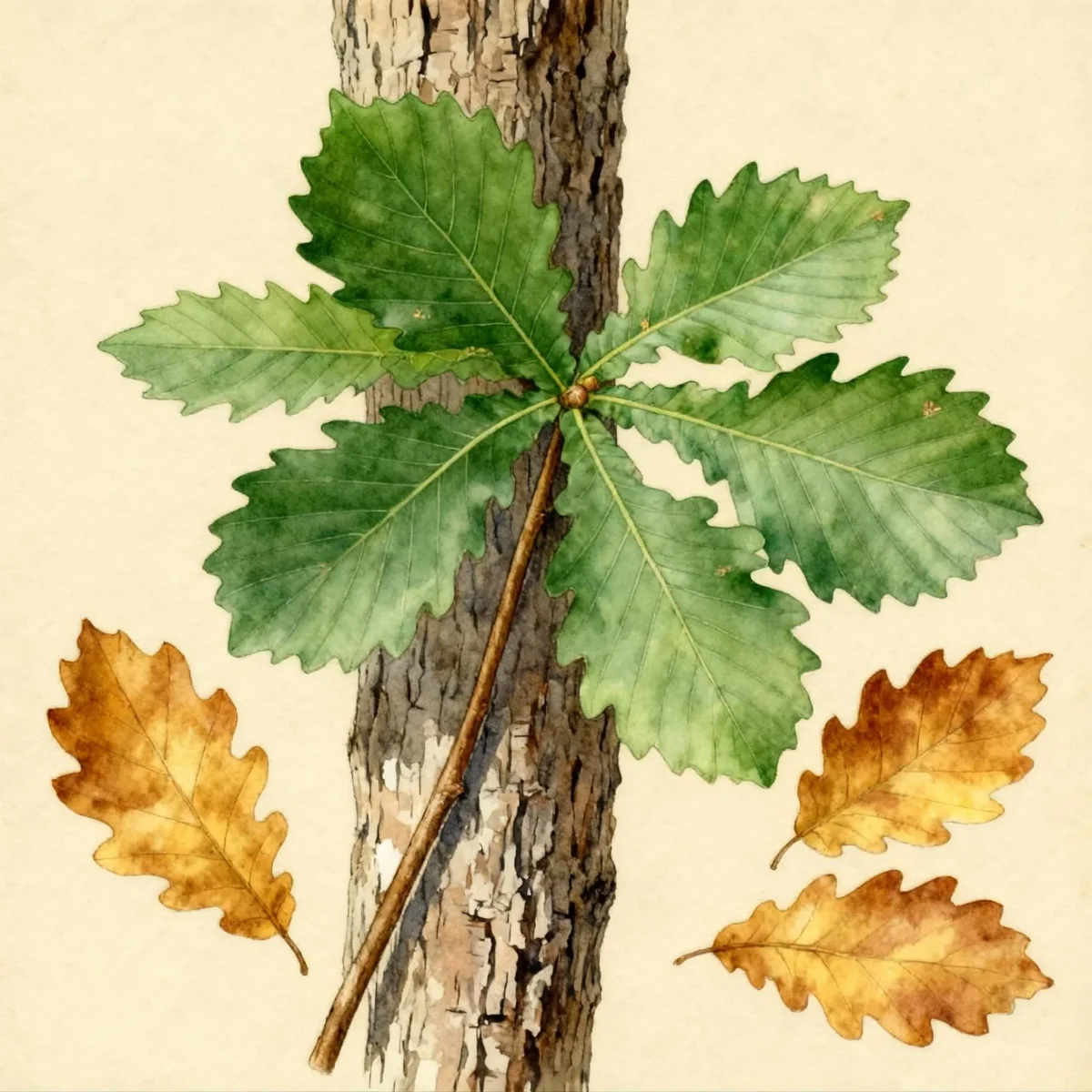
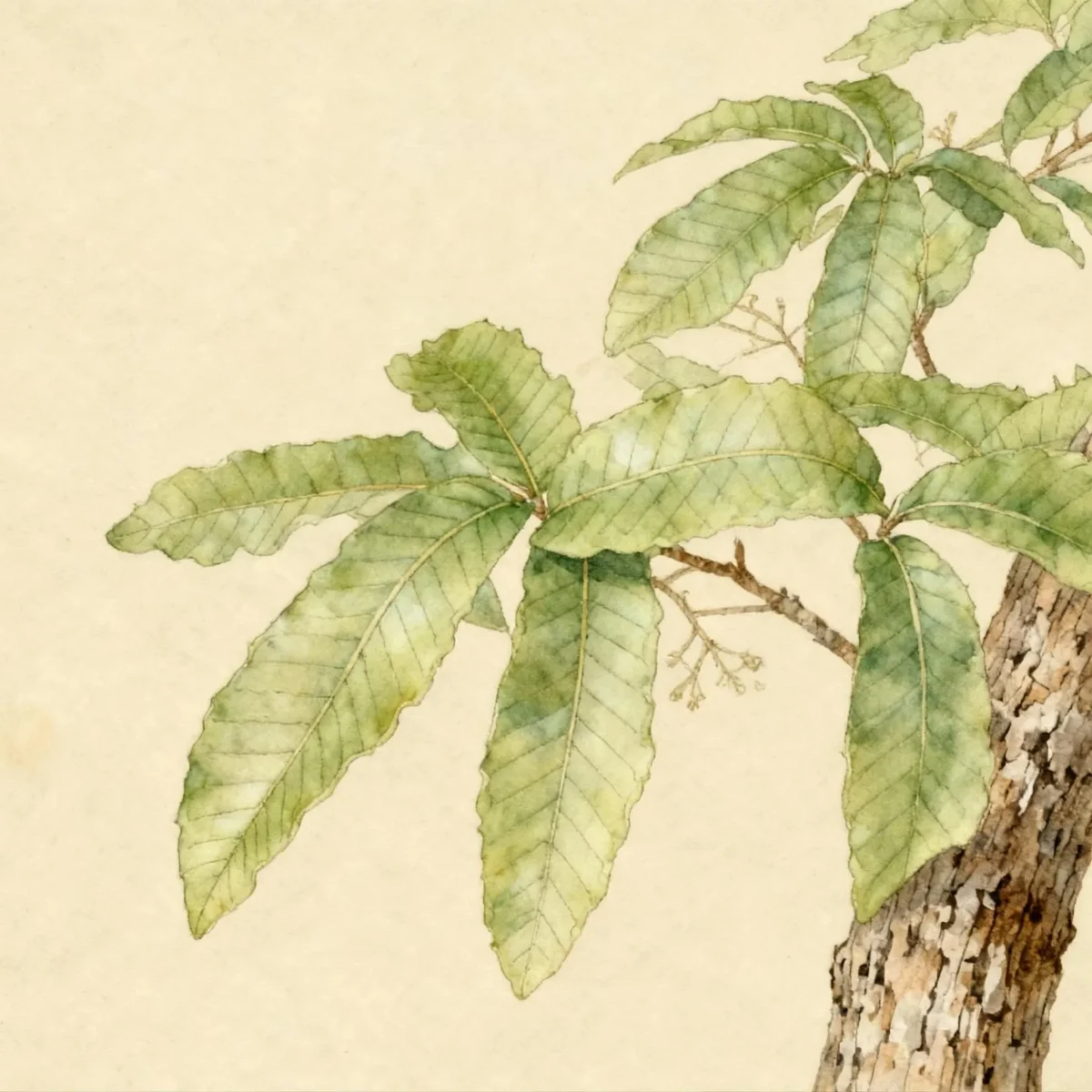
Quercus marilandica, commonly called blackjack oak, is a small to medium sized deciduous oak of the red oak group that typically grows to a compact 20-40’ tall. It often appears in a scruffy, irregular form in poor, dry sites, native from New Jersey to Missouri south to Florida and Texas. Its common name refers to the leathery, obovate, dark green leaves which are widest at the apex with 3-5 shallow lobes; mature trees feature blackish bark in rough plates.
Tolerances
- Drought
Potential Problems
Oaks in general are susceptible to a large number of diseases, including oak wilt, chestnut blight, shoestring root rot, anthracnose, oak leaf blister, cankers, leaf spots and powdery mildew. It is crucial to source young trees carefully to minimize disease transmission risks, particularly concerning oak wilt. Potential insect pests include scale, oak skeletonizer, leaf miner, galls, oak lace bugs, borers, caterpillars and nut weevils. Vigilant monitoring of foliage, especially during peak growing seasons, allows for early intervention against common pests.
Frequently Asked Questions
What hardiness zones is Blackjack oak suitable for?
The Blackjack oak (Quercus marilandica) is suitable for USDA Hardiness Zones 6 through 9.
How large does Quercus marilandica grow?
This tree typically reaches a mature height between 20 and 40 feet, with a spread that mirrors its height, growing 20 to 40 feet wide.
What sun exposure does Blackjack oak need?
Quercus marilandica requires full sun exposure to thrive in the landscape.
When does Blackjack oak bloom?
The insignificant flowers of the Blackjack oak appear in May.
Conclusion
The Blackjack oak, Quercus marilandica, offers a robust, low-maintenance solution for gardeners seeking native trees adapted to dry, acidic, and poorer soil conditions. Its distinctive foliage and wildlife value make it a worthwhile, though modest, addition to large-scale native plantings. Before installation, confirm your local site matches the full sun requirement and dry-to-medium soil preference of this tough species.
Wildlife Benefits
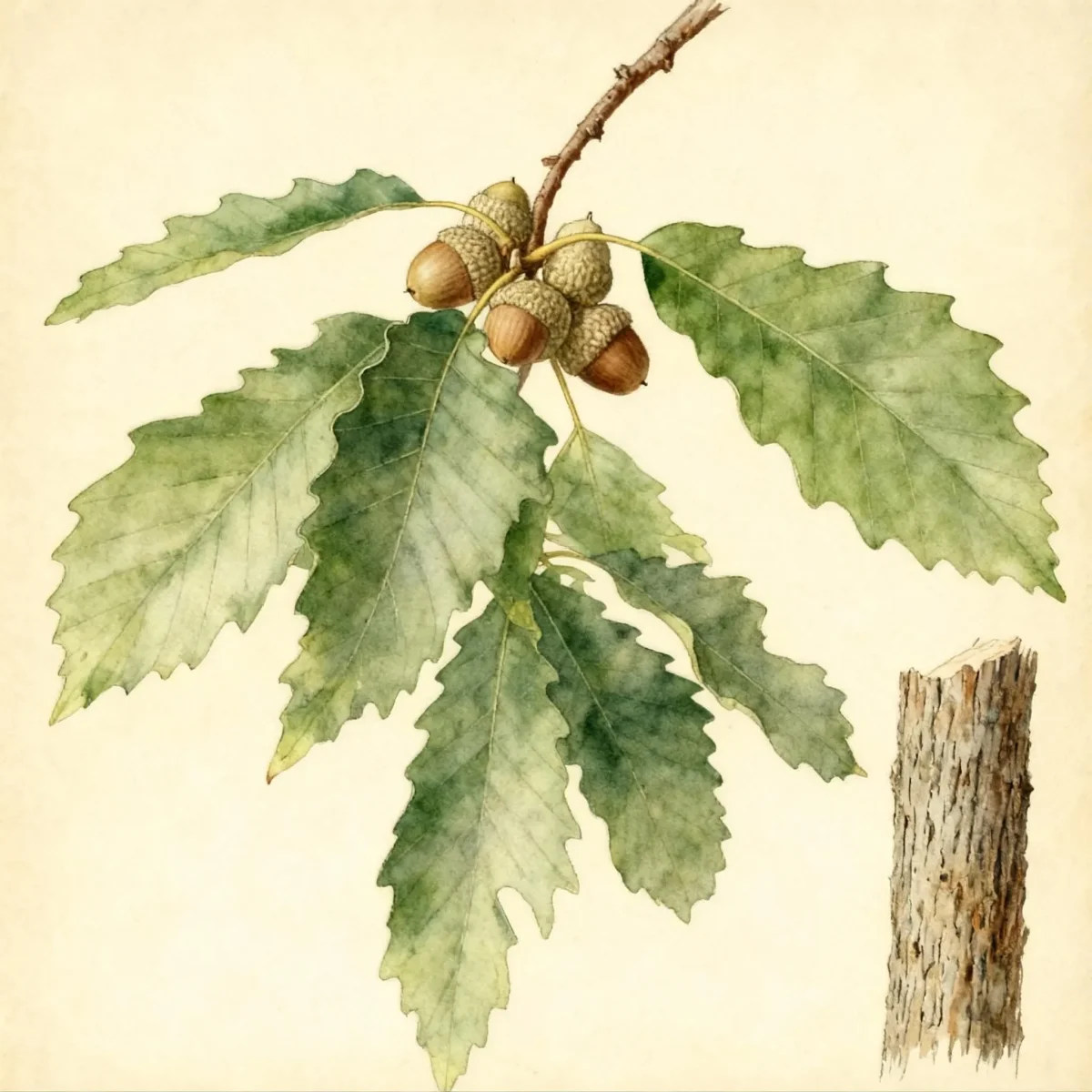
The oblong acorns produced by the Blackjack oak are an important food source for various wildlife species throughout the native range of Quercus marilandica. While perhaps not the primary attraction for manicured suburban yards, in naturalized areas, this production supports local fauna, including squirrels, deer, and various bird species who utilize the nut crop in the fall and winter.
Planting native oaks like this contributes significantly to biodiversity. The broad, lobed leaves, characteristic of the Blackjack oak, also provide necessary host plant resources for the larval stages of many specialized native moths and butterflies, forming a vital layer in the local food web.