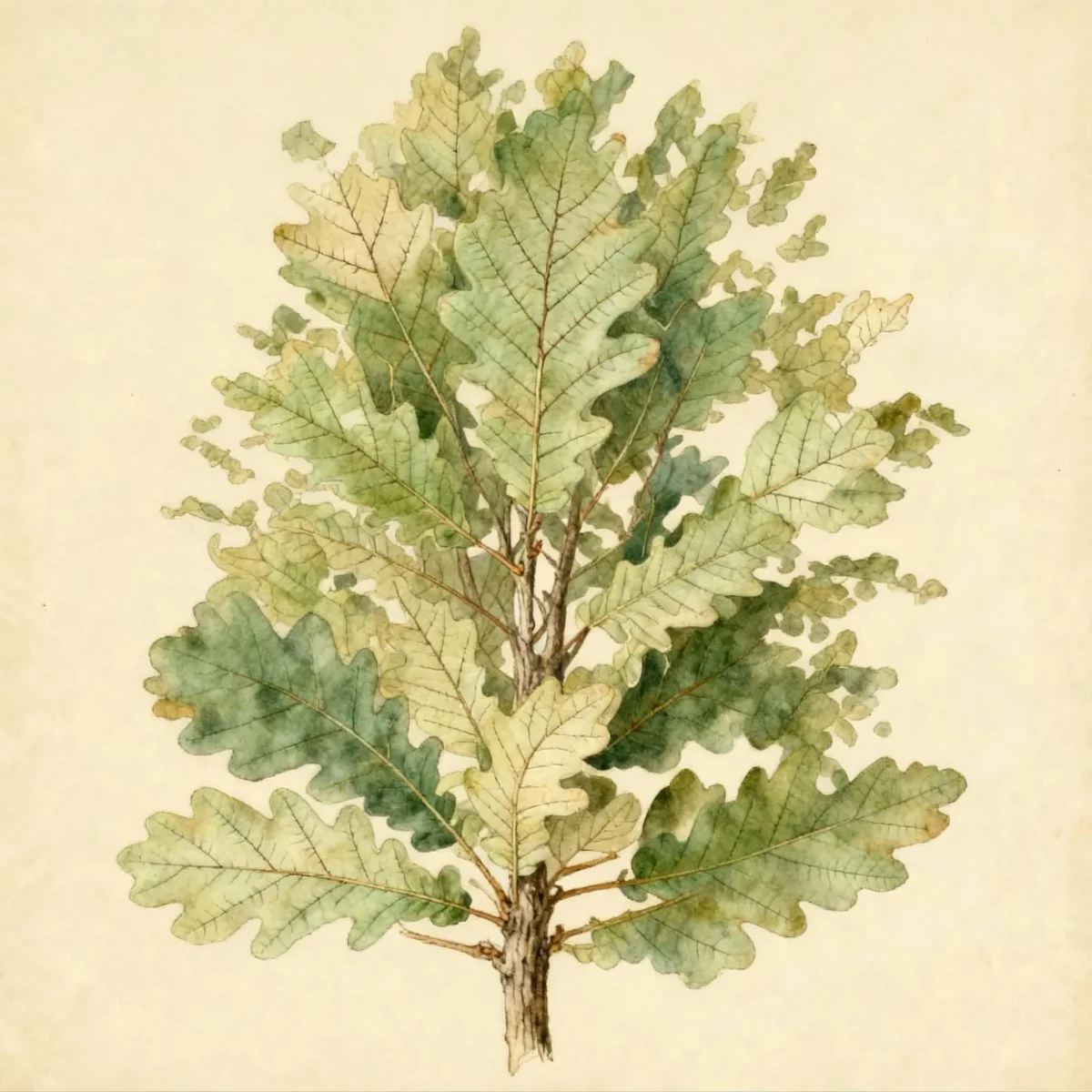
Oriental white oak (Quercus aliena)
The Oriental white oak, Quercus aliena, offers a spreading crown and distinctively ribbed leaves, growing well in zones 5-8.
Scroll down to discover growing tips, care requirements, companion plants, and more
Complete Plant Information
Overview
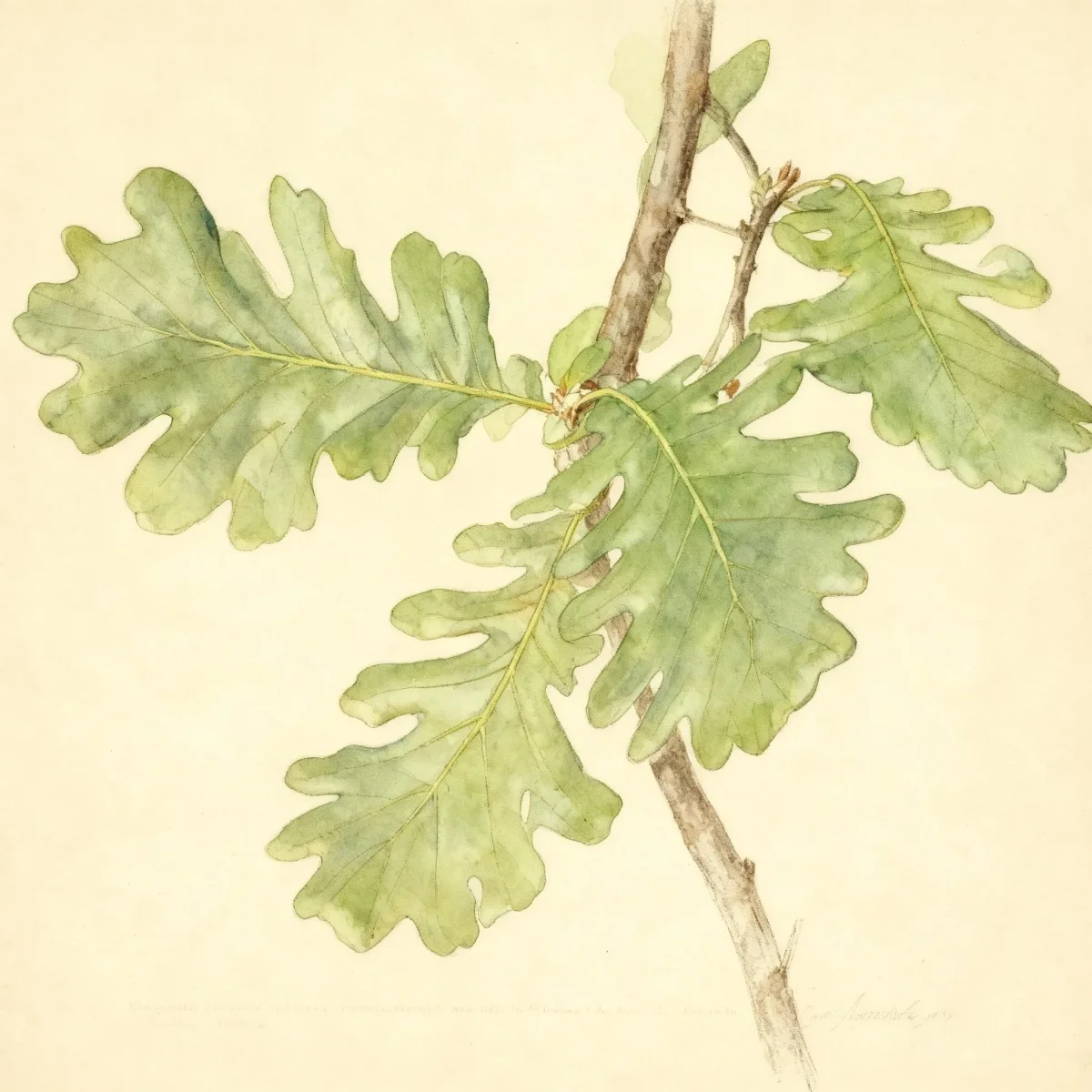
The Oriental white oak, botanically known as Quercus aliena, is a splendid choice for gardeners seeking a robust, large deciduous specimen capable of maturing into an imposing shade tree. This member of the white oak group is valued for its handsome, regularly lobed leaves that offer excellent seasonal texture and structure. Quercus aliena establishes a spreading crown that provides deep, satisfying shade once mature.
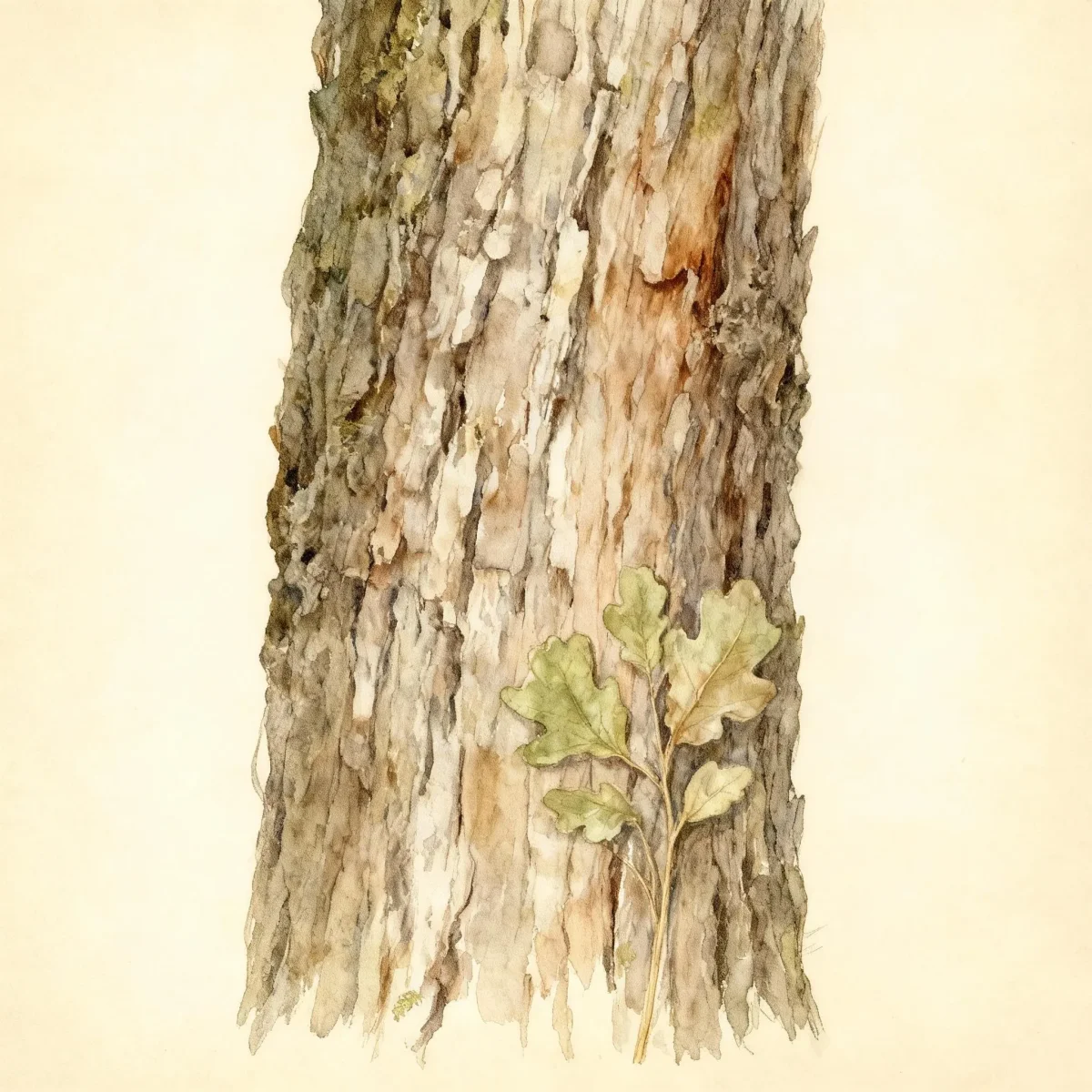
Native to Japan, Korea, and mixed forests of central China, this Oriental white oak exhibits strong adaptability, thriving in rich, moist, well-drained loams. While it prefers full sun, this species offers resilience by tolerating sandy soils and even some partial shade, making it a versatile addition to large landscapes. Its attractive furrowed gray bark adds winter interest, ensuring that the Quercus aliena remains an ornamental feature year-round.
With heights potentially reaching 80 feet, planting the Oriental white oak requires thoughtful long-term planning to accommodate its substantial spread. Its ornamental insignificance in flower is readily forgiven by the subsequent production of showy acorns, providing seasonal interest and potential wildlife value in established woodland settings.
Fast Facts
- Plant Family: Fagaceae
- Plant Type: Tree
- Native Range: Japan, Korea
- Hardiness Zones: USDA Zones 5-8
- Size at Maturity:
- Height: 40-80 ft
- Spread: 40-80 ft
- Bloom Time: April to May
- Bloom Description: Yellowish-green
- Sun Exposure: Full sun
- Water Needs: Medium
- Maintenance Level: Medium
How to Grow
The optimal time for planting Quercus aliena is during the dormant season, either in early spring before bud break or late fall after leaf drop, allowing the tree to establish its root system before summer heat. Site selection is crucial given its eventual size; ensure ample space for its 40 to 80-foot spread. This tree performs best when planted in rich, moist, well-drained loam. Importantly, unlike many other oaks, the Oriental white oak demonstrates tolerance to alkaline soils.
Ongoing care requires a medium level of attention. Establish a consistent watering schedule, especially during the first few years, ensuring the soil remains moist but never waterlogged. Generally, established oaks require minimal fertilization unless soil tests indicate specific deficiencies. Focus pruning efforts primarily on removing crossing or dead branches, aiming to maintain the naturally spreading and attractive structure specific to Quercus aliena.
While winter hardy in Zones 5 through 8, ensure adequate soil moisture heading into winter to prevent desiccation. Springtime care involves checking for any winter damage and applying a slow-release fertilizer only if necessary. Because it grows well even in sandy soils, amending the nearby soil should prioritize drainage over heavy enrichment for long-term success with this sturdy oak.
Landscape Uses
The impressive size and broad canopy of the Oriental white oak make it an exceptional candidate for use as a primary shade tree in expansive properties. Its substantial spread casts cooling shadows, making it ideal for open lawns or park settings where long-term visual impact is desired. When used as a street tree, its robust nature allows it to handle urban conditions, provided adequate rooting space is reserved away from sidewalks.
For those designing larger, more naturalistic spaces, incorporate Quercus aliena into woodland garden designs, allowing its native characteristics to shine. Companion planting should focus on understory shrubs and perennials that share similar moisture and light preferences, such as rhododendrons or azaleas, or groundcovers that thrive in dappled shade beneath the developing canopy. Avoid planting too closely to structures, recognizing its 80-foot mature spread.
Standout Features
Flower Qualities
- Insignificant
Fruit Qualities
- Showy
Noteworthy Characteristics
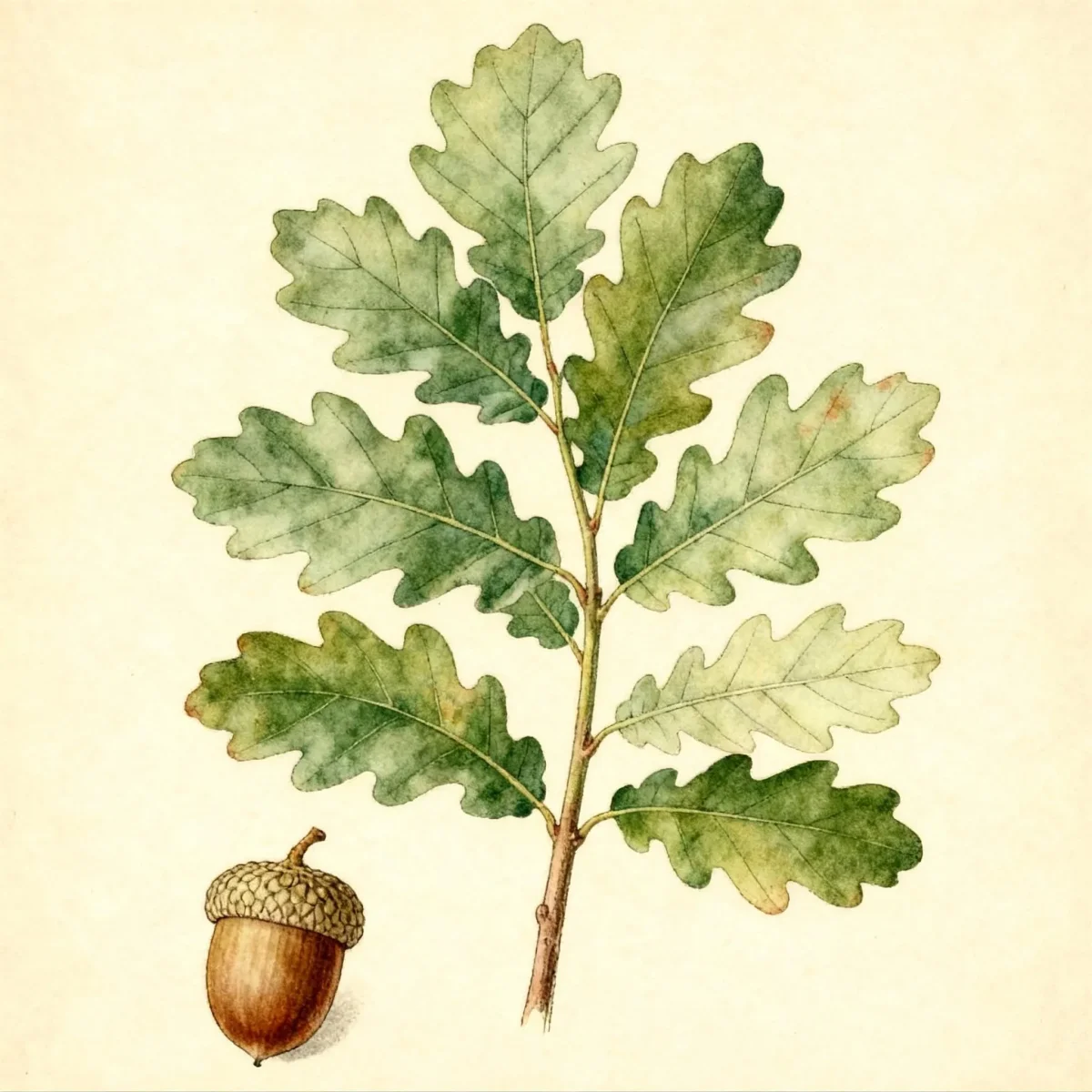
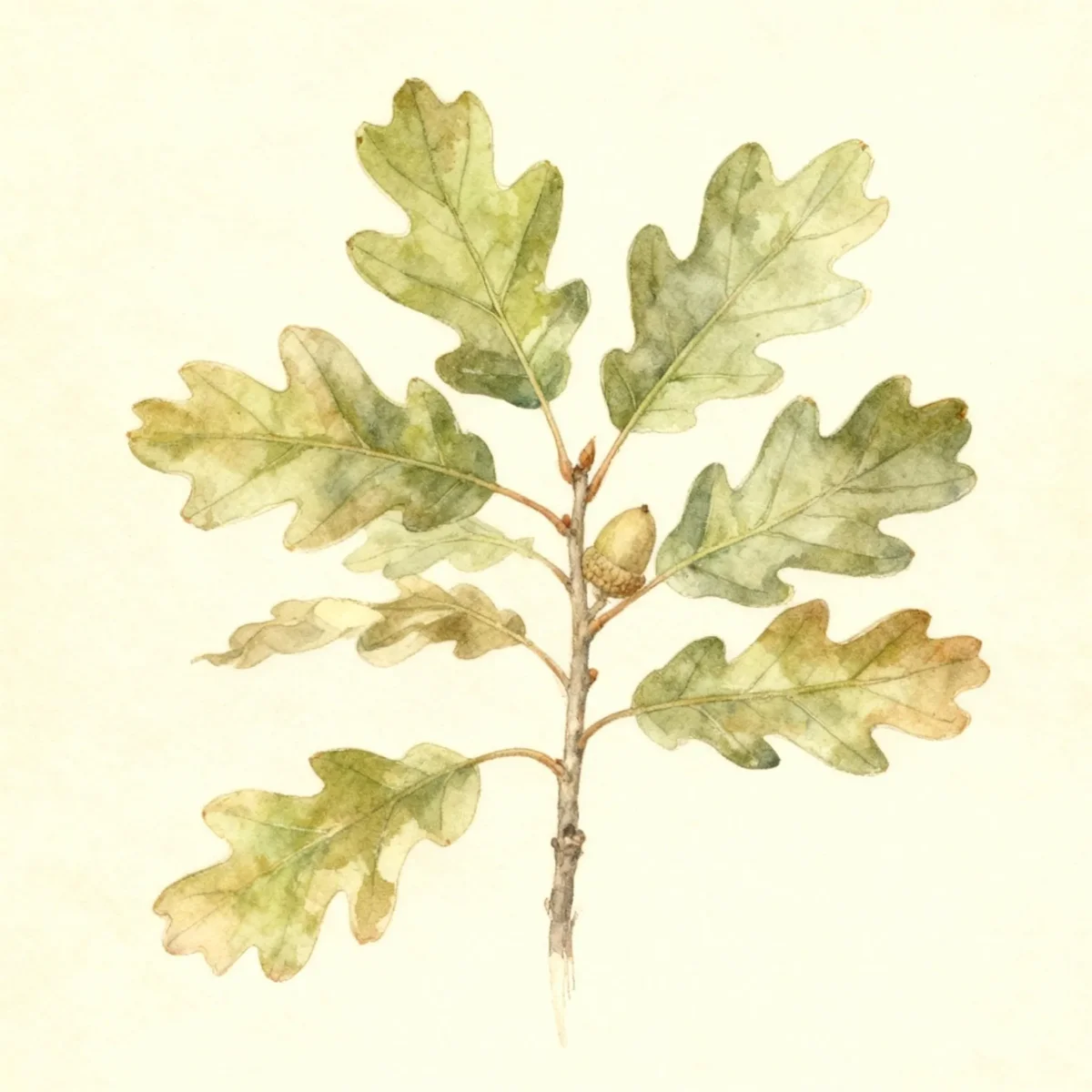
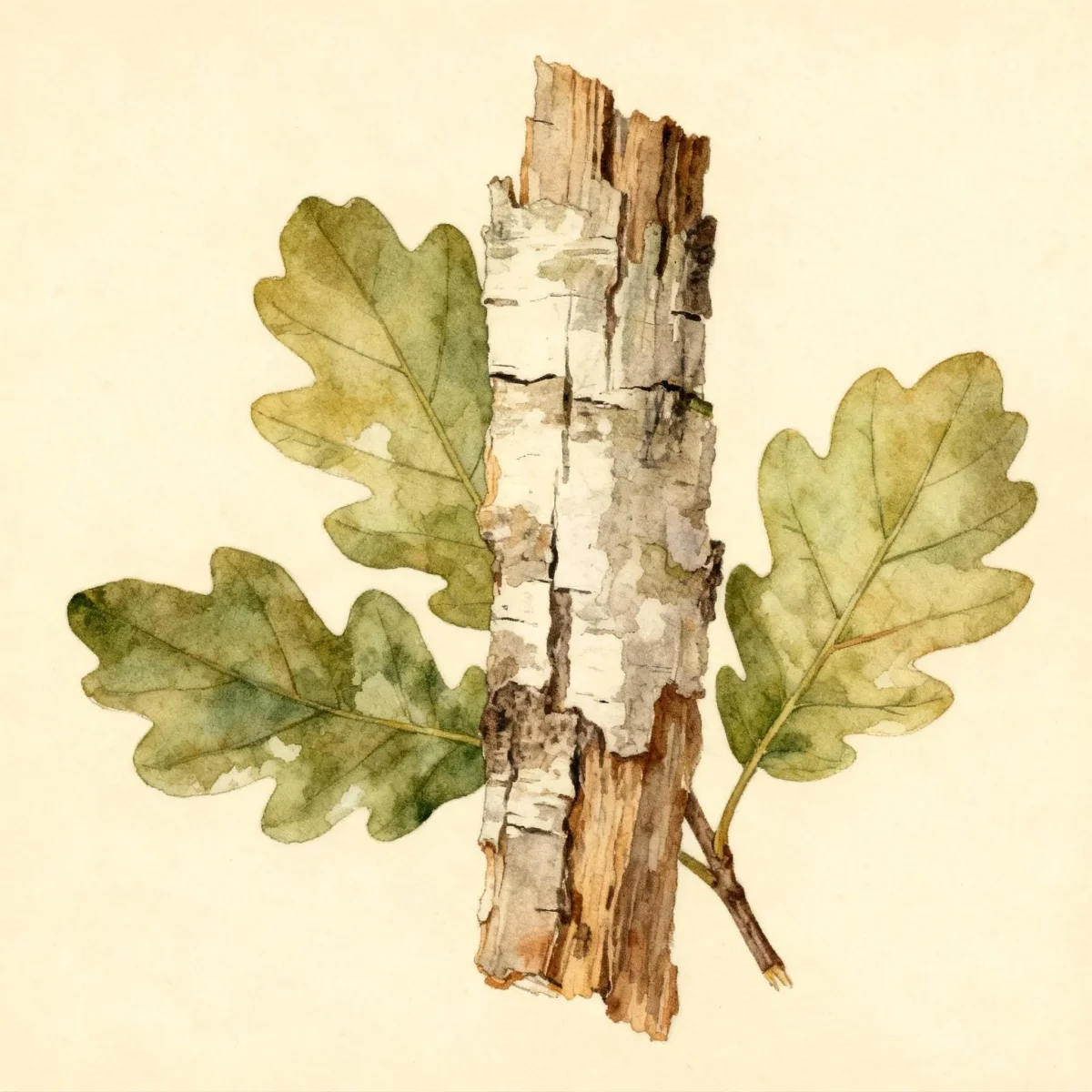
Quercus aliena, commonly called oriental white oak, is a medium to large deciduous oak with a spreading crown that typically grows to 40-80’ tall. Its elliptic-obovate leaves are shiny dark green above and paler beneath, turning yellow in the fall, contrasting nicely with its attractive furrowed gray bark. Female flowers lead to acorns up to 1 inch long, which ripen in autumn, each partially covered by an acorn cup (cupule).
Tolerances
- Black Walnut
Potential Problems
Generally, the Oriental white oak experiences no serious insect or disease problems, offering a relatively lower maintenance profile than some other popular oaks. However, gardeners must remain aware that oaks generally remain susceptible to a wide array of pathogens, including oak wilt, anthracnose, leaf blister, and various cankers. Potential insect pests that might target Quercus aliena include scale insects, borers, oak lace bugs, and various caterpillars. Proactive monitoring and maintaining strong tree vigor through proper watering and soil management are the best defenses against opportunistic diseases and pests.
Frequently Asked Questions
What hardiness zones is Oriental white oak suitable for?
The Oriental white oak, Quercus aliena, is hardy and best grown within USDA Zones 5 through 8, offering good cold tolerance across this range.
How large does Oriental white oak grow?
This substantial tree characteristically matures to a height between 40 and 80 feet, and it develops a wide, spreading crown with a similar spread, reaching 40 to 80 feet wide.
What sun exposure does Oriental white oak need?
For optimal growth and density, Quercus aliena requires full sun exposure, although it can tolerate periods of some part shade in the landscape.
When does Oriental white oak bloom?
The monoecious flowers of the Oriental white oak typically appear in the landscape between April and May, exhibiting a yellowish-green coloration.
Conclusion
The Oriental white oak (Quercus aliena) is a magnificent, long-lived addition to any large landscape, rewarding the gardener with substantial shade, attractive foliage, and proven adaptability, even tolerating alkaline soils. Before deciding on placement, ensure you have the necessary space for its mature 40 to 80-foot size. Check your local USDA hardiness zone compatibility and plan for planting during the cool, dormant season for the best establishment.
Wildlife Benefits
As a member of the oak genus, Quercus aliena provides significant ecological value, especially upon reaching maturity and producing acorns. These acorns are a critical seasonal food source for countless species of wildlife, including various birds, squirrels, and deer, anchoring the tree firmly in local food webs. Furthermore, the dense canopy of the Oriental white oak offers excellent nesting and roosting cover for many bird species throughout the year.
Companion Planting
When establishing the Quercus aliena, consider companion species that appreciate its partial shade potential once the canopy matures, or those that can handle the full sun required when young. In woodland garden settings, companion planting with ferns, hostas, or native woodland wildflowers that thrive in rich, moist soil will enhance visual interest beneath the spreading limbs. Ensure these companions do not compete aggressively with the young root systems of the oak tree.